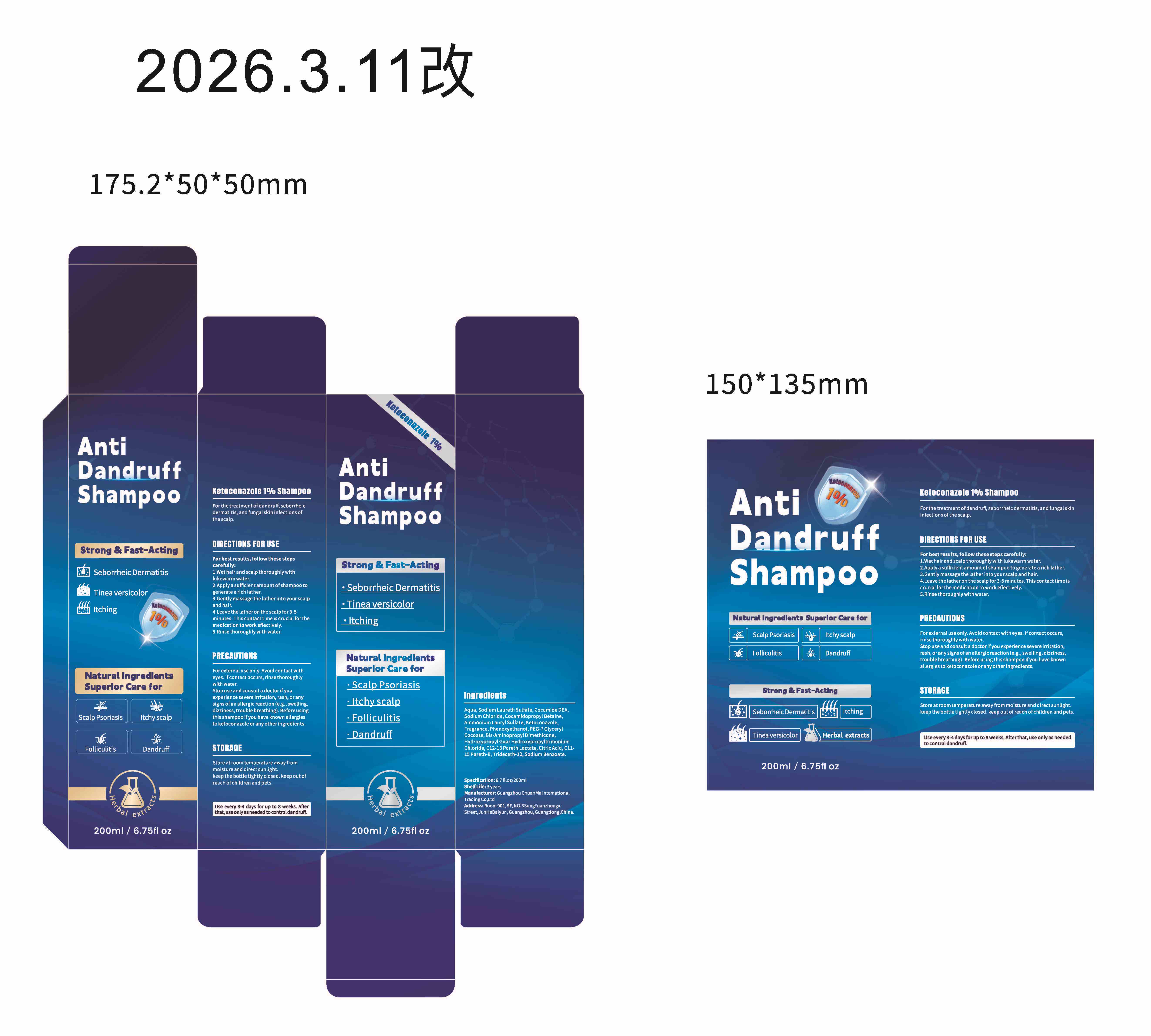
(ketoconazole · DailyMed)
V-DRUF SHAMPOO
KETOCONAZOLE, ZINC PYRITHIONE & ALOE VERA
What it does
Aloe is a natural product commonly used for skin care and digestive health.
Commonly used for: skin conditions (like burns and wounds), constipation, digestive aid
Read more in plain English ↓Plain-language summary for general understanding - not medical advice. Always follow your pharmacist/doctor.
Ask about this medicine
Answers come only from this medicine's registration record, BNF monograph and interaction data - not medical advice.
Hard to find? We help patients in Kenya source rare medicines. We don't sell or dispense medicines - licensed pharmacies do.
Source this medicineRegistration & product details
Source: Pharmacy and Poisons Board · fetched 2026-01-28 20:49:42 · updated 2026-02-08 03:33:19
Drug Interactions
22Severe (6)
Ketoconazole - decreases concentration
Phenobarbital is predicted to decrease the concentration of antifungals, azoles (ketoconazole). Avoid.
Ketoconazole - decreases concentration
Primidone is predicted to decrease the concentration of antifungals, azoles (ketoconazole, posaconazole). Avoid.
Ketoconazole - decreases exposure
Nevirapine moderately decreases the exposure to antifungals, azoles (ketoconazole). Avoid.
Ketoconazole - decreases exposure
Rifampicin markedly decreases the exposure to antifungals, azoles (ketoconazole) and antifungals, azoles (ketoconazole) potentially decreases the exposure to rifampicin. Avoid.
Rifabutin - increases concentration
Ketoconazole is predicted to increase the concentration of rifamycins (rifabutin) and rifamycins (rifabutin) are predicted to decrease the concentration of ketoconazole. Avoid.
Rifamycins - increases concentration
Ketoconazole is predicted to increase the concentration of rifamycins (rifabutin) and rifamycins (rifabutin) are predicted to decrease the concentration of ketoconazole. Avoid.
Moderate (4)
Anti-Androgens - increases exposure
Ketoconazole is predicted to increase the exposure to anti-androgens (darolutamide). Monitor and adjust dose.
Coumarins - increases anticoagulant effect
Ketoconazole potentially increases the anticoagulant effect of coumarins (warfarin). Monitor INR and adjust dose.
Darolutamide - increases exposure
Ketoconazole is predicted to increase the exposure to anti-androgens (darolutamide). Monitor and adjust dose.
Warfarin - increases anticoagulant effect
Ketoconazole potentially increases the anticoagulant effect of coumarins (warfarin). Monitor INR and adjust dose.
Unknown (12)
Aliskiren - increases exposure
Ketoconazole moderately increases the exposure to aliskiren.
Antimalarials - increases exposure
Ketoconazole increases the exposure to antimalarials (mefloquine).
Bosentan - increases exposure
Ketoconazole moderately increases the exposure to endothelin receptor antagonists (bosentan).
Endothelin Receptor Antagonists - increases exposure
Ketoconazole moderately increases the exposure to endothelin receptor antagonists (bosentan).
Ketoconazole - increases exposure
Cobicistat is predicted to increase the exposure to ketoconazole. Adjust ketoconazole dose, p. 759.
Data from BNF 85 (British National Formulary). This is not a substitute for professional medical advice. Matched via: exact
About aloe
Aloe is a natural product commonly used for skin care and digestive health.
What it treats
- skin conditions (like burns and wounds)
- constipation
- digestive aid
How it works
Aloe has soothing and healing properties for the skin and can help promote digestion.
Who it's for
Aloe can be used by adults and children for various skin and digestive issues.
Cautions
- • May cause allergic reactions in some people.
- • Overuse can lead to stomach cramps or diarrhea.
AI-assisted summary grounded in BNF data - general information only, not medical advice. Always confirm with your pharmacist or doctor.
About ketoconazole
Ketoconazole is an antifungal medication used to treat fungal infections.
What it treats
- fungal infections of the skin
- fungal infections of the nails
- candidiasis (thrush)
How it works
It works by stopping the growth of fungi that cause infections.
Who it's for
Ketoconazole is for adults and children with fungal infections.
AI-assisted summary grounded in BNF data - general information only, not medical advice. Always confirm with your pharmacist or doctor.
About pyrithione
Pyrithione is an ingredient commonly used in treatments for skin conditions.
What it treats
- dandruff (seborrheic dermatitis)
- scalp psoriasis
How it works
Pyrithione helps reduce the growth of yeast and bacteria on the skin, which can help relieve itching and flaking.
Who it's for
It is suitable for adults and children who suffer from certain skin conditions.
AI-assisted summary grounded in BNF data - general information only, not medical advice. Always confirm with your pharmacist or doctor.
About vera
Vera is a natural product often used for its soothing effects on the skin and digestive system.
What it treats
- skin irritation
- digestive issues
- sunburn
How it works
Vera helps to soothe and moisturize the skin, and can aid in digestion.
Who it's for
Suitable for adults and children needing relief from skin or digestive discomfort.
AI-assisted summary grounded in BNF data - general information only, not medical advice. Always confirm with your pharmacist or doctor.
Clinical monograph: Ketoconazole
BNF-referencedKetoconazole is an imidazole derivative classified as an antifungal agent. It is primarily used to treat endogenous Cushing's syndrome, a condition characterized by excess cortisol production. Ketoconazole acts by inhibiting the synthesis of cortisol and aldosterone, and it has been repurposed in some cases to manage fungal infections, although oral formulations for fungal infections have been suspended due to safety concerns regarding hepatotoxicity. It interferes with the ergosterol synthesis in fungal cell membranes, leading to increased permeability and impaired cell function.
Indications
- Endogenous Cushing's syndrome
- Cushing's disease
- Topical treatment of fungal infections (limited to specific formulations)
Dosage
Children: For paediatric dosing, refer to the BNF for Children
Adults: For Cushing's syndrome, the maximum dose is 200 mg daily with concurrent use of cobicistat-boosted regimens. The dosing should be adjusted based on patient response and liver enzyme levels.
Mechanism of action
Ketoconazole interacts with 14-alpha-sterol demethylase, a cytochrome P-450 enzyme essential for converting lanosterol to ergosterol. This inhibition results in reduced ergosterol levels in the fungal cell membrane, compromising its integrity and function. The metabolic blockage also leads to the accumulation of toxic sterol precursors, which further disrupt cellular processes. Ketoconazole's fungistatic properties prevent the growth and spread of fungal cells by altering cellular membranes and increasing membrane permeability.
Pharmacodynamics
As a fungistatic agent, ketoconazole halts growth in fungal cells, preventing their proliferation. It primarily targets the ergosterol biosynthesis pathway, which is crucial for maintaining fungal cell membrane integrity. This mechanism leads to increased membrane fluidity, impairing membrane-bound enzyme systems and resulting in growth inhibition of fungal pathogens.
Pharmacokinetics
Ketoconazole is well absorbed when taken orally, but its absorption can be affected by gastric pH. It undergoes extensive hepatic metabolism, primarily via cytochrome P450 enzymes, leading to various metabolites. The drug has a half-life of approximately 2-8 hours, but this can vary based on dose and individual metabolism. Ketoconazole is excreted mainly through the feces, with some renal excretion of unchanged drug.
Contra-indications
- Acquired QTc prolongation
- Acute porphyrias
- Congenital QTc prolongation
- Cushing's syndrome
Adverse effects
- Dizziness
- Flushing
- Hyperglycaemia
- Diarrhoea
- Gastrointestinal discomfort
- Nausea
- Vomiting
- Skin reactions
- Allergic conditions
- Alopecia
- Angioedema
- Asthenia
- Drowsiness
- Headache
- Thrombocytopenia
- Fever
- Hepatic disorders
- Taste alteration
- Appetite abnormality
- Arthralgia
- Dry mouth
- Epistaxis
- Flatulence
- Fontanelle bulging
- Gynaecomastia
- Hot flush
- Insomnia
- Increased intracranial pressure
- Malaise
- Myalgia
- Nervousness
- Papilloedema
- Paraesthesia
- Peripheral oedema
- Photophobia
- Photosensitivity reaction
- Tongue discolouration
Interactions
- Severe: phenobarbital decreases ketoconazole concentration
- Severe: primidone decreases ketoconazole concentration
- Severe: rifamycins increase ketoconazole concentration
- Severe: rifabutin increases ketoconazole concentration
- Severe: nevirapine decreases ketoconazole exposure
- Severe: rifampicin decreases ketoconazole exposure
- Moderate: anti-androgens increase ketoconazole exposure
- Moderate: darolutamide increases ketoconazole exposure
- Moderate: coumarins increase anticoagulant effect
- Moderate: warfarin increases anticoagulant effect
Precautions
- High dosage may cause proximal myopathy
- Avoid in chronic therapy
- Pre-treatment liver enzymes should not exceed 2 times the normal upper limit
- Risk of adrenal insufficiency
Pregnancy
Manufacturer advises avoid-teratogenic in animal
AI-synthesized from BNF references - general information only, not a substitute for professional medical advice or the current BNF. Verify doses with a pharmacist.
Clinical monograph: aloe
Aloe, particularly Aloe vera, is a succulent plant known for its medicinal properties. The gel extracted from its leaves is widely used in topical formulations for its soothing and healing effects on the skin. Aloe is also consumed in various forms for its potential health benefits, including digestive support and immune enhancement. Its active components include polysaccharides, glycoproteins, and various vitamins and minerals.
Indications
- Skin burns and wounds
- Sunburn
- Acne
- Psoriasis
- Digestive disorders
- Constipation
Dosage
Children: For topical use, apply Aloe vera gel as needed on the affected area. For oral formulations, consult product-specific dosing recommendations tailored to children's needs.
Adults: For topical use, apply Aloe vera gel directly to the affected area as needed. For oral consumption, refer to specific product guidelines, as formulations vary widely.
Mechanism of action
The primary mechanism of action of Aloe vera involves its anti-inflammatory and immunomodulatory properties. The polysaccharides, such as acemannan, enhance immune function and promote wound healing. Aloe also exhibits antimicrobial activity, which can help in preventing infections in wounds. In the gastrointestinal tract, Aloe may exert a laxative effect by stimulating intestinal peristalsis and enhancing mucosal secretions.
Pharmacodynamics
Aloe vera gel has demonstrable effects on skin hydration, wound healing, and anti-inflammatory responses. Its polysaccharide content is responsible for its ability to retain moisture and promote cell proliferation and migration, essential processes in tissue repair. Additionally, Aloe has shown potential in modulating inflammatory cytokines, which may contribute to its soothing effects when applied topically.
Pharmacokinetics
Aloe vera is typically administered topically or orally. When applied to the skin, it is absorbed locally, facilitating its effects on the epidermis and dermis. Oral consumption of Aloe products leads to absorption of its active compounds in the gastrointestinal tract, where they may exert systemic effects. The half-life and metabolism of Aloe components can vary depending on the formulation and route of administration, with the laxative effects usually occurring within a few hours after oral intake.
Adverse effects
- Abdominal cramps
- Diarrhea
- Electrolyte imbalance
- Dehydration
- Allergic reactions
Interactions
- May interact with diuretics, increasing the risk of electrolyte imbalance
- May affect the absorption of other medications due to its laxative effects
Precautions
- Use with caution in individuals with gastrointestinal disorders
- Not recommended for long-term use due to potential for dependence
- Avoid in cases of known allergy to aloe or its components
Pregnancy
Aloe is not recommended during pregnancy due to potential uterine stimulation and risks of miscarriage.
Breast-feeding
Aloe should be avoided during breastfeeding as safety has not been established.
Storage
Store in a cool, dry place away from direct sunlight. Keep out of reach of children.
Formulations
- Aloe vera gel
- Aloe vera juice
- Aloe extracts in capsules or tablets
AI-synthesized from BNF references - general information only, not a substitute for professional medical advice or the current BNF. Verify doses with a pharmacist.
Clinical monograph: pyrithione
BNF-referencedPyrithione is an antimicrobial agent with broad-spectrum activity, particularly effective against fungi and certain bacteria. It is commonly used in topical formulations for conditions such as dandruff and seborrheic dermatitis due to its ability to inhibit fungal growth and reduce scalp flaking and itch.
Indications
- Dandruff
- Seborrheic dermatitis
Dosage
Children: Refer to BNF for Children for appropriate dosing information in paediatric patients.
Adults: Refer to BNF for specific dosing guidelines based on formulation and condition being treated.
Mechanism of action
Pyrithione exerts its antifungal effects by increasing copper uptake in target organisms, forming a CuPT complex that facilitates copper transport across membranes. This leads to inactivation of iron-sulfur (Fe-S) cluster-containing proteins, impairing fungal metabolism and growth. Additionally, pyrithione acts as an ionophore, enhancing copper transport and slightly increasing zinc levels in affected microorganisms.
Pharmacodynamics
Pyrithione zinc demonstrates a broad antimicrobial spectrum, effectively targeting fungi, including Malassezia species, as well as gram-positive and gram-negative bacteria. Its antifungal activity helps reduce the fungal load on the scalp, leading to decreased production of free fatty acids, thus alleviating symptoms associated with dandruff.
Pharmacokinetics
Pyrithione is primarily used topically, resulting in localized effects with minimal systemic absorption. The pharmacokinetic profile in humans is not extensively detailed, but its action is concentrated at the site of application, particularly on the scalp and skin.
Adverse effects
- Skin irritation
- Allergic reactions
- Burning sensation
- Itching
Precautions
- Avoid contact with eyes
- Discontinue use if irritation occurs
- Use with caution in patients with a history of hypersensitivity to pyrithione or its components
Pregnancy
Safety during pregnancy has not been established. Use only if clearly needed and the benefits justify the potential risks.
Breast-feeding
Limited data available. Caution is advised as it is not known if pyrithione is excreted in human milk.
Storage
Store at room temperature, away from moisture and heat. Keep out of reach of children.
Formulations
- Topical shampoo
- Topical cream
- Topical lotion
AI-synthesized from BNF references - general information only, not a substitute for professional medical advice or the current BNF. Verify doses with a pharmacist.
Clinical monograph: vera
Verapamil is a calcium channel blocker that primarily acts on the heart and blood vessels. It is used to treat a variety of cardiovascular conditions, including hypertension, angina pectoris, and certain arrhythmias. By inhibiting calcium ions from entering cardiac and smooth muscle cells, verapamil reduces myocardial contractility and dilates blood vessels, leading to decreased blood pressure and reduced cardiac workload.
Indications
- Hypertension
- Angina pectoris
- Supraventricular tachycardia
- Atrial fibrillation
- Atrial flutter
Dosage
Children: Refer to the BNF for Children for appropriate dosing information based on age and weight.
Adults: Refer to the BNF for specific dosing guidelines based on the condition being treated and patient characteristics.
Mechanism of action
Verapamil works by selectively blocking L-type calcium channels, which are essential for the influx of calcium ions during depolarization in cardiac and vascular smooth muscle cells. This blockade decreases intracellular calcium levels, resulting in reduced cardiac contractility (negative inotropic effect), decreased heart rate (negative chronotropic effect), and vasodilation, which collectively help in managing conditions like hypertension and angina.
Pharmacodynamics
Verapamil exhibits dose-dependent effects on cardiac conduction and vascular tone. It slows conduction through the atrioventricular (AV) node, which is beneficial in treating certain types of supraventricular tachycardias. Its vasodilatory effects lead to a reduction in peripheral vascular resistance, contributing to its antihypertensive properties. The onset of action occurs within 1 hour after oral administration, with effects lasting for several hours.
Pharmacokinetics
Verapamil is well absorbed from the gastrointestinal tract but undergoes extensive first-pass metabolism in the liver, leading to variable bioavailability (usually 20-35%). It is highly protein-bound (90-95%), primarily to albumin. The elimination half-life ranges from 3 to 7 hours, with metabolites also exhibiting pharmacological activity. Renal excretion accounts for the elimination of both unchanged drug and metabolites, necessitating caution in patients with renal impairment.
Contra-indications
- Severe hypotension
- Cardiogenic shock
- Severe left ventricular dysfunction
- Second- or third-degree AV block (unless a functioning pacemaker is present)
Adverse effects
- Hypotension
- Bradycardia
- Heart block
- Peripheral edema
- Constipation
- Headache
- Dizziness
- Fatigue
Interactions
- amiodarone+verapamil: Severe (increases risk of cardiodepression)
- verapamil+betablockers, non-selective: Severe (increases risk of cardiovascular adverse effects)
- intravenous dantrolene+verapamil: Severe (increases risk of acute hyperkalaemia and cardiovascular collapse)
- grapefruit juice+verapamil: Severe (increases exposure)
- miconazole+verapamil: Moderate (increases exposure)
- verapamil+bictegravir: Moderate (increases exposure)
- verapamil+panobinostat: Moderate (increases exposure)
- verapamil+thrombin inhibitors: Moderate (increases exposure)
- verapamil+dabigatran: Moderate (increases exposure)
- enzalutamide+verapamil: Unknown (decreases exposure)
Precautions
- Use with caution in patients with hepatic impairment
- Monitor heart rate and blood pressure regularly
- Caution in patients with a history of heart failure
Pregnancy
Use in pregnancy only if the potential benefit justifies the potential risk to the fetus. Consult local guidelines.
Breast-feeding
Verapamil is excreted in breast milk, caution is advised when used during breastfeeding.
Storage
Store in a cool, dry place away from light. Keep out of reach of children.
Formulations
- Tablets
- Sustained-release tablets
- Injection
AI-synthesized from BNF references - general information only, not a substitute for professional medical advice or the current BNF. Verify doses with a pharmacist.
Molecular reference: Ketoconazole
PubChem CID 47576Molecular formula: C26H28Cl2N4O4
Mechanism of action
Ketoconazole interacts with 14-α-sterol demethylase, a cytochrome P-450 enzyme necessary for the conversion of lanosterol to ergosterol. This results in inhibition of ergosterol synthesis and increased fungal cellular permeability due to reduced amounts of ergosterol present in the fungal cell membrane. This metabolic inhibition also results in accumulation of 14α-methyl-3,6-diol, a toxic metabolite. The increase in membrane fluidity is also thought to produce impairment of membrane-bound enzyme systems as components become less closely packed. Ketoconazole blocks the synthesis of ergosterol, a key component of the fungal cell membrane, through the inhibition of cytochrome P-450 dependent enzyme lanosterol 14alpha-demethylase responsible for the conversion of lanosterol to ergosterol in the fungal cell membrane. This results in an accumulation of methylated sterol precursors and a depletion of ergosterol within the cell membrane thus weakening the structure and function of the fungal cell membrane. Like other azole antifungal agents, ketoconazole presumably exerts its antifungal activity by altering cellular membranes, resulting in increased membrane permeability, secondary metabolic effects, and growth inhibition. Although the exact mechanism of action of ketoconazole has not been fully determined, it has been suggested that the fungistatic activity of the drug may result from interference with ergosterol synthesis, probably via inhibition of C-14 demethylation of sterol intermediates (e.g., lanosterol). The fungicidal activity of ketoconazole at high concentrations may result from a direct physiochemical effect of the drug on the fungal cell membrane.
Pharmacodynamics
Ketoconazole, similarly to other azole antifungals, is a fungistatic agent which causes growth arrest in fungal cells thereby preventing growth and spread of the fungus throughout the body.
Biological pathways
Source: PubChem (NCBI) · pathways from PathBank, Reactome, WikiPathways & PharmGKB.
Molecular reference: pyrithione
PubChem CID 1570Molecular formula: C5H5NOS
Mechanism of action
Inhibition of fungal growth by pyrithione zinc is linked to increased copper uptake and cellular levels of copper, which is demonstrated by decreased CTR1-lacZ expression and slightly increased CUP1-lacZ expression in affected microorganisms. The coordination complex of pyrithione zinc dissociates, and pyrithione ligand forms a CuPT complex from available extracellular copper in the target organism. Pyrithione acts as an ionophore, interacting nonspecifically with the plasma membrane to shuttle copper into the cell, and facilitates copper transport across intracellular membranes. Copper may be shuttled into the mitochondria. Copper inactivates iron-sulfur (Fe-S) cluster-containing proteins via a mechanism similar to that described for copper-induced growth inhibition in bacteria. Decreased activity of Fe-S proteins leads to inhibition of fungal metabolism and fungal growth. Pyrithione zinc has been shown to slightly increase the levels of zinc.
Pharmacodynamics
Pyrithione zinc has a broad antimicrobial spectrum of activity, including fungi, gram-positive and gram-negative bacteria. Pyrithione zinc is effective against Malassezia and all other fungi, especially the Malassezia species found on scalp. In patients with dandruff, treatment with pyrithione zinc reduced the amount of fungus on the scalp, which reduces the amount of free fatty acids, thereby reducing scalp flaking and itch.
Source: PubChem (NCBI) · pathways from PathBank, Reactome, WikiPathways & PharmGKB.
This drug in other countries
The same active ingredient registered across other registries we cover - including different brands.
- ALOE-BERRY-NECTAR 90.3027 LIQUID
- DEZOR 2%W/V SHAMPOO
- DEZOR 2%W/W CREAM
- FUNGICIDE 200MG TABLET
- FUNGINOC 2%W/W CREAM
- IMMUNO-ACTIVE COMBINATION PRODUCT CAPSULE
- Antanazol · Shin Poong Pharma
- COFFNIL HERBAL COUGH REMEDY (SUGAR FREE) · Prince Pharmaceuticals
- COREBACT · Front Pharmaceutical PLC
- DERMAZOLE · Kusum Healthcare
- Dermazole Cream · Kusum Healthcare
- Dermazole Plus Shampoo · Kusum Healthcare
- AJ WELLNESS SKIN RADIANCE CAPSULES · Renown Pharmaceuticals
- AJ WELLNESS SKIN RADIANCE CAPSULES (Each soft gelatin capsules contains Vit A/Vit B3/Vit B6/Biotin/Vit C/Vit E/Selenium/Zinc/Glutathione/Collagen peptides/Hyaluronic acid/Green tea/Mixed caretenoids/Aloe vera extract/Pomegranate/Grape seed extract/Lycopene/Astanxanthin/Resveratrol 1500iu/12mg/0.75mg/30mcg/15mg/10mg/20mcg/7.5mg/100mg/200mg/5mg/40mg/15mg/10mg/10mg/5mg/3mg/1.2mg/1mg) · Renown Pharmaceuticals
- AJ WELLNESS VITALMAN 65+ CAPSULES · Renown Pharmaceuticals
- AJ WELLNESS VITALWOMAN 45+ CAPSULES · Renown Pharmaceuticals
- AJ WELLNESS VITALWOMAN 65+ CAPSULES · Renown Pharmaceuticals
- DARTKETO CREAM (Ketoconazole 2w/w%) · Addii Biotech
- KENAZOLE CREAM · Dawa
- KENIZA
- KETO PLUS SHAMPOO · Glenmark Pharmaceuticals
- KETOZ · S Kant Healthcare
- KONAZOL · Lincoln Pharmaceuticals
- Ketoconazole 2 %w/v · Gracure Pharmaceuticals