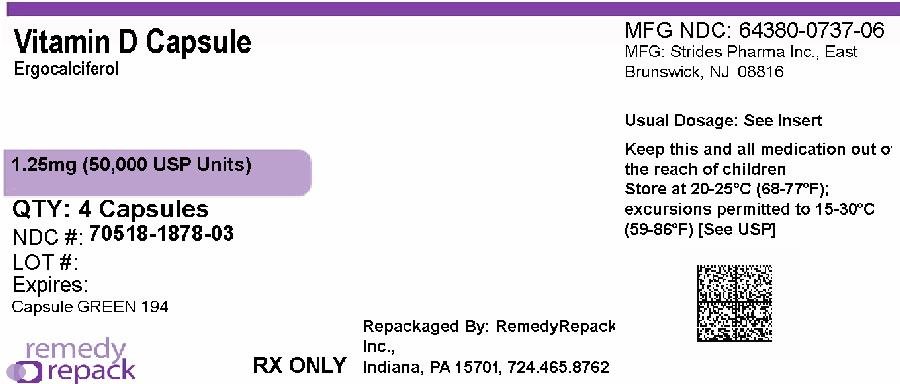
(vitamin · DailyMed)
VIGAFIT PLUS TABLETS
SYNTHETIC VITAMIN A CONCENTRATE BP CHOLECALCIFEROL BP THIAMINE NITRATE BP RIBOFLAVINE BP NIACINAMIDE BP FOLIC ACID BP PYRIDOXINE HYDROCHLORIDE BP CALCIUM PANTOTHENATE BP CYANOCOBALAMIN BP ASCORBIC ACID BP ALPHA TOCOPHERYL ACETATE BP TRIBASIC
What it does
Alpha is a medication used to treat various health conditions. It is important to follow your healthcare provider's guidance when using this medication.
Commonly used for: high blood pressure (hypertension), anxiety disorders, certain types of pain
Read more in plain English ↓Plain-language summary for general understanding - not medical advice. Always follow your pharmacist/doctor.
Ask about this medicine
Answers come only from this medicine's registration record, BNF monograph and interaction data - not medical advice.
Hard to find? We help patients in Kenya source rare medicines. We don't sell or dispense medicines - licensed pharmacies do.
Source this medicineRegistration & product details
Source: Pharmacy and Poisons Board · fetched 2026-01-28 21:10:49 · updated 2026-07-20 08:53:57
Drug Interactions
7Severe (2)
Vitamin - increases risk of vitamin a toxicity
TretinoinispredictedtoincreasetheriskofvitaminAtoxicity whengivenwithvitaminA.Avoid.rStudy Ribavirin e
Vitamin - increases risk of vitamin a toxicity
Retinoids(tretinoin)arepredictedtoincreasetheriskof vitaminAtoxicitywhengivenwithvitaminA.Avoid.r Study VitaminDsubstances . . . . . alfacalcidol.calcipotri..ol calcitriol colecalciferol ergocalcifero
Moderate (1)
Vitamin - increases risk of toxicity
Retinoids (bexarotene) are predicted to increase the risk of toxicity when given with vitamin A. Adjust dose.
Unknown (4)
Vitamin - decreases effects
Carbamazepine is predicted to decrease the effects of vitamin D substances.
Vitamin - increases exposure
Cobicistat is predicted to increase the exposure to vitamin D substances (paricalcitol).
Vitamin - increases exposure
Idelalisib is predicted to increase the exposure to vitamin D substances (paricalcitol).
Vitamin - increases exposure
Clarithromycin is predicted to increase the exposure to vitamin D substances (paricalcitol).
Data from BNF 85 (British National Formulary). This is not a substitute for professional medical advice. Matched via: exact
About alpha
Alpha is a medication used to treat various health conditions. It is important to follow your healthcare provider's guidance when using this medication.
What it treats
- high blood pressure (hypertension)
- anxiety disorders
- certain types of pain
How it works
Alpha works by affecting certain chemicals in the brain that help regulate mood and pain perception.
Who it's for
Alpha is prescribed for adults and may also be used in children under the supervision of a healthcare provider.
AI-assisted summary grounded in BNF data - general information only, not medical advice. Always confirm with your pharmacist or doctor.
About ascorbic
Ascorbic acid, commonly known as vitamin C, is important for overall health and supports the immune system.
What it treats
- boosting the immune system
- preventing or treating vitamin C deficiency
- supporting skin health
How it works
Vitamin C helps the body form collagen and absorb iron, and it also acts as an antioxidant to protect cells from damage.
Who it's for
It is suitable for most people, especially those who may not get enough vitamin C from their diet.
AI-assisted summary grounded in BNF data - general information only, not medical advice. Always confirm with your pharmacist or doctor.
About cholecalciferol
Cholecalciferol is a form of vitamin D that helps maintain healthy bones and teeth.
What it treats
- vitamin D deficiency
- rickets
- osteomalacia
How it works
Cholecalciferol helps your body absorb calcium and phosphorus, which are essential for strong bones.
Who it's for
It is suitable for individuals who need to boost their vitamin D levels, especially those with limited sun exposure.
AI-assisted summary grounded in BNF data - general information only, not medical advice. Always confirm with your pharmacist or doctor.
About cyanocobalamin
Cyanocobalamin is a form of vitamin B12 that is important for maintaining healthy nerve cells and producing red blood cells.
What it treats
- vitamin B12 deficiency
- pernicious anemia
- certain types of anemia
How it works
It helps in the production of red blood cells and supports the nervous system.
Who it's for
It is for people who have low levels of vitamin B12, including those with certain dietary restrictions or absorption issues.
AI-assisted summary grounded in BNF data - general information only, not medical advice. Always confirm with your pharmacist or doctor.
About folic
Folic acid is a type of B vitamin that helps your body produce and maintain new cells. It is essential for making DNA and other genetic material.
What it treats
- preventing folic acid deficiency
- helping in the development of the baby during pregnancy (especially in the early stages)
- treating certain types of anemia (low red blood cell count)
How it works
Folic acid works by helping the body create new cells and produce DNA, which is vital for growth and development.
Who it's for
Folic acid is for people who need extra folate, such as pregnant women or those with certain medical conditions.
AI-assisted summary grounded in BNF data - general information only, not medical advice. Always confirm with your pharmacist or doctor.
About niacinamide
Niacinamide is a form of vitamin B3 that helps improve skin health and appearance.
What it treats
- acne
- eczema
- dry skin
- hyperpigmentation
- aging skin
How it works
It helps to improve skin function, reduce inflammation, and enhance the skin's barrier.
Who it's for
It is suitable for most skin types and can benefit those with specific skin concerns.
AI-assisted summary grounded in BNF data - general information only, not medical advice. Always confirm with your pharmacist or doctor.
About pantothenate
Pantothenate is a form of vitamin B5 that helps support overall health and wellbeing.
What it treats
- fatigue
- stress
- skin conditions
- hair loss
How it works
Pantothenate helps the body convert food into energy and is important for making red blood cells.
Who it's for
This supplement is suitable for people looking to boost their energy levels or support their skin and hair health.
AI-assisted summary grounded in BNF data - general information only, not medical advice. Always confirm with your pharmacist or doctor.
About pyridoxine
Pyridoxine, also known as vitamin B6, is important for many bodily functions including the metabolism of proteins and the creation of neurotransmitters.
What it treats
- pyridoxine deficiency
- nerve pain (neuropathy)
- certain types of anemia
How it works
Pyridoxine helps the body use proteins and carbohydrates effectively and is essential for the production of chemicals that transmit signals in the brain.
Who it's for
Pyridoxine is for individuals who need to increase their vitamin B6 levels due to dietary deficiencies or certain health conditions.
AI-assisted summary grounded in BNF data - general information only, not medical advice. Always confirm with your pharmacist or doctor.
About riboflavine
Riboflavine, also known as vitamin B2, is essential for energy production and helps maintain healthy skin, eyes, and nerve functions.
What it treats
- vitamin B2 deficiency
- migraines
- certain eye disorders
How it works
Riboflavine helps the body convert food into energy and is important for the growth and development of cells.
Who it's for
It is suitable for individuals needing extra vitamin B2, including those with dietary deficiencies or certain health conditions.
AI-assisted summary grounded in BNF data - general information only, not medical advice. Always confirm with your pharmacist or doctor.
About synthetic
This synthetic medication is used to treat various health conditions.
How it works
This medication works by mimicking or affecting the body's natural processes.
Who it's for
This medication is suitable for individuals needing treatment for specific health issues as determined by a healthcare professional.
AI-assisted summary grounded in BNF data - general information only, not medical advice. Always confirm with your pharmacist or doctor.
About thiamine
Thiamine, also known as vitamin B1, is a nutrient that helps convert food into energy and supports the nervous system.
What it treats
- thiamine deficiency
- Wernicke-Korsakoff syndrome
- beriberi
How it works
Thiamine helps the body use carbohydrates for energy and is essential for the proper functioning of the nervous system.
Who it's for
Thiamine is for people who have low levels of vitamin B1 or certain conditions that increase the need for it.
AI-assisted summary grounded in BNF data - general information only, not medical advice. Always confirm with your pharmacist or doctor.
About tocopheryl
Tocopheryl is a form of Vitamin E that helps protect cells from damage and supports overall health.
What it treats
- skin health
- antioxidant support
How it works
Tocopheryl acts as an antioxidant, which means it helps neutralize harmful substances in the body called free radicals.
Who it's for
Tocopheryl is suitable for individuals looking to support their skin health and overall wellness.
AI-assisted summary grounded in BNF data - general information only, not medical advice. Always confirm with your pharmacist or doctor.
About tribasic
Tribasic is a medication that may be used for various health conditions. However, specific information about its uses and interactions is limited.
How it works
The exact way tribasic works is not clearly defined, but it is used to help with certain health issues.
Who it's for
Tribasic may be suitable for individuals who need treatment for specific health conditions, but the details are not specified.
AI-assisted summary grounded in BNF data - general information only, not medical advice. Always confirm with your pharmacist or doctor.
About vitamin
Vitamins are essential nutrients that support various bodily functions and overall health.
What it treats
- nutritional deficiency
- general health maintenance
How it works
Vitamins support normal bodily functions, including metabolism, immune function, and cell repair.
Who it's for
Anyone needing to improve their nutrient intake or maintain good health.
AI-assisted summary grounded in BNF data - general information only, not medical advice. Always confirm with your pharmacist or doctor.
Clinical monograph: Cyanocobalamin
BNF-referencedCyanocobalamin, commonly known as vitamin B12, is a water-soluble vitamin essential for various bodily functions, including DNA synthesis, red blood cell formation, and neurological function. It plays a crucial role in the metabolism of fatty acids and amino acids. Deficiency in vitamin B12 can lead to megaloblastic anemia and neurological disorders.
Mechanism of action
Cyanocobalamin serves as a cofactor for methionine synthase and L-methylmalonyl-CoA mutase enzymes. Methionine synthase is essential for the synthesis of purines and pyrimidines that form DNA. L-methylmalonyl-CoA mutase is involved in the degradation of propionate, crucial for fat and protein metabolism. The lack of vitamin B12 results in the accumulation of methylmalonyl CoA, contributing to neurological manifestations. Additionally, it is vital for the synthesis of methionine from homocysteine, and its deficiency can lead to functional folate deficiency, which impacts red blood cell formation.
Pharmacodynamics
Cyanocobalamin corrects vitamin B12 deficiency and alleviates symptoms and laboratory abnormalities associated with pernicious anemia, such as megaloblastic indices, gastrointestinal lesions, and neurological damage. It is essential for growth, cell reproduction, hematopoiesis, nucleoprotein, and myelin synthesis. The drug significantly impacts fat and carbohydrate metabolism, as well as protein synthesis. Rapidly dividing cells, such as those in the bone marrow, have a high demand for vitamin B12. Parenteral administration of cyanocobalamin can quickly reverse the anemia and gastrointestinal symptoms of vitamin B12 deficiency, while also preventing the progression of related neurological damage.
Pharmacokinetics
Cyanocobalamin is absorbed in the intestine, primarily in the ileum, via specific transport mechanisms that may be impaired in individuals with intrinsic factor deficiency (as seen in pernicious anemia). Once absorbed, it is widely distributed in body tissues, with significant concentrations found in the liver, kidneys, and heart. The vitamin is stored in the liver, where it can be released into circulation as needed. Cyanocobalamin undergoes conversion to its active forms, methylcobalamin and adenosylcobalamin, which are utilized in various metabolic processes. The elimination half-life is variable, but it is generally excreted via urine as metabolites
Adverse effects
- Abdominal distension
- Decreased appetite
- Flatulence
- Nausea
Interactions
- Folic acid may interact with cyanocobalamin, especially in cases of megaloblastic anemia caused by folate deficiency.
Precautions
- Should not be given alone for pernicious anemia.
- Use caution in patients with Leber's disease, as it may worsen optic atrophy.
Pregnancy
Cyanocobalamin is essential during pregnancy as it helps prevent neural tube defects. It is advised that females of childbearing potential take 5 mg of folic acid daily before conception and throughout pregnancy.
Breast-feeding
Cyanocobalamin is generally considered safe during breastfeeding, but it is advised to monitor the infant for any adverse effects.
Storage
Store in a cool, dry place, away from direct sunlight. Protect from moisture.
Formulations
- Tablet: 1000 micrograms
- Tablet: 500 micrograms
- Tablet: 100 micrograms
- Oral solution: 50 micrograms per ml
- Solution for injection: 1000 micrograms per ml
AI-synthesized from BNF references - general information only, not a substitute for professional medical advice or the current BNF. Verify doses with a pharmacist.
Clinical monograph: Pyridoxinehydrochloride
BNF-referencedPyridoxine hydrochloride, also known as Vitamin B6, is a water-soluble vitamin that plays a crucial role in various bodily functions, including amino acid metabolism, neurotransmitter synthesis, and the regulation of gene expression. It is essential for the proper function of enzymes involved in the metabolism of proteins, carbohydrates, and fats. Pyridoxine is commonly used to treat and prevent vitamin B6 deficiencies and is also indicated in specific neuropathies, including those induced by isoniazid and penicillamine.
Indications
- Vitamin B6 deficiency
- Isoniazid-induced neuropathy (prophylaxis and treatment)
- Idiopathic sideroblastic anaemia
- Prevention of penicillamine-induced neuropathy in Wilson's disease
- Metabolic diseases such as cystathioninuria and homocystinuria
- Premenstrual syndrome
Mechanism of action
Pyridoxine hydrochloride is converted in the body to pyridoxal phosphate, which is the active form of vitamin B6. It serves as a cofactor for more than 100 enzymatic reactions, particularly those involved in the metabolism of amino acids, the synthesis of neurotransmitters (such as serotonin, dopamine, and gamma-aminobutyric acid), and the production of hemoglobin. Its role in neurotransmitter synthesis makes it crucial for normal brain function and mood regulation.
Pharmacodynamics
Pyridoxine hydrochloride exerts its effects by facilitating the conversion of amino acids into neurotransmitters and is involved in the synthesis of heme. It impacts the metabolism of tryptophan to serotonin and is essential for the production of norepinephrine and gamma-aminobutyric acid, which are vital for proper neurological function. Deficiency of vitamin B6 can lead to neurological symptoms, including peripheral neuropathy and cognitive disturbances.
Pharmacokinetics
Pyridoxine hydrochloride is readily absorbed from the gastrointestinal tract. It is primarily metabolized in the liver, where it is converted to its active form, pyridoxal phosphate. The elimination half-life of pyridoxine is approximately 15-20 days, and it is excreted primarily through the urine. Renal impairment may affect the metabolism and excretion of pyridoxine, necessitating dose adjustments.
Contra-indications
- Hyperkalaemia
- Severe liver damage
Adverse effects
- Peripheral neuritis
- Hepatitis
- Hypoglycaemia
- Urine discolouration
Interactions
- Potassium aminobenzoate
- Isoniazid
Precautions
- Caution in renal impairment (increased risk of hyperkalaemia)
- Interrupt treatment during periods of low food intake (such as fasting, anorexia, and nausea) to reduce risk of hypoglycaemia
- Monitor liver function tests monthly during high-dose therapy
Pregnancy
Manufacturer advises avoiding use in pregnancy due to potential risk of birth defects; however, no adverse effects have been reported at normal dietary levels.
Breast-feeding
Theoretical risk of toxicity in infants if mothers take large doses.
Storage
Store in a cool, dry place away from direct sunlight. Keep out of reach of children.
Formulations
- Pyridoxine hydrochloride 10 mg tablets
- Pyridoxine hydrochloride 20 mg tablets
- Pyridoxine hydrochloride 50 mg tablets
- Pyridoxine hydrochloride oral solution 20 mg per 1 ml
AI-synthesized from BNF references - general information only, not a substitute for professional medical advice or the current BNF. Verify doses with a pharmacist.
Clinical monograph: Thiamine
BNF-referencedThiamine, also known as vitamin B1, is a water-soluble vitamin that is essential for carbohydrate metabolism and plays a critical role in energy production. It acts as a coenzyme in several biochemical pathways, particularly in the conversion of pyruvate to acetyl-CoA and in the pentose phosphate pathway. Thiamine deficiency can lead to serious health issues, including Wernicke-Korsakoff syndrome, beriberi, and other neurological disorders. Thiamine is found in various foods such as whole grains, legumes, nuts, and meat.
Indications
- Vitamin B1 deficiency
- Wernicke-Korsakoff syndrome
- Beriberi
- Isoniazid-induced neuropathy (prophylaxis and treatment)
- Severe depletion or malabsorption of vitamins B and C
Dosage
Adults: For vitamin deficiency: 25–100 mg daily. For severe deficiency: 200–300 mg daily in divided doses. For
Mechanism of action
Thiamine functions primarily as a precursor for several phosphorylated active forms, which act as coenzymes in metabolic pathways. It reduces intracellular protein glycation by redirecting glycolytic flux and supports the synthesis of nucleic acids necessary for cell survival and proliferation. Additionally, thiamine has been shown to inhibit glucose-induced proliferation of endothelial cells, thus possibly playing a role in the modulation of vascular health.
Pharmacodynamics
Thiamine exhibits antioxidant properties and contributes to erythropoiesis, cognitive function, and mood regulation. It has protective effects against oxidative stress, particularly in neuronal tissues, where deficiency can lead to neuronal death due to increased free radical production. Thiamine also modulates glucose metabolism, influencing smooth muscle cell proliferation and potentially impacting the progression of atherosclerosis.
Pharmacokinetics
Thiamine is rapidly absorbed from the gastrointestinal tract, primarily in the jejunum, and is distributed throughout the body, with higher concentrations found in the liver, heart, and brain. It is excreted in urine, and its half-life is relatively short. The vitamin is converted into active forms within tissues, including thiamine diphosphate (TDP), which is the coenzyme form involved in carbohydrate metabolism. The body does not store significant amounts of thiamine, making regular dietary intake essential.
Adverse effects
- Allergic reactions
- Anaphylaxis (rare)
- Gastrointestinal disturbances
Precautions
- Facilities for treating anaphylaxis should be available when parenteral thiamine is administered
- Use with caution in patients with a history of hypersensitivity to thiamine
Pregnancy
Thiamine crosses the placenta but no adverse effects have been reported. Information regarding high doses is limited.
Breast-feeding
Severely thiamine-deficient mothers should avoid breast-feeding as thiamine is present in breast milk.
Storage
Store in a cool, dry place away from direct sunlight. Keep out of reach of children.
Formulations
- Thiamine hydrochloride 20 mg/ml oral solution
- Thiamine hydrochloride 50 mg tablets
- Thiamine hydrochloride 100 mg modified-release tablets
- Thiamine hydrochloride oral suspension
AI-synthesized from BNF references - general information only, not a substitute for professional medical advice or the current BNF. Verify doses with a pharmacist.
Clinical monograph: alpha
BNF-referencedAlpha is a medication classified as an alpha-adrenergic antagonist. It is primarily used to treat conditions related to hypertension and other disorders involving the adrenergic system. It works by blocking alpha-adrenergic receptors, which leads to vasodilation and a subsequent reduction in blood pressure. Its pharmacological effects can also be utilized in managing symptoms of conditions such as benign prostatic hyperplasia.
Indications
- Hypertension
- Benign prostatic hyperplasia
- Urinary retention related to prostate enlargement
Dosage
Children: Refer to the BNF for Children for appropriate dosing guidelines in the paediatric population.
Adults: Refer to the BNF for specific dosing recommendations based on individual clinical scenarios.
Mechanism of action
Alpha acts by selectively blocking alpha-1 adrenergic receptors, which are responsible for mediating vasoconstriction in blood vessels. By inhibiting these receptors, alpha promotes vasodilation, leading to a decrease in peripheral vascular resistance and subsequently lowering blood pressure. Additionally, this action can help alleviate urinary symptoms associated with an enlarged prostate.
Pharmacodynamics
The pharmacodynamics of alpha involve its competitive antagonism at alpha-1 adrenergic receptors, resulting in decreased vasoconstriction and increased blood flow. This mechanism is beneficial in conditions characterized by high blood pressure and urinary retention due to prostatic enlargement. The onset of action typically occurs within hours, with peak effects observed within a few days of consistent dosing.
Pharmacokinetics
Alpha is absorbed well from the gastrointestinal tract, with peak plasma concentrations achieved within 1-3 hours post-administration. The drug undergoes hepatic metabolism, primarily via cytochrome P450 enzymes, resulting in active and inactive metabolites. The elimination half-life varies, but it generally is around 6-12 hours, allowing for once-daily dosing in many cases. Renal excretion is a significant route for its metabolites, necessitating caution in patients with renal impairment.
Interactions
- maois, irreversible + alpha blockers: Severe (increases effects)
- ribociclib + alpha blockers: Severe (increases exposure)
- cobicistat + alpha blockers: Moderate (increases exposure)
- idelalisib + alpha blockers: Moderate (increases exposure)
- dronedarone + alpha blockers: Unknown (increases exposure)
- antifungals, azoles + alpha blockers: Unknown (increases exposure)
- crizotinib + alpha blockers: Unknown (increases exposure)
- imatinib + alpha blockers: Unknown (increases exposure)
- letermovir + alpha blockers: Unknown (increases exposure)
- clarithromycin + alpha blockers: Unknown (increases exposure)
AI-synthesized from BNF references - general information only, not a substitute for professional medical advice or the current BNF. Verify doses with a pharmacist.
Clinical monograph: ascorbic
Ascorbic acid, commonly known as vitamin C, is a water-soluble vitamin essential for various physiological functions in the human body. It acts as a powerful antioxidant, helping to protect cells from oxidative stress and contributing to the maintenance of healthy skin, blood vessels, bones, and cartilage. Additionally, ascorbic acid plays a critical role in the synthesis of collagen, neurotransmitters, and certain hormones. It is commonly found in fruits and vegetables, and supplementation is often used to prevent or treat vitamin C deficiency, such as scurvy.
Indications
- Vitamin C deficiency
- Scurvy
- As an adjunct in the treatment of iron deficiency anemia
- Support for immune function
- Antioxidant therapy
Dosage
Adults: Refer to the BNF for specific
Mechanism of action
Ascorbic acid functions primarily as a reducing agent, donating electrons to various biochemical reactions. It is involved in the hydroxylation of proline and lysine residues in collagen synthesis, which is essential for maintaining connective tissue integrity. As an antioxidant, it also helps to regenerate other antioxidants, such as vitamin E, thereby protecting cells from oxidative damage. Furthermore, it enhances the absorption of non-heme iron from the gastrointestinal tract, promoting better iron utilization in the body.
Pharmacodynamics
Ascorbic acid is crucial for metabolic processes, including the synthesis of collagen and certain neurotransmitters. Its antioxidant properties help mitigate oxidative stress, which can lead to cellular damage and various diseases. The vitamin's role in iron absorption is particularly significant in preventing iron-deficiency anemia. The therapeutic effects of ascorbic acid are dose-dependent, with higher doses often resulting in more pronounced antioxidant effects.
Pharmacokinetics
Ascorbic acid is readily absorbed in the small intestine, with peak plasma concentrations occurring within 2 to 4 hours after oral administration. The bioavailability of ascorbic acid decreases at higher doses due to saturation of the transport mechanisms. It is distributed throughout bodily fluids and tissues, with highest concentrations found in the adrenal glands, pituitary gland, and leukocytes. The elimination half-life varies, typically ranging from 8 to 40 days, depending on the dose and the individual's renal function. Ascorbic acid is excreted primarily through the kidneys, with renal clearance being influenced by plasma concentration and renal health.
Interactions
- ascorbic acid + iron chelators: Unknown (increases risk of cardiovascular adverse effects)
- ascorbic acid + deferiprone: Unknown (increases risk of cardiovascular adverse effects)
- ascorbic acid + desferrioxamine: Unknown (increases risk of cardiovascular adverse effects)
Pregnancy
Ascorbic acid is generally considered safe during pregnancy but should be used with caution and only when necessary.
Breast-feeding
Ascorbic acid is excreted in breast milk and is generally considered safe during breastfeeding.
Storage
Store at room temperature, away from light and moisture.
AI-synthesized from BNF references - general information only, not a substitute for professional medical advice or the current BNF. Verify doses with a pharmacist.
Clinical monograph: cholecalciferol
BNF-referencedCholecalciferol, also known as vitamin D3, is a fat-soluble vitamin essential for maintaining normal serum calcium and phosphorus levels. It is naturally synthesized in the skin upon exposure to sunlight and can also be obtained from certain dietary sources. Cholecalciferol is crucial for bone health, as it aids in the absorption of calcium and phosphorus from the gut and supports bone mineralization. Deficiency in vitamin D can lead to conditions such as rickets in children and osteomalacia in adults, characterized by weakened bones and skeletal deformities.
Indications
- Vitamin D deficiency
- Rickets
- Osteomalacia
- Osteoporosis
- Hypoparathyroidism
Dosage
Adults: The usual adult dose for vitamin D deficiency is 800 to 2000 IU daily, depending on the severity of deficiency and clinical condition. Higher doses may be used under medical supervision.
Mechanism of action
Cholecalciferol is converted to its active forms, 25-hydroxyvitamin D in the liver and 1,25-dihydroxyvitamin D in the kidneys. These metabolites enhance the intestinal absorption of calcium and phosphorus, increase serum calcium levels, and mobilize these minerals from bone. This process is regulated by parathyroid hormone, which influences calcium and phosphate metabolism, particularly in the kidneys.
Pharmacodynamics
The pharmacodynamics of cholecalciferol involve its conversion to active metabolites that play a significant role in calcium and phosphorus homeostasis. The metabolites facilitate intestinal absorption of these minerals, promote bone mineralization, and influence renal reabsorption. The onset of action occurs within 10 to 24 hours following administration, as metabolic activation is required for its biological effects.
Pharmacokinetics
Cholecalciferol is absorbed in the gastrointestinal tract, and its absorption is enhanced by the presence of dietary fats. It is transported in the bloodstream bound to vitamin D-binding protein. Once in the liver, it undergoes hydroxylation to form 25-hydroxyvitamin D, which is further converted in the kidneys to the active form, 1,25-dihydroxyvitamin D. The elimination half-life of cholecalciferol varies, typically spanning several days, and it is primarily excreted in bile and urine.
Adverse effects
- Hypercalcemia
- Hypercalciuria
- Nausea
- Vomiting
- Constipation
- Weakness
- Fatigue
Interactions
- May enhance the effects of thiazide diuretics, leading to increased risk of hypercalcemia
- Anticonvulsants may increase metabolism of vitamin D, leading to reduced effectiveness
- Cholestyramine may reduce absorption of vitamin D
Precautions
- Monitor serum calcium levels in patients with renal impairment
- Caution in patients with a history of hypercalcemia or hyperparathyroidism
- Use with caution in patients taking other medications that affect calcium metabolism
Pregnancy
Cholecalciferol can be used during pregnancy if indicated, as vitamin D is essential for fetal bone development.
Breast-feeding
Cholecalciferol is excreted in breast milk, but is generally considered safe during breastfeeding.
Storage
Store in a cool, dry place, away from light. Keep out of reach of children.
Formulations
- Capsules
- Tablets
- Liquid formulations
AI-synthesized from BNF references - general information only, not a substitute for professional medical advice or the current BNF. Verify doses with a pharmacist.
Clinical monograph: folic
BNF-referencedFolic acid, also known as Vitamin B9 or folate, is a water-soluble B-complex vitamin essential for numerous biochemical processes, including DNA and RNA synthesis. It plays a critical role in the synthesis of purines, pyrimidines, and the amino acid methionine, making it vital for normal cell division and growth. Folic acid is predominantly found in foods such as liver, kidney, yeast, and leafy green vegetables, and due to the body's inability to synthesize it, dietary intake or supplementation is necessary to prevent deficiencies. Folic acid is particularly important during periods of rapid cell proliferation, such as infancy and pregnancy, and has been associated with reduced risks of certain cancers.
Mechanism of action
Folic acid is biochemically inactive until it is converted into active forms, primarily tetrahydrofolic acid and methyltetrahydrofolate, by the enzyme dihydrofolate reductase (DHFR). These active forms are essential for maintaining normal erythropoiesis, synthesizing nucleic acids, interconverting amino acids, and generating formate. They participate in critical one-carbon transfer reactions necessary for DNA synthesis and methylation processes. Folic acid, in conjunction with vitamin B12, helps normalize elevated homocysteine levels by facilitating its remethylation to methionine, a process that is crucial for various metabolic pathways.
Pharmacodynamics
Folic acid is an essential cofactor for enzymes involved in nucleic acid synthesis and amino acid metabolism. It is particularly significant in preventing megaloblastic anemia, which arises from impaired DNA synthesis due to folate deficiency. The synthesis of thymidylate, necessary for DNA formation, is directly influenced by folate availability. Folic acid's role is especially crucial during periods of rapid cellular division, and it has protective effects against certain cancer developments. As humans cannot synthesize folic acid endogenously, adequate dietary intake is essential for maintaining normal physiological functions.
Pharmacokinetics
Folic acid is absorbed in the small intestine and is then converted into its active forms within the body. The bioavailability of folic acid is influenced by factors such as food composition and the presence of certain gastrointestinal conditions. Once absorbed, it is transported in the bloodstream, mainly as 5-methyltetrahydrofolate. The distribution of folate occurs within various tissues, with significant
Adverse effects
- Allergic reactions
- Gastrointestinal disturbances
- Skin rash
- Altered sleep patterns
Interactions
- Anticonvulsants may reduce the effectiveness of folic acid
- Methotrexate may interfere with folic acid metabolism
- Trimethoprim-sulfamethoxazole can enhance the effects of folic acid deficiency
Precautions
- Monitor for signs of anemia in patients with malabsorption syndromes
- Use cautiously in patients with a history of hypersensitivity to folic acid
- Assess for vitamin B12 deficiency before initiating treatment, as folic acid can mask symptoms
Pregnancy
Folic acid is essential during pregnancy to prevent neural tube defects and support fetal development. Supplementation is recommended before conception and during the first trimester.
Breast-feeding
Folic acid passes into breast milk, and adequate maternal intake is important to ensure sufficient levels for the nursing infant.
Storage
Store in a cool, dry place away from light. Keep out of reach of children.
Formulations
- Tablets
- Oral solutions
- Injectable forms
AI-synthesized from BNF references - general information only, not a substitute for professional medical advice or the current BNF. Verify doses with a pharmacist.
Clinical monograph: niacinamide
BNF-referencedNiacinamide, also known as nicotinamide, is a form of vitamin B3 that plays a critical role in cellular metabolism. It is involved in the synthesis of nicotinamide adenine dinucleotide (NAD), an essential coenzyme in redox reactions. Niacinamide is recognized for its potential therapeutic effects in various dermatological conditions, as well as its role in cellular repair and anti-inflammatory properties.
Indications
- Dermatitis
- Acne
- Rosacea
- Hyperpigmentation
- Skin aging
Dosage
Children: Refer to the BNF for Children for specific dosing guidelines for paediatric patients.
Adults: Refer to the BNF for specific dosing guidelines based on the condition being treated.
Mechanism of action
Niacinamide functions primarily as a precursor to NAD and NADP, which are crucial for numerous enzymatic reactions in the body. It is involved in the NAD salvage pathway, which recycles nicotinamide for NAD synthesis. This process is vital for cellular energy production and metabolic processes. Niacinamide also has anti-inflammatory properties, which may contribute to its effects in skin health.
Pharmacodynamics
Niacinamide exhibits various pharmacological effects, including enhancing skin barrier function, reducing inflammation, and improving skin pigmentation. It has been shown to modulate keratinocyte function, improve collagen synthesis, and decrease the synthesis of sebum, thereby providing beneficial effects in conditions like acne and rosacea.
Pharmacokinetics
Niacinamide is readily absorbed from the gastrointestinal tract. It is distributed widely throughout the body and can cross biological membranes. The metabolism of niacinamide primarily occurs in the liver through methylation and conjugation, and it is excreted in urine as metabolites. The half-life of niacinamide is approximately 1-2 hours, and its effects can be prolonged due to its role in NAD synthesis.
Pregnancy
No evidence of harm, but use only if clearly needed.
Breast-feeding
Considered safe to use while breastfeeding.
Storage
Store in a cool, dry place away from light.
Formulations
- {'type': 'Topical cream', 'concentration': 'Various concentrations available'}
- {'type': 'Oral tablets', 'concentration': '100 mg, 250 mg, 500 mg'}
AI-synthesized from BNF references - general information only, not a substitute for professional medical advice or the current BNF. Verify doses with a pharmacist.
Clinical monograph: pantothenate
BNF-referencedPantothenate, also known as vitamin B5, is a water-soluble vitamin that is essential for human metabolism. It is a component of coenzyme A, which plays a critical role in the synthesis and degradation of fatty acids, the metabolism of carbohydrates, and the synthesis of neurotransmitters. Pantothenate is involved in the synthesis of steroid hormones and hemoglobin and is required for the production of energy through the Krebs cycle.
Indications
- Pantothenate deficiency
- Support in energy metabolism
- Adjuvant therapy in chronic conditions requiring enhanced energy production
Dosage
Children: Refer to the BNF for Children for paediatric dosing recommendations.
Adults: Refer to the BNF for specific dosing information, generally 5-10 mg daily for adults.
Mechanism of action
Pantothenate functions primarily as a precursor to coenzyme A (CoA), which is vital for various biochemical reactions in the body. CoA is involved in the metabolism of fatty acids, the synthesis of cholesterol and steroid hormones, and the acetylation of various substrates, which is crucial for energy production and metabolic processes.
Pharmacodynamics
Pantothenate plays a significant role in energy metabolism, cellular respiration, and the biosynthesis of fatty acids. It facilitates the transfer of acyl groups, which is critical for the metabolism of carbohydrates and fats, thereby influencing the overall energy production in cells. Adequate levels of pantothenate are necessary for maintaining metabolic homeostasis and supporting growth and development.
Pharmacokinetics
Pantothenate is well absorbed from the gastrointestinal tract, with a bioavailability of approximately 70%. Once absorbed, it is widely distributed throughout the body, particularly in the liver, adrenal glands, and kidneys. The vitamin is metabolized primarily in the liver, where it is converted to coenzyme A. Excess pantothenate is excreted in the urine as pantothenic acid and its metabolites. The half-life of pantothenate in the body is not well-defined but is generally considered to be relatively short due to its water-soluble nature.
Pregnancy
Pantothenic acid (Vitamin B5) is generally regarded as safe during pregnancy. It is important to maintain adequate levels for fetal development.
Breast-feeding
Pantothenic acid is excreted in breast milk in small amounts. Adequate intake is important for breastfeeding mothers, but supplementation is typically not necessary.
Storage
Store in a cool, dry place, away from light. Keep out of reach of children.
Formulations
- Pantothenate tablets
- Pantothenic acid capsules
- Pantothenate injections
AI-synthesized from BNF references - general information only, not a substitute for professional medical advice or the current BNF. Verify doses with a pharmacist.
Clinical monograph: pyridoxine
BNF-referencedPyridoxine, also known as vitamin B6, is a water-soluble vitamin that is essential for various biochemical processes in the body. It comprises a group of three related compounds, including pyridoxine, pyridoxal, and pyridoxamine, along with their phosphorylated derivatives. Pyridoxine primarily serves as a precursor to pyridoxal 5'-phosphate, the active coenzyme form that plays a vital role in amino acid metabolism, glycogen synthesis, and the production of neurotransmitters such as serotonin and dopamine.
Indications
- Vitamin B6 deficiency
- Peripheral neuropathy associated with isoniazid therapy
- Supplementation in specific dietary deficiencies
Dosage
Children: Refer to the BNF for Children for specific paediatric dosing guidance.
Adults: Refer to the BNF for specific dosing details, typically 10-50 mg daily for deficiency.
Mechanism of action
Pyridoxine, mainly in its active form pyridoxal 5'-phosphate, is involved in numerous biochemical reactions, including amino acid metabolism, glycogen breakdown, nucleic acid synthesis, and the production of key neurotransmitters. It aids in the synthesis of hemoglobin and sphingolipids, and its deficiency can impair several physiological processes, including immune response and vascular health.
Pharmacodynamics
Pyridoxine is utilized for the prevention and treatment of vitamin B6 deficiency, particularly in individuals undergoing treatment with isoniazid, which can deplete vitamin B6 levels. It may also have beneficial effects on blood pressure and lipid profiles, as studies have shown it can lower both systolic and diastolic blood pressure, inhibit platelet aggregation, and improve cholesterol levels. Additionally, it plays a role in enhancing immune function and protecting endothelial cells from injury.
Pharmacokinetics
Pyridoxine is rapidly absorbed from the gastrointestinal tract. It is transported to tissues where it is phosphorylated to its active form, pyridoxal 5'-phosphate. The vitamin is primarily excreted in urine as pyridoxine and its metabolites. Its half-life varies depending on the individual’s nutritional status and other factors. Adequate dietary intake is essential for maintaining optimal levels in the body.
Pregnancy
Pyridoxine is generally considered safe during pregnancy. However, high doses should be avoided unless specifically prescribed.
Breast-feeding
Pyridoxine is excreted in breast milk, but at normal dietary levels it is considered safe for breastfeeding mothers.
Storage
Store in a cool, dry place away from direct sunlight. Keep out of reach of children.
Formulations
- Tablets
- Oral solution
- Injectable form
AI-synthesized from BNF references - general information only, not a substitute for professional medical advice or the current BNF. Verify doses with a pharmacist.
Clinical monograph: riboflavine
BNF-referencedRiboflavin, also known as vitamin B2, is a water-soluble vitamin essential for human health. It plays a crucial role in energy production by facilitating the metabolism of fats, carbohydrates, and proteins. Riboflavin is also involved in the formation of red blood cells, antibody production, and the maintenance of healthy skin, nails, and hair. Additionally, it has antioxidant properties and is important for normal tissue respiration and overall growth and reproduction.
Indications
- Riboflavin deficiency
- Migraine prevention
- Cataract prevention
- General health maintenance
Dosage
Children: Refer to the BNF for Children for specific paediatric dosing recommendations.
Adults: Refer to the BNF for specific dosing recommendations for adults.
Mechanism of action
Riboflavin binds to riboflavin hydrogenase, riboflavin kinase, and riboflavin synthase. It is converted into two coenzymes: flavin mononucleotide (FMN) and flavin adenine dinucleotide (FAD), which are essential for various oxidative enzyme systems, facilitating hydrogen transport. The antioxidant activity of riboflavin is largely due to its role as a precursor of FAD, which is involved in producing reduced glutathione, a major antioxidant enzyme cofactor.
Pharmacodynamics
Riboflavin is easily absorbed and plays a key role in numerous physiological functions, including energy production, red blood cell formation, and growth regulation. It is vital for the maintenance of healthy skin and eyes and has a role in the prevention and treatment of eye disorders, including cataracts. Riboflavin also supports thyroid activity and general health.
Pharmacokinetics
Riboflavin is readily absorbed in the gastrointestinal tract and is distributed throughout the body. It is primarily excreted in urine, with excess amounts eliminated, as riboflavin is a water-soluble vitamin. The pharmacokinetics of riboflavin can vary based on dietary intake and individual physiological conditions.
Adverse effects
- No significant adverse effects reported with normal dietary intake
- High doses may lead to yellow-orange discoloration of urine
- Rarely, hypersensitivity reactions
Precautions
- Use with caution in patients with known hypersensitivity to riboflavin or any of its components
- Consult healthcare provider before starting high-dose riboflavin supplements
Pregnancy
Riboflavin is generally considered safe during pregnancy and is important for fetal development. Adequate intake is necessary to prevent deficiency.
Breast-feeding
Riboflavin is excreted in breast milk, and adequate maternal intake is important for infant health.
Storage
Store in a tightly closed container at room temperature, away from light and moisture.
Formulations
- Tablets
- Capsules
- Oral solutions
- Powder for reconstitution
AI-synthesized from BNF references - general information only, not a substitute for professional medical advice or the current BNF. Verify doses with a pharmacist.
Clinical monograph: synthetic
Synthetic refers to a class of drugs that are artificially created through chemical processes rather than being derived from natural sources. These drugs can mimic the effects of naturally occurring substances in the body and are often designed to target specific pathways for therapeutic effects.
Indications
- Pain management
- Anxiety disorders
- Depression
- Attention-deficit hyperactivity disorder (ADHD)
- Substance use disorders
- Certain types of cancer
Dosage
Children: Refer to BNF for Children for specific paediatric dosing information as it varies widely among synthetic drugs.
Adults: Refer to specific product guidelines or BNF for dosing information as it varies widely among synthetic drugs.
Mechanism of action
Synthetic drugs can act through various mechanisms depending on their structure and intended use. They may function by inhibiting or activating specific receptors, modulating enzyme activity, or affecting neurotransmitter levels in the brain. For example, some synthetic opioids bind to the mu-opioid receptors in the central nervous system, producing analgesic effects.
Pharmacodynamics
The pharmacodynamics of synthetic drugs varies widely based on their chemical composition and target receptors. Generally, these drugs can produce a range of effects from sedation and analgesia to stimulation and increased energy. The potency and efficacy of synthetic drugs depend on their affinity for specific receptors and their ability to cross biological membranes.
Pharmacokinetics
Pharmacokinetics of synthetic drugs involves absorption, distribution, metabolism, and excretion (ADME). These drugs are typically well absorbed after administration, with bioavailability varying by route. They may be extensively metabolized in the liver, often resulting in active metabolites. Elimination half-lives can differ significantly, affecting dosing regimens and potential accumulation in the body.
Pregnancy
The safety of synthetic compounds during pregnancy varies widely. Always assess the specific compound and consult relevant guidelines.
Breast-feeding
The safety of synthetic compounds during breastfeeding depends on the specific compound. Consult relevant guidelines for each individual case.
Storage
Store in a cool, dry place, away from direct sunlight. Specific storage conditions may vary based on the individual compound.
AI-synthesized from BNF references - general information only, not a substitute for professional medical advice or the current BNF. Verify doses with a pharmacist.
Clinical monograph: thiaminehydrochloride
Thiamine hydrochloride, also known as vitamin B1, is a water-soluble vitamin that plays a critical role in carbohydrate metabolism and is essential for the proper functioning of the nervous system. It is involved in the decarboxylation of alpha-keto acids and the hexose monophosphate shunt, which are vital processes for energy production from carbohydrates.
Indications
- Thiamine deficiency
- Wernicke's encephalopathy
- Beriberi
- Alcoholism-related complications
- Certain metabolic disorders
Dosage
Children: Refer to BNF for Children for appropriate dosing information.
Adults: Refer to established clinical guidelines or BNF for specific dosing recommendations.
Mechanism of action
Thiamine is a coenzyme for several important enzymatic reactions, including the pyruvate dehydrogenase complex and alpha-ketoglutarate dehydrogenase. It is essential for converting carbohydrates into energy, facilitating the metabolism of glucose, and maintaining normal nerve function.
Pharmacodynamics
Thiamine deficiency leads to impaired carbohydrate metabolism, which can result in neurological and cardiovascular dysfunction. Supplementation with thiamine helps restore normal metabolic function and can alleviate symptoms associated with deficiency, such as Wernicke's encephalopathy and Beriberi. It also plays a role in the synthesis of neurotransmitters and in maintaining myelin integrity.
Pharmacokinetics
Thiamine is readily absorbed from the gastrointestinal tract, with peak plasma concentrations occurring within 1-2 hours after oral administration. It is distributed throughout the body, primarily in the liver, kidneys, and heart. Thiamine is metabolized in the liver to its active form, thiamine pyrophosphate. It has a biological half-life of about 9-18 days and is excreted primarily in the urine. Excess thiamine is excreted, making toxicity rare.
Adverse effects
- Allergic reactions
- Hypersensitivity reactions
- Gastrointestinal disturbances
Interactions
- May interact with certain diuretics, leading to altered thiamine levels
Precautions
- Use with caution in patients with renal impairment
- Monitor patients with a history of thiamine deficiency
Pregnancy
Thiamine is considered safe during pregnancy, as it is an essential nutrient.
Breast-feeding
Thiamine is excreted in breast milk, but supplementation is generally considered safe for breastfeeding mothers.
Storage
Store in a cool, dry place away from direct sunlight.
Formulations
- Thiamine hydrochloride injection
- Thiamine hydrochloride oral tablets
- Thiamine hydrochloride oral solution
AI-synthesized from BNF references - general information only, not a substitute for professional medical advice or the current BNF. Verify doses with a pharmacist.
Clinical monograph: tocopheryl
BNF-referencedTocopheryl, commonly referred to as vitamin E, is a fat-soluble antioxidant that plays a critical role in protecting cells from oxidative damage caused by free radicals. It encompasses a group of eight compounds, with alpha-tocopherol being the most biologically active form. Vitamin E is essential for various bodily functions, including immune response and skin health. It is particularly important for individuals who have conditions that lead to malabsorption or deficiency, such as cystic fibrosis or cholestasis.
Indications
- Vitamin E deficiency
- Prevention of oxidative stress-related conditions
- Support for immune function
- Potential adjunctive therapy in chronic diseases such as coronary heart disease and cancer
Dosage
Adults: Refer to
Mechanism of action
The precise mechanisms of vitamin E's actions are not fully understood; however, it is known to act as an antioxidant by preventing free radical reactions with cell membranes. One key mechanism involves the termination of lipid peroxidation, where vitamin E interacts with unstable lipid radicals to produce stable lipids and a relatively stable vitamin E radical. This radical can be regenerated back to its active form through reactions with ascorbate or glutathione. Additionally, vitamin E may modulate inflammatory responses and is linked to cancer prevention through its effects on NF-kappaB signaling pathways.
Pharmacodynamics
Vitamin E functions primarily as an antioxidant, protecting cells against oxidative stress and inflammatory processes. It helps to mitigate the damaging effects of reactive oxygen species (ROS) and is vital in maintaining the integrity of cell membranes. Vitamin E deficiency can lead to various health issues, including impaired immune function and increased susceptibility to chronic diseases such as coronary heart disease and certain cancers. It also plays a role in safeguarding other fat-soluble vitamins from oxidative degradation.
Pharmacokinetics
Tocopheryl is absorbed through the intestinal tract and is typically transported in the bloodstream by lipoproteins. The bioavailability of vitamin E can be influenced by dietary fat intake, as it is fat-soluble. Once absorbed, tocopheryl is stored in the liver and adipose tissues. The metabolism of vitamin E involves conversion to various metabolites, which can be excreted in urine and bile. The half-life of alpha-tocopherol in the body can vary, but it is generally several hours to days, depending on individual factors and dietary intake.
Adverse effects
- Nausea
- Diarrhea
- Abdominal cramps
- Fatigue
- Headache
Interactions
- May enhance the effects of anticoagulants, increasing the risk of bleeding
- May interact with statins, potentially increasing risk of muscle disorders
- May reduce the effectiveness of certain chemotherapy agents
Precautions
- Use with caution in individuals with a history of bleeding disorders
- Monitor prothrombin time in patients on anticoagulants
- Consult healthcare provider before use in pregnant or breastfeeding women
Pregnancy
Vitamin E is generally considered safe during pregnancy when used in recommended amounts, but high doses should be avoided as they may pose risks.
Breast-feeding
Vitamin E is excreted in breast milk; consult a healthcare provider before supplementation while breastfeeding.
Storage
Store in a cool, dry place away from light. Keep out of reach of children.
Formulations
- Capsules
- Soft gels
- Liquid formulations
- Tablets
AI-synthesized from BNF references - general information only, not a substitute for professional medical advice or the current BNF. Verify doses with a pharmacist.
Clinical monograph: tribasic
Tribasic is a compound typically used as an antacid in various formulations. It contains a combination of magnesium hydroxide, aluminum hydroxide, and simethicone, which work together to neutralize stomach acid and relieve symptoms associated with excess gastric acidity, such as heartburn, indigestion, and upset stomach.
Indications
- Gastroesophageal reflux disease (GERD)
- Peptic ulcer disease
- Dyspepsia
- Heartburn
- Indigestion
Dosage
Children: Refer to specific product formulations for appropriate pediatric dosing, as it can vary based on age and weight.
Adults: Refer to specific product information for dosing guidelines, typically taken as needed for symptom relief.
Mechanism of action
Tribasic acts primarily by neutralizing gastric acid through the action of its alkaline components. Magnesium hydroxide and aluminum hydroxide react with hydrochloric acid in the stomach to form water and salts, reducing acidity. Simethicone acts as an antifoaming agent, reducing surface tension of gas bubbles, which aids in relieving bloating and discomfort.
Pharmacodynamics
The antacid properties of tribasic components lead to an increase in gastric pH, which alleviates the symptoms of acid-related disorders. The combination of magnesium and aluminum salts also helps to mitigate the potential side effects of each other-magnesium can cause diarrhea while aluminum can cause constipation, thus balancing these effects.
Pharmacokinetics
Tribasic's components are not extensively absorbed systemically when administered orally. Magnesium hydroxide is partially absorbed and excreted via the kidneys, while aluminum hydroxide is primarily excreted in feces. The onset of action is typically within minutes, with the duration of effect depending on the formulation and individual gastric emptying times.
Pregnancy
Tribasic should be used during pregnancy only if the potential benefit justifies the potential risk to the fetus. Consult a healthcare professional for guidance.
Breast-feeding
It is not known whether tribasic is excreted in human milk. Caution should be exercised when administering to nursing mothers.
Storage
Store at room temperature, away from moisture and heat. Keep out of reach of children.
AI-synthesized from BNF references - general information only, not a substitute for professional medical advice or the current BNF. Verify doses with a pharmacist.
Clinical monograph: vitamin
BNF-referencedVitamins are organic compounds that are essential for various metabolic processes in the body. They play crucial roles in maintaining health, supporting the immune system, and promoting growth and development. Different vitamins have specific functions, and they are required in varying amounts depending on age, sex, and physiological conditions.
Indications
- Vitamin deficiency syndromes (e.g., scurvy for vitamin C deficiency, rickets for vitamin D deficiency)
- Support for immune function
- Antioxidant support
- Bone health maintenance
- Vision health
- Energy metabolism support
Dosage
Children: Refer to the BNF for Children for specific vitamin dosing guidelines, which depend on age and nutritional requirements.
Adults: Refer to specific vitamin guidelines as dosage varies significantly depending on the type of vitamin and individual needs.
Mechanism of action
Vitamins function primarily as coenzymes or precursors for coenzymes in enzymatic reactions. For instance, B vitamins are involved in energy metabolism, while vitamins A, C, D, E, and K support various physiological functions including vision, antioxidant activity, calcium regulation, and blood clotting. Each vitamin has a unique mechanism of action based on its structure and role in the body.
Pharmacodynamics
Vitamins exert their effects at the cellular level, influencing metabolic pathways, gene expression, and immune responses. For example, vitamin D regulates calcium and phosphate homeostasis, while vitamin A is crucial for vision and immune function. Deficiencies in vitamins can lead to a range of disorders, highlighting their importance in maintaining health.
Pharmacokinetics
The pharmacokinetics of vitamins vary widely. Fat-soluble vitamins (A, D, E, and K) are stored in liver and adipose tissues and can be released into circulation as needed. Water-soluble vitamins (B-complex and C) are not stored and must be consumed regularly, with excess amounts excreted in urine. Absorption rates, half-lives, and distribution can also differ based on the specific vitamin and individual metabolic factors.
Interactions
- tretinoin+vitamin: Severe (increases risk of vitamin toxicity)
- retinoids+vitamin: Severe (increases risk of vitamin toxicity)
- retinoids+vitamin: Moderate (increases risk of toxicity)
- carbamazepine+vitamin: Unknown (decreases effects)
- cobicistat+vitamin: Unknown (increases exposure)
- vitamin D substances+digoxin: Unknown (increases risk of toxicity)
- idelalisib+vitamin: Unknown (increases exposure)
- clarithromycin+vitamin: Unknown (increases exposure)
Pregnancy
Consult healthcare professional before use. Vitamin supplementation during pregnancy should be carefully managed to avoid hypervitaminosis.
Breast-feeding
Consult healthcare professional before use. Some vitamins can pass into breast milk and may affect the infant.
Storage
Store in a cool, dry place, away from direct sunlight. Ensure it is kept out of reach of children.
Formulations
- {'name': 'Vitamin A', 'form': 'Capsule', 'strength': '10000 IU'}
- {'name': 'Vitamin D', 'form': 'Tablet', 'strength': '1000 IU'}
- {'name': 'Vitamin E', 'form': 'Softgel', 'strength': '400 IU'}
AI-synthesized from BNF references - general information only, not a substitute for professional medical advice or the current BNF. Verify doses with a pharmacist.
Molecular reference: Cyanocobalamin
PubChem CID 166596686Molecular formula: C63H88CoN14O14P
Mechanism of action
Vitamin B12 serves as a cofactor for _methionine synthase_ and _L-methylmalonyl-CoA mutase_ enzymes. Methionine synthase is essential for the synthesis of purines and pyrimidines that form DNA. L-methylmalonyl-CoA mutase converts L-methylmalonyl-CoA to _succinyl-CoA_ in the degradation of propionate, an important reaction required for both fat and protein metabolism. It is a lack of vitamin B12 cofactor in the above reaction and the resulting accumulation of methylmalonyl CoA that is believed to be responsible for the neurological manifestations of B12 deficiency. Succinyl-CoA is also necessary for the synthesis of hemoglobin. In tissues, vitamin B12 is required for the synthesis of _methionine_ from homocysteine. Methionine is required for the formation of S-adenosylmethionine, a methyl donor for nearly 100 substrates, comprised of DNA, RNA, hormones, proteins, as well as lipids. Without vitamin B12, tetrahydrofolate cannot be regenerated from 5-methyltetrahydrofolate, and this can lead to functional folate deficiency,. This reaction is dependent on methylcobalamin (vitamin B12) as a co-factor and is also dependent on folate, in which the methyl group of methyltetrahydrofolate is transferred to homocysteine to form _methionine_ and _tetrahydrofolate_. Vitamin B12 incorporates into circulating folic acid into growing red blood cells; retaining the folate in these cells. A deficiency of vitamin B12 and the interruption of this reaction leads to the development of megaloblastic anemia.
Pharmacodynamics
**General effects** Cyanocobalamin corrects vitamin B12 deficiency and improves the symptoms and laboratory abnormalities associated with pernicious anemia (megaloblastic indices, gastrointestinal lesions, and neurologic damage). This drug aids in growth, cell reproduction, hematopoiesis, nucleoprotein, and myelin synthesis. It also plays an important role in fat metabolism, carbohydrate metabolism, as well as protein synthesis. Cells that undergo rapid division (for example, epithelial cells, bone marrow, and myeloid cells) have a high demand for vitamin B12. **Parenteral cyanocobalamin effects** The parenteral administration of vitamin B12 rapidly and completely reverses the megaloblastic anemia and gastrointestinal symptoms of vitamin B12 deficiency. Rapid parenteral administration of vitamin B12 in deficiency related neurological damage prevents the progression of this condition. **Nasal spray effects** In 24 vitamin B12 deficient patients who were already stabilized on intramuscular (IM) vitamin B12 therapy, single daily doses of intranasal cyanocobalamin for 8 weeks lead to serum vitamin B12 concentrations that were within the target therapeutic range (>200 ng/L).
Source: PubChem (NCBI) · pathways from PathBank, Reactome, WikiPathways & PharmGKB.
Molecular reference: Thiamine
PubChem CID 1130Molecular formula: C12H17N4OS+
Mechanism of action
It is thought that the mechanism of action of thiamine on endothelial cells is related to a reduction in intracellular protein glycation by redirecting the glycolytic flux. Thiamine is mainly the transport form of the vitamin, while the active forms are phosphorylated thiamine derivatives. Natural derivatives of thiamine phosphate, such as thiamine monophosphate (ThMP), thiamine diphosphate (ThDP), also sometimes called thiamine pyrophosphate (TPP), thiamine triphosphate (ThTP), and thiamine triphosphate (AThTP), that act as coenzymes in addition to their each unique biological functions. Metabolic control analysis predicts that stimulators of transketolase enzyme synthesis such as thiamin (vitamin B-1) support a high rate of nucleic acid ribose synthesis necessary for tumor cell survival, chemotherapy resistance, and proliferation. Metabolic control analysis also predicts that transketolase inhibitor drugs will have the opposite effect on tumor cells. This may have important implications in the nutrition and future treatment of patients with cancer.
Pharmacodynamics
Thiamine is a vitamin with antioxidant, erythropoietic, cognition-and mood-modulatory, antiatherosclerotic, putative ergogenic, and detoxification activities. Thiamine has been found to protect against lead-induced lipid peroxidation in rat liver and kidney. Thiamine deficiency results in selective neuronal death in animal models. The neuronal death is associated with increased free radical production, suggesting that oxidative stress may play an important early role in brain damage associated with thiamine deficiency. Thiamine plays a key role in intracellular glucose metabolism and it is thought that thiamine inhibits the effect of glucose and insulin on arterial smooth muscle cell proliferation. Inhibition of endothelial cell proliferation may also promote atherosclerosis. Endothelial cells in culture have been found to have a decreased proliferative rate and delayed migration in response to hyperglycemic conditions. Thiamine has been shown to inhibit this effect of glucose on endothelial cells.
Biological pathways
Source: PubChem (NCBI) · pathways from PathBank, Reactome, WikiPathways & PharmGKB.
Molecular reference: alpha
PubChem CID 14647596Molecular formula: C10H13NO2
Source: PubChem (NCBI) · pathways from PathBank, Reactome, WikiPathways & PharmGKB.
Molecular reference: cholecalciferol
PubChem CID 5280795Molecular formula: C27H44O
Mechanism of action
Most individuals naturally generate adequate amounts of vitamin D through ordinary dietary intake of vitamin D (in some foods like eggs, fish, and cheese) and natural photochemical conversion of the vitamin D3 precursor 7-dehydrocholesterol in the skin via exposure to sunlight. Conversely, vitamin D deficiency can often occur from a combination of insufficient exposure to sunlight, inadequate dietary intake of vitamin D, genetic defects with endogenous vitamin D receptor, or even severe liver or kidney disease. Such deficiency is known for resulting in conditions like rickets or osteomalacia, all of which reflect inadequate mineralization of bone, enhanced compensatory skeletal demineralization, resultant decreased calcium ion blood concentrations, and increases in the production and secretion of parathyroid hormone. Increases in parathyroid hormone stimulate the mobilization of skeletal calcium and the renal excretion of phosphorus. This enhanced mobilization of skeletal calcium leads towards porotic bone conditions. Ordinarily, while vitamin D3 is made naturally via photochemical processes in the skin, both itself and vitamin D2 can be found in various food and pharmaceutical sources as dietary supplements. The principal biological function of vitamin D is the maintenance of normal levels of serum calcium and phosphorus in the bloodstream by enhancing the efficacy of the small intestine to absorb these minerals from the diet. At the liver, vitamin D3 or D2 is hydroxylated to 25-hydroxyvitamin D and then finally to the primary active metabolite 1,25-dihydroxyvitamin D in the kidney via further hydroxylation. This final metabolite binds to endogenous vitamin d receptors, which results in a variety of regulatory roles - including maintaining calcium balance, the regulation of parathyroid hormone, the promotion of the renal reabsorption of calcium, increased intestinal absorption of calcium and phosphorus, and increased calcium and phosphorus mobilization of calcium and phosphorus from bone to plasma to maintain balanced levels of each in bone and the plasma. In particular, calcitriol interacts with vitamin D receptors in the small intestine to enhance the efficiency of intestinal calcium and phosphorous absorption from about 10-15% to 30-40% and 60% increased to 80%, respectively. Furthermore, calcitriol binds with vitamin D receptors in osteoblasts to stimulate a receptor activator of nuclear factor kB ligand (or RANKL) which subsequently interacts with receptor activator of nuclear factor kB (NFkB) on immature preosteoclasts, causing them to become mature bone-resorbing osteoclasts. Such mature osteoclasts ultimately function in removing calcium and phosphorus from bone to maintain blood calcium and phosphorus levels. Moreover, calcitriol also stimulates calcium reabsorption from the glomerular filtrate in the kidneys. Additionally, it is believed that when calcitriol binds with nuclear vitamin D receptors, that this bound complex itself binds to retinoic acid X receptor (RXR) to generate a heterodimeric complex that consequently binds to specific nucleotide sequences in the DNA called vitamin D response elements. When bound, various transcription factors attach to this complex, resulting in either up or down-regulation of the associated gene's activity. It is thought that there may be as much as 200 to 2000 genes that possess vitamin D response elements or that are influenced indirectly to control a multitude of genes across the genome. It is in this way that cholecalciferol is believed to function in regulating gene transcription associated with cancer risk, autoimmune disorders, and cardiovascular disease linked to vitamin D deficiency. In fact, there has been some research to suggest calcitriol may also be able to prevent malignancies by inducing cellular maturation and inducing apoptosis and inhibiting angiogenesis, exhibit anti-inflammatory effects by inhibiting foam cell formation and promoting angiogenesis in en
Pharmacodynamics
The in vivo synthesis of the predominant two biologically active metabolites of vitamin D occurs in two steps. The first hydroxylation of vitamin D3 cholecalciferol (or D2) occurs in the liver to yield 25-hydroxyvitamin D while the second hydroxylation happens in the kidneys to give 1, 25-dihydroxyvitamin D. These vitamin D metabolites subsequently facilitate the active absorption of calcium and phosphorus in the small intestine, serving to increase serum calcium and phosphate levels sufficiently to allow bone mineralization. Conversely, these vitamin D metabolites also assist in mobilizing calcium and phosphate from bone and likely increase the reabsorption of calcium and perhaps also of phosphate via the renal tubules. There exists a period of 10 to 24 hours between the administration of cholecalciferol and the initiation of its action in the body due to the necessity of synthesis of the active vitamin D metabolites in the liver and kidneys. It is parathyroid hormone that is responsible for the regulation of such metabolism at the level of the kidneys.
Biological pathways
Source: PubChem (NCBI) · pathways from PathBank, Reactome, WikiPathways & PharmGKB.
Molecular reference: folic
PubChem CID 135398658Molecular formula: C19H19N7O6
Mechanism of action
Folic acid, as it is biochemically inactive, is converted to tetrahydrofolic acid and methyltetrahydrofolate by dihydrofolate reductase (DHFR). These folic acid congeners are transported across cells by receptor-mediated endocytosis where they are needed to maintain normal erythropoiesis, synthesize purine and thymidylate nucleic acids, interconvert amino acids, methylate tRNA, and generate and use formate. Using vitamin B12 as a cofactor, folic acid can normalize high homocysteine levels by remethylation of homocysteine to methionine via methionine synthetase. Folic acid, after conversion to tetrahydrofolic acid, is necessary for normal erythropoiesis, synthesis of purine and thymidylates, metabolism of amino acids such as glycine and methionine, and the metabolism of histidine. The principal biochemical function of folates is the mediation of one-carbon transfer reactions. 5-Methyltetrahydrofolate donates a methyl group to homocystine, in the conversion of homocystine to L-methionine. ... 5,10-Methyltetrahydrofolate is regenerated from tetrahydrofolate via the enzyme serine hydroxymethyltransferase, a reaction, which in addition to producing 5,10-methyltetrahydrofolate, yields glycine. ... 5,10-methyltetrahydrofolate, supplies the one carbon group for the methylation of deoxyuridylic acid to form the DNA precursor thymidylic acid. This reaction is catalyzed by thymidylate synthase and the folate product of the reaction is dihydrofolate. Dihydrofolate is converted to tetrahydrofolate via the enzyme dihydrofolate reductase ...
Pharmacodynamics
Folic acid is a water-soluble B-complex vitamin found in foods such as liver, kidney, yeast, and leafy, green vegetables. Also known as folate or Vitamin B9, folic acid is an essential cofactor for enzymes involved in DNA and RNA synthesis. More specifically, folic acid is required by the body for the synthesis of purines, pyrimidines, and methionine before incorporation into DNA or protein. Folic acid is the precursor of tetrahydrofolic acid, which is involved as a cofactor for transformylation reactions in the biosynthesis of purines and thymidylates of nucleic acids. Impairment of thymidylate synthesis in patients with folic acid deficiency is thought to account for the defective deoxyribonucleic acid (DNA) synthesis that leads to megaloblast formation and megaloblastic and macrocytic anemias. Folic acid is particularly important during phases of rapid cell division, such as infancy, pregnancy, and erythropoiesis, and plays a protective factor in the development of cancer. As humans are unable to synthesize folic acid endogenously, diet and supplementation is necessary to prevent deficiencies. In order to function properly within the body, folic acid must first be reduced by the enzyme dihydrofolate reductase (DHFR) into the cofactors dihydrofolate (DHF) and tetrahydrofolate (THF). This important pathway, which is required for de novo synthesis of nucleic acids and amino acids, is disrupted by anti-metabolite therapies such as [DB00563] as they function as DHFR inhibitors to prevent DNA synthesis in rapidly dividing cells, and therefore prevent the formation of DHF and THF. In general, folate serum levels below 5 ng/mL indicate folate deficiency, and levels below 2 ng/mL usually result in megaloblastic anemia.
Biological pathways
Source: PubChem (NCBI) · pathways from PathBank, Reactome, WikiPathways & PharmGKB.
Molecular reference: niacinamide
PubChem CID 936Molecular formula: C6H6N2O
Biological pathways
Source: PubChem (NCBI) · pathways from PathBank, Reactome, WikiPathways & PharmGKB.
Molecular reference: pantothenate
PubChem CID 5191579Molecular formula: C9H16NO5-
Source: PubChem (NCBI) · pathways from PathBank, Reactome, WikiPathways & PharmGKB.
Molecular reference: pyridoxine
PubChem CID 1054Molecular formula: C8H11NO3
Mechanism of action
Vitamin B6 is the collective term for a group of three related compounds, pyridoxine (PN), pyridoxal (PL) and pyridoxamine (PM), and their phosphorylated derivatives, pyridoxine 5'-phosphate (PNP), pyridoxal 5'-phosphate (PLP) and pyridoxamine 5'-phosphate (PMP). Although all six of these compounds should technically be referred to as vitamin B6, the term vitamin B6 is commonly used interchangeably with just one of them, pyridoxine. Vitamin B6, principally in its biologically active coenzyme form pyridoxal 5'-phosphate, is involved in a wide range of biochemical reactions, including the metabolism of amino acids and glycogen, the synthesis of nucleic acids, hemogloblin, sphingomyelin and other sphingolipids, and the synthesis of the neurotransmitters serotonin, dopamine, norepinephrine and gamma-aminobutyric acid (GABA).
Pharmacodynamics
Vitamin B6 (pyridoxine) is a water-soluble vitamin used in the prophylaxis and treatment of vitamin B6 deficiency and peripheral neuropathy in those receiving isoniazid (isonicotinic acid hydrazide, INH). Vitamin B6 has been found to lower systolic and diastolic blood pressure in a small group of subjects with essential hypertension. Hypertension is another risk factor for atherosclerosis and coronary heart disease. Another study showed pyridoxine hydrochloride to inhibit ADP- or epinephrine-induced platelet aggregation and to lower total cholesterol levels and increase HDL-cholesterol levels, again in a small group of subjects. Vitamin B6, in the form of pyridoxal 5'-phosphate, was found to protect vascular endothelial cells in culture from injury by activated platelets. Endothelial injury and dysfunction are critical initiating events in the pathogenesis of atherosclerosis. Human studies have demonstrated that vitamin B6 deficiency affects cellular and humoral responses of the immune system. Vitamin B6 deficiency results in altered lymphocyte differentiation and maturation, reduced delayed-type hypersensitivity (DTH) responses, impaired antibody production, decreased lymphocyte proliferation and decreased interleukin (IL)-2 production, among other immunologic activities.
Biological pathways
Source: PubChem (NCBI) · pathways from PathBank, Reactome, WikiPathways & PharmGKB.
Molecular reference: riboflavine
PubChem CID 493570Molecular formula: C17H20N4O6
Mechanism of action
Binds to riboflavin hydrogenase, riboflavin kinase, and riboflavin synthase. Riboflavin is the precursor of flavin mononucleotide (FMN, riboflavin monophosphate) and flavin adenine dinucleotide (FAD). The antioxidant activity of riboflavin is principally derived from its role as a precursor of FAD and the role of this cofactor in the production of the antioxidant reduced glutathione. Reduced glutathione is the cofactor of the selenium-containing glutathione peroxidases among other things. The glutathione peroxidases are major antioxidant enzymes. Reduced glutathione is generated by the FAD-containing enzyme glutathione reductase. Riboflavin is converted to 2 coenzymes, flavin mononucleotide (FMN) and flavin adenine dinucleotide (FAD), which are necessary for normal tissue respiration. Riboflavin is also required for activation of pyridoxine, conversion of tryptophan to niacin, and may be involved in maintaining erythrocyte integrity. Riboflavin functions as the coenzyme for flavin adenine dinucleotide (FAD) and flavin mononucleotide (FMN), which primarily influence hydrogen transport in oxidative enzyme systems (eg, cytochrome C reductase, succinic dehydrogenase, xanthine oxidase). Two active forms of riboflavin exist ... coenzyme flavin mononucleotide (FMN) and coenzyme flavin adenine dinucleotide (FAD). They are formed by reaction of riboflavin with 1 and 2 molecules of ATP as follow: riboflavin + ATP = riboflavin-P (FMN) + ADP; FMN + ATP = riboflavin-ADP (FAD) + PP. Riboflavin is a water-soluble, yellow, fluorescent compound. The primary form of the vitamin is as an integral component of the coenzymes flavin mononucleotide (FMN) and flavin-adenine dinucleotide (FAD). It is in these bound coenzyme forms that riboflavin functions as a catalyst for redox reactions in numerous metabolic pathways and in energy production. ... The redox reactions in which flavocoenzymes participate include flavoprotein-catalyzed dehydrogenations that are both pyridine nucleotide (niacin) dependent and independent, reactions with sulfur-containing compounds, hydroxylations, oxidative decarboxylations (involving thiamin as its pyrophosphate), dioxygenations, and reduction of oxygen to hydrogen peroxide. There are obligatory roles of flavocoenzymes in the formation of some vitamins and their coenzymes. For example, the biosynthesis of two niacin-containing coenzymes from tryptophan occurs via FAD-dependent kynurenine hydroxylase, an FMN-dependent oxidase catalyzes the conversion of the 5'-phosphates of vitamin B6 to coenzymic pyridoxal 5'-phosphate, and an FAD-dependent dehydrogenase reduces 5,10-methylene-tetrahydrofolate to the 5'-methyl product that interfaces with the B12-dependent formation of methionine from homocysteine and thus with sulfur amino acid metabolism. For more Mechanism of Action (Complete) data for Riboflavin (7 total), please visit the HSDB record page.
Pharmacodynamics
Riboflavin or vitamin B2 is an easily absorbed, water-soluble micronutrient with a key role in maintaining human health. Like the other B vitamins, it supports energy production by aiding in the metabolising of fats, carbohydrates, and proteins. Vitamin B2 is also required for red blood cell formation and respiration, antibody production, and for regulating human growth and reproduction. It is essential for healthy skin, nails, hair growth and general good health, including regulating thyroid activity. Riboflavin also helps in the prevention or treatment of many types of eye disorders, including some cases of cataracts.
Biological pathways
Source: PubChem (NCBI) · pathways from PathBank, Reactome, WikiPathways & PharmGKB.
Molecular reference: tocopheryl
PubChem CID 14985Molecular formula: C29H50O2
Mechanism of action
The mechanism of action for most of vitamin E's effects are still unknown. Vitamin E is an antioxidant, preventing free radical reactions with cell membranes. Though in some cases vitamin E has been shown to have pro-oxidant activity. One mechanism of vitamin E's antioxidant effect is in the termination of lipid peroxidation. Vitamin E reacts with unstable lipid radicals, producing stable lipids and a relatively stable vitamin E radical. The vitamin E radical is then reduced back to stable vitamin E by reaction with ascorbate or glutathione. Cancer development and progression are closely associated with inflammation. NF-kappaB (nuclear factor kappaB) provides a mechanistic link between inflammation and cancer, and is a major factor controlling the ability of malignant cells to resist tumor surveillance mechanisms. NF-kappaB might also regulate tumor angiogenesis and invasiveness and the signalling pathways that mediate its activation provide attractive targets for new chemopreventive and chemotherapeutic approaches. ROS (reactive oxygen species) initiate inflammation by up-regulation of pro-inflammatory cytokines and therefore antioxidants provide a major defence against inflammation. alpha-Tocopherol is a lipid-soluble antioxidant. In addition to decreasing lipid peroxidation, alpha-tocopherol may exert intracellular effects. Hence, the aim of this study was to test the effect of alpha-tocopherol supplementation in cancer prevention via suppression of NF-kappaB-mediated pro-inflammatory cytokines. alpha-Tocopherol treatment significantly down-regulates expression, synthesis as well as secretion of pro-inflammatory cytokine IL-6 (interleukin-6) in cancerous mice. It also suppresses NF-kappaB binding to IL-6 promoter in liver leading to decreased secretion of IL-6 in serum. The regulation of the signalling pathway by alpha-tocopherol is found apart from its antioxidant capacity to reduce lipid peroxidation. Thus, the present study provides evidence for the hypothesis that besides the powerful free radical scavenging effects, alpha-tocopherol has genomic effects in down-regulation of pro-inflammatory cytokine and cancer prevention via the NF-kappaB-dependent pathway. Mitocans are drugs selectively killing cancer cells by destabilizing mitochondria and many induce apoptosis via generation of reactive oxygen species (ROS). However, the molecular events by which ROS production leads to apoptosis has not been clearly defined. In this study with the mitocan alpha-tocopheryl succinate (alpha-TOS) the role of the Bcl-2 family proteins in the mechanism of malignant cell apoptosis has been determined. Exposure of several different cancer cell lines to alpha-TOS increased expression of the Noxa protein, but none of the other proteins of the Bcl-2 family, an event that was independent of the cellular p53 status. alpha-TOS caused a profound conformational change in the pro-apoptotic protein, Bak, involving oligomerization in all cell types, and this also applied to the Bax protein, but only in non-small cell lung cancer cells. Immunoprecipitation studies indicated that alpha-TOS activates the two BH1-3 proteins, Bak or Bax, to form high molecular weight complexes in the mitochondria. RNAi knockdown revealed that Noxa and Bak are required for alpha-TOS-induced apoptosis, and the role of Bak was confirmed using Bak- and/or Bax-deficient cells. We conclude that the major events induced by alpha-TOS in cancer cells downstream of ROS production leading to mitochondrial apoptosis involve the Noxa-Bak axis. It is proposed that this represents a common mechanism for mitochondrial destabilization activated by a variety of mitocans that induce accumulation of ROS in the early phases of apoptosis. /alpha-Tocopheryl succinate/
Pharmacodynamics
Vitamin E is a collective term used to describe 8 separate fat soluble antioxidants, most commonly alpha-tocopherol. Vitamin E acts to protect cells against the effects of free radicals, which are potentially damaging by-products of the body's metabolism. Vitamin E deficiency is seen in persons with abetalipoproteinemia, premature, very low birth weight infants (birth weights less than 1500 grams, or 3½ pounds), cystic fibrosis, and cholestasis and severe liver disease. Preliminary research suggests vitamin E may help prevent or delay coronary heart disease and protect against the damaging effects of free radicals, which may contribute to the development of chronic diseases such as cancer. It also protects other fat-soluble vitamins (A and B group vitamins) from destruction by oxygen. Low levels of vitamin E have been linked to increased incidence of breast and colon cancer.
Biological pathways
Source: PubChem (NCBI) · pathways from PathBank, Reactome, WikiPathways & PharmGKB.
Molecular reference: vitamin
PubChem CID 266052Molecular formula: C14H15NO7
Source: PubChem (NCBI) · pathways from PathBank, Reactome, WikiPathways & PharmGKB.
This drug in other countries
The same active ingredient registered across other registries we cover - including different brands.
- .FORMULA 1 HEALTHY MEAL SHAKE MIX BANANA CREAM · Fine Foods
- .FORMULA 1 HEALTHY MEAL SHAKE MIX COOKIE CRUNCH · Fine Foods
- ABIVIT DROPS · Accelius Global
- ABVITE ADULT MULTIVITAMIN GUMMIES · Abvite
- ABYCO SYRUP (Clear syrupy liquid contains Cyproheptadine HCL BP/Thiamine HCL (Vitamin B1) BP/Riboflavin (Vitamin B2) (as a Riboflavin 5 phosphate sodium)/Pyridoxine HCL (Vitamin B6) BP/Cyanocobalamin (Vitamin B12) BP/D-Panthenol (Dexpanthenol) USP 2mg/5mg/2.2mg/5mg/5mg/25mg) · Socomed Pharma
- ABYCO CAPSULES ORAL (Each film-coated tablet contains Cyproheptadine Hydrochloride Eq/Cyproheptadine HCl Anhydrous/Thiamine Hydrochloride (Vitamin B1)/Riboflavin (Vitamin B2)/Pyridoxine Hydrochloride (Vitamin B6)/Cyanocobalamin (Vitamin B12) /Calcium Pantothenate 4mg/2mg/2.2mg/1.5mg/1mcg/5mg) · Socomed Pharma