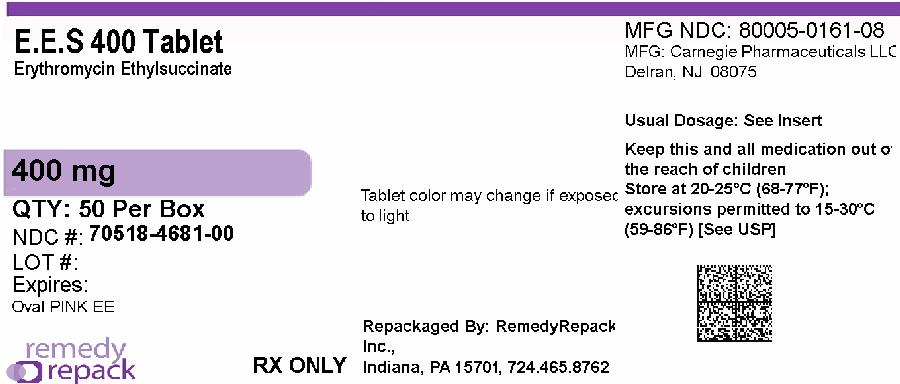
(erythromycin · DailyMed)
VIGAL 2X
ERYTHROMYCIN (AS THYOCYANATE)/VIT.A/VIT D3/VIT.E/RIBOFLAVINE/PYRODOXINE/VIT.B12/NICOTINAMIDE
What it does
Erythromycin is an antibiotic used to treat various bacterial infections.
Commonly used for: bacterial infections, bronchitis, pneumonia, skin infections …
Read more in plain English ↓Plain-language summary for general understanding - not medical advice. Always follow your pharmacist/doctor.
Ask about this medicine
Answers come only from this medicine's registration record, BNF monograph and interaction data - not medical advice.
Hard to find? We help patients in Kenya source rare medicines. We don't sell or dispense medicines - licensed pharmacies do.
Source this medicineRegistration & product details
Source: Pharmacy and Poisons Board · fetched 2026-01-28 21:29:00 · updated 2026-07-20 11:03:07
Drug Interactions
151Pharmacodynamic Warnings
Erythromycin appears in TABLE 9: Drugs that prolong the QT interval
Severe (14)
Antipsychotics, Second Generation - increases exposure
Erythromycin is predicted to increase the exposure to antipsychotics, second generation (cariprazine). Avoid.
Cariprazine - increases exposure
Erythromycin is predicted to increase the exposure to antipsychotics, second generation (cariprazine). Avoid.
Eletriptan - increases exposure
Erythromycin moderately increases the exposure to triptans (eletriptan). Avoid.
Ergometrine - increases risk of ergotism
Macrolides (clarithromycin) are predicted to increase the risk of ergotism when given with ergometrine. Avoid.
Ergotamine - increases risk of ergotism
Macrolides (clarithromycin) are predicted to increase the risk of ergotism when given with ergotamine. Avoid.
Moderate (38)
Alfentanil - increases exposure
Erythromycinispredictedtoincreasetheexposuretoopioids (alfentanil,buprenorphine,fentanyl,oxycodone).Monitorand adjustdose.oStudy com/codemedicalapps/ cal Applications)
Amlodipine - increases exposure
Erythromycin is predicted to increase the exposure to calcium channel blockers (amlodipine, felodipine, lacidipine, lercanidipine, nicardipine, nifedipine, nimodipine). Monitor and adjust dose.
Antiarrhythmics - increases exposure
Erythromycin is predicted to increase the exposure to antiarrhythmics (propafenone). Monitor and adjust dose.
Antiepileptics - increases concentration
Erythromycin markedly increases the concentration of antiepileptics (carbamazepine). Monitor concentration and adjust dose.
Atorvastatin - increases exposure
Erythromycins slightly increases the exposure to statins (atorvastatin). Monitor and adjust dose.
Unknown (99)
Abemaciclib - increases exposure
Erythromycin is predicted to increase the exposure to abemaciclib.
Acalabrutinib - increases exposure
Erythromycin is predicted to increase the exposure to acalabrutinib. Avoid or monitor.
Afatinib - increases exposure
Macrolides are predicted to increase the exposure to afatinib.
Alphablockers - increases exposure
Erythromycin is predicted to increase the exposure to alpha blockers (tamsulosin).
Alprazolam - increases exposure
Erythromycin is predicted to increase the exposure to benzodiazepines (alprazolam).
Data from BNF 85 (British National Formulary). This is not a substitute for professional medical advice. Matched via: exact
About erythromycin
Erythromycin is an antibiotic used to treat various bacterial infections.
What it treats
- bacterial infections
- bronchitis
- pneumonia
- skin infections
- ear infections
How it works
It works by stopping the growth of bacteria, helping the body to fight off infections.
Who it's for
It is suitable for adults and children who have certain bacterial infections.
Drug class
Macrolides
Cautions
- • Be careful if you are taking other medications that can affect heart rhythm.
AI-assisted summary grounded in BNF data - general information only, not medical advice. Always confirm with your pharmacist or doctor.
About nicotinamide
Nicotinamide is a form of vitamin B3 that helps maintain healthy skin and supports various body functions.
What it treats
- acne (acne vulgaris)
- skin conditions
- dry skin
- certain types of dermatitis
How it works
Nicotinamide helps improve skin health by reducing inflammation and promoting cell repair.
Who it's for
It is suitable for people looking to improve their skin condition or reduce acne.
AI-assisted summary grounded in BNF data - general information only, not medical advice. Always confirm with your pharmacist or doctor.
About pyrodoxine
Pyridoxine, also known as vitamin B6, is important for many body functions, including brain health and metabolism.
What it treats
- premenstrual syndrome (PMS)
- nausea during pregnancy
- certain nerve disorders
- boosting overall vitamin B levels
How it works
Pyridoxine helps the body use protein, carbohydrates, and fats, and is essential for making neurotransmitters, which are chemicals that send signals in the brain.
Who it's for
Pyridoxine is suitable for individuals needing extra vitamin B6 due to specific health conditions or dietary deficiencies.
AI-assisted summary grounded in BNF data - general information only, not medical advice. Always confirm with your pharmacist or doctor.
About riboflavine
Riboflavine, also known as vitamin B2, is essential for energy production and helps maintain healthy skin, eyes, and nerve functions.
What it treats
- vitamin B2 deficiency
- migraines
- certain eye disorders
How it works
Riboflavine helps the body convert food into energy and is important for the growth and development of cells.
Who it's for
It is suitable for individuals needing extra vitamin B2, including those with dietary deficiencies or certain health conditions.
AI-assisted summary grounded in BNF data - general information only, not medical advice. Always confirm with your pharmacist or doctor.
About vit
Vitamin supplements are used to provide essential nutrients that may be missing from your diet.
What it treats
- vitamin deficiency
- poor diet
- boosting overall health
How it works
Vitamins help your body function properly and support overall health by aiding in various biological processes.
Who it's for
People who may not get enough vitamins from their food, including those with dietary restrictions, certain health conditions, or increased nutrient needs.
Cautions
- • Consult a healthcare professional before starting any vitamin supplement, especially if you are pregnant, breastfeeding, or have underlying health conditions.
AI-assisted summary grounded in BNF data - general information only, not medical advice. Always confirm with your pharmacist or doctor.
About vit.a
Vitamin A is an essential nutrient that supports various bodily functions, including vision, immune system health, and skin health.
What it treats
- vision problems (such as night blindness)
- immune system support
- skin health
- growth and development
How it works
Vitamin A helps maintain healthy vision and supports the immune system by promoting the function of white blood cells. It also plays a role in skin health and cellular growth.
Who it's for
Vitamin A is for individuals who may have a deficiency or need additional support for their vision, immune system, or skin.
AI-assisted summary grounded in BNF data - general information only, not medical advice. Always confirm with your pharmacist or doctor.
About vit.b12
Vitamin B12 is an essential nutrient that helps keep your nerve and blood cells healthy and aids in the production of DNA.
What it treats
- Vitamin B12 deficiency
- Pernicious anemia
- Certain types of nerve damage
How it works
Vitamin B12 works by supporting the production of red blood cells and maintaining nerve health.
Who it's for
It is for people who have low levels of vitamin B12, which can occur due to dietary deficiencies or certain medical conditions.
AI-assisted summary grounded in BNF data - general information only, not medical advice. Always confirm with your pharmacist or doctor.
About vit.e
Vitamin E is an important nutrient that helps protect cells from damage and supports immune function.
What it treats
- skin health
- antioxidant support
- immune system support
How it works
Vitamin E acts as an antioxidant, neutralizing harmful free radicals in the body to protect cells and promote overall health.
Who it's for
Vitamin E is suitable for individuals looking to support their skin health and immune function.
AI-assisted summary grounded in BNF data - general information only, not medical advice. Always confirm with your pharmacist or doctor.
Clinical monograph: Erythromycin
BNF-referencedErythromycin is a macrolide antibiotic effective against a range of bacterial infections. It works primarily by inhibiting protein synthesis in susceptible bacteria, making it a valuable choice for patients with penicillin hypersensitivity. Erythromycin is commonly used in treating respiratory tract infections, skin infections, and various other bacterial infections, including those caused by organisms like Propionibacterium acnes.
Indications
- Bacterial infections
- Acute otitis media
- Community-acquired pneumonia
- Skin and soft tissue infections
- Campylobacter enteritis
- Pertussis
- Syphilis (early stage)
- Chlamydia infections
- Impetigo
- Secondary bacterial infection of eczema
Dosage
Children: Child 1–23 months: 125 mg 4 times a day. Child 2–7 years: 250 mg 4 times a
Adults: 500 mg 4 times a day for 5 days, or alternatively 250–500 mg 4 times a day for 5–7 days.
Mechanism of action
Erythromycin exerts its antibacterial effect by binding to the 23S ribosomal RNA in the 50S subunit of bacterial ribosomes. This binding inhibits the transpeptidation and translocation steps of protein synthesis, effectively halting bacterial growth. The drug has a strong affinity for bacterial ribosomes, which contributes to its broad-spectrum activity against various pathogens.
Pharmacodynamics
Erythromycin acts as a bacteriostatic agent, preventing bacterial growth by inhibiting protein synthesis. It is effective against many strains of bacteria, although susceptibility testing is recommended due to increasing resistance. Notably, erythromycin does not impact nucleic acid synthesis and may lead to complications such as pseudomembranous colitis or hepatotoxicity in some patients.
Pharmacokinetics
Erythromycin is well-absorbed from the gastrointestinal tract, with bioavailability affected by food. It is widely distributed in body tissues, with higher concentrations in the lungs and liver. The drug undergoes hepatic metabolism and is primarily excreted in bile, with a small amount eliminated through urine. Erythromycin's half-life varies but generally ranges from 1.5 to 2 hours.
Contra-indications
- Hypersensitivity to erythromycin or any component of the formulation
- History of cholestatic jaundice or hepatic dysfunction associated with prior use of erythromycin
Adverse effects
- Gastrointestinal disturbances (nausea, vomiting, diarrhea)
- Cholestatic jaundice
- Hepatotoxicity
- Skin rashes
- QT interval prolongation
- Tinnitus
- Hearing loss (reversible)
- Pseudomembranous colitis
Interactions
- Erythromycin may significantly increase the exposure to certain drugs such as antipsychotics, simvastatin, and triptans due to its effect on cytochrome P450 enzymes
- Caution with concurrent use of drugs that prolong the QT interval
- Moderate interaction with aminophylline (decreases exposure)
Precautions
- Use with caution in patients with hepatic impairment or pre-existing liver disease
- Monitor for signs of pseudomembranous colitis in patients with diarrhea following antibiotic use
- Assess for potential drug interactions due to the impact on CYP450 metabolism
Pregnancy
Erythromycin crosses the placenta. It is generally considered safe for use during pregnancy, particularly for treating infections when no alternatives are available, but should be used with caution.
Breast-feeding
Erythromycin is excreted in breast milk. While generally considered safe, the infant should be monitored for potential side effects. Consult healthcare providers for specific recommendations.
Storage
Store in a cool, dry place away from direct sunlight. Keep out of reach of children. Check specific product information for any temperature requirements.
Formulations
- Oral suspension (125 mg/5 ml)
- Tablets (250 mg and 500 mg)
- Injectable solution (various strengths for intravenous administration)
AI-synthesized from BNF references - general information only, not a substitute for professional medical advice or the current BNF. Verify doses with a pharmacist.
Clinical monograph: Nicotinamide
BNF-referencedNicotinamide, also known as niacinamide, is a form of vitamin B3 that is involved in numerous biological processes including energy metabolism and DNA repair. It is primarily utilized topically for the treatment of skin conditions such as papulopustular rosacea and inflammatory acne vulgaris. Nicotinamide is known for its anti-inflammatory properties and its ability to improve skin barrier function, making it beneficial for various dermatological conditions.
Indications
- Papulopustular rosacea
- Inflammatory acne vulgaris
Dosage
Children: Refer to the BNF for Children for specific dosing recommendations.
Adults: For papulopustular rosacea, apply daily for up to 4 months. The treatment course may be repeated; discontinue if no improvement is observed after 3 months. For inflammatory acne vulgaris, apply twice daily, reduced to once daily or alternate days if irritation occurs.
Mechanism of action
Nicotinamide exhibits anti-inflammatory effects by inhibiting the release of pro-inflammatory cytokines and enhancing the barrier function of the skin. It is also involved in the NAD salvage pathway, which is essential for maintaining cellular energy levels and promoting cell repair mechanisms. Additionally, nicotinamide contributes to the synthesis of coenzymes involved in metabolic processes, including the conversion of niacin into NAD+.
Pharmacodynamics
Nicotinamide is known for its ability to improve skin hydration and reduce transepidermal water loss. It has been shown to decrease the appearance of acne lesions and rosacea by modulating inflammatory responses and accelerating cell turnover. Its antioxidant properties also help to protect the skin from oxidative stress and UV damage.
Pharmacokinetics
When applied topically, nicotinamide is absorbed through the skin layers, with minimal systemic absorption. Its peak plasma concentrations are generally low, and the drug has a half-life that varies depending on the route of administration. The metabolism of nicotinamide occurs primarily in the liver, where it is converted into its active forms, including NAD+. The elimination route is via the kidneys, with metabolites excreted in urine.
Contra-indications
- Pregnancy
- Severe acne involving large areas
- Severe skin reactions
Adverse effects
- Sunburn
- Skin reactions (common or very common)
- Cheilitis
- Eyelid oedema
- Flushing
- Dry skin
- Eye irritation
- Photosensitivity reactions
- Transient skin pigmentation changes
Interactions
- Clindamycin
- Topical retinoids
- Abrasive cleaners
- Comedogenic cosmetics
Precautions
- Avoid exposure to UV light, including sunlight and sunlamps
- Wash hands immediately after use
- Avoid contact with eyes and mucous membranes
- Use moisturizers to reduce the risk of skin irritation
- Discontinue treatment if severe irritation occurs
Pregnancy
Avoid use during pregnancy due to potential risks, as limited information is available regarding toxicity.
Breast-feeding
Amount of drug in milk after topical application is probably too small to be harmful; ensure infant does not come in contact with treated areas.
Storage
Store at room temperature away from moisture and light.
Formulations
- Cream
- Gel
AI-synthesized from BNF references - general information only, not a substitute for professional medical advice or the current BNF. Verify doses with a pharmacist.
Clinical monograph: pyrodoxine
Pyridoxine, also known as vitamin B6, is a water-soluble vitamin that plays a critical role in amino acid metabolism, neurotransmitter synthesis, and the production of hemoglobin. It is essential for the proper functioning of enzymes involved in protein, fat, and carbohydrate metabolism. Pyridoxine is often used to treat pyridoxine deficiency and associated conditions, including certain types of anemia, peripheral neuropathy, and as an adjunct in the management of chronic inflammatory conditions.
Indications
- Pyridoxine deficiency
- Certain types of anemia (e.g., sideroblastic anemia)
- Peripheral neuropathy
- Carpal tunnel syndrome
- Nausea and vomiting in pregnancy (as part of combination therapy)
- As an adjunctive treatment in chronic inflammatory conditions
Dosage
Children: Refer to the BNF for Children for specific dosing recommendations based on the child's age and condition.
Adults: Refer to the BNF for specific dosing recommendations based on the condition being treated.
Mechanism of action
Pyridoxine is converted in the body to its active form, pyridoxal phosphate, which serves as a coenzyme in more than 100 enzymatic reactions. These reactions primarily involve the metabolism of amino acids, the synthesis of neurotransmitters such as serotonin and dopamine, and the conversion of homocysteine to cysteine, which is important for cardiovascular health.
Pharmacodynamics
The pharmacodynamic effects of pyridoxine are linked to its role in amino acid metabolism and neurotransmitter synthesis. By facilitating the activity of various enzymes, pyridoxine contributes to the regulation of mood, cognitive function, and immune response. Deficiencies in vitamin B6 can lead to symptoms such as irritability, depression, confusion, and peripheral neuropathy due to impaired neurotransmitter production.
Pharmacokinetics
Pyridoxine is absorbed in the small intestine and is widely distributed throughout the body. It is primarily excreted in urine as pyridoxal and pyridoxic acid. The half-life of pyridoxine varies but is generally around 15 to 20 days. The vitamin's bioavailability can be affected by factors such as dietary intake and the presence of certain medications.
Adverse effects
- Nausea
- Vomiting
- Abdominal pain
- Headache
- Peripheral neuropathy (with high doses)
Interactions
- May interact with isoniazid, leading to decreased effectiveness of pyridoxine
- Chronic use of penicillamine may reduce the effectiveness of pyridoxine
Precautions
- Use with caution in patients with renal impairment
- High doses should be avoided due to the risk of neuropathy
Pregnancy
Pyridoxine is generally considered safe during pregnancy and is often recommended to alleviate nausea and vomiting.
Breast-feeding
Pyridoxine is excreted in breast milk, but at therapeutic doses, it is not expected to harm the infant.
Storage
Store in a cool, dry place, away from light. Keep out of reach of children.
Formulations
- Tablets
- Injectable solution
- Oral solution
AI-synthesized from BNF references - general information only, not a substitute for professional medical advice or the current BNF. Verify doses with a pharmacist.
Clinical monograph: riboflavine
BNF-referencedRiboflavin, also known as vitamin B2, is a water-soluble vitamin essential for human health. It plays a crucial role in energy production by facilitating the metabolism of fats, carbohydrates, and proteins. Riboflavin is also involved in the formation of red blood cells, antibody production, and the maintenance of healthy skin, nails, and hair. Additionally, it has antioxidant properties and is important for normal tissue respiration and overall growth and reproduction.
Indications
- Riboflavin deficiency
- Migraine prevention
- Cataract prevention
- General health maintenance
Dosage
Children: Refer to the BNF for Children for specific paediatric dosing recommendations.
Adults: Refer to the BNF for specific dosing recommendations for adults.
Mechanism of action
Riboflavin binds to riboflavin hydrogenase, riboflavin kinase, and riboflavin synthase. It is converted into two coenzymes: flavin mononucleotide (FMN) and flavin adenine dinucleotide (FAD), which are essential for various oxidative enzyme systems, facilitating hydrogen transport. The antioxidant activity of riboflavin is largely due to its role as a precursor of FAD, which is involved in producing reduced glutathione, a major antioxidant enzyme cofactor.
Pharmacodynamics
Riboflavin is easily absorbed and plays a key role in numerous physiological functions, including energy production, red blood cell formation, and growth regulation. It is vital for the maintenance of healthy skin and eyes and has a role in the prevention and treatment of eye disorders, including cataracts. Riboflavin also supports thyroid activity and general health.
Pharmacokinetics
Riboflavin is readily absorbed in the gastrointestinal tract and is distributed throughout the body. It is primarily excreted in urine, with excess amounts eliminated, as riboflavin is a water-soluble vitamin. The pharmacokinetics of riboflavin can vary based on dietary intake and individual physiological conditions.
Adverse effects
- No significant adverse effects reported with normal dietary intake
- High doses may lead to yellow-orange discoloration of urine
- Rarely, hypersensitivity reactions
Precautions
- Use with caution in patients with known hypersensitivity to riboflavin or any of its components
- Consult healthcare provider before starting high-dose riboflavin supplements
Pregnancy
Riboflavin is generally considered safe during pregnancy and is important for fetal development. Adequate intake is necessary to prevent deficiency.
Breast-feeding
Riboflavin is excreted in breast milk, and adequate maternal intake is important for infant health.
Storage
Store in a tightly closed container at room temperature, away from light and moisture.
Formulations
- Tablets
- Capsules
- Oral solutions
- Powder for reconstitution
AI-synthesized from BNF references - general information only, not a substitute for professional medical advice or the current BNF. Verify doses with a pharmacist.
Clinical monograph: vita
Vita refers to a group of essential vitamins that play various roles in maintaining health, supporting metabolic processes, and preventing deficiencies. These organic compounds are crucial for growth, development, and overall well-being. They are typically obtained through diet but may sometimes require supplementation to meet physiological needs, especially in cases of malnutrition or certain medical conditions.
Indications
- Vitamin deficiency syndromes
- Malnutrition
- Support during pregnancy and lactation
- Immune system support
- Antioxidant therapy
Dosage
Children: Refer to the BNF for Children for specific paediatric dosing recommendations, as they vary widely depending on the vitamin and the child's age and health status.
Adults: Refer to specific vitamin preparations and their recommended dosages as per BNF guidelines; dosing varies based on the type of vitamin and clinical context.
Mechanism of action
Vitamins perform diverse biological functions, acting as coenzymes or precursors for coenzymes in metabolic pathways. For example, B vitamins are integral in energy metabolism, while vitamins A, C, D, E, and K have roles in vision, immune function, antioxidant activity, and coagulation, respectively. Each vitamin interacts with specific enzymes and receptors to facilitate biochemical reactions essential for cellular function.
Pharmacodynamics
Vitamins are involved in various physiological processes, including but not limited to antioxidant protection, promotion of tissue healing, modulation of immune responses, regulation of gene expression, and maintenance of cellular integrity. Their effects can vary based on the specific vitamin, dosage, and individual patient factors, such as age, health status, and existing nutritional deficiencies.
Pharmacokinetics
The absorption of vitamins varies; fat-soluble vitamins (A, D, E, K) are absorbed along with dietary fats, while water-soluble vitamins (B-complex and C) are absorbed directly into the bloodstream. Factors influencing absorption include gastrointestinal health, the presence of other nutrients, and the formulation of the vitamin preparation. Once absorbed, vitamins are distributed throughout the body, with fat-soluble vitamins stored in liver and adipose tissues, while water-soluble vitamins are often excreted via urine when in excess.
Interactions
- tretinoin+vitamin: Severe (increases risk of vitaminatoxicity)
- retinoids+vitamin: Severe (increases risk of vitaminatoxicity)
- retinoids+vitamin: Moderate (increases risk of toxicity)
- carbamazepine+vitamin: Unknown (decreases effects)
- cobicistat+vitamin: Unknown (increases exposure)
- vitamindsubstances+digoxin: Unknown (increases risk of toxicity)
- idelalisib+vitamin: Unknown (increases exposure)
- clarithromycin+vitamin: Unknown (increases exposure)
AI-synthesized from BNF references - general information only, not a substitute for professional medical advice or the current BNF. Verify doses with a pharmacist.
Molecular reference: Erythromycin
PubChem CID 12560Molecular formula: C37H67NO13
Mechanism of action
In order to replicate, bacteria require a specific process of protein synthesis, enabled by ribosomal proteins. Erythromycin acts by inhibition of protein synthesis by binding to the 23S ribosomal RNA molecule in the 50S subunit of ribosomes in susceptible bacterial organisms. It stops bacterial protein synthesis by inhibiting the transpeptidation/translocation step of protein synthesis and by inhibiting the assembly of the 50S ribosomal subunit. This results in the control of various bacterial infections. The strong affinity of macrolides, including erythromycin, for bacterial ribosomes, supports their broad‐spectrum antibacterial activities. Macrolide antibiotics are bacteriostatic agents that inhibit protein synthesis by binding reversibly to 50S ribosomal subunits of sensitive microorganisms, at or very near the site that binds chloramphenicol. Erythromycin does not inhibit peptide bond formation per se, but rather inhibits the translocation step wherein a newly synthesized peptidyl tRNA molecule moves from the acceptor site on the ribosome to the peptidyl donor site. Gram-positive bacteria accumulate about 100 times more erythromycin than do gram-negative bacteria. Cells are considerably more permeable to the un-ionized form of the drug, which probably explains the increased antimicrobial activity at alkaline pH. ... /Erythromycin/ inhibits the growth of susceptible organisms (principally Propionibacterium acnes) on the surface of the skin and reduces the concn of free fatty acids in sebum ... The reduction in free fatty acids in sebum may be an indirect result of the inhibition of lipase-producing organisms which convert triglycerides into free fatty acids or may be a direct result of interference with lipase production in these organisms. /In acne treatment regimens/ Although stromal-derived factor-1 (SDF-1) via its cognate receptor CXCR4 is assumed to play a critical role in migration of endothelial cells during new vessel formation after tissue injury, CXCR4 expression on endothelial cells is strictly regulated. Erythromycin (EM), a 14-membered ring macrolide, has an anti-inflammatory effect that may account for its clinical benefit in the treatment of chronic inflammatory diseases. However, the effects of EM on endothelial cells and especially their expression of CXCR4 have not been fully evaluated. In this study, we demonstrated that EM markedly induced CXCR4 surface expression on microvascular endothelial cells in vitro and lung capillary endothelial cells in vivo. This ability to induce CXCR4 surface expression on endothelial cells was restricted to 14-membered ring macrolides and was not observed in other antibiotics including a 16-membered ring macrolide, josamycin. Furthermore, this EM-induced expression of CXCR4 on endothelial cells was functionally significant as demonstrated by chemotaxis assays in vitro. These findings suggest that EM-induced CXCR4 surface expression on endothelial cells may promote migration of CXCR4-expressing endothelial cells into sites of tissue injury, which may be associated with the known anti-inflammatory activity of this macrolide.
Pharmacodynamics
Macrolides, such as erythromycin, stop bacterial growth by inhibiting protein synthesis and translation, treating bacterial infections. Erythromycin does not exert effects on nucleic acid synthesis. This drug has been shown to be active against most strains of the following microorganisms, effectively treating both in vitro and clinical infections. Despite this, it is important to perform bacterial susceptibility testing before administering this antibiotic, as resistance is a common issue that may affect treatment. **A note on antimicrobial resistance, pseudomembranous colitis, and hepatotoxicity** Many strains of Haemophilus influenzae are resistant to erythromycin alone but are found to be susceptible to erythromycin and sulfonamides used in combination. It is important to note that Staphylococci that are resistant to erythromycin may emerge during erythromycin and/or sulfonamide therapy. Pseudomembranous colitis has been reported with most antibacterial agents, including erythromycin, and may range in severity from mild to life-threatening. Therefore, the physician should consider this diagnosis in patients with diarrhea after the administration of antibacterial agents. Erythromycin can cause hepatic dysfunction, cholestatic jaundice, and abnormal liver transaminases, particularly when erythromycin estolate is administered.
Biological pathways
Source: PubChem (NCBI) · pathways from PathBank, Reactome, WikiPathways & PharmGKB.
Molecular reference: Nicotinamide
PubChem CID 936Molecular formula: C6H6N2O
Biological pathways
Source: PubChem (NCBI) · pathways from PathBank, Reactome, WikiPathways & PharmGKB.
Molecular reference: riboflavine
PubChem CID 493570Molecular formula: C17H20N4O6
Mechanism of action
Binds to riboflavin hydrogenase, riboflavin kinase, and riboflavin synthase. Riboflavin is the precursor of flavin mononucleotide (FMN, riboflavin monophosphate) and flavin adenine dinucleotide (FAD). The antioxidant activity of riboflavin is principally derived from its role as a precursor of FAD and the role of this cofactor in the production of the antioxidant reduced glutathione. Reduced glutathione is the cofactor of the selenium-containing glutathione peroxidases among other things. The glutathione peroxidases are major antioxidant enzymes. Reduced glutathione is generated by the FAD-containing enzyme glutathione reductase. Riboflavin is converted to 2 coenzymes, flavin mononucleotide (FMN) and flavin adenine dinucleotide (FAD), which are necessary for normal tissue respiration. Riboflavin is also required for activation of pyridoxine, conversion of tryptophan to niacin, and may be involved in maintaining erythrocyte integrity. Riboflavin functions as the coenzyme for flavin adenine dinucleotide (FAD) and flavin mononucleotide (FMN), which primarily influence hydrogen transport in oxidative enzyme systems (eg, cytochrome C reductase, succinic dehydrogenase, xanthine oxidase). Two active forms of riboflavin exist ... coenzyme flavin mononucleotide (FMN) and coenzyme flavin adenine dinucleotide (FAD). They are formed by reaction of riboflavin with 1 and 2 molecules of ATP as follow: riboflavin + ATP = riboflavin-P (FMN) + ADP; FMN + ATP = riboflavin-ADP (FAD) + PP. Riboflavin is a water-soluble, yellow, fluorescent compound. The primary form of the vitamin is as an integral component of the coenzymes flavin mononucleotide (FMN) and flavin-adenine dinucleotide (FAD). It is in these bound coenzyme forms that riboflavin functions as a catalyst for redox reactions in numerous metabolic pathways and in energy production. ... The redox reactions in which flavocoenzymes participate include flavoprotein-catalyzed dehydrogenations that are both pyridine nucleotide (niacin) dependent and independent, reactions with sulfur-containing compounds, hydroxylations, oxidative decarboxylations (involving thiamin as its pyrophosphate), dioxygenations, and reduction of oxygen to hydrogen peroxide. There are obligatory roles of flavocoenzymes in the formation of some vitamins and their coenzymes. For example, the biosynthesis of two niacin-containing coenzymes from tryptophan occurs via FAD-dependent kynurenine hydroxylase, an FMN-dependent oxidase catalyzes the conversion of the 5'-phosphates of vitamin B6 to coenzymic pyridoxal 5'-phosphate, and an FAD-dependent dehydrogenase reduces 5,10-methylene-tetrahydrofolate to the 5'-methyl product that interfaces with the B12-dependent formation of methionine from homocysteine and thus with sulfur amino acid metabolism. For more Mechanism of Action (Complete) data for Riboflavin (7 total), please visit the HSDB record page.
Pharmacodynamics
Riboflavin or vitamin B2 is an easily absorbed, water-soluble micronutrient with a key role in maintaining human health. Like the other B vitamins, it supports energy production by aiding in the metabolising of fats, carbohydrates, and proteins. Vitamin B2 is also required for red blood cell formation and respiration, antibody production, and for regulating human growth and reproduction. It is essential for healthy skin, nails, hair growth and general good health, including regulating thyroid activity. Riboflavin also helps in the prevention or treatment of many types of eye disorders, including some cases of cataracts.
Biological pathways
Source: PubChem (NCBI) · pathways from PathBank, Reactome, WikiPathways & PharmGKB.
This drug in other countries
The same active ingredient registered across other registries we cover - including different brands.
- 1000-D SOFT GEL CAPSULES · Contract Manufactury And Packaging Services
- ADVA-GROWTH GUMMIES · Guagdong Yichao Biological
- ADVATONIN GUMMIES · Guagdong Yichao Biological
- AJ WELLNESS HEPAVITAL SOFTGEL CAPSULES · Renown Pharmaceuticals
- AJ WELLNESS IPACE CAPSULES · Renown Pharmaceuticals
- AJ WELLNESS IPACE CAPSULES · Renown Pharmaceuticals