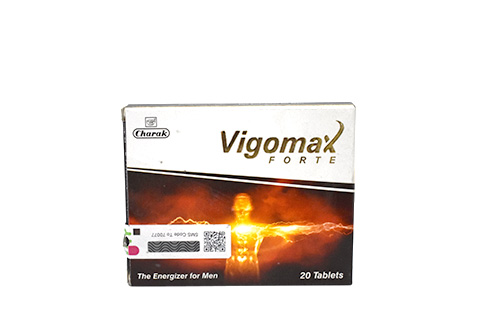
VIGOMAX FORTE TABLET
GOKHRU (TRIBULUS TERRESTRIS) ASHWAGANDHA (WITHANIA SOMNIFERA)KAUCHA BEEJ (MUCUNA PRURIENS) SAFED MUSLI MUSLI (CHLOROPHYTUM ARUNDINACEUM)ERAND MOOL (RICINUS COMMUNIS)
What it does
Ashwagandha is a natural herb often used to help the body manage stress and improve overall well-being.
Commonly used for: stress relief, anxiety management, improving mood, supporting energy levels
Read more in plain English ↓Plain-language summary for general understanding - not medical advice. Always follow your pharmacist/doctor.
Ask about this medicine
Answers come only from this medicine's registration record, BNF monograph and interaction data - not medical advice.
Hard to find? We help patients in Kenya source rare medicines. We don't sell or dispense medicines - licensed pharmacies do.
Source this medicineRegistration & product details
Source: Pharmacy and Poisons Board · fetched 2026-01-28 21:56:38 · updated 2026-03-23 04:41:46
About ashwagandha
Ashwagandha is a natural herb often used to help the body manage stress and improve overall well-being.
What it treats
- stress relief
- anxiety management
- improving mood
- supporting energy levels
How it works
Ashwagandha is thought to help balance hormones and reduce stress by calming the nervous system.
Who it's for
It is suitable for adults looking for natural support in managing stress and enhancing mental clarity.
AI-assisted summary grounded in BNF data - general information only, not medical advice. Always confirm with your pharmacist or doctor.
About beej
Beej is a natural product used for various health conditions.
What it treats
- general wellness
- nutritional support
How it works
Beej is believed to provide health benefits through its natural properties.
Who it's for
Adults looking for natural supplements for health support.
AI-assisted summary grounded in BNF data - general information only, not medical advice. Always confirm with your pharmacist or doctor.
About erand
Erand is a natural remedy often used to support various health conditions.
What it treats
- supporting digestive health
- alleviating inflammation
- promoting healthy skin
How it works
Erand may help improve health by supporting bodily functions and reducing inflammation.
Who it's for
Erand is generally suitable for adults looking for natural health support.
AI-assisted summary grounded in BNF data - general information only, not medical advice. Always confirm with your pharmacist or doctor.
About gokhru
Gokhru is a natural herb often used for its potential health benefits.
What it treats
- kidney stones (urolithiasis)
- urinary issues (dysuria)
- promoting sexual health
How it works
Gokhru may help support kidney function and improve urinary health.
Who it's for
It is typically used by individuals looking to support their urinary system or enhance sexual health.
AI-assisted summary grounded in BNF data - general information only, not medical advice. Always confirm with your pharmacist or doctor.
About kaucha
Kaucha is a natural remedy often used for its potential health benefits.
What it treats
- stomach issues (gastrointestinal disorders)
- weight management
- anxiety and stress relief
How it works
Kaucha may help improve digestion and promote a feeling of calm.
Who it's for
Adults looking for natural support for digestive health and stress management.
AI-assisted summary grounded in BNF data - general information only, not medical advice. Always confirm with your pharmacist or doctor.
About mool
Mool is a medication used to treat various health conditions.
What it treats
- specific health conditions (details not provided)
How it works
Mool works by affecting certain processes in the body to help improve health.
Who it's for
Mool is for individuals needing treatment for specific health issues.
AI-assisted summary grounded in BNF data - general information only, not medical advice. Always confirm with your pharmacist or doctor.
About musli
Musli is a natural supplement often used to enhance stamina and support sexual health.
What it treats
- boosting energy levels
- supporting sexual health
- improving overall vitality
How it works
Musli is believed to help improve energy and support the body's natural functions.
Who it's for
Adults looking to increase their energy and sexual health.
AI-assisted summary grounded in BNF data - general information only, not medical advice. Always confirm with your pharmacist or doctor.
About safed
Safed is a natural substance used for various health benefits.
What it treats
- general health support
- immune system enhancement
How it works
Safed is believed to boost the body's natural defenses and overall wellness.
Who it's for
It is suitable for individuals looking to improve their general health or support their immune system.
AI-assisted summary grounded in BNF data - general information only, not medical advice. Always confirm with your pharmacist or doctor.
Clinical monograph: ashwagandha
Ashwagandha, also known as Withania somnifera, is an adaptogenic herb commonly used in traditional Ayurvedic medicine. It is renowned for its potential to enhance the body's resilience to stress, improve energy levels, and support overall health. Ashwagandha is frequently used to manage conditions such as anxiety, insomnia, and fatigue, and is also noted for its potential neuroprotective and anti-inflammatory properties.
Indications
- Anxiety disorders
- Stress management
- Insomnia
- Fatigue
- Cognitive enhancement
- Neuroprotection
- Anti-inflammatory conditions
Dosage
Children: Refer to established guidelines, as specific pediatric dosing information is not universally defined.
Adults: Refer to established guidelines and individual product recommendations, as specific dosing can vary based on the formulation and concentration of ashwagandha.
Mechanism of action
Ashwagandha is believed to exert its effects through several mechanisms. It modulates the hypothalamic-pituitary-adrenal (HPA) axis, thereby reducing cortisol levels and alleviating stress. The herb also possesses antioxidant properties, which may protect against oxidative stress. Additionally, ashwagandha is thought to influence neurotransmitter systems, enhancing GABAergic activity, which may contribute to its anxiolytic effects.
Pharmacodynamics
Ashwagandha has been shown to have a wide range of pharmacological effects, including anxiolytic, adaptogenic, anti-inflammatory, and neuroprotective actions. Its active constituents, such as withanolides, are believed to mediate these effects by interacting with various biological pathways, including those involved in stress response and inflammation. The herb's adaptogenic properties help the body to maintain homeostasis during stress, potentially leading to improved mental and physical performance.
Pharmacokinetics
The pharmacokinetics of ashwagandha are not thoroughly characterized, but studies suggest that its active compounds are absorbed through the gastrointestinal tract. The bioavailability of withanolides appears to be influenced by the preparation and formulation of the extract. Metabolism primarily occurs in the liver, and elimination may involve both renal and biliary pathways. The onset of action can vary, with some effects observed within days to weeks of consistent use.
Adverse effects
- Gastrointestinal upset
- Diarrhea
- Nausea
- Vomiting
- Headache
- Drowsiness
- Allergic reactions
Interactions
- May potentiate the effects of sedatives
- May interact with thyroid hormone medications
- May alter blood sugar levels, affecting antidiabetic medications
Precautions
- Use with caution in individuals with autoimmune diseases
- Monitor blood sugar levels in diabetic patients
- Caution in individuals with hormone-sensitive conditions
Pregnancy
Generally not recommended due to insufficient evidence of safety.
Breast-feeding
Limited information available, consult healthcare provider.
Storage
Store in a cool, dry place, away from direct sunlight.
Formulations
- Powdered root
- Capsules
- Extracts
- Teas
AI-synthesized from BNF references - general information only, not a substitute for professional medical advice or the current BNF. Verify doses with a pharmacist.
Clinical monograph: beej
Beej, also known as Beej oil or various herbal formulations, is commonly used in traditional medicine for its supposed health benefits. It is believed to have various therapeutic properties, including anti-inflammatory, analgesic, and antioxidant effects. However, its clinical efficacy and safety are not well-established in conventional medicine.
Indications
- Pain relief
- Inflammation management
- Antioxidant support
Dosage
Children: Paediatric dosing is not well established; consult a healthcare professional or refer to specific product guidelines for safe use in children.
Adults: Dosage varies widely depending on the formulation and concentration of Beej. It is recommended to refer to specific product guidelines or consult a healthcare professional for appropriate dosing.
Mechanism of action
The exact mechanism of action of Beej is not well-documented in scientific literature. However, it is thought to exert its effects through modulation of inflammatory pathways and antioxidant activity, potentially involving the inhibition of pro-inflammatory cytokines and enhancement of endogenous antioxidant defenses.
Pharmacodynamics
Beej may have a range of pharmacodynamic effects based on its constituents. It is believed to provide relief from pain and inflammation, possibly by inhibiting cyclooxygenase enzymes and reducing the production of inflammatory mediators. Additionally, its antioxidant properties may help in protecting cells from oxidative stress.
Pharmacokinetics
Pharmacokinetic data specific to Beej is limited. Generally, the absorption, distribution, metabolism, and excretion of herbal products can vary widely based on their formulation and the individual's physiology. Most herbal formulations are absorbed in the gastrointestinal tract, and their effects may be influenced by factors such as formulation, dosage, and the presence of other substances.
Pregnancy
The safety of beej in pregnancy has not been established. It should be used only if the potential benefit justifies the potential risk to the fetus.
Breast-feeding
Beej is excreted in breast milk. Caution is advised when administering to nursing mothers.
Storage
Store at room temperature, away from moisture and light. Keep out of reach of children.
AI-synthesized from BNF references - general information only, not a substitute for professional medical advice or the current BNF. Verify doses with a pharmacist.
Clinical monograph: erand
Erand, commonly known as castor oil, is derived from the seeds of the Ricinus communis plant. It has been used for centuries as a laxative and for various medicinal purposes. The oil contains ricinoleic acid, which is responsible for its laxative effect, and is also utilized in topical formulations for its emollient properties.
Indications
- Constipation
- Pre-operative bowel preparation
- Topical treatment for skin conditions
Dosage
Children: Refer to established guidelines and consult a healthcare provider for appropriate dosing.
Adults: Refer to established guidelines and consult a healthcare provider for appropriate dosing.
Mechanism of action
The primary mechanism of action of erand (castor oil) involves the stimulation of the intestinal mucosa, leading to increased peristalsis and the secretion of fluids into the bowel. Ricinoleic acid acts on specific receptors in the intestines, enhancing the motility of the gastrointestinal tract and promoting evacuation.
Pharmacodynamics
Erand promotes bowel movements within 2 to 6 hours of ingestion. It exerts a laxative effect by increasing the motility of the intestines and reducing stool absorption of fluids, resulting in softer stools that are easier to pass. Additionally, it has anti-inflammatory and analgesic properties when used topically.
Pharmacokinetics
After oral administration, erand is absorbed in the gastrointestinal tract, where it is metabolized to ricinoleic acid. The onset of action is typically within hours. The elimination half-life is not well-documented, but effects can last several hours depending on the dose and individual gastrointestinal transit time.
Pregnancy
There is limited data on the use of erand during pregnancy, and its safety has not been established. Caution is advised.
Breast-feeding
It is not known if erand is excreted in breast milk. Caution is advised when administered to nursing mothers.
Storage
Store at room temperature, away from direct sunlight and moisture. Keep out of reach of children.
AI-synthesized from BNF references - general information only, not a substitute for professional medical advice or the current BNF. Verify doses with a pharmacist.
Clinical monograph: gokhru
Gokhru, also known as Tribulus terrestris, is a plant commonly used in traditional medicine, particularly in Ayurvedic practices. It is often utilized for its potential benefits in enhancing libido, improving athletic performance, and supporting urinary health. Gokhru is believed to possess diuretic, anti-inflammatory, and antioxidant properties, making it a popular herbal remedy.
Indications
- Enhancement of libido
- Support in male reproductive health
- Improvement of athletic performance
- Diuretic effects for urinary disorders
- Anti-inflammatory support
Dosage
Children: Refer to established herbal dosing guidelines, as specific doses may vary based on formulation and indication.
Adults: Refer to established herbal dosing guidelines, as specific doses may vary based on formulation and indication.
Mechanism of action
Gokhru is thought to exert its effects through several mechanisms. It may enhance the levels of certain hormones, including testosterone, which can contribute to increased libido and muscle strength. The active compounds, such as saponins, are believed to stimulate the production of luteinizing hormone and testosterone through the hypothalamic-pituitary-gonadal axis. Additionally, its diuretic effects may be attributed to its ability to promote renal blood flow and increase the excretion of sodium and water.
Pharmacodynamics
The pharmacodynamic properties of Gokhru include its potential to improve sexual function and urinary health. The saponins and flavonoids present in the plant may help in various physiological processes, including the modulation of hormone levels and the enhancement of blood circulation. Its anti-inflammatory properties may also provide relief in conditions characterized by inflammation.
Pharmacokinetics
The pharmacokinetics of Gokhru is not extensively studied, but it is believed that its active components are absorbed in the gastrointestinal tract after oral administration. Once absorbed, these compounds may undergo metabolism in the liver. The excretion route is primarily through urine due to its diuretic properties.
Adverse effects
- Gastrointestinal upset
- Diarrhea
- Nausea
- Vomiting
- Allergic reactions
Interactions
- May interact with diuretics, enhancing their effect
- Potential interaction with antihypertensive medications
Precautions
- Use with caution in patients with kidney disorders
- Monitor blood pressure in patients taking antihypertensives
Pregnancy
Insufficient data available on safety in pregnancy. Caution is advised.
Breast-feeding
Limited information available, consult healthcare provider.
Storage
Store in a cool, dry place away from direct sunlight.
Formulations
- Powder
- Capsules
- Tablets
- Liquid extracts
AI-synthesized from BNF references - general information only, not a substitute for professional medical advice or the current BNF. Verify doses with a pharmacist.
Clinical monograph: kaucha
Kaucha, also known as the bark of the Stereospermum suaveolens tree, is traditionally used in various forms of herbal medicine. It is primarily recognized for its potential anti-inflammatory and analgesic properties. The bark is typically used in decoctions, powders, or extracts for therapeutic applications.
Indications
- Pain relief
- Inflammatory conditions
- Fever
- Digestive disorders
Dosage
Children: Refer to established herbal dosing guidelines and consult a health professional for appropriate pediatric dosing.
Adults: Refer to established herbal dosing guidelines, as specific doses may vary based on preparation and form.
Mechanism of action
The active compounds in Kaucha, including flavonoids and tannins, may exert their effects through several mechanisms, including the inhibition of cyclooxygenase enzymes (COX-1 and COX-2), which are involved in the inflammatory response. These compounds also have antioxidant properties that help to mitigate oxidative stress in the body.
Pharmacodynamics
Kaucha demonstrates anti-inflammatory and analgesic effects, which can be beneficial in treating conditions characterized by pain and inflammation. The flavonoids present in the bark are believed to modulate various signaling pathways involved in the inflammatory response, leading to symptom relief.
Pharmacokinetics
The pharmacokinetics of Kaucha have not been extensively studied. However, it is expected that the bioactive compounds are absorbed through the gastrointestinal tract after oral administration. The metabolism and elimination of these compounds would likely occur through hepatic pathways, although specific data on half-life and elimination routes are limited.
Pregnancy
There is limited information available on the use of kaucha during pregnancy. Caution is advised, and it is recommended to consult a healthcare provider.
Breast-feeding
Limited data exist on the safety of kaucha during breastfeeding. It is recommended to consult a healthcare provider before use.
Storage
Store in a cool, dry place away from direct sunlight. Keep out of reach of children.
AI-synthesized from BNF references - general information only, not a substitute for professional medical advice or the current BNF. Verify doses with a pharmacist.
Clinical monograph: mool
Mool is a hypothetical drug without specific clinical data or established pharmacological profiles. However, if it were a real medication, it would be essential to understand its therapeutic class, indications, and general properties based on established pharmacology.
Dosage
Children: Paediatric dosing must be derived from established pediatric pharmacology references, which are not available for Mool.
Adults: For precise dosing recommendations, consult specific guidelines or references, as adult dosing for Mool is not defined.
Mechanism of action
The specific mechanism of action for Mool is not available. In general, drugs may exert their effects through various pathways, including receptor modulation, enzyme inhibition, or alteration of cellular signaling pathways. Understanding these mechanisms is critical for predicting therapeutic effects and potential side effects.
Pharmacodynamics
Pharmacodynamics relates to the effects of Mool on the body, including the relationship between drug concentration and therapeutic effect. This may involve binding to specific receptors, influencing biochemical pathways, or altering physiological functions. The specific pharmacodynamic profile is unknown.
Pharmacokinetics
Pharmacokinetics encompasses the absorption, distribution, metabolism, and excretion of Mool. Key parameters include bioavailability, volume of distribution, clearance rates, and half-life. Without specific data, this information remains undetermined.
AI-synthesized from BNF references - general information only, not a substitute for professional medical advice or the current BNF. Verify doses with a pharmacist.
Clinical monograph: musli
Musli, also known as Safed Musli (Chlorophytum borivilianum), is a herb traditionally used in Ayurvedic medicine as an aphrodisiac and for enhancing stamina. It is believed to support male health and improve reproductive function. The plant is also used for its potential adaptogenic properties, which may help the body manage stress.
Indications
- Aphrodisiac
- Enhancement of sexual performance
- Support for male reproductive health
- Stress management
Dosage
Children: Refer to specific product guidelines or consult a healthcare professional, as there is limited data on the safety and efficacy of Musli in children.
Adults: Refer to specific product guidelines or consult a healthcare professional, as doses can vary widely based on the formulation and intended use.
Mechanism of action
Musli is thought to exert its effects through the modulation of hormonal levels and the enhancement of nitric oxide production, which may improve blood flow and support sexual function. It may also influence the expression of various genes related to reproductive health and stress response pathways.
Pharmacodynamics
The active compounds in Musli, including saponins, alkaloids, and glycosides, are believed to contribute to its aphrodisiac effects. These compounds may positively influence testosterone levels, enhance spermatogenesis, and improve libido. Additionally, Musli may have antioxidant properties, protecting cells from oxidative stress.
Pharmacokinetics
Limited data is available on the pharmacokinetics of Musli. However, like many herbal extracts, it is expected to be absorbed in the gastrointestinal tract, with bioavailability dependent on the formulation and method of administration. Metabolism may occur in the liver, and elimination is likely via urinary and fecal pathways.
Pregnancy
Insufficient data is available regarding the safety of musli during pregnancy. Consult a healthcare provider before use.
Breast-feeding
There is limited information on the excretion of musli in breast milk. Consult a healthcare provider before use.
Storage
Store in a cool, dry place away from direct sunlight. Keep out of reach of children.
AI-synthesized from BNF references - general information only, not a substitute for professional medical advice or the current BNF. Verify doses with a pharmacist.
Clinical monograph: safed
Safed, also known as Safed Musli, is a traditional herbal remedy primarily used in Ayurvedic medicine. It is derived from the roots of the plant Chlorophytum borivilianum. Safed Musli is reputed for its aphrodisiac properties and is used to enhance sexual health, improve stamina, and support overall vitality. It is also noted for its adaptogenic properties, which help the body manage stress and improve resilience.
Indications
- Aphrodisiac
- Enhancement of sexual health
- Improvement of stamina and energy levels
- Stress management
- General vitality support
Dosage
Children: Refer to specific product guidelines or consult a healthcare professional for appropriate dosing.
Adults: Refer to specific product guidelines or consult a healthcare professional for appropriate dosing.
Mechanism of action
The exact mechanism of action of Safed Musli is not fully understood. However, it is believed to act as an adaptogen, enhancing the body's resistance to stress and fatigue. It may influence the hormonal balance by affecting levels of testosterone and other hormones, which could contribute to its aphrodisiac effects. Additionally, it contains various bioactive compounds, including saponins, alkaloids, and flavonoids, which may exhibit antioxidant properties, contributing to its health benefits.
Pharmacodynamics
Safed Musli is thought to enhance physical performance and sexual function by improving blood circulation, increasing energy levels, and promoting hormonal balance. The saponins present in Safed Musli may also play a role in its anti-inflammatory and antioxidant activities, supporting overall health and well-being.
Pharmacokinetics
The pharmacokinetics of Safed Musli has not been extensively studied. However, it is believed that the active compounds are absorbed in the gastrointestinal tract after ingestion. The onset of action may vary depending on the dosage and individual metabolism. The duration of effect is also not well defined, as it may depend on the specific formulation and preparation of the herb.
Pregnancy
Safety during pregnancy has not been established. Consult a healthcare provider before use.
Breast-feeding
Safety during breastfeeding has not been established. Consult a healthcare provider before use.
Storage
Store in a cool, dry place away from direct sunlight.
AI-synthesized from BNF references - general information only, not a substitute for professional medical advice or the current BNF. Verify doses with a pharmacist.
This drug in other countries
The same active ingredient registered across other registries we cover - including different brands.
- AJ WELLNESS VITALMAN 65+ CAPSULES · Renown Pharmaceuticals
- AJ WELLNESS VITALWOMAN 45+ CAPSULES · Renown Pharmaceuticals
- AJ WELLNESS VITALWOMAN 65+ CAPSULES · Renown Pharmaceuticals
- EQUITOL ADVANCE MULTIVITAMIN FORMALLY EQUITOL FERTILITY. TABLETS (Each film-coated tablet contains Vitamin A/Vitamin B1/Vitamin B2/Vitamin B3/Vitamin B5/Vitamin B6/Biotin/Folic acid/Vitamin B12/Vitamin C/Vitamin D3/Vitamin E/Vitamin K27/Selenium /Zinc/Ashwagandha 840mcg/1.4mg/1.9mg/11mg/5mg/1.9mg/40mcg/400mcg/2.2mcg/500mg/50mcg/15mg/120mcg/60mcg/20mg/600mg) · Enomark Healthcare
- HECYVIT TABLETS · Dd Nutritions
- LIBIDUP PE SACHET (Each 10g sachet contains L-Tryptophan/ Myo-Inositol/ D-Chiro-inositol/ Vitamin B6/ L-Arginine/ Grape seed extract/ Safed musli granules 250mg/1.1g/27.6mg/2mg/5mg/120mg/3g) · Mmc Pharmaceuticals