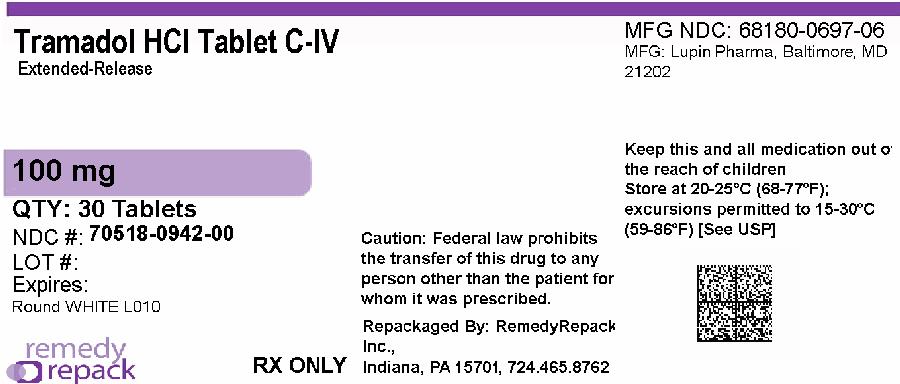
(tramadol · DailyMed)
Zamadol P Tablets
Acetaminophen 325 mg,Tramadol Hydrochloride 37.5 mg
What it does
Paracetamol is a common pain relief medication used to reduce fever and relieve mild to moderate pain.
Commonly used for: fever, headaches, muscle aches, joint pain …
Read more in plain English ↓Plain-language summary for general understanding - not medical advice. Always follow your pharmacist/doctor.
Ask about this medicine
Answers come only from this medicine's registration record, BNF monograph and interaction data - not medical advice.
Medicine sourcing is available in Kenya only. We don't sell or dispense medicines - licensed pharmacies do.
Sourcing - Kenya onlyRegistration & product details
Source: Zambia Medicines Regulatory Authority · fetched 2026-03-12 00:01:34 · updated 2026-09-17 03:33:11
Drug Interactions
72Pharmacodynamic Warnings
Paracetamol appears in TABLE 1: Drugs that cause hepatotoxicity
Tramadol appears in TABLE 11: Drugs with CNS depressant effects
Tramadol appears in TABLE 13: Drugs that cause serotonin syndrome
Severe (6)
Opioids - decreases concentration
Brigatinib potentially decreases the concentration of opioids (alfentanil, fentanyl). Avoid. Also see TABLE 6 p. 1518
Opioids - increases exposure
Ceritinib is predicted to increase the exposure to opioids (alfentanil, fentanyl). Avoid. Theoretical → Also see TABLE 6 p. 1518
Opioids - increases risk of cnstoxicity
Ritonavir increases the risk of CNS toxicity when given with opioids (pethidine). Avoid.
Opioids - decreases exposure
Lorlatinib is predicted to decrease the exposure to opioids (alfentanil, fentanyl). Avoid.
Opioids - increases risk of adverse effects
Selegiline increases the risk of adverse effects when given with opioids (pethidine). Avoid. Also see TABLE 13 p. 1520
Opioids - increases exposure
Selpercatinib is predicted to increase the exposure to opioids (alfentanil, buprenorphine). Avoid.
Moderate (35)
Opioids - increases exposure
Dronedaroneispredictedtoincreasetheexposuretoopioids (alfentanil,buprenorphine,fentanyl,oxycodone).Monitorand adjustdose.oStudy →AlsoseeTABLE6p.1518
Opioids - increases concentration
Amiodarone is predicted to increase the concentration of opioids (fentanyl). Monitor and adjust dose. Also see TABLE 6 p. 1518.
Opioids - decreases concentration
Carbamazepine decreases the concentration of opioids (tramadol). Adjust dose.
Opioids - increases exposure
Miconazole is predicted to increase the exposure to opioids (alfentanil). Use with caution and adjust dose.
Opioids - increases exposure
Antifungals, azoles (fluconazole, isavuconazole, posaconazole) are predicted to increase the exposure to opioids (alfentanil, buprenorphine, fentanyl, oxycodone). Monitor and adjust dose.
Unknown (31)
Coumarins - increases anticoagulant effect
Paracetamol increases the anticoagulant effect of coumarins.
Dapsone - increases risk of methaemoglobinaemia
Paracetamol is predicted to increase the risk of methaemoglobinaemia when given with dapsone.
Drugs That Cause Serotonin Syndrome - increases risk of serotonin syndrome
Opioids (tapentadol) are predicted to increase the risk of serotonin syndrome when given with drugs that cause serotonin syndrome (see TABLE 13 p. 1520). Theoretical drugs that reduce serum potassium.
Opioids - additive effect
Clozapine can cause constipation, as can opioids; concurrent use might increase the risk of developing intestinal obstruction. Also see TABLE 11 p. 1519
Opioids - increases exposure
Asciminibispredictedtoincreasetheexposuretoopioids (alfentanil).rTheoretical
Data from BNF 85 (British National Formulary). This is not a substitute for professional medical advice. Matched via: class
About paracetamol
Paracetamol is a common pain relief medication used to reduce fever and relieve mild to moderate pain.
What it treats
- fever
- headaches
- muscle aches
- joint pain
- toothaches
- menstrual cramps
How it works
Paracetamol works by blocking pain signals in the brain and helping to lower body temperature.
Who it's for
Paracetamol is suitable for most adults and children who need pain relief or fever reduction.
Cautions
- • Use with caution if you are taking other drugs that may harm the liver.
AI-assisted summary grounded in BNF data - general information only, not medical advice. Always confirm with your pharmacist or doctor.
About tramadol
Tramadol is a pain relief medicine that belongs to the opioid class. It helps manage moderate to severe pain.
What it treats
- pain relief
- moderate to severe pain
How it works
Tramadol works by changing the way your body feels and responds to pain.
Who it's for
Tramadol is for adults and may be prescribed for those experiencing significant pain.
Drug class
Opioids
Cautions
- • Be careful if you are taking other medicines that can make you sleepy or affect your brain.
- • Avoid using tramadol with drugs that can cause serotonin syndrome, a serious condition that affects the brain.
AI-assisted summary grounded in BNF data - general information only, not medical advice. Always confirm with your pharmacist or doctor.
Clinical monograph: Tramadolhydrochloride
BNF-referencedTramadol hydrochloride is an opioid analgesic used for the management of moderate to severe pain. It acts on the central nervous system to relieve pain and is considered a less potent alternative to traditional opioids. Tramadol can be administered via various routes, including oral, intramuscular, intravenous, and subcutaneous injection. It is particularly useful in situations where other analgesics are ineffective or intolerable.
Indications
- Moderate to severe pain
- Postoperative pain
- Chronic pain management
Dosage
Children: For children aged 12-17 years, initially 50 mg, then adjusted according to response; usual maximum is 400 mg/24 hours.
Adults: Initially, 50-100 mg every 4-6 hours as needed. Maximum dose is 400 mg/24 hours.
Mechanism of action
Tramadol exerts its analgesic effects primarily through the modulation of pain pathways in the brain. It is a weak agonist of the mu-opioid receptor and also inhibits the reuptake of norepinephrine and serotonin, which contributes to its analgesic activity. This dual mechanism helps in managing pain by both blocking pain signals at the receptor level and enhancing descending inhibitory pathways.
Pharmacodynamics
Tramadol's pharmacodynamic properties are characterized by its ability to produce analgesia with a lower risk of respiratory depression compared to stronger opioids. It has a ceiling effect on respiratory depression, making it safer for use in non-opioid-tolerant patients. Common side effects include fatigue, dizziness, and gastrointestinal disturbances, while serious risks include seizures and serotonin syndrome, especially when combined with other serotonergic drugs.
Pharmacokinetics
Tramadol is well absorbed from the gastrointestinal tract, with peak plasma concentrations occurring approximately 1-2 hours post-administration. It has a bioavailability of about 68% due to first-pass metabolism. The drug is extensively metabolized in the liver, primarily via cytochrome P450 enzymes, with a half-life of approximately 6-7 hours. It is excreted mainly in the urine, both as metabolites and unchanged drug.
Contra-indications
- Acute intoxication with alcohol
- Acute intoxication with analgesics
- Acute intoxication with hypnotics
- Acute intoxication with opioids
- Compromised respiratory function
- Uncontrolled epilepsy
Adverse effects
- Fatigue
- Postural hypotension
- Dyspnoea
- Epileptiform seizures
- Respiratory disorders
- Sleep disorders
- Blurred vision
- Asthma exacerbation
- Hypoglycaemia
Interactions
- Increased risk of respiratory depression with other CNS depressants
- May enhance the effects of alcohol
- Potential interaction with serotonergic drugs leading to serotonin syndrome
Precautions
- History of excessive bronchial secretions
- History of epilepsy-use only if compelling reasons exist
- Impaired consciousness
- Use with caution in patients susceptible to seizures
- Variation in metabolism may affect therapeutic effects
Pregnancy
Tramadol should only be used during pregnancy if the potential benefit justifies the potential risk to the fetus. Use with caution.
Breast-feeding
Tramadol is excreted in breast milk. Caution should be exercised when administering to nursing mothers.
Storage
Store in a cool, dry place away from direct sunlight. Keep out of reach of children.
Formulations
- Tablets
- Oral solution
- Injectable forms (intravenous, intramuscular, subcutaneous)
AI-synthesized from BNF references - general information only, not a substitute for professional medical advice or the current BNF. Verify doses with a pharmacist.
Clinical monograph: Paracetamol
BNF-referencedParacetamol, also known as acetaminophen, is a widely used analgesic and antipyretic medication. It is effective in alleviating pain and reducing fever but does not possess anti-inflammatory properties. Paracetamol is often used for mild to moderate pain relief, including headaches, muscle aches, arthritis, backaches, toothaches, colds, and fevers. Its mechanism of action is primarily central, as it affects the brain's heat-regulating centers and increases pain thresholds.
Indications
- Mild to moderate pain
- Fever
- Headaches
- Muscle aches
- Arthritis
- Backaches
- Toothaches
- Colds
Dosage
Adults: For adults, the typical dosage is 500 mg to 1 g every 4 to 6 hours, with a maximum daily limit of 4 g. In cases of intravenous administration, the dosage is 15 mg/kg every
Mechanism of action
Paracetamol is thought to exert its analgesic effects by inhibiting cyclo-oxygenase (COX) enzymes, specifically COX-1 and COX-2, which are involved in the synthesis of prostaglandins responsible for pain sensation. Unlike most NSAIDs, paracetamol does not exhibit peripheral anti-inflammatory effects. Its antipyretic action is believed to result from direct action on heat-regulating centers in the brain, leading to peripheral vasodilation and sweating.
Pharmacodynamics
Paracetamol has been shown to have both antipyretic and analgesic effects, lacking any significant anti-inflammatory activity. It does not interfere with platelet aggregation or disrupt hemostasis, making it a safer option for individuals at risk of bleeding. Allergic reactions to paracetamol are rare. The drug does not affect uric acid secretion or acid-base balance when used at recommended doses.
Pharmacokinetics
Paracetamol is rapidly absorbed from the gastrointestinal tract, with peak plasma concentrations typically occurring within 30 to 60 minutes after oral administration. It is primarily metabolized in the liver via conjugation with glucuronide and sulfate, with a minor pathway involving cytochrome P450 enzymes. The elimination half-life ranges from 1 to 4 hours, with renal excretion of metabolites as the primary route of elimination.
Adverse effects
- Nausea and vomiting
- Liver injury
- Renal damage
- Hypersensitivity reactions
- Flushing
- Hypotension
- Anorectal erythema
- Angioedema
- Agranulocytosis
- Thrombocytopenia
- Leukopenia
- Severe cutaneous adverse reactions (SCARs)
Interactions
- Increased risk of methaemoglobinaemia with topical prilocaine
- Increased risk of methaemoglobinaemia with topical anaesthetics
- Increased anticoagulant effect with coumarins
- Increased risk of hepatotoxicity with imatinib
- Decreased exposure with rifampicin
- Decreased exposure with pitolisant
Precautions
- Monitor patients with liver disease or heavy alcohol use for increased risk of hepatotoxicity
- Adjust doses in patients taking enzyme-inducing antiepileptic medications
- Use caution in patients with renal impairment
- Clinical judgement is required for dose adjustment in weight-based dosing
Pregnancy
Paracetamol is generally considered safe to use during pregnancy for pain and fever relief, but should be used at the lowest effective dose for the shortest duration necessary.
Breast-feeding
Paracetamol is excreted in breast milk in small amounts and is considered safe for use while breastfeeding.
Storage
Store in a cool, dry place away from direct sunlight. Keep out of reach of children.
Formulations
- Oral tablets (500 mg)
- Oral suspension (120 mg/5 mL, 500 mg/5 mL)
- Rectal suppositories (various strengths)
- Intravenous infusion (various strengths)
AI-synthesized from BNF references - general information only, not a substitute for professional medical advice or the current BNF. Verify doses with a pharmacist.
Clinical monograph: tramadol
BNF-referencedTramadol is a centrally acting opioid analgesic that is used to manage moderate to moderately severe pain. It is structurally related to codeine and morphine and is classified as an opioid. Tramadol's efficacy is attributed to its unique mechanism of action, which involves both μ-opioid receptor agonism and the reuptake inhibition of serotonin and norepinephrine, making it a dual-action analgesic.
Indications
- Moderate to moderately severe pain
- Post-operative pain
- Chronic pain management
Dosage
Children: Refer to BNF for Children for specific pediatric dosing recommendations.
Adults: Refer to BNF for specific dosing information based on individual patient needs and clinical circumstances.
Mechanism of action
Tramadol acts primarily as a μ-opioid receptor agonist, binding with low affinity compared to morphine. It exists as a racemic mixture, with both enantiomers contributing to its analgesic effects: (+)-tramadol and its active metabolite (+)-O-desmethyl-tramadol (M1) act on the μ-opioid receptor while (+)-tramadol inhibits serotonin reuptake and (-)-tramadol inhibits norepinephrine reuptake. These actions work together to enhance pain modulation across multiple pathways.
Pharmacodynamics
Tramadol modulates the descending pain pathways in the central nervous system, resulting in analgesia. It can produce side effects similar to other opioids, such as dizziness, nausea, and constipation, but does not cause histamine release. It may also cause respiratory depression through its action on brain stem respiratory centers. Notably, tramadol can cause miosis, or constricted pupils, even in the absence of light.
Pharmacokinetics
Tramadol is absorbed rapidly after oral administration, reaching peak plasma concentrations within 1 to 2 hours. It is extensively metabolized in the liver, primarily via CYP2D6 and CYP3A4 enzymes, resulting in its active metabolite, M1. The elimination half-life ranges from 5 to 6 hours, and it is primarily excreted in the urine. The pharmacokinetics may vary due to genetic polymorphisms affecting metabolic enzymes.
Adverse effects
- dizziness
- somnolence
- nausea
- constipation
- sweating
- pruritus
- respiratory depression
- orthostatic hypotension
- miosis
Interactions
- carbamazepine+tramadol: Moderate (decreases concentration)
- bupropion+tramadol: Unknown (decreases efficacy)
- cinacalcet+tramadol: Unknown (decreases efficacy)
- terbinafine+tramadol: Unknown (decreases efficacy)
Pregnancy
Tramadol should be used during pregnancy only if the potential benefit justifies the potential risk to the fetus.
Breast-feeding
Tramadol is excreted in breast milk, and caution should be exercised when administering to nursing mothers.
Storage
Store at room temperature, away from moisture and heat. Keep out of reach of children.
Formulations
- tablets
- capsules
- injection
- oral solution
AI-synthesized from BNF references - general information only, not a substitute for professional medical advice or the current BNF. Verify doses with a pharmacist.
Molecular reference: Paracetamol
PubChem CID 1983Molecular formula: C8H9NO2
Mechanism of action
According to its FDA labeling, acetaminophen's exact mechanism of action has not been fully established - despite this, it is often categorized alongside NSAIDs (non-steroidal anti-inflammatory drugs) due to its ability to inhibit the cyclo-oxygenase (COX) pathways. It is thought to exert central actions which ultimately lead to the alleviation of pain symptoms. One theory is that acetaminophen increases the pain threshold by inhibiting two isoforms of cyclo-oxygenase, COX-1 and COX-2, which are involved in prostaglandin (PG) synthesis. Prostaglandins are responsible for eliciting pain sensations. Acetaminophen does not inhibit cyclooxygenase in peripheral tissues and, therefore, has no peripheral anti-inflammatory effects. Though acetylsalicylic acid (aspirin) is an irreversible inhibitor of COX and directly blocks the active site of this enzyme, studies have shown that acetaminophen (paracetamol) blocks COX indirectly. Studies also suggest that acetaminophen selectively blocks a variant type of the COX enzyme that is unique from the known variants COX-1 and COX-2. This enzyme has been referred to as _COX-3_. The antipyretic actions of acetaminophen are likely attributed to direct action on heat-regulating centers in the brain, resulting in peripheral vasodilation, sweating, and loss of body heat. The exact mechanism of action of this drug is not fully understood at this time, but future research may contribute to deeper knowledge. Although further investigation is warranted, the active metabolite of acetaminophen (AM404) was shown to interact with several molecular targets, including the Ca<sub>v</sub>3.2 calcium channel, the cannabinoid CB1 receptors, TRPV1 receptors, and Na<sub>v</sub>1.8 and Na<sub>v</sub>1.7 channels. Acetaminophen produces analgesia and antipyresis by a mechanism similar to that of salicylates. Unlike salicylates, however, acetaminophen does not have uricosuric activity. There is some evidence that acetaminophen has weak anti-inflammatory activity in some nonrheumatoid conditions (e.g., in patients who have had oral surgery). ... Acetaminophen lowers body temperature in patients with fever but rarely lowers normal body temperature. The drug acts on the hypothalamus to produce antipyresis; heat dissipation is increased as a result of vasodilation and increased peripheral blood flow. The effects of acetaminophen on cyclooxygenase activity have not been fully determined. Acetaminophen is a weak, reversible, isoform-nonspecific cyclooxygenase inhibitor at dosages of 1 g daily. The inhibitory effect of acetaminophen on cyclooxygenase-1 is limited, and the drug does not inhibit platelet function. Therapeutic doses of acetaminophen appear to have little effect on cardiovascular and respiratory systems; however, toxic doses may cause circulatory failure and rapid, shallow breathing. Acetaminophen (N-acetyl-p-aminophenol (APAP)) is the most common antipyretic/analgesic medicine worldwide. If APAP is overdosed, its metabolite, N-acetyl-p-benzo-quinoneimine (NAPQI), causes liver damage. However, epidemiological evidence has associated previous use of therapeutic APAP doses with the risk of chronic obstructive pulmonary disease (COPD) and asthma. The transient receptor potential ankyrin-1 (TRPA1) channel is expressed by peptidergic primary sensory neurons. Because NAPQI, like other TRPA1 activators, is an electrophilic molecule, /the researchers/ hypothesized that APAP, via NAPQI, stimulates TRPA1, thus causing airway neurogenic inflammation. NAPQI selectively excites human recombinant and native (neuroblastoma cells) TRPA1. TRPA1 activation by NAPQI releases proinflammatory neuropeptides (substance P and calcitonin gene-related peptide) from sensory nerve terminals in rodent airways, thereby causing neurogenic edema and neutrophilia. Single or repeated administration of therapeutic (15-60 mg/kg) APAP doses to mice produces detectable levels of NAPQI in the lung, and increases neutrophil numbers, myeloperoxidase
Pharmacodynamics
Animal and clinical studies have determined that acetaminophen has both antipyretic and analgesic effects. This drug has been shown to lack anti-inflammatory effects. As opposed to the _salicylate_ drug class, acetaminophen does not disrupt tubular secretion of uric acid and does not affect acid-base balance if taken at the recommended doses. Acetaminophen does not disrupt hemostasis and does not have inhibitory activities against platelet aggregation. Allergic reactions are rare occurrences following acetaminophen use.
Biological pathways
Source: PubChem (NCBI) · pathways from PathBank, Reactome, WikiPathways & PharmGKB.
Molecular reference: tramadol
PubChem CID 33741Molecular formula: C16H25NO2
Mechanism of action
Tramadol is a centrally acting μ-opioid receptor agonist and SNRI (serotonin/norepinephrine reuptake-inhibitor) that is structurally related to [codeine] and [morphine]. Tramadol binds weakly to κ- and δ-opioid receptors and to the μ-opioid receptor with 6000-fold less affinity than morphine. Tramadol exists as a racemic mixture consisting of two pharmacologically active enantiomers that both contribute to its analgesic property through different mechanisms: (+)-tramadol and its primary metabolite (+)-O-desmethyl-tramadol (M1) are agonists of the μ opioid receptor while (+)-tramadol inhibits serotonin reuptake and (-)-tramadol inhibits norepinephrine reuptake. These pathways are complementary and synergistic, improving tramadol's ability to modulate the perception of and response to pain. In animal models, M1 is up to 6 times more potent than tramadol in producing analgesia and 200 times more potent in μ-opioid binding. Tramadol has also been shown to affect a number of pain modulators including alpha2-adrenoreceptors, neurokinin 1 receptors, the voltage-gated sodium channel type II alpha subunit, transient receptor potential cation channel subfamily V member 1 (TRPV1 - also known as the capsaicin receptor), muscarinic receptors (M1 and M3), N-methyl-D-aspartate receptor (also known as the NMDA receptor or glutamate receptor), Adenosine A1 receptors, and nicotinic acetylcholine receptor. In addition to the above neuronal targets, tramadol has a number of effects on inflammatory and immune mediators involved in the pain response. This includes inhibitory effects on cytokines, prostaglandin E2 (PGE2), nuclear factor-κB, and glial cells as well as a change in the polarization state of M1 macrophages. Tramadol is a racemic mixture (R & S) that has a complicated mechanism of action. It has some mu-opioid receptor action, but this effect is 10 times lower than codeine and 6000 timex lower than morphine. Tramadol also inhibits the reuptake of norepinephrine (NE) and serotonin (5 HT) and produces secondary effects on alpha-2 adrenergic receptors in pain pathways. One isomer has greater effect on 5 HT reuptake and greater affinity for mu-opiate receptors. The other isomer is more potent for NE reuptake and less active for inhibiting 5 HT reuptake. Taken together, the effects of of tramadol may be explained through inhibition of 5 HT reuptake, action on alpha2 receptors, and mild activity on opiate mu-receptors. The transient receptor potential vanilloid 1 (TRPV1) and the transient receptor potential ankyrin 1 (TRPA1), which are expressed in sensory neurons, are polymodal nonselective cation channels that sense noxious stimuli. Recent reports showed that these channels play important roles in inflammatory, neuropathic, or cancer pain, suggesting that they may serve as attractive analgesic pharmacological targets. Tramadol is an effective analgesic that is widely used in clinical practice. Reportedly, tramadol and its metabolite (M1) bind to mu-opioid receptors and/or inhibit reuptake of monoamines in the central nervous system, resulting in the activation of the descending inhibitory system. However, the fundamental mechanisms of tramadol in pain control remain unclear. TRPV1 and TRPA1 may be targets of tramadol; however, they have not been studied extensively. We examined whether and how tramadol and M1 act on human embryonic kidney 293 (HEK293) cells expressing human TRPV1 (hTRPV1) or hTRPA1 by using a Ca imaging assay and whole-cell patch-clamp recording. Tramadol and M1 (0.01-10 uM) alone did not increase in intracellular Ca concentration ([Ca]i) in HEK293 cells expressing hTRPV1 or hTRPA1 compared with capsaicin (a TRPV1 agonist) or the allyl isothiocyanate (AITC, a TRPA1 agonist), respectively. Furthermore, in HEK293 cells expressing hTRPV1, pretreatment with tramadol or M1 for 5 minutes did not change the increase in [Ca]i induced by capsaicin. Conversely, pretreatment with tramadol (0.1-10 uM) and M1 (1-10 uM) significant
Pharmacodynamics
Tramadol modulates the descending pain pathways within the central nervous system through the binding of parent and M1 metabolite to μ-opioid receptors and the weak inhibition of the reuptake of norepinephrine and serotonin. Apart from analgesia, tramadol may produce a constellation of symptoms (including dizziness, somnolence, nausea, constipation, sweating and pruritus) similar to that of other opioids. **Central Nervous System** In contrast to [morphine], tramadol has not been shown to cause histamine release. At therapeutic doses, tramadol has no effect on heart rate, left-ventricular function or cardiac index. Orthostatic hypotension has been observed. Tramadol produces respiratory depression by direct action on brain stem respiratory centres. The respiratory depression involves both a reduction in the responsiveness of the brain stem centres to increases in CO2 tension and to electrical stimulation. Tramadol depresses the cough reflex by a direct effect on the cough centre in the medulla. Antitussive effects may occur with doses lower than those usually required for analgesia. Tramadol causes miosis, even in total darkness. Pinpoint pupils are a sign of opioid overdose but are not pathognomonic (e.g., pontine lesions of hemorrhagic or ischemic origin may produce similar findings). Marked mydriasis rather than miosis may be seen with hypoxia in the setting of oxycodone overdose. Seizures have been reported in patients receiving tramadol within the recommended dosage range. Spontaneous post-marketing reports indicate that seizure risk is increased with doses of tramadol above the recommended range. Risk of convulsions may also increase in patients with epilepsy, those with a history of seizures or in patients with a recognized risk for seizure (such as head trauma, metabolic disorders, alcohol and drug withdrawal, CNS infections), or with concomitant use of other drugs known to reduce the seizure threshold. Tramadol can cause a rare but potentially life-threatening condition resulting from concomitant administration of serotonergic drugs (e.g., anti-depressants, migraine medications). Treatment with the serotoninergic drug should be discontinued if such events (characterized by clusters of symptoms such as hyperthermia, rigidity, myoclonus, autonomic instability with possible rapid fluctuations of vital signs, mental status changes including confusion, irritability, extreme agitation progressing to delirium and coma) occur and supportive symptomatic treatment should be initiated. Tramadol should not be used in combination with MAO inhibitors or serotonin-precursors (such as L-tryptophan, oxitriptan) and should be used with caution in combination with other serotonergic drugs (triptans, certain tricyclic antidepressants, lithium, St. John’s Wort) due to the risk of serotonin syndrome. **Gastrointestinal Tract and Other Smooth Muscle** Tramadol causes a reduction in motility associated with an increase in smooth muscle tone in the antrum of the stomach and duodenum. Digestion of food in the small intestine is delayed and propulsive contractions are decreased. Propulsive peristaltic waves in the colon are decreased, while tone may be increased to the point of spasm resulting in constipation. Other opioid-induced effects may include a reduction in gastric, biliary and pancreatic secretions, spasm of the sphincter of Oddi, and transient elevations in serum amylase. **Endocrine System** Opioids may influence the hypothalamic-pituitary-adrenal or -gonadal axes. Some changes that can be seen include an increase in serum prolactin and decreases in plasma cortisol and testosterone. Clinical signs and symptoms may be manifest from these hormonal changes. Hyponatremia has been reported very rarely with the use of tramadol, usually in patients with predisposing risk factors, such as elderly patients and/or patients using concomitant medications that may cause hyponatremia (e.g., antidepressants, benzodiazepines, diureti
Biological pathways
Source: PubChem (NCBI) · pathways from PathBank, Reactome, WikiPathways & PharmGKB.
This drug in other countries
The same active ingredient registered across other registries we cover - including different brands.
- ABMOL FORTE CAPSULES (Each hard gelatin contains Paracetamol / Diclofenac Sodium / Caffeine 325mg/50mg/30mg) · Socomed Pharma
- ABYCOLD SYRUP (Each 5ml contains Paracetamol/ Phenylephrine hydrochloride/ Chlorpheniramine maleate – 125mg/2.5mg/ 1mg Paracetamol/Phenylephrine Hydrochloride/Chlorpheniramine Maleate 125mg/2.5mg/ 1mg) · Socomed Pharmceuticals Pvt Limited
- ABYCOLD PLUS TABLETS · Socomed Pharma
- ABYCOLD-X TABLETS · Socomed Pharma
- ABYMOL FORTE CAPSULES (Each hard gelatin capsule contains Paracetamol/ Diclofenac sodium/ Caffeine Paracetamol/Phenylephrine Hydrochloride/Chlorpheniramine Maleate 325mg/50mg/30mg) · Socomed Pharmceuticals Pvt Limited
- ACELA 80 TABLETS · Osuka Pharmaceuticals