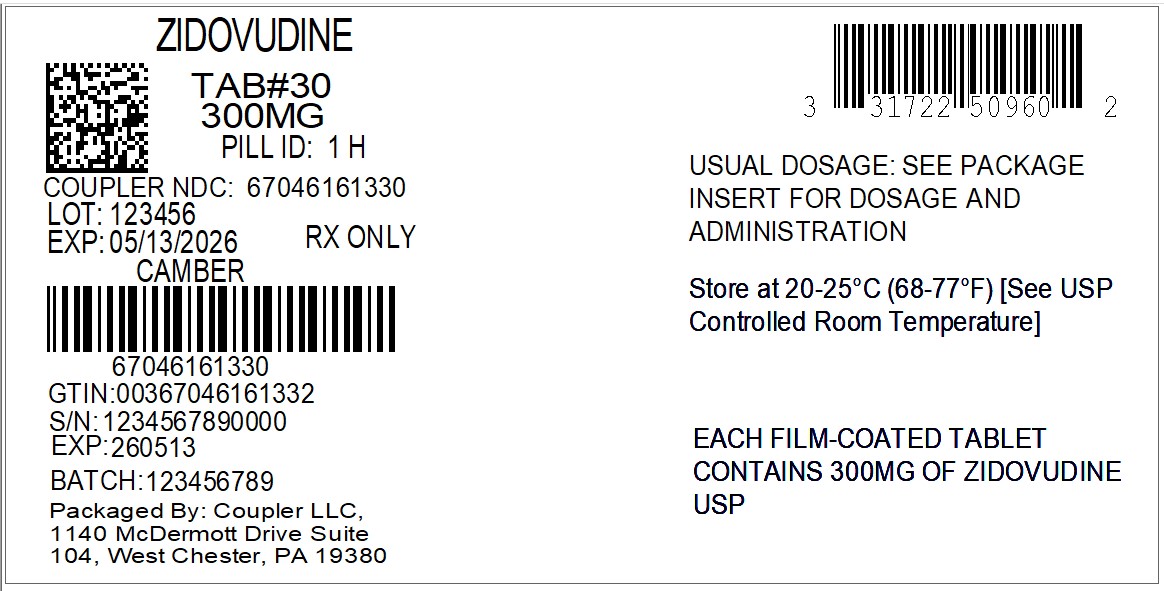
(zidovudine · DailyMed)
Zidovudine
Citric acid anhydrous g,Glycerin g,Purified Water g,Sodium Benzoate g,Strawberry Flavour g,Sucrose g,Zidovudine 50 mg/5mL
What it does
Benzoate is a compound often used as a preservative in food and medicines.
Commonly used for: food preservation, medicinal uses in certain formulations
Read more in plain English ↓Plain-language summary for general understanding - not medical advice. Always follow your pharmacist/doctor.
Ask about this medicine
Answers come only from this medicine's registration record, BNF monograph and interaction data - not medical advice.
Medicine sourcing is available in Kenya only. We don't sell or dispense medicines - licensed pharmacies do.
Sourcing - Kenya onlyRegistration & product details
Source: Tanzania Medicines and Medical Devices Authority · fetched 2026-03-11 23:37:03 · updated 2026-06-08 06:37:43
Drug Interactions
3Pharmacodynamic Warnings
Zidovudine appears in TABLE 2: Drugs that cause nephrotoxicity
Severe (1)
Zidovudine - increases risk of anaemia and/or leucopenia
Ribavirin increases the risk of anaemia and/or leucopenia when given with zidovudine. Avoid.
Unknown (2)
Zidovudine - increases exposure
Leflunomideispredictedtoincreasetheexposureto zidovudine.oTheoretical com/codemedicalapps/ cal Applications)
Zidovudine - increases exposure
Teriflunomideispredictedtoincreasetheexposureto zidovudine.oTheoretical
Data from BNF 85 (British National Formulary). This is not a substitute for professional medical advice. Matched via: exact
About benzoate
Benzoate is a compound often used as a preservative in food and medicines.
What it treats
- food preservation
- medicinal uses in certain formulations
How it works
Benzoate helps prevent the growth of harmful bacteria and fungi, keeping products safe for longer.
Who it's for
People consuming products containing benzoate, including children and adults.
AI-assisted summary grounded in BNF data - general information only, not medical advice. Always confirm with your pharmacist or doctor.
About citric
Citric acid is a natural substance often used to help with digestion and to support urinary health.
What it treats
- urinary tract infections (UTIs)
- kidney stones
- digestive issues
How it works
Citric acid helps to increase the acidity of urine, which can help to prevent the formation of certain types of kidney stones and may aid digestion.
Who it's for
Citric acid is suitable for adults and children who may need help with urinary health or digestion.
AI-assisted summary grounded in BNF data - general information only, not medical advice. Always confirm with your pharmacist or doctor.
About flavour
Flavour is used to enhance the taste of products and make them more enjoyable.
What it treats
- improving the taste of foods and drinks
- masking unpleasant tastes in medications
How it works
Flavours work by stimulating our taste buds, making foods and drinks taste better.
Who it's for
Flavour can be used by anyone who wants to improve the taste of their food or beverages.
AI-assisted summary grounded in BNF data - general information only, not medical advice. Always confirm with your pharmacist or doctor.
About glycerin
Glycerin is a substance used to help relieve constipation by softening stools and making them easier to pass.
What it treats
- constipation
- bowel irregularity
How it works
Glycerin works by drawing water into the intestines, which helps to soften the stool and stimulate bowel movements.
Who it's for
Glycerin is suitable for adults and children who need relief from constipation.
AI-assisted summary grounded in BNF data - general information only, not medical advice. Always confirm with your pharmacist or doctor.
About purified
Purified ingredients are often used in various medicines to ensure safety and effectiveness by removing impurities.
What it treats
- various medical conditions
How it works
Purified ingredients help in delivering the intended effects of the medicine without the risk of contaminants.
Who it's for
People who need medications with safe and effective ingredients.
AI-assisted summary grounded in BNF data - general information only, not medical advice. Always confirm with your pharmacist or doctor.
About strawberry
Strawberries are nutritious fruits that can be enjoyed as part of a healthy diet.
What it treats
- nutritional support
- antioxidant benefits
- boosting immunity
How it works
Strawberries contain vitamins and antioxidants that help support overall health and protect the body from damage.
Who it's for
Anyone looking to improve their diet and health, including children and adults.
AI-assisted summary grounded in BNF data - general information only, not medical advice. Always confirm with your pharmacist or doctor.
About sucrose
Sucrose is a type of sugar commonly used as a sweetener in food and beverages.
What it treats
- providing energy
- sweetening food and drinks
How it works
Sucrose provides a quick source of energy when consumed.
Who it's for
Suitable for anyone needing a sweetener, but those with diabetes should use it with caution.
Cautions
- • Excessive intake can lead to weight gain.
- • May affect blood sugar levels.
AI-assisted summary grounded in BNF data - general information only, not medical advice. Always confirm with your pharmacist or doctor.
About zidovudine
Zidovudine is a medicine used to treat HIV infection. It helps to manage the virus in the body.
What it treats
- HIV infection
- Human Immunodeficiency Virus (HIV)
How it works
Zidovudine works by stopping the virus from multiplying, helping to lower the amount of virus in the body.
Who it's for
This medicine is for people living with HIV.
Cautions
- • Be cautious if taking other medicines that can harm the kidneys.
AI-assisted summary grounded in BNF data - general information only, not medical advice. Always confirm with your pharmacist or doctor.
Clinical monograph: Zidovudine
BNF-referencedZidovudine, also known as AZT, is a nucleoside reverse transcriptase inhibitor (NRTI) used primarily in the management of Human Immunodeficiency Virus (HIV) infection. It acts by inhibiting the reverse transcription process, which is critical for viral replication. Zidovudine is a prodrug that is converted in the body to its active form, zidovudine triphosphate, which then competes with natural nucleotides for incorporation into viral DNA, leading to chain termination and cessation of viral replication.
Indications
- HIV infection
- Prevention of maternal-fetal HIV transmission
Dosage
Children: Refer to BNF for Children for appropriate dosing information.
Adults: 250–300 mg twice daily; for prevention of maternal-fetal transmission, seek specialist advice.
Mechanism of action
Zidovudine is a structural analog of thymidine. It is phosphorylated to its active triphosphate metabolite, zidovudine triphosphate (ZDV-TP), which inhibits HIV-1 reverse transcriptase by competing with the natural substrate dGTP and causing DNA chain termination upon incorporation into the viral DNA. While it has some inhibitory effects on mammalian DNA polymerases, its primary action is on the viral reverse transcriptase due to a higher affinity for the viral enzyme compared to cellular enzymes.
Pharmacodynamics
As an NRTI, zidovudine demonstrates antiviral activity against HIV-1 by competitively inhibiting the reverse transcriptase enzyme. The incorporation of zidovudine triphosphate into viral DNA prevents the formation of the essential phosphodiester bonds, terminating DNA synthesis. This mechanism leads to a decrease in viral load and assists in the management of HIV infection.
Pharmacokinetics
Zidovudine is rapidly absorbed following oral administration, with peak plasma concentrations occurring within 30 to 90 minutes. It is extensively metabolized in the liver, primarily via glucuronidation, and has a half-life of approximately 1 hour. The drug is excreted mainly in the urine as metabolites. Dosage adjustments may be necessary in patients with renal impairment due to increased risk of accumulation.
Contra-indications
- Severe hypersensitivity to zidovudine or any excipient
- Significant anemia or neutropenia
- Severe hepatic impairment
Adverse effects
- Common: Leucopenia, malaise, myalgia, neutropenia
- Uncommon: Bone marrow disorders, dyspnoea, fever, generalised pain, myopathy
- Rare: Alertness decreased, anxiety, appetite decreased, cardiomyopathy, chest pain, chills, cough, depression, drowsiness, dyspepsia, gynaecomastia
- Very rare: Lipoatrophy, metabolic effects including hyperlipidaemia and hyperglycaemia
Interactions
- Ribavirin: Severe interaction increasing risk of anaemia and/or leucopenia
- Leflunomide: Unknown interaction but may increase exposure
- Teriflunomide: Unknown interaction but may increase exposure
Precautions
- Use with caution in patients with pre-existing liver disease, including hepatomegaly and hepatitis
- Monitor for symptoms of hyperlactataemia, lactic acidosis, and progressive hepatomegaly
- Regular monitoring of blood counts recommended due to risk of myelosuppression
Pregnancy
Zidovudine is classified as a Category C drug. It should be used during pregnancy only if the potential benefit justifies the potential risk to the fetus. Zidovudine is recommended for the prevention of maternal-fetal transmission of HIV.
Breast-feeding
Zidovudine is excreted in breast milk. The decision to breastfeed should take into account the mother's need for the drug and any potential adverse effects on the breastfed infant.
Storage
Store at room temperature between 15°C to 30°C. Protect from light and moisture. Keep out of reach of children.
Formulations
- Oral tablet: 100 mg, 300 mg
- Oral solution: 10 mg/mL
- Intravenous solution: 200 mg/20 mL
AI-synthesized from BNF references - general information only, not a substitute for professional medical advice or the current BNF. Verify doses with a pharmacist.
Clinical monograph: benzoate
BNF-referencedBenzoate is the conjugate base of benzoic acid, characterized by the molecular formula C7H5O2-. It is primarily utilized as a food preservative and has various roles in metabolic pathways within the human body. As a naturally occurring compound, it plays a role in the biosynthesis of several secondary metabolites and is involved in the degradation of certain aromatic compounds.
Indications
- Food preservative
- Treatment of urea cycle disorders
- Metabolic disorders involving benzoyl-CoA
Dosage
Children: Refer to the BNF for Children for specific dosing guidelines based on condition.
Adults: Refer to the BNF for specific dosing guidelines based on condition.
Mechanism of action
Benzoate acts mainly by inhibiting the growth of bacteria and fungi through its ability to lower the pH, creating an environment that is less favorable for microbial growth. It is also involved in metabolic pathways where it helps in the conjugation of toxic substances, facilitating their excretion from the body.
Pharmacodynamics
Benzoate is known for its antimicrobial properties, which are particularly effective against a wide range of fungi and bacteria. Its efficacy as a preservative is due to its ability to penetrate microbial cell membranes and disrupt their metabolic processes. Additionally, it has been observed to modulate various metabolic pathways, particularly those associated with aromatic compound degradation.
Pharmacokinetics
After ingestion, benzoate is rapidly absorbed in the gastrointestinal tract. It is metabolized primarily in the liver, where it undergoes conjugation with glycine to form hippurate, which is then excreted in the urine. The half-life of benzoate varies depending on individual metabolic rates but is generally short due to its efficient conversion and excretion.
Pregnancy
There is limited data on the use of benzoate in pregnancy. Consultation with healthcare professionals is advised before use.
Breast-feeding
Limited data is available on the excretion of benzoate in breast milk. Caution is recommended when administering to nursing mothers.
Storage
Store in a cool, dry place away from direct sunlight. Keep out of reach of children.
AI-synthesized from BNF references - general information only, not a substitute for professional medical advice or the current BNF. Verify doses with a pharmacist.
Clinical monograph: citric
BNF-referencedCitric acid, a key intermediate in the citric acid cycle, is a weak organic acid with the molecular formula C10H18O. It is commonly found in citrus fruits and is widely used in the food and pharmaceutical industries for its preservative and flavoring properties. Citric acid is also utilized in various formulations for its ability to enhance solubility and stability of active ingredients.
Indications
- Acidulant in food and beverages
- Preservative in pharmaceutical formulations
- pH adjuster in various chemical preparations
Dosage
Children: Refer to product-specific guidelines for appropriate dosing based on formulation and indication.
Adults: Refer to product-specific guidelines for appropriate dosing based on formulation and indication.
Mechanism of action
Citric acid acts by chelating metal ions, which can enhance the solubility of certain compounds and improve their bioavailability. It also contributes to the acidity of the environment, which can influence enzymatic activity and metabolic pathways, particularly in the degradation of citronellol.
Pharmacodynamics
Citric acid exhibits mild pharmacological effects primarily attributed to its role in metabolic processes. It aids in the regulation of pH levels, which can impact enzymatic reactions and biochemical pathways. The acid's chelating properties may help to reduce the toxicity of certain metal ions in biological systems.
Pharmacokinetics
Citric acid is rapidly absorbed after oral administration and is metabolized in the liver. It undergoes conversion to various metabolites in the citric acid cycle, contributing to energy production. The elimination primarily occurs through urine, with minimal accumulation in the body.
Pregnancy
Citric acid is generally regarded as safe during pregnancy when used in food amounts. However, consult a healthcare provider for advice on medicinal use.
Breast-feeding
Citric acid is considered safe during breastfeeding when consumed in food amounts. For medicinal use, consult a healthcare provider.
Storage
Store in a cool, dry place away from direct sunlight.
AI-synthesized from BNF references - general information only, not a substitute for professional medical advice or the current BNF. Verify doses with a pharmacist.
Clinical monograph: flavour
Flavour agents, often referred to as flavorings, are substances added to food and beverages to impart a specific taste or aroma. They can be natural or artificial and are widely used in the food industry to enhance palatability and consumer acceptance of products. Natural flavors are derived from fruits, vegetables, spices, and other plant materials, while artificial flavors are synthesized to mimic natural tastes.
Indications
- Enhancement of taste in food and beverages
- Improvement of palatability in nutritional products
- Masking undesirable flavors in medications
Dosage
Children: There is no specific pediatric dosage for flavor agents as they are used as needed to improve the taste of food and beverages.
Adults: There is no specific dosage for flavor agents as they are used as needed to achieve the desired taste and aroma in food and beverages.
Mechanism of action
Flavor compounds interact with taste receptors on the tongue, stimulating the sensory neurons responsible for taste perception. This interaction influences the overall flavor profile of food and beverages, enhancing the eating experience. Some flavors may also have a psychological effect, stimulating appetite or evoking pleasant memories associated with certain tastes.
Pharmacodynamics
While flavor agents are primarily used for sensory enhancement in food, their pharmacodynamic effects are minimal as they are not designed to elicit a pharmacological response. However, certain flavors may influence digestion and metabolism indirectly by enhancing saliva production or affecting gut motility. The enjoyment of flavored products can also lead to increased food intake and satisfaction.
Pharmacokinetics
Flavour compounds are typically ingested and metabolized by the body. Their absorption rates can vary depending on their chemical structure and formulation. Once ingested, they may be rapidly metabolized in the liver and other tissues, with excretion primarily via urine. The specific pharmacokinetic profiles of flavor agents can vary significantly based on their source and chemical properties.
Pregnancy
Flavours are generally considered safe for use during pregnancy, but specific assessments should be made based on the type of flavouring agent.
Breast-feeding
Most flavouring agents are deemed safe during breastfeeding, although it's advisable to consult healthcare professionals regarding specific ingredients.
Storage
Store in a cool, dry place away from direct sunlight and heat sources. Ensure that the container is tightly sealed to prevent contamination.
AI-synthesized from BNF references - general information only, not a substitute for professional medical advice or the current BNF. Verify doses with a pharmacist.
Clinical monograph: glycerin
BNF-referencedGlycerin, also known as glycerol, is a colorless, odorless, viscous liquid commonly used as an osmotic laxative. It exerts its effects primarily through its hygroscopic properties, drawing water into the intestines. Glycerin is also recognized for its ability to decrease intraocular pressure and is utilized in various formulations due to its lubricating and fecal softening properties. In rectal administration, glycerin is effective for stimulating bowel movements, providing relief from constipation.
Indications
- Constipation
- Preparation for surgical or diagnostic procedures involving the rectum
- Decreasing intraocular pressure in certain ocular conditions
Dosage
Children: For children aged 2 to 6 years, 2 g to 5 g of glycerin may be used as a suppository. Children aged 6 to 12 years may use 5 g to 10 g as needed. For specific pediatric dosing, please refer to the BNF for Children.
Adults: For rectal use, 4 g to 10 g of glycerin may be administered as a suppository as needed.
Mechanism of action
When administered rectally, glycerin draws water from the tissues into the feces due to its hygroscopic action, which reflexively stimulates bowel evacuation. Additionally, glycerin creates an osmotic gradient that leads to a decrease in intraocular pressure by facilitating fluid movement from the aqueous and vitreous humors into the bloodstream.
Pharmacodynamics
Glycerin is classified as an osmotic laxative, which acts to retain water in the fecal matter, softening stools and making them easier to pass. Its local irritant effects also contribute to its laxative properties. Glycerin suppositories typically produce a bowel movement within 15 to 30 minutes of administration.
Pharmacokinetics
Glycerin is readily absorbed from the gastrointestinal tract when taken orally and is metabolized primarily in the liver. It is distributed widely throughout the body, with excretion occurring primarily via the kidneys. The onset of action for glycerin when used as a laxative is relatively quick, particularly when used rectally.
Contra-indications
- Severe dehydration
- Severe renal impairment
- Intestinal obstruction
- Appendicitis
Adverse effects
- Abdominal cramps
- Diarrhea
- Nausea
- Vomiting
- Electrolyte imbalance
Interactions
- May enhance the effects of other laxatives
- Caution with concurrent use of diuretics due to potential electrolyte imbalance
Precautions
- Use with caution in patients with renal impairment
- Monitor electrolytes in patients with prolonged use
- Not recommended for long-term use
Pregnancy
Glycerin is generally considered safe during pregnancy but should be used under medical advice.
Breast-feeding
Glycerin is excreted in breast milk in small amounts and is considered safe for use while breastfeeding.
Storage
Store at room temperature, away from moisture and heat.
Formulations
- Glycerin suppositories
- Glycerin oral solution
AI-synthesized from BNF references - general information only, not a substitute for professional medical advice or the current BNF. Verify doses with a pharmacist.
Clinical monograph: purified
Purified refers to a substance that has been processed to remove impurities, contaminants, or unwanted substances, resulting in a more concentrated and effective form of the original compound. In pharmacology, purified compounds are often used to enhance therapeutic efficacy and reduce adverse effects. The purification process can apply to a variety of substances, including drugs, biological products, and chemical compounds.
Dosage
Children: Refer to specific drug formulations and product labels as purified substances can vary widely in their use and dosing.
Adults: Refer to specific drug formulations and product labels as purified substances can vary widely in their use and dosing.
Mechanism of action
The mechanism of action for purified compounds varies widely depending on the specific substance. Generally, purified drugs exert their effects by interacting with specific biological targets, such as receptors, enzymes, or ion channels, leading to a desired therapeutic effect. This interaction can involve binding to receptors to activate or inhibit signaling pathways, modulating enzymatic activity, or altering physiological processes.
Pharmacodynamics
Pharmacodynamics describes the effects of a drug on the body and the relationship between drug concentration and effect. For purified drugs, this can involve dose-response relationships and the time course of their action. The purified form often enhances potency and reduces variability in response among patients, which can lead to more predictable therapeutic outcomes. The overall effect is determined by the drug's affinity for its target, the efficacy of the drug-receptor interaction, and the downstream signaling pathways activated as a result of this interaction.
Pharmacokinetics
Pharmacokinetics involves the absorption, distribution, metabolism, and excretion (ADME) of a drug. For purified substances, absorption can be more efficient due to the absence of impurities that may affect solubility or stability. Distribution may also be enhanced, leading to higher bioavailability. Metabolism can be influenced by the structure of the purified compound, as it may be metabolized more readily by liver enzymes. Excretion typically occurs through the kidneys or liver, depending on the molecular characteristics of the purified drug.
Pregnancy
Consult with a healthcare professional, as the safety of purified forms of medications during pregnancy may vary depending on the specific substance.
Breast-feeding
Consult with a healthcare professional, as the safety of purified forms of medications during breastfeeding may vary depending on the specific substance.
Storage
Store in a cool, dry place, away from light and moisture, and keep out of reach of children.
AI-synthesized from BNF references - general information only, not a substitute for professional medical advice or the current BNF. Verify doses with a pharmacist.
Clinical monograph: strawberry
Strawberries are a widely consumed fruit known for their vibrant red color, sweetness, and high nutritional value. They belong to the genus Fragaria and are rich in vitamins, particularly vitamin C, dietary fiber, and antioxidants, which contribute to their health benefits. Strawberries are low in calories and have been associated with various health benefits, including improved heart health, reduced inflammation, and enhanced skin health.
Indications
- Nutritional supplementation
- Antioxidant support
- Heart health
- Anti-inflammatory properties
- Skin health
- Digestive health
Dosage
Children: As strawberries are generally safe and nutritious, they can be introduced to children as part of a healthy diet. Portion sizes should be age-appropriate, and whole strawberries should be cut to prevent choking hazards in younger children.
Adults: Strawberries can be consumed as part of a balanced diet. Recommended servings vary, but a common suggestion is about one cup of fresh strawberries daily to obtain health benefits.
Mechanism of action
The health benefits of strawberries can be attributed to their high content of polyphenols, particularly anthocyanins, which have antioxidant properties. These compounds may help reduce oxidative stress and inflammation in the body, potentially lowering the risk of chronic diseases. The vitamins and minerals present in strawberries, such as vitamin C and manganese, also play essential roles in various metabolic processes.
Pharmacodynamics
Strawberries exhibit multiple pharmacodynamic effects. The antioxidants in strawberries help neutralize free radicals, which can prevent cellular damage and reduce the risk of chronic diseases. Additionally, the fiber content aids in digestive health and may help regulate blood sugar levels, while the anti-inflammatory properties can support cardiovascular health and contribute to overall wellness.
Pharmacokinetics
The bioavailability of nutrients from strawberries can vary based on factors like preparation and individual metabolism. Vitamins such as vitamin C are readily absorbed in the gastrointestinal tract. The various phytonutrients, including flavonoids, are metabolized in the liver, where they can exert their beneficial effects on health. The absorption and metabolism of these compounds can be influenced by factors such as the presence of other foods and individual digestive health.
Adverse effects
- Allergic reactions (e.g., skin rash, itching)
- Gastrointestinal upset (e.g., diarrhea, nausea)
Precautions
- Monitor for allergic reactions in individuals with known sensitivities to strawberries
- Use with caution in individuals with oxalate kidney stones due to high oxalate content
Pregnancy
Strawberries are generally considered safe to consume during pregnancy as they provide essential nutrients and hydration.
Breast-feeding
Strawberries can be consumed during breastfeeding. However, monitor for any signs of allergy in the infant, especially if there is a family history of food allergies.
Storage
Store strawberries in a cool, dry place. Refrigeration can help extend freshness, ideally in a breathable container to prevent mold.
Formulations
- Fresh strawberries
- Frozen strawberries
- Strawberry puree
- Strawberry juice
- Strawberry jams and preserves
AI-synthesized from BNF references - general information only, not a substitute for professional medical advice or the current BNF. Verify doses with a pharmacist.
Clinical monograph: sucrose
BNF-referencedSucrose is a disaccharide composed of glucose and fructose, commonly found in many plants. It serves as a primary form of carbohydrate storage and energy source in various organisms. Sucrose is widely used in food and pharmaceutical applications due to its sweet taste and energy-providing properties. In clinical settings, it may be utilized as a sweetening agent or in specific formulations.
Indications
- Sweetening agent in food and beverages
- Ingredient in pharmaceutical formulations
- Source of quick energy
Dosage
Children: Refer to specific formulations and clinical guidelines for dosing, as sucrose does not have a standardized dosage. Typically used as needed for sweetening.
Adults: Refer to specific formulations and clinical guidelines for dosing, as sucrose does not have a standardized dosage. Typically used as needed for sweetening.
Mechanism of action
Sucrose is metabolized in the body to glucose and fructose, which are then used as energy sources. It does not have a specific pharmacological mechanism of action but contributes to energy metabolism via the glycolytic and citric acid pathways.
Pharmacodynamics
Upon ingestion, sucrose is hydrolyzed by the enzyme sucrase into its constituent monosaccharides, glucose and fructose. These monosaccharides are absorbed in the small intestine and enter the bloodstream, leading to a rise in blood glucose levels. This process provides a quick source of energy for cellular functions.
Pharmacokinetics
Sucrose is rapidly absorbed in the gastrointestinal tract after hydrolysis. Its absorption depends on the presence of sucrase in the intestine. Once in the bloodstream, glucose can be utilized by cells or stored as glycogen in the liver and muscles. The elimination half-life of sucrose itself is not well-defined as it is quickly broken down and utilized.
Pregnancy
Sucrose is generally regarded as safe during pregnancy when consumed in moderation as part of a balanced diet.
Breast-feeding
Sucrose is considered safe during breastfeeding when consumed in normal dietary amounts.
Storage
Store in a cool, dry place, away from direct sunlight.
Formulations
- Oral solution
- Granules
- Tablets
AI-synthesized from BNF references - general information only, not a substitute for professional medical advice or the current BNF. Verify doses with a pharmacist.
Molecular reference: Zidovudine
PubChem CID 35370Molecular formula: C10H13N5O4
Mechanism of action
Zidovudine, a structural analog of thymidine, is a prodrug that must be phosphorylated to its active 5′-triphosphate metabolite, zidovudine triphosphate (ZDV-TP). It inhibits the activity of HIV-1 reverse transcriptase (RT) via DNA chain termination after incorporation of the nucleotide analogue. It competes with the natural substrate dGTP and incorporates itself into viral DNA. It is also a weak inhibitor of cellular DNA polymerase α and γ. Zidovudine triphosphate can bind to and inhibit some mammalian cellular DNA polymerases, particularly beta- and gamma- polymerases, in vitro. However, zidovudine triphosphate appears to have a much greater affinity for viral RNA-directed DNA polymerase than for mammalian DNA polymerases. /Zidovudine triphosphate/ ... The antiretroviral activity of zidovudine appears to depend on intracellular conversion of the drug to a triphosphate metabolite; thus zidovudine triphosphate and not unchanged zidovudine appears to be the pharmacologically active form of the drug. Zidovudine is converted to zidovudine monophosphate by cellular thymidine kinase; the monophosphate is phosphorylated to zidovudine diphosphate via cellular thymidylate kinase and then to the triphosphate via other cellular enzymes. ... Conversion of the drug to the active triphosphate derivative occurs in both virus infected and uninfected cells. ... Zidovudine triphosphate appears to compete with thymidine triphosphate for viral RNA-directed DNA polymerase and incorporation into viral DNA. Following incorporation of zidovudine triphosphate into the viral DNA chain instead of thymidine triphosphate, DNA synthesis is prematurely terminated because the 3'-azido group of zidovudine prevents further 5' to 3' phosphodiester linkages. In addition, zidovudine monophosphate competitively inhibits thymidylate kinase, resulting in decreased formation of thymidine triphosphate; thus, the drug can decrease concentrations of this natural substrate for RNA-directed DNA polyerase and facilitate binding of zidovudine triphosphate to the enzyme. The drug also appears to decrease 2'-deoxycytidine triphosphate concentrations, but the mechanism of this effect is not known. ... Antibacterial action of zidovudine appears to result from premature termination of bacterial DNA synthesis secondary to incorporation of phosphorylated zidovudine in the bacterial DNA chain. In vitro exposure of susceptible bacteria to the drug results in bacterial elongation and death secondary to cell lysis. ... The antibacterial action appears to depend on conversion of zidovudine to the active phosphorylated form via bacterial enzymes rather than via host enzymes. Zidovudine monophosphate, diphosphate, and triphosphate exhibit antibacterial activity in vitro with the triphosphate being most active and the monophosphate being least active. Susceptibility of bacteria to zidovudine appears to depend in large part on the presence of bacterial thymidine kinase. ... Organisms lacking thymidine kinase ... have been resistant to zidovudine, while those with relatively high concentrations of the enzyme ... have been highly susceptible to the drug; in addition, mutants resistant to the drug have had relatively low concentrations of the enzyme. The antibacterial activity of zidovudine also appears to depend in part on other factors such as permeability of the organism to the drug. Zidovudine appears to alter nucleoside metabolism within host cells, resulting in decreased levels of thymidine triphosphate, 2'-deoxycytidine triphosphate, and several other deoxynucleoside triphosphates.
Pharmacodynamics
Zidovudine is a nucleoside reverse transcriptase inhibitor (NRTI) with activity against Human Immunodeficiency Virus Type 1 (HIV-1). Zidovudine is phosphorylated to active metabolites that compete for incorporation into viral DNA. They inhibit the HIV reverse transcriptase enzyme competitively and act as a chain terminator of DNA synthesis. The lack of a 3'-OH group in the incorporated nucleoside analogue prevents the formation of the 5' to 3' phosphodiester linkage essential for DNA chain elongation, and therefore, the viral DNA growth is terminated.
Biological pathways
Source: PubChem (NCBI) · pathways from PathBank, Reactome, WikiPathways & PharmGKB.
Molecular reference: benzoate
PubChem CID 242Molecular formula: C7H5O2-
Biological pathways
Source: PubChem (NCBI) · pathways from PathBank, Reactome, WikiPathways & PharmGKB.
Molecular reference: citric
PubChem CID 7794Molecular formula: C10H18O
Biological pathways
Source: PubChem (NCBI) · pathways from PathBank, Reactome, WikiPathways & PharmGKB.
Molecular reference: glycerin
PubChem CID 753Molecular formula: C3H8O3
Mechanism of action
When administered rectally, glycerin exerts a hygroscopic and/or local irritant action, drawing water from the tissues into the feces and reflexively stimulating evacuation. Glycerin decreases intraocular pressure by creating an osmotic gradient between the blood and intraocular fluid, causing fluid to move out of the aqueous and vitreous humors into the bloodstream. Glycerin (glycerol) and sorbitol are hyperosmotic laxatives. When administered rectally, glycerin and sorbitol exert a hygroscopic and/or local irritant action, drawing water from the tissues into the feces and reflexly stimulating evacuation. The extent to which the simple physical distention of the rectum and the hygroscopic and/or local irritant actions are responsible for the laxative effects of some of these drugs is not known. Only extremely high oral doses of sorbitol (25 g daily) or glycerin exert laxative action. /Glycerin/ decreases intraocular pressure by creating an osmotic gradient between the blood and intraocular fluid, causing fluid to move out of the aqueous and vitreous humors into the bloodstream. The physicochemical effects of a series of alkanols, alkanediols and glycerol on erythrocyte shape and hemolysis at 4 and 20 degrees C were examined. We calculated the dielectric constant of the incubation medium, Ds, and the dielectric constant of the erythrocyte membrane Dm in the presence of organic solutes. The ratio Ds/Dm = -38.48 at 20 degrees C defines the normal biconcave shape in a medium without hemolytic agents. A decrease in Ds/Dm favors externalization or internalization with consequent hemolysis. Alkanols and alkanediols convert biconcave erythrocytes into echinocytes, which is accompanied by an increase in the projected surface area. Glycerol converts biconcave erythrocytes into stomatocytes, which was accompanied by a marginal decrease in the projected surface area. Progressive externalization in alkanols and alkanediols or internalization in glycerol resulted in a decrease in the projected surface area and the formation of smooth spheres. The degree of shape change induced was related to the degree of hemolysis and the ratio Ds/Dm. A decrease in temperature reduced both the degree of shape change and hemolysis. .../Thus/ physicochemical toxicity may be a result of a temperature dependent hydrophobic interaction between the organic solutes and the membrane and is best interpreted by the ability of the solutes to change Ds and Dm.
Pharmacodynamics
Glycerin is commonly classified as an osmotic laxative but may act additionally or alternatively through its local irritant effects; it may also have lubricating and fecal softening actions. Glycerin suppositories usually work within 15 to 30 minutes.
Biological pathways
Source: PubChem (NCBI) · pathways from PathBank, Reactome, WikiPathways & PharmGKB.
Molecular reference: sucrose
PubChem CID 5988Molecular formula: C12H22O11
Biological pathways
Source: PubChem (NCBI) · pathways from PathBank, Reactome, WikiPathways & PharmGKB.
This drug in other countries
The same active ingredient registered across other registries we cover - including different brands.
- AKUROSE INJECTION (Each 1ml contains Iron Sucrose 20mg) · Akum Drugs & Pharmaceuticals
- AMINOVITALYTE WATER SOLUBLE POWDER (Each 1000gram contains: Vitamin A 13,500,000iu/ Vitamin D3 4,150,000iu/ Vitamin E 3750mg/ Vitamin K 4500mg/ Vitamin B2 4,500mg/ Vitamin B6 3000mg/ Vitamin B12 11,500mcg/ Vitamin C 5,000mg/ Biotin 50mcg/ Folic Acid 1,000mg/ Niacin 16,750mg/ Citric Acid 10,000mg/ Glutamic Acid 1660mg/ Proline 4,800mg/ Threonine 52,500mg/ Glycine 3820mg/ L-Lysine 16,000mg/ DL-Methionine 12,000mg/ D-Calcium Pantothenate 8000mg/ Dicalcium Phosphate 10,000mg/ Magnesium Sulphate 4000mg/ Manganese Sulphate 4000mg/ Copper Sulphate 7500mg/ Zinc Sulphate 1500mg/ Iron Sulphate 5000mg/ Sodium Chloride 50,000mg/ Potassium Chloride 88,000mg/ Sodium Selenite 50mg/ Probiotics(Lactic Acid Baccillus ) 5,000,000CFU) · Osamed Green Solution
- BEEHIVE BALSAM SYRUP · Ayrton Saunders
- BELL'S BABY COUGH SYRUP · Bell Sons & Co
- BELL'S CHILDREN COUGH SYRUP · Bell Sons & Co
- BENZYL BENZOATE · Micron Pharmaceuticals