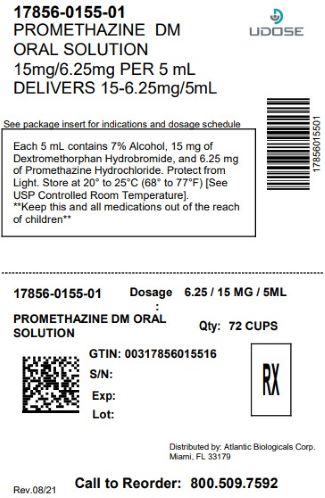
(promethazine · DailyMed)
ADRYL PROMETHAZINE
CARBOCYSTEINE 2G/100ML AND PROMETHAZINE HCL 2.5MG/5ML
What it does
Carbocysteine is a medication that helps to thicken mucus, making it easier to clear from the airways.
Commonly used for: chronic obstructive pulmonary disease (COPD), chronic bronchitis, cystic fibrosis
Read more in plain English ↓Plain-language summary for general understanding - not medical advice. Always follow your pharmacist/doctor.
Ask about this medicine
Answers come only from this medicine's registration record, BNF monograph and interaction data - not medical advice.
Hard to find? We help patients in Kenya source rare medicines. We don't sell or dispense medicines - licensed pharmacies do.
Source this medicineRegistration & product details
Source: Pharmacy and Poisons Board · fetched 2026-01-28 20:58:06 · updated 2026-07-26 13:40:20
About carbocysteine
Carbocysteine is a medication that helps to thicken mucus, making it easier to clear from the airways.
What it treats
- chronic obstructive pulmonary disease (COPD)
- chronic bronchitis
- cystic fibrosis
How it works
Carbocysteine works by changing the consistency of mucus in the lungs, helping to reduce coughing and improve breathing.
Who it's for
This medication is for adults and children who have respiratory conditions that cause thick mucus.
AI-assisted summary grounded in BNF data - general information only, not medical advice. Always confirm with your pharmacist or doctor.
About promethazine
Promethazine is a sedating antihistamine used to treat allergies, motion sickness, and to help with sleep.
What it treats
- allergies
- motion sickness
- insomnia
How it works
It blocks the action of a substance in the body called histamine, which helps reduce allergy symptoms and promotes sleep.
Who it's for
Promethazine is suitable for adults and children over 2 years old, but not everyone should use it.
Drug class
Antihistamines, sedating
Cautions
- • Avoid using with other medications that have similar effects on the body.
- • Use with caution if taking other drugs that can cause drowsiness.
AI-assisted summary grounded in BNF data - general information only, not medical advice. Always confirm with your pharmacist or doctor.
Clinical monograph: Promethazinehydrochloride
BNF-referencedPromethazine hydrochloride is a first-generation antihistamine with anticholinergic properties. It is primarily used for its sedative effects and to treat allergic conditions, motion sickness, nausea, and vomiting. It acts by blocking H1 histamine receptors, leading to a reduction in allergic responses and sedation.
Indications
- Allergic conditions such as hay fever
- Motion sickness
- Nausea and vomiting
- Sedation
- Insomnia associated with urticaria
- Pruritus
Dosage
Children: Child 2–4 years: 5 mg twice daily, alternatively 5–15 mg once daily, dose to be taken at night. Child 5–9 years: 5–10 mg twice daily, alternatively 10–25 mg once daily, dose to be taken at night. Child 10–17 years: 10–20 mg 2–3 times a day, alternatively 25 mg once daily, dose to be taken
Adults: 10–20 mg 2–3 times a day, alternatively 25 mg once daily, dose to be taken at night.
Mechanism of action
Promethazine hydrochloride works by antagonizing H1 histamine receptors, which inhibits the actions of histamine, a chemical involved in allergic reactions. Additionally, it has anticholinergic effects, which can help in reducing nausea and motion sickness by affecting the vestibular system.
Pharmacodynamics
Promethazine exhibits sedative, antiemetic, and antihistaminic properties. The sedative effects are due to its ability to cross the blood-brain barrier and block central H1 receptors, while the antiemetic effects are mediated through its action on the chemoreceptor trigger zone and vestibular pathways. The anticholinergic activity contributes to its effectiveness in controlling motion sickness.
Pharmacokinetics
Promethazine is well absorbed following oral administration, with peak plasma concentrations occurring within 1-2 hours. It has a long half-life of approximately 10-19 hours, allowing for once or twice daily dosing in most indications. The drug is extensively metabolized in the liver, primarily through cytochrome P450 enzymes, and eliminated mainly via urine. It is also noted for its potential for accumulation in patients with impaired hepatic function.
Contra-indications
- Hypersensitivity to promethazine or any of its components
- Patients with a history of angle-closure glaucoma
- Patients with severe respiratory depression
- Children under 2 years of age (unlicensed use for sedation)
Adverse effects
- Drowsiness
- Dizziness
- Blurred vision
- Dry mouth
- Nausea
- Urinary retention
- Paradoxical excitability in children
- Agranulocytosis
- Seizures
- Insomnia
- Skin reactions
- Leukopenia
- Anxiety
- Restlessness
- Fatigue
- Photosensitivity reaction
Interactions
- Increased sedative effects when used with alcohol or other CNS depressants
- Anticholinergic effects may be enhanced when used with other anticholinergic agents
- May interact with other antihistamines, increasing the risk of side effects
Precautions
- Use with caution in elderly patients due to increased susceptibility to anticholinergic side effects
- May cause sedation; caution patients about performing tasks requiring alertness (e.g., driving)
- Monitor for increased effects in combination with other sedatives
- Not suitable for long-term use in children under 2 years of age without specialist advice
Pregnancy
Most manufacturers advise avoidance during pregnancy; however, no evidence of teratogenicity has been established. Use in late pregnancy may lead to adverse effects in neonates.
Breast-feeding
Most antihistamines are excreted in breast milk; while not known to be harmful, manufacturers typically advise against use during breastfeeding.
Storage
Store in a cool, dry place away from direct sunlight. Keep out of reach of children.
Formulations
- Tablets: 10 mg, 25 mg
- Oral solution: 5 mg/5 mL
- Injection: 25 mg/mL
AI-synthesized from BNF references - general information only, not a substitute for professional medical advice or the current BNF. Verify doses with a pharmacist.
Clinical monograph: carbocysteine
BNF-referencedCarbocysteine is a mucolytic agent primarily used in the management of respiratory conditions characterized by excessive mucus production, such as chronic obstructive pulmonary disease (COPD), asthma, and cystic fibrosis. It works by altering the properties of mucus, reducing its viscosity, and facilitating easier expectoration. Additionally, carbocysteine exhibits antioxidant properties and may help prevent lung cell damage and inflammation.
Indications
- Chronic obstructive pulmonary disease (COPD)
- Asthma
- Cystic fibrosis
- Chronic bronchitis
Dosage
Children: Refer to the BNF for Children for specific pediatric dosing recommendations.
Adults: Refer to the BNF for specific dosing information. Generally, the usual adult dose is 750 mg three times daily.
Mechanism of action
Carbocysteine restores the balance between sialomucins and fucomucins in mucus, likely through the stimulation of the sialyl transferase enzyme. This action decreases mucus viscosity, enhances mucociliary clearance, and reduces bacterial adherence to respiratory epithelial cells. Furthermore, it has shown to inhibit inflammation by suppressing NF-κB and ERK1/2 MAPK signaling pathways and reducing the expression of intracellular adhesion molecule 1 (ICAM-1), thus preventing viral infections and airway inflammation.
Pharmacodynamics
Carbocysteine significantly reduces sputum viscosity, cough, dyspnea, and fatigue associated with respiratory conditions. Its mucolytic action aids in clearing mucus from the respiratory tract, which is vital for preventing pulmonary infections, particularly during exacerbations of COPD. Additionally, carbocysteine exhibits anti-inflammatory properties and may protect lung cells from oxidative stress.
Pharmacokinetics
Carbocysteine is absorbed well from the gastrointestinal tract and has a bioavailability of approximately 75%. It undergoes extensive metabolism in the liver and is excreted primarily in the urine. The onset of action is typically within a few days of starting treatment, with a duration of effect lasting up to several hours. Half-life and specific metabolic pathways were not provided.
Adverse effects
- Gastrointestinal disturbances
- Nausea
- Diarrhea
- Rash
- Pruritus
- Dizziness
Precautions
- Use with caution in patients with a history of peptic ulcer
- Patients with asthma should be monitored as carbocisteine can cause bronchospasm in some individuals
Pregnancy
Carbocisteine should only be used in pregnancy if the potential benefit justifies the potential risk to the fetus, as there is limited data on its safety.
Breast-feeding
There is insufficient information on the excretion of carbocisteine in human milk, hence caution is advised when administering to breastfeeding mothers.
Storage
Store in a cool, dry place away from direct sunlight. Keep out of reach of children.
Formulations
- Oral solution
- Capsules
- Syrup
AI-synthesized from BNF references - general information only, not a substitute for professional medical advice or the current BNF. Verify doses with a pharmacist.
Clinical monograph: promethazine
BNF-referencedPromethazine is a sedating antihistamine belonging to the phenothiazine class, primarily used for its antihistaminic, sedative, antimotion-sickness, antiemetic, and anticholinergic effects. It acts as an antagonist at multiple receptor sites including histamine H1, muscarinic, and dopamine receptors, contributing to its therapeutic applications in treating allergic reactions, nausea, vomiting, and as a sleep aid.
Indications
- Allergic reactions
- Nausea and vomiting
- Motion sickness
- Sedation
- Anxiety and tension
Dosage
Children: Refer to the BNF for Children for specific paediatric dosing recommendations.
Adults: Refer to the BNF for specific dosing recommendations.
Mechanism of action
Promethazine functions as a competitive antagonist of histamine H1 receptors, which diminishes the effects of histamine in allergic reactions. It also antagonizes post-synaptic mesolimbic dopamine, alpha adrenergic, muscarinic, and NMDA receptors. This multifaceted action is responsible for its sedative properties, utility in anxiety and tension, as well as its effectiveness in controlling nausea and vomiting.
Pharmacodynamics
Promethazine exhibits its antihistaminic effects by blocking H1 receptors, leading to reduced allergic response, sedation, and antiemetic effects. The sedative effects typically last between 4 to 6 hours, although they can extend up to 12 hours. Caution is advised regarding potential CNS and respiratory depression, as well as a reduced seizure threshold and possible bone marrow suppression.
Pharmacokinetics
Promethazine is absorbed from the gastrointestinal tract and has a variable bioavailability. It is extensively metabolized in the liver, primarily via the cytochrome P450 enzyme system, and has a long half-life, which contributes to its prolonged effects. The drug is excreted primarily in urine as metabolites. Its pharmacokinetic profile can be influenced by factors such as age and liver function.
Contra-indications
- Hypersensitivity to promethazine or any of its components.
- Children under 2 years of age due to the risk of severe respiratory depression.
- Comatose states or patients with severe central nervous system depression.
Adverse effects
- Drowsiness
- Dizziness
- Dry mouth
- Blurred vision
- Constipation
- Confusion
- Extrapyramidal symptoms
- Severe respiratory depression
- Hypotension
Interactions
- Increased sedation with alcohol and CNS depressants.
- May enhance the effects of other antihistamines.
- Concomitant use with monoamine oxidase inhibitors (MAOIs) may increase the risk of severe side effects.
Precautions
- Use with caution in patients with asthma, cardiovascular disease, or glaucoma.
- Monitor for signs of respiratory depression, particularly in pediatric and elderly patients.
- Caution advised when driving or operating machinery due to sedative effects.
Pregnancy
Promethazine is classified as category C. It should only be used if the potential benefit justifies the potential risk to the fetus.
Breast-feeding
Promethazine is excreted in breast milk. Caution is advised when administering to nursing mothers.
Storage
Store in a cool, dry place away from light. Keep out of reach of children.
Formulations
- Tablets
- Syrup
- Injection
AI-synthesized from BNF references - general information only, not a substitute for professional medical advice or the current BNF. Verify doses with a pharmacist.
Molecular reference: Promethazinehydrochloride
PubChem CID 6014Molecular formula: C17H20N2S.ClH
Source: PubChem (NCBI) · pathways from PathBank, Reactome, WikiPathways & PharmGKB.
Molecular reference: carbocysteine
PubChem CID 193653Molecular formula: C5H9NO4S
Mechanism of action
The hypersecretion of mucus characterizes serious respiratory conditions including asthma, cystic fibrosis (CF), and chronic obstructive pulmonary disease (COPD). It blocks bacterial adherence to cells, preventing pulmonary infections. Glycoproteins (fucomucins, sialomucins and sulfomucins) regulate the viscoelastic properties of bronchial mucus. Increased fucomucins can be found in the mucus of patients with COPD. Carbocisteine serves to restore equilibrium between sialomucins and fucomucins, likely by intracellular stimulation of sialyl transferase enzyme, thus reducing mucus viscosity. A study found that L-carbocisteine can inhibit damage to cells by hydrogen peroxide (H2O2) by activating protein kinase B (Akt) phosphorylation, suggesting that carbocisteine may have antioxidant effects and prevent apoptosis of lung cells. There is some evidence that carbocisteine suppresses NF-κB and ERK1/2 MAPK signalling pathways, reducing TNF-alpha induced inflammation in the lungs, as well as other inflammatory pathways. An in-vitro study found that L-carbocisteine reduces intracellular adhesion molecule 1 (ICAM-1), inhibiting rhinovirus 14 infection, thereby reducing airway inflammation.
Pharmacodynamics
Due to its mucolytic effects, carbocisteine significantly reduces sputum viscosity, cough, dyspnea and fatigue. Additionally, it prevents pulmonary infections by decreasing accumulated mucus in the respiratory tract; this is especially beneficial in preventing exacerbations of COPD caused by bacteria and viruses. It has in-vitro anti-inflammatory activity with some demonstrated action against free radicals.
Source: PubChem (NCBI) · pathways from PathBank, Reactome, WikiPathways & PharmGKB.
Molecular reference: promethazine
PubChem CID 4927Molecular formula: C17H20N2S
Mechanism of action
Promethazine is a an antagonist of histamine H1, post-synaptic mesolimbic dopamine, alpha adrenergic, muscarinic, and NMDA receptors. The antihistamine action is used to treat allergic reactions. Antagonism of muscarinic and NMDA receptors contribute to its use as a sleep aid, as well as for anxiety and tension. Antagonism of histamine H1, muscarinic, and dopamine receptors in the medullary vomiting center make promethazine useful in the treatment of nausea and vomiting. Promethazine is a phenothiazine derivative with potent sedative properties. Although the drug can produce either CNS stimulation or CNS depression, CNS depression manifested by sedation is more common with therapeutic doses of promethazine. The precise mechanism of the CNS effects of the drug is not known. Although it has been reported that the drug has slight antitussive activity, this may result from its anticholinergic and CNS depressant effects. In therapeutic doses, promethazine appears to have no substantial effect on the cardiovascular system. Although rapid IV administration of promethazine may produce a transient fall in blood pressure, blood pressure usually is maintained or slightly elevated when the drug is given slowly. Promethazine hydrochloride is a phenothiazine derivative which possesses antihistaminic, sedative, antimotion-sickness, antiemetic, and anticholinergic effects. Promethazine is a competitive H1 receptor antagonist, but does not block the release of histamine. Structural differences from the neuroleptic phenothiazines result in its relative lack (1/10 that of chlorpromazine) of dopamine antagonist properties. The development of phenothiazine derivatives as psychopharmacologic agents resulted from the observation that certain phenothiazine antihistaminic compounds produced sedation. In an attempt to enhance the sedative effects of these drugs, promethazine and chlorpromazine were synthesized. Chlorpromazine is the pharmacologic prototype of the phenothiazines. The pharmacology of phenothiazines is complex, and because of their actions on the central and autonomic nervous systems, the drugs affect many different sites in the body. Although the actions of the various phenothiazines are generally similar, these drugs differ both quantitatively and qualitatively in the extent to which they produce specific pharmacologic effects. /Phenothiazine General Statement/ For more Mechanism of Action (Complete) data for Promethazine (18 total), please visit the HSDB record page.
Pharmacodynamics
Promethazine is is a histamine H1 antagonist that can be used for it's ability to induce sedation, reduce pain, and treat allergic reactions. Promethazine's effects generally last 4-6h but can last up to 12h. Patients should be counselled regarding CNS and respiratory depression, reduce seizure threshold, and bone marrow depression.
Biological pathways
Source: PubChem (NCBI) · pathways from PathBank, Reactome, WikiPathways & PharmGKB.
This drug in other countries
The same active ingredient registered across other registries we cover - including different brands.
- ASTARGAN 25MG TABLET
- CIROGAN 25MG/ML INJECTION
- DAWA-PROM 25MG TABLET
- DAWAHIST COMBINATION PRODUCT SYRUP
- DAWA_PROM 5MG/5ML SYRUP
- EMICOL 25MG TABLET
- COLCAPS · Datlabs
- GOLDGESIC · Pharmanova
- PHENERHIST 10 · Harman Finochem
- PHENERHIST 25 · Harman Finochem
- PROCEDYL · Varichem Pharmaceuticals
- PROMETHAZINE HYDROCHLORIDE · Varichem Pharmaceuticals
- DAWA PROM SYRUP · Dawa
- HISTALIN COUGH EXPECTORANT · Regal Pharmaceuticals
- INTUSSED COUGH SUPPRESSANT · Regal Pharmaceuticals
- PHENERGAN 2% · Laboratorios Victoria
- PROMETHAZINE HYDROCHLORIDE TABLETS · Agog Pharma
- PROMETIN ELIXIR · Laboratory & Allied
- Cirogan syrup · Ciron Drugs & Pharmaceutical
- Goldgesic syrup · Pharmanova
- Kelvin-P syrup · Leben Laboratories
- Promethazine Hcl Fresenius injection · Fresenius Kabi
- Promethazine Injection · Missionpharma
- Promezin Tablet · Leben Laboratories
- PROM · Cure Afya
- PROM · Cure Afya
- Phamazine · Aurochem Pharmaceuticals
- Phenarzine · Lincoln Pharmaceuticals
- Profil
- Promethazine · Medopharm