Safety Alert
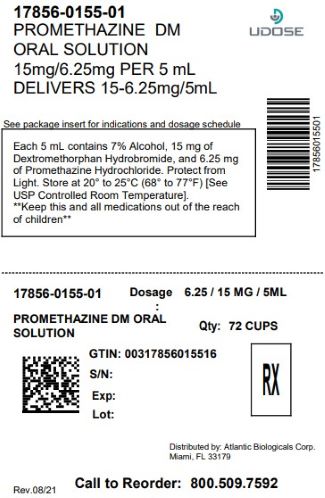
(promethazine · DailyMed)
PROM
Ascorbic Acid 2.500 mg/6 mL,Caramel Colour 0.150 mg/6 mL,Citric Acid Monohydrate 13.000 mg/6 mL,Promethazine Hydrochloride 5 mg/5 ml,Propylene Glycol 125.000 mg/6 mL,Purified Water q.s ml,Saccharin Sodium 5.000 mg/6 mL,Sodium Benzoate 10.000 mg/6 mL,Sodium Citrate Dihydrate 10.000 mg/6 mL,Sodium metabisulphite 2.500 mg/6 mL,Sorbitol 200.000 mg/6 mL,Sucrose(Pharma Grade) 2500.000 mg/6 mL,Sweet Orange Flavour 10.000 mg/6 mL
What it does
Ascorbic acid, commonly known as Vitamin C, is essential for overall health and helps the body in many ways.
Commonly used for: scurvy, immune system support, wound healing, antioxidant support
Read more in plain English ↓Plain-language summary for general understanding - not medical advice. Always follow your pharmacist/doctor.
Ask about this medicine
Answers come only from this medicine's registration record, BNF monograph and interaction data - not medical advice.
Medicine sourcing is available in Kenya only. We don't sell or dispense medicines - licensed pharmacies do.
Sourcing - Kenya onlyRegistration & product details
Source: Tanzania Medicines and Medical Devices Authority · fetched 2026-03-11 23:50:48 · updated 2026-10-19 03:00:45
About ascorbic acid
Ascorbic acid, commonly known as Vitamin C, is essential for overall health and helps the body in many ways.
What it treats
- scurvy
- immune system support
- wound healing
- antioxidant support
How it works
Ascorbic acid helps in the production of collagen, a protein important for skin, blood vessels, and connective tissues, and acts as an antioxidant to protect cells.
Who it's for
It is suitable for people needing vitamin C, such as those with a deficiency or increased requirements due to illness or stress.
AI-assisted summary grounded in BNF data - general information only, not medical advice. Always confirm with your pharmacist or doctor.
About benzoate
Benzoate is a compound often used as a preservative in food and medicines.
What it treats
- food preservation
- medicinal uses in certain formulations
How it works
Benzoate helps prevent the growth of harmful bacteria and fungi, keeping products safe for longer.
Who it's for
People consuming products containing benzoate, including children and adults.
AI-assisted summary grounded in BNF data - general information only, not medical advice. Always confirm with your pharmacist or doctor.
About caramel
Caramel is often used as a coloring agent in foods and medicines. It adds a sweet flavor and enhances the appearance of products.
What it treats
- food coloring
- flavoring agent
How it works
Caramel is made by heating sugar, which gives it a brown color and sweet taste.
Who it's for
Caramel can be consumed by most people, but those with specific dietary restrictions or allergies should check product labels.
AI-assisted summary grounded in BNF data - general information only, not medical advice. Always confirm with your pharmacist or doctor.
About citric
Citric acid is a natural substance often used to help with digestion and to support urinary health.
What it treats
- urinary tract infections (UTIs)
- kidney stones
- digestive issues
How it works
Citric acid helps to increase the acidity of urine, which can help to prevent the formation of certain types of kidney stones and may aid digestion.
Who it's for
Citric acid is suitable for adults and children who may need help with urinary health or digestion.
AI-assisted summary grounded in BNF data - general information only, not medical advice. Always confirm with your pharmacist or doctor.
About colour
This medicine is used to change the color of certain products.
What it treats
- to color food
- to tint cosmetics
- to dye textiles
How it works
It adds color to products, making them visually appealing.
Who it's for
This product is suitable for anyone needing to add color to food, cosmetics, or textiles.
AI-assisted summary grounded in BNF data - general information only, not medical advice. Always confirm with your pharmacist or doctor.
About flavour
Flavour is used to enhance the taste of products and make them more enjoyable.
What it treats
- improving the taste of foods and drinks
- masking unpleasant tastes in medications
How it works
Flavours work by stimulating our taste buds, making foods and drinks taste better.
Who it's for
Flavour can be used by anyone who wants to improve the taste of their food or beverages.
AI-assisted summary grounded in BNF data - general information only, not medical advice. Always confirm with your pharmacist or doctor.
About glycol
Glycol is a substance used in various medical and industrial applications, primarily known for its properties as a solvent and humectant.
What it treats
- moisturizing skin (topical applications)
- acting as a solvent in medications
How it works
Glycol helps to retain moisture and can dissolve other substances, making it useful in creams and solutions.
Who it's for
Glycol is generally safe for use in topical products for adults and children when used as directed.
AI-assisted summary grounded in BNF data - general information only, not medical advice. Always confirm with your pharmacist or doctor.
About metabisulphite
Metabisulphite is a compound often used as a preservative in food and beverages and can sometimes be found in medicines.
What it treats
- preservative in food and drinks
- prevention of allergic reactions in some patients
How it works
Metabisulphite helps to prevent spoilage and maintain the freshness of products by stopping the growth of bacteria and fungi.
Who it's for
It is generally used by individuals who may need to preserve certain products, but it should be avoided by those who are sensitive or allergic to sulfites.
Cautions
- • Avoid if you have a known allergy to sulfites.
- • May cause allergic reactions in sensitive individuals.
AI-assisted summary grounded in BNF data - general information only, not medical advice. Always confirm with your pharmacist or doctor.
About orange
Orange is a fruit that is rich in vitamins and nutrients, particularly vitamin C, which can support overall health.
What it treats
- boosting the immune system
- providing hydration
- improving skin health
How it works
Oranges contain antioxidants and vitamins that help protect the body from damage and support various bodily functions.
Who it's for
Oranges can be enjoyed by most people as part of a healthy diet.
AI-assisted summary grounded in BNF data - general information only, not medical advice. Always confirm with your pharmacist or doctor.
About promethazine
Promethazine is a sedating antihistamine used to treat allergies, motion sickness, and to help with sleep.
What it treats
- allergies
- motion sickness
- insomnia
How it works
It blocks the action of a substance in the body called histamine, which helps reduce allergy symptoms and promotes sleep.
Who it's for
Promethazine is suitable for adults and children over 2 years old, but not everyone should use it.
Drug class
Antihistamines, sedating
Cautions
- • Avoid using with other medications that have similar effects on the body.
- • Use with caution if taking other drugs that can cause drowsiness.
AI-assisted summary grounded in BNF data - general information only, not medical advice. Always confirm with your pharmacist or doctor.
About propylene
Propylene is a compound used in various medical applications, often as a solvent or carrier for medications.
What it treats
- used in some topical treatments
- acts as a solvent in pharmaceuticals
How it works
Propylene helps dissolve other substances, making them easier to apply or absorb in the body.
Who it's for
It is typically for adults and children who need certain medications delivered in a specific form.
AI-assisted summary grounded in BNF data - general information only, not medical advice. Always confirm with your pharmacist or doctor.
About purified
Purified ingredients are often used in various medicines to ensure safety and effectiveness by removing impurities.
What it treats
- various medical conditions
How it works
Purified ingredients help in delivering the intended effects of the medicine without the risk of contaminants.
Who it's for
People who need medications with safe and effective ingredients.
AI-assisted summary grounded in BNF data - general information only, not medical advice. Always confirm with your pharmacist or doctor.
About saccharin
Saccharin is an artificial sweetener used to add sweetness to foods and drinks without calories.
What it treats
- sugar substitute
- dietary sweetener
How it works
Saccharin works by stimulating the taste buds to produce a sweet flavor, making it a popular choice for those needing to reduce sugar intake.
Who it's for
It is suitable for people looking to manage their weight or blood sugar levels, including those with diabetes.
AI-assisted summary grounded in BNF data - general information only, not medical advice. Always confirm with your pharmacist or doctor.
About sorbitol
Sorbitol is a type of sugar alcohol used to help relieve constipation by softening the stool.
What it treats
- constipation
- bowel preparation
How it works
Sorbitol works by drawing water into the intestines, which helps to soften the stool and make it easier to pass.
Who it's for
Sorbitol is suitable for adults and children who need help with constipation.
AI-assisted summary grounded in BNF data - general information only, not medical advice. Always confirm with your pharmacist or doctor.
About sucrose
Sucrose is a type of sugar commonly used as a sweetener in food and beverages.
What it treats
- providing energy
- sweetening food and drinks
How it works
Sucrose provides a quick source of energy when consumed.
Who it's for
Suitable for anyone needing a sweetener, but those with diabetes should use it with caution.
Cautions
- • Excessive intake can lead to weight gain.
- • May affect blood sugar levels.
AI-assisted summary grounded in BNF data - general information only, not medical advice. Always confirm with your pharmacist or doctor.
About sweet
Sweet is a natural ingredient often used for its flavor and potential health benefits.
What it treats
- improving taste of foods and drinks
- possible digestive aid
How it works
Sweet enhances the flavor of products, making them more enjoyable to consume.
Who it's for
Anyone looking to improve the taste of their meals or seeking natural flavoring options.
AI-assisted summary grounded in BNF data - general information only, not medical advice. Always confirm with your pharmacist or doctor.
Clinical monograph: Promethazinehydrochloride
BNF-referencedPromethazine hydrochloride is a first-generation antihistamine with anticholinergic properties. It is primarily used for its sedative effects and to treat allergic conditions, motion sickness, nausea, and vomiting. It acts by blocking H1 histamine receptors, leading to a reduction in allergic responses and sedation.
Indications
- Allergic conditions such as hay fever
- Motion sickness
- Nausea and vomiting
- Sedation
- Insomnia associated with urticaria
- Pruritus
Dosage
Children: Child 2–4 years: 5 mg twice daily, alternatively 5–15 mg once daily, dose to be taken at night. Child 5–9 years: 5–10 mg twice daily, alternatively 10–25 mg once daily, dose to be taken at night. Child 10–17 years: 10–20 mg 2–3 times a day, alternatively 25 mg once daily, dose to be taken
Adults: 10–20 mg 2–3 times a day, alternatively 25 mg once daily, dose to be taken at night.
Mechanism of action
Promethazine hydrochloride works by antagonizing H1 histamine receptors, which inhibits the actions of histamine, a chemical involved in allergic reactions. Additionally, it has anticholinergic effects, which can help in reducing nausea and motion sickness by affecting the vestibular system.
Pharmacodynamics
Promethazine exhibits sedative, antiemetic, and antihistaminic properties. The sedative effects are due to its ability to cross the blood-brain barrier and block central H1 receptors, while the antiemetic effects are mediated through its action on the chemoreceptor trigger zone and vestibular pathways. The anticholinergic activity contributes to its effectiveness in controlling motion sickness.
Pharmacokinetics
Promethazine is well absorbed following oral administration, with peak plasma concentrations occurring within 1-2 hours. It has a long half-life of approximately 10-19 hours, allowing for once or twice daily dosing in most indications. The drug is extensively metabolized in the liver, primarily through cytochrome P450 enzymes, and eliminated mainly via urine. It is also noted for its potential for accumulation in patients with impaired hepatic function.
Contra-indications
- Hypersensitivity to promethazine or any of its components
- Patients with a history of angle-closure glaucoma
- Patients with severe respiratory depression
- Children under 2 years of age (unlicensed use for sedation)
Adverse effects
- Drowsiness
- Dizziness
- Blurred vision
- Dry mouth
- Nausea
- Urinary retention
- Paradoxical excitability in children
- Agranulocytosis
- Seizures
- Insomnia
- Skin reactions
- Leukopenia
- Anxiety
- Restlessness
- Fatigue
- Photosensitivity reaction
Interactions
- Increased sedative effects when used with alcohol or other CNS depressants
- Anticholinergic effects may be enhanced when used with other anticholinergic agents
- May interact with other antihistamines, increasing the risk of side effects
Precautions
- Use with caution in elderly patients due to increased susceptibility to anticholinergic side effects
- May cause sedation; caution patients about performing tasks requiring alertness (e.g., driving)
- Monitor for increased effects in combination with other sedatives
- Not suitable for long-term use in children under 2 years of age without specialist advice
Pregnancy
Most manufacturers advise avoidance during pregnancy; however, no evidence of teratogenicity has been established. Use in late pregnancy may lead to adverse effects in neonates.
Breast-feeding
Most antihistamines are excreted in breast milk; while not known to be harmful, manufacturers typically advise against use during breastfeeding.
Storage
Store in a cool, dry place away from direct sunlight. Keep out of reach of children.
Formulations
- Tablets: 10 mg, 25 mg
- Oral solution: 5 mg/5 mL
- Injection: 25 mg/mL
AI-synthesized from BNF references - general information only, not a substitute for professional medical advice or the current BNF. Verify doses with a pharmacist.
Clinical monograph: Ascorbicacid
BNF-referencedAscorbic acid, also known as Vitamin C, is a water-soluble vitamin essential for various bodily functions, including the synthesis of collagen, neurotransmitters, and the immune response. It acts as an antioxidant, protecting cells from damage by free radicals.
Indications
- Vitamin C deficiency
- Scurvy
- Adjunct therapy in iron overload conditions
Dosage
Children: Child 1 month–3 years: 125–250 mg daily in 1–2 divided doses; Child 4–11 years: 250–500 mg daily in 1–2 divided doses; Child 12–17 years: 0.5–1 g daily in 1–2 divided doses.
Adults: 500 mg daily, taken in 1-2 divided doses, depending on the clinical condition and dietary needs.
Mechanism of action
Ascorbic acid functions primarily as a reducing agent, facilitating enzymatic reactions in the body, including the hydroxylation of proline and lysine in collagen synthesis. It also plays a role in the absorption of iron from the gastrointestinal tract and enhances the immune response.
Pharmacodynamics
Ascorbic acid is crucial for the maintenance of connective tissue and is involved in the metabolism of several amino acids. Its antioxidant properties help to mitigate oxidative stress and may play a role in reducing the risk of chronic diseases.
Pharmacokinetics
Ascorbic acid is absorbed in the intestines and is widely distributed throughout the body. The renal clearance of ascorbic acid is dose-dependent, with higher doses leading to increased excretion. The half-life varies but is generally around 15 to 30 minutes in healthy individuals, with tissue saturation levels influencing its retention.
Contra-indications
- Hypercalcaemia
- Hyperoxaluria
- Patients with cardiac dysfunction
Adverse effects
- Abdominal pain
- Headache
- Nausea
- Vomiting
- Diarrhoea
- Constipation
- Weight loss
- Polyuria
- Sweating
- Thirst
- Vertigo
Interactions
- Increases risk of cardiovascular adverse effects with iron chelators
- Increases risk of cardiovascular adverse effects with deferiprone
- Increases risk of cardiovascular adverse effects with desferrioxamine
Precautions
- Use with caution in patients with iron overload
- Monitor for symptoms of overdose
Pregnancy
High doses teratogenic in animals but therapeutic doses unlikely to be harmful.
Storage
Store in a cool, dry place away from direct sunlight.
Formulations
- Ascorbic acid 50 mg tablets
- Ascorbic acid 100 mg tablets
- Ascorbic acid 200 mg tablets
- Ascorbic acid 250 mg tablets
- Ascorbic acid 500 mg capsules
AI-synthesized from BNF references - general information only, not a substitute for professional medical advice or the current BNF. Verify doses with a pharmacist.
Clinical monograph: benzoate
BNF-referencedBenzoate is the conjugate base of benzoic acid, characterized by the molecular formula C7H5O2-. It is primarily utilized as a food preservative and has various roles in metabolic pathways within the human body. As a naturally occurring compound, it plays a role in the biosynthesis of several secondary metabolites and is involved in the degradation of certain aromatic compounds.
Indications
- Food preservative
- Treatment of urea cycle disorders
- Metabolic disorders involving benzoyl-CoA
Dosage
Children: Refer to the BNF for Children for specific dosing guidelines based on condition.
Adults: Refer to the BNF for specific dosing guidelines based on condition.
Mechanism of action
Benzoate acts mainly by inhibiting the growth of bacteria and fungi through its ability to lower the pH, creating an environment that is less favorable for microbial growth. It is also involved in metabolic pathways where it helps in the conjugation of toxic substances, facilitating their excretion from the body.
Pharmacodynamics
Benzoate is known for its antimicrobial properties, which are particularly effective against a wide range of fungi and bacteria. Its efficacy as a preservative is due to its ability to penetrate microbial cell membranes and disrupt their metabolic processes. Additionally, it has been observed to modulate various metabolic pathways, particularly those associated with aromatic compound degradation.
Pharmacokinetics
After ingestion, benzoate is rapidly absorbed in the gastrointestinal tract. It is metabolized primarily in the liver, where it undergoes conjugation with glycine to form hippurate, which is then excreted in the urine. The half-life of benzoate varies depending on individual metabolic rates but is generally short due to its efficient conversion and excretion.
Pregnancy
There is limited data on the use of benzoate in pregnancy. Consultation with healthcare professionals is advised before use.
Breast-feeding
Limited data is available on the excretion of benzoate in breast milk. Caution is recommended when administering to nursing mothers.
Storage
Store in a cool, dry place away from direct sunlight. Keep out of reach of children.
AI-synthesized from BNF references - general information only, not a substitute for professional medical advice or the current BNF. Verify doses with a pharmacist.
Clinical monograph: caramel
BNF-referencedCaramel is a complex mixture of compounds created by the controlled heat treatment of sugars. It is commonly used as a food coloring and flavoring agent, imparting a characteristic brown color and sweet flavor to various food products. Caramel is widely utilized in the food industry and is generally recognized as safe (GRAS) by regulatory agencies.
Indications
- Food coloring
- Flavoring agent
- Culinary applications
Dosage
Children: Refer to food product specifications, as dosage varies based on application. No specific therapeutic dose exists.
Adults: Refer to food product specifications, as dosage varies based on application. No specific therapeutic dose exists.
Mechanism of action
Caramel's mechanism of action primarily involves its role as a colorant and flavor enhancer in food products. The heating process leads to the breakdown of sugar molecules, resulting in the formation of various compounds that contribute to its color and taste. These compounds may also interact with taste receptors, enhancing the sensory experience of food.
Pharmacodynamics
Caramel does not have pharmacological effects in the traditional sense, as it is primarily a food additive. Its primary role is to provide color and flavor to foods rather than exerting therapeutic effects. However, it can influence the palatability of food items, potentially affecting food intake and enjoyment.
Pharmacokinetics
As a food additive, caramel is generally not absorbed in significant quantities in the gastrointestinal tract. It is metabolized by gut bacteria and may be broken down into simple sugars and other metabolites. The exact metabolic pathway is not well defined, as caramel is considered a complex mixture rather than a single compound.
Pregnancy
Caramel is generally regarded as safe for consumption during pregnancy when used in food products.
Breast-feeding
Caramel is considered safe during breastfeeding when consumed in moderate amounts as part of food.
Storage
Store in a cool, dry place, away from direct sunlight.
Formulations
- Liquid caramel
- Caramel powder
- Caramel syrup
AI-synthesized from BNF references - general information only, not a substitute for professional medical advice or the current BNF. Verify doses with a pharmacist.
Clinical monograph: citric
BNF-referencedCitric acid, a key intermediate in the citric acid cycle, is a weak organic acid with the molecular formula C10H18O. It is commonly found in citrus fruits and is widely used in the food and pharmaceutical industries for its preservative and flavoring properties. Citric acid is also utilized in various formulations for its ability to enhance solubility and stability of active ingredients.
Indications
- Acidulant in food and beverages
- Preservative in pharmaceutical formulations
- pH adjuster in various chemical preparations
Dosage
Children: Refer to product-specific guidelines for appropriate dosing based on formulation and indication.
Adults: Refer to product-specific guidelines for appropriate dosing based on formulation and indication.
Mechanism of action
Citric acid acts by chelating metal ions, which can enhance the solubility of certain compounds and improve their bioavailability. It also contributes to the acidity of the environment, which can influence enzymatic activity and metabolic pathways, particularly in the degradation of citronellol.
Pharmacodynamics
Citric acid exhibits mild pharmacological effects primarily attributed to its role in metabolic processes. It aids in the regulation of pH levels, which can impact enzymatic reactions and biochemical pathways. The acid's chelating properties may help to reduce the toxicity of certain metal ions in biological systems.
Pharmacokinetics
Citric acid is rapidly absorbed after oral administration and is metabolized in the liver. It undergoes conversion to various metabolites in the citric acid cycle, contributing to energy production. The elimination primarily occurs through urine, with minimal accumulation in the body.
Pregnancy
Citric acid is generally regarded as safe during pregnancy when used in food amounts. However, consult a healthcare provider for advice on medicinal use.
Breast-feeding
Citric acid is considered safe during breastfeeding when consumed in food amounts. For medicinal use, consult a healthcare provider.
Storage
Store in a cool, dry place away from direct sunlight.
AI-synthesized from BNF references - general information only, not a substitute for professional medical advice or the current BNF. Verify doses with a pharmacist.
Clinical monograph: colour
BNF-referencedColour is a compound with the molecular formula C13H18N2O, commonly recognized for its application in various industries, including pharmaceuticals and food. Its properties can vary based on its specific formulation and context of use. It is important to consult detailed sources for information regarding its use in clinical settings.
Mechanism of action
The precise mechanism of action is not well-documented in the provided resources. However, compounds with similar molecular structures often interact with biological pathways through modulation of neurotransmitter systems or receptor activity.
Pharmacodynamics
Pharmacodynamics for compounds like Colour typically involve interactions at the cellular level, influencing physiological responses through receptor binding and modulation of signaling pathways. The specific effects and potency would depend on the context of use and formulation.
Pharmacokinetics
Information on the pharmacokinetics of Colour, including absorption, distribution, metabolism, and excretion, is not provided in the available resources. Generally, pharmacokinetic properties will vary significantly based on formulation and route of administration.
Pregnancy
Safety in pregnancy has not been established. Use only if the benefits outweigh the risks.
Breast-feeding
Caution is advised. There are no adequate studies in breastfeeding women.
Storage
Store in a cool, dry place, away from light. Keep out of reach of children.
AI-synthesized from BNF references - general information only, not a substitute for professional medical advice or the current BNF. Verify doses with a pharmacist.
Clinical monograph: flavour
Flavour agents, often referred to as flavorings, are substances added to food and beverages to impart a specific taste or aroma. They can be natural or artificial and are widely used in the food industry to enhance palatability and consumer acceptance of products. Natural flavors are derived from fruits, vegetables, spices, and other plant materials, while artificial flavors are synthesized to mimic natural tastes.
Indications
- Enhancement of taste in food and beverages
- Improvement of palatability in nutritional products
- Masking undesirable flavors in medications
Dosage
Children: There is no specific pediatric dosage for flavor agents as they are used as needed to improve the taste of food and beverages.
Adults: There is no specific dosage for flavor agents as they are used as needed to achieve the desired taste and aroma in food and beverages.
Mechanism of action
Flavor compounds interact with taste receptors on the tongue, stimulating the sensory neurons responsible for taste perception. This interaction influences the overall flavor profile of food and beverages, enhancing the eating experience. Some flavors may also have a psychological effect, stimulating appetite or evoking pleasant memories associated with certain tastes.
Pharmacodynamics
While flavor agents are primarily used for sensory enhancement in food, their pharmacodynamic effects are minimal as they are not designed to elicit a pharmacological response. However, certain flavors may influence digestion and metabolism indirectly by enhancing saliva production or affecting gut motility. The enjoyment of flavored products can also lead to increased food intake and satisfaction.
Pharmacokinetics
Flavour compounds are typically ingested and metabolized by the body. Their absorption rates can vary depending on their chemical structure and formulation. Once ingested, they may be rapidly metabolized in the liver and other tissues, with excretion primarily via urine. The specific pharmacokinetic profiles of flavor agents can vary significantly based on their source and chemical properties.
Pregnancy
Flavours are generally considered safe for use during pregnancy, but specific assessments should be made based on the type of flavouring agent.
Breast-feeding
Most flavouring agents are deemed safe during breastfeeding, although it's advisable to consult healthcare professionals regarding specific ingredients.
Storage
Store in a cool, dry place away from direct sunlight and heat sources. Ensure that the container is tightly sealed to prevent contamination.
AI-synthesized from BNF references - general information only, not a substitute for professional medical advice or the current BNF. Verify doses with a pharmacist.
Clinical monograph: glycol
BNF-referencedEthylene glycol, a colorless, odorless liquid with a sweet taste, is primarily used in antifreeze and industrial applications. It is toxic to humans and can lead to severe metabolic acidosis and organ damage upon ingestion. Due to its potential for misuse and toxicity, it is classified as a hazardous substance.
Dosage
Children: Refer to the BNF for Children for appropriate dosing information in paediatric cases, especially in instances of overdose.
Adults: Refer to the BNF for specific dosing information based on clinical circumstances, particularly in cases of overdose.
Mechanism of action
Ethylene glycol is metabolized by alcohol dehydrogenase to glycoaldehyde, which is subsequently converted to glycolic, glyoxylic, and oxalic acids. These metabolites contribute to anion gap metabolic acidosis and are responsible for tissue injury through the formation of insoluble calcium oxalate crystals.
Pharmacodynamics
The toxicity of ethylene glycol arises from its metabolites, particularly glycolic and oxalic acids. These compounds induce metabolic acidosis, lead to renal failure through calcium oxalate crystal deposition in the kidneys, and can cause neurological impairment. The anion gap increases due to the accumulation of these acids, leading to complications such as cardiovascular instability and potential multi-organ failure.
Pharmacokinetics
Ethylene glycol is rapidly absorbed after oral ingestion. It undergoes first-pass metabolism primarily in the liver, where it is converted into its toxic metabolites. The elimination half-life of ethylene glycol varies but is generally prolonged in cases of renal impairment. Renal excretion of metabolites contributes to the duration of toxicity, necessitating prompt medical intervention in cases of overdose.
Adverse effects
- Metabolic acidosis
- Renal failure
- CNS depression
- Hypocalcemia
- Cardiovascular collapse
- Pulmonary edema
Precautions
- Use with caution in patients with renal impairment
- Monitor for signs of metabolic acidosis
- Evaluate electrolyte levels, particularly calcium
Pregnancy
There is limited data on the safety of ethylene glycol in pregnancy. It should only be used if clearly needed.
Breast-feeding
It is unknown if ethylene glycol is excreted in human milk. Caution is advised.
Storage
Store in a tightly closed container at room temperature, away from heat and moisture.
Formulations
- Liquid
AI-synthesized from BNF references - general information only, not a substitute for professional medical advice or the current BNF. Verify doses with a pharmacist.
Clinical monograph: metabisulphite
Metabisulphite, also known as sodium metabisulphite, is a chemical compound commonly used as a food preservative and antioxidant. It is often utilized in pharmaceutical formulations and as a reducing agent in various chemical processes. Its primary function is to inhibit the growth of microorganisms and prevent oxidation, thereby preserving the quality and stability of products. In clinical settings, it may be used as a component in certain injectable medications and is known for its potential to cause allergic reactions in sensitive individuals.
Indications
- Food preservation
- Antioxidant in pharmaceutical formulations
- Reducing agent in chemical processes
- Component in certain injectable medications
Dosage
Children: Refer to the specific product information or clinical guidelines for dosing recommendations, as dosages can vary based on formulation and intended use.
Adults: Refer to the specific product information or clinical guidelines for dosing recommendations, as dosages can vary based on formulation and intended use.
Mechanism of action
Metabisulphite acts as a reducing agent through its ability to donate electrons, leading to the reduction of other compounds. It reacts with free radicals and other reactive species, thus preventing oxidative damage to cells and tissues. The sulfite ion can also interact with thiol groups in proteins, altering their structure and function, which can have both beneficial and adverse effects depending on the context.
Pharmacodynamics
The pharmacodynamics of metabisulphite involve its antioxidant properties, which help protect cells from oxidative stress. By scavenging free radicals, it contributes to the stabilization of various compounds, prolonging their efficacy. However, its potential to induce oxidative stress and trigger allergic reactions in susceptible individuals is also recognized, necessitating caution in its use.
Pharmacokinetics
Metabisulphite is rapidly absorbed when administered, and its pharmacokinetic profile is influenced by the route of administration. It is metabolized to sulfite and further to sulfate in the liver. The elimination half-life is relatively short, with renal excretion being the primary route of elimination. Individuals with compromised renal function may have altered clearance rates, requiring careful monitoring.
Contra-indications
- Hypersensitivity to metabisulfite or any other sulfite compounds
- Asthma or a history of sulfite sensitivity
Adverse effects
- Allergic reactions, including anaphylaxis
- Respiratory distress in sensitive individuals
- Skin reactions such as rashes or urticaria
Interactions
- May interact with certain medications that can cause allergic reactions
- Possible enhancement of the effects of other sulfite-containing medications
Precautions
- Use with caution in patients with asthma or sulfite sensitivity
- Monitor for respiratory reactions in susceptible individuals
Pregnancy
Safety during pregnancy has not been established; use only if clearly needed.
Breast-feeding
Safety during breastfeeding is not well established; use with caution.
Storage
Store in a cool, dry place, away from light and moisture.
Formulations
- Powder for solution
- Tablet form
- Inhalation solution
AI-synthesized from BNF references - general information only, not a substitute for professional medical advice or the current BNF. Verify doses with a pharmacist.
Clinical monograph: orange
Orange juice is a popular beverage derived from the fruit of the orange tree. It is rich in vitamin C, flavonoids, and various other nutrients. While primarily consumed for its refreshing taste and nutritional benefits, it may also interact with certain medications, affecting their absorption and efficacy.
Dosage
Children: Refer to BNF for Children for specific recommendations regarding the consumption of orange juice in children.
Adults: There is no standard dosage for orange juice as it is typically consumed as a beverage. Moderation is advised, especially for individuals on certain medications.
Mechanism of action
The exact mechanism of action of orange juice is not fully understood, but it is known to contain compounds that can influence the metabolism of certain drugs. For instance, it may affect the activity of cytochrome P450 enzymes, particularly CYP3A4, which can alter the pharmacokinetics of medications.
Pharmacodynamics
Orange juice is known to enhance the bioavailability of certain nutrients and may influence the pharmacological effects of some drugs. Its high vitamin C content contributes to various physiological functions, including antioxidant activity, which may indirectly support overall health.
Pharmacokinetics
The pharmacokinetics of orange juice itself are not extensively studied, but it is generally absorbed well through the gastrointestinal tract. The compounds in orange juice can affect the absorption and metabolism of medications, leading to varied clinical effects depending on the drug in question.
Interactions
- orange juice + celiprolol: Unknown (decreases exposure)
Formulations
- juice
- whole fruit
AI-synthesized from BNF references - general information only, not a substitute for professional medical advice or the current BNF. Verify doses with a pharmacist.
Clinical monograph: promethazine
BNF-referencedPromethazine is a sedating antihistamine belonging to the phenothiazine class, primarily used for its antihistaminic, sedative, antimotion-sickness, antiemetic, and anticholinergic effects. It acts as an antagonist at multiple receptor sites including histamine H1, muscarinic, and dopamine receptors, contributing to its therapeutic applications in treating allergic reactions, nausea, vomiting, and as a sleep aid.
Indications
- Allergic reactions
- Nausea and vomiting
- Motion sickness
- Sedation
- Anxiety and tension
Dosage
Children: Refer to the BNF for Children for specific paediatric dosing recommendations.
Adults: Refer to the BNF for specific dosing recommendations.
Mechanism of action
Promethazine functions as a competitive antagonist of histamine H1 receptors, which diminishes the effects of histamine in allergic reactions. It also antagonizes post-synaptic mesolimbic dopamine, alpha adrenergic, muscarinic, and NMDA receptors. This multifaceted action is responsible for its sedative properties, utility in anxiety and tension, as well as its effectiveness in controlling nausea and vomiting.
Pharmacodynamics
Promethazine exhibits its antihistaminic effects by blocking H1 receptors, leading to reduced allergic response, sedation, and antiemetic effects. The sedative effects typically last between 4 to 6 hours, although they can extend up to 12 hours. Caution is advised regarding potential CNS and respiratory depression, as well as a reduced seizure threshold and possible bone marrow suppression.
Pharmacokinetics
Promethazine is absorbed from the gastrointestinal tract and has a variable bioavailability. It is extensively metabolized in the liver, primarily via the cytochrome P450 enzyme system, and has a long half-life, which contributes to its prolonged effects. The drug is excreted primarily in urine as metabolites. Its pharmacokinetic profile can be influenced by factors such as age and liver function.
Contra-indications
- Hypersensitivity to promethazine or any of its components.
- Children under 2 years of age due to the risk of severe respiratory depression.
- Comatose states or patients with severe central nervous system depression.
Adverse effects
- Drowsiness
- Dizziness
- Dry mouth
- Blurred vision
- Constipation
- Confusion
- Extrapyramidal symptoms
- Severe respiratory depression
- Hypotension
Interactions
- Increased sedation with alcohol and CNS depressants.
- May enhance the effects of other antihistamines.
- Concomitant use with monoamine oxidase inhibitors (MAOIs) may increase the risk of severe side effects.
Precautions
- Use with caution in patients with asthma, cardiovascular disease, or glaucoma.
- Monitor for signs of respiratory depression, particularly in pediatric and elderly patients.
- Caution advised when driving or operating machinery due to sedative effects.
Pregnancy
Promethazine is classified as category C. It should only be used if the potential benefit justifies the potential risk to the fetus.
Breast-feeding
Promethazine is excreted in breast milk. Caution is advised when administering to nursing mothers.
Storage
Store in a cool, dry place away from light. Keep out of reach of children.
Formulations
- Tablets
- Syrup
- Injection
AI-synthesized from BNF references - general information only, not a substitute for professional medical advice or the current BNF. Verify doses with a pharmacist.
Clinical monograph: propylene
BNF-referencedPropylene, also known as propene, is a colorless gas with a faint petroleum-like odor. It is primarily used as a chemical feedstock in the production of polypropylene, a widely used plastic. Propylene also has applications in agriculture as a plant growth inhibitor, where it functions by affecting the oxidation processes in plants.
Indications
- Plant growth regulation
- Agricultural applications as a growth inhibitor
Dosage
Children: Not applicable.
Adults: Refer to the relevant agricultural guidelines for specific applications.
Mechanism of action
In an in vitro study, propylene acts as a plant growth inhibitor by inhibiting the oxidation of indole-3-acetic acid by peroxidase in the presence of superoxide anion radicals. This inhibition is linked to the activation of an iron complex (compound III) shuttle, which enhances the reaction rate between superoxide and peroxidase, ultimately affecting plant growth processes. Propylene is a less effective inhibitor compared to ethylene.
Pharmacodynamics
The pharmacodynamic effects of propylene are primarily observed in its role as a growth inhibitor in plants. By modulating the oxidation of phytohormones like indole-3-acetic acid, propylene can influence various growth responses in plants, potentially affecting processes such as cell elongation and division.
Pharmacokinetics
Information on the pharmacokinetics of propylene in humans is not well-documented, as its primary uses are industrial and agricultural. Its metabolism may be influenced by environmental factors, and its effects are primarily studied in the context of plant biology rather than human pharmacology.
AI-synthesized from BNF references - general information only, not a substitute for professional medical advice or the current BNF. Verify doses with a pharmacist.
Clinical monograph: purified
Purified refers to a substance that has been processed to remove impurities, contaminants, or unwanted substances, resulting in a more concentrated and effective form of the original compound. In pharmacology, purified compounds are often used to enhance therapeutic efficacy and reduce adverse effects. The purification process can apply to a variety of substances, including drugs, biological products, and chemical compounds.
Dosage
Children: Refer to specific drug formulations and product labels as purified substances can vary widely in their use and dosing.
Adults: Refer to specific drug formulations and product labels as purified substances can vary widely in their use and dosing.
Mechanism of action
The mechanism of action for purified compounds varies widely depending on the specific substance. Generally, purified drugs exert their effects by interacting with specific biological targets, such as receptors, enzymes, or ion channels, leading to a desired therapeutic effect. This interaction can involve binding to receptors to activate or inhibit signaling pathways, modulating enzymatic activity, or altering physiological processes.
Pharmacodynamics
Pharmacodynamics describes the effects of a drug on the body and the relationship between drug concentration and effect. For purified drugs, this can involve dose-response relationships and the time course of their action. The purified form often enhances potency and reduces variability in response among patients, which can lead to more predictable therapeutic outcomes. The overall effect is determined by the drug's affinity for its target, the efficacy of the drug-receptor interaction, and the downstream signaling pathways activated as a result of this interaction.
Pharmacokinetics
Pharmacokinetics involves the absorption, distribution, metabolism, and excretion (ADME) of a drug. For purified substances, absorption can be more efficient due to the absence of impurities that may affect solubility or stability. Distribution may also be enhanced, leading to higher bioavailability. Metabolism can be influenced by the structure of the purified compound, as it may be metabolized more readily by liver enzymes. Excretion typically occurs through the kidneys or liver, depending on the molecular characteristics of the purified drug.
Pregnancy
Consult with a healthcare professional, as the safety of purified forms of medications during pregnancy may vary depending on the specific substance.
Breast-feeding
Consult with a healthcare professional, as the safety of purified forms of medications during breastfeeding may vary depending on the specific substance.
Storage
Store in a cool, dry place, away from light and moisture, and keep out of reach of children.
AI-synthesized from BNF references - general information only, not a substitute for professional medical advice or the current BNF. Verify doses with a pharmacist.
Clinical monograph: saccharin
BNF-referencedSaccharin is an artificial sweetener, commonly used as a sugar substitute due to its intense sweetness and low caloric content. It is approximately 300 to 400 times sweeter than sucrose, making it a popular choice in various food and beverage products. Saccharin does not contribute any calories, which is beneficial for weight management and diabetes control. It is often found in diet foods, soft drinks, and tabletop sweeteners.
Indications
- Adjunct in weight management
- Sugar substitute for diabetics
- Flavoring agent in various food products
Dosage
Children: Refer to the BNF for Children for specific pediatric dosing guidance. Saccharin is often used in pediatric populations as a sugar substitute but should be administered with caution and within recommended limits.
Adults: As saccharin is used as a sweetener rather than a medication, specific dosing guidelines are not typically established. The acceptable daily intake (ADI) is generally considered to be safe within the limits set by health authorities.
Mechanism of action
Saccharin activates specific T2R bitter taste receptors, which are involved in the perception of taste. Additionally, it has been shown to stimulate transient receptor potential vanilloid-1 (TRPV1) receptors, which are present in taste receptor cells and nerve terminals throughout the oral cavity. This activation may contribute to the bitter aftertaste and metallic taste sensations associated with saccharin and similar sweeteners.
Pharmacodynamics
Saccharin's primary pharmacodynamic effect is its intense sweetness, which is mediated through the activation of taste receptors. The stimulation of T2R receptors and TRPV1 channels can lead to varying taste sensations, including sweetness and bitterness. The sweet taste perception occurs through the activation of taste receptor cells that signal through gustatory pathways to the brain, allowing for the recognition of sweet flavors.
Pharmacokinetics
Saccharin is rapidly absorbed from the gastrointestinal tract and is excreted unchanged in urine. It does not undergo significant metabolism, which contributes to its safety profile as a non-caloric sweetener. The elimination half-life and pharmacokinetic parameters are not typically documented due to its minimal systemic effects in the context of sweetening agents.
Adverse effects
- Gastrointestinal disturbances
- Allergic reactions
- Headaches
- Metallic taste
Precautions
- Use with caution in patients with a history of hypersensitivity to sweeteners
- Consider potential for allergic reactions
Pregnancy
Safety during pregnancy has not been established. Use with caution and consult healthcare professionals.
Breast-feeding
Safety during breastfeeding has not been established. Consult healthcare professionals before use.
Storage
Store in a cool, dry place, away from direct sunlight.
Formulations
- Tablets
- Powder
AI-synthesized from BNF references - general information only, not a substitute for professional medical advice or the current BNF. Verify doses with a pharmacist.
Clinical monograph: sorbitol
BNF-referencedSorbitol is a sugar alcohol used primarily as a laxative due to its ability to draw water into the intestines, promoting bowel movements. It is also utilized in various food and pharmaceutical applications as a sweetener and humectant. Sorbitol is naturally found in certain fruits and can be synthesized from glucose. In addition to its laxative properties, sorbitol has been studied for its role in apoptosis in cancer cells and its involvement in metabolic pathways related to glucose.
Indications
- Constipation
- Diagnostic aid in colonoscopy preparation
- Management of hyperosmolality in various conditions
Dosage
Children: For children, the dosage should be determined based on age and condition, and it is advised to refer to the BNF for Children for specific dosing guidelines.
Adults: The typical dose for adults is 30 to 150 mL of sorbitol solution (70%) taken orally, as needed, usually before bedtime.
Mechanism of action
Sorbitol exerts its laxative effect by drawing water into the large intestine, thereby stimulating bowel movements. It acts as a hygroscopic agent, pulling water from tissues into the feces, which reflexively stimulates evacuation. In metabolic pathways, sorbitol is produced from glucose via aldose reductase and is converted to fructose by sorbitol dehydrogenase, with implications in diabetic complications such as retinopathy.
Pharmacodynamics
Sorbitol's laxative effect results from its osmotic properties, which increase the water content of the stool and soften it, facilitating easier passage. Additionally, sorbitol can induce apoptosis in certain cancer cell lines, indicating potential therapeutic implications beyond its laxative use. The modulation of intracellular signaling pathways through the regulation of proteins such as Bax and Bcl-2 suggests a complex role in cellular health and disease.
Pharmacokinetics
Sorbitol is poorly absorbed in the gastrointestinal tract, which contributes to its efficacy as a laxative. It is metabolized in the liver, primarily through the polyol pathway. The absorption and distribution of sorbitol are affected by its osmotic properties, leading to increased intestinal water retention. Its elimination is primarily via renal excretion, with minimal systemic absorption, thus reducing the risk of systemic side effects.
Adverse effects
- Diarrhea
- Abdominal cramps
- Nausea
- Vomiting
- Electrolyte imbalances
Precautions
- Use with caution in patients with renal impairment
- May exacerbate gastrointestinal conditions
Pregnancy
Sorbitol is generally considered safe during pregnancy, but should be used under medical supervision.
Breast-feeding
Sorbitol is excreted in breast milk in small amounts; consult a healthcare provider before use.
Storage
Store in a cool, dry place, away from direct sunlight.
Formulations
- Oral solution
- Syrup
AI-synthesized from BNF references - general information only, not a substitute for professional medical advice or the current BNF. Verify doses with a pharmacist.
Clinical monograph: sucrose
BNF-referencedSucrose is a disaccharide composed of glucose and fructose, commonly found in many plants. It serves as a primary form of carbohydrate storage and energy source in various organisms. Sucrose is widely used in food and pharmaceutical applications due to its sweet taste and energy-providing properties. In clinical settings, it may be utilized as a sweetening agent or in specific formulations.
Indications
- Sweetening agent in food and beverages
- Ingredient in pharmaceutical formulations
- Source of quick energy
Dosage
Children: Refer to specific formulations and clinical guidelines for dosing, as sucrose does not have a standardized dosage. Typically used as needed for sweetening.
Adults: Refer to specific formulations and clinical guidelines for dosing, as sucrose does not have a standardized dosage. Typically used as needed for sweetening.
Mechanism of action
Sucrose is metabolized in the body to glucose and fructose, which are then used as energy sources. It does not have a specific pharmacological mechanism of action but contributes to energy metabolism via the glycolytic and citric acid pathways.
Pharmacodynamics
Upon ingestion, sucrose is hydrolyzed by the enzyme sucrase into its constituent monosaccharides, glucose and fructose. These monosaccharides are absorbed in the small intestine and enter the bloodstream, leading to a rise in blood glucose levels. This process provides a quick source of energy for cellular functions.
Pharmacokinetics
Sucrose is rapidly absorbed in the gastrointestinal tract after hydrolysis. Its absorption depends on the presence of sucrase in the intestine. Once in the bloodstream, glucose can be utilized by cells or stored as glycogen in the liver and muscles. The elimination half-life of sucrose itself is not well-defined as it is quickly broken down and utilized.
Pregnancy
Sucrose is generally regarded as safe during pregnancy when consumed in moderation as part of a balanced diet.
Breast-feeding
Sucrose is considered safe during breastfeeding when consumed in normal dietary amounts.
Storage
Store in a cool, dry place, away from direct sunlight.
Formulations
- Oral solution
- Granules
- Tablets
AI-synthesized from BNF references - general information only, not a substitute for professional medical advice or the current BNF. Verify doses with a pharmacist.
Clinical monograph: sweet
Sweet, commonly referring to substances that provide a sugary taste, encompasses a variety of compounds, primarily sugars and artificial sweeteners. These substances are widely used in food, beverages, and pharmaceuticals to enhance flavor and palatability. Sugars such as glucose, fructose, and sucrose are naturally occurring, while artificial sweeteners include aspartame, sucralose, and saccharin. The use of sweet substances is prevalent in managing conditions like diabetes, where they can serve as sugar substitutes.
Indications
- Diabetes management
- Weight management
- Flavor enhancement in food and beverages
- Dietary restrictions
Dosage
Children: Paediatric dosing for sweet substances should be determined based on age, weight
Adults: Dosage for sweet substances varies widely depending on the specific compound and its intended use. For example, in diabetic patients, artificial sweeteners may be substituted for sugar based on individual dietary needs and preferences. It is recommended to refer to specific product guidelines for appropriate dosing.
Mechanism of action
Sugars and sweeteners activate taste receptors on the tongue, primarily the T1R2 and T1R3 receptor heterodimers, which are responsible for the sweet taste perception. This stimulation leads to a cascade of intracellular signaling that results in the sensation of sweetness. Artificial sweeteners often have a higher affinity for these receptors, providing a sweet taste without significant caloric intake.
Pharmacodynamics
The pharmacodynamic properties of sweet substances vary significantly. Natural sugars are metabolized to glucose, which is utilized by the body for energy, influencing insulin secretion and blood glucose levels. Artificial sweeteners, on the other hand, are not metabolized in the same way and do not contribute to blood glucose levels, making them useful for individuals managing diabetes. The perception of sweetness can also influence appetite and food intake, potentially affecting weight management.
Pharmacokinetics
Natural sugars are absorbed in the gastrointestinal tract, with glucose rapidly entering the bloodstream, leading to a quick increase in blood sugar levels. They are metabolized primarily in the liver and utilized by various tissues. In contrast, many artificial sweeteners are poorly absorbed and may pass through the gastrointestinal tract unchanged, or they can be partially metabolized by gut bacteria. The elimination half-lives and metabolic pathways for these substances vary widely based on the specific compound.
Pregnancy
There is limited data on the effects of sweeteners during pregnancy. It is advisable to use them in moderation and consult a healthcare provider.
Breast-feeding
Generally considered safe in moderation, but it is advisable to consult a healthcare provider.
Storage
Store in a cool, dry place away from direct sunlight.
AI-synthesized from BNF references - general information only, not a substitute for professional medical advice or the current BNF. Verify doses with a pharmacist.
Molecular reference: Promethazinehydrochloride
PubChem CID 6014Molecular formula: C17H20N2S.ClH
Source: PubChem (NCBI) · pathways from PathBank, Reactome, WikiPathways & PharmGKB.
Molecular reference: benzoate
PubChem CID 242Molecular formula: C7H5O2-
Biological pathways
Source: PubChem (NCBI) · pathways from PathBank, Reactome, WikiPathways & PharmGKB.
Molecular reference: caramel
PubChem CID 61634Molecular formula: C7H10O2
Source: PubChem (NCBI) · pathways from PathBank, Reactome, WikiPathways & PharmGKB.
Molecular reference: citric
PubChem CID 7794Molecular formula: C10H18O
Biological pathways
Source: PubChem (NCBI) · pathways from PathBank, Reactome, WikiPathways & PharmGKB.
Molecular reference: colour
PubChem CID 21786582Molecular formula: C13H18N2O
Source: PubChem (NCBI) · pathways from PathBank, Reactome, WikiPathways & PharmGKB.
Molecular reference: glycol
PubChem CID 174Molecular formula: C2H6O2
Mechanism of action
Ethylene glycol is metabolized by alcohol dehydrogenase to glycoaldehyde, which is then metabolized to glycolic, glyoxylic, and oxalic acids. These acids, along with excess lactic acid are responsible for the anion gap metabolic acidosis. Oxalic acid readily precipitates with calcium to form insoluble calcium oxalate crystals. Tissue injury is caused by widespread deposition of oxalate crystals and the toxic effects of glycolic and glyoxylic acids.
Biological pathways
Source: PubChem (NCBI) · pathways from PathBank, Reactome, WikiPathways & PharmGKB.
Molecular reference: promethazine
PubChem CID 4927Molecular formula: C17H20N2S
Mechanism of action
Promethazine is a an antagonist of histamine H1, post-synaptic mesolimbic dopamine, alpha adrenergic, muscarinic, and NMDA receptors. The antihistamine action is used to treat allergic reactions. Antagonism of muscarinic and NMDA receptors contribute to its use as a sleep aid, as well as for anxiety and tension. Antagonism of histamine H1, muscarinic, and dopamine receptors in the medullary vomiting center make promethazine useful in the treatment of nausea and vomiting. Promethazine is a phenothiazine derivative with potent sedative properties. Although the drug can produce either CNS stimulation or CNS depression, CNS depression manifested by sedation is more common with therapeutic doses of promethazine. The precise mechanism of the CNS effects of the drug is not known. Although it has been reported that the drug has slight antitussive activity, this may result from its anticholinergic and CNS depressant effects. In therapeutic doses, promethazine appears to have no substantial effect on the cardiovascular system. Although rapid IV administration of promethazine may produce a transient fall in blood pressure, blood pressure usually is maintained or slightly elevated when the drug is given slowly. Promethazine hydrochloride is a phenothiazine derivative which possesses antihistaminic, sedative, antimotion-sickness, antiemetic, and anticholinergic effects. Promethazine is a competitive H1 receptor antagonist, but does not block the release of histamine. Structural differences from the neuroleptic phenothiazines result in its relative lack (1/10 that of chlorpromazine) of dopamine antagonist properties. The development of phenothiazine derivatives as psychopharmacologic agents resulted from the observation that certain phenothiazine antihistaminic compounds produced sedation. In an attempt to enhance the sedative effects of these drugs, promethazine and chlorpromazine were synthesized. Chlorpromazine is the pharmacologic prototype of the phenothiazines. The pharmacology of phenothiazines is complex, and because of their actions on the central and autonomic nervous systems, the drugs affect many different sites in the body. Although the actions of the various phenothiazines are generally similar, these drugs differ both quantitatively and qualitatively in the extent to which they produce specific pharmacologic effects. /Phenothiazine General Statement/ For more Mechanism of Action (Complete) data for Promethazine (18 total), please visit the HSDB record page.
Pharmacodynamics
Promethazine is is a histamine H1 antagonist that can be used for it's ability to induce sedation, reduce pain, and treat allergic reactions. Promethazine's effects generally last 4-6h but can last up to 12h. Patients should be counselled regarding CNS and respiratory depression, reduce seizure threshold, and bone marrow depression.
Biological pathways
Source: PubChem (NCBI) · pathways from PathBank, Reactome, WikiPathways & PharmGKB.
Molecular reference: propylene
PubChem CID 8252Molecular formula: C3H6
Mechanism of action
In an in vitro study of the mechanism of action of ethylene as a plant growth inhibitor, the effects of ethylene and some of its analogs, including propylene, on the oxidation of indole-3-acetic acid were examined. Ethylene and its analogs inhibited the oxidation of indole-3-acetic acid by peroxidase under conditions where the iron complex (compound III, an oxy-ferrous complex of peroxidase) shuttle was activated. Inhibition occurred only in the presence of the superoxide anion radical 02(-). Spectral and kinetic data indicated that ethylene and its analogs enhanced the rate of reaction of 02(-) with peroxidase; ie, the iron complex (compound III) shuttle, resulting in the formation of compound III. Propylene was a less effective inhibitor than ethylene.
Biological pathways
Source: PubChem (NCBI) · pathways from PathBank, Reactome, WikiPathways & PharmGKB.
Molecular reference: saccharin
PubChem CID 5143Molecular formula: C7H5NO3S
Mechanism of action
...it has been shown that the activation of particular T2R bitter taste receptors is partially involved with the bitter aftertaste sensation of saccharin and acesulfame-K. ... /This study/ addressed the question of whether /they/ could stimulate transient receptor potential vanilloid-1 (TRPV1) receptors, as these receptors are activated by a large range of structurally different chemicals. Moreover, TRPV1 receptors and/or their variants are found in taste receptor cells and in nerve terminals throughout the oral cavity. Hence, TRPV1 activation could be involved in the ... aftertaste or even contribute to the poorly understood metallic taste sensation. Using Ca(2+) imaging on TRPV1 receptors heterologously expressed in the human embryonic kidney (HEK) 293 cells and on dissociated primary sensory neurons,... /it was found/ that in both systems, .../sweeteners/ activate TRPV1 receptors, and, moreover, they sensitize these channels to acid and heat. ... /it was/also found that TRPV1 receptors were activated by CuSO(4), ZnSO(4), and FeSO(4), three salts known to produce a metallic taste sensation. In summary, .../the/ results identify a novel group of compounds that activate TRPV1 and, consequently, provide a molecular mechanism that may account for off tastes of sweeteners and metallic tasting salts.
Source: PubChem (NCBI) · pathways from PathBank, Reactome, WikiPathways & PharmGKB.
Molecular reference: sorbitol
PubChem CID 5780Molecular formula: C6H14O6
Mechanism of action
Sorbitol exerts its laxative effect by drawing water into the large intestine, thereby stimulating bowel movements. ... Sorbitol exerts hygroscopic and/or local irritant action, drawing water from tissues into feces and reflexly stimulating evacuation. The polyol pathway consists of two enzymes aldose reductase (AR) and sorbitol dehydrogenase (SDH); the former is the first enzyme in the polyol pathway, that catalyzes the reduction of glucose to sorbitol, the latter is the second one, that converts sorbitol to fructose using by NAD(+) as a cofactor. ... SDH activity, the second step in the polyol pathway, might make a greater contribution to the etiology of diabetic retinopathy than does the first step involving AR. /This paper proposes/ a novel hypothesis that polymorphisms of SDH gene may be correlated with SDH gene expression levels in diabetic retinas, thus being a valuable genetic marker for diabetic retinopathy. It has been reported that sorbitol induces apoptosis in several cancer cell lines. ... In /this/ study, the intracellular signaling pathways of sorbitol-induced apoptosis in human K562 cells were investigated using both morphological analysis and DNA fragmentation technique. In this study, we demonstrated that sorbitol-induced apoptosis in human K562 cells is a concentration- and time-dependent manner. This sorbitol-induced apoptosis in human K562 cells was also accompanied by the up-regulation of Bax, and down-regulation of p-Bcl-2, but no effect on the levels of Bcl-X(L). Moreover, the sorbitol treatment resulted in a significant reduction of mitochondria membrane potential, increase in the release of mitochondrial cytochrome c (cyt c), and activation of caspase 3. Furthermore, treatment with caspase 3 inhibitor (z-DEVD-fmk) was capable of preventing the sorbitol-induced caspase 3 activity and cell death. These results clearly demonstrate that the induction of apoptosis by sorbitol involves multiple cellular/molecular pathways and strongly suggest that pro- and anti-apoptotic Bcl-2 family proteins, mitochondrial membrane potential, mitochondrial cyt c, and caspase 3, they all participate in sorbitol-induced apoptotic process in human K562 cells. Chronic diabetic complications, in particular, nephropathy, peripheral and autonomic neuropathy, "diabetic foot," retinopathy, and cardiovascular disease, remain the major cause of morbidity and mortality in patients with diabetes mellitus. Growing evidence indicates that both increased activity of the sorbitol pathway of glucose metabolism and enhanced oxidative stress are the leading factors in the pathogenesis of diabetic complications. The relation between the two mechanisms remains the area of controversy. One group has reported that increased sorbitol pathway activity has a protective rather than detrimental role in complication-prone tissues because the pathway detoxifies toxic lipid peroxidation products. Others put forward a so-called "unifying hypothesis" suggesting that activation of several major pathways implicated in diabetic complications (eg, sorbitol pathway) occurs due to increased production of superoxide anion radicals in mitochondria and resulting poly(ADP-ribose) polymerase activation. This review (a) presents findings supporting a key role for the sorbitol pathway in oxidative stress and oxidative stress-initiated downstream mechanisms of diabetic complications, and (b) summarizes experimental evidence against a detoxifying role of the sorbitol pathway, as well as the "unifying concept."
Biological pathways
Source: PubChem (NCBI) · pathways from PathBank, Reactome, WikiPathways & PharmGKB.
Molecular reference: sucrose
PubChem CID 5988Molecular formula: C12H22O11
Biological pathways
Source: PubChem (NCBI) · pathways from PathBank, Reactome, WikiPathways & PharmGKB.
This drug in other countries
The same active ingredient registered across other registries we cover - including different brands.
- .FORMULA 1 HEALTHY MEAL SHAKE MIX BANANA CREAM · Fine Foods
- .FORMULA 1 HEALTHY MEAL SHAKE MIX COOKIE CRUNCH · Fine Foods
- ABIVIT DROPS · Accelius Global
- ABVITE ADULT MULTIVITAMIN GUMMIES · Abvite
- ACTIKID MAGIC BEANS JELLY BEANS · Amapharm
- ACTIV 8 PREG TABLETS · Nutra Healthcare
- BEVAC® · Biological E. Limited
- CARBAMAZEPINE TABLETS 200MG · Medreich Limited
- COTRIMOL 400/80 · Ipca Labotratories Ltd
- CP-GLIMEPIRIDE 2 · Acme Formulation Pvt. Ltd
- EMPIGET TABLET 10MG · Getz Pharma Private Limited
- EMPIGET TABLET 25MG · Getz Pharma Private Limited