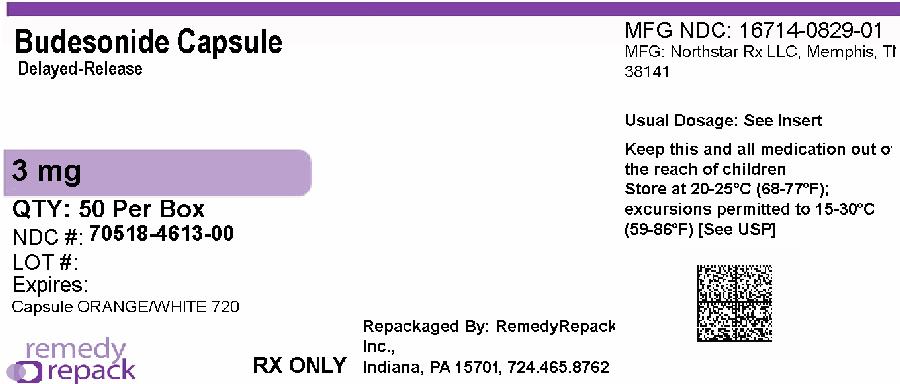
(budesonide · DailyMed)
BUDANASE-200
Budesonide 200 mg,Disodium EDTA 0.240 mg/5.26ml,Distilled water 1 ml/vial,Glycerin 30 mg/5.26ml,Hydrochloric acid 0.130 mg/5.26ml,Microcrystalline Cellulose and Carboxymethylcellulose Sodium 15.000 mg/5.26ml,Polysorbate 80 0.050 mg/5.26ml,Potassium Sorbate 1.320 mg/5.26ml
What it does
Budesonide is a corticosteroid used to reduce inflammation in the body.
Commonly used for: asthma, chronic obstructive pulmonary disease (COPD), inflammatory bowel disease (IBD)
Read more in plain English ↓Plain-language summary for general understanding - not medical advice. Always follow your pharmacist/doctor.
Ask about this medicine
Answers come only from this medicine's registration record, BNF monograph and interaction data - not medical advice.
Medicine sourcing is available in Kenya only. We don't sell or dispense medicines - licensed pharmacies do.
Sourcing - Kenya onlyRegistration & product details
Source: Tanzania Medicines and Medical Devices Authority · fetched 2026-03-11 23:36:42 · updated 2026-10-19 03:00:44
Drug Interactions
43Pharmacodynamic Warnings
Budesonide appears in TABLE 17: Drugs that reduce serum potassium
Severe (2)
Budesonide - increases exposure
Grapefruit juice moderately increases the exposure to oral corticosteroids (budesonide). Avoid.
Mifamurtide - decreases efficacy
Corticosteroidsarepredictedtodecreasetheefficacyof mifamurtide.Avoid.rTheoretical
Moderate (21)
Budesonide - decreases exposure
Cenobamate is predicted to decrease the exposure to oral corticosteroids (budesonide). Adjust dose.
Budesonide - decreases exposure
Mitotane is predicted to decrease the exposure to corticosteroids (budesonide, deflazacort, dexamethasone, fludrocortisone, hydrocortisone, methylprednisolone, prednisolone, triamcinolone). Monitor an
Budesonide - decreases exposure
Rifampicin is predicted to decrease the exposure to corticosteroids (budesonide, deflazacort, dexamethasone, fludrocortisone, hydrocortisone, methylprednisolone, prednisolone, triamcinolone). Monitor
Corticosteroids - increases exposure
Dronedarone is predicted to increase the exposure to corticosteroids (methylprednisolone). Monitor and adjust dose.
Corticosteroids - increases concentration
Miconazole is predicted to increase the concentration of corticosteroids (methylprednisolone). Monitor and adjust dose.
Unknown (20)
Aspirin - decreases concentration
Corticosteroids are predicted to decrease the concentration of aspirin (high-dose) and aspirin (high-dose) increases the risk of gastrointestinal bleeding when given with corticosteroids.
Budesonide - increases exposure
Cobicistat is predicted to increase the exposure to corticosteroids (betamethasone, budesonide, ciclesonide, deflazacort, dexamethasone, fludrocortisone, fluticasone, hydrocortisone, methylprednisolon
Budesonide - increases exposure
Idelalisib is predicted to increase the exposure to corticosteroids (betamethasone, budesonide, ciclesonide, deflazacort, dexamethasone, fludrocortisone, fluticasone, hydrocortisone, methylprednisolon
Budesonide - increases exposure
Clarithromycin is predicted to increase the exposure to corticosteroids (betamethasone, budesonide, ciclesonide, deflazacort, dexamethasone, fludrocortisone, fluticasone, hydrocortisone, methylprednis
Choline Salicylate - decreases concentration
Corticosteroids are predicted to decrease the concentration of cholinesalicylate. Ciclesonide → see corticosteroids Ciclosporin → see TABLE 2 p. 1517 (nephrotoxicity), TABLE 16 p. 1521 (increased seru
Data from BNF 85 (British National Formulary). This is not a substitute for professional medical advice. Matched via: exact
About budesonide
Budesonide is a corticosteroid used to reduce inflammation in the body.
What it treats
- asthma
- chronic obstructive pulmonary disease (COPD)
- inflammatory bowel disease (IBD)
How it works
It works by calming down the immune response and reducing swelling and irritation in the airways or intestines.
Who it's for
It is for people with conditions like asthma, COPD, or certain bowel diseases.
Drug class
Corticosteroids
Cautions
- • Be careful if you are taking other medications that lower potassium levels.
AI-assisted summary grounded in BNF data - general information only, not medical advice. Always confirm with your pharmacist or doctor.
About carboxymethylcellulose
Carboxymethylcellulose is a substance used to relieve dryness in the eyes and mouth.
What it treats
- dry eyes (keratoconjunctivitis sicca)
- dry mouth (xerostomia)
How it works
It works by forming a protective layer on the surface of the eyes or mouth, helping to retain moisture.
Who it's for
It is suitable for people experiencing dryness in their eyes or mouth due to various reasons, including certain medical conditions, medications, or environmental factors.
AI-assisted summary grounded in BNF data - general information only, not medical advice. Always confirm with your pharmacist or doctor.
About cellulose
Cellulose is a type of fiber that helps with digestion and promotes bowel health.
What it treats
- constipation
- irregular bowel movements
How it works
Cellulose adds bulk to the stool, making it easier to pass through the intestines.
Who it's for
Suitable for people looking to improve their digestive health.
AI-assisted summary grounded in BNF data - general information only, not medical advice. Always confirm with your pharmacist or doctor.
About disodium
Disodium is a compound that may be used in various medical applications, particularly in maintaining electrolyte balance.
What it treats
- maintaining salt and water balance in the body
- supporting kidney function
How it works
Disodium helps to regulate the levels of sodium in the body, which is important for many bodily functions, including nerve and muscle activity.
Who it's for
It is usually prescribed for individuals who need help with electrolyte balance, such as those with certain kidney conditions or those undergoing specific treatments.
AI-assisted summary grounded in BNF data - general information only, not medical advice. Always confirm with your pharmacist or doctor.
About distilled
Distilled is a purified liquid, often used in various medical and therapeutic settings.
What it treats
- general hydration
- solvent for medications
- cleaning wounds
How it works
Distilled water is free of impurities and minerals, making it safe for use in medical treatments and procedures.
Who it's for
Suitable for anyone needing pure water for medical or therapeutic purposes.
AI-assisted summary grounded in BNF data - general information only, not medical advice. Always confirm with your pharmacist or doctor.
About edta
EDTA is a medication used to help remove heavy metals from the body.
What it treats
- heavy metal poisoning (e.g., lead poisoning)
- certain types of heart disease
How it works
EDTA binds to heavy metals in the body, allowing them to be excreted and reducing their harmful effects.
Who it's for
This medication is for individuals who have been exposed to high levels of heavy metals or have certain heart conditions.
AI-assisted summary grounded in BNF data - general information only, not medical advice. Always confirm with your pharmacist or doctor.
About glycerin
Glycerin is a substance used to help relieve constipation by softening stools and making them easier to pass.
What it treats
- constipation
- bowel irregularity
How it works
Glycerin works by drawing water into the intestines, which helps to soften the stool and stimulate bowel movements.
Who it's for
Glycerin is suitable for adults and children who need relief from constipation.
AI-assisted summary grounded in BNF data - general information only, not medical advice. Always confirm with your pharmacist or doctor.
About hydrochloric
Hydrochloric acid is a substance that helps with digestion in the stomach.
What it treats
- stomach acidity issues
- digestive problems
How it works
It aids in breaking down food and absorbing nutrients in the stomach.
Who it's for
It is used for people who have low stomach acid or certain digestive disorders.
AI-assisted summary grounded in BNF data - general information only, not medical advice. Always confirm with your pharmacist or doctor.
About microcrystalline
Microcrystalline is a type of substance often used in medicines to help with various health issues. It is commonly used as a filler or binder in tablets and capsules.
What it treats
- stomach issues
- constipation
- weight management
How it works
It helps to improve the texture of medicines and can assist in the absorption of other ingredients in the body.
Who it's for
Adults and children who need help with specific health conditions, as directed by a healthcare professional.
AI-assisted summary grounded in BNF data - general information only, not medical advice. Always confirm with your pharmacist or doctor.
About polysorbate
Polysorbate is a substance often used as an emulsifier, helping to mix ingredients that usually don't blend well together in medications and food products.
What it treats
- used in various medications and food products to stabilize mixtures
How it works
It helps to keep ingredients mixed evenly, preventing separation and improving texture.
Who it's for
Suitable for individuals who need products containing polysorbate for various health or dietary reasons.
AI-assisted summary grounded in BNF data - general information only, not medical advice. Always confirm with your pharmacist or doctor.
About sorbate
Sorbate is a preservative used to prevent spoilage in foods and cosmetics.
What it treats
- food preservation
- cosmetic preservation
How it works
Sorbate stops the growth of mold, yeast, and some bacteria, helping to keep products fresh.
Who it's for
Sorbate is suitable for use in food and cosmetic products for everyone, but should be used as directed.
AI-assisted summary grounded in BNF data - general information only, not medical advice. Always confirm with your pharmacist or doctor.
Clinical monograph: Budesonide
BNF-referencedBudesonide is a glucocorticoid corticosteroid used primarily for its anti-inflammatory effects in various chronic bowel disorders, such as Crohn's disease and ulcerative colitis. It is also utilized in asthma management and can be administered via oral, rectal, or inhalation routes.
Indications
- Chronic bowel disorders
- Crohn's disease affecting the ileum or ascending colon
- Ulcerative colitis
- Asthma management
Dosage
Children: For children 1-17 years: 3 mg three times a day for up to 8 weeks for Crohn's disease; 1 enema daily for 4 weeks for ulcerative colitis in children 12-17 years.
Adults: For Crohn's disease: 9 mg once daily for up to 8 weeks; for ulcerative colitis: 1 enema daily for 4 weeks. Dosage may vary, so refer to specific guidelines.
Mechanism of action
Budesonide exerts its effects by binding to corticosteroid receptors, modulating the expression of genes involved in inflammatory processes. This action leads to a significant reduction in inflammation and immune response.
Pharmacodynamics
As a potent anti-inflammatory agent, budesonide reduces the activity of inflammatory mediators and inhibits the recruitment of inflammatory cells to sites of inflammation, thus alleviating symptoms associated with conditions like asthma and inflammatory bowel disease.
Pharmacokinetics
Budesonide is rapidly absorbed after administration, with a significant first-pass metabolism resulting in a lower systemic exposure. It has a half-life of approximately 2-3 hours, and its effects can be prolonged due to its local action in the gut when used for bowel disorders.
Adverse effects
- Insomnia
- Stomatitis
- Taste disorders
- Diarrhoea
- Muscle twitching
- Oedema
- Anaemia
- Decreased appetite
- Ataxia
- Lymphadenopathy
- Macrocytosis
- Aseptic meningitis
- Severe cutaneous adverse reactions (SCARs)
- Parotitis
- Nephrotic syndrome
- Pseudomembranous enterocolitis
- Blood disorders
Interactions
- Grapefruit juice (severe - increases exposure)
- Cenobamate (moderate - decreases exposure)
- Mitotane (moderate - decreases exposure)
- Rifampicin (moderate - decreases exposure)
- Cobicistat (unknown - increases exposure)
- Idelalisib (unknown - increases exposure)
- Clarithromycin (unknown - increases exposure)
Precautions
- Caution in hepatic impairment
- Caution in renal impairment
- Monitor blood counts and liver function tests
Pregnancy
Theoretical risk of neonatal haemolysis; adequate folate supplements advised.
Breast-feeding
Small amounts may appear in milk; theoretical risk of neonatal haemolysis, especially in G6PD-deficient infants.
Storage
Store in a cool, dry place, protected from light.
Formulations
- Budenofalk® Capsules
- Entocort® Capsules
- Entocort® Enema
- Oral suspension
AI-synthesized from BNF references - general information only, not a substitute for professional medical advice or the current BNF. Verify doses with a pharmacist.
Clinical monograph: carboxymethylcellulose
Carboxymethylcellulose (CMC) is a cellulose derivative used primarily as a thickening agent, stabilizer, and emulsifier in various pharmaceutical and food formulations. It is an anionic, water-soluble polymer that enhances the viscosity of solutions and suspensions. CMC is also utilized as a lubricant in dry eye treatments and has applications in the formulation of tablets and other dosage forms.
Indications
- Dry eye syndrome
- Ocular lubrication
- Thickening agent in pharmaceutical formulations
- Food industry as a stabilizer and emulsifier
Dosage
Children: For paediatric use, refer to specific product guidelines and consult a healthcare professional for appropriate advice.
Adults: For dry eye treatment, apply as needed, typically 1 drop in each affected eye. Refer to specific product guidelines for exact formulation and frequency.
Mechanism of action
Carboxymethylcellulose works by forming a gel-like structure when it interacts with water, which helps retain moisture and provide lubrication. In ophthalmic applications, it acts as a protective agent for the ocular surface, reducing friction and providing comfort to patients with dry eye conditions.
Pharmacodynamics
The pharmacodynamic properties of carboxymethylcellulose are primarily related to its ability to increase viscosity and improve the stability of formulations. It does not undergo significant systemic absorption and exerts its effects locally, particularly in the gastrointestinal tract and on the ocular surface as a lubricant.
Pharmacokinetics
Carboxymethylcellulose is not absorbed significantly through the gastrointestinal tract when ingested, and its systemic bioavailability is negligible. When used in ophthalmic formulations, it acts locally on the eye without significant systemic effects. The elimination pathway is primarily through natural degradation and excretion of unabsorbed material.
Adverse effects
- Allergic reactions
- Skin irritation
- Gastrointestinal discomfort
Precautions
- Use with caution in patients with known hypersensitivity to cellulose derivatives
- Monitor for allergic reactions
Pregnancy
Carboxymethylcellulose is generally considered safe during pregnancy as it is not absorbed systemically.
Breast-feeding
Carboxymethylcellulose is considered safe during breastfeeding as it is not absorbed systemically.
Storage
Store in a cool, dry place away from direct sunlight.
Formulations
- Eye drops
- Oral suspensions
- Topical gels
AI-synthesized from BNF references - general information only, not a substitute for professional medical advice or the current BNF. Verify doses with a pharmacist.
Clinical monograph: cellulose
Cellulose is a complex carbohydrate and a key structural component of the plant cell wall. It is an indigestible polysaccharide made up of linear chains of glucose molecules linked by β-1,4-glycosidic bonds. As a dietary fiber, cellulose contributes to digestive health by promoting bowel regularity and is commonly used as a laxative and bulking agent in various food products and pharmaceuticals.
Indications
- Constipation
- Dietary fiber supplementation
- Irritable bowel syndrome
- Diverticular disease
- Weight management
Dosage
Children: Refer to appropriate guidelines for specific dosage; generally taken with adequate fluid intake.
Adults: Refer to appropriate guidelines for specific dosage; generally taken with adequate fluid intake.
Mechanism of action
Cellulose acts primarily as a bulk-forming laxative. It absorbs water in the intestines, which increases stool bulk and stimulates peristalsis, thus facilitating bowel movements. Additionally, cellulose is not digestible by human enzymes, leading to fermentation by gut bacteria, which may enhance gut health and alter gut microbiota composition.
Pharmacodynamics
Cellulose increases stool weight and frequency of bowel movements. It works by retaining water in the intestines, leading to softer stools and improved passage through the gastrointestinal tract. The bulking effect of cellulose can help alleviate constipation and promote overall digestive health. It may also play a role in cholesterol reduction and glycemic control through its effects on digestion and absorption of nutrients.
Pharmacokinetics
Cellulose is not absorbed into the bloodstream due to its indigestible nature. Instead, it passes through the gastrointestinal tract, where it adds bulk to the stool. Its fermentation by colonic bacteria produces short-chain fatty acids, which may have beneficial effects on colon health. The onset of action for cellulose as a laxative can vary but is generally within 24 to 72 hours after ingestion.
Adverse effects
- Bloating
- Flatulence
- Diarrhea
- Abdominal discomfort
Precautions
- Use with caution in patients with a history of gastrointestinal disorders.
- Monitor for potential allergic reactions in sensitive individuals.
Pregnancy
Cellulose is generally considered safe during pregnancy as it is a non-toxic, indigestible fiber.
Breast-feeding
Cellulose is also considered safe during breastfeeding; it is excreted in breast milk in negligible amounts.
Storage
Store in a cool, dry place away from direct sunlight.
Formulations
- Powder
- Capsules
- Tablets
- Granules
AI-synthesized from BNF references - general information only, not a substitute for professional medical advice or the current BNF. Verify doses with a pharmacist.
Clinical monograph: disodium
BNF-referencedDisodium is a chemical compound composed of two sodium ions. It is not commonly referenced as a standalone drug but is often found in various formulations and compounds, particularly in the context of sodium salts. Disodium salts can have various applications in medicine, including as electrolytes in intravenous solutions and in the formulation of certain medications.
Indications
- Electrolyte replacement
- Volume expansion in hypovolemic patients
- Management of hyponatremia
- Support in intravenous fluid therapy
Dosage
Children: Refer to the BNF for Children for appropriate dosing in paediatric patients, as dosages may vary based on the formulation and clinical condition.
Adults: Refer to specific product information or clinical guidelines for dosage recommendations, as disodium is often part of combination products.
Mechanism of action
Disodium compounds often function by providing sodium ions that are essential for various physiological processes. Sodium ions play a critical role in maintaining osmotic balance, nerve impulse transmission, and muscle contraction. In the context of intravenous solutions, disodium helps to restore electrolyte balance in patients.
Pharmacodynamics
The pharmacodynamics of disodium is primarily related to its role in electrolyte balance and fluid homeostasis. Sodium ions are vital for the function of excitable tissues, including neurons and muscle cells. Changes in sodium levels can affect blood pressure, hydration status, and overall cellular function.
Pharmacokinetics
The pharmacokinetics of disodium compounds depend on their specific formulation and route of administration. When administered intravenously, disodium is rapidly distributed in the extracellular fluid, where it helps to maintain osmotic pressure. Sodium is primarily excreted by the kidneys, and its levels can be influenced by fluid intake, dietary sodium, and renal function.
Pregnancy
Use with caution. Consult a healthcare provider for specific guidance.
Breast-feeding
Use with caution. Consult a healthcare provider for specific guidance.
Storage
Store at room temperature, away from moisture and direct sunlight.
AI-synthesized from BNF references - general information only, not a substitute for professional medical advice or the current BNF. Verify doses with a pharmacist.
Clinical monograph: distilled
Distilled water is purified water that has been vaporized and then condensed back into liquid form. It is devoid of impurities and dissolved minerals, making it sterile and suitable for various medical and laboratory uses.
Indications
- Dilution of medications for injection
- Preparation of intravenous solutions
- Use in laboratory procedures
- Wound irrigation
Dosage
Children: Refer to specific guidelines for the intended use, as distilled water is not typically dosed but used as a solvent or diluent.
Adults: Refer to specific guidelines for the intended use, as distilled water is not typically dosed but used as a solvent or diluent.
Mechanism of action
Distilled water acts as a solvent and diluent in biological systems. It facilitates the transport of nutrients and elimination of waste within cells and plays a crucial role in maintaining cellular homeostasis.
Pharmacodynamics
As a non-electrolytic substance, distilled water does not exert pharmacological effects like drug compounds. Its primary function is to provide a medium for biochemical reactions and to maintain osmotic balance within tissues.
Pharmacokinetics
Since distilled water is a solvent rather than a pharmacological agent, it does not undergo metabolism or excretion in the traditional sense. It is absorbed rapidly when administered and can move freely across cellular membranes.
Pregnancy
Distilled water is generally considered safe to use during pregnancy, as it is simply water that has been purified by distillation.
Breast-feeding
Distilled water is safe for breastfeeding mothers and does not affect breast milk composition.
Storage
Store distilled water in a cool, dry place, away from direct sunlight. Ensure the container is sealed to prevent contamination.
Formulations
- Distilled water
AI-synthesized from BNF references - general information only, not a substitute for professional medical advice or the current BNF. Verify doses with a pharmacist.
Clinical monograph: edta
BNF-referencedEdetate calcium disodium, commonly known as EDTA, is a chelating agent primarily used for the treatment of heavy metal poisoning, particularly lead poisoning. It functions by binding to divalent and trivalent metal ions in the bloodstream, facilitating their excretion through urine. EDTA has a high affinity for calcium and can displace it from its binding sites, forming stable complexes with various toxic metals while having limited efficacy against certain metals such as mercury and arsenic.
Indications
- Lead poisoning
- Zinc toxicity
- Cadmium poisoning
- Iron overload disorders
Dosage
Adults: Refer to the BNF for specific dosing recommendations for adults, as it may vary based on the condition being treated and the severity of metal poisoning.
Mechanism of action
The pharmacologic effects of edetate calcium disodium are due to the formation of chelates with divalent and trivalent metals. A stable chelate forms with any metal that can displace calcium from the molecule, which includes lead, zinc, cadmium, and iron. The excretion of zinc is significantly increased, while the effect on calcium excretion is minimal. The chelation process helps to reduce the toxicity of heavy metals in the body by promoting their urinary excretion.
Pharmacodynamics
Edetate calcium acts as a heavy metal chelating agent, forming stable, water-soluble complexes with metal ions that can be excreted in urine. One gram of edetate calcium can theoretically bind up to 620 mg of lead, though actual urinary excretion rates are lower, with approximately 5 mg of lead excreted per gram of EDTA in lead-poisoned patients. It is relatively ineffective against mercury, gold, or arsenic poisoning but can mobilize and eliminate zinc, cadmium, copper, iron, and manganese.
Pharmacokinetics
After intravenous administration, edetate calcium disodium is rapidly distributed in the blood and has a half-life that can vary based on the patient's condition and the presence of heavy metals. The drug is primarily excreted unchanged in the urine. Calcium levels may be transiently lowered during infusion, but significant mobilization of body calcium stores is usually not observed unless very slow infusions are administered. The effects on metal ion excretion are dose-dependent and vary according to the specific metal involved.
Contra-indications
- Hypersensitivity to edetate calcium disodium or any component of the formulation
- Pre-existing renal impairment
- Calcium deficiency states
Adverse effects
- Hypocalcemia
- Renal impairment
- Gastrointestinal disturbances such as nausea and vomiting
- Headache
- Hypotension
- Electrolyte imbalances
Interactions
- Increased risk of toxicity when used with nephrotoxic agents
- May interfere with the absorption of certain minerals and vitamins
- Should not be mixed with other intravenous drugs due to potential chemical interactions
Precautions
- Monitor renal function during treatment
- Use caution in patients with cardiovascular disease due to potential hypotensive effects
- Evaluate calcium levels periodically in patients receiving prolonged therapy
- Use with caution in patients with a history of seizures
Pregnancy
Limited data available on the use of edetate calcium disodium in pregnant women. Use only if clearly needed.
Breast-feeding
It is not known whether edetate calcium disodium is excreted in human milk. Caution is advised.
Storage
Store at room temperature, away from light and moisture. Keep out of reach of children.
Formulations
- Edetate calcium disodium injection
AI-synthesized from BNF references - general information only, not a substitute for professional medical advice or the current BNF. Verify doses with a pharmacist.
Clinical monograph: glycerin
BNF-referencedGlycerin, also known as glycerol, is a colorless, odorless, viscous liquid commonly used as an osmotic laxative. It exerts its effects primarily through its hygroscopic properties, drawing water into the intestines. Glycerin is also recognized for its ability to decrease intraocular pressure and is utilized in various formulations due to its lubricating and fecal softening properties. In rectal administration, glycerin is effective for stimulating bowel movements, providing relief from constipation.
Indications
- Constipation
- Preparation for surgical or diagnostic procedures involving the rectum
- Decreasing intraocular pressure in certain ocular conditions
Dosage
Children: For children aged 2 to 6 years, 2 g to 5 g of glycerin may be used as a suppository. Children aged 6 to 12 years may use 5 g to 10 g as needed. For specific pediatric dosing, please refer to the BNF for Children.
Adults: For rectal use, 4 g to 10 g of glycerin may be administered as a suppository as needed.
Mechanism of action
When administered rectally, glycerin draws water from the tissues into the feces due to its hygroscopic action, which reflexively stimulates bowel evacuation. Additionally, glycerin creates an osmotic gradient that leads to a decrease in intraocular pressure by facilitating fluid movement from the aqueous and vitreous humors into the bloodstream.
Pharmacodynamics
Glycerin is classified as an osmotic laxative, which acts to retain water in the fecal matter, softening stools and making them easier to pass. Its local irritant effects also contribute to its laxative properties. Glycerin suppositories typically produce a bowel movement within 15 to 30 minutes of administration.
Pharmacokinetics
Glycerin is readily absorbed from the gastrointestinal tract when taken orally and is metabolized primarily in the liver. It is distributed widely throughout the body, with excretion occurring primarily via the kidneys. The onset of action for glycerin when used as a laxative is relatively quick, particularly when used rectally.
Contra-indications
- Severe dehydration
- Severe renal impairment
- Intestinal obstruction
- Appendicitis
Adverse effects
- Abdominal cramps
- Diarrhea
- Nausea
- Vomiting
- Electrolyte imbalance
Interactions
- May enhance the effects of other laxatives
- Caution with concurrent use of diuretics due to potential electrolyte imbalance
Precautions
- Use with caution in patients with renal impairment
- Monitor electrolytes in patients with prolonged use
- Not recommended for long-term use
Pregnancy
Glycerin is generally considered safe during pregnancy but should be used under medical advice.
Breast-feeding
Glycerin is excreted in breast milk in small amounts and is considered safe for use while breastfeeding.
Storage
Store at room temperature, away from moisture and heat.
Formulations
- Glycerin suppositories
- Glycerin oral solution
AI-synthesized from BNF references - general information only, not a substitute for professional medical advice or the current BNF. Verify doses with a pharmacist.
Clinical monograph: hydrochloric
Hydrochloric acid, commonly known as stomach acid, is a clear, colorless solution that is produced in the stomach. It plays a critical role in digestion by creating an acidic environment that aids in the breakdown of food and activates digestive enzymes. In a pharmaceutical context, hydrochloric acid is used in various formulations to adjust pH levels, facilitate drug absorption, and as a component in sterile preparations.
Indications
- Adjustment of pH in pharmaceutical formulations
- Facilitation of drug absorption
- Used in sterile preparations
Dosage
Children: Refer to specific product guidelines for dosing information, as hydrochloric acid is typically used in a controlled setting based on formulation requirements.
Adults: Refer to specific product guidelines for dosing information, as hydrochloric acid is typically used in a controlled setting based on formulation requirements.
Mechanism of action
Hydrochloric acid dissociates in aqueous solution to release hydrogen ions (H+), leading to a decrease in pH. This acidic environment promotes the activation of pepsinogen to pepsin, an enzyme essential for protein digestion. Additionally, the acidity aids in the absorption of certain minerals and drugs that require an acidic environment for optimal bioavailability.
Pharmacodynamics
The primary pharmacodynamic action of hydrochloric acid is the maintenance of gastric acidity, which is essential for normal digestive processes. The acidic environment helps in denaturing proteins, activating digestive enzymes, and providing a barrier against pathogenic microorganisms. Its effects can influence the absorption and efficacy of various medications, particularly those that are pH-dependent.
Pharmacokinetics
Hydrochloric acid does not undergo significant systemic absorption when used in its normal contexts, as it acts locally within the gastrointestinal tract. The amount of hydrochloric acid produced by the stomach varies with food intake and physiological needs. It is secreted by parietal cells in the gastric mucosa, and its secretion is regulated by neural, hormonal, and local factors. The half-life of hydrochloric acid is not applicable as it is continuously produced and neutralized within the gastrointestinal tract.
Contra-indications
- Hypersensitivity to hydrochloric acid or any of its components
- Severe renal impairment
- Active gastrointestinal bleeding
Adverse effects
- Abdominal pain
- Diarrhea
- Nausea
- Vomiting
- Esophageal irritation
- Gastric mucosal irritation
- Electrolyte imbalances
Interactions
- May interact with alkaline substances, potentially neutralizing hydrochloric acid
- Caution with antacids as they may affect the efficacy of hydrochloric acid
Precautions
- Use with caution in patients with a history of gastritis or gastric ulcers
- Monitor electrolytes in prolonged use
- Use cautiously in patients with respiratory conditions due to potential aspiration risks
Pregnancy
Hydrochloric acid is classified as a category C drug. Use during pregnancy only if clearly needed and the potential benefits justify the risks to the fetus.
Breast-feeding
There is limited data on the excretion of hydrochloric acid in human milk. Use with caution during breastfeeding.
Storage
Store in a cool, dry place away from direct sunlight and heat. Ensure the container is tightly closed.
Formulations
- Oral solutions
- Injectable forms
- Tablets
AI-synthesized from BNF references - general information only, not a substitute for professional medical advice or the current BNF. Verify doses with a pharmacist.
Clinical monograph: microcrystalline
Microcrystalline cellulose is a refined wood pulp, commonly used as an excipient in pharmaceutical formulations. It serves as a bulking agent and stabilizer in tablets and capsules, improving the physical properties of the drug formulation. It is characterized by its ability to absorb moisture and provide a suitable texture for various dosage forms.
Indications
- Used as an excipient in tablet formulations
- Used as a bulking agent in capsule formulations
- Used in food products as a thickener or stabilizer
Dosage
Children: Refer to specific product guidelines as dosage will depend on the formulation and the active ingredients.
Adults: Refer to specific product guidelines as dosage will depend on the formulation and the active ingredients.
Mechanism of action
Microcrystalline cellulose acts as a non-digestible filler that enhances the flow properties of powders during the manufacturing of tablets and capsules. It does not have a direct pharmacological action on the body but ensures that the active ingredients are effectively delivered to the patient.
Pharmacodynamics
As a non-active ingredient, microcrystalline cellulose does not exert pharmacodynamic effects typical of active pharmaceutical ingredients. Its primary role is to provide a stable and consistent matrix for the drug, facilitating the release of the active compound once ingested.
Pharmacokinetics
Microcrystalline cellulose is not absorbed in the gastrointestinal tract; it passes through the digestive system largely unchanged. It adds bulk to the stool, which may aid in promoting regular bowel movements. The substance is excreted in feces, where it contributes to dietary fiber intake.
Pregnancy
Data regarding the use of microcrystalline cellulose during pregnancy is limited. It is advisable to consult with healthcare professionals before use.
Breast-feeding
Microcrystalline cellulose is considered safe during breastfeeding, as it is not absorbed systemically.
Storage
Store in a cool, dry place away from direct sunlight and moisture.
AI-synthesized from BNF references - general information only, not a substitute for professional medical advice or the current BNF. Verify doses with a pharmacist.
Clinical monograph: polysorbate
Polysorbate is a non-ionic surfactant and emulsifier used in various pharmaceutical formulations. It is derived from sorbitol and fatty acids and is known for its capacity to enhance the solubility of hydrophobic compounds in aqueous solutions. Polysorbate is commonly utilized in the preparation of oral, parenteral, and topical pharmaceutical products, as well as in food and cosmetic industries.
Indications
- Emulsifying agent in drug formulations
- Stabilizer for parenteral preparations
- Solubilizer for hydrophobic drug compounds
- Ingredient in topical formulations
Dosage
Children: Refer to specific product guidelines, as dosing varies based on formulation and intended use.
Adults: Refer to specific product guidelines, as dosing varies based on formulation and intended use.
Mechanism of action
Polysorbate functions primarily as an emulsifying agent. It reduces the surface tension between immiscible liquids, allowing them to mix more easily. This property is particularly useful in stabilizing emulsions and suspensions, facilitating the delivery of active pharmaceutical ingredients in various formulations.
Pharmacodynamics
Polysorbate does not exert pharmacological effects in the traditional sense, as it does not bind to specific receptors to elicit a physiological response. Instead, it plays a crucial role in modifying the physical properties of drug formulations, thereby enhancing drug delivery and absorption. Its ability to solubilize drugs enhances their bioavailability, particularly for poorly soluble compounds.
Pharmacokinetics
Polysorbate is generally considered to be non-toxic and is not absorbed to a significant extent when administered orally. It is metabolized by the liver and excreted primarily through the gastrointestinal tract. The pharmacokinetic profile may vary depending on the route of administration and the specific formulation in which it is used.
Adverse effects
- Allergic reactions
- Skin irritation
- Gastrointestinal disturbances
Precautions
- Use cautiously in patients with known allergies to polysorbates or related compounds
- Monitor for allergic reactions in susceptible individuals
Pregnancy
Polysorbate is generally considered safe for use during pregnancy, but consult with a healthcare provider for specific cases.
Breast-feeding
Polysorbate is considered safe during breastfeeding, but consult with a healthcare provider for individual advice.
Storage
Store at room temperature, away from direct sunlight and moisture.
Formulations
- Polysorbate 20
- Polysorbate 80
AI-synthesized from BNF references - general information only, not a substitute for professional medical advice or the current BNF. Verify doses with a pharmacist.
Clinical monograph: sorbate
BNF-referencedSorbate, specifically sorbic acid and its salts (such as potassium sorbate), is a compound commonly used as a preservative in food and pharmaceutical products. It is known for its antifungal and antibacterial properties, which help to extend the shelf life of various products by inhibiting the growth of mold, yeast, and some bacteria. Sorbate is often utilized in formulations that require preservation against microbial contamination, making it a widely used additive in the food industry and in the formulation of certain medications.
Indications
- Preservation of food products
- Preservation of pharmaceutical formulations
- Antimicrobial agent in cosmetic products
Dosage
Children: Refer to specific product guidelines for dosage as it varies by formulation and intended use.
Adults: Refer to specific product guidelines for dosage as it varies by formulation and intended use.
Mechanism of action
Sorbate acts primarily by inhibiting the growth of fungi and some bacteria. It interferes with the microbial cell membrane, disrupting its integrity and function, which leads to cell death. The presence of sorbate alters the pH and osmotic balance within the microbial cell, inhibiting key metabolic processes necessary for reproduction and survival.
Pharmacodynamics
Sorbate exhibits its antimicrobial effects at relatively low concentrations. It is most effective in acidic environments, typically at a pH of 4.5 or lower. The compound is more effective against yeasts and molds compared to bacteria. Its mode of action is primarily through the inhibition of fatty acid synthesis and alteration of membrane permeability in target microorganisms.
Pharmacokinetics
Sorbate is generally regarded as having low toxicity and is rapidly metabolized in the human body. It is absorbed in the gastrointestinal tract when ingested and is then distributed throughout the body. The compound undergoes conversion to various metabolites and is primarily excreted via the urine. Its half-life and specific metabolic pathways can vary depending on the form of administration and individual patient factors.
Pregnancy
There is limited data on the safety of sorbate in pregnancy. Use only if clearly needed and potential benefits justify the risks.
Breast-feeding
There is insufficient information regarding the excretion of sorbate in human milk. Caution is advised when administering to nursing mothers.
Storage
Store in a cool, dry place away from direct sunlight.
AI-synthesized from BNF references - general information only, not a substitute for professional medical advice or the current BNF. Verify doses with a pharmacist.
Molecular reference: Budesonide
PubChem CID 5281004Molecular formula: C25H34O6
Mechanism of action
The short term effects of corticosteroids are decreased vasodilation and permeability of capillaries, as well as decreased leukocyte migration to sites of inflammation. Corticosteroids binding to the glucocorticoid receptor mediates changes in gene expression that lead to multiple downstream effects over hours to days. Glucocorticoids inhibit neutrophil apoptosis and demargination; they inhibit phospholipase A2, which decreases the formation of arachidonic acid derivatives; they inhibit NF-Kappa B and other inflammatory transcription factors; they promote anti-inflammatory genes like interleukin-10. Lower doses of corticosteroids provide an anti-inflammatory effect, while higher doses are immunosuppressive. High doses of glucocorticoids for an extended period bind to the mineralocorticoid receptor, raising sodium levels and decreasing potassium levels. To investigate the roles of signal transduction and activator of transcription 6 (STAT6) and orosomucoid 1-like 3 (ORMDL3) in airway remodeling among asthmatic mice and to observe the effects of budesonide (BUD) on their expression, thirty mice were randomly divided into control, asthma, and BUD intervention group. The mice were sensitized and challenged with ovalbumin (OVA) to establish a mouse model of asthma. The BUD intervention group received aerosol inhalation of BUD dissolved in normal saline 30 minutes before each OVA challenge, while normal saline was used instead of OVA solution in the control group. The pathological changes in the airway were observed by hematoxylin-eosin staining and Masson staining. The interleukin-13 (IL-13) level in lung homogenate was measured by enzyme-linked immunosorbent assay. The mRNA expression of STAT6 and ORMDL3 was measured by RT-PCR. The asthma group showed more pathological changes in the airway than the control and BUD intervention groups, and the BUD intervention group had reduced pathological changes in the airway compared with the asthma group. The asthma and BUD intervention groups had significantly higher IL-13 levels and mRNA expression of STAT6 and ORMDL3 than the control group (P<0.05), and these indices were significantly higher in the asthma group than in the BUD intervention group (P<0.05). The Pearson correlation analysis showed that STAT6 mRNA expression was positively correlated with ORMDL3 mRNA expression (r=0.676, P=0.032). STAT6 and ORMDL3 may be involved in the airway remodeling of mice, and BUD can reduce airway remodeling in asthmatic mice, possibly by down-regulating mRNA expression of STAT6 and ORMDL3. Mucus hypersecretion from airway epithelium is a characteristic feature of severe asthma. Glucocorticoids (GCs) may suppress mucus production and diminish the harmful airway obstruction. We investigated the ability of GCs to suppress mRNA expression and protein synthesis of a gene encoding mucin, MUC5AC, induced by transforming growth factor (TGF)-alpha in human mucoepidermoid carcinoma (NCI-H292) cells and the molecular mechanisms underlying the suppression. We determined if GCs such as dexamethasone (DEX), budesonide (BUD), and fluticasone (FP) could suppress MUC5AC production induced by a combination of TGF-alpha and double-strand RNA, polyinosinic-polycytidylic acid (polyI:C). MUC5AC mRNA expression and MUC5AC protein production were evaluated. The signaling pathways activated by TGF-alpha and their inhibition by GCs were tested using a phosphoprotein assay and MUC5AC promoter assay. DEX significantly suppressed the expression of MUC5AC mRNA and MUC5AC protein induced by TGF-alpha. The activation of the MUC5AC promoter by TGF-alpha was significantly inhibited by DEX. DEX did not affect activation of downstream pathways of the EGF receptor or mRNA stability of MUC5AC transcripts. DEX, BUD, and FP suppressed MUC5AC protein expression induced by a combination of TGF-alpha and polyI:C in a dose-dependent manner. GCs inhibited MUC5AC production induced by TGF-alpha alone or a combination of TGF-alpha and polyI
Pharmacodynamics
Budesonide is a glucocorticoid used to treat respiratory and digestive conditions by reducing inflammation. It has a wide therapeutic index, as dosing varies highly from patient to patient. Patients should be counselled regarding the risk of hypercorticism and adrenal axis suppression.
Biological pathways
Source: PubChem (NCBI) · pathways from PathBank, Reactome, WikiPathways & PharmGKB.
Molecular reference: disodium
PubChem CID 141233Molecular formula: Na2
Source: PubChem (NCBI) · pathways from PathBank, Reactome, WikiPathways & PharmGKB.
Molecular reference: edta
PubChem CID 6049Molecular formula: C10H16N2O8
Mechanism of action
The pharmacologic effects of edetate calcium disodium are due to the formation of chelates with divalent and trivalent metals. A stable chelate will form with any metal that has the ability to displace calcium from the molecule, a feature shared by lead, zinc, cadmium, manganese, iron and mercury. The amounts of manganese and iron metabolized are not significant. Copper is not mobilized and mercury is unavailable for chelation because it is too tightly bound to body ligands or it is stored in inaccessible body compartments. The excretion of calcium by the body is not increased following intravenous administration of edetate calcium disodium, but the excretion of zinc is considerably increased. Effects on rat liver glucocorticoid receptor in vitro was studied. At 4 °C, 10 mmole EDTA had a stablizing effect on unbound hepatic glucocorticoid receptors. Apparently, endogenous metal ions are involved in the processes of glucocorticoid-receptor complex stabilization and transformation. Edetate disodium injection forms chelates with the cations of calcium and many divalent and trivalent metals. Because of its affinity for calcium, edetate disodium will produce a lowering of the serum calcium level during intravenous infusion. Slow infusion over a protracted period may cause mobilization of extracirculatory calcium stores. Edetate disodium exerts a negative inotropic effect upon the heart. Edetate disodium likewise forms chelates with other polyvalent metals and produces increases in urinary excretion of magnesium, zinc and other trace elements. It does not form a chelate with potassium but may reduce the serum level and increase urinary loss of potassium.
Pharmacodynamics
Edetate calcium is a heavy metal chelating agent. The calcium in edetate calcium can be displaced by divalent or trivalent metals to form a stable water soluble complex that can be excreted in the urine. In theory, 1 g of edetate calcium can theoretically bind 620 mg of lead, but in reality only about 5 mg per gram is actually excreted into the urine in lead poisoned patients. In addition to chelating lead, edetate calcium also chelates and eliminates zinc from the body. Edetate calcium also binds cadmium, copper, iron and manganese, but to a much lesser extent than either lead or zinc. Edetate calcium is relatively ineffective for use in treating mercury, gold or arsenic poisoning.
Source: PubChem (NCBI) · pathways from PathBank, Reactome, WikiPathways & PharmGKB.
Molecular reference: glycerin
PubChem CID 753Molecular formula: C3H8O3
Mechanism of action
When administered rectally, glycerin exerts a hygroscopic and/or local irritant action, drawing water from the tissues into the feces and reflexively stimulating evacuation. Glycerin decreases intraocular pressure by creating an osmotic gradient between the blood and intraocular fluid, causing fluid to move out of the aqueous and vitreous humors into the bloodstream. Glycerin (glycerol) and sorbitol are hyperosmotic laxatives. When administered rectally, glycerin and sorbitol exert a hygroscopic and/or local irritant action, drawing water from the tissues into the feces and reflexly stimulating evacuation. The extent to which the simple physical distention of the rectum and the hygroscopic and/or local irritant actions are responsible for the laxative effects of some of these drugs is not known. Only extremely high oral doses of sorbitol (25 g daily) or glycerin exert laxative action. /Glycerin/ decreases intraocular pressure by creating an osmotic gradient between the blood and intraocular fluid, causing fluid to move out of the aqueous and vitreous humors into the bloodstream. The physicochemical effects of a series of alkanols, alkanediols and glycerol on erythrocyte shape and hemolysis at 4 and 20 degrees C were examined. We calculated the dielectric constant of the incubation medium, Ds, and the dielectric constant of the erythrocyte membrane Dm in the presence of organic solutes. The ratio Ds/Dm = -38.48 at 20 degrees C defines the normal biconcave shape in a medium without hemolytic agents. A decrease in Ds/Dm favors externalization or internalization with consequent hemolysis. Alkanols and alkanediols convert biconcave erythrocytes into echinocytes, which is accompanied by an increase in the projected surface area. Glycerol converts biconcave erythrocytes into stomatocytes, which was accompanied by a marginal decrease in the projected surface area. Progressive externalization in alkanols and alkanediols or internalization in glycerol resulted in a decrease in the projected surface area and the formation of smooth spheres. The degree of shape change induced was related to the degree of hemolysis and the ratio Ds/Dm. A decrease in temperature reduced both the degree of shape change and hemolysis. .../Thus/ physicochemical toxicity may be a result of a temperature dependent hydrophobic interaction between the organic solutes and the membrane and is best interpreted by the ability of the solutes to change Ds and Dm.
Pharmacodynamics
Glycerin is commonly classified as an osmotic laxative but may act additionally or alternatively through its local irritant effects; it may also have lubricating and fecal softening actions. Glycerin suppositories usually work within 15 to 30 minutes.
Biological pathways
Source: PubChem (NCBI) · pathways from PathBank, Reactome, WikiPathways & PharmGKB.
Molecular reference: sorbate
PubChem CID 4413246Molecular formula: C6H7O2-
Source: PubChem (NCBI) · pathways from PathBank, Reactome, WikiPathways & PharmGKB.
This drug in other countries
The same active ingredient registered across other registries we cover - including different brands.
- BEEHIVE BALSAM SYRUP · Ayrton Saunders
- BELL'S CHILDREN COUGH SYRUP · Bell Sons & Co
- BLUTEARS EYE DROPS ( Carboxymethylcellulose sodium 0.5%w/v) · Pharmax India
- BUDESONE 2OO INHALATION · Midos Care Pharmaceuticals
- CLAVUAID 1000 TABLETS · Reyoung Pharmaceuticals
- CLAVUAID 625 TABLETS · Reyoung Pharmaceuticals