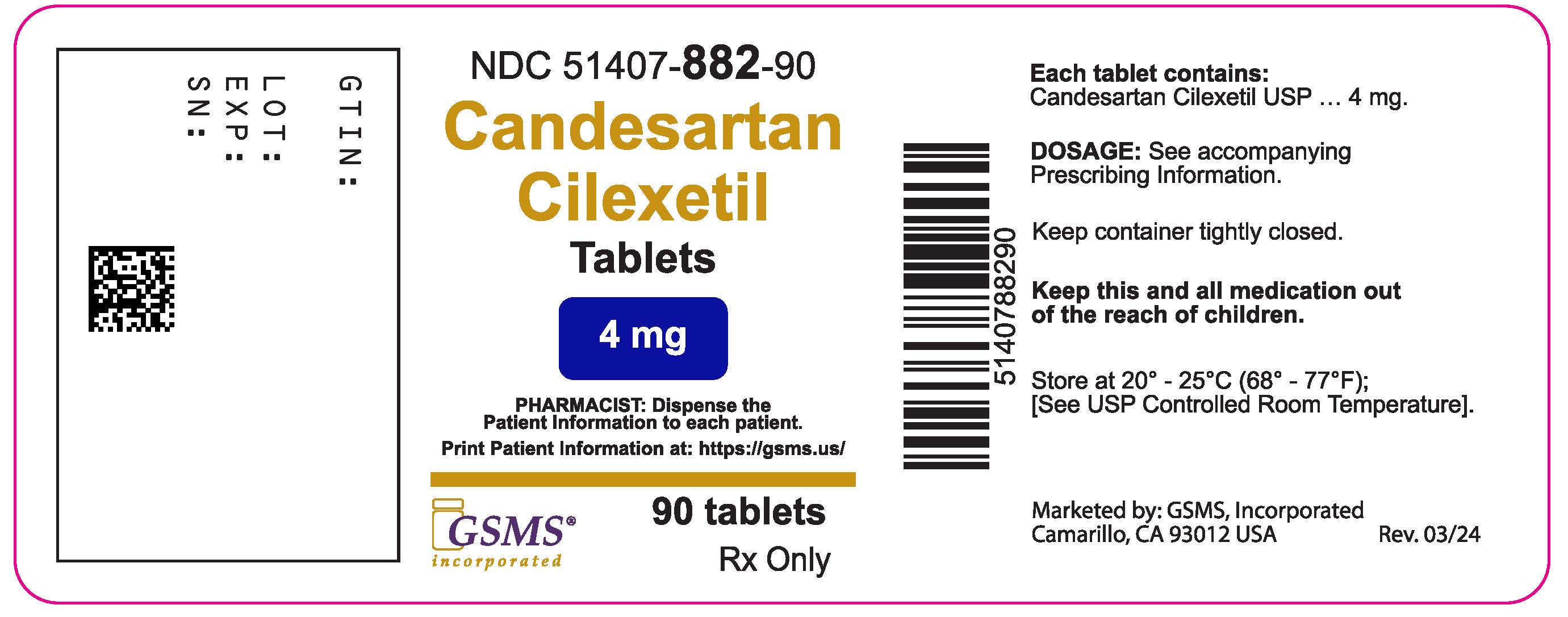
(candesartan · DailyMed)
Candesarmac 16
Candesartan Cilexetil 16 mg/6 mL,Corn Starch 20 mg/6 mL,Glycerin 6.00 mg/6 mL,Hydroxypropylcellulose 4.00 mg/6 mL,Lactose Monohydrate 78.15 mg/6 mL,Magnesium Stearate 0.65 mg/6 mL,Purified water (Additional quantity) q.s mg/6 mL,Red Ferric Oxide 0.2 mg/6 mL,carboxymethylcellulose 5.00 mg/6 mL
What it does
Candesartan is a medication that helps lower blood pressure and protect heart health.
Commonly used for: high blood pressure (hypertension), heart failure
Read more in plain English ↓Plain-language summary for general understanding - not medical advice. Always follow your pharmacist/doctor.
Ask about this medicine
Answers come only from this medicine's registration record, BNF monograph and interaction data - not medical advice.
Medicine sourcing is available in Kenya only. We don't sell or dispense medicines - licensed pharmacies do.
Sourcing - Kenya onlyRegistration & product details
Source: Tanzania Medicines and Medical Devices Authority · fetched 2026-03-11 23:49:59 · updated 2026-09-14 03:00:45
About candesartan
Candesartan is a medication that helps lower blood pressure and protect heart health.
What it treats
- high blood pressure (hypertension)
- heart failure
How it works
Candesartan works by blocking a hormone that can narrow blood vessels, helping to relax them and lower blood pressure.
Who it's for
This medication is for adults with high blood pressure or heart failure.
Drug class
Angiotensin-II receptor antagonists
Cautions
- • Be careful if taking other medications that can cause low blood pressure.
- • Use caution with medications that may increase potassium levels in the blood.
AI-assisted summary grounded in BNF data - general information only, not medical advice. Always confirm with your pharmacist or doctor.
About carboxymethylcellulose
Carboxymethylcellulose is a substance used to relieve dryness in the eyes and mouth.
What it treats
- dry eyes (keratoconjunctivitis sicca)
- dry mouth (xerostomia)
How it works
It works by forming a protective layer on the surface of the eyes or mouth, helping to retain moisture.
Who it's for
It is suitable for people experiencing dryness in their eyes or mouth due to various reasons, including certain medical conditions, medications, or environmental factors.
AI-assisted summary grounded in BNF data - general information only, not medical advice. Always confirm with your pharmacist or doctor.
About cilexetil
Cilexetil is a medication used to treat certain health conditions. It works by affecting how the body responds to certain signals.
What it treats
- anxiety disorders
- depression
- panic attacks
How it works
Cilexetil helps to balance chemicals in the brain that affect mood and emotions.
Who it's for
This medication is for adults who are experiencing anxiety or depression.
AI-assisted summary grounded in BNF data - general information only, not medical advice. Always confirm with your pharmacist or doctor.
About corn
Corn is a common food ingredient that provides energy and nutrition.
What it treats
- energy source
- nutritional supplement
How it works
Corn is rich in carbohydrates, which the body converts into energy.
Who it's for
Suitable for most people as part of a balanced diet.
AI-assisted summary grounded in BNF data - general information only, not medical advice. Always confirm with your pharmacist or doctor.
About ferric
Ferric is a form of iron used to treat iron deficiency and related conditions.
What it treats
- iron deficiency
- iron deficiency anemia
How it works
Ferric works by providing your body with the iron it needs to make red blood cells, which carry oxygen.
Who it's for
Ferric is for people who have low iron levels or anemia caused by insufficient iron.
AI-assisted summary grounded in BNF data - general information only, not medical advice. Always confirm with your pharmacist or doctor.
About glycerin
Glycerin is a substance used to help relieve constipation by softening stools and making them easier to pass.
What it treats
- constipation
- bowel irregularity
How it works
Glycerin works by drawing water into the intestines, which helps to soften the stool and stimulate bowel movements.
Who it's for
Glycerin is suitable for adults and children who need relief from constipation.
AI-assisted summary grounded in BNF data - general information only, not medical advice. Always confirm with your pharmacist or doctor.
About hydroxypropylcellulose
Hydroxypropylcellulose is a substance often used as a thickening agent or to help medications dissolve better.
What it treats
- dry eyes (keratoconjunctivitis sicca)
- as a lubricant in eye drops
How it works
It helps to retain moisture and provides relief by forming a protective layer on the surface of the eyes.
Who it's for
People experiencing dryness or irritation in their eyes.
AI-assisted summary grounded in BNF data - general information only, not medical advice. Always confirm with your pharmacist or doctor.
About lactose
Lactose is a sugar found in milk and dairy products. It is often used as an excipient in medications.
What it treats
- lactose intolerance
- as a filler in tablets and capsules
How it works
Lactose helps improve the texture and stability of medications and is sometimes used as a sweetener.
Who it's for
Individuals who require lactose as part of their medication or those who consume dairy products.
Cautions
- • May cause digestive issues in people with lactose intolerance.
AI-assisted summary grounded in BNF data - general information only, not medical advice. Always confirm with your pharmacist or doctor.
About oxide
Oxide is a type of compound often used in various treatments. It is important to understand its uses and any precautions necessary when taking it.
What it treats
- treatment of certain skin conditions
- used in some respiratory therapies
How it works
Oxide works by interacting with the body in a way that helps improve certain health conditions.
Who it's for
Oxide may be suitable for individuals suffering from specific health issues as determined by their healthcare provider.
Cautions
- • Always follow the healthcare provider's instructions when using this compound.
- • Inform your doctor about any other medications you are taking.
AI-assisted summary grounded in BNF data - general information only, not medical advice. Always confirm with your pharmacist or doctor.
About purified
Purified ingredients are often used in various medicines to ensure safety and effectiveness by removing impurities.
What it treats
- various medical conditions
How it works
Purified ingredients help in delivering the intended effects of the medicine without the risk of contaminants.
Who it's for
People who need medications with safe and effective ingredients.
AI-assisted summary grounded in BNF data - general information only, not medical advice. Always confirm with your pharmacist or doctor.
About red
Red is an active ingredient used in various treatments. It is important to understand its uses and any precautions before using it.
How it works
Red works by affecting certain processes in the body to help manage specific health conditions.
Who it's for
Red may be suitable for individuals with specific health conditions, but it's essential to consult a healthcare professional.
AI-assisted summary grounded in BNF data - general information only, not medical advice. Always confirm with your pharmacist or doctor.
About starch
Starch is a carbohydrate that serves as a source of energy and is often used in various food products.
What it treats
- energy source
- dietary supplement
How it works
Starch is broken down by the body into glucose, which provides energy for daily activities.
Who it's for
Starch can be used by anyone needing extra energy in their diet, particularly those with increased energy needs.
AI-assisted summary grounded in BNF data - general information only, not medical advice. Always confirm with your pharmacist or doctor.
Clinical monograph: candesartan
BNF-referencedCandesartan is an angiotensin-II receptor antagonist used primarily in the treatment of hypertension and heart failure. It works by blocking the effects of angiotensin II, a hormone that can cause blood vessels to constrict, leading to increased blood pressure. By inhibiting this action, candesartan helps to lower blood pressure and reduce the workload on the heart.
Indications
- Hypertension
- Heart failure
- Left ventricular dysfunction post-myocardial infarction
Dosage
Children: For children aged 1 to 17 years, the dose is based on body weight. The recommended starting dose is 0.05 to 0.1 mg/kg once daily, with a maximum dose of 0.4 mg/kg or 32 mg, whichever is lower.
Adults: The typical adult starting dose for hypertension is 8 mg once daily, which may be increased to a maximum of 32 mg once daily based on blood pressure response.
Mechanism of action
Candesartan selectively antagonizes the type I angiotensin II receptor (AT1), preventing angiotensin II from exerting its vasoconstrictive and aldosterone-secreting effects. This inhibition allows for vasodilation and decreased aldosterone release, promoting sodium excretion and lowering blood pressure. Candesartan does not affect the degradation of bradykinin, thus minimizing the common side effects associated with ACE inhibitors, such as cough and angioedema.
Pharmacodynamics
Candesartan effectively reduces systemic vascular resistance and lowers blood pressure, which can lead to a decrease in myocardial oxygen demand. Its long duration of action allows for once-daily dosing, and it has shown efficacy in both monotherapy and in combination with other antihypertensive agents. It also demonstrates cardioprotective effects, making it beneficial in the management of heart failure.
Pharmacokinetics
Candesartan is well-absorbed following oral administration, with peak plasma concentrations occurring approximately 1 to 3 hours after dosing. It has a bioavailability of around 15% due to extensive first-pass metabolism. Candesartan is primarily excreted via the kidneys, with a half-life of about 9 hours. The presence of food does not significantly affect its absorption.
Contra-indications
- Hypersensitivity to candesartan or any of its excipients
- Severe hepatic impairment
- Pregnancy
Adverse effects
- Dizziness
- Fatigue
- Hypotension
- Hyperkalemia
- Renal impairment
- Angioedema
Interactions
- Other antihypertensive agents may increase the hypotensive effect
- Potassium-sparing diuretics or potassium supplements may increase the risk of hyperkalemia
- Non-steroidal anti-inflammatory drugs (NSAIDs) may reduce the antihypertensive effect and increase the risk of renal impairment
Precautions
- Caution in patients with renal artery stenosis
- Monitor renal function, especially in patients with pre-existing renal impairment
- Caution in patients with aortic stenosis or hypertrophic cardiomyopathy
- Use with caution in patients with a history of angioedema
Pregnancy
Candesartan is contraindicated in pregnancy due to potential harm to the fetus, particularly in the second and third trimesters.
Breast-feeding
Candesartan is excreted in breast milk, and caution should be exercised when administering to breastfeeding women.
Storage
Store below 25°C in a dry place, protect from light.
Formulations
- Tablets: 4 mg, 8 mg, 16 mg, 32 mg
AI-synthesized from BNF references - general information only, not a substitute for professional medical advice or the current BNF. Verify doses with a pharmacist.
Clinical monograph: carboxymethylcellulose
Carboxymethylcellulose (CMC) is a cellulose derivative used primarily as a thickening agent, stabilizer, and emulsifier in various pharmaceutical and food formulations. It is an anionic, water-soluble polymer that enhances the viscosity of solutions and suspensions. CMC is also utilized as a lubricant in dry eye treatments and has applications in the formulation of tablets and other dosage forms.
Indications
- Dry eye syndrome
- Ocular lubrication
- Thickening agent in pharmaceutical formulations
- Food industry as a stabilizer and emulsifier
Dosage
Children: For paediatric use, refer to specific product guidelines and consult a healthcare professional for appropriate advice.
Adults: For dry eye treatment, apply as needed, typically 1 drop in each affected eye. Refer to specific product guidelines for exact formulation and frequency.
Mechanism of action
Carboxymethylcellulose works by forming a gel-like structure when it interacts with water, which helps retain moisture and provide lubrication. In ophthalmic applications, it acts as a protective agent for the ocular surface, reducing friction and providing comfort to patients with dry eye conditions.
Pharmacodynamics
The pharmacodynamic properties of carboxymethylcellulose are primarily related to its ability to increase viscosity and improve the stability of formulations. It does not undergo significant systemic absorption and exerts its effects locally, particularly in the gastrointestinal tract and on the ocular surface as a lubricant.
Pharmacokinetics
Carboxymethylcellulose is not absorbed significantly through the gastrointestinal tract when ingested, and its systemic bioavailability is negligible. When used in ophthalmic formulations, it acts locally on the eye without significant systemic effects. The elimination pathway is primarily through natural degradation and excretion of unabsorbed material.
Adverse effects
- Allergic reactions
- Skin irritation
- Gastrointestinal discomfort
Precautions
- Use with caution in patients with known hypersensitivity to cellulose derivatives
- Monitor for allergic reactions
Pregnancy
Carboxymethylcellulose is generally considered safe during pregnancy as it is not absorbed systemically.
Breast-feeding
Carboxymethylcellulose is considered safe during breastfeeding as it is not absorbed systemically.
Storage
Store in a cool, dry place away from direct sunlight.
Formulations
- Eye drops
- Oral suspensions
- Topical gels
AI-synthesized from BNF references - general information only, not a substitute for professional medical advice or the current BNF. Verify doses with a pharmacist.
Clinical monograph: cilexetil
BNF-referencedCilexetil is an esterified prodrug of the active compound cilexetil, which is used primarily as an antihypertensive agent. It acts by inhibiting the angiotensin II receptor, thereby leading to vasodilation and reduced blood pressure. Cilexetil is often used in the management of hypertension and certain cardiovascular conditions.
Indications
- Hypertension
- Heart failure
- Certain cardiovascular conditions
Dosage
Children: Refer to the BNF for Children for specific dosing information.
Adults: Refer to the BNF for specific dosing information.
Mechanism of action
Cilexetil is converted to its active form, which blocks the action of angiotensin II, a potent vasoconstrictor involved in blood pressure regulation. By inhibiting the angiotensin II receptor, cilexetil promotes vasodilation and decreases peripheral vascular resistance, leading to a reduction in blood pressure.
Pharmacodynamics
Cilexetil's antihypertensive effects are realized through its antagonistic action on the angiotensin II receptors, which results in decreased levels of aldosterone, inhibition of vasoconstriction, and reduced secretion of antidiuretic hormone. The overall pharmacodynamic profile contributes to improved cardiac output and reduced workload on the heart.
Pharmacokinetics
Cilexetil is well-absorbed following oral administration and undergoes extensive first-pass metabolism to its active metabolite. The pharmacokinetic profile indicates a moderate half-life, allowing for once-daily dosing. The distribution of cilexetil is extensive, with high protein binding rates, primarily to serum albumin. Metabolism occurs mainly in the liver, and renal excretion is the primary route for elimination of the drug and its metabolites.
Pregnancy
There is limited data on the use of cilexetil in pregnancy. Caution is advised.
Breast-feeding
It is not known whether cilexetil is excreted in human milk. Caution is recommended.
Storage
Store in a cool, dry place away from direct sunlight and moisture.
AI-synthesized from BNF references - general information only, not a substitute for professional medical advice or the current BNF. Verify doses with a pharmacist.
Clinical monograph: corn
Corn, also known as maize, is a cereal grain first domesticated by indigenous peoples in southern Mexico about 10,000 years ago. It is a staple food in many parts of the world and is used in a variety of food products, as well as in animal feed and industrial applications. Corn is rich in carbohydrates and provides dietary fiber, vitamins, and minerals. It is a significant source of energy and is often used as a staple food in various cultures.
Indications
- Energy source
- Dietary fiber supplement
- Source of vitamins and minerals
- Antioxidant support
Dosage
Children: Corn can be introduced to children as part of a balanced diet. There is no specific paediatric dosage; it should be given according to age-appropriate dietary guidelines.
Adults: Corn can be consumed in various forms as part of a balanced diet. There is no specific adult dosage; intake should be based on dietary preferences and nutritional needs.
Mechanism of action
The primary component of corn is starch, which is a polysaccharide composed of glucose units. Upon ingestion, starch is broken down into glucose by enzymes such as amylase in the digestive system. The glucose is then absorbed into the bloodstream, providing energy to cells throughout the body. Corn also contains antioxidants such as lutein and zeaxanthin, which may help protect against oxidative stress and support eye health.
Pharmacodynamics
Corn is mainly metabolized for energy due to its high carbohydrate content. The dietary fiber in corn aids in digestion and promotes satiety. Additionally, the presence of vitamins and minerals contributes to overall health, supporting various bodily functions including immune response and bone health. The antioxidants in corn may help reduce inflammation and lower the risk of chronic diseases.
Pharmacokinetics
The digestion and absorption of corn depend on its form (whole kernel, cornmeal, corn syrup, etc.). Generally, carbohydrates are digested and absorbed relatively quickly, with glucose appearing in the bloodstream shortly after consumption. The fiber content can slow digestion and help maintain stable blood sugar levels. The bioavailability of nutrients from corn can vary based on processing methods, such as cooking or milling.
Pregnancy
Corn is generally considered safe during pregnancy. It provides essential nutrients such as fiber, vitamins, and minerals, but should be consumed in moderation as part of a balanced diet.
Breast-feeding
Corn is safe for consumption while breastfeeding. It can provide important nutrients, but it's advisable to monitor for any allergic reactions in infants.
Storage
Store corn in a cool, dry place. Fresh corn should be kept in the refrigerator and consumed within a few days for optimal freshness.
Formulations
- Fresh corn
- Canned corn
- Frozen corn
- Cornmeal
- Corn syrup
- Corn oil
AI-synthesized from BNF references - general information only, not a substitute for professional medical advice or the current BNF. Verify doses with a pharmacist.
Clinical monograph: ferric
BNF-referencedFerric, often referring to ferric iron or its salts, is an essential mineral primarily involved in oxygen transport and storage in the body. It plays a crucial role in erythropoiesis and is a key component of hemoglobin. Ferric compounds are commonly used in the treatment of iron deficiency anemia, a condition where the body lacks sufficient iron to produce adequate hemoglobin. The ferric ion is the oxidized form of iron, which is more stable in biological systems compared to ferrous iron.
Indications
- Iron deficiency anemia
- Chronic blood loss
- Nutritional iron deficiency
- Pregnancy-related anemia
Dosage
Children: Refer to the BNF for Children for specific dosing information as it may vary based on the formulation and clinical context.
Adults: Refer to the BNF for specific dosing information as it may vary based on the formulation and clinical context.
Mechanism of action
Ferric ions participate in various biological processes, including oxygen transport and electron transfer. They facilitate the formation of hemoglobin in red blood cells, allowing for efficient oxygen delivery throughout the body. Ferric compounds can also promote the absorption of iron from the gastrointestinal tract by providing a more bioavailable form of iron.
Pharmacodynamics
Ferric compounds exhibit their effects primarily through the restoration of iron levels in the body. This leads to improved synthesis of hemoglobin and overall enhancement of oxygen-carrying capacity. The pharmacological action is dose-dependent, with higher doses leading to more pronounced effects on hemoglobin levels and erythropoiesis. Additionally, ferric ions can influence various metabolic pathways involved in cellular respiration and energy production.
Pharmacokinetics
Ferric is absorbed in the gastrointestinal tract, with absorption rates influenced by dietary factors and the presence of other substances in the gut. Once absorbed, ferric ions are transported in the bloodstream bound to transferrin, a transport protein. The body regulates iron levels primarily through absorption rather than excretion, and excess iron can be stored in the liver, spleen, and bone marrow. The elimination of ferric compounds is generally slow, as they are incorporated into various biological systems or stored for future use.
Contra-indications
- Hypersensitivity to ferric compounds
- Iron overload conditions such as haemochromatosis or haemosiderosis
- Chronic liver disease
- Active peptic ulcer disease
Adverse effects
- Gastrointestinal disturbances including nausea, vomiting, and constipation
- Diarrhea
- Abdominal pain
- Black stools
- Allergic reactions including rashes and anaphylaxis
- Staining of teeth (with oral formulations)
Interactions
- Antacids may reduce the absorption of oral ferric preparations
- Tetracyclines and quinolone antibiotics may have reduced absorption when taken with iron
- Ascorbic acid may enhance the absorption of iron
Precautions
- Caution in patients with a history of gastrointestinal disease
- Monitor for signs of iron overload in patients receiving repeated doses
- Use with caution in patients with renal impairment
Pregnancy
Ferric compounds are generally considered safe in pregnancy when used as directed to treat iron deficiency, but should be used under medical supervision.
Breast-feeding
Ferric compounds are excreted in breast milk in small amounts, usually considered safe but should be used under medical supervision.
Storage
Store in a cool, dry place away from direct sunlight. Keep out of reach of children.
Formulations
- Oral tablets
- Oral solution
- Intravenous injection
AI-synthesized from BNF references - general information only, not a substitute for professional medical advice or the current BNF. Verify doses with a pharmacist.
Clinical monograph: glycerin
BNF-referencedGlycerin, also known as glycerol, is a colorless, odorless, viscous liquid commonly used as an osmotic laxative. It exerts its effects primarily through its hygroscopic properties, drawing water into the intestines. Glycerin is also recognized for its ability to decrease intraocular pressure and is utilized in various formulations due to its lubricating and fecal softening properties. In rectal administration, glycerin is effective for stimulating bowel movements, providing relief from constipation.
Indications
- Constipation
- Preparation for surgical or diagnostic procedures involving the rectum
- Decreasing intraocular pressure in certain ocular conditions
Dosage
Children: For children aged 2 to 6 years, 2 g to 5 g of glycerin may be used as a suppository. Children aged 6 to 12 years may use 5 g to 10 g as needed. For specific pediatric dosing, please refer to the BNF for Children.
Adults: For rectal use, 4 g to 10 g of glycerin may be administered as a suppository as needed.
Mechanism of action
When administered rectally, glycerin draws water from the tissues into the feces due to its hygroscopic action, which reflexively stimulates bowel evacuation. Additionally, glycerin creates an osmotic gradient that leads to a decrease in intraocular pressure by facilitating fluid movement from the aqueous and vitreous humors into the bloodstream.
Pharmacodynamics
Glycerin is classified as an osmotic laxative, which acts to retain water in the fecal matter, softening stools and making them easier to pass. Its local irritant effects also contribute to its laxative properties. Glycerin suppositories typically produce a bowel movement within 15 to 30 minutes of administration.
Pharmacokinetics
Glycerin is readily absorbed from the gastrointestinal tract when taken orally and is metabolized primarily in the liver. It is distributed widely throughout the body, with excretion occurring primarily via the kidneys. The onset of action for glycerin when used as a laxative is relatively quick, particularly when used rectally.
Contra-indications
- Severe dehydration
- Severe renal impairment
- Intestinal obstruction
- Appendicitis
Adverse effects
- Abdominal cramps
- Diarrhea
- Nausea
- Vomiting
- Electrolyte imbalance
Interactions
- May enhance the effects of other laxatives
- Caution with concurrent use of diuretics due to potential electrolyte imbalance
Precautions
- Use with caution in patients with renal impairment
- Monitor electrolytes in patients with prolonged use
- Not recommended for long-term use
Pregnancy
Glycerin is generally considered safe during pregnancy but should be used under medical advice.
Breast-feeding
Glycerin is excreted in breast milk in small amounts and is considered safe for use while breastfeeding.
Storage
Store at room temperature, away from moisture and heat.
Formulations
- Glycerin suppositories
- Glycerin oral solution
AI-synthesized from BNF references - general information only, not a substitute for professional medical advice or the current BNF. Verify doses with a pharmacist.
Clinical monograph: hydroxypropylcellulose
Hydroxypropylcellulose is a non-ionic cellulose ether used primarily as a thickening and stabilizing agent in various formulations, including pharmaceuticals and cosmetics. It is derived from cellulose, a natural polymer, and is known for its ability to retain moisture and form gels. In medicine, it is utilized in ophthalmic solutions, tablets, and other dosage forms due to its biocompatibility and low toxicity.
Indications
- Ophthalmic solutions
- Topical formulations
- Oral solid dosage forms
- Stabilizer in various pharmaceutical preparations
Dosage
Children: Refer to specific product guidelines for dosing information, as it can vary based on formulation and intended use.
Adults: Refer to specific product guidelines for dosing information, as it can vary based on formulation and intended use.
Mechanism of action
Hydroxypropylcellulose functions primarily as a viscosity-increasing agent. When dissolved in water, it forms a gel-like consistency that helps to stabilize formulations. Its mechanism is related to its ability to create a hydrated film, which can enhance the retention of active ingredients and improve the delivery of medications to the targeted area, particularly in ocular applications.
Pharmacodynamics
The pharmacodynamic properties of hydroxypropylcellulose are primarily related to its physical characteristics rather than specific receptor interactions. It exhibits properties such as gel formation and moisture retention, which can enhance the stability and effectiveness of drug formulations. Its viscosity can influence the release rates of active pharmaceutical ingredients, thereby affecting the overall therapeutic effect.
Pharmacokinetics
Hydroxypropylcellulose is not systemically absorbed when used in pharmaceutical applications, as it acts locally at the site of application. Its pharmacokinetics involves dissolution and gel formation in the presence of water, with no significant metabolic pathways or excretion processes, given its large molecular structure. The duration of action is primarily influenced by the formulation and the concentration used.
Pregnancy
Hydroxypropylcellulose is generally considered safe for use during pregnancy as it is not systemically absorbed. However, it should be used only when clearly needed.
Breast-feeding
Hydroxypropylcellulose is not absorbed systemically and is considered safe for use during breastfeeding.
Storage
Store in a cool, dry place, away from direct sunlight and moisture. Keep out of reach of children.
Formulations
- Ophthalmic solutions
- Topical gels
- Oral capsules
- Powders for reconstitution
AI-synthesized from BNF references - general information only, not a substitute for professional medical advice or the current BNF. Verify doses with a pharmacist.
Clinical monograph: lactose
BNF-referencedLactose is a disaccharide sugar composed of galactose and glucose, primarily found in milk and dairy products. It serves as a source of energy and is metabolized by the enzyme lactase. In individuals with lactase deficiency, lactose can lead to gastrointestinal symptoms such as bloating, diarrhea, and abdominal pain.
Indications
- Lactose intolerance
- As a filler or excipient in pharmaceutical formulations
Dosage
Children: Refer to the BNF for Children for specific dosing information based on age and clinical context.
Adults: Refer to the BNF for specific dosing information based on clinical context.
Mechanism of action
Lactose is metabolized in the intestine by the enzyme lactase into its constituent monosaccharides, glucose and galactose. In individuals with lactase deficiency, unabsorbed lactose passes into the colon, where it is fermented by bacteria, leading to gas production and osmotic effects that contribute to diarrhea.
Pharmacodynamics
The pharmacodynamics of lactose are primarily related to its effects on gastrointestinal function. In healthy individuals, lactose is effectively broken down into glucose and galactose, which are absorbed and utilized for energy. In individuals with lactose intolerance, the unabsorbed lactose can cause osmotic diarrhea and colonic fermentation, leading to discomfort and symptoms associated with lactose intolerance.
Pharmacokinetics
Lactose is not absorbed in the gastrointestinal tract until it is hydrolyzed into glucose and galactose by lactase. The absorption of glucose and galactose occurs in the small intestine. The half-life is not applicable as lactose is not typically administered as a medication but is rather ingested as a natural component of food. Its metabolism primarily occurs in the intestine.
Adverse effects
- Bloating
- Diarrhea
- Abdominal pain
- Flatulence
Precautions
- Use with caution in patients with lactose intolerance.
- Consider potential for gastrointestinal upset in sensitive individuals.
Pregnancy
Lactose is generally considered safe for use during pregnancy. However, consult a healthcare professional for individual advice.
Breast-feeding
Lactose is safe to use while breastfeeding, as it is a natural sugar present in breast milk.
Storage
Store in a cool, dry place, away from direct sunlight.
Formulations
- Powder
- Granules
- Tablets
- Syrup
AI-synthesized from BNF references - general information only, not a substitute for professional medical advice or the current BNF. Verify doses with a pharmacist.
Clinical monograph: oxide
BNF-referencedOxide refers to a chemical compound that contains at least one oxygen atom and one other element. Oxides can be formed from a variety of elements, and their properties can vary significantly depending on the specific elements involved. Common oxides include metal oxides, such as iron oxide (rust), and non-metal oxides, such as carbon dioxide. In a pharmaceutical context, oxides may play roles as inactive ingredients or act as preservatives or stabilizers in drug formulations.
Mechanism of action
Oxides do not have a single mechanism of action as they are a broad category of compounds. However, in general, metal oxides can exhibit catalytic properties, while non-metal oxides may participate in biochemical reactions by forming acids or bases upon dissolution in water.
Pharmacodynamics
The pharmacodynamics of oxides depend on the specific type of oxide and its interaction with biological systems. For instance, metal oxides may have antimicrobial properties, while certain non-metal oxides can influence metabolic pathways through their acid-base chemistry. The effects vary widely, necessitating specific studies for each oxide's role in therapeutic contexts.
Pharmacokinetics
The pharmacokinetics of oxides are also variable. Many metal oxides are poorly soluble and thus have limited absorption when ingested. Non-metal oxides, such as carbon dioxide, can be readily absorbed and utilized in metabolic processes. The distribution, metabolism, and excretion of oxides depend on their chemical form and the biological system in which they are involved.
Pregnancy
Not applicable as oxide is not a drug but a class of chemical compounds.
Breast-feeding
Not applicable as oxide is not a drug but a class of chemical compounds.
Storage
Store in a cool, dry place away from direct sunlight.
AI-synthesized from BNF references - general information only, not a substitute for professional medical advice or the current BNF. Verify doses with a pharmacist.
Clinical monograph: purified
Purified refers to a substance that has been processed to remove impurities, contaminants, or unwanted substances, resulting in a more concentrated and effective form of the original compound. In pharmacology, purified compounds are often used to enhance therapeutic efficacy and reduce adverse effects. The purification process can apply to a variety of substances, including drugs, biological products, and chemical compounds.
Dosage
Children: Refer to specific drug formulations and product labels as purified substances can vary widely in their use and dosing.
Adults: Refer to specific drug formulations and product labels as purified substances can vary widely in their use and dosing.
Mechanism of action
The mechanism of action for purified compounds varies widely depending on the specific substance. Generally, purified drugs exert their effects by interacting with specific biological targets, such as receptors, enzymes, or ion channels, leading to a desired therapeutic effect. This interaction can involve binding to receptors to activate or inhibit signaling pathways, modulating enzymatic activity, or altering physiological processes.
Pharmacodynamics
Pharmacodynamics describes the effects of a drug on the body and the relationship between drug concentration and effect. For purified drugs, this can involve dose-response relationships and the time course of their action. The purified form often enhances potency and reduces variability in response among patients, which can lead to more predictable therapeutic outcomes. The overall effect is determined by the drug's affinity for its target, the efficacy of the drug-receptor interaction, and the downstream signaling pathways activated as a result of this interaction.
Pharmacokinetics
Pharmacokinetics involves the absorption, distribution, metabolism, and excretion (ADME) of a drug. For purified substances, absorption can be more efficient due to the absence of impurities that may affect solubility or stability. Distribution may also be enhanced, leading to higher bioavailability. Metabolism can be influenced by the structure of the purified compound, as it may be metabolized more readily by liver enzymes. Excretion typically occurs through the kidneys or liver, depending on the molecular characteristics of the purified drug.
Pregnancy
Consult with a healthcare professional, as the safety of purified forms of medications during pregnancy may vary depending on the specific substance.
Breast-feeding
Consult with a healthcare professional, as the safety of purified forms of medications during breastfeeding may vary depending on the specific substance.
Storage
Store in a cool, dry place, away from light and moisture, and keep out of reach of children.
AI-synthesized from BNF references - general information only, not a substitute for professional medical advice or the current BNF. Verify doses with a pharmacist.
Clinical monograph: starch
Starch is a polysaccharide carbohydrate consisting of a large number of glucose units joined by glycosidic bonds. It is a major energy source in the human diet and is found in numerous food sources such as grains, legumes, and tubers. In a clinical setting, starch can also be used as an excipient in various pharmaceuticals and is sometimes utilized in enteral nutrition formulations.
Indications
- Nutritional supplementation
- Energy source in enteral nutrition
- Excipient in pharmaceutical formulations
Dosage
Children: Refer to specific guidelines or product inserts for dosing information, as it can vary based on the context of use.
Adults: Refer to specific guidelines or product inserts for dosing information, as it can vary based on the context of use.
Mechanism of action
Starch is broken down into glucose units by enzymes such as amylase during digestion. The glucose is then absorbed in the intestines and utilized for energy production in the body's cells. This pathway involves hydrolysis of the glycosidic bonds, converting starch into simpler sugars.
Pharmacodynamics
Starch primarily serves as an energy source. Its digestion and absorption lead to an increase in blood glucose levels, which provides energy for metabolic processes. In this context, it plays a crucial role in maintaining energy homeostasis in the body.
Pharmacokinetics
Starch is not absorbed in its polymeric form; it must first be enzymatically hydrolyzed into simpler sugars such as maltose and glucose. The digestion and absorption of starch occur predominantly in the small intestine, with glucose being readily absorbed into the bloodstream. The rate of absorption can vary depending on the type of starch and its physical form.
Adverse effects
- Allergic reactions
- Gastrointestinal discomfort
- Diarrhea
- Constipation
Precautions
- Use with caution in individuals with known allergies to starch or starch derivatives
- Monitor for gastrointestinal symptoms in patients with a history of digestive disorders
Pregnancy
Starch is generally considered safe for use during pregnancy. However, it should be consumed in moderation as part of a balanced diet.
Breast-feeding
Starch is deemed safe for nursing mothers when used in moderation as part of a balanced diet.
Storage
Store in a cool, dry place away from moisture and direct sunlight.
Formulations
- Powder
- Granules
- Tablets
- Suspensions
AI-synthesized from BNF references - general information only, not a substitute for professional medical advice or the current BNF. Verify doses with a pharmacist.
Molecular reference: candesartan
PubChem CID 2541Molecular formula: C24H20N6O3
Mechanism of action
Although these agents /angiotensin II receptor antagonists/ are similar to ACE inhibitors in that they decrease the effects of angiotensin II, rather than decreasing the formation of angiotensin II, drugs antagonize angiotensin II at the type I angiotensin receptor. This allows the drugs to inhibit the vasoconstrictive and aldosterone promoting effects of angiotensin II without interfering with bradykinin degradation, significantly reducing the adverse effects of cough and angioedema seen with ACE inhibitor therapy. ... /Angiotensin II receptor antagonists/ Angiotensin II is formed from angiotensin I in a reaction catalyzed by angiotensin-converting enzyme (ACE, kininase II). Angiotensin II is the principal pressor agent of the renin-angiotensin system, with effects that include vasoconstriction, stimulation of synthesis and release of aldosterone, cardiac stimulation, and renal reabsorption of sodium. Candesartan blocks the vasoconstrictor and aldosterone-secreting effects of angiotensin II by selectively blocking the binding of angiotensin II to the AT1 receptor in many tissues, such as vascular smooth muscle and the adrenal gland. Its action is, therefore, independent of the pathways for angiotensin II synthesis. There is also an AT2 receptor found in many tissues, but AT2 is not known to be associated with cardiovascular homeostasis. Candesartan has much greater affinity (>10,000-fold) for the ATI receptor than for the AT2 receptor. Blockade of the renin-angiotensin system with ACE inhibitors, which inhibit the biosynthesis of angiotensin II from angiotensin I, is widely used in the treatment of hypertension. ACE inhibitors also inhibit the degradation of bradykinin, a reaction also catalyzed by ACE. Because candesartan does not inhibit ACE (kininase II), it does not affect the response to bradykinin. Whether this difference has clinical relevance is not yet known. Candesartan does not bind to or block other hormone receptors or ion channels known to be important in cardiovascular regulation. Blockade of the angiotensin II receptor inhibits the negative regulatory feedback of angiotensin II on renin secretion, but the resulting increased plasma renin activity and angiotensin II circulating levels do not overcome the effect of candesartan on blood pressure.
Biological pathways
Source: PubChem (NCBI) · pathways from PathBank, Reactome, WikiPathways & PharmGKB.
Molecular reference: cilexetil
PubChem CID 22123692Molecular formula: C10H18O3
Source: PubChem (NCBI) · pathways from PathBank, Reactome, WikiPathways & PharmGKB.
Molecular reference: ferric
PubChem CID 16048613Molecular formula: C30H21FeN3O15-3
Source: PubChem (NCBI) · pathways from PathBank, Reactome, WikiPathways & PharmGKB.
Molecular reference: glycerin
PubChem CID 753Molecular formula: C3H8O3
Mechanism of action
When administered rectally, glycerin exerts a hygroscopic and/or local irritant action, drawing water from the tissues into the feces and reflexively stimulating evacuation. Glycerin decreases intraocular pressure by creating an osmotic gradient between the blood and intraocular fluid, causing fluid to move out of the aqueous and vitreous humors into the bloodstream. Glycerin (glycerol) and sorbitol are hyperosmotic laxatives. When administered rectally, glycerin and sorbitol exert a hygroscopic and/or local irritant action, drawing water from the tissues into the feces and reflexly stimulating evacuation. The extent to which the simple physical distention of the rectum and the hygroscopic and/or local irritant actions are responsible for the laxative effects of some of these drugs is not known. Only extremely high oral doses of sorbitol (25 g daily) or glycerin exert laxative action. /Glycerin/ decreases intraocular pressure by creating an osmotic gradient between the blood and intraocular fluid, causing fluid to move out of the aqueous and vitreous humors into the bloodstream. The physicochemical effects of a series of alkanols, alkanediols and glycerol on erythrocyte shape and hemolysis at 4 and 20 degrees C were examined. We calculated the dielectric constant of the incubation medium, Ds, and the dielectric constant of the erythrocyte membrane Dm in the presence of organic solutes. The ratio Ds/Dm = -38.48 at 20 degrees C defines the normal biconcave shape in a medium without hemolytic agents. A decrease in Ds/Dm favors externalization or internalization with consequent hemolysis. Alkanols and alkanediols convert biconcave erythrocytes into echinocytes, which is accompanied by an increase in the projected surface area. Glycerol converts biconcave erythrocytes into stomatocytes, which was accompanied by a marginal decrease in the projected surface area. Progressive externalization in alkanols and alkanediols or internalization in glycerol resulted in a decrease in the projected surface area and the formation of smooth spheres. The degree of shape change induced was related to the degree of hemolysis and the ratio Ds/Dm. A decrease in temperature reduced both the degree of shape change and hemolysis. .../Thus/ physicochemical toxicity may be a result of a temperature dependent hydrophobic interaction between the organic solutes and the membrane and is best interpreted by the ability of the solutes to change Ds and Dm.
Pharmacodynamics
Glycerin is commonly classified as an osmotic laxative but may act additionally or alternatively through its local irritant effects; it may also have lubricating and fecal softening actions. Glycerin suppositories usually work within 15 to 30 minutes.
Biological pathways
Source: PubChem (NCBI) · pathways from PathBank, Reactome, WikiPathways & PharmGKB.
Molecular reference: lactose
PubChem CID 6134Molecular formula: C12H22O11
Source: PubChem (NCBI) · pathways from PathBank, Reactome, WikiPathways & PharmGKB.
Molecular reference: oxide
PubChem CID 190217Molecular formula: O-2
Source: PubChem (NCBI) · pathways from PathBank, Reactome, WikiPathways & PharmGKB.
This drug in other countries
The same active ingredient registered across other registries we cover - including different brands.
- ADVANT 16MG TABLETS · Getz Pharma
- ADVANT 8MG TABLETS · Getz Pharma
- ANOMEX OINTMENT (Each gram contains Hydrocortisone Acetate/Lidocaine/Zinc Oxide/Allantoin 0.25%w/w/3%w/w/5%w/w/0.5%w/w) · Kremoint Pharma
- ATACAND 16MG TABLETS · AstraZeneca
- ATACAND 32MG TABLETS · AstraZeneca
- ATACAND 8MG TABLETS · AstraZeneca