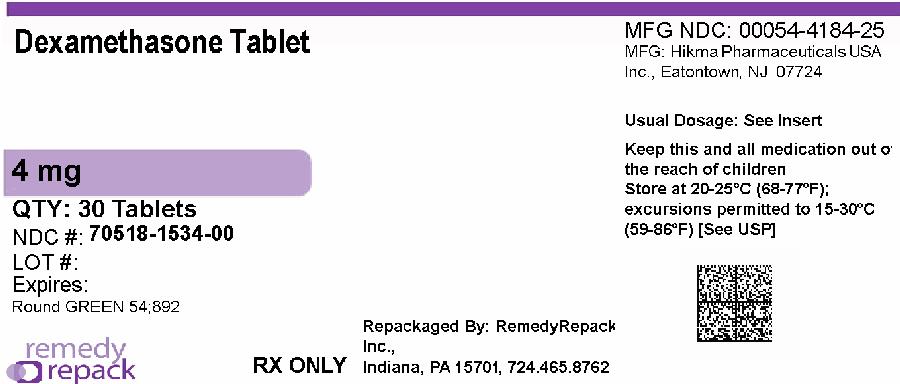
(dexamethasone · DailyMed)
Dexaphan
Benzyl alcohol 10 mg/ml,Dexamethasone sodium phosphate 2 mg (equivalent to dexamethasone base) 1.52 mg (0.2%),Disodium Hydrogen Phosphate 100 mg/ml,Glycerin 300 mg/ml,Propylene Gylcol 100 mg/ml,Sodium Formaldehyde Sulfoxylate 3 mg/ml,Sterile Water for Injection 1 QS
What it does
Alcohol is a substance that can affect your mood and behavior. It is important to use it carefully, especially if you are taking other medications.
Commonly used for: social enjoyment, anxiety relief, temporary relaxation
Read more in plain English ↓Plain-language summary for general understanding - not medical advice. Always follow your pharmacist/doctor.
Ask about this medicine
Answers come only from this medicine's registration record, BNF monograph and interaction data - not medical advice.
Medicine sourcing is available in Kenya only. We don't sell or dispense medicines - licensed pharmacies do.
Sourcing - Kenya onlyRegistration & product details
Source: Tanzania Medicines and Medical Devices Authority · fetched 2026-03-11 23:44:45 · updated 2026-10-01 03:00:46
Drug Interactions
56Pharmacodynamic Warnings
Alcohol appears in TABLE 1: Drugs that cause hepatotoxicity
Alcohol appears in TABLE 8: Drugs that cause hypotension
Alcohol appears in TABLE 11: Drugs with CNS depressant effects
Dexamethasone appears in TABLE 17: Drugs that reduce serum potassium
Severe (2)
Avapritinib - decreases exposure
Dexamethasoneispredictedtodecreasetheexposureto avapritinib.Avoid.rTheoretical
Mifamurtide - decreases efficacy
Corticosteroidsarepredictedtodecreasetheefficacyof mifamurtide.Avoid.rTheoretical
Moderate (24)
Corticosteroids - increases exposure
Dronedarone is predicted to increase the exposure to corticosteroids (methylprednisolone). Monitor and adjust dose.
Corticosteroids - increases concentration
Miconazole is predicted to increase the concentration of corticosteroids (methylprednisolone). Monitor and adjust dose.
Corticosteroids - increases exposure
Antifungals, azoles (fluconazole, isavuconazole, posaconazole) are predicted to increase the exposure to corticosteroids (methylprednisolone). Monitor and adjust dose.
Corticosteroids - decreases exposure
Cenobamate is predicted to decrease the exposure to corticosteroids (fluticasone). Adjust dose.
Corticosteroids - decreases efficacy
Mifepristone is predicted to decrease the efficacy of corticosteroids. Use with caution and adjust dose.
Unknown (30)
Acitretin - increases concentration
Alcohol potentially increases the concentration of retinoids (acitretin). Avoid and for 2 months after stopping acitretin.
Antiepileptics - increases risk of visual disturbances
Alcohol potentially increases the risk of visual disturbances when given with antiepileptics (retigabine).
Aspirin - decreases concentration
Corticosteroids are predicted to decrease the concentration of aspirin (high-dose) and aspirin (high-dose) increases the risk of gastrointestinal bleeding when given with corticosteroids.
Caspofungin - decreases concentration
Dexamethasone is predicted to decrease the concentration of caspofungin. Adjust caspofungin dose, p. 654.
Choline Salicylate - decreases concentration
Corticosteroids are predicted to decrease the concentration of cholinesalicylate. Ciclesonide → see corticosteroids Ciclosporin → see TABLE 2 p. 1517 (nephrotoxicity), TABLE 16 p. 1521 (increased seru
Data from BNF 85 (British National Formulary). This is not a substitute for professional medical advice. Matched via: exact
About alcohol
Alcohol is a substance that can affect your mood and behavior. It is important to use it carefully, especially if you are taking other medications.
What it treats
- social enjoyment
- anxiety relief
- temporary relaxation
How it works
Alcohol affects the brain and central nervous system, leading to changes in mood and behavior.
Who it's for
Adults who consume alcohol in moderation for social or relaxation purposes.
Cautions
- • Be cautious if taking medications that can harm the liver.
- • Use with care if you have low blood pressure.
- • Avoid combining with medications that can cause drowsiness.
AI-assisted summary grounded in BNF data - general information only, not medical advice. Always confirm with your pharmacist or doctor.
About benzyl
Benzyl is an ingredient used in various treatments, often in topical formulations.
What it treats
- skin infections
- eczema
- scabies
How it works
Benzyl helps to kill bacteria or parasites on the skin, promoting healing.
Who it's for
This treatment is for individuals with skin conditions requiring antibacterial or antiparasitic action.
AI-assisted summary grounded in BNF data - general information only, not medical advice. Always confirm with your pharmacist or doctor.
About dexamethasone
Dexamethasone is a corticosteroid used to treat various conditions by reducing inflammation and suppressing the immune system.
What it treats
- inflammation
- allergic reactions
- certain cancers
- autoimmune diseases (e.g., lupus)
- skin conditions (e.g., eczema)
How it works
It works by mimicking the effects of hormones produced by the adrenal glands, helping to decrease inflammation and control the immune response.
Who it's for
It is prescribed for adults and children with specific health issues that require inflammation control or immune suppression.
Drug class
Corticosteroids
Cautions
- • Be cautious if taking medications that lower potassium levels.
AI-assisted summary grounded in BNF data - general information only, not medical advice. Always confirm with your pharmacist or doctor.
About disodium
Disodium is a compound that may be used in various medical applications, particularly in maintaining electrolyte balance.
What it treats
- maintaining salt and water balance in the body
- supporting kidney function
How it works
Disodium helps to regulate the levels of sodium in the body, which is important for many bodily functions, including nerve and muscle activity.
Who it's for
It is usually prescribed for individuals who need help with electrolyte balance, such as those with certain kidney conditions or those undergoing specific treatments.
AI-assisted summary grounded in BNF data - general information only, not medical advice. Always confirm with your pharmacist or doctor.
About formaldehyde
Formaldehyde is a chemical used primarily for its antiseptic and preservative qualities.
What it treats
- disinfection
- preserving biological specimens
How it works
Formaldehyde kills bacteria and other microorganisms, helping to prevent infection.
Who it's for
Formaldehyde is used in laboratory settings and is not intended for general public use.
Cautions
- • May cause irritation to skin and eyes.
- • Should be used in well-ventilated areas.
AI-assisted summary grounded in BNF data - general information only, not medical advice. Always confirm with your pharmacist or doctor.
About glycerin
Glycerin is a substance used to help relieve constipation by softening stools and making them easier to pass.
What it treats
- constipation
- bowel irregularity
How it works
Glycerin works by drawing water into the intestines, which helps to soften the stool and stimulate bowel movements.
Who it's for
Glycerin is suitable for adults and children who need relief from constipation.
AI-assisted summary grounded in BNF data - general information only, not medical advice. Always confirm with your pharmacist or doctor.
About gylcol
Glycol is a substance used in various medical products, often to help with certain health conditions.
How it works
Glycol helps to maintain moisture and improve the texture of products.
Who it's for
Glycol can be used by individuals needing skin hydration or for specific medical applications.
AI-assisted summary grounded in BNF data - general information only, not medical advice. Always confirm with your pharmacist or doctor.
About hydrogen
Hydrogen is a chemical element often used in various applications but is not a conventional medicine. It is important to understand its uses and safety.
How it works
Hydrogen is a basic element and does not have a direct medicinal effect like traditional drugs. Its properties are utilized in various scientific and industrial processes.
Who it's for
Hydrogen is not prescribed for specific medical conditions as it is not classified as a medicine.
AI-assisted summary grounded in BNF data - general information only, not medical advice. Always confirm with your pharmacist or doctor.
About propylene
Propylene is a compound used in various medical applications, often as a solvent or carrier for medications.
What it treats
- used in some topical treatments
- acts as a solvent in pharmaceuticals
How it works
Propylene helps dissolve other substances, making them easier to apply or absorb in the body.
Who it's for
It is typically for adults and children who need certain medications delivered in a specific form.
AI-assisted summary grounded in BNF data - general information only, not medical advice. Always confirm with your pharmacist or doctor.
About sterile
Sterile refers to products that are free from germs and bacteria, ensuring safety for use in medical settings.
What it treats
- Preparing medications
- Surgical procedures
- Injections and infusions
How it works
Sterile products are treated to eliminate all forms of microorganisms, making them safe for medical use.
Who it's for
Patients requiring clean and safe medical products, such as those undergoing surgery or receiving injections.
AI-assisted summary grounded in BNF data - general information only, not medical advice. Always confirm with your pharmacist or doctor.
About sulfoxylate
Sulfoxylate is a medication used to treat certain gastrointestinal conditions.
What it treats
- diarrhea
- gastroenteritis
How it works
It helps to slow down bowel movements, which can reduce the frequency of diarrhea.
Who it's for
It is suitable for adults and children experiencing diarrhea.
AI-assisted summary grounded in BNF data - general information only, not medical advice. Always confirm with your pharmacist or doctor.
Clinical monograph: Formaldehyde
BNF-referencedFormaldehyde is a colorless gas with a pungent odor, primarily used as a preservative and disinfectant. It is recognized for its role in various industrial applications, including the production of resins and as a fixative in biological specimens. However, its use in medical practices is limited due to its toxic properties and potential health risks, including respiratory irritation and carcinogenic effects. It is known to induce bronchoconstriction and is associated with adverse effects on lung function.
Indications
- Warts
- Plantar warts
- Verrucas
- Umbilical granulomas
Dosage
Children: Apply twice daily for up to 3 consecutive days. Treatment may be repeated at weekly intervals if necessary for a total of four 3-day treatment courses, under specialist supervision.
Adults: Apply twice daily to the lesion for a maximum of 3 applications. Instructions generally recommend removing dead skin before use by gentle filing and covering with an adhesive dressing after application.
Mechanism of action
Formaldehyde is thought to act via sensory nerve fibers that signal through the trigeminal nerve, reflexively inducing bronchoconstriction through the vagus nerve. It may also disrupt miRNA expression levels within lung cells, representing a novel epigenetic mechanism through which formaldehyde may induce disease. Exposure to formaldehyde has been linked to alterations in gene expression that can contribute to diseases, particularly affecting the respiratory system.
Pharmacodynamics
Formaldehyde exhibits irritant properties, particularly affecting mucosal membranes and respiratory tissues. Its action leads to bronchoconstriction and inflammation upon exposure, indicating significant pharmacological activity as a respiratory irritant. Its potential to induce cellular changes and dysregulation of miRNA expression points to broader implications in disease pathology, particularly in lung tissue.
Pharmacokinetics
Formaldehyde is rapidly absorbed through inhalation and is metabolized primarily in the liver to form formic acid. Its short half-life and high reactivity limit its systemic exposure. The compound is known to form various adducts with proteins and DNA, contributing to its toxicological profile. Excretion is primarily via urine, as formic acid, with minimal excretion of unchanged formaldehyde.
Contra-indications
- Not for application to broken skin
- Not for application to anogenital areas
- Not for application to the face or mucosa
Adverse effects
- Skin irritation
- Rash
- Severe cutaneous adverse reactions
- Methhaemoglobinaemia
- Argyria
Precautions
- Avoid contact with normal skin and open wounds
- Protect surrounding skin with soft paraffin
- May be very irritant to eyes
Pregnancy
Avoid use during pregnancy due to potential harmful effects.
Breast-feeding
Avoid use during breastfeeding due to potential harmful effects.
Storage
Store in a cool, dry place away from light.
Formulations
- Formaldehyde solution 4% (Buffered)
- Formaldehyde liquid 10%
AI-synthesized from BNF references - general information only, not a substitute for professional medical advice or the current BNF. Verify doses with a pharmacist.
Clinical monograph: Alcohol
BNF-referencedAlcohol is a volatile, flammable liquid used primarily as an antiseptic for skin disinfection and preparation before injections. It is commonly employed in medical settings to cleanse the skin and reduce the risk of infection.
Indications
- Skin disinfection
- Preparation of skin before injections
- Cleansing minor wounds
Dosage
Children: Apply to the skin as required; consult product literature for specific guidance.
Adults: Apply to the skin as required for disinfection.
Mechanism of action
Alcohol exerts its antiseptic effect by denaturing proteins, disrupting cell membranes, and dehydrating microbial cells, leading to cell lysis and death.
Pharmacodynamics
Alcohol has broad-spectrum antimicrobial activity, effective against bacteria, fungi, and viruses. Its efficacy is influenced by concentration, with higher concentrations generally being more effective.
Pharmacokinetics
Alcohol is rapidly absorbed through the skin and mucous membranes. It is metabolized primarily in the liver, with a half-life that varies based on the individual's metabolic rate and the amount consumed.
Contra-indications
- Concomitant use with lithium
- Regular use in neonates
- Patients with severe burns when diathermy has been preceded by application of alcoholic skin disinfectants
Adverse effects
- Eye erythema
- Punctate keratitis
- Cytotoxicity
- Eye discolouration
Interactions
- Increases risk of visual disturbances with antiepileptics
- Increases concentration with methylphenidate
- Increases risk of facial flushing and skin irritation with topical pimecrolimus
- Increases concentration with retinoids
- Increases concentration with acitretin
- Increases risk of facial flushing and skin irritation with topical tacrolimus
- Decreases antidiuretic effect with vasopressin
Precautions
- Avoid regular application to inflamed or broken skin or mucosa
- Avoid broken skin
- Flammable
Pregnancy
Sufficient iodine may be absorbed to affect the fetal thyroid in the second and third trimester.
Breast-feeding
Avoid regular or excessive use.
Storage
Store in a cool, dry place away from heat and direct sunlight.
Formulations
- Betadine 2.5% dry powder spray
- Industrial methylated spirit
- Povidone-Iodine 25 mg per 1 gram
AI-synthesized from BNF references - general information only, not a substitute for professional medical advice or the current BNF. Verify doses with a pharmacist.
Clinical monograph: Dexamethasone
BNF-referencedDexamethasone is a synthetic corticosteroid with potent anti-inflammatory and immunosuppressive properties. It has predominantly glucocorticoid activity and is used to treat various inflammatory and allergic conditions. Its mechanisms include decreasing vasodilation and permeability of capillaries, inhibiting leukocyte migration, and altering gene expression related to inflammation. Dexamethasone is administered orally or via injection, and it is important to manage dosing carefully to avoid potential side effects.
Indications
- Suppression of inflammatory and allergic disorders
- Adjunctive treatment of suspected bacterial meningitis
- Reduction of peri- and neonatal morbidity and mortality in preterm birth
- Management of severe croup
- Congenital adrenal hyperplasia
- COVID-19 requiring supplemental oxygen
Dosage
Adults: For adults, the typical dosing varies by condition
Mechanism of action
Dexamethasone binds to the glucocorticoid receptor, leading to changes in gene expression that result in decreased inflammatory and immune responses. It inhibits phospholipase A2, reducing the formation of pro-inflammatory mediators, and promotes anti-inflammatory genes like interleukin-10. The drug also inhibits neutrophil apoptosis and demargination, contributing to its anti-inflammatory effects. Its glucocorticoid activity results in significant immunosuppression at higher doses.
Pharmacodynamics
Dexamethasone's pharmacodynamics involve the modulation of inflammatory responses through glucocorticoid receptor binding. It inhibits pro-inflammatory signals while promoting anti-inflammatory signals. The duration of action varies based on the administration route, and careful dosing is required to avoid suppression of the hypothalamic-pituitary-adrenal axis and increased infection risk. The drug has a wide therapeutic window, allowing for higher doses than the body's natural production.
Pharmacokinetics
Dexamethasone is well-absorbed after oral administration, with peak plasma concentrations typically occurring within 1-2 hours. It is extensively metabolized in the liver, primarily through hepatic cytochrome P450 enzymes. The elimination half-life ranges from 3 to 4 hours, although it may be longer in certain populations. The drug is excreted mainly in urine as metabolites. The pharmacokinetics can be affected by factors such as liver function and co-administered medications.
Contra-indications
- Systemic fungal infections
- Hypersensitivity to dexamethasone or any component of the formulation
- Active tuberculosis
- Cautious use in patients with peptic ulcer disease
Adverse effects
- Oedema
- Hypotension
- Increased susceptibility to infections
- Mood changes
- Cushing's syndrome
- Hyperglycemia
- Gastrointestinal perforation
- Osteoporosis
- Adrenal suppression
Interactions
- Severe interaction with avapritinib (decreases exposure)
- Moderate interaction with mitotane (decreases exposure)
- Moderate interaction with monoclonal antibodies (decreases exposure)
- Moderate interaction with tocilizumab (decreases exposure)
- Moderate interaction with aprepitant (increases exposure)
- Moderate interaction with netupitant (increases exposure)
- Moderate interaction with rifampicin (decreases exposure)
- Unknown interaction with cobicistat (increases exposure)
- Unknown interaction with caspofungin (decreases concentration)
- Unknown interaction with idelalisib (increases exposure)
Precautions
- Use with caution in patients with a history of tuberculosis
- Monitor for signs of infection due to immunosuppressive effects
- Consider dose adjustments in hepatic impairment
- Taper dosage to avoid withdrawal symptoms after prolonged use
- Monitor blood glucose levels in diabetic patients
Pregnancy
Dexamethasone is classified as a pregnancy category C drug. It should only be used if the potential benefit justifies the potential risk to the fetus.
Breast-feeding
Dexamethasone is excreted in breast milk. Caution is advised when administering to breastfeeding women, and the risks versus benefits should be considered.
Storage
Store at room temperature (15-30 degrees Celsius), protect from light, and keep out of reach of children.
Formulations
- Tablet (6 mg)
- Solution for injection (3.3 mg/1 ml)
- Dexamethasone sodium phosphate solution for injection (6.6 mg/2 ml)
AI-synthesized from BNF references - general information only, not a substitute for professional medical advice or the current BNF. Verify doses with a pharmacist.
Clinical monograph: benzyl
BNF-referencedBenzylpenicillin, a member of the penicillin class of antibiotics, is primarily used to treat infections caused by susceptible microorganisms. It is effective against a range of Gram-positive bacteria and some Gram-negative bacteria, making it a valuable agent in the treatment of various infections, including pneumonia, meningitis, and syphilis.
Indications
- Bacterial infections
- Pneumonia
- Meningitis
- Syphilis
- Endocarditis
- Skin and soft tissue infections
Dosage
Children: Paediatric dosing for benzylpenicillin is determined by the child's weight and the severity of the infection. Refer to the BNF for Children for specific dosing guidelines.
Adults: The usual adult dose for benzylpenicillin varies based on the type and severity of the infection. It is generally administered via intramuscular or intravenous routes. For severe infections, doses may range from 1 to 4 million units every 4 to 6 hours.
Mechanism of action
Benzylpenicillin exerts its antibacterial effects by inhibiting the synthesis of bacterial cell walls. It binds to penicillin-binding proteins (PBPs) located inside the bacterial cell wall, disrupting the transpeptidation process, which is crucial for cross-linking peptidoglycan layers. This inhibition leads to cell lysis and death of the bacteria.
Pharmacodynamics
Benzylpenicillin demonstrates time-dependent bactericidal activity, meaning its effectiveness is related to the duration of time the drug concentration remains above the minimum inhibitory concentration (MIC) for the target bacteria. It has a narrow spectrum of activity, primarily targeting Gram-positive cocci and some Gram-negative rods.
Pharmacokinetics
Benzylpenicillin is typically administered parenterally due to poor oral absorption. It is rapidly distributed throughout the body and can penetrate various tissues, including the central nervous system during inflammation. The drug is primarily eliminated by renal excretion, with a half-life of approximately 30 minutes to 1 hour in healthy individuals. Dosage adjustments may be necessary in patients with renal impairment.
Interactions
- leflunomide+benzylpenicillin: Unknown (increases exposure)
- nitisinone+benzylpenicillin: Unknown (increases exposure)
- teriflunomide+benzylpenicillin: Unknown (increases exposure)
Pregnancy
Benzylpenicillin is generally considered safe to use during pregnancy, as it is a penicillin antibiotic and has a long history of use.
Breast-feeding
Benzylpenicillin is excreted in breast milk in small amounts, but it is not expected to have adverse effects on a nursing infant.
Storage
Store in a cool, dry place, protected from light. Reconstituted solutions should be used promptly or stored in a refrigerator and used within a limited time frame.
Formulations
- Benzylpenicillin injection
AI-synthesized from BNF references - general information only, not a substitute for professional medical advice or the current BNF. Verify doses with a pharmacist.
Clinical monograph: disodium
BNF-referencedDisodium is a chemical compound composed of two sodium ions. It is not commonly referenced as a standalone drug but is often found in various formulations and compounds, particularly in the context of sodium salts. Disodium salts can have various applications in medicine, including as electrolytes in intravenous solutions and in the formulation of certain medications.
Indications
- Electrolyte replacement
- Volume expansion in hypovolemic patients
- Management of hyponatremia
- Support in intravenous fluid therapy
Dosage
Children: Refer to the BNF for Children for appropriate dosing in paediatric patients, as dosages may vary based on the formulation and clinical condition.
Adults: Refer to specific product information or clinical guidelines for dosage recommendations, as disodium is often part of combination products.
Mechanism of action
Disodium compounds often function by providing sodium ions that are essential for various physiological processes. Sodium ions play a critical role in maintaining osmotic balance, nerve impulse transmission, and muscle contraction. In the context of intravenous solutions, disodium helps to restore electrolyte balance in patients.
Pharmacodynamics
The pharmacodynamics of disodium is primarily related to its role in electrolyte balance and fluid homeostasis. Sodium ions are vital for the function of excitable tissues, including neurons and muscle cells. Changes in sodium levels can affect blood pressure, hydration status, and overall cellular function.
Pharmacokinetics
The pharmacokinetics of disodium compounds depend on their specific formulation and route of administration. When administered intravenously, disodium is rapidly distributed in the extracellular fluid, where it helps to maintain osmotic pressure. Sodium is primarily excreted by the kidneys, and its levels can be influenced by fluid intake, dietary sodium, and renal function.
Pregnancy
Use with caution. Consult a healthcare provider for specific guidance.
Breast-feeding
Use with caution. Consult a healthcare provider for specific guidance.
Storage
Store at room temperature, away from moisture and direct sunlight.
AI-synthesized from BNF references - general information only, not a substitute for professional medical advice or the current BNF. Verify doses with a pharmacist.
Clinical monograph: glycerin
BNF-referencedGlycerin, also known as glycerol, is a colorless, odorless, viscous liquid commonly used as an osmotic laxative. It exerts its effects primarily through its hygroscopic properties, drawing water into the intestines. Glycerin is also recognized for its ability to decrease intraocular pressure and is utilized in various formulations due to its lubricating and fecal softening properties. In rectal administration, glycerin is effective for stimulating bowel movements, providing relief from constipation.
Indications
- Constipation
- Preparation for surgical or diagnostic procedures involving the rectum
- Decreasing intraocular pressure in certain ocular conditions
Dosage
Children: For children aged 2 to 6 years, 2 g to 5 g of glycerin may be used as a suppository. Children aged 6 to 12 years may use 5 g to 10 g as needed. For specific pediatric dosing, please refer to the BNF for Children.
Adults: For rectal use, 4 g to 10 g of glycerin may be administered as a suppository as needed.
Mechanism of action
When administered rectally, glycerin draws water from the tissues into the feces due to its hygroscopic action, which reflexively stimulates bowel evacuation. Additionally, glycerin creates an osmotic gradient that leads to a decrease in intraocular pressure by facilitating fluid movement from the aqueous and vitreous humors into the bloodstream.
Pharmacodynamics
Glycerin is classified as an osmotic laxative, which acts to retain water in the fecal matter, softening stools and making them easier to pass. Its local irritant effects also contribute to its laxative properties. Glycerin suppositories typically produce a bowel movement within 15 to 30 minutes of administration.
Pharmacokinetics
Glycerin is readily absorbed from the gastrointestinal tract when taken orally and is metabolized primarily in the liver. It is distributed widely throughout the body, with excretion occurring primarily via the kidneys. The onset of action for glycerin when used as a laxative is relatively quick, particularly when used rectally.
Contra-indications
- Severe dehydration
- Severe renal impairment
- Intestinal obstruction
- Appendicitis
Adverse effects
- Abdominal cramps
- Diarrhea
- Nausea
- Vomiting
- Electrolyte imbalance
Interactions
- May enhance the effects of other laxatives
- Caution with concurrent use of diuretics due to potential electrolyte imbalance
Precautions
- Use with caution in patients with renal impairment
- Monitor electrolytes in patients with prolonged use
- Not recommended for long-term use
Pregnancy
Glycerin is generally considered safe during pregnancy but should be used under medical advice.
Breast-feeding
Glycerin is excreted in breast milk in small amounts and is considered safe for use while breastfeeding.
Storage
Store at room temperature, away from moisture and heat.
Formulations
- Glycerin suppositories
- Glycerin oral solution
AI-synthesized from BNF references - general information only, not a substitute for professional medical advice or the current BNF. Verify doses with a pharmacist.
Clinical monograph: gylcol
Glycol refers to a class of compounds that includes various diols, with ethylene glycol and propylene glycol being the most commonly known. These compounds are primarily used as solvents, antifreeze agents, and in various industrial applications. In a clinical context, propylene glycol is often used as a pharmaceutical excipient and may also be utilized to treat certain medical conditions, although its use in humans should be carefully monitored due to potential toxicity at high doses.
Indications
- Solvent in pharmaceutical formulations
- Moisturizer and humectant in topical applications
- Potential use in the management of drug solubility issues
Dosage
Children: Refer to specific formulations and clinical guidelines, as dosing varies widely based on the application and formulation.
Adults: Refer to specific formulations and clinical guidelines, as dosing varies widely based on the application and formulation.
Mechanism of action
Glycols, particularly propylene glycol, act as humectants, which help to retain moisture in formulations. They can also enhance the solubility of drugs, aiding in their absorption when used as excipients. Propylene glycol is metabolized in the liver to lactate and subsequently to glucose, providing a source of energy when utilized in metabolic pathways.
Pharmacodynamics
The pharmacodynamics of glycols involve their ability to modulate the viscosity of solutions and enhance the solubility of other compounds. Propylene glycol can also facilitate the absorption of other drugs when used in formulations. It exhibits a low toxicity profile when used appropriately, but excessive systemic exposure can lead to metabolic acidosis and other adverse effects.
Pharmacokinetics
Glycols are rapidly absorbed when administered intravenously or orally. Propylene glycol is metabolized primarily in the liver, with a half-life varying based on the dose and individual metabolism. Renal excretion plays a role in the elimination of metabolites. Accumulation can occur in individuals with impaired liver or kidney function, necessitating careful monitoring of dosing in such populations.
Pregnancy
The safety of glycol in pregnancy is not well established. Consult healthcare professionals before use.
Breast-feeding
Glycol's effects during breastfeeding are not well characterized. Caution is advised.
Storage
Store in a cool, dry place away from direct sunlight and moisture.
AI-synthesized from BNF references - general information only, not a substitute for professional medical advice or the current BNF. Verify doses with a pharmacist.
Clinical monograph: hydrogen
BNF-referencedHydrogen (H2) is a colorless, odorless gas that has garnered significant interest for its potential therapeutic effects, particularly due to its antioxidant and anti-inflammatory properties. Research suggests that hydrogen-rich water may have beneficial effects on vascular health and could serve as an anti-aging agent by reducing oxidative stress and inflammation in endothelial cells. Its mechanism of action involves the activation of the Nrf2 pathway, which contributes to the protective effects against cellular senescence and other forms of oxidative damage.
Indications
- Oxidative stress-related conditions
- Inflammatory conditions
- Potential anti-aging applications
- Vascular health enhancement
Dosage
Children: Refer to specific product formulations and guidelines, as dosing can vary based on the concentration of hydrogen in the product used.
Adults: Refer to specific product formulations and guidelines, as dosing can vary based on the concentration of hydrogen in the product used.
Mechanism of action
Molecular hydrogen acts primarily as an antioxidant and anti-inflammatory agent. It is believed to exert its beneficial effects through the activation of the Nrf2 pathway, which enhances the expression of antioxidant enzymes and protects cells from oxidative stress. Hydrogen-rich environments have been shown to mitigate the harmful effects of various toxins on human umbilical vein endothelial cells, thereby promoting vascular health and longevity.
Pharmacodynamics
Hydrogen's pharmacodynamic properties are linked to its role as a potent antioxidant, which reduces reactive oxygen species (ROS) and modulates inflammation. It has been documented to counteract cellular senescence in endothelial cells, thereby maintaining vascular integrity and promoting overall health. The long-lasting effects of hydrogen exposure can be observed even after its concentration in the medium has decreased, suggesting a sustained activation of protective cellular pathways.
Pharmacokinetics
Hydrogen is a gaseous molecule that diffuses rapidly across biological membranes. Its absorption and distribution in the body are influenced by the method of administration, with hydrogen-rich water being a common delivery form. Once in the bloodstream, hydrogen is quickly utilized by tissues, and its concentration diminishes rapidly, with a half-life that can vary based on conditions. The elimination of hydrogen primarily occurs via exhalation, making it a non-toxic molecule with a favorable safety profile.
Pregnancy
Hydrogen is generally considered safe during pregnancy, but it is advisable to consult a healthcare provider for specific recommendations.
Breast-feeding
Hydrogen is considered safe during breastfeeding, but as with any substance, it is recommended to discuss with a healthcare provider.
Storage
Hydrogen should be stored in a cool, dry place away from direct sunlight and heat sources, in appropriate gas cylinders designed for compressed gases.
Formulations
- Hydrogen gas (H2)
- Hydrogen-rich water
AI-synthesized from BNF references - general information only, not a substitute for professional medical advice or the current BNF. Verify doses with a pharmacist.
Clinical monograph: hydrogenphosphate
BNF-referencedHydrogenphosphate (HPO4^2-) is an inorganic phosphate compound that plays a crucial role in various biological processes, including energy metabolism and cellular signaling. It is a key component in the formation of nucleotides, nucleic acids, and phospholipids, and is essential for ATP production and cellular energy transfer.
Mechanism of action
Hydrogenphosphate acts as a substrate for various enzymatic reactions where phosphate groups are transferred or incorporated into organic molecules. It is involved in metabolic pathways such as nicotine biosynthesis and NAD/NADH cycling, facilitating biochemical reactions that are vital for cellular function.
Pharmacodynamics
Hydrogenphosphate is crucial for maintaining cellular homeostasis. It regulates acid-base balance and is involved in energy metabolism. The phosphate groups it provides are integral to the structure and function of ATP, which is the primary energy currency of the cell. Additionally, hydrogenphosphate influences signal transduction pathways through phosphorylation and dephosphorylation processes.
Pharmacokinetics
Hydrogenphosphate is readily absorbed in the gastrointestinal tract and distributed throughout the body. Its elimination primarily occurs through renal excretion, where it is filtered and reabsorbed by the kidneys. The balance of hydrogenphosphate levels is tightly regulated by various physiological mechanisms to ensure proper metabolic function.
Pregnancy
There is limited information regarding the safety of hydrogenphosphate in pregnancy. Consult relevant guidelines and consider potential risks versus benefits.
Breast-feeding
Data on the excretion of hydrogenphosphate in human milk are not available. Caution is advised.
Storage
Store in a cool, dry place away from direct sunlight. Ensure containers are tightly closed.
AI-synthesized from BNF references - general information only, not a substitute for professional medical advice or the current BNF. Verify doses with a pharmacist.
Clinical monograph: propylene
BNF-referencedPropylene, also known as propene, is a colorless gas with a faint petroleum-like odor. It is primarily used as a chemical feedstock in the production of polypropylene, a widely used plastic. Propylene also has applications in agriculture as a plant growth inhibitor, where it functions by affecting the oxidation processes in plants.
Indications
- Plant growth regulation
- Agricultural applications as a growth inhibitor
Dosage
Children: Not applicable.
Adults: Refer to the relevant agricultural guidelines for specific applications.
Mechanism of action
In an in vitro study, propylene acts as a plant growth inhibitor by inhibiting the oxidation of indole-3-acetic acid by peroxidase in the presence of superoxide anion radicals. This inhibition is linked to the activation of an iron complex (compound III) shuttle, which enhances the reaction rate between superoxide and peroxidase, ultimately affecting plant growth processes. Propylene is a less effective inhibitor compared to ethylene.
Pharmacodynamics
The pharmacodynamic effects of propylene are primarily observed in its role as a growth inhibitor in plants. By modulating the oxidation of phytohormones like indole-3-acetic acid, propylene can influence various growth responses in plants, potentially affecting processes such as cell elongation and division.
Pharmacokinetics
Information on the pharmacokinetics of propylene in humans is not well-documented, as its primary uses are industrial and agricultural. Its metabolism may be influenced by environmental factors, and its effects are primarily studied in the context of plant biology rather than human pharmacology.
AI-synthesized from BNF references - general information only, not a substitute for professional medical advice or the current BNF. Verify doses with a pharmacist.
Clinical monograph: sterile
Sterile refers to a state in which a substance, typically a pharmaceutical product or medical device, is free from all living microorganisms, including bacteria, viruses, fungi, and spores. Achieving sterility is essential for products intended for injection, surgical use, or any application where the introduction of microbes could lead to infection or contamination. Sterilization methods include autoclaving, filtration, ethylene oxide gas, and radiation.
Indications
- Surgical procedures
- Injection of medications
- Preparation of sterile pharmaceutical products
- Management of open wounds
- Use in controlled environments such as hospitals and laboratories
Dosage
Children: Refer to specific drug monographs for dosage information as sterile itself is not a pharmacological agent.
Adults: Refer to specific drug monographs for dosage information as sterile itself is not a pharmacological agent.
Mechanism of action
Sterility itself does not have a mechanism of action as it is a state of cleanliness and does not interact with biological systems. However, the methods used to achieve sterility, such as heat or chemical agents, act by denaturing proteins, disrupting cellular structures, or damaging nucleic acids in microorganisms, leading to their inactivation or destruction.
Pharmacodynamics
The pharmacodynamics of sterile techniques primarily involves the prevention of microbial infection and contamination when administering medications. By ensuring that products are sterile, the risk of adverse effects related to infections is minimized. The effectiveness of sterilization methods can be influenced by factors such as temperature, duration of exposure, and the type of microorganisms present.
Pharmacokinetics
As sterility does not pertain to a specific drug, pharmacokinetics is not applicable. However, the pharmacokinetics of a drug will depend on its formulation, route of administration, and the presence of preservatives or stabilizers that may be used alongside sterile preparations.
Pregnancy
Sterile preparations are generally considered safe during pregnancy as they are used to provide hydration, nutrition, or medications in a controlled manner, but specific formulations should be assessed individually.
Breast-feeding
Sterile solutions used for hydration or nutritional support are typically safe during breastfeeding, but any specific additives or medications within the solutions should be evaluated for safety.
Storage
Sterile solutions should be stored in a cool, dry place, protected from light, and should be used before the expiration date. Once opened, they may have specific storage requirements based on the formulation.
Formulations
- Sterile saline solution
- Sterile water for injection
- Sterile dextrose solution
- Sterile electrolyte solutions
AI-synthesized from BNF references - general information only, not a substitute for professional medical advice or the current BNF. Verify doses with a pharmacist.
Clinical monograph: sulfoxylate
BNF-referencedSulfoxylate is a compound that belongs to the class of sulfonyl compounds. It is primarily studied for its potential therapeutic effects, particularly in the modulation of neurotransmitter systems and its possible indications in various clinical conditions. The compound is characterized by its molecular formula O2S-2, which indicates the presence of sulfur and oxygen atoms in its structure.
Indications
- Mood disorders
- Anxiety disorders
- Neurotransmitter modulation
Dosage
Children: Refer to the BNF for Children for appropriate paediatric dosing information.
Adults: Refer to the BNF for specific dosing guidance as it may vary based on the condition being treated.
Mechanism of action
Sulfoxylate acts as a modulator of neurotransmitter systems, specifically influencing the activity of monoamines such as serotonin and norepinephrine. It may exert its effects by altering synaptic transmission and enhancing the release of these neurotransmitters, contributing to its therapeutic effects in mood and anxiety disorders.
Pharmacodynamics
The pharmacodynamics of sulfoxylate involve its interaction with receptors and transporters in the central nervous system. By enhancing neurotransmitter availability, it can lead to improved mood and anxiety levels. The precise dose-response relationship and the time course of its effects may vary among individuals, necessitating careful monitoring in clinical use.
Pharmacokinetics
The pharmacokinetics of sulfoxylate are not extensively characterized in the available literature. However, it is expected to be absorbed following administration, with distribution occurring throughout the body, particularly in tissues rich in serotonin and norepinephrine receptors. Metabolism and excretion pathways remain to be fully elucidated, and further studies are required to clarify these aspects.
Pregnancy
Consult with a healthcare professional before use. Limited data available on safety during pregnancy.
Breast-feeding
Consult with a healthcare professional before use. Limited data available on safety during breastfeeding.
Storage
Store in a cool, dry place away from light.
AI-synthesized from BNF references - general information only, not a substitute for professional medical advice or the current BNF. Verify doses with a pharmacist.
Molecular reference: Alcohol
PubChem CID 702Molecular formula: C2H6O
Mechanism of action
Ethanol affects the brain’s neurons in several ways. It alters their membranes as well as their ion channels, enzymes, and receptors. Alcohol also binds directly to the receptors for acetylcholine, serotonin, GABA, and the NMDA receptors for glutamate. The sedative effects of ethanol are mediated through binding to GABA receptors and glycine receptors (alpha 1 and alpha 2 subunits). It also inhibits NMDA receptor functioning. In its role as an anti-infective, ethanol acts as an osmolyte or dehydrating agent that disrupts the osmotic balance across cell membranes. ... Ethanol is known to affect a large number of membrane proteins that participate in signaling pathways such as neurotransmitter receptors, enzymes, and ion channels, and there is extensive evidence that ethanol interacts with a variety of neurotransmitters. The major actions of ethanol involve enhancing the inhibitory effects of gamma-aminobutyric acid (GABA) at GABAa receptors and blockade of the N-methyl-D-aspartate (NMDA) subtype of glutamate, an excitatory amine acid (EAA) receptor. Animal studies indicate that the acute effects of ethanol result from competitive inhibition of glycine binding to NMDA receptor and disruption of glutamatergic neurotransmission by inhibiting the response of the NMDA receptor. Persistent glycine antagonism and attenuation of glutamatergic neurotransmission by chronic ethanol exposure results in tolerance to ethanol by enhancing EAA neurotransmission and NMDA receptor upregulation. The latter appears to involve selective increases in NMDA R2B subunit concentrations and other molecular changes in specific brain loci. The abrupt withdrawal of ethanol thus produces a hyperexcitable state that leads to the ethanol withdrawal syndrome and excitotoxic neuronal death. GABA-mediated inhibition, which normally acts to limit excitation, is eliminated during ethanol withdrawal syndrome and further intensifies this excitation. In addition, NMDA receptors function to inhibit the release of dopamine in the nucleus accumbens and mesolimbic structures, which modulate the reinforcing action of addictive xenobiotics such as ethanol. By inhibiting NMDA receptor activity, ethanol could increase dopamine release from the nucleus accumbens and ventral tegmental area and could thus create dependence. Chronic ethanol administration also results in tolerance, dependence, and an ethanol withdrawal syndrome, mediated, in part, by desensitization and or downregulation of GABAa receptors. The development of alcoholic ketoacidosis (AKA) requires that a combination of physical and physiologic events occur. The normal response to starvation and depletion of hepatic glycogen stores is for amino acids to be converted to pyruvate. Pyruvate can serve as a substrate for gluconeogenesis, be converted to acetyl-CoA, which can enter the Krebs cycle or can be utilized in various biosynthetic pathways (eg, fatty acid, ketone bodies, cholesterol, and acetylcholine) ... Ethanol metabolism generates NADH, resulting in an excess of reducing potential. This high redox state favors the conversion of pyruvate to lactate, diverting pyruvate from being a substrate for gluconeogenesis. To compensate for the lack of normal metabolic substrates, the body mobilizes fat from adipose tissue and increased fatty acid metabolism as an alternative source of energy. This response is mediated by a decrease in insulin and an increased secretion of glucagon, catecholamines, growth hormone, and cortisol. Fatty acid metabolism results in the formation of acetyl-CoA and it combines with the excess acetate that is generated from ethanol metabolism to form acetoacetate. Most of the acetoacetate is reduced to beta-hydroxybutyrate due to the excess reducing potential or high redox state of the cell. Volume depletion interferes with the renal elimination of acetoacetate and beta-hydroxybutyrate, and contributes to the acidosis. An elevated lactate concentration may result from shunting from pyruvate or
Pharmacodynamics
Alcohol produces injury to cells by dehydration and precipitation of the cytoplasm or protoplasm. This accounts for its bacteriocidal and antifungal action. When alcohol is injected in close proximity to nerve tissues, it produces neuritis and nerve degeneration (neurolysis). Ninety to 98% of ethanol that enters the body is completely oxidized. Ethanol is also used as a cosolvent to dissolve many insoluble drugs and to serve as a mild sedative in some medicinal formulations. Ethanol also binds to GABA, glycine, NMDA receptors and modulates their effects. Ethanol is also metabolised by the hepatic enzyme alcohol dehydrogenase.
Biological pathways
Source: PubChem (NCBI) · pathways from PathBank, Reactome, WikiPathways & PharmGKB.
Molecular reference: Dexamethasone
PubChem CID 5743Molecular formula: C22H29FO5
Mechanism of action
The short term effects of corticosteroids are decreased vasodilation and permeability of capillaries, as well as decreased leukocyte migration to sites of inflammation. Corticosteroids binding to the glucocorticoid receptor mediates changes in gene expression that lead to multiple downstream effects over hours to days. Glucocorticoids inhibit neutrophil apoptosis and demargination; they inhibit phospholipase A2, which decreases the formation of arachidonic acid derivatives; they inhibit NF-Kappa B and other inflammatory transcription factors; they promote anti-inflammatory genes like interleukin-10. Lower doses of corticosteroids provide an anti-inflammatory effect, while higher doses are immunosuppressive. High doses of glucocorticoids for an extended period bind to the mineralocorticoid receptor, raising sodium levels and decreasing potassium levels. Corticosteroids diffuse across cell membranes and complex with specific cytoplasmic receptors. These complexes then enter the cell nucleus, bind to DNA, and stimulate transcription of mRNA and subsequent protein synthesis of enzymes ultimately responsible for anti-inflammatory effects of topical application of corticosteroids to the eye. In high concentrations which may be achieved after topical application, corticosteroids may exert direct membrane effects. Corticosteroids decrease cellular and fibrinous exudation and tissue infiltration, inhibit fibroblastic and collagen-forming activity, retard epithelial regeneration, diminish postinflammatory neovascularization and reduce toward normal levels the excessive permeability of inflamed capillaries. /Corticosteroids (Otic)/ Glucocorticoids are capable of suppressing the inflammatory process through numerous pathways. They interact with specific intracellular receptor proteins in target tissues to alter the expression of corticosteroid-responsive genes. Glucocorticoid-specific receptors in the cell cytoplasm bind with steroid ligands to form hormone-receptor complexes that eventually translocate to the cell nucleus. There these complexes bind to specific DNA sequences and alter their expression. The complexes may induce the transcription of mRNA leading to synthesis of new proteins. Such proteins include lipocortin, a protein known to inhibit PLA2a and thereby block the synthesis of prostaglandins, leukotrienes, and PAF. Glucocorticoids also inhibit the production of other mediators including AA metabolites such as COX, cytokines, the interleukins, adhesion molecules, and enzymes such as collagenase. /Glucocorticoids/ Corticosteroids diffuse across cell membranes and complex with specific cytoplasmic receptors. These complexes then enter the cell nucleus, bind to DNA (chromatin), and stimulate transcription of messenger RNA (mRNA) and subsequent protein synthesis of various inhibitory enzymes responsible for the anti-inflammatory effects of topical corticosteroids. These anti-inflammatory effects include inhibition of early processes such as edema, fibrin deposition, capillary dilatation, movement of phagocttes into the area, and phagocytic activities. Later processes, such as capillary production, collagen deposition, and keloid formation also are inhibited by corticosteroids. The overall actions of topical corticosteroids are catabolic. /Corticosteroids (topical)/
Pharmacodynamics
Corticosteroids bind to the glucocorticoid receptor, inhibiting pro-inflammatory signals, and promoting anti-inflammatory signals. Dexamethasone's duration of action varies depending on the route. Corticosteroids have a wide therapeutic window as patients may require doses that are multiples of what the body naturally produces. Patients taking corticosteroids should be counselled regarding the risk of hypothalamic-pituitary-adrenal axis suppression and increased susceptibility to infections.
Biological pathways
Source: PubChem (NCBI) · pathways from PathBank, Reactome, WikiPathways & PharmGKB.
Molecular reference: Formaldehyde
PubChem CID 712Molecular formula: CH2O
Mechanism of action
Formaldehyde is thought to act via sensory nerve fibers that signal through the trigeminal nerve to reflexively induce bronchoconstriction through the vagus nerve. Exposure to formaldehyde, a known air toxic, is associated with cancer and lung disease. Despite the adverse health effects of formaldehyde, the mechanisms underlying formaldehyde-induced disease remain largely unknown. Research has uncovered microRNAs (miRNAs) as key posttranscriptional regulators of gene expression that may influence cellular disease state. Although studies have compared different miRNA expression patterns between diseased and healthy tissue, this is the first study to examine perturbations in global miRNA levels resulting from formaldehyde exposure. We investigated whether cellular miRNA expression profiles are modified by formaldehyde exposure to test the hypothesis that formaldehyde exposure disrupts miRNA expression levels within lung cells, representing a novel epigenetic mechanism through which formaldehyde may induce disease. Human lung epithelial cells were grown at air-liquid interface and exposed to gaseous formaldehyde at 1 ppm for 4 hr. Small RNAs and protein were collected and analyzed for miRNA expression using microarray analysis and for interleukin (IL-8) protein levels by enzyme-linked immunosorbent assay (ELISA). RESULTS: Gaseous formaldehyde exposure altered the miRNA expression profiles in human lung cells. Specifically, 89 miRNAs were significantly down-regulated in formaldehyde-exposed samples versus controls. Functional and molecular network analysis of the predicted miRNA transcript targets revealed that formaldehyde exposure potentially alters signaling pathways associated with cancer, inflammatory response, and endocrine system regulation. IL-8 release increased in cells exposed to formaldehyde, and results were confirmed by real-time polymerase chain reaction. Formaldehyde alters miRNA patterns that regulate gene expression, potentially leading to the initiation of a variety of diseases. Formaldehyde at high concentrations is a contributor to air pollution. It is also an endogenous metabolic product in cells, and when beyond physiological concentrations, has pathological effects on neurons. Formaldehyde induces mis-folding and aggregation of neuronal tau protein, hippocampal neuronal apoptosis, cognitive impairment and loss of memory functions, as well as excitation of peripheral nociceptive neurons in cancer pain models. Intracellular calcium ([Ca(2+)](i)) is an important intracellular messenger, and plays a key role in many pathological processes. The present study aimed to investigate the effect of formaldehyde on [Ca(2+)](i) and the possible involvement of N-methyl-D-aspartate receptors (NMDARs) and T-type Ca(2+) channels on the cell membrane. METHODS: Using primary cultured hippocampal neurons as a model, changes of [Ca(2+)](i) in the presence of formaldehyde at a low concentration were detected by confocal laser scanning microscopy. Formaldehyde at 1 mmol/L approximately doubled [Ca(2+)](i). (2R)-amino-5-phosphonopentanoate (AP5, 25 umol/L, an NMDAR antagonist) and mibefradil (MIB, 1 umol/L, a T-type Ca(2+) channel blocker), given 5 min after formaldehyde perfusion, each partly inhibited the formaldehyde-induced increase of [Ca(2+)](i), and this inhibitory effect was reinforced by combined application of AP5 and MIB. When applied 3 min before formaldehyde perfusion, AP5 (even at 50 umol/L) did not inhibit the formaldehyde-induced increase of [Ca(2+)](i), but MIB (1 umol/L) significantly inhibited this increase by 70%. These results suggest that formaldehyde at a low concentration increases [Ca(2+)](i) in cultured hippocampal neurons; NMDARs and T-type Ca(2+) channels may be involved in this process. /The purpose of this study was/ to study the role of poly (ADP-ribose) polymerase-l (PARP-1) in formaldehyde-induced DNA damage response in human bronchial epithelial (HBE) cells and to investigate the mechanism of
Biological pathways
Source: PubChem (NCBI) · pathways from PathBank, Reactome, WikiPathways & PharmGKB.
Molecular reference: benzyl
PubChem CID 123147Molecular formula: C7H7
Source: PubChem (NCBI) · pathways from PathBank, Reactome, WikiPathways & PharmGKB.
Molecular reference: disodium
PubChem CID 141233Molecular formula: Na2
Source: PubChem (NCBI) · pathways from PathBank, Reactome, WikiPathways & PharmGKB.
Molecular reference: glycerin
PubChem CID 753Molecular formula: C3H8O3
Mechanism of action
When administered rectally, glycerin exerts a hygroscopic and/or local irritant action, drawing water from the tissues into the feces and reflexively stimulating evacuation. Glycerin decreases intraocular pressure by creating an osmotic gradient between the blood and intraocular fluid, causing fluid to move out of the aqueous and vitreous humors into the bloodstream. Glycerin (glycerol) and sorbitol are hyperosmotic laxatives. When administered rectally, glycerin and sorbitol exert a hygroscopic and/or local irritant action, drawing water from the tissues into the feces and reflexly stimulating evacuation. The extent to which the simple physical distention of the rectum and the hygroscopic and/or local irritant actions are responsible for the laxative effects of some of these drugs is not known. Only extremely high oral doses of sorbitol (25 g daily) or glycerin exert laxative action. /Glycerin/ decreases intraocular pressure by creating an osmotic gradient between the blood and intraocular fluid, causing fluid to move out of the aqueous and vitreous humors into the bloodstream. The physicochemical effects of a series of alkanols, alkanediols and glycerol on erythrocyte shape and hemolysis at 4 and 20 degrees C were examined. We calculated the dielectric constant of the incubation medium, Ds, and the dielectric constant of the erythrocyte membrane Dm in the presence of organic solutes. The ratio Ds/Dm = -38.48 at 20 degrees C defines the normal biconcave shape in a medium without hemolytic agents. A decrease in Ds/Dm favors externalization or internalization with consequent hemolysis. Alkanols and alkanediols convert biconcave erythrocytes into echinocytes, which is accompanied by an increase in the projected surface area. Glycerol converts biconcave erythrocytes into stomatocytes, which was accompanied by a marginal decrease in the projected surface area. Progressive externalization in alkanols and alkanediols or internalization in glycerol resulted in a decrease in the projected surface area and the formation of smooth spheres. The degree of shape change induced was related to the degree of hemolysis and the ratio Ds/Dm. A decrease in temperature reduced both the degree of shape change and hemolysis. .../Thus/ physicochemical toxicity may be a result of a temperature dependent hydrophobic interaction between the organic solutes and the membrane and is best interpreted by the ability of the solutes to change Ds and Dm.
Pharmacodynamics
Glycerin is commonly classified as an osmotic laxative but may act additionally or alternatively through its local irritant effects; it may also have lubricating and fecal softening actions. Glycerin suppositories usually work within 15 to 30 minutes.
Biological pathways
Source: PubChem (NCBI) · pathways from PathBank, Reactome, WikiPathways & PharmGKB.
Molecular reference: hydrogen
PubChem CID 783Molecular formula: H2
Mechanism of action
Substantial evidence indicates that molecular hydrogen (H2) has beneficial vascular effects because of its antioxidant and/or anti-inflammatory effects. Thus, hydrogen-rich water may prove to be an effective anti-aging drink. This study examined the effects of H2 on endothelial senescence and clarified the mechanisms involved. Hydrogen-rich medium was produced by a high-purity hydrogen gas generator. Human umbilical vein endothelial cells (HUVECs) were incubated with 2,3,7,8-tetrachlorodibenzo-p-dioxin (TCDD) for various time periods in normal or hydrogen-rich medium. The baseline H2concentration in hydrogen-rich medium was 0.55 +/- 0.07 mmol/L. This concentration gradually decreased, and H2 was almost undetectable in medium after 12 hr. At 24 hr after TCDD exposure, HUVECs treated with TCDD exhibited increased 8OHdG and acetyl-p53 expression, decreased nicotinamide adenine dinucleotide (NAD(+))/NADH ratio, impaired Sirt1 activity, and enhanced senescence-associated beta-galactosidase. However, HUVECs incubated in hydrogen-rich medium did not exhibit these TCDD-induced changes accompanying Nrf2 activation, which was observed even after H2 was undetectable in the medium. Chrysin, an inhibitor of Nrf2, abolished the protective effects of H2 on HUVECs. H2 has long-lasting antioxidant and anti-aging effects on vascular endothelial cells through the Nrf2 pathway, even after transient exposure to H2. Hydrogen-rich water may thus be a functional drink that increases longevity. /Hydrogen-rich water/ Amyloid beta (Abeta) peptides are identified /as a/ cause of neurodegenerative diseases such as Alzheimer's disease (AD). Previous evidence suggests Abeta-induced neurotoxicity is linked to the stimulation of reactive oxygen species (ROS) production. The accumulation of Abeta-induced ROS leads to increased mitochondrial dysfunction and triggers apoptotic cell death. This suggests antioxidant therapies may be beneficial for preventing ROS-related diseases such as AD. Recently, hydrogen-rich water (HRW) has been proven effective in treating oxidative stress-induced disorders because of its ROS-scavenging abilities. However, the precise molecular mechanisms whereby HRW prevents neuronal death are still unclear. In the present study, we evaluated the putative pathways by which HRW protects against Abeta-induced cytotoxicity /in SK-N-MC cells/. Our results indicated that HRW directly counteracts oxidative damage by neutralizing excessive ROS, leading to the alleviation of Abeta-induced cell death. In addition, HRW also stimulated AMP-activated protein kinase (AMPK) in a sirtuin 1 (Sirt1)-dependent pathway, which upregulates forkhead box protein O3a (FoxO3a) downstream antioxidant response and diminishes Abeta-induced mitochondrial potential loss and oxidative stress. Taken together, our findings suggest that HRW may have potential therapeutic value to inhibit Abeta-induced neurotoxicity. /Hydrogen-rich water/ The NLRP3 inflammasome, an intracellular multi-protein complex controlling the maturation of cytokine interleukin-1beta, plays an important role in lipopolysaccharide (LPS)-induced inflammatory cascades. Recently, the production of mitochondrial reactive oxygen species (mtROS) in macrophages stimulated with LPS has been suggested to act as a trigger during the process of NLRP3 inflammasome activation that can be blocked by some mitochondria-targeted antioxidants. Known as a ROS scavenger, molecular hydrogen (H2) has been shown to possess therapeutic benefit on LPS-induced inflammatory damage in many animal experiments. Due to the unique molecular structure, H2 can easily target the mitochondria, suggesting that H2 is a potential antagonist of mtROS-dependent NLRP3 inflammasome activation. Here we have showed that, in mouse macrophages, H2 exhibited substantial inhibitory activity against LPS-initiated NLRP3 inflammasome activation by scavenging mtROS. Moreover, the elimination of mtROS by H2 resultantly inhibited mtROS-mediated NLRP3 deubi
Biological pathways
Source: PubChem (NCBI) · pathways from PathBank, Reactome, WikiPathways & PharmGKB.
Molecular reference: hydrogenphosphate
PubChem CID 3681305Molecular formula: HO4P-2
Biological pathways
Source: PubChem (NCBI) · pathways from PathBank, Reactome, WikiPathways & PharmGKB.
Molecular reference: propylene
PubChem CID 8252Molecular formula: C3H6
Mechanism of action
In an in vitro study of the mechanism of action of ethylene as a plant growth inhibitor, the effects of ethylene and some of its analogs, including propylene, on the oxidation of indole-3-acetic acid were examined. Ethylene and its analogs inhibited the oxidation of indole-3-acetic acid by peroxidase under conditions where the iron complex (compound III, an oxy-ferrous complex of peroxidase) shuttle was activated. Inhibition occurred only in the presence of the superoxide anion radical 02(-). Spectral and kinetic data indicated that ethylene and its analogs enhanced the rate of reaction of 02(-) with peroxidase; ie, the iron complex (compound III) shuttle, resulting in the formation of compound III. Propylene was a less effective inhibitor than ethylene.
Biological pathways
Source: PubChem (NCBI) · pathways from PathBank, Reactome, WikiPathways & PharmGKB.
Molecular reference: sulfoxylate
PubChem CID 5460570Molecular formula: O2S-2
Source: PubChem (NCBI) · pathways from PathBank, Reactome, WikiPathways & PharmGKB.
This drug in other countries
The same active ingredient registered across other registries we cover - including different brands.
- ASHIVER INJECTION (Each ml containns Ivermectin 10mg/ Benzyl Alchohol 1.5% v/v) · Ashish Life Science
- AVICINOR ORAL SOLUTION · Hebei Kexing Pharmaceutical
- AVICINOR ORAL SOLUTION (Each ml conatins Gluteraldehyde/Coco-dimethyl benzyl ammonium chloride 300mg/200mg) · Hebei Kexing Pharmaceutical
- AVICINOR ORAL SOLUTION (Each ml contains Gluteraldehyde 50% 300mg/ Coco-dimethyl benzyl ammonium chloride 50% 200mg) · Hebei Kexing Pharmaceutical
- BEEHIVE BALSAM SYRUP · Ayrton Saunders
- BELL'S CHILDREN COUGH SYRUP · Bell Sons & Co