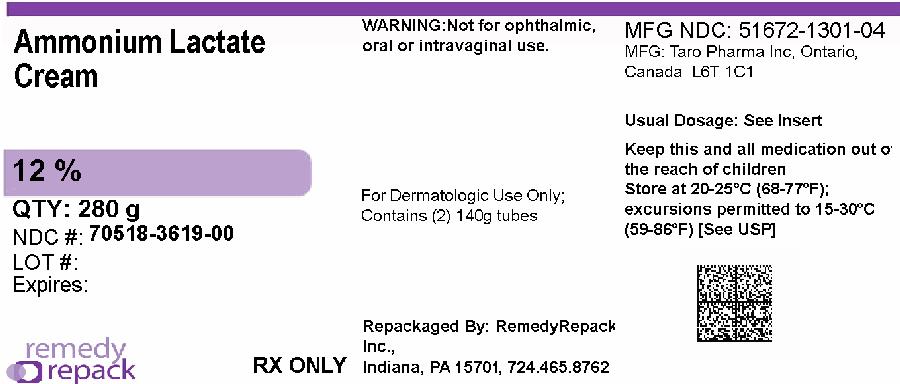
(ammonium · DailyMed)
AVICINOR ORAL SOLUTION
Gluteraldehyde/Coco-dimethyl benzyl ammonium chloride
What it does
Ammonium is a compound that can be used in various treatments but is not classified under a specific drug class.
Read more in plain English ↓Plain-language summary for general understanding - not medical advice. Always follow your pharmacist/doctor.
Ask about this medicine
Answers come only from this medicine's registration record, BNF monograph and interaction data - not medical advice.
Medicine sourcing is available in Kenya only. We don't sell or dispense medicines - licensed pharmacies do.
Sourcing - Kenya onlyRegistration & product details
Source: Food and Drugs Authority · fetched 2026-04-18 08:48:45 · updated 2026-05-01 08:00:20
About ammonium
Ammonium is a compound that can be used in various treatments but is not classified under a specific drug class.
How it works
Ammonium works by balancing chemical levels in the body.
Who it's for
It may be used in specific medical conditions as determined by a healthcare provider.
AI-assisted summary grounded in BNF data - general information only, not medical advice. Always confirm with your pharmacist or doctor.
About benzyl
Benzyl is an ingredient used in various treatments, often in topical formulations.
What it treats
- skin infections
- eczema
- scabies
How it works
Benzyl helps to kill bacteria or parasites on the skin, promoting healing.
Who it's for
This treatment is for individuals with skin conditions requiring antibacterial or antiparasitic action.
AI-assisted summary grounded in BNF data - general information only, not medical advice. Always confirm with your pharmacist or doctor.
About gluteraldehyde
Gluteraldehyde is a chemical used mainly for disinfecting and sterilizing medical equipment.
What it treats
- disinfection of medical instruments
- sterilization of surgical tools
How it works
Gluteraldehyde kills bacteria, viruses, and fungi, helping to ensure that medical tools are safe to use.
Who it's for
It is used by healthcare providers in hospitals and clinics.
AI-assisted summary grounded in BNF data - general information only, not medical advice. Always confirm with your pharmacist or doctor.
Clinical monograph: ammonium
BNF-referencedAmmonium is a positively charged ion (NH4+) that plays a crucial role in various biochemical processes, including nitrogen metabolism in living organisms. It is involved in the synthesis of amino acids and nucleotides, acting as a precursor in the biosynthesis of important biological compounds. Ammonium is also a key component in the nitrogen cycle, contributing to the fertility of soil and aquatic environments.
Indications
- Nitrogen supplementation in clinical nutrition
- Management of metabolic alkalosis
- Treatment of certain types of kidney disorders
Dosage
Children: Specific pediatric dosing information is not detailed in the BNF. Refer to the BNF for Children for appropriate dosing based on age and condition.
Adults: Dosage varies based on clinical indication and should be guided by specific treatment protocols. Refer to clinical guidelines for detailed dosing information.
Mechanism of action
Ammonium ions participate in various metabolic pathways, including the biosynthesis of amino acids and nucleotides. It serves as a nitrogen source for organisms, facilitating the synthesis of essential biomolecules. The presence of ammonium can influence pH levels and osmotic balance within cells, thereby affecting cellular functions and enzyme activities.
Pharmacodynamics
Ammonium affects cellular metabolism by acting as a nitrogen donor in the synthesis of organic compounds. Its role in the nitrogen cycle and as a substrate in biochemical pathways allows for the maintenance of cellular functions, including energy production and cellular growth. Alterations in ammonium levels can influence various physiological processes, including neurotransmitter synthesis and energy metabolism.
Pharmacokinetics
Ammonium is readily absorbed and distributed in biological systems. It can be produced endogenously through amino acid metabolism or obtained from dietary sources. The excretion of ammonium primarily occurs through the kidneys, where it is converted to urea for elimination. Ammonium levels are regulated by various mechanisms, including the action of renal tubular cells that either secrete or reabsorb ammonium based on the body's needs.
AI-synthesized from BNF references - general information only, not a substitute for professional medical advice or the current BNF. Verify doses with a pharmacist.
Clinical monograph: ammoniumchloride
BNF-referencedAmmonium chloride is an inorganic compound with the chemical formula ClH4N. It is primarily used as an expectorant and systemic acidifier. Its mechanism involves increasing hydrogen ion concentrations, thereby enhancing acidity and promoting the production of respiratory tract fluid, which aids in effective coughing. Additionally, it alters the bicarbonate:carbonic acid ratio in the body, potentially leading to acidosis and promoting the excretion of electrolytes and water.
Indications
- Cough associated with respiratory tract infections
- Acid-base disorders
- Edema management
Dosage
Children: Refer to the BNF for Children for appropriate paediatric dosing guidelines based on age and condition.
Adults: Refer to the BNF for specific adult dosing guidelines as they depend on the indication and clinical context.
Mechanism of action
Ammonium chloride increases acidity by raising hydrogen ion concentrations. It dissociates into ammonium and chloride ions; the ammonium is converted to urea in the liver, releasing hydrogen ions that lower pH. The chloride ions displace bicarbonate in extracellular fluid, leading to acidosis and increased renal excretion of electrolytes and water, resulting in fluid mobilization.
Pharmacodynamics
Ammonium chloride acts as a systemic acidifier, facilitating the excretion of chloride and sodium, while also increasing the acidity of body fluids. The conversion of ammonium to urea in the liver with the release of hydrogen ions contributes to a decrease in blood pH, affecting acid-base balance in the body.
Pharmacokinetics
Ammonium chloride is absorbed from the gastrointestinal tract and metabolized in the liver, where it is converted to urea. The dissociated ions impact renal function, leading to increased excretion of sodium, potassium, and water. The elimination half-life and specific metabolism details are not explicitly defined.
Adverse effects
- Nausea
- Vomiting
- Abdominal pain
- Diarrhea
- Dizziness
- Headache
Interactions
- Antacids may reduce the effectiveness of ammonium chloride
- Potassium-sparing diuretics may increase the risk of hyperkalemia
Precautions
- Use with caution in patients with renal impairment
- Monitor electrolyte levels during prolonged therapy
- Consider potential for acidosis in patients with liver disease
Pregnancy
Ammonium chloride should only be used during pregnancy if the potential benefit justifies the potential risk to the fetus. Consult a healthcare provider for individualized advice.
Breast-feeding
Ammonium chloride is excreted in breast milk. Use caution and consult a healthcare provider if breastfeeding.
Storage
Store in a cool, dry place, away from direct sunlight and moisture. Keep out of reach of children.
Formulations
- Oral solution
- Powder for oral solution
AI-synthesized from BNF references - general information only, not a substitute for professional medical advice or the current BNF. Verify doses with a pharmacist.
Clinical monograph: benzyl
BNF-referencedBenzylpenicillin, a member of the penicillin class of antibiotics, is primarily used to treat infections caused by susceptible microorganisms. It is effective against a range of Gram-positive bacteria and some Gram-negative bacteria, making it a valuable agent in the treatment of various infections, including pneumonia, meningitis, and syphilis.
Indications
- Bacterial infections
- Pneumonia
- Meningitis
- Syphilis
- Endocarditis
- Skin and soft tissue infections
Dosage
Children: Paediatric dosing for benzylpenicillin is determined by the child's weight and the severity of the infection. Refer to the BNF for Children for specific dosing guidelines.
Adults: The usual adult dose for benzylpenicillin varies based on the type and severity of the infection. It is generally administered via intramuscular or intravenous routes. For severe infections, doses may range from 1 to 4 million units every 4 to 6 hours.
Mechanism of action
Benzylpenicillin exerts its antibacterial effects by inhibiting the synthesis of bacterial cell walls. It binds to penicillin-binding proteins (PBPs) located inside the bacterial cell wall, disrupting the transpeptidation process, which is crucial for cross-linking peptidoglycan layers. This inhibition leads to cell lysis and death of the bacteria.
Pharmacodynamics
Benzylpenicillin demonstrates time-dependent bactericidal activity, meaning its effectiveness is related to the duration of time the drug concentration remains above the minimum inhibitory concentration (MIC) for the target bacteria. It has a narrow spectrum of activity, primarily targeting Gram-positive cocci and some Gram-negative rods.
Pharmacokinetics
Benzylpenicillin is typically administered parenterally due to poor oral absorption. It is rapidly distributed throughout the body and can penetrate various tissues, including the central nervous system during inflammation. The drug is primarily eliminated by renal excretion, with a half-life of approximately 30 minutes to 1 hour in healthy individuals. Dosage adjustments may be necessary in patients with renal impairment.
Interactions
- leflunomide+benzylpenicillin: Unknown (increases exposure)
- nitisinone+benzylpenicillin: Unknown (increases exposure)
- teriflunomide+benzylpenicillin: Unknown (increases exposure)
Pregnancy
Benzylpenicillin is generally considered safe to use during pregnancy, as it is a penicillin antibiotic and has a long history of use.
Breast-feeding
Benzylpenicillin is excreted in breast milk in small amounts, but it is not expected to have adverse effects on a nursing infant.
Storage
Store in a cool, dry place, protected from light. Reconstituted solutions should be used promptly or stored in a refrigerator and used within a limited time frame.
Formulations
- Benzylpenicillin injection
AI-synthesized from BNF references - general information only, not a substitute for professional medical advice or the current BNF. Verify doses with a pharmacist.
Clinical monograph: gluteraldehyde
BNF-referencedGlutaraldehyde is a dialdehyde compound primarily used as a disinfectant and sterilizing agent. It is commonly employed in healthcare settings for sterilizing surgical instruments, endoscopes, and other medical equipment due to its broad-spectrum antimicrobial activity. Additionally, it is utilized in various industrial applications such as in the tanning of leather and as a preservative in biological specimens.
Indications
- High-level disinfection of heat-sensitive medical instruments
- Sterilization of surgical and medical equipment
- Preservation of biological specimens
Dosage
Children: Refer to specific product guidelines for use in paediatric settings, as dosing and exposure times may vary based on the type of equipment being disinfected and institutional protocols.
Adults: Refer to specific product guidelines for appropriate concentrations and exposure times for disinfection and sterilization. The concentration of glutaraldehyde used typically ranges from 2% to 3% for disinfection purposes, with a contact time of 20 to 30 minutes.
Mechanism of action
Glutaraldehyde exerts its antimicrobial effects by forming cross-links with proteins and nucleic acids, disrupting cellular structure and function. This leads to the inactivation of microorganisms, including bacteria, fungi, and viruses. Its efficacy is attributed to its ability to penetrate microbial cell walls and react with essential cellular components.
Pharmacodynamics
The pharmacodynamic profile of glutaraldehyde indicates that it has potent bactericidal, virucidal, and sporicidal properties. Its activity is concentration-dependent, meaning higher concentrations lead to more rapid microbial kill rates. Glutaraldehyde is effective against a wide range of pathogens, making it suitable for high-level disinfection and sterilization protocols.
Pharmacokinetics
Glutaraldehyde is not intended for systemic use, and therefore, traditional pharmacokinetic parameters such as absorption, distribution, metabolism, and excretion are not typically applicable. When used as a disinfectant, it acts locally on the surfaces of instruments or equipment, with minimal systemic absorption.
Adverse effects
- Irritation of skin, eyes, and respiratory tract
- Allergic reactions
- Nausea
- Headaches
Precautions
- Use with caution in patients with a history of respiratory disorders
- Avoid contact with skin and mucous membranes
Pregnancy
There is limited data on the use of glutaraldehyde during pregnancy, hence it should be used only if the potential benefit justifies the potential risk to the fetus.
Breast-feeding
It is not known whether glutaraldehyde is excreted in human milk. Caution should be exercised when administering to breastfeeding women.
Storage
Store in a cool, dry place away from light and moisture. Keep out of reach of children.
Formulations
- Solution for disinfection
- Sterilizing agent
AI-synthesized from BNF references - general information only, not a substitute for professional medical advice or the current BNF. Verify doses with a pharmacist.
Molecular reference: ammonium
PubChem CID 223Molecular formula: H4N+
Biological pathways
Source: PubChem (NCBI) · pathways from PathBank, Reactome, WikiPathways & PharmGKB.
Molecular reference: ammoniumchloride
PubChem CID 25517Molecular formula: ClH4N
Mechanism of action
Ammonium chloride increases acidity by increasing the amount of hydrogen ion concentrations. Ammonium chloride can be used as an expectorant due to its irritative action on the bronchial mucosa. This effect causes the production of respiratory tract fluid which in order facilitates the effective cough. The acid-forming properties of ammonium chloride result from dissociation of the salt to an ammonium cation and a chloride anion. In patients with normal hepatic function, the ammonium cation is converted to urea by the liver and a hydrogen cation is released which reacts with a bicarbonate ion to form water and carbon dioxide. The chloride anion combines with fixed bases in the extracellular fluid, thereby reducing the alkaline reserve of the body. The net result is the displacement of bicarbonate ions by chloride anions. The displacement of bicarbonate by chloride alters the bicarbonate:carbonic acid ratio if the body and acidosis results. The increased chloride concentration in the extracellular fluid produces an increased load to the renal tubules and appreciable amounts of chloride anions escape reabsorption. These anions are excreted along with cations and water. Sodium is the principal cation excreted; however, potassium excretion may also be increased to some degree. By increasing the excretion of both extracellular electrolytes and water, ammonium chloride causes a net loss of extracellular fluid and promotes the mobilization of edema fluid.
Pharmacodynamics
Systemic acidifier. In liver ammonium chloride is converted into urea with the liberation of hydrogen ions ( which lowers the pH) and chloride.
Biological pathways
Source: PubChem (NCBI) · pathways from PathBank, Reactome, WikiPathways & PharmGKB.
Molecular reference: benzyl
PubChem CID 123147Molecular formula: C7H7
Source: PubChem (NCBI) · pathways from PathBank, Reactome, WikiPathways & PharmGKB.
Molecular reference: gluteraldehyde
PubChem CID 3485Molecular formula: C5H8O2
Source: PubChem (NCBI) · pathways from PathBank, Reactome, WikiPathways & PharmGKB.
This drug in other countries
The same active ingredient registered across other registries we cover - including different brands.