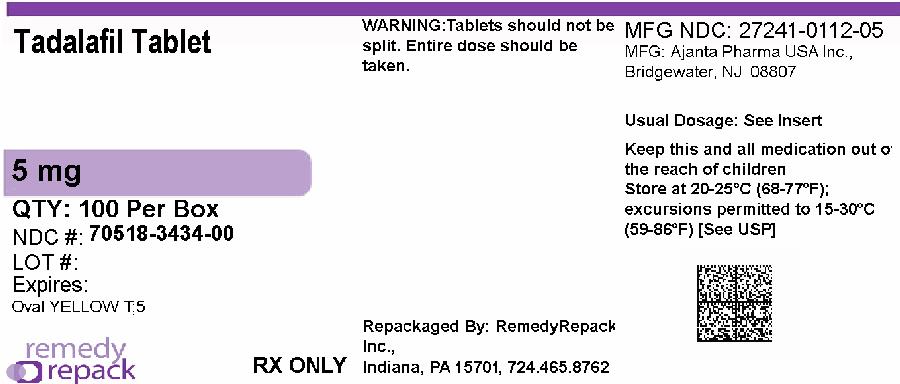
(tadalafil · DailyMed)
DIAX-TS 5
DUTASTERIDE , TADALAFIL AND SOLIFENACIN SUCCINATE
What it does
Dutasteride is a medication used primarily to treat conditions related to an enlarged prostate.
Commonly used for: enlarged prostate (benign prostatic hyperplasia)
Read more in plain English ↓Plain-language summary for general understanding - not medical advice. Always follow your pharmacist/doctor.
Ask about this medicine
Answers come only from this medicine's registration record, BNF monograph and interaction data - not medical advice.
Hard to find? We help patients in Kenya source rare medicines. We don't sell or dispense medicines - licensed pharmacies do.
Source this medicineRegistration & product details
Source: Pharmacy and Poisons Board · fetched 2026-01-28 19:31:02 · updated 2026-10-23 02:26:14
Drug Interactions
21Pharmacodynamic Warnings
Tadalafil appears in TABLE 8: Drugs that cause hypotension
Solifenacin appears in TABLE 10: Drugs with antimuscarinic effects
Moderate (4)
Dutasteride - increases exposure
Cobicistat is predicted to increase the exposure to dutasteride. Monitor adverse effects and adjust dose.
Dutasteride - increases exposure
Idelalisib is predicted to increase the exposure to dutasteride. Monitor adverse effects and adjust dose.
Dutasteride - increases exposure
Clarithromycin is predicted to increase the exposure to dutasteride. Monitor adverse effects and adjust dose.
Tadalafil - increases exposure
Cobicistat is predicted to increase the exposure to tadalafil. Use with caution or avoid.
Unknown (17)
Dutasteride - increases exposure
Crizotinib is predicted to moderately increase the exposure to dutasteride.
Dutasteride - increases exposure
Imatinib is predicted to moderately increase the exposure to dutasteride.
Dutasteride - increases exposure
Letermovir is predicted to moderately increase the exposure to dutasteride.
Dutasteride - increases exposure
Nilotinib is predicted to moderately increase the exposure to dutasteride. Study Eculizumab → see monoclonal antibodies Edoxaban → see factor Xa inhibitors Efavirenz → see NNRTIs Eicosapentaenoic acid
Solifenacin - additive effect
Clozapine can cause constipation, as can solifenacin; concurrent use might increase the risk of developing intestinal obstruction. Also see TABLE 10 p. 1519
Data from BNF 85 (British National Formulary). This is not a substitute for professional medical advice. Matched via: exact
About dutasteride
Dutasteride is a medication used primarily to treat conditions related to an enlarged prostate.
What it treats
- enlarged prostate (benign prostatic hyperplasia)
How it works
Dutasteride works by reducing the levels of certain hormones that can cause prostate growth, helping to shrink the prostate and improve urinary flow.
Who it's for
This medication is for adult men who have symptoms of an enlarged prostate.
AI-assisted summary grounded in BNF data - general information only, not medical advice. Always confirm with your pharmacist or doctor.
About solifenacin
Solifenacin is a medication used to help control bladder problems by reducing the urge to urinate.
What it treats
- overactive bladder
- bladder control issues
How it works
It works by relaxing the muscles in the bladder, allowing it to hold more urine and reducing the feeling of needing to urinate frequently.
Who it's for
This medication is for adults who experience symptoms of an overactive bladder.
Cautions
- • Avoid using with other medications that have similar effects on the bladder.
AI-assisted summary grounded in BNF data - general information only, not medical advice. Always confirm with your pharmacist or doctor.
About tadalafil
Tadalafil is a medication used to treat erectile dysfunction (impotence) and symptoms of benign prostatic hyperplasia (BPH), which is an enlarged prostate.
What it treats
- erectile dysfunction (impotence)
- benign prostatic hyperplasia (BPH)
How it works
Tadalafil works by relaxing blood vessels, which increases blood flow to specific areas of the body, helping achieve and maintain an erection.
Who it's for
Tadalafil is suitable for adult men experiencing difficulties with erections or related urinary symptoms due to an enlarged prostate.
Cautions
- • Avoid using with other medications that lower blood pressure.
AI-assisted summary grounded in BNF data - general information only, not medical advice. Always confirm with your pharmacist or doctor.
Clinical monograph: Dutasteride
BNF-referencedDutasteride is a synthetic 4-azasteroid compound that selectively inhibits both type I and type II isoforms of steroid 5α-reductase. This enzyme converts testosterone to 5α-dihydrotestosterone (DHT), a potent androgen responsible for the development and enlargement of the prostate gland. By inhibiting this enzyme, dutasteride effectively reduces DHT levels, leading to a decrease in prostate size and improvement in urinary symptoms associated with benign prostatic hyperplasia (BPH).
Indications
- Benign prostatic hyperplasia
Dosage
Adults: 500 micrograms daily, with treatment review at 3–6 months and then every 6–12 months.
Mechanism of action
Dutasteride binds to both type I and type II isoenzymes of 5α-reductase, forming a stable complex that inhibits the conversion of testosterone to DHT. DHT is a key hormone in prostate development and growth, and by reducing its levels by more than 90%, dutasteride alleviates symptoms of BPH and improves urinary flow.
Pharmacodynamics
Dutasteride exhibits a dose-dependent reduction in circulating DHT levels, with maximum effects observed within 1-2 weeks after initial administration. Clinical studies have shown that median serum DHT concentrations were reduced by 85% and 90% after 1 and 2 weeks of daily dosing with 0.5 mg, respectively. Continuous administration of dutasteride maintains DHT levels suppressed in the majority of patients, and it may also lead to decreased serum prostate-specific antigen (PSA) levels in patients with prostate cancer.
Pharmacokinetics
Dutasteride is well absorbed after oral administration, with a peak plasma concentration typically reached within 1-2 hours. The drug has a long half-life, allowing for once-daily dosing. It is extensively metabolized in the liver, primarily by CYP3A4 and CYP3A5 enzymes, leading to the formation of several metabolites. The elimination half-life is approximately 5 weeks, which supports the need for regular follow-up and dose adjustment based on clinical response.
Contra-indications
- History of micturition syncope
- History of postural hypotension
Adverse effects
- Abdominal pain
- Anxiety
- Angioedema
- Arrhythmias
- Asthenia
- Chest pain
- Constipation
- Cough
- Depression
- Dizziness
- Diarrhoea
- Drowsiness
- Fatigue
- Gastrointestinal disturbances
- Hyperhidrosis
- Insomnia
- Myalgia
- Nasal congestion
- Nausea
- Oedema
- Palpitations
- Paraesthesia
- Postural hypotension
- Sexual dysfunction
- Skin reactions
- Syncope
- Vomiting
- Weight gain
Interactions
- Cobicistat increases exposure
- Idelalisib increases exposure
- Clarithromycin increases exposure
- Crizotinib unknown effect on exposure
- Imatinib unknown effect on exposure
- Letermovir unknown effect on exposure
- Nilotinib unknown effect on exposure
- Terazosin may increase risk of hypotension
Precautions
- Caution in elderly patients
- Caution in patients with history of prostate cancer
- Monitor for signs of hypotension and syncope
- Consider lower initial dose in patients with autonomic neuropathy
Pregnancy
Dutasteride is contraindicated in pregnancy due to potential harm to a male fetus.
Breast-feeding
Manufacturer advises avoiding use during breastfeeding due to potential for effects on the infant.
Storage
Store at room temperature, away from moisture and heat.
Formulations
- Dutasteride 0.5 mg capsules
AI-synthesized from BNF references - general information only, not a substitute for professional medical advice or the current BNF. Verify doses with a pharmacist.
Clinical monograph: Solifenacinsuccinate
BNF-referencedSolifenacin succinate is an antimuscarinic agent primarily used to treat overactive bladder (OAB) symptoms, including urinary frequency, urgency, and incontinence. It works by inhibiting the muscarinic receptors in the bladder, reducing involuntary contractions and improving bladder capacity.
Indications
- Urinary frequency
- Urgency
- Incontinence associated with overactive bladder
- Incontinence associated with neurogenic bladder instability
Dosage
Children: Refer to the BNF for Children for appropriate dosing information, as specific pediatric dosing is not provided.
Adults: 15 mg once daily, increased if necessary to a maximum of 30 mg once daily for immediate-release formulations. For modified-release capsules, the usual dose is 30 mg once daily.
Mechanism of action
Solifenacin succinate selectively inhibits the M3 subtype of muscarinic acetylcholine receptors, which are primarily responsible for bladder contraction. By blocking these receptors, solifenacin reduces detrusor muscle overactivity, leading to decreased urinary frequency and urgency.
Pharmacodynamics
The pharmacodynamic effects of solifenacin include a reduction in bladder contractions, increased bladder capacity, and diminished urgency to void. Its antimuscarinic properties help alleviate the symptoms associated with overactive bladder, providing symptomatic relief in patients with urinary incontinence.
Pharmacokinetics
Solifenacin is well absorbed after oral administration, with peak plasma concentrations occurring approximately 3 to 8 hours post-dose. It has a bioavailability of around 90% and is extensively metabolized in the liver via CYP3A4. The elimination half-life is approximately 45 hours, allowing for once-daily dosing. Renal impairment can affect its clearance, necessitating dose adjustments in patients with reduced creatinine clearance.
Contra-indications
- Severe hepatic impairment
- Moderate to severe renal impairment
- Hypersensitivity to solifenacin or any of its excipients
Adverse effects
- Abdominal pain
- Fatigue
- Altered taste
- Tremor
- Restlessness
- Hallucination
- Anaphylactic reaction
- Delirium
- Dysphonia
- Muscle weakness
- QT interval prolongation
Interactions
- Anticholinergic agents may enhance effects
- CYP3A4 inhibitors (e.g., ketoconazole) may increase solifenacin levels
- CYP3A4 inducers (e.g., rifampicin) may decrease solifenacin levels
- Concurrent use of medications that prolong QT interval should be approached with caution
Precautions
- Caution in patients with gastrointestinal disorders
- Caution in elderly patients due to increased sensitivity
- Caution in patients with a history of glaucoma
- Caution in patients with urinary retention
Pregnancy
Manufacturer advises caution due to lack of information available on safety in pregnancy.
Breast-feeding
Manufacturer advises avoiding use as solifenacin is present in milk in animal studies.
Storage
Store at room temperature, away from moisture and heat. Keep out of reach of children.
Formulations
- Oral solution: Solifenacin succinate 1 mg per 1 ml
- Modified-release capsule: Solifenacin succinate 5 mg
- Modified-release capsule: Solifenacin succinate 30 mg
AI-synthesized from BNF references - general information only, not a substitute for professional medical advice or the current BNF. Verify doses with a pharmacist.
Clinical monograph: Tadalafil
BNF-referencedTadalafil is a selective phosphodiesterase-5 (PDE5) inhibitor primarily used for the treatment of erectile dysfunction (ED) and pulmonary arterial hypertension (PAH). By inhibiting PDE5, tadalafil enhances the effects of nitric oxide, leading to increased cGMP levels, which facilitates smooth muscle relaxation and vasodilation in the penis and pulmonary vasculature. It is also used for benign prostatic hyperplasia (BPH) due to its effects on smooth muscle relaxation.
Indications
- Erectile dysfunction (ED)
- Pulmonary arterial hypertension (PAH)
- Benign prostatic hyperplasia (BPH)
Dosage
Children: Not established; refer to the BNF for Children for further guidance.
Adults: Refer to the specific guidelines in the BNF for appropriate dosage.
Mechanism of action
Tadalafil selectively inhibits phosphodiesterase-5 (PDE5), leading to increased levels of cyclic guanosine monophosphate (cGMP). This enhances smooth muscle relaxation in penile tissues during sexual arousal by preventing the breakdown of cGMP, thereby facilitating increased blood flow and erection. In PAH, tadalafil promotes vasodilation of the pulmonary arteries, reducing blood pressure in these vessels. In BPH, it may decrease smooth muscle cell proliferation, alleviating urinary symptoms.
Pharmacodynamics
Tadalafil enhances sexual stimulation-dependent smooth muscle relaxation in the penis, resulting in increased blood flow and erection. In PAH, it produces vasodilation in the pulmonary vasculature, lowering pulmonary artery pressure. For BPH, tadalafil may alleviate urinary symptoms by reducing prostate size and relieving anatomical obstruction. Its lower affinity for PDE6 compared to other PDE5 inhibitors results in fewer visual side effects.
Pharmacokinetics
Tadalafil is well absorbed orally, with peak plasma concentrations occurring within 2 hours. Its bioavailability is approximately 80%, and it has a half-life of approximately 17.5 hours, allowing for once-daily dosing for some indications. Tadalafil is metabolized primarily in the liver via the cytochrome P450 system, mainly CYP3A4, and is excreted as metabolites in the feces and urine. The presence of food does not significantly affect its absorption.
Contra-indications
- Systolic blood pressure less than 90 mmHg
- Concurrent use of nitrates for angina
Adverse effects
- Headache
- Flushing
- Dyspepsia
- Nausea
- Back pain
- Myalgia
- Visual disturbances
- Hearing impairment
- Priapism
- Hypotension
Interactions
- Cobicistat + tadalafil: Moderate (increases exposure)
- Antifungals, azoles + tadalafil: Unknown (increases exposure)
- Crizotinib + tadalafil: Unknown (increases exposure)
- Idelalisib + tadalafil: Unknown (increases exposure)
- Imatinib + tadalafil: Unknown (increases exposure)
- Letermovir + tadalafil: Unknown (increases exposure)
- Nilotinib + tadalafil: Unknown (increases exposure)
Precautions
- Caution in patients with hepatic impairment
- Consider dose adjustment in mild to moderate impairment
- Discontinue if sudden visual impairment occurs
Pregnancy
Use only if potential benefit outweighs risk; no evidence of harm in animal studies.
Breast-feeding
Manufacturer advises avoiding use; no information available.
Storage
Store in a cool, dry place away from light.
Formulations
- Tadalafil 2.5 mg tablets
- Tadalafil 5 mg tablets
- Tadalafil 10 mg tablets
- Tadalafil 20 mg tablets
AI-synthesized from BNF references - general information only, not a substitute for professional medical advice or the current BNF. Verify doses with a pharmacist.
Clinical monograph: solifenacin
BNF-referencedSolifenacin is a competitive muscarinic receptor antagonist primarily used to treat overactive bladder (OAB) by reducing urinary frequency, urgency, and incontinence. It works by inhibiting the action of acetylcholine on muscarinic receptors in the bladder, particularly M2 and M3 subtypes, leading to relaxation of the detrusor muscle and decreased bladder contractions.
Indications
- Overactive bladder
- Urinary incontinence
- Urinary urgency
- Urinary frequency
Dosage
Children: Safety and efficacy have not been established in children; refer to BNF for Children for specific dosing recommendations.
Adults: The usual adult dose is 5 mg once daily, which may be increased to 10 mg once daily based on individual patient response and tolerability.
Mechanism of action
Solifenacin competitively inhibits muscarinic receptors, with a high affinity for M3, M1, and M2 receptors. By antagonizing the M3 receptor, it prevents detrusor muscle contraction, while antagonism of the M2 receptor may inhibit contraction of bladder smooth muscle, thereby alleviating symptoms of overactive bladder.
Pharmacodynamics
The drug effectively reduces symptoms associated with overactive bladder by blocking the muscarinic receptors. Its long duration of action allows for once-daily dosing, providing consistent symptom control. However, patients should be monitored for potential adverse reactions such as angioedema and anaphylaxis, which can occur in some individuals.
Pharmacokinetics
Solifenacin is absorbed well following oral administration, with peak plasma concentrations occurring approximately 3 to 8 hours after dosing. It undergoes hepatic metabolism primarily via cytochrome P450 enzymes, leading to various metabolites, some of which may retain pharmacological activity. The elimination half-life is around 45 to 68 hours, supporting its once-daily dosing regimen. Renal and hepatic function may influence the drug's clearance.
Adverse effects
- dry mouth
- constipation
- blurred vision
- urinary retention
- angioedema
- anaphylaxis
Interactions
- clozapine+solifenacin: Unknown (additive effect)
- cobicistat+solifenacin: Unknown (increases exposure)
- idelalisib+solifenacin: Unknown (increases exposure)
- clarithromycin+solifenacin: Unknown (increases exposure)
- mitotane+solifenacin: Unknown (decreases exposure)
- rifampicin+solifenacin: Unknown (decreases exposure)
- antipsychotics, second generation+solifenacin: Unknown (additive effect)
Pregnancy
The safety of solifenacin during pregnancy has not been established. Use only if the potential benefit justifies the potential risk to the fetus.
Breast-feeding
Solifenacin is excreted in breast milk. Caution is advised when administered to nursing women.
Storage
Store in a cool, dry place, away from direct sunlight and moisture. Keep out of reach of children.
Formulations
- tablets
AI-synthesized from BNF references - general information only, not a substitute for professional medical advice or the current BNF. Verify doses with a pharmacist.
Molecular reference: Dutasteride
PubChem CID 6918296Molecular formula: C27H30F6N2O2
Mechanism of action
The 5α-reductase is a nuclear-bound steroid intracellular enzyme primarily located in the prostatic stromal cell that converts the androgen testosterone into the more active metabolite, 5α-dihydrotestosterone (DHT). DHT is considered to be the primary androgen playing a role in the initial development and subsequent enlargement of the prostate gland. It serves as the hormonal mediator for the hyperplasia upon accumulation within the prostate gland. DHT displays a higher affinity towards androgen receptors in the prostate gland compared to testosterone and by acting on the androgen receptors, DHT modulates genes that are responsible for cell proliferation. Responsible for the synthesis of approximately one-third of circulating DHT, type I 5α-reductase is predominant in the sebaceous glands of most regions of skin, including the scalp, and liver. The type II 5a-reductase isozyme is primarily found in the prostate, seminal vesicles, epididymides, and hair follicles as well as liver, and is responsible for two-thirds of circulating DHT. Due to its dual inhibition of both isoenzymes of 5α-reductase, dutasteride causes a near-complete suppression of DHT. Compared to a 70% reduction of serum DHT levels caused by [finasteride], a near-complete suppression of serum DHT-more than 90% is seen with dutasteride. By forming a stable complex with both type I and type II 5α-reductase, dutasteride inhibits its enzymatic action of converting testosterone to 5α-dihydrotestosterone (DHT), which is the androgen primarily responsible for the initial development and subsequent enlargement of the prostate gland. It is proposed that DHT is the principal androgen responsible for prostatic growth in later life-normal masculinization of the external genitalia and maturation of the prostate gland during development-thus reducing the serum DHT levels results in reduced prostatic volume and increased epithelial apoptosis. Dutasteride is a competitive and specific inhibitor of both Type I and Type II 5α-reductase isoenzymes and when evaluated under _in vitro_ and _in vivo_ conditions, the dissociation of the drug from the drug-enzyme complex is reported to be extremely slow. Dutasteride does not bind to the human androgen receptor.
Pharmacodynamics
Dutasteride is a synthetic 4-azasteroid compound that selectively inhibits both the type I and type II isoforms of steroid 5α-reductase, an intracellular enzyme that converts testosterone to 5α-dihydrotestosterone (DHT). Dutasteride works by reducing the levels of circulating DHT. It was also shown to reduce the size of the prostate gland, improve urinary flow, and symptoms of benign prostatic hyperplasia alone or in combination with tamsulosin. The effect of the reduction of DHT by dutasteride is dose-dependent, with the maximum effect observed within 1-2 weeks following initial administration. After 1 and 2 weeks of daily dosing with dutasteride 0.5 mg, median serum DHT concentrations were reduced by 85% and 90%, respectively. The serum concentrations of DHT were maintained to be decreased by more than 90% in 85% of patients following 1 years' administration of oral dutasteride 0.5 mg/day. As evident from the clinical studies, dutasteride may also cause decreases in serum PSA in the presence of prostate cancer.
Source: PubChem (NCBI) · pathways from PathBank, Reactome, WikiPathways & PharmGKB.
Molecular reference: Tadalafil
PubChem CID 110635Molecular formula: C22H19N3O4
Mechanism of action
Tadalafil is a selective phosphodiesterase-5 (PDE5) inhibitor that produces several downstream effects with the most common therapeutic effect being smooth muscle relaxation. Patients may experience ED due to a variety of causes including psychogenic, neurogenic, vasculogenic, iatrogenic, or endocrine. These causes result in dysfunction of penile smooth muscle relaxation through either disrupted neuronal signaling or direct influence on smooth muscle cells. During sexual arousal, non-adrenergic non-cholinergic (NANC) neurons release nitric oxide (NO). Nitric oxide stimulates guanylate cyclase which converts guanosine triphosphate to cyclic guanosine monophosphate (cGMP). cGMP activates the cGMP-dependent kinase (PKG) in a signal cascade which activates K+ channels leading to inhibition of Ca2+ channels, inhibits platelet activation, and inhibits smooth muscle cell proliferation while inducing apoptosis. This signal cascade is attenuated by PDE5 which breaks the phosphodiester bond of cGMP, converting it to GMP. Inhibition of PDE5 by tadalafil increases signaling via the PKG cascade which supports penile smooth muscle relaxation during sexual arousal by decreasing Ca2+ entry into smooth muscle cells. This smooth muscle relaxation allows blood to fill the corpus cavernosum thereby producing an erection. In PAH, blood pressure in the pulmonary arteries is raised due to a variety of mechanisms stemming from endothelial dysfunction. Decreased production of NO and prostacyclin reduce vasodilatory signaling while overproduction of endothelin-1 and thromboxane increase vasoconstriction. Inflammation, thromboses, and hypoxia later contribute to vascular remodeling which further reduces luminal size. The resultant increase in blood pressure reduces the capacity for gas exchange and increases afterload at the right ventricle, producing symptoms of dyspnea, fatigue, and dizziness as well as leading to right-sided heart failure. Tadalafil exerts its therapeutic effect in PAH through boosting NO-cGMP signaling to contribute to smooth muscle relaxation as with ED. Lastly, tadalafil is used to treat BPH. BPH produces urinary dysfunction through hyperproliferation of the epithelial and smooth muscle layers of the prostate. The increased size of the prostate blocks urine flow through the urethra resulting in higher residual volumes due to incomplete emptying. Tadalafil does not appear to exert its benefit via smooth muscle relaxation of the prostate. It may instead exert its effect through a mix of increased oxygenation and decreased inflammation, which decreases tissue remodeling, and inhibition of cell proliferation through the cGMP cascade. The decreased affinity for PDE6 compared to other PDE5 inhibitors may explain the decreased incidence of visual side effects as PDE6 is present in the eye and contributes to color vision. In vitro studies have shown that the effect of tadalafil is more potent on phosphodiesterase type 5 (PDE5) than on other phosphodiesterases. These studies have shown that tadalafil is >10,000-fold more potent for PDE5 than for PDE1, PDE2, PDE4, and PDE7 enzymes, which are found in the heart, brain, blood vessels, liver, leukocytes, skeletal muscle, and other organs. Tadalafil is >10,000-fold more potent for PDE5 than for PDE3, an enzyme found in the heart and blood vessels. Additionally, tadalafil is 700-fold more potent for PDE5 than for PDE8, PDE9, PDE10 and 14-fold more potent for PDE5 than for PDE11A1, an enzyme found in human skeletal muscle. Tadalafil inhibits human recombinant PDE11A1 activity at concentrations within the therapeutic range. The physiological role and clinical consequence of PDE11 inhibition in humans have not been defined. Studies in vitro have demonstrated that tadalafil is a selective inhibitor of phosphodiesterase type 5 (PDE5). PDE5 is found in corpus cavernosum smooth muscle, vascular and visceral smooth muscle, skeletal muscle, platelets, kidney, lung, cerebellum, and pancreas. Penile ere
Pharmacodynamics
Tadalafil exerts a therapeutic effect in ED by increasing sexual stimulation-dependant smooth muscle relaxation in the penis, allowing the corpus cavernosum to fill with blood to produce an erection. Smooth muscle relaxation in the pulmonary vasculature helps to produce vasodilation in PAH which reduces blood pressure in the pulmonary arteries. In BPH, tadalafil may contribute to decreased smooth muscle cell proliferation which may reduce the size of the prostate and relieve the anatomical obstruction which produces urinary symptoms of BPH. The decreased affinity of tadalafil for PDE6 compared to other PDE5 inhibitors may explain the reduced incidence of visual side effects.
Source: PubChem (NCBI) · pathways from PathBank, Reactome, WikiPathways & PharmGKB.
Molecular reference: solifenacin
PubChem CID 154059Molecular formula: C23H26N2O2
Mechanism of action
Solifenacin is a competitive muscarinic receptor antagonist. It has the highest affinity for M3, M1, and M2 muscarinic receptors. 80% of the muscarinic receptors in the bladder are M2, while 20% are M3. Solifenacin's antagonism of the M3 receptor prevents contraction of the detrusor muscle, while antagonism of the M2 receptor may prevent contraction of smooth muscle in the bladder.
Pharmacodynamics
Solifenacin antagonizes the M2 and M3 muscarinic receptors in the bladder to treat an overactive bladder. It has a long duration of action as it is usually taken once daily. Patients taking solifenacin should be aware of the risks of angioedema and anaphylaxis.
Source: PubChem (NCBI) · pathways from PathBank, Reactome, WikiPathways & PharmGKB.
This drug in other countries
The same active ingredient registered across other registries we cover - including different brands.
- AOLI TADALAFIL 20MG TABLETS (Each film-coated tablet contains Tadalafil 20mg) · Jiangsu Lianhuan Pharmaceutical
- DRAGON 20mg TABLETS · Pratima Pharmaceuticals
- FIERO 10 TABLETS · Oa&j Pharmaceuticals
- FIERO 20 TABLETS · Oa&j Pharmaceuticals
- GOAB 10 TABLETS (Each film-coated tablet contains Solifenacin Succinate 10mg) · Annora Pharma
- GOAB 5 TABLETS (Each film-coated tablet contains Solifenacin Succinate 5mg) · Annora Pharma
- APCALIS - SX 20 · Ajanta Pharma
- APCALIS-SX 20 · Ajanta Pharma
- BRILIMANZ ODS 20 · Zim Laboratories
- CIATUFF 10 · Aurobindo Pharma
- CIATUFF 20 · Aurobindo Pharma
- DUTABIT 0.5 · Aurobindo Pharma
- APCALIS_SX_10 10MG TABLET
- APCALIS_SX_20 20MG TABLET
- CIALIS 20MG TABLET
- EROS 20MG TABLET
- GOAB_10 10MG TABLET
- GOAB_5 5MG TABLET