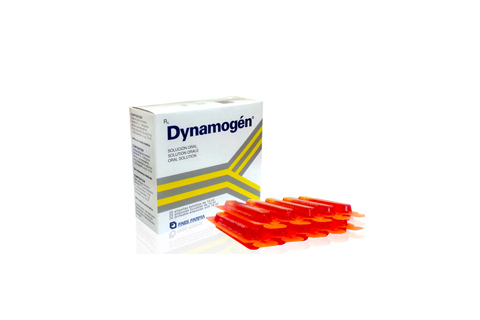
DYNAMOGEN
ARGININE ASPARTATE GLUTODINE (CYPROHEPTADINE ALPHA KETO GLUTARATE
What it does
Alpha is a medication used to treat various health conditions. It is important to follow your healthcare provider's guidance when using this medication.
Commonly used for: high blood pressure (hypertension), anxiety disorders, certain types of pain
Read more in plain English ↓Plain-language summary for general understanding - not medical advice. Always follow your pharmacist/doctor.
Ask about this medicine
Answers come only from this medicine's registration record, BNF monograph and interaction data - not medical advice.
Hard to find? We help patients in Kenya source rare medicines. We don't sell or dispense medicines - licensed pharmacies do.
Source this medicineRegistration & product details
Source: Pharmacy and Poisons Board · fetched 2026-01-28 21:07:25 · updated 2026-07-26 13:49:48
About alpha
Alpha is a medication used to treat various health conditions. It is important to follow your healthcare provider's guidance when using this medication.
What it treats
- high blood pressure (hypertension)
- anxiety disorders
- certain types of pain
How it works
Alpha works by affecting certain chemicals in the brain that help regulate mood and pain perception.
Who it's for
Alpha is prescribed for adults and may also be used in children under the supervision of a healthcare provider.
AI-assisted summary grounded in BNF data - general information only, not medical advice. Always confirm with your pharmacist or doctor.
About arginine
Arginine is an amino acid that helps with various bodily functions, including blood flow and immune support.
What it treats
- heart disease
- erectile dysfunction
- high blood pressure (hypertension)
- sickle cell disease
How it works
Arginine helps produce nitric oxide, which widens blood vessels and improves blood flow.
Who it's for
Arginine is for adults who may need support for heart health, blood circulation, or sexual function.
AI-assisted summary grounded in BNF data - general information only, not medical advice. Always confirm with your pharmacist or doctor.
About aspartate
Aspartate is used to support various bodily functions and may be included in treatments for certain conditions.
What it treats
- supporting metabolism
- improving energy levels
How it works
Aspartate helps in the production of energy in the body by participating in metabolic processes.
Who it's for
Aspartate is generally for individuals needing support in energy production and metabolic health.
AI-assisted summary grounded in BNF data - general information only, not medical advice. Always confirm with your pharmacist or doctor.
About glutarate
Glutarate is a substance used in certain medical treatments.
What it treats
- metabolic disorders
- certain genetic conditions
How it works
Glutarate helps to manage specific metabolic processes in the body.
Who it's for
This treatment is for individuals with specific metabolic or genetic disorders.
AI-assisted summary grounded in BNF data - general information only, not medical advice. Always confirm with your pharmacist or doctor.
About glutodine
Glutodine is a medication used in the treatment of certain health conditions.
What it treats
- diabetes
- type 2 diabetes mellitus
How it works
Glutodine helps to lower blood sugar levels by improving how the body responds to insulin.
Who it's for
This medication is for adults with type 2 diabetes who need help managing their blood sugar.
AI-assisted summary grounded in BNF data - general information only, not medical advice. Always confirm with your pharmacist or doctor.
About keto
Keto is a type of medication that may be used for various health conditions.
What it treats
- weight loss
- epilepsy
- metabolic disorders
How it works
Keto helps the body use fat instead of carbohydrates for energy, which can lead to weight loss and other health benefits.
Who it's for
This medication is for individuals looking to manage their weight or those with specific medical conditions like epilepsy.
AI-assisted summary grounded in BNF data - general information only, not medical advice. Always confirm with your pharmacist or doctor.
Clinical monograph: Arginine
BNF-referencedArginine is an amino acid used primarily as a dietary supplement in the management of urea cycle disorders, particularly in cases of hyperammonaemia due to various enzymatic deficiencies.
Indications
- Urea cycle disorders
- Hyperammonaemia types I and II
- Citrullinaemia
- Arginosuccinic aciduria
- Deficiency of N-acetyl glutamate synthetase
- Acute hyperammonaemia in carbamylphosphate synthetase deficiency
- Acute hyperammonaemia in ornithine transcarbamylase deficiency
Dosage
Children: Neonate: 100–300 mg/kg daily in 3–4 divided doses; Child (body-weight up to 40 kg): 6 mg/kg/hour; Child (body-weight 40 kg and above): 4 mg/kg/hour.
Adults: Refer to BNF for specific dosing based on condition; typically administered as 5–50 mg/kg twice daily, adjusted according to plasma ammonia concentration.
Mechanism of action
Arginine serves as a substrate for the synthesis of nitric oxide (NO), a crucial signaling molecule, and contributes to the urea cycle, facilitating the detoxification of ammonia in the liver.
Pharmacodynamics
As a precursor for nitric oxide, arginine plays a vital role in vasodilation and modulating blood flow. It also aids in protein synthesis and supports metabolic processes in the body.
Pharmacokinetics
Arginine is absorbed from the gastrointestinal tract and is distributed throughout the body. It undergoes hepatic metabolism, primarily via the urea cycle, and its half-life is influenced by renal function.
Pregnancy
Use only if clearly needed; consult specialist.
Breast-feeding
Use with caution; benefits should outweigh risks.
Storage
Store in a cool, dry place away from direct sunlight.
Formulations
- L-Arginine 500 mg tablets
- L-Arginine 1 gram tablets
- L-Arginine powder for solution
- L-Arginine 500 mg capsules
- L-Arginine 21% concentrate for solution for infusion
AI-synthesized from BNF references - general information only, not a substitute for professional medical advice or the current BNF. Verify doses with a pharmacist.
Clinical monograph: alpha
BNF-referencedAlpha is a medication classified as an alpha-adrenergic antagonist. It is primarily used to treat conditions related to hypertension and other disorders involving the adrenergic system. It works by blocking alpha-adrenergic receptors, which leads to vasodilation and a subsequent reduction in blood pressure. Its pharmacological effects can also be utilized in managing symptoms of conditions such as benign prostatic hyperplasia.
Indications
- Hypertension
- Benign prostatic hyperplasia
- Urinary retention related to prostate enlargement
Dosage
Children: Refer to the BNF for Children for appropriate dosing guidelines in the paediatric population.
Adults: Refer to the BNF for specific dosing recommendations based on individual clinical scenarios.
Mechanism of action
Alpha acts by selectively blocking alpha-1 adrenergic receptors, which are responsible for mediating vasoconstriction in blood vessels. By inhibiting these receptors, alpha promotes vasodilation, leading to a decrease in peripheral vascular resistance and subsequently lowering blood pressure. Additionally, this action can help alleviate urinary symptoms associated with an enlarged prostate.
Pharmacodynamics
The pharmacodynamics of alpha involve its competitive antagonism at alpha-1 adrenergic receptors, resulting in decreased vasoconstriction and increased blood flow. This mechanism is beneficial in conditions characterized by high blood pressure and urinary retention due to prostatic enlargement. The onset of action typically occurs within hours, with peak effects observed within a few days of consistent dosing.
Pharmacokinetics
Alpha is absorbed well from the gastrointestinal tract, with peak plasma concentrations achieved within 1-3 hours post-administration. The drug undergoes hepatic metabolism, primarily via cytochrome P450 enzymes, resulting in active and inactive metabolites. The elimination half-life varies, but it generally is around 6-12 hours, allowing for once-daily dosing in many cases. Renal excretion is a significant route for its metabolites, necessitating caution in patients with renal impairment.
Interactions
- maois, irreversible + alpha blockers: Severe (increases effects)
- ribociclib + alpha blockers: Severe (increases exposure)
- cobicistat + alpha blockers: Moderate (increases exposure)
- idelalisib + alpha blockers: Moderate (increases exposure)
- dronedarone + alpha blockers: Unknown (increases exposure)
- antifungals, azoles + alpha blockers: Unknown (increases exposure)
- crizotinib + alpha blockers: Unknown (increases exposure)
- imatinib + alpha blockers: Unknown (increases exposure)
- letermovir + alpha blockers: Unknown (increases exposure)
- clarithromycin + alpha blockers: Unknown (increases exposure)
AI-synthesized from BNF references - general information only, not a substitute for professional medical advice or the current BNF. Verify doses with a pharmacist.
Clinical monograph: aspartate
BNF-referencedAspartate, specifically L-aspartate, is a non-essential amino acid that plays a critical role in various metabolic processes in the body. It is synthesized from oxaloacetate through transamination and is involved in the synthesis of proteins, nucleic acids, and other biomolecules. Its ergogenic claims suggest potential benefits in enhancing exercise performance and recovery, although these effects require further validation.
Indications
- Supplemental support for exercise performance
- Potential aid in reducing fatigue during physical exertion
Dosage
Children: Refer to the BNF for Children for specific paediatric dosing information.
Adults: Refer to the BNF for specific dosing recommendations.
Mechanism of action
L-aspartate is hypothesized to enhance performance in prolonged and short intensive exercise by sparing muscle glycogen stores and promoting glycogen resynthesis. It serves as a substrate for energy production in the Krebs cycle and stimulates the purine nucleotide cycle, thus potentially influencing energy metabolism during physical activity.
Pharmacodynamics
As a non-essential amino acid, L-aspartate is produced in sufficient quantities under normal physiological conditions. It is a precursor for protein synthesis and plays a role in various metabolic pathways, including those related to energy production and nucleotide synthesis. It is classified as a glycogenic amino acid, contributing to gluconeogenesis and energy metabolism.
Pharmacokinetics
L-aspartate is readily absorbed and utilized by the body, participating in several metabolic pathways, including the Krebs cycle and amino acid metabolism. The exact pharmacokinetic parameters such as half-life, peak plasma concentration, and elimination route are not well characterized in the literature.
AI-synthesized from BNF references - general information only, not a substitute for professional medical advice or the current BNF. Verify doses with a pharmacist.
Clinical monograph: glutarate
BNF-referencedGlutarate, with the molecular formula C5H8O4, is a dicarboxylic acid that plays a significant role in various metabolic pathways, including the metabolism of L-glutamate and lysine. It is involved in energy production through fatty acid beta-oxidation and is associated with certain metabolic disorders known as cerebral organic acidurias.
Indications
- Treatment of metabolic disorders
- Management of conditions related to glutaric aciduria
- Supportive therapy in cerebral organic acidurias
Dosage
Children: Refer to the BNF for Children for specific dosing guidance in pediatric patients.
Adults: Refer to the BNF for specific dosing information, as it varies based on the condition being treated.
Mechanism of action
Glutarate is primarily involved in metabolic pathways that facilitate the conversion of fatty acids and amino acids into energy. It acts as an intermediate in the L-glutamate and lysine metabolic pathways, contributing to the degradation of these compounds and their subsequent utilization in energy production.
Pharmacodynamics
As a dicarboxylic acid, glutarate may influence cellular metabolism by participating in the Krebs cycle and impacting the levels of various metabolites. Its accumulation can indicate metabolic dysfunctions, particularly in conditions affecting amino acid metabolism.
Pharmacokinetics
The pharmacokinetics of glutarate are not well-defined in the literature. However, it is assumed to be absorbed and metabolized in the liver, similar to other dicarboxylic acids. The elimination pathways and half-life remain to be fully elucidated.
Pregnancy
The safety of glutarate use during pregnancy has not been established. Caution is advised.
Breast-feeding
It is unclear whether glutarate is excreted in human milk. Caution is recommended.
Storage
Store in a cool, dry place, away from direct sunlight.
AI-synthesized from BNF references - general information only, not a substitute for professional medical advice or the current BNF. Verify doses with a pharmacist.
Clinical monograph: glutodine
BNF-referencedGlutodine is a pharmaceutical compound with the molecular formula C26H27NO5. It is used in the management of various conditions that require modulation of biochemical pathways, often related to neurological and psychological disorders. Its therapeutic effects arise from its action on neurotransmitter systems, contributing to its efficacy in treating certain mental health disorders.
Indications
- Major depressive disorder
- Generalized anxiety disorder
- Bipolar disorder
- Schizophrenia
- Cognitive impairment in neurodegenerative diseases
Dosage
Children: Refer to the BNF for Children for appropriate paediatric dosing guidelines, as these will depend on the child's age, weight, and specific condition.
Adults: Refer to the BNF for specific dosing information as it varies based on the condition being treated and patient response.
Mechanism of action
Glutodine acts primarily as a modulator of neurotransmitter systems, particularly by influencing glutamate and GABA (gamma-aminobutyric acid) pathways. It helps to enhance synaptic transmission and neuronal communication, contributing to improved cognitive functions and mood stabilization. The specific pathways involved include glutamatergic signaling, which plays a crucial role in learning and memory, as well as GABAergic signaling, which is important for anxiety regulation.
Pharmacodynamics
The pharmacodynamics of glutodine involve its interaction with glutamate receptors and GABA receptors, leading to a balanced modulation of excitatory and inhibitory neurotransmission. This balance is essential for maintaining mental health and cognitive functions. The onset of therapeutic effects may vary depending on the specific condition being treated, with some patients experiencing benefits within weeks of initiation.
Pharmacokinetics
Glutodine is absorbed following oral administration, with peak plasma concentrations typically occurring within 1 to 3 hours. It undergoes hepatic metabolism, with multiple pathways contributing to its biotransformation. The elimination half-life is variable, generally ranging from 4 to 8 hours, depending on individual patient factors. Excretion primarily occurs through renal pathways, with metabolites being eliminated in urine.
Pregnancy
There is insufficient data on the use of glutodine in pregnant women, hence its safety cannot be established.
Breast-feeding
It is not known if glutodine is excreted in human breast milk. Caution is advised when administering to nursing mothers.
Storage
Store in a cool, dry place, away from light. Keep out of reach of children.
Formulations
- {'formulation': 'Tablet', 'strength': '500 mg'}
- {'formulation': 'Injection', 'strength': '250 mg/5 mL'}
AI-synthesized from BNF references - general information only, not a substitute for professional medical advice or the current BNF. Verify doses with a pharmacist.
Clinical monograph: keto
BNF-referencedKetoconazole is an imidazole derivative and an antifungal agent primarily used to treat fungal infections. It is effective against a variety of fungal pathogens, including dermatophytes and yeasts. Ketoconazole works by inhibiting the synthesis of ergosterol, a vital component of fungal cell membranes, thereby disrupting cell membrane integrity and function. It is also used in the treatment of conditions like Cushing's syndrome due to its ability to inhibit steroid synthesis.
Indications
- Fungal infections (e.g., dermatophytosis, candidiasis)
- Cushing's syndrome
- Seborrheic dermatitis
- Tinea infections
- Histoplasmosis
Dosage
Children: Refer to the BNF for Children for appropriate dosing guidelines.
Adults: The usual adult dose of ketoconazole for fungal infections is 200 to 400 mg taken orally once daily with food. For Cushing's syndrome, the starting dose may be 400 mg daily, adjusted based on clinical response and tolerability.
Mechanism of action
Ketoconazole exerts its antifungal activity through the inhibition of the cytochrome P450 enzyme 14-alpha-demethylase, which is essential for the conversion of lanosterol to ergosterol. This inhibition leads to a decrease in ergosterol levels, compromising the integrity of the fungal cell membrane and ultimately resulting in cell death.
Pharmacodynamics
Ketoconazole displays fungicidal or fungistatic properties depending on the concentration achieved at the site of infection. Its ability to alter cell membrane permeability and disrupt essential metabolic pathways contributes to its effectiveness against a wide range of fungal species. Ketoconazole also has anti-androgenic effects, which are exploited in certain endocrine disorders.
Pharmacokinetics
Ketoconazole is well absorbed from the gastrointestinal tract; however, its absorption can be affected by gastric pH. It is extensively metabolized in the liver by cytochrome P450 enzymes and has a half-life of approximately 2 to 8 hours. Its elimination occurs primarily through the feces, with a small percentage excreted in urine. Due to its high protein binding capacity, it may interact with other medications that are similarly protein-bound.
Interactions
- phenobarbital+ketoconazole: Severe (decreases concentration)
- primidone+ketoconazole: Severe (decreases concentration)
- ketoconazole+rifamycins: Severe (increases concentration)
- ketoconazole+rifabutin: Severe (increases concentration)
- nevirapine+ketoconazole: Severe (decreases exposure)
- rifampicin+ketoconazole: Severe (decreases exposure)
- ketoconazole+anti-androgens: Moderate (increases exposure)
- ketoconazole+darolutamide: Moderate (increases exposure)
- ketoconazole+coumarins: Moderate (increases anticoagulant effect)
- ketoconazole+warfarin: Moderate (increases anticoagulant effect)
Pregnancy
Consult relevant guidelines for safety in pregnancy, as data may be limited.
Breast-feeding
Consult relevant guidelines for safety in breastfeeding, as data may be limited.
Storage
Store in a cool, dry place away from light.
AI-synthesized from BNF references - general information only, not a substitute for professional medical advice or the current BNF. Verify doses with a pharmacist.
Molecular reference: Arginine
PubChem CID 6322Molecular formula: C6H14N4O2
Mechanism of action
Many of supplemental L-arginine's activities, including its possible anti-atherogenic actions, may be accounted for by its role as the precursor to nitric oxide or NO. NO is produced by all tissues of the body and plays very important roles in the cardiovascular system, immune system and nervous system. NO is formed from L-arginine via the enzyme nitric oxide synthase or synthetase (NOS), and the effects of NO are mainly mediated by 3,'5' -cyclic guanylate or cyclic GMP. NO activates the enzyme guanylate cyclase, which catalyzes the synthesis of cyclic GMP from guanosine triphosphate or GTP. Cyclic GMP is converted to guanylic acid via the enzyme cyclic GMP phosphodiesterase. NOS is a heme-containing enzyme with some sequences similar to cytochrome P-450 reductase. Several isoforms of NOS exist, two of which are constitutive and one of which is inducible by immunological stimuli. The constitutive NOS found in the vascular endothelium is designated eNOS and that present in the brain, spinal cord and peripheral nervous system is designated nNOS. The form of NOS induced by immunological or inflammatory stimuli is known as iNOS. iNOS may be expressed constitutively in select tissues such as lung epithelium. All the nitric oxide synthases use NADPH (reduced nicotinamide adenine dinucleotide phosphate) and oxygen (O2) as cosubstrates, as well as the cofactors FAD (flavin adenine dinucleotide), FMN (flavin mononucleotide), tetrahydrobiopterin and heme. Interestingly, ascorbic acid appears to enhance NOS activity by increasing intracellular tetrahydrobiopterin. eNOS and nNOS synthesize NO in response to an increased concentration of calcium ions or in some cases in response to calcium-independent stimuli, such as shear stress. In vitro studies of NOS indicate that the Km of the enzyme for L-arginine is in the micromolar range. The concentration of L-arginine in endothelial cells, as well as in other cells, and in plasma is in the millimolar range. What this means is that, under physiological conditions, NOS is saturated with its L-arginine substrate. In other words, L-arginine would not be expected to be rate-limiting for the enzyme, and it would not appear that supraphysiological levels of L-arginine which could occur with oral supplementation of the amino acid^would make any difference with regard to NO production. The reaction would appear to have reached its maximum level. However, in vivo studies have demonstrated that, under certain conditions, e.g. hypercholesterolemia, supplemental L-arginine could enhance endothelial-dependent vasodilation and NO production.
Pharmacodynamics
Studies have shown that is has improved immune responses to bacteria, viruses and tumor cells; promotes wound healing and regeneration of the liver; causes the release of growth hormones; considered crucial for optimal muscle growth and tissue repair.
Biological pathways
Source: PubChem (NCBI) · pathways from PathBank, Reactome, WikiPathways & PharmGKB.
Molecular reference: alpha
PubChem CID 14647596Molecular formula: C10H13NO2
Source: PubChem (NCBI) · pathways from PathBank, Reactome, WikiPathways & PharmGKB.
Molecular reference: aspartate
PubChem CID 5960Molecular formula: C4H7NO4
Mechanism of action
There are also claims that L-aspartate has ergogenic effects, that it enhances performance in both prolonged exercise and short intensive exercise. It is hypothesized that L-aspartate, especially the potassium magnesium aspartate salt, spares stores of muscle glycogen and/or promotes a faster rate of glycogen resynthesis during exercise. It has also been hypothesized that L-aspartate can enhance short intensive exercise by serving as a substrate for energy production in the Krebs cycle and for stimulating the purine nucleotide cycle.
Pharmacodynamics
L-aspartate is considered a non-essential amino acid, meaning that, under normal physiological conditions, sufficient amounts of the amino acid are synthesized in the body to meet the body's requirements. L-aspartate is formed by the transamination of the Krebs cycle intermediate oxaloacetate. The amino acid serves as a precursor for synthesis of proteins, oligopeptides, purines, pyrimidines, nucleic acids and L-arginine. L-aspartate is a glycogenic amino acid, and it can also promote energy production via its metabolism in the Krebs cycle. These latter activities were the rationale for the claim that supplemental aspartate has an anti-fatigue effect on skeletal muscle, a claim that was never confirmed.
Biological pathways
Source: PubChem (NCBI) · pathways from PathBank, Reactome, WikiPathways & PharmGKB.
Molecular reference: glutarate
PubChem CID 743Molecular formula: C5H8O4
Biological pathways
Source: PubChem (NCBI) · pathways from PathBank, Reactome, WikiPathways & PharmGKB.
Molecular reference: glutodine
PubChem CID 91617999Molecular formula: C26H27NO5
Source: PubChem (NCBI) · pathways from PathBank, Reactome, WikiPathways & PharmGKB.
Molecular reference: keto
PubChem CID 11198839Molecular formula: C16H16N2O7
Source: PubChem (NCBI) · pathways from PathBank, Reactome, WikiPathways & PharmGKB.
This drug in other countries
The same active ingredient registered across other registries we cover - including different brands.
- AMINOGLOBIN SYRUP (Each 5ml contains L-lysine hydrochloride/L-valine/L-phenylalanine/L-threonine/Vitamin A/Vitamin D3/Alpha tocopherol acetate/Thiamine hydrochloride/Vitamin B2/Nicotinamide/Calcium pantothenate/Folic acid/Vitamin B12/Elemental Iron/Elemental Zinc 25mg/6.7mg/5mg/4.2mg/2500iu/400iu/7.5iu/5mg/3mg/1.5mg/25mg/5mg/750mcg/2.5mcg/7mg/5mg) · Meyer Organics
- ARGESUN INJECTION (Each co-pack contains Artesunate/ Arginine/ Sodium bicarbonate-60mg/ 20mg/ml/ 8.4mg/ml Artesunate/ Arginine/ Sodium bicarbonate 60mg/ 20mg/ml/ 8.4mg/ml) · Shanghai Fosun Pharmaceutical
- BAODING AMINOVIT FORTE LIQUID (Each 1L contains Vitamin A 15,000,000iu/ Vitamin D3 2,500,000iu/ Vitamin E 6,000iu/ Vitamin K3 1.0g/ Pantothenic acid B5 2.8g/ Thiamine B1 2.0g/ Riboflavin B2 1.5g/ Pyridoxine B6 1.5g/ Vitamin B12 2.5mg/ Nicotinamide B3 6.5g/ Choline chloride 100g/ Methionine 120g/ Lysine 50g/ Vitamin C 10g/ Threonine 8g/ Serine 0.42g/ Glycine 0.7g/ Valine 0.5g/ Isoleucine 0.36g/ Leucine 0.5g/ Tyrosine 0.25g/ Histidine 0.2g/ Arginine 0.8g/ Phenylalanine 0.72g/ Tryptophan 0.2g) · Osamed Green Solution
- BEFIT-CD TABLETS · Corona Remedies
- CACHNERVE SOFTGEL CAPSULES CAPSULES · Makin Laboratories
- COVERAM 10MG/10MG TABLETS · Servier
- BI-PRETERAX 10/2.5MG · Servier
- COVERAM 10MG-10MG · Servier
- COVERAM 10MG-5MG · Servier
- COVERAM 5MG-10MG · Servier
- COVERAM 5MG-5MG · Servier
- COVERSYL · Servier