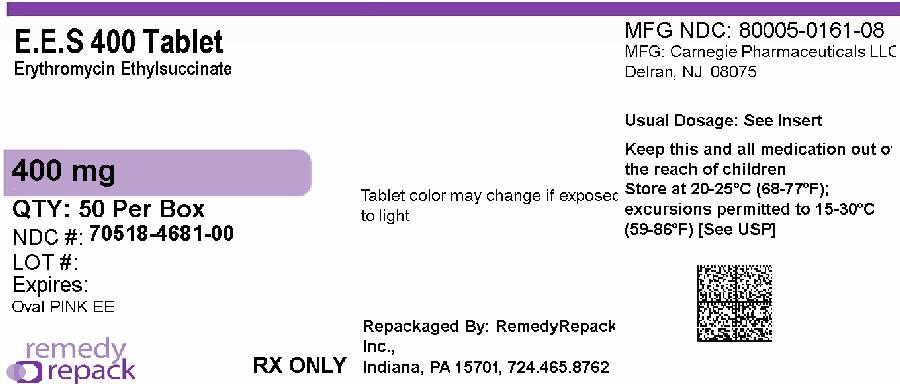
(erythromycin · DailyMed)
Erythromin
Colloidal Anhydrous Silica(Aerosil) mg,Erythromycin Estolate mg,Erythromycin Stearate equivalent to Erythromycin 250 mg,Magnesium Stearate mg,Microcrystalline Cellulose (Avicel PH 101) mg,Polysorbate 80 (Tween 80) mg,Sodium Starch Glycolate mg,Tabcoat Pink (TC-6047) mg
What it does
Cellulose is a type of fiber that helps with digestion and promotes bowel health.
Commonly used for: constipation, irregular bowel movements
Read more in plain English ↓Plain-language summary for general understanding - not medical advice. Always follow your pharmacist/doctor.
Ask about this medicine
Answers come only from this medicine's registration record, BNF monograph and interaction data - not medical advice.
Medicine sourcing is available in Kenya only. We don't sell or dispense medicines - licensed pharmacies do.
Sourcing - Kenya onlyRegistration & product details
Source: Tanzania Medicines and Medical Devices Authority · fetched 2026-03-11 23:51:09 · updated 2026-10-19 03:00:45
Drug Interactions
151Pharmacodynamic Warnings
Erythromycin appears in TABLE 9: Drugs that prolong the QT interval
Severe (14)
Antipsychotics, Second Generation - increases exposure
Erythromycin is predicted to increase the exposure to antipsychotics, second generation (cariprazine). Avoid.
Cariprazine - increases exposure
Erythromycin is predicted to increase the exposure to antipsychotics, second generation (cariprazine). Avoid.
Eletriptan - increases exposure
Erythromycin moderately increases the exposure to triptans (eletriptan). Avoid.
Ergometrine - increases risk of ergotism
Macrolides (clarithromycin) are predicted to increase the risk of ergotism when given with ergometrine. Avoid.
Ergotamine - increases risk of ergotism
Macrolides (clarithromycin) are predicted to increase the risk of ergotism when given with ergotamine. Avoid.
Moderate (38)
Alfentanil - increases exposure
Erythromycinispredictedtoincreasetheexposuretoopioids (alfentanil,buprenorphine,fentanyl,oxycodone).Monitorand adjustdose.oStudy com/codemedicalapps/ cal Applications)
Amlodipine - increases exposure
Erythromycin is predicted to increase the exposure to calcium channel blockers (amlodipine, felodipine, lacidipine, lercanidipine, nicardipine, nifedipine, nimodipine). Monitor and adjust dose.
Antiarrhythmics - increases exposure
Erythromycin is predicted to increase the exposure to antiarrhythmics (propafenone). Monitor and adjust dose.
Antiepileptics - increases concentration
Erythromycin markedly increases the concentration of antiepileptics (carbamazepine). Monitor concentration and adjust dose.
Atorvastatin - increases exposure
Erythromycins slightly increases the exposure to statins (atorvastatin). Monitor and adjust dose.
Unknown (99)
Abemaciclib - increases exposure
Erythromycin is predicted to increase the exposure to abemaciclib.
Acalabrutinib - increases exposure
Erythromycin is predicted to increase the exposure to acalabrutinib. Avoid or monitor.
Afatinib - increases exposure
Macrolides are predicted to increase the exposure to afatinib.
Alphablockers - increases exposure
Erythromycin is predicted to increase the exposure to alpha blockers (tamsulosin).
Alprazolam - increases exposure
Erythromycin is predicted to increase the exposure to benzodiazepines (alprazolam).
Data from BNF 85 (British National Formulary). This is not a substitute for professional medical advice. Matched via: exact
About cellulose
Cellulose is a type of fiber that helps with digestion and promotes bowel health.
What it treats
- constipation
- irregular bowel movements
How it works
Cellulose adds bulk to the stool, making it easier to pass through the intestines.
Who it's for
Suitable for people looking to improve their digestive health.
AI-assisted summary grounded in BNF data - general information only, not medical advice. Always confirm with your pharmacist or doctor.
About colloidal
Colloidal solutions are often used in various medical treatments and can help improve the delivery of certain medications.
What it treats
- supporting hydration
- helping with nutrient absorption
- improving medication effectiveness
How it works
Colloidal solutions contain small particles that can help carry and deliver substances in the body more effectively.
Who it's for
Adults and children who need assistance with hydration or nutrient delivery.
AI-assisted summary grounded in BNF data - general information only, not medical advice. Always confirm with your pharmacist or doctor.
About erythromycin
Erythromycin is an antibiotic used to treat various bacterial infections.
What it treats
- bacterial infections
- bronchitis
- pneumonia
- skin infections
- ear infections
How it works
It works by stopping the growth of bacteria, helping the body to fight off infections.
Who it's for
It is suitable for adults and children who have certain bacterial infections.
Drug class
Macrolides
Cautions
- • Be careful if you are taking other medications that can affect heart rhythm.
AI-assisted summary grounded in BNF data - general information only, not medical advice. Always confirm with your pharmacist or doctor.
About estolate
Estolate is a type of medication used to treat certain conditions, primarily related to infections and inflammation.
What it treats
- treating infections
- reducing inflammation
How it works
Estolate helps fight infections and reduce inflammation in the body, promoting healing.
Who it's for
This medication is generally for people needing treatment for infections or inflammation.
AI-assisted summary grounded in BNF data - general information only, not medical advice. Always confirm with your pharmacist or doctor.
About glycolate
Glycolate is a compound that may be used in various medical treatments.
How it works
Glycolate works by interacting with certain bodily processes, though specific details are not available.
Who it's for
Glycolate may be suitable for individuals needing treatment related to certain health conditions, but specific indications are not provided.
AI-assisted summary grounded in BNF data - general information only, not medical advice. Always confirm with your pharmacist or doctor.
About microcrystalline
Microcrystalline is a type of substance often used in medicines to help with various health issues. It is commonly used as a filler or binder in tablets and capsules.
What it treats
- stomach issues
- constipation
- weight management
How it works
It helps to improve the texture of medicines and can assist in the absorption of other ingredients in the body.
Who it's for
Adults and children who need help with specific health conditions, as directed by a healthcare professional.
AI-assisted summary grounded in BNF data - general information only, not medical advice. Always confirm with your pharmacist or doctor.
About pink
Pink is used to treat various conditions but specific information is not provided.
How it works
The specific mechanism of action for Pink is not detailed.
Who it's for
Pink may be prescribed for individuals with specific health needs, but details are not available.
AI-assisted summary grounded in BNF data - general information only, not medical advice. Always confirm with your pharmacist or doctor.
About polysorbate
Polysorbate is a substance often used as an emulsifier, helping to mix ingredients that usually don't blend well together in medications and food products.
What it treats
- used in various medications and food products to stabilize mixtures
How it works
It helps to keep ingredients mixed evenly, preventing separation and improving texture.
Who it's for
Suitable for individuals who need products containing polysorbate for various health or dietary reasons.
AI-assisted summary grounded in BNF data - general information only, not medical advice. Always confirm with your pharmacist or doctor.
About silica
Silica is a natural substance that can be found in various forms and is often used to help with digestion and absorb excess moisture.
What it treats
- digestive issues
- absorption of moisture
How it works
Silica helps improve digestion by supporting the body's ability to break down food and absorb nutrients.
Who it's for
Silica may be suitable for adults experiencing digestive discomfort or needing help with moisture control.
AI-assisted summary grounded in BNF data - general information only, not medical advice. Always confirm with your pharmacist or doctor.
About starch
Starch is a carbohydrate that serves as a source of energy and is often used in various food products.
What it treats
- energy source
- dietary supplement
How it works
Starch is broken down by the body into glucose, which provides energy for daily activities.
Who it's for
Starch can be used by anyone needing extra energy in their diet, particularly those with increased energy needs.
AI-assisted summary grounded in BNF data - general information only, not medical advice. Always confirm with your pharmacist or doctor.
About tabcoat
Tabcoat is a medication used for various health conditions related to the digestive system.
What it treats
- stomach ulcers
- gastroesophageal reflux disease (GERD)
- heartburn
- indigestion
How it works
Tabcoat helps to protect the stomach lining and reduce acidity, making it easier for the stomach to heal.
Who it's for
This medicine is suitable for adults and children who need relief from digestive issues.
AI-assisted summary grounded in BNF data - general information only, not medical advice. Always confirm with your pharmacist or doctor.
Clinical monograph: Erythromycin
BNF-referencedErythromycin is a macrolide antibiotic effective against a range of bacterial infections. It works primarily by inhibiting protein synthesis in susceptible bacteria, making it a valuable choice for patients with penicillin hypersensitivity. Erythromycin is commonly used in treating respiratory tract infections, skin infections, and various other bacterial infections, including those caused by organisms like Propionibacterium acnes.
Indications
- Bacterial infections
- Acute otitis media
- Community-acquired pneumonia
- Skin and soft tissue infections
- Campylobacter enteritis
- Pertussis
- Syphilis (early stage)
- Chlamydia infections
- Impetigo
- Secondary bacterial infection of eczema
Dosage
Children: Child 1–23 months: 125 mg 4 times a day. Child 2–7 years: 250 mg 4 times a
Adults: 500 mg 4 times a day for 5 days, or alternatively 250–500 mg 4 times a day for 5–7 days.
Mechanism of action
Erythromycin exerts its antibacterial effect by binding to the 23S ribosomal RNA in the 50S subunit of bacterial ribosomes. This binding inhibits the transpeptidation and translocation steps of protein synthesis, effectively halting bacterial growth. The drug has a strong affinity for bacterial ribosomes, which contributes to its broad-spectrum activity against various pathogens.
Pharmacodynamics
Erythromycin acts as a bacteriostatic agent, preventing bacterial growth by inhibiting protein synthesis. It is effective against many strains of bacteria, although susceptibility testing is recommended due to increasing resistance. Notably, erythromycin does not impact nucleic acid synthesis and may lead to complications such as pseudomembranous colitis or hepatotoxicity in some patients.
Pharmacokinetics
Erythromycin is well-absorbed from the gastrointestinal tract, with bioavailability affected by food. It is widely distributed in body tissues, with higher concentrations in the lungs and liver. The drug undergoes hepatic metabolism and is primarily excreted in bile, with a small amount eliminated through urine. Erythromycin's half-life varies but generally ranges from 1.5 to 2 hours.
Contra-indications
- Hypersensitivity to erythromycin or any component of the formulation
- History of cholestatic jaundice or hepatic dysfunction associated with prior use of erythromycin
Adverse effects
- Gastrointestinal disturbances (nausea, vomiting, diarrhea)
- Cholestatic jaundice
- Hepatotoxicity
- Skin rashes
- QT interval prolongation
- Tinnitus
- Hearing loss (reversible)
- Pseudomembranous colitis
Interactions
- Erythromycin may significantly increase the exposure to certain drugs such as antipsychotics, simvastatin, and triptans due to its effect on cytochrome P450 enzymes
- Caution with concurrent use of drugs that prolong the QT interval
- Moderate interaction with aminophylline (decreases exposure)
Precautions
- Use with caution in patients with hepatic impairment or pre-existing liver disease
- Monitor for signs of pseudomembranous colitis in patients with diarrhea following antibiotic use
- Assess for potential drug interactions due to the impact on CYP450 metabolism
Pregnancy
Erythromycin crosses the placenta. It is generally considered safe for use during pregnancy, particularly for treating infections when no alternatives are available, but should be used with caution.
Breast-feeding
Erythromycin is excreted in breast milk. While generally considered safe, the infant should be monitored for potential side effects. Consult healthcare providers for specific recommendations.
Storage
Store in a cool, dry place away from direct sunlight. Keep out of reach of children. Check specific product information for any temperature requirements.
Formulations
- Oral suspension (125 mg/5 ml)
- Tablets (250 mg and 500 mg)
- Injectable solution (various strengths for intravenous administration)
AI-synthesized from BNF references - general information only, not a substitute for professional medical advice or the current BNF. Verify doses with a pharmacist.
Clinical monograph: cellulose
Cellulose is a complex carbohydrate and a key structural component of the plant cell wall. It is an indigestible polysaccharide made up of linear chains of glucose molecules linked by β-1,4-glycosidic bonds. As a dietary fiber, cellulose contributes to digestive health by promoting bowel regularity and is commonly used as a laxative and bulking agent in various food products and pharmaceuticals.
Indications
- Constipation
- Dietary fiber supplementation
- Irritable bowel syndrome
- Diverticular disease
- Weight management
Dosage
Children: Refer to appropriate guidelines for specific dosage; generally taken with adequate fluid intake.
Adults: Refer to appropriate guidelines for specific dosage; generally taken with adequate fluid intake.
Mechanism of action
Cellulose acts primarily as a bulk-forming laxative. It absorbs water in the intestines, which increases stool bulk and stimulates peristalsis, thus facilitating bowel movements. Additionally, cellulose is not digestible by human enzymes, leading to fermentation by gut bacteria, which may enhance gut health and alter gut microbiota composition.
Pharmacodynamics
Cellulose increases stool weight and frequency of bowel movements. It works by retaining water in the intestines, leading to softer stools and improved passage through the gastrointestinal tract. The bulking effect of cellulose can help alleviate constipation and promote overall digestive health. It may also play a role in cholesterol reduction and glycemic control through its effects on digestion and absorption of nutrients.
Pharmacokinetics
Cellulose is not absorbed into the bloodstream due to its indigestible nature. Instead, it passes through the gastrointestinal tract, where it adds bulk to the stool. Its fermentation by colonic bacteria produces short-chain fatty acids, which may have beneficial effects on colon health. The onset of action for cellulose as a laxative can vary but is generally within 24 to 72 hours after ingestion.
Adverse effects
- Bloating
- Flatulence
- Diarrhea
- Abdominal discomfort
Precautions
- Use with caution in patients with a history of gastrointestinal disorders.
- Monitor for potential allergic reactions in sensitive individuals.
Pregnancy
Cellulose is generally considered safe during pregnancy as it is a non-toxic, indigestible fiber.
Breast-feeding
Cellulose is also considered safe during breastfeeding; it is excreted in breast milk in negligible amounts.
Storage
Store in a cool, dry place away from direct sunlight.
Formulations
- Powder
- Capsules
- Tablets
- Granules
AI-synthesized from BNF references - general information only, not a substitute for professional medical advice or the current BNF. Verify doses with a pharmacist.
Clinical monograph: colloidal
Colloidal solutions are mixtures in which small particles are dispersed throughout a continuous medium. They can be used in various medical applications, including as intravenous fluids for volume expansion and as drug delivery systems. Colloidal solutions can improve the solubility and stability of drugs, enhancing their therapeutic effects.
Indications
- Hypovolemic shock
- Severe burns
- Postoperative fluid replacement
- Sepsis
- Trauma management
Dosage
Children: Refer to established guidelines for specific dosing, as it varies based on the type of colloidal solution used and the clinical condition being treated.
Adults: Refer to established guidelines for specific dosing, as it varies based on the type of colloidal solution used and the clinical condition being treated.
Mechanism of action
Colloidal solutions work by maintaining oncotic pressure in the blood, thus helping to retain fluid within the vascular system. This is primarily due to the large molecular weight of the colloidal particles, which cannot easily pass through capillary walls. The presence of colloids in the blood helps to draw water into the circulation, increasing blood volume and improving tissue perfusion.
Pharmacodynamics
The pharmacodynamics of colloidal solutions are centered on their ability to exert osmotic pressure, which helps maintain blood volume and pressure. This effect is particularly important in conditions such as hypovolemia and shock, where fluid replacement is necessary to restore hemodynamic stability. The efficacy of colloidal solutions can vary depending on the type of colloid used, as well as the underlying clinical condition being treated.
Pharmacokinetics
Colloidal solutions are typically administered intravenously and their pharmacokinetics can vary based on the specific formulation. Generally, colloids are distributed throughout the vascular compartment and have a longer duration of action compared to crystalloids, as they remain in circulation longer. The elimination of colloids is primarily through the reticuloendothelial system, where they are metabolized or eliminated by the liver and spleen. Factors such as particle size and composition can influence their distribution and clearance.
Adverse effects
- Allergic reactions
- Injection site reactions
- Nausea
- Vomiting
- Headache
- Fever
Precautions
- Use with caution in patients with known allergies to any component of the formulation
- Monitor for signs of hypersensitivity during administration
- Consider volume overload in patients with cardiac or renal impairment
Pregnancy
The safety of colloidal solutions during pregnancy has not been established. Use only if the potential benefit justifies the potential risk to the fetus.
Breast-feeding
It is not known whether colloidal solutions are excreted in human milk. Caution should be exercised when administering to breastfeeding mothers.
Storage
Store at room temperature, protect from light, and do not freeze. Keep out of reach of children.
Formulations
- Colloidal silver
- Colloidal gold
- Colloidal iron
- Other metal colloids
AI-synthesized from BNF references - general information only, not a substitute for professional medical advice or the current BNF. Verify doses with a pharmacist.
Clinical monograph: estolate
Estolate is a prodrug of penicillin, primarily used for its antibiotic properties. It belongs to the class of beta-lactam antibiotics and is effective against a range of bacterial infections. Estolate is often used in the treatment of respiratory tract infections, skin infections, and certain types of gastroenteritis caused by susceptible organisms. Its formulation is designed to enhance intestinal absorption and improve its bioavailability.
Indications
- Bacterial respiratory tract infections
- Skin and soft tissue infections
- Gastroenteritis caused by susceptible organisms
- Prevention of infections in surgical procedures
Dosage
Children: Refer to the BNF for Children for specific dosing guidelines based on the child's age and weight.
Adults: Refer to the BNF for specific dosing guidelines based on the type and severity of the infection.
Mechanism of action
Estolate exerts its antibacterial effect by inhibiting bacterial cell wall synthesis. It binds to penicillin-binding proteins (PBPs) located inside the bacterial cell wall, disrupting the transpeptidation process that is essential for cell wall integrity. This leads to cell lysis and death of the bacteria, making it effective against a broad spectrum of gram-positive and some gram-negative bacteria.
Pharmacodynamics
The pharmacodynamic profile of estolate reflects its bactericidal activity, which is time-dependent. The efficacy of estolate is generally related to the duration of time that the drug concentration remains above the minimum inhibitory concentration (MIC) for the target organism. Resistance can occur through the production of beta-lactamases, alteration of PBPs, or changes in membrane permeability.
Pharmacokinetics
Estolate is absorbed well in the gastrointestinal tract, with peak plasma concentrations occurring within one to two hours after oral administration. It is widely distributed throughout body tissues and fluids, including the lungs, liver, and urine. The drug is metabolized in the liver and eliminated primarily through the kidneys. The half-life of estolate varies but is typically around one hour, necessitating multiple doses to maintain effective drug levels.
Contra-indications
- Hypersensitivity to estolate or any of its components
- Severe liver dysfunction
- Active peptic ulcer disease
- Porphyria
Adverse effects
- Gastrointestinal disturbances including nausea, vomiting, and diarrhea
- Abdominal pain
- Allergic reactions including rash and urticaria
- Hepatotoxicity
- Pancreatitis
- Dizziness or headache
Interactions
- Anticoagulants may have enhanced effects when used with estolate
- Concurrent use with other hepatotoxic drugs may increase the risk of liver damage
- Estolate may reduce the effectiveness of certain oral contraceptives
Precautions
- Monitor liver function tests during therapy
- Use with caution in patients with a history of liver disease
- Assess renal function before and during treatment
- Patients should be advised about the potential for gastrointestinal side effects
Pregnancy
Estolate should be used during pregnancy only if the potential benefit justifies the potential risk to the fetus. Consult specific guidelines for further information.
Breast-feeding
Estolate is excreted in breast milk; caution should be exercised when administering to nursing women.
Storage
Store at room temperature, away from moisture and heat. Keep out of reach of children.
Formulations
- Oral tablets
- Oral suspension
AI-synthesized from BNF references - general information only, not a substitute for professional medical advice or the current BNF. Verify doses with a pharmacist.
Clinical monograph: glycolate
BNF-referencedGlycolate is an intermediate in the metabolism of ethylene glycol, a compound that can cause toxicity when ingested. The toxicity arises primarily from its conversion to glycolic acid and other harmful metabolites. Glycolate and its relation to ethylene glycol's elimination kinetics have been studied, revealing important insights into their toxicokinetics in animal models.
Dosage
Children: Refer to specific clinical guidelines for dosing in children, as no standard paediatric dosage is specified in the provided resources.
Adults: Refer to specific clinical guidelines for dosing, as no standard adult dosage is specified in the provided resources.
Mechanism of action
Ethylene glycol toxicity results from its metabolism to glycolic acid and other toxic metabolites. Glycolate accumulates in the body and is eliminated more slowly than ethylene glycol itself. The renal excretion of both compounds plays a crucial role in their elimination, accounting for a significant portion of the administered dose.
Pharmacodynamics
The pharmacodynamics of glycolate are closely tied to its role as a metabolite of ethylene glycol. Its accumulation can lead to metabolic acidosis, although minimal clinical effects have been observed at low doses. The relationship between glycolate and ethylene glycol indicates that glycolate may contribute to the overall toxic effects of ethylene glycol ingestion.
Pharmacokinetics
The pharmacokinetics of glycolate indicate that it reaches peak plasma levels between 4-6 hours after the administration of ethylene glycol. The elimination half-life of ethylene glycol is approximately 1.7 hours in rats and 3.4 hours in dogs. Glycolate is predominantly eliminated through renal excretion, with about 5% of the dose being excreted unchanged.
Pregnancy
There is limited data on the safety of glycolate in pregnancy. Caution is advised.
Breast-feeding
Data on the excretion of glycolate in human milk is not available. Caution is advised.
Storage
Store at room temperature, away from light and moisture.
AI-synthesized from BNF references - general information only, not a substitute for professional medical advice or the current BNF. Verify doses with a pharmacist.
Clinical monograph: microcrystalline
Microcrystalline cellulose is a refined wood pulp, commonly used as an excipient in pharmaceutical formulations. It serves as a bulking agent and stabilizer in tablets and capsules, improving the physical properties of the drug formulation. It is characterized by its ability to absorb moisture and provide a suitable texture for various dosage forms.
Indications
- Used as an excipient in tablet formulations
- Used as a bulking agent in capsule formulations
- Used in food products as a thickener or stabilizer
Dosage
Children: Refer to specific product guidelines as dosage will depend on the formulation and the active ingredients.
Adults: Refer to specific product guidelines as dosage will depend on the formulation and the active ingredients.
Mechanism of action
Microcrystalline cellulose acts as a non-digestible filler that enhances the flow properties of powders during the manufacturing of tablets and capsules. It does not have a direct pharmacological action on the body but ensures that the active ingredients are effectively delivered to the patient.
Pharmacodynamics
As a non-active ingredient, microcrystalline cellulose does not exert pharmacodynamic effects typical of active pharmaceutical ingredients. Its primary role is to provide a stable and consistent matrix for the drug, facilitating the release of the active compound once ingested.
Pharmacokinetics
Microcrystalline cellulose is not absorbed in the gastrointestinal tract; it passes through the digestive system largely unchanged. It adds bulk to the stool, which may aid in promoting regular bowel movements. The substance is excreted in feces, where it contributes to dietary fiber intake.
Pregnancy
Data regarding the use of microcrystalline cellulose during pregnancy is limited. It is advisable to consult with healthcare professionals before use.
Breast-feeding
Microcrystalline cellulose is considered safe during breastfeeding, as it is not absorbed systemically.
Storage
Store in a cool, dry place away from direct sunlight and moisture.
AI-synthesized from BNF references - general information only, not a substitute for professional medical advice or the current BNF. Verify doses with a pharmacist.
Clinical monograph: pink
BNF-referencedPink is a chemical compound with the molecular formula C16H22Cl2N2O. It is used in various therapeutic applications, although specific indications are not provided in the BNF text. The compound's properties suggest it may have a role in treating conditions related to its pharmacological activity.
Mechanism of action
The exact mechanism of action for Pink is not detailed in the provided information. However, compounds with similar structures often function as antagonists or inhibitors at certain receptors or enzymes, which modulates physiological processes.
Pharmacodynamics
Pharmacodynamics details for Pink are not specified. Typically, the pharmacodynamics of similar compounds involve interactions with neurotransmitter systems, influencing both central and peripheral nervous system functions. This can lead to varying therapeutic effects depending on the target receptors.
Pharmacokinetics
The pharmacokinetics of Pink, including absorption, distribution, metabolism, and excretion, are not explicitly stated. However, compounds of this nature generally exhibit moderate to high oral bioavailability, with metabolism primarily occurring in the liver, followed by renal excretion of metabolites.
AI-synthesized from BNF references - general information only, not a substitute for professional medical advice or the current BNF. Verify doses with a pharmacist.
Clinical monograph: polysorbate
Polysorbate is a non-ionic surfactant and emulsifier used in various pharmaceutical formulations. It is derived from sorbitol and fatty acids and is known for its capacity to enhance the solubility of hydrophobic compounds in aqueous solutions. Polysorbate is commonly utilized in the preparation of oral, parenteral, and topical pharmaceutical products, as well as in food and cosmetic industries.
Indications
- Emulsifying agent in drug formulations
- Stabilizer for parenteral preparations
- Solubilizer for hydrophobic drug compounds
- Ingredient in topical formulations
Dosage
Children: Refer to specific product guidelines, as dosing varies based on formulation and intended use.
Adults: Refer to specific product guidelines, as dosing varies based on formulation and intended use.
Mechanism of action
Polysorbate functions primarily as an emulsifying agent. It reduces the surface tension between immiscible liquids, allowing them to mix more easily. This property is particularly useful in stabilizing emulsions and suspensions, facilitating the delivery of active pharmaceutical ingredients in various formulations.
Pharmacodynamics
Polysorbate does not exert pharmacological effects in the traditional sense, as it does not bind to specific receptors to elicit a physiological response. Instead, it plays a crucial role in modifying the physical properties of drug formulations, thereby enhancing drug delivery and absorption. Its ability to solubilize drugs enhances their bioavailability, particularly for poorly soluble compounds.
Pharmacokinetics
Polysorbate is generally considered to be non-toxic and is not absorbed to a significant extent when administered orally. It is metabolized by the liver and excreted primarily through the gastrointestinal tract. The pharmacokinetic profile may vary depending on the route of administration and the specific formulation in which it is used.
Adverse effects
- Allergic reactions
- Skin irritation
- Gastrointestinal disturbances
Precautions
- Use cautiously in patients with known allergies to polysorbates or related compounds
- Monitor for allergic reactions in susceptible individuals
Pregnancy
Polysorbate is generally considered safe for use during pregnancy, but consult with a healthcare provider for specific cases.
Breast-feeding
Polysorbate is considered safe during breastfeeding, but consult with a healthcare provider for individual advice.
Storage
Store at room temperature, away from direct sunlight and moisture.
Formulations
- Polysorbate 20
- Polysorbate 80
AI-synthesized from BNF references - general information only, not a substitute for professional medical advice or the current BNF. Verify doses with a pharmacist.
Clinical monograph: silica
BNF-referencedSilica, primarily in the form of silicon dioxide (SiO2), is a naturally occurring mineral found in various forms, including crystalline and amorphous structures. It is widely used in various industries, including construction, manufacturing, and as a food additive. Silica is known for its high melting point and chemical stability. In clinical contexts, exposure to crystalline silica has been linked to respiratory diseases such as silicosis and lung cancer due to its cytotoxic effects on lung cells. The different forms of silica exhibit varying degrees of biological activity, with crystalline silica being more hazardous than amorphous types.
Indications
- Silicosis
- Chronic obstructive pulmonary disease (COPD)
- Lung cancer associated with silica exposure
Dosage
Adults: Silica is not administered as a drug, but rather
Mechanism of action
Silica, particularly crystalline forms like quartz and cristobalite, can induce cytotoxicity and morphological transformation in cells. The cytotoxic effects are attributed to the presence of silanol groups and trace iron on the silica surface, which can generate reactive oxygen species. These interactions lead to cellular damage and transformation, suggesting multiple molecular mechanisms underlying silica's biological effects. The activity is sensitive to the silica's surface structure and composition, indicating that the biological response is a phenomenon originating from the silica's surface characteristics.
Pharmacodynamics
Silica's pharmacodynamic effects are largely related to its cytotoxic and transforming properties, particularly in lung tissue. The inhalation of crystalline silica can lead to the activation of inflammatory pathways, oxidative stress, and apoptosis in alveolar macrophages and epithelial cells. This can result in chronic inflammation, fibrosis, and ultimately, diseases such as silicosis and lung cancer. The degree of these effects varies based on the type of silica, its crystalline structure, and the presence of surface modifications.
Pharmacokinetics
The pharmacokinetics of silica is complex as it is not absorbed systemically when inhaled or ingested. Instead, inhaled silica particles can deposit in the alveolar region of the lungs, where they may persist for long periods. The body responds to silica exposure through inflammatory processes, and macrophages attempt to phagocytize silica particles. However, the persistence of these particles can lead to chronic lung conditions. Clearance mechanisms are inefficient, leading to prolonged retention in lung tissue.
Adverse effects
- Cytotoxicity
- Morphological transformation of cells
- Respiratory issues
- Silicosis
- Lung cancer
Precautions
- Use caution in occupational settings with silica dust exposure
- Regular monitoring of lung function in exposed individuals
Pregnancy
There is insufficient data on the effects of silica on pregnancy. It is advised to minimize exposure.
Breast-feeding
Limited data available; caution is advised due to potential respiratory effects.
Storage
Store in a cool, dry place, away from moisture and incompatible materials.
Formulations
- Crystalline silica
- Amorphous silica (diatomaceous earth)
- Silica gel
AI-synthesized from BNF references - general information only, not a substitute for professional medical advice or the current BNF. Verify doses with a pharmacist.
Clinical monograph: starch
Starch is a polysaccharide carbohydrate consisting of a large number of glucose units joined by glycosidic bonds. It is a major energy source in the human diet and is found in numerous food sources such as grains, legumes, and tubers. In a clinical setting, starch can also be used as an excipient in various pharmaceuticals and is sometimes utilized in enteral nutrition formulations.
Indications
- Nutritional supplementation
- Energy source in enteral nutrition
- Excipient in pharmaceutical formulations
Dosage
Children: Refer to specific guidelines or product inserts for dosing information, as it can vary based on the context of use.
Adults: Refer to specific guidelines or product inserts for dosing information, as it can vary based on the context of use.
Mechanism of action
Starch is broken down into glucose units by enzymes such as amylase during digestion. The glucose is then absorbed in the intestines and utilized for energy production in the body's cells. This pathway involves hydrolysis of the glycosidic bonds, converting starch into simpler sugars.
Pharmacodynamics
Starch primarily serves as an energy source. Its digestion and absorption lead to an increase in blood glucose levels, which provides energy for metabolic processes. In this context, it plays a crucial role in maintaining energy homeostasis in the body.
Pharmacokinetics
Starch is not absorbed in its polymeric form; it must first be enzymatically hydrolyzed into simpler sugars such as maltose and glucose. The digestion and absorption of starch occur predominantly in the small intestine, with glucose being readily absorbed into the bloodstream. The rate of absorption can vary depending on the type of starch and its physical form.
Adverse effects
- Allergic reactions
- Gastrointestinal discomfort
- Diarrhea
- Constipation
Precautions
- Use with caution in individuals with known allergies to starch or starch derivatives
- Monitor for gastrointestinal symptoms in patients with a history of digestive disorders
Pregnancy
Starch is generally considered safe for use during pregnancy. However, it should be consumed in moderation as part of a balanced diet.
Breast-feeding
Starch is deemed safe for nursing mothers when used in moderation as part of a balanced diet.
Storage
Store in a cool, dry place away from moisture and direct sunlight.
Formulations
- Powder
- Granules
- Tablets
- Suspensions
AI-synthesized from BNF references - general information only, not a substitute for professional medical advice or the current BNF. Verify doses with a pharmacist.
Clinical monograph: tabcoat
Tabcoat is a pharmaceutical formulation designed to provide a protective coating to tablets, often used in the pharmaceutical industry to enhance the stability, palatability, and absorption of the active ingredients. The coating can also mask bitter tastes and provide a controlled release of the medication.
Dosage
Children: Refer to the specific product information for dosing guidance. Doses are determined by the active ingredients and clinical indications.
Adults: Refer to the specific product information for dosing guidance. Doses are determined by the active ingredients and clinical indications.
Mechanism of action
The mechanism of action of Tabcoat involves the formation of a polymeric layer around the tablet, which can dissolve at specific pH levels in the gastrointestinal tract. This allows for targeted drug release, enhancing bioavailability and improving the therapeutic effect of the encapsulated drug.
Pharmacodynamics
The pharmacodynamics of Tabcoat is largely dependent on the active pharmaceutical ingredient (API) it coats. The coating itself does not exert pharmacological effects but plays a critical role in the drug's release profile. The rate of dissolution can be influenced by factors such as gastrointestinal pH, presence of food, and the specific formulation of the coating material.
Pharmacokinetics
The pharmacokinetics of a drug coated with Tabcoat will vary based on the API. Generally, the coated tablets are designed to dissolve in the intestines, leading to absorption into the systemic circulation. Factors such as absorption rate, distribution, metabolism, and excretion are influenced by the characteristics of both the coating and the drug itself.
Pregnancy
Consult with a healthcare provider as safety in pregnancy has not been established.
Breast-feeding
Consult with a healthcare provider as safety during breastfeeding has not been established.
Storage
Store in a cool, dry place away from direct sunlight.
AI-synthesized from BNF references - general information only, not a substitute for professional medical advice or the current BNF. Verify doses with a pharmacist.
Molecular reference: Erythromycin
PubChem CID 12560Molecular formula: C37H67NO13
Mechanism of action
In order to replicate, bacteria require a specific process of protein synthesis, enabled by ribosomal proteins. Erythromycin acts by inhibition of protein synthesis by binding to the 23S ribosomal RNA molecule in the 50S subunit of ribosomes in susceptible bacterial organisms. It stops bacterial protein synthesis by inhibiting the transpeptidation/translocation step of protein synthesis and by inhibiting the assembly of the 50S ribosomal subunit. This results in the control of various bacterial infections. The strong affinity of macrolides, including erythromycin, for bacterial ribosomes, supports their broad‐spectrum antibacterial activities. Macrolide antibiotics are bacteriostatic agents that inhibit protein synthesis by binding reversibly to 50S ribosomal subunits of sensitive microorganisms, at or very near the site that binds chloramphenicol. Erythromycin does not inhibit peptide bond formation per se, but rather inhibits the translocation step wherein a newly synthesized peptidyl tRNA molecule moves from the acceptor site on the ribosome to the peptidyl donor site. Gram-positive bacteria accumulate about 100 times more erythromycin than do gram-negative bacteria. Cells are considerably more permeable to the un-ionized form of the drug, which probably explains the increased antimicrobial activity at alkaline pH. ... /Erythromycin/ inhibits the growth of susceptible organisms (principally Propionibacterium acnes) on the surface of the skin and reduces the concn of free fatty acids in sebum ... The reduction in free fatty acids in sebum may be an indirect result of the inhibition of lipase-producing organisms which convert triglycerides into free fatty acids or may be a direct result of interference with lipase production in these organisms. /In acne treatment regimens/ Although stromal-derived factor-1 (SDF-1) via its cognate receptor CXCR4 is assumed to play a critical role in migration of endothelial cells during new vessel formation after tissue injury, CXCR4 expression on endothelial cells is strictly regulated. Erythromycin (EM), a 14-membered ring macrolide, has an anti-inflammatory effect that may account for its clinical benefit in the treatment of chronic inflammatory diseases. However, the effects of EM on endothelial cells and especially their expression of CXCR4 have not been fully evaluated. In this study, we demonstrated that EM markedly induced CXCR4 surface expression on microvascular endothelial cells in vitro and lung capillary endothelial cells in vivo. This ability to induce CXCR4 surface expression on endothelial cells was restricted to 14-membered ring macrolides and was not observed in other antibiotics including a 16-membered ring macrolide, josamycin. Furthermore, this EM-induced expression of CXCR4 on endothelial cells was functionally significant as demonstrated by chemotaxis assays in vitro. These findings suggest that EM-induced CXCR4 surface expression on endothelial cells may promote migration of CXCR4-expressing endothelial cells into sites of tissue injury, which may be associated with the known anti-inflammatory activity of this macrolide.
Pharmacodynamics
Macrolides, such as erythromycin, stop bacterial growth by inhibiting protein synthesis and translation, treating bacterial infections. Erythromycin does not exert effects on nucleic acid synthesis. This drug has been shown to be active against most strains of the following microorganisms, effectively treating both in vitro and clinical infections. Despite this, it is important to perform bacterial susceptibility testing before administering this antibiotic, as resistance is a common issue that may affect treatment. **A note on antimicrobial resistance, pseudomembranous colitis, and hepatotoxicity** Many strains of Haemophilus influenzae are resistant to erythromycin alone but are found to be susceptible to erythromycin and sulfonamides used in combination. It is important to note that Staphylococci that are resistant to erythromycin may emerge during erythromycin and/or sulfonamide therapy. Pseudomembranous colitis has been reported with most antibacterial agents, including erythromycin, and may range in severity from mild to life-threatening. Therefore, the physician should consider this diagnosis in patients with diarrhea after the administration of antibacterial agents. Erythromycin can cause hepatic dysfunction, cholestatic jaundice, and abnormal liver transaminases, particularly when erythromycin estolate is administered.
Biological pathways
Source: PubChem (NCBI) · pathways from PathBank, Reactome, WikiPathways & PharmGKB.
Molecular reference: glycolate
PubChem CID 757Molecular formula: C2H4O3
Mechanism of action
Ethylene glycol toxicity results from its metabolism to glycolic acid and other toxic metabolites. The accumulation of glycolate and the elimination kinetics of ethylene glycol and its metabolites are not well understood, so studies with male Sprague-Dawley rats and mixed breed dogs have been carried out. Ethylene glycol was administered by gavage to rats and dogs which were placed in metabolic cages for urine and blood sample collection at timed intervals. The peak plasma level of ethylene glycol occurred at 2 hr after dosing and that of glycolate between 4-6 hr. The rate of ethylene glycol elimination was somewhat faster in rats with a half-life of 1.7 hr compared to 3.4 hr in dogs. The maximum plasma level of glycolate was greater in rats although the pattern of accumulation was similar to that in dogs. Glycolate disappeared from the plasma at the same time as ethylene glycol, suggesting a slower rate of elimination of the metabolite than that of ethylene glycol. Renal excretion of ethylene glycol was an important route for its elimination accounting for 20-30% of the dose. Renal excretion of glycolate represented about 5% of the dose. Ethylene glycol induced an immediate, but short lived diuresis compared to that in control rats. Minimal clinical effects (mild acidosis with no sedation) were noted at these doses of ethylene glycol (1-2 g/kg) in both rats and dogs. The results indicate that the toxicokinetics of ethylene glycol and glycolate were similar in both species. The effect of 0.35 to 0.8 mmol/kg glycolic acid and 1.0 to 4.4 mmol/kg sodium glycolate on cyclopropane-epinephrine induced cardiac arrhythmias was examined using dogs. Doses of 0.35 to 0.5 mmol/kg glycolic acid increased the duration of arrhythmias in the 13 dogs tested, whereas doses >0.5 mmol/kg decreased or totally eliminated the arrhythmias in each of 11 dogs. Depression was observed for many of the dogs at higher doses. Sodium glycolate was much less effective in decreasing the arrhythmias, with 3 mmol/kg being required and its action being transient.
Biological pathways
Source: PubChem (NCBI) · pathways from PathBank, Reactome, WikiPathways & PharmGKB.
Molecular reference: pink
PubChem CID 13544016Molecular formula: C16H22Cl2N2O
Source: PubChem (NCBI) · pathways from PathBank, Reactome, WikiPathways & PharmGKB.
Molecular reference: silica
PubChem CID 24261Molecular formula: O2Si
Mechanism of action
...Some quartz and cristobalite dusts (crystalline) as well as the diatomaceous earths (amorphous), but not the pyrogenic amorphous silica, were cytotoxic and induced morphological transformation of SHE cells in a concentration-dependent manner. The ranking in cytotoxicity was different from that in transforming potency, suggesting two separate molecular mechanisms for the two effects. The cytotoxic and transforming potencies were different from one dust to another, even among the same structural silicas. The type of crystalline structure (quartz vs cristobalite) and the crystalline vs biogenic amorphous form did not correlate with cytotoxic or transforming potency of silica dusts. Comparison of cellular effects induced by original and surface modified samples revealed that several surface functionalities modulate cytotoxic and transforming potencies. The cytotoxic effects appeared to be related to the distribution and abundance of silanol groups and to the presence of trace amounts of iron on the silica surface. Silica particles with fractured surfaces and/or iron-active sites, able to generate reactive oxygen species, induced SHE cell transformation. The results show that the activity of silica at the cellular level is sensitive to the composition and structure of surface functionalities and confirm that the biological response to silica is a surface originated phenomenon. In vivo exposure of rat lungs to crystalline silica either by intratracheal instillation or by inhalation results in an increase in mRNA levels for inducible nitric oxide synthase (iNOS) in bronchoalveolar lavage cells (BALC), elevated nitric oxide (.NO) production by BALC, and an increase in .NO-dependent chemiluminescence (CL) from alveolar macrophages (AM). Induction of iNOS message occurs in both AM and polymorphonuclear leukocytes (PMN) harvested from silica-exposed lungs but is not significantly elevated in lavaged lung tissue. This review presents characteristics of simple and complicated coal workers' pneumoconiosis (CWP) as well as pathologic indices of acute and chronic silicosis by summarizing results of in vitro, animal, and human investigations. These results support four basic mechanisms in the etiology of CWP and silicosis: a) direct cytotoxicity of coal dust or silica, resulting in lung cell damage, release of lipases and proteases, and eventual lung scarring; b) activation of oxidant production by pulmonary phagocytes, which overwhelms the antioxidant defenses and leads to lipid peroxidation, protein nitrosation, cell injury, and lung scarring; c) activation of mediator release from alveolar macrophages and epithelial cells, which leads to recruitment of polymorphonuclear leukocytes and macrophages, resulting in the production of proinflammatory cytokines and reactive species and in further lung injury and scarring; d) secretion of growth factors from alveolar macrophages and epithelial cells, stimulating fibroblast proliferation and eventual scarring. Results of in vitro and animal studies provide a basis for proposing these mechanisms for the initiation and progression of pneumoconiosis. Data obtained from exposed workers lend support to these mechanisms. /The authors/ reported previously that freshly fractured silica (FFSi) induces activator protein-1 (AP-1) activation through extracellular signal-regulated protein kinases (ERKs) and p38 kinase pathways. In the present study, the biologic activities of FFSi and aged silica (ASi) were compared by measuring their effects on the AP-1 activation and phosphorylation of ERKs and p38 kinase. The roles of reactive oxygen species (ROS) in this silica-induced AP-1 activation were also investigated. FFSi-induced AP-1 activation was four times higher than that of ASi in JB6 cells. FFSi also caused greater phosphorylation of ERKs and p38 kinase than ASi. FFSi generated more ROS than ASi when incubated with the cells as measured by electron spin resonance (ESR). Studies using ROS-sensitive dyes and
Source: PubChem (NCBI) · pathways from PathBank, Reactome, WikiPathways & PharmGKB.
This drug in other countries
The same active ingredient registered across other registries we cover - including different brands.
- CENTRE- ERYSTREP SOLUBLE POWDER · Aether Centre Biology
- CLAVUAID 1000 TABLETS · Reyoung Pharmaceuticals
- CLAVUAID 625 TABLETS · Reyoung Pharmaceuticals
- EMGIMYCIN TABLETS (Each tablet contains Erythromycin Stearate B.P equivalent to Erythromycin 250mg) · M&g Pharmaceuticals
- ENAMYCIN 250 TABLETS · Ernest Chemist
- ENAMYCIN SUSPENSION · Ernest Chemists