International reference: 1 US FDA recall for this ingredient
Marketed Without An Approved NDA/ANDA: The product contains undeclared sibutramine and phenolphthalein. Sibutramine and phenolphthalein are not currently marketed in the United States, making this product an unapproved new drug. (sinensis)
US-market enforcement records (OpenFDA), shown for reference - not specific to this product in Kenya.
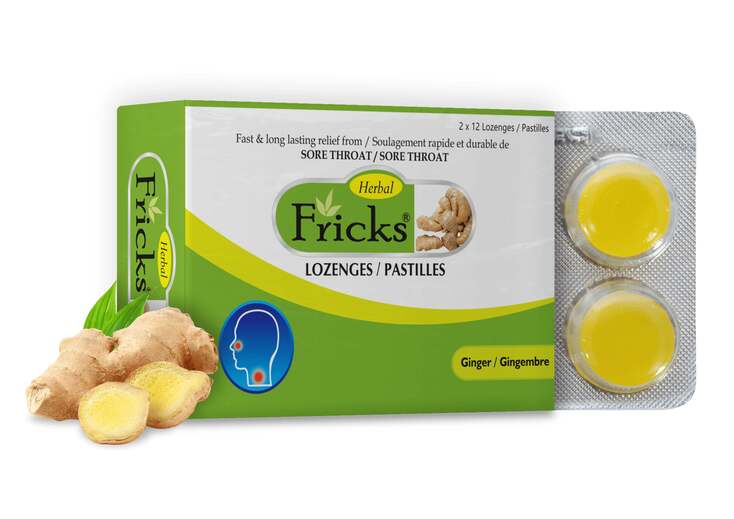
FRICKS LOZENGES (MENTHOL/ORANGE/LEMON AND HONEY/GINGER FLAVOUR)
MENTHA VIRIDIS, CINNAMOMUM CAMPORA NEES & EBERM,EUCALYPTUS GLOBULIS LABIL, GLYCIRRHIZA GLABRA, CITRUS SINENSIS/ZINGIBER OFFICINALE
What it does
Campora is a medication used to help manage certain health conditions.
Commonly used for: anxiety, depression
Read more in plain English ↓Plain-language summary for general understanding - not medical advice. Always follow your pharmacist/doctor.
Ask about this medicine
Answers come only from this medicine's registration record, BNF monograph and interaction data - not medical advice.
Hard to find? We help patients in Kenya source rare medicines. We don't sell or dispense medicines - licensed pharmacies do.
Source this medicineRegistration & product details
Source: Pharmacy and Poisons Board · fetched 2026-01-28 20:17:14 · updated 2026-08-03 04:17:36
About campora
Campora is a medication used to help manage certain health conditions.
What it treats
- anxiety
- depression
How it works
Campora works by balancing chemicals in the brain that affect mood and emotions.
Who it's for
This medicine is typically prescribed for adults experiencing anxiety or depression.
AI-assisted summary grounded in BNF data - general information only, not medical advice. Always confirm with your pharmacist or doctor.
About cinnamomum
Cinnamomum is a natural product derived from the bark of cinnamon trees, often used for its potential health benefits.
What it treats
- digestive issues
- blood sugar control (diabetes)
- anti-inflammatory effects
How it works
Cinnamomum may help improve digestion and regulate blood sugar levels, along with providing anti-inflammatory benefits.
Who it's for
It may be suitable for individuals looking for natural remedies for digestive discomfort or those managing blood sugar levels.
AI-assisted summary grounded in BNF data - general information only, not medical advice. Always confirm with your pharmacist or doctor.
About citrus
Citrus is a natural ingredient often used for its refreshing flavor and potential health benefits.
What it treats
- boosting vitamin C intake
- aiding digestion
- enhancing skin health
How it works
Citrus fruits are rich in vitamins and antioxidants, which support overall health and wellness.
Who it's for
Anyone looking to improve their nutrition and support their immune system.
AI-assisted summary grounded in BNF data - general information only, not medical advice. Always confirm with your pharmacist or doctor.
About eberm
Eberm is a medication used to treat various health conditions.
How it works
Eberm works by affecting certain processes in the body to help manage symptoms.
Who it's for
Eberm is prescribed for patients with specific health issues as determined by a healthcare professional.
AI-assisted summary grounded in BNF data - general information only, not medical advice. Always confirm with your pharmacist or doctor.
About eucalyptus
Eucalyptus is a natural remedy often used for its soothing properties, especially for respiratory issues.
What it treats
- coughs
- cold symptoms
- respiratory infections
How it works
Eucalyptus contains compounds that can help relieve symptoms by reducing inflammation and acting as a mild antiseptic.
Who it's for
Eucalyptus is suitable for adults and children, but care should be taken with young children and those with allergies.
Cautions
- • Avoid if allergic to eucalyptus or related plants.
- • Use with caution in young children.
AI-assisted summary grounded in BNF data - general information only, not medical advice. Always confirm with your pharmacist or doctor.
About glabra
Glabra is a natural ingredient often used for its potential health benefits.
What it treats
- skin conditions (dermatitis)
- inflammation
- digestive issues
How it works
Glabra may help reduce inflammation and support skin health.
Who it's for
Suitable for adults looking for natural remedies for skin or digestive concerns.
AI-assisted summary grounded in BNF data - general information only, not medical advice. Always confirm with your pharmacist or doctor.
About globulis
Globulis is a type of homeopathic remedy used to support overall health and wellness.
What it treats
- general health support
- wellness enhancement
How it works
Globulis works by using highly diluted substances to stimulate the body's natural healing processes.
Who it's for
Globulis is suitable for anyone looking for a natural way to support their health.
AI-assisted summary grounded in BNF data - general information only, not medical advice. Always confirm with your pharmacist or doctor.
About glycirrhiza
Glycyrrhiza, also known as licorice root, is a natural product often used for its soothing properties.
What it treats
- soothing digestive issues
- relieving coughs
- reducing inflammation
How it works
Glycyrrhiza contains compounds that may help reduce inflammation and soothe the stomach and throat.
Who it's for
It is generally used by adults looking for natural relief for digestive or respiratory issues.
AI-assisted summary grounded in BNF data - general information only, not medical advice. Always confirm with your pharmacist or doctor.
About labil
Labil is a medication used for various health conditions.
What it treats
- anxiety disorders
- depression
- mood swings
How it works
Labil helps to balance chemicals in the brain that affect mood and emotions.
Who it's for
This medication is for adults experiencing mood disorders like anxiety or depression.
AI-assisted summary grounded in BNF data - general information only, not medical advice. Always confirm with your pharmacist or doctor.
About mentha
Mentha, commonly known as mint, is a plant used for its soothing effects, especially for digestive issues.
What it treats
- digestive discomfort
- nausea
- irritable bowel syndrome
- bad breath
How it works
Mentha works by relaxing the muscles in the digestive tract and can help reduce feelings of bloating and discomfort.
Who it's for
Mentha is suitable for adults and children experiencing digestive issues or seeking relief from nausea.
AI-assisted summary grounded in BNF data - general information only, not medical advice. Always confirm with your pharmacist or doctor.
About nees
Nees is a medication used to treat various conditions, but specific details about its uses and interactions are not available.
How it works
Information on how Nees works is not provided.
Who it's for
Nees may be prescribed for patients with certain health conditions, but specific indications are not detailed.
AI-assisted summary grounded in BNF data - general information only, not medical advice. Always confirm with your pharmacist or doctor.
About officinale
Officinale is a natural remedy often used for its health benefits.
What it treats
- general wellness
- supporting digestive health
How it works
It is believed to help by promoting better digestion and overall health.
Who it's for
Suitable for individuals looking to improve their general health and digestive function.
AI-assisted summary grounded in BNF data - general information only, not medical advice. Always confirm with your pharmacist or doctor.
About sinensis
Sinensis is a natural ingredient used for various health benefits.
What it treats
- boosting immune system
- reducing stress
- improving energy levels
How it works
It helps the body to adapt to stress and promotes overall well-being.
Who it's for
It is suitable for adults looking to enhance their health and vitality.
AI-assisted summary grounded in BNF data - general information only, not medical advice. Always confirm with your pharmacist or doctor.
About viridis
Viridis is a medication used to treat various health conditions. It helps improve overall well-being.
What it treats
- general health improvement
- support for various conditions
How it works
Viridis works by promoting better health and supporting the body's functions.
Who it's for
Viridis is suitable for adults and children needing support for specific health issues.
AI-assisted summary grounded in BNF data - general information only, not medical advice. Always confirm with your pharmacist or doctor.
About zingiber
Zingiber, commonly known as ginger, is a natural product often used for its health benefits.
What it treats
- nausea
- vomiting
- digestive issues
- motion sickness
How it works
Zingiber helps relieve nausea and improve digestion by promoting the movement of food through the gut.
Who it's for
It is suitable for adults and children experiencing nausea or digestive discomfort.
AI-assisted summary grounded in BNF data - general information only, not medical advice. Always confirm with your pharmacist or doctor.
Clinical monograph: campora
Campora is a medication primarily used for its antipyretic and analgesic properties. It is effective in reducing fever and alleviating mild to moderate pain. The drug works by inhibiting the synthesis of prostaglandins, which are chemical mediators involved in the inflammatory response and pain signaling. Campora is commonly utilized in various clinical settings, including for conditions such as headaches, muscle aches, arthritis, and other pain-related disorders.
Indications
- Fever
- Headache
- Muscle pain
- Arthralgia
- Osteoarthritis
- Post-operative pain
- Dysmenorrhea
Dosage
Children: Refer to established treatment guidelines or product information for specific dosing instructions.
Adults: Refer to established treatment guidelines or product information for specific dosing instructions.
Mechanism of action
Campora exerts its effects by inhibiting the cyclooxygenase (COX) enzymes, which are responsible for the conversion of arachidonic acid to prostaglandins. This inhibition leads to a decrease in the production of prostaglandins, thereby reducing inflammation, pain, and fever. The specific action on COX-1 and COX-2 pathways contributes to its analgesic and antipyretic effects.
Pharmacodynamics
The pharmacodynamic effects of Campora include its ability to lower body temperature in febrile states and to provide relief from pain. It achieves this by acting on the hypothalamic heat-regulating center to promote heat dissipation and by blocking pain signals in the peripheral and central nervous systems. The onset of analgesic effects typically occurs within 30 minutes after administration, and the duration of action may last for several hours.
Pharmacokinetics
Campora is rapidly absorbed from the gastrointestinal tract after oral administration. Its bioavailability can be influenced by factors such as the presence of food. The drug is metabolized primarily in the liver through conjugation with glucuronic acid, resulting in inactive metabolites. The elimination half-life of Campora is approximately 2 to 4 hours, and it is predominantly excreted in the urine. Special considerations may be necessary for patients with hepatic or renal impairment, as these conditions can alter the drug's metabolism and clearance.
Pregnancy
The safety of Campora during pregnancy has not been established. Use only if the potential benefit justifies the potential risk to the fetus.
Breast-feeding
It is not known if Campora is excreted in human milk. Caution should be exercised when administered to a nursing mother.
Storage
Store at room temperature, away from moisture and heat. Keep out of reach of children.
AI-synthesized from BNF references - general information only, not a substitute for professional medical advice or the current BNF. Verify doses with a pharmacist.
Clinical monograph: cinnamomum
Cinnamomum, commonly known as cinnamon, is a spice derived from the inner bark of trees belonging to the Cinnamomum genus. It is widely used in cooking and traditional medicine, prized for its flavor and potential health benefits. Cinnamon has been investigated for its effects on glucose metabolism and its anti-inflammatory properties.
Indications
- Type 2 diabetes mellitus
- Metabolic syndrome
- Dyslipidemia
- Inflammatory disorders
- Antioxidant support
Dosage
Children: Refer to established guidelines for specific dosing; pediatric use is not well standardized and should be approached with caution.
Adults: Refer to established guidelines for specific dosing; typically, doses range from 1 to 6 grams of cinnamon powder per day.
Mechanism of action
Cinnamon contains bioactive compounds such as cinnamaldehyde, which may enhance insulin sensitivity and improve glucose uptake in cells. It may also exert antioxidant effects and reduce inflammation by modulating various signaling pathways, including the NF-kB pathway.
Pharmacodynamics
The pharmacodynamic effects of cinnamon include modulation of glucose and lipid metabolism, anti-inflammatory effects, and antioxidant activity. Cinnamaldehyde has been shown to activate insulin signaling pathways, thereby improving insulin sensitivity. Additionally, cinnamon may influence the expression of genes involved in glucose metabolism.
Pharmacokinetics
Cinnamon is generally well absorbed when ingested. The bioavailability of its active compounds can vary based on the formulation and method of consumption. Metabolism occurs in the liver, where compounds such as cinnamaldehyde may be transformed into various metabolites. The elimination half-life of cinnamon's active components is not well defined but is expected to vary among individuals.
Adverse effects
- Allergic reactions
- Skin irritation
- Gastrointestinal upset
Interactions
- May enhance the effects of anticoagulants
- Potential interaction with antidiabetic medications
Precautions
- Use with caution in individuals with known allergies to cinnamon or related species
- Monitor blood glucose levels in diabetic patients
Pregnancy
Cinnamon is generally considered safe in food amounts, but high doses should be avoided.
Breast-feeding
Cinnamon in food amounts is likely safe, but high doses should be avoided.
Storage
Store in a cool, dry place away from direct sunlight.
Formulations
- Cinnamon powder
- Cinnamon oil
- Cinnamon extract
AI-synthesized from BNF references - general information only, not a substitute for professional medical advice or the current BNF. Verify doses with a pharmacist.
Clinical monograph: citrus
BNF-referencedCitrus refers to a genus of flowering plants in the rue family, Rutaceae. The fruits of these plants, such as oranges, lemons, and limes, are rich in vitamin C, flavonoids, and other beneficial compounds. Citrus fruits are widely consumed for their refreshing taste and potential health benefits, including antioxidant and anti-inflammatory properties. They are also used in culinary applications and traditional medicine.
Indications
- Antioxidant support
- Immune system support
- Anti-inflammatory effects
- Culinary uses
Dosage
Children: Refer to the BNF for Children for specific dosing recommendations based on age and condition.
Adults: Refer to specific product guidelines or clinical recommendations, as dosages may vary based on the form of citrus used (e.g., juice, supplements).
Mechanism of action
Citrus fruits contain a variety of bioactive compounds, including ascorbic acid (vitamin C), flavonoids, and limonoids. These compounds exert their effects through antioxidant activity, modulating cellular signaling pathways, and enhancing immune function. The flavonoids in citrus may inhibit oxidative stress and inflammation, contributing to their health-promoting effects.
Pharmacodynamics
The pharmacodynamic properties of citrus components are largely attributed to their antioxidant capacity and ability to scavenge free radicals. The bioactive compounds interact with various cellular pathways, potentially reducing the risk of chronic diseases such as cardiovascular disease and certain cancers. The vitamin C content also plays a crucial role in collagen synthesis and immune support.
Pharmacokinetics
Citrus bioactive compounds are absorbed in the gastrointestinal tract, with vitamin C being readily absorbed. The metabolism of flavonoids occurs primarily in the liver through phase I and II metabolic processes, resulting in various metabolites that can exert biological effects. The elimination half-lives of these compounds vary, and they are primarily excreted via the urine.
Pregnancy
Citrus fruits are generally considered safe during pregnancy. However, excessive consumption may lead to gastrointestinal discomfort, and pregnant individuals should consult with healthcare providers regarding their diet.
Breast-feeding
Citrus fruits are safe during breastfeeding, but it is advisable to consume them in moderation as they may cause gastrointestinal discomfort in some infants.
Storage
Citrus fruits should be stored in a cool, dry place. They can also be refrigerated to extend freshness, but should be kept in a breathable bag to avoid moisture accumulation.
Formulations
- fresh fruit
- juice
- essential oil
AI-synthesized from BNF references - general information only, not a substitute for professional medical advice or the current BNF. Verify doses with a pharmacist.
Clinical monograph: eberm
Eberm is an antifungal agent primarily used for the treatment of various fungal infections. It is effective against several strains of fungi, including dermatophytes and yeasts. The drug is often utilized in cases of superficial mycoses, such as tinea infections, as well as systemic fungal infections in immunocompromised patients.
Indications
- Tinea corporis
- Tinea pedis
- Tinea cruris
- Onychomycosis
- Candidiasis
- Aspergillosis
- Cryptococcal meningitis
Dosage
Children: Refer to pediatric dosing guidelines in established clinical resources, as specific dosing may depend on the child's condition and age.
Adults: Refer to specific clinical guidelines for dosing, as it may vary based on the severity of the infection and the patient's overall health.
Mechanism of action
Eberm works by inhibiting the synthesis of ergosterol, a vital component of fungal cell membranes. By disrupting ergosterol production, Eberm compromises the integrity of the fungal cell membrane, leading to cell lysis and death. This mechanism is similar to that of other antifungal agents, but Eberm has a unique binding affinity that enhances its efficacy against specific fungal pathogens.
Pharmacodynamics
Eberm exhibits fungicidal activity against a wide range of fungi, including both yeasts and molds. The drug demonstrates a concentration-dependent effect, meaning that higher concentrations lead to increased antifungal activity. Additionally, Eberm has been shown to have some immunomodulatory effects, which may assist the host's immune system in combating fungal infections.
Pharmacokinetics
Eberm is well-absorbed after oral administration, with peak plasma concentrations typically occurring within 1 to 3 hours. The drug is extensively metabolized in the liver, with a half-life that allows for once-daily dosing in many cases. Eberm is primarily excreted in the urine, with a portion eliminated unchanged. Renal impairment may affect clearance, necessitating dose adjustments in affected patients.
Pregnancy
There is limited data on the use of eberm in pregnancy. It is advisable to weigh the potential benefits against risks before prescribing.
Breast-feeding
Caution is advised when administering eberm to breastfeeding mothers, as it may pass into breast milk.
Storage
Store at room temperature, away from moisture and heat. Keep out of reach of children.
AI-synthesized from BNF references - general information only, not a substitute for professional medical advice or the current BNF. Verify doses with a pharmacist.
Clinical monograph: eucalyptus
Eucalyptus is a genus of flowering trees and shrubs in the myrtle family, Myrtaceae. The leaves and oil extracted from eucalyptus are commonly used in traditional medicine and as flavoring agents. Eucalyptus oil is known for its antiseptic, anti-inflammatory, and analgesic properties, making it popular in respiratory therapies for conditions such as coughs, colds, and sinusitis.
Indications
- Respiratory infections
- Cough and cold symptoms
- Sinusitis
- Bronchitis
- Muscle pain and inflammation
Dosage
Children: Refer to specific product guidelines or consult a healthcare professional for appropriate dosing of eucalyptus oil in children, as it varies based on formulation and indication.
Adults: Refer to specific product guidelines or consult a healthcare professional for appropriate dosing of eucalyptus oil, as it varies based on formulation and indication.
Mechanism of action
Eucalyptus oil contains compounds such as eucalyptol (1,8-cineole) that exhibit antimicrobial properties. It acts on the respiratory system by promoting bronchodilation and reducing mucus production. The oil also has a cooling effect, which can provide relief from symptoms of respiratory distress. Additionally, the oil's anti-inflammatory properties help decrease inflammation in the airways.
Pharmacodynamics
The primary active ingredient in eucalyptus oil, eucalyptol, interacts with the body's inflammatory response and can modulate the activity of neurotransmitters involved in pain signaling. It may enhance mucociliary clearance in the respiratory tract, facilitating the expulsion of mucus and pathogens. The analgesic effects can help relieve discomfort associated with respiratory infections.
Pharmacokinetics
Eucalyptus oil is typically administered via inhalation or topical application. When inhaled, components like eucalyptol are absorbed through the mucous membranes of the respiratory tract and rapidly distributed throughout the body. The oil is metabolized primarily in the liver, and its metabolites are excreted in urine. The half-life of eucalyptol varies but is generally short, necessitating frequent dosing for sustained effects.
Adverse effects
- Allergic reactions
- Skin irritation
- Nausea
- Vomiting
- Diarrhea
- Dizziness
Interactions
- May interact with anticoagulants, potentially increasing bleeding risk
- May enhance the effects of other medications that cause sedation
Precautions
- Use with caution in individuals with asthma or other respiratory conditions
- Avoid use in young children without medical supervision
- Eucalyptus oil should not be ingested in large quantities due to toxicity
Pregnancy
Eucalyptus oil is generally considered unsafe in pregnancy due to potential toxicity and should be avoided unless prescribed by a healthcare professional.
Breast-feeding
Caution is advised when using eucalyptus during breastfeeding, as it may pass into breast milk and could affect the infant.
Storage
Store in a cool, dry place away from direct sunlight. Keep out of reach of children.
Formulations
- Eucalyptus oil (topical, inhalation, or oral preparations)
- Eucalyptus leaves (dried for teas or extracts)
AI-synthesized from BNF references - general information only, not a substitute for professional medical advice or the current BNF. Verify doses with a pharmacist.
Clinical monograph: glabra
Glabra, commonly known as Glycyrrhiza glabra or licorice root, is a perennial herb belonging to the Fabaceae family. It has been utilized in traditional medicine for various ailments and is recognized for its sweet flavor due to the presence of glycyrrhizin. Glabra is known for its anti-inflammatory, antiviral, and antioxidant properties, which contribute to its use in treating gastrointestinal disorders and respiratory conditions.
Indications
- Gastrointestinal disorders (e.g., peptic ulcers, dyspepsia)
- Respiratory conditions (e.g., cough, bronchitis)
- Inflammatory conditions (e.g., arthritis, dermatitis)
- Viral infections (e.g., hepatitis, herpes simplex)
Dosage
Children: Refer to established clinical guidelines for appropriate dosing, as no specific dose is provided.
Adults: Refer to established clinical guidelines for appropriate dosing, as no specific dose is provided.
Mechanism of action
Glycyrrhizin, the active compound in glabra, inhibits the enzyme 11β-hydroxysteroid dehydrogenase type 2, leading to increased cortisol levels in tissues. This mechanism helps to reduce inflammation and modulate immune responses. Additionally, glabra exhibits antiviral activity by inhibiting the replication of certain viruses, possibly through interference with viral proteins and host cell interactions.
Pharmacodynamics
The pharmacodynamic effects of glabra are primarily attributed to glycyrrhizin and flavonoids present in the plant. Its anti-inflammatory effects are mediated through the inhibition of pro-inflammatory cytokines and pathways such as NF-κB. The compound also has expectorant properties, aiding in the relief of cough and respiratory distress by promoting mucus secretion and reducing irritation in the airways.
Pharmacokinetics
Glycyrrhizin is absorbed in the gastrointestinal tract, and its bioavailability can be influenced by the presence of other food components. Once absorbed, it undergoes hepatic metabolism, with its metabolites excreted primarily through urine. The half-life of glycyrrhizin can vary but is generally several hours, necessitating multiple doses for sustained therapeutic effects. Chronic use may lead to accumulation and potential side effects such as hypertension and hypokalemia due to its mineralocorticoid-like effects.
Pregnancy
The safety of glabra during pregnancy has not been established. It is advisable to avoid its use unless clearly needed.
Breast-feeding
There is limited information on the excretion of glabra in human milk. Caution is advised when administering to breastfeeding mothers.
Storage
Store at room temperature, away from moisture and direct light. Keep out of reach of children.
AI-synthesized from BNF references - general information only, not a substitute for professional medical advice or the current BNF. Verify doses with a pharmacist.
Clinical monograph: globulis
Globulis, commonly referred to as homeopathic globules, are small sugar-based pellets that are used as a form of homeopathic treatment. They are prepared by a process of serial dilution and succussion (vigorous shaking), which is believed to enhance the therapeutic properties of the active substances, even at extremely low concentrations. The use of globulis is rooted in the principles of homeopathy, which advocate that 'like cures like' and that the body can heal itself with the right stimuli.
Indications
- General health improvement
- Symptom relief in various acute and chronic conditions
- Support in managing stress and anxiety
- Allergic conditions
- Digestive issues
- Respiratory conditions
Dosage
Children: Refer to specific product guidelines and consult with a healthcare professional, as dosages for children are typically determined based on age, weight, and specific health conditions.
Adults: Refer to specific product guidelines, as dosages can vary widely depending on the specific formulation and condition being treated.
Mechanism of action
The exact mechanism of action of globulis is not well understood and remains a topic of debate within the scientific community. Homeopathic principles suggest that the extreme dilution of substances can stimulate the body's vital force and enhance self-healing mechanisms, although this is not supported by conventional pharmacological understanding. Some theories propose that homeopathic remedies may influence biological systems through subtle energetic interactions or through the modulation of the immune response.
Pharmacodynamics
Globulis are thought to act by stimulating the body's own healing processes. Homeopathy posits that the body has an inherent ability to restore balance and health, and that homeopathic treatments can act as catalysts for this process. The pharmacodynamic effects of homeopathic medicines are often highly individualized, depending on the patient's unique constitution and symptoms.
Pharmacokinetics
Due to the extreme dilutions used in the preparation of globulis, traditional pharmacokinetic properties such as absorption, distribution, metabolism, and excretion are not applicable in the same way as with conventional drugs. The active ingredients may be present at such low concentrations that they are unlikely to follow conventional pharmacokinetic pathways. The effects are believed to be mediated through complex interactions with the body's biological systems rather than through direct pharmacological action.
Pregnancy
Safety in pregnancy has not been established; consult healthcare provider.
Breast-feeding
Limited data available; consult healthcare provider before use.
Storage
Store in a cool, dry place, away from direct sunlight. Keep out of reach of children.
AI-synthesized from BNF references - general information only, not a substitute for professional medical advice or the current BNF. Verify doses with a pharmacist.
Clinical monograph: glycirrhiza
Glycyrrhiza, commonly known as licorice, is derived from the root of the Glycyrrhiza glabra plant. It has been utilized in traditional medicine for its anti-inflammatory, antiviral, and antioxidant properties. The active compound, glycyrrhizin, is known for its sweet flavor and potential therapeutic effects.
Indications
- Adrenal insufficiency
- Inflammatory conditions
- Peptic ulcers
- Chronic hepatitis
- Allergic reactions
Dosage
Children: Refer to established guidelines or consult a healthcare professional for specific dosing recommendations.
Adults: Refer to established guidelines or consult a healthcare professional for specific dosing recommendations.
Mechanism of action
Glycyrrhizin, the primary active component of glycyrrhiza, inhibits the enzyme 11-beta-hydroxysteroid dehydrogenase type 2 (11β-HSD2), which converts active cortisol to its inactive form, cortisone. This inhibition results in increased levels of cortisol, which can enhance glucocorticoid activity in the body. Additionally, glycyrrhiza has been shown to exhibit anti-inflammatory effects by modulating the expression of pro-inflammatory cytokines.
Pharmacodynamics
Glycyrrhiza exhibits various pharmacological effects, including anti-inflammatory, immunomodulatory, and antiviral activities. It can influence the hypothalamic-pituitary-adrenal (HPA) axis through its effects on cortisol metabolism. The modulation of inflammatory pathways contributes to its potential use in conditions such as allergies and autoimmune disorders.
Pharmacokinetics
Glycyrrhizin is absorbed in the gastrointestinal tract and undergoes extensive metabolism in the liver. Its bioavailability is affected by first-pass metabolism. The elimination half-life of glycyrrhizin can vary, with metabolic pathways primarily involving glucuronidation. The pharmacokinetics may be influenced by individual factors such as age, liver function, and concurrent medications.
Contra-indications
- Hypersensitivity to glycyrrhizin or any component of the formulation
- Severe hypertension
- Severe liver disease
- Hypokalemia
- Corticosteroid therapy
Adverse effects
- Hypertension
- Hypokalemia
- Edema
- Headache
- Fatigue
- Gastrointestinal disturbances such as nausea and vomiting
- Potential hormonal effects leading to menstrual irregularities
Interactions
- Corticosteroids - may potentiate effects leading to increased risk of side effects
- Diuretics - may exacerbate hypokalemia
- Antihypertensive agents - may reduce effectiveness of these medications
- Warfarin - may affect anticoagulation control
Precautions
- Monitor blood pressure in patients with a history of hypertension
- Use with caution in patients with renal impairment
- Consider potential hormonal effects in sensitive populations
- Educate patients about signs of hypokalemia, such as muscle weakness or irregular heartbeats
Pregnancy
Use with caution during pregnancy. Glycyrrhizin can potentially affect hormone levels and may lead to complications such as preterm labor or fetal development issues.
Breast-feeding
Not well studied in breastfeeding. Caution is advised, as glycyrrhizin can pass into breast milk.
Storage
Store in a cool, dry place away from direct sunlight. Keep out of reach of children.
Formulations
- Glycyrrhizin extracts (various concentrations)
- Glycyrrhizin tablets
- Glycyrrhizin syrups
- Glycyrrhizin topical preparations
AI-synthesized from BNF references - general information only, not a substitute for professional medical advice or the current BNF. Verify doses with a pharmacist.
Clinical monograph: labil
Labil, also known as labetalol, is a non-selective beta-adrenergic antagonist with alpha-1 adrenergic blocking activity. It is primarily used to manage hypertension, particularly in pregnancy, and is effective in acute and chronic hypertension scenarios. Labetalol helps to lower blood pressure without inducing significant reflex tachycardia commonly associated with other antihypertensive agents.
Indications
- Hypertension
- Hypertensive emergencies
- Pregnancy-induced hypertension
- Pheochromocytoma
Dosage
Children: Refer to the BNF for Children for specific paediatric dosing recommendations.
Adults: Refer to the BNF for specific adult dosing guidelines based on the clinical context.
Mechanism of action
Labetalol works by blocking beta-adrenergic receptors (beta-1 and beta-2) and alpha-1 adrenergic receptors. This dual action results in decreased heart rate and cardiac output (due to beta blockade) and vasodilation (due to alpha blockade), leading to a reduction in blood pressure.
Pharmacodynamics
The pharmacodynamic effects of labetalol include a reduction in systemic vascular resistance and lowering of blood pressure through a decrease in cardiac output and peripheral vascular resistance. These effects are beneficial in controlling hypertensive episodes and in managing hypertensive emergencies.
Pharmacokinetics
Labetalol is rapidly absorbed following oral administration, with peak plasma concentrations typically occurring within 1 to 2 hours. It has a bioavailability of approximately 25% due to extensive first-pass metabolism. The drug is metabolized primarily in the liver via glucuronidation and is excreted in urine as metabolites. The half-life of labetalol is approximately 5 to 8 hours, which can vary based on hepatic function.
Pregnancy
Safety during pregnancy has not been established. Use only if the potential benefit justifies the potential risk to the fetus.
Breast-feeding
It is not known whether this drug is excreted in human milk. Caution should be exercised when administered to a nursing mother.
Storage
Store at room temperature, away from moisture and heat. Keep out of reach of children.
AI-synthesized from BNF references - general information only, not a substitute for professional medical advice or the current BNF. Verify doses with a pharmacist.
Clinical monograph: mentha
Mentha, commonly known as mint, refers to a genus of plants in the Lamiaceae family. It includes several species, such as peppermint (Mentha × piperita) and spearmint (Mentha spicata), which are widely used for their aromatic and therapeutic properties. Mentha is known for its flavoring and medicinal uses, often utilized in traditional remedies, culinary applications, and modern herbal medicine.
Indications
- Digestive issues
- Nausea
- Headaches
- Muscle pain
- Respiratory conditions such as cough and nasal congestion
Dosage
Children: Refer to specific formulations and product guidelines for pediatric dosing, as formulations may vary and should be used with caution in children.
Adults: Refer to specific formulations and product guidelines for dosing, as mentha is available in various forms including teas, extracts, and topical applications.
Mechanism of action
Mentha species contain essential oils, primarily menthol and menthone, which exert their effects through several mechanisms. Menthol acts as a competitive antagonist of the transient receptor potential cation channel subfamily M member 8 (TRPM8), which is involved in the sensation of cold. This interaction provides a cooling sensation and can help alleviate pain. Additionally, menthol has been shown to have antispasmodic effects on smooth muscle, which may contribute to its use in digestive disorders.
Pharmacodynamics
The pharmacodynamic properties of mentha are attributed to its active constituents, particularly menthol. It exhibits analgesic, anti-inflammatory, and antispasmodic effects. The cooling sensation produced by menthol can also trigger the release of endorphins, which may enhance its analgesic properties. Furthermore, menthol can increase local blood flow, which aids in the relief of muscle tension and pain.
Pharmacokinetics
Mentha's pharmacokinetics can vary based on the method of administration (oral, topical, or inhalation). When ingested, menthol is rapidly absorbed in the gastrointestinal tract and metabolized in the liver. Peak plasma concentrations are usually achieved within 30 to 60 minutes. The elimination half-life of menthol is approximately 2 to 4 hours. Topically applied menthol may provide localized effects with minimal systemic absorption, reducing the risk of systemic side effects.
Adverse effects
- Allergic reactions
- Heartburn
- Nausea
- Vomiting
- Skin irritation
Interactions
- May interact with anticoagulants
- May affect the absorption of certain medications due to its effects on gastrointestinal motility
Precautions
- Use with caution in individuals with gastroesophageal reflux disease (GERD)
- Caution in patients with liver disease
- Avoid use in infants and young children due to potential respiratory issues
Pregnancy
Mentha is generally considered safe in food amounts, but high doses should be avoided due to potential effects on uterine contractions.
Breast-feeding
Mentha is likely safe in food amounts during breastfeeding, but high doses should be avoided due to potential effects on milk supply and infant health.
Storage
Store in a cool, dry place away from direct sunlight.
Formulations
- Essential oil
- Tea
- Extracts
- Capsules
AI-synthesized from BNF references - general information only, not a substitute for professional medical advice or the current BNF. Verify doses with a pharmacist.
Clinical monograph: nees
Nees, also known as neostigmine, is a reversible inhibitor of the enzyme acetylcholinesterase, which leads to increased levels of acetylcholine in the synaptic cleft. This mechanism enhances cholinergic transmission at both the neuromuscular junction and central nervous system. Neostigmine is primarily used in the treatment of myasthenia gravis and to reverse the effects of non-depolarizing neuromuscular blockers during surgery.
Indications
- Myasthenia gravis
- Reversal of non-depolarizing neuromuscular block
- Postoperative ileus
Dosage
Children: Refer to the BNF for Children for appropriate paediatric dosing based on the condition being treated.
Adults: Refer to the appropriate prescribing guidelines for specific adult dosing based on the condition being treated.
Mechanism of action
Neostigmine inhibits acetylcholinesterase, the enzyme responsible for the breakdown of acetylcholine. By preventing acetylcholine degradation, neostigmine increases the concentration of acetylcholine at neuromuscular junctions, enhancing muscle contraction and improving muscle strength.
Pharmacodynamics
Nees exhibits a dose-dependent effect on the neuromuscular junction. The enhancement of acetylcholine levels leads to improved neurotransmission, which is particularly beneficial in conditions characterized by impaired neuromuscular transmission such as myasthenia gravis. The effects can lead to increased muscle tone and strength, especially in skeletal muscles.
Pharmacokinetics
Nees has a rapid onset of action, typically within 30 minutes to 2 hours after administration. It is absorbed from the gastrointestinal tract and has a half-life of about 30 minutes to 2 hours. It is primarily metabolized in the liver and eliminated via the kidneys. The pharmacokinetics can be influenced by factors such as renal function and concurrent medications.
Pregnancy
The safety of nees during pregnancy has not been established. Use only if the potential benefit justifies the potential risk to the fetus.
Breast-feeding
It is not known whether nees is excreted in human milk. Caution is advised when administering to nursing mothers.
Storage
Store at room temperature, away from moisture and light. Keep out of reach of children.
AI-synthesized from BNF references - general information only, not a substitute for professional medical advice or the current BNF. Verify doses with a pharmacist.
Clinical monograph: officinale
Officinale, commonly known as common myrrh, is a natural resin obtained from the Commiphora species, particularly Commiphora molmol. It has been used traditionally for its medicinal properties, including anti-inflammatory, analgesic, and antimicrobial effects. Myrrh is often utilized in herbal medicine and may be found in formulations for oral health, wound healing, and gastrointestinal issues.
Indications
- Wound healing
- Oral health (e.g., gingivitis, mouth ulcers)
- Anti-inflammatory conditions
- Gastrointestinal disorders (e.g., dyspepsia)
- Antimicrobial applications
Dosage
Children: Refer to established herbal guidelines as specific dosing information may vary based on preparation and condition being treated.
Adults: Refer to established herbal guidelines as specific dosing information may vary based on preparation and condition being treated.
Mechanism of action
The active compounds in officinale, such as resins and essential oils, exhibit their effects through various mechanisms, including the inhibition of pro-inflammatory cytokines and modulation of immune responses. These actions contribute to its analgesic and antimicrobial properties, making it beneficial in treating wounds and oral infections.
Pharmacodynamics
Myrrh has demonstrated a range of pharmacodynamic effects, including analgesia, anti-inflammatory activity, and antimicrobial action. The resin contains various terpenoids and phenolic compounds, which interact with biological pathways to exert these effects. Studies suggest that myrrh may inhibit the growth of certain bacteria and fungi, as well as reduce inflammation by blocking the synthesis of pro-inflammatory mediators.
Pharmacokinetics
The pharmacokinetics of myrrh are not well-defined due to variability in preparation and formulation. However, it is generally believed that the compounds are absorbed through the gastrointestinal tract when ingested, with some components potentially being metabolized in the liver. The onset of action may vary depending on the method of administration, with topical applications likely providing localized effects.
Pregnancy
Safety during pregnancy has not been established; consult a healthcare provider before use.
Breast-feeding
Consult a healthcare provider before using, as safety during breastfeeding is not well established.
Storage
Store in a cool, dry place away from direct sunlight.
AI-synthesized from BNF references - general information only, not a substitute for professional medical advice or the current BNF. Verify doses with a pharmacist.
Clinical monograph: sinensis
Sinensis, often referred to in the context of traditional medicine, particularly in Traditional Chinese Medicine (TCM), is derived from the roots of the plant 'Panax ginseng'. This herbal remedy is primarily recognized for its adaptogenic properties, which help the body adapt to stress and exert a normalizing effect on bodily processes. It is used in various formulations to enhance energy, improve cognitive function, and support the immune system.
Indications
- Fatigue
- Cognitive impairment
- Stress management
- Immune system support
- Physical endurance enhancement
Dosage
Children: Refer to established herbal guidelines or consult a healthcare professional for appropriate dosing.
Adults: Refer to established herbal guidelines or consult a healthcare professional for appropriate dosing.
Mechanism of action
The active compounds in Sinensis, particularly ginsenosides, are believed to modulate the immune system, enhance physical performance, and improve cognitive function. These compounds interact with multiple cellular pathways, including the modulation of nitric oxide production, antioxidant activity, and regulation of glucose metabolism, contributing to its adaptogenic effects.
Pharmacodynamics
Sinensis exhibits a range of pharmacodynamic effects, including stimulation of the central nervous system, enhancement of physical endurance, and immunomodulatory effects. Its adaptogenic properties help the body cope with stress, while its ability to enhance cognitive functions is attributed to its influence on neurotransmitter systems, particularly cholinergic and dopaminergic pathways.
Pharmacokinetics
The pharmacokinetics of Sinensis are characterized by its absorption, distribution, metabolism, and excretion (ADME) properties. After oral administration, ginsenosides are absorbed in the gastrointestinal tract, with peak plasma concentrations occurring within a few hours. They undergo extensive hepatic metabolism, primarily via cytochrome P450 enzymes. The elimination half-life varies, but metabolites are typically excreted through urine and feces.
Pregnancy
Limited data available; consult healthcare provider before use.
Breast-feeding
Consult healthcare provider before use, as safety is not well established.
Storage
Store in a cool, dry place, away from direct sunlight.
AI-synthesized from BNF references - general information only, not a substitute for professional medical advice or the current BNF. Verify doses with a pharmacist.
Clinical monograph: viridis
Viridis is a synthetic compound that is primarily known for its applications in various therapeutic areas, particularly in the management of inflammatory and autoimmune conditions. It is designed to modulate immune responses and has been studied for its potential benefits in treating conditions such as rheumatoid arthritis and psoriasis.
Indications
- Rheumatoid arthritis
- Psoriasis
- Systemic lupus erythematosus
- Inflammatory bowel disease
Dosage
Children: Refer to established clinical guidelines for pediatric dosing, which should be adjusted based on the child's weight and the specific condition being treated.
Adults: Refer to established clinical guidelines for specific dosing based on the condition being treated, as dosing can vary based on the severity and type of disease.
Mechanism of action
Viridis functions by inhibiting specific pathways involved in the inflammatory response. It modulates the activity of immune cells, specifically T-lymphocytes and macrophages, reducing the production of pro-inflammatory cytokines. This leads to decreased inflammation and tissue damage associated with autoimmune diseases.
Pharmacodynamics
Viridis exhibits immunosuppressive properties that help in the regulation of immune responses. It reduces the activation and proliferation of T-cells, which are critical in the pathogenesis of autoimmune diseases. Additionally, it influences the balance between pro-inflammatory and anti-inflammatory cytokines, promoting a shift towards a more regulated immune environment.
Pharmacokinetics
Viridis is absorbed after oral administration, with peak plasma concentrations generally occurring within a few hours. It has a moderate half-life, allowing for once or twice-daily dosing in clinical applications. The drug is metabolized primarily in the liver and is excreted via the kidneys. Dosage adjustments may be necessary in patients with hepatic or renal impairment.
Pregnancy
There is limited data on the safety of viridis during pregnancy. It should be used only if the potential benefit justifies the potential risk to the fetus.
Breast-feeding
Caution is advised when using viridis during breastfeeding, as it is unknown whether it is excreted in human milk.
Storage
Store in a cool, dry place away from light. Ensure it is kept out of reach of children.
AI-synthesized from BNF references - general information only, not a substitute for professional medical advice or the current BNF. Verify doses with a pharmacist.
Clinical monograph: zingiber
Zingiber, commonly known as ginger, is a flowering plant whose rhizome is widely used as a spice and medicinal herb. It has a history of use in traditional medicine for its anti-inflammatory, antioxidant, and digestive properties. Ginger is recognized for its efficacy in alleviating nausea, especially in pregnancy and post-operative patients, as well as for its potential role in reducing symptoms of osteoarthritis and other inflammatory conditions.
Indications
- Nausea and vomiting associated with motion sickness
- Nausea in pregnancy (morning sickness)
- Post-operative nausea and vomiting
- Osteoarthritis and other inflammatory joint conditions
- Dyspepsia and gastrointestinal discomfort
Dosage
Children: Refer to established guidelines and consult a healthcare professional for appropriate dosing based on formulation and indication.
Adults: Refer to established guidelines and consult a healthcare professional for appropriate dosing based on formulation and indication.
Mechanism of action
Ginger contains bioactive compounds, including gingerol and shogaol, which exhibit anti-inflammatory and antioxidant effects. The mechanism of action involves the inhibition of pro-inflammatory cytokines and enzymes, such as cyclooxygenase and lipoxygenase, leading to reduced inflammation. Ginger also enhances gastrointestinal motility and may exert a protective effect on the gastric mucosa.
Pharmacodynamics
The pharmacodynamic effects of ginger are primarily attributed to its active constituents, which modulate various physiological pathways. Gingerol and shogaol have been shown to influence the release of serotonin and other neurotransmitters, thereby alleviating nausea. Additionally, ginger's antioxidant properties help to mitigate oxidative stress in cells, contributing to its anti-inflammatory effects.
Pharmacokinetics
Ginger is rapidly absorbed in the gastrointestinal tract, with peak plasma concentrations of its active compounds occurring within 1-2 hours after ingestion. The bioavailability of gingerol and shogaol can be affected by the formulation and method of preparation (e.g., fresh, dried, or as an extract). The elimination half-life of these compounds is variable, with metabolism occurring primarily in the liver. They are excreted through urine and bile, and their effects can last for several hours.
Adverse effects
- Gastrointestinal discomfort
- Heartburn
- Nausea
- Diarrhea
- Skin irritation
Interactions
- Anticoagulants (e.g., warfarin)
- Antidiabetic medications
- Antihypertensive medications
Precautions
- Use with caution in patients with gallstones
- May affect blood sugar levels; monitor in diabetic patients
- May increase the risk of bleeding when used with anticoagulants
Pregnancy
Zingiber (ginger) is generally considered safe in food amounts during pregnancy. However, high doses should be avoided due to potential risks.
Breast-feeding
Zingiber is likely safe in food amounts while breastfeeding, but high doses should be avoided.
Storage
Store in a cool, dry place, away from direct sunlight.
Formulations
- Dried root
- Powder
- Capsules
- Tinctures
- Essential oil
AI-synthesized from BNF references - general information only, not a substitute for professional medical advice or the current BNF. Verify doses with a pharmacist.
Molecular reference: citrus
PubChem CID 18818Molecular formula: C10H16
Source: PubChem (NCBI) · pathways from PathBank, Reactome, WikiPathways & PharmGKB.
This drug in other countries
The same active ingredient registered across other registries we cover - including different brands.
- ABIVIT DROPS · Accelius Global
- AJ WELLNESS VITAL MAN CAPSULES (Each soft gelatin capsule contains Coenzyme Q10/Vit D3/Vit E/Vit C/Vit B1/Vit B2/Vit B3/Vit B6/Vit B12/Folic acid/Vit B5/Biotin/Iron/Magnesium/Manganese/Copper/Chromium/Selenium/Zinc/l-arginine/L-arginine/DL-methionine/L-lysine/Glutamic acid/Ginseng extract/citrus bioflavonoids 2mg/2000IU/400IU/15IU/20mg/1.4mg/1.6mg/18mg/2mg/6mcg/120mcg/5mg/3mcg/7.5mg/30mg/2mg/1mg/50mcg/40mcg/12mg/10mg/25mg/25mg/5mg/10mg/42.5mg/10mg) · Renown Pharmaceuticals
- AJ WELLNESS VITAL WOMAN CAPSULES · Renown Pharmaceuticals
- AJ WELLNESS VITALMAN 45+ CAPSULES · Renown Pharmaceuticals
- AJ WELLNESS VITALMAN 65+ CAPSULES · Renown Pharmaceuticals
- AJ WELLNESS VITALWOMAN 45+ CAPSULES · Renown Pharmaceuticals