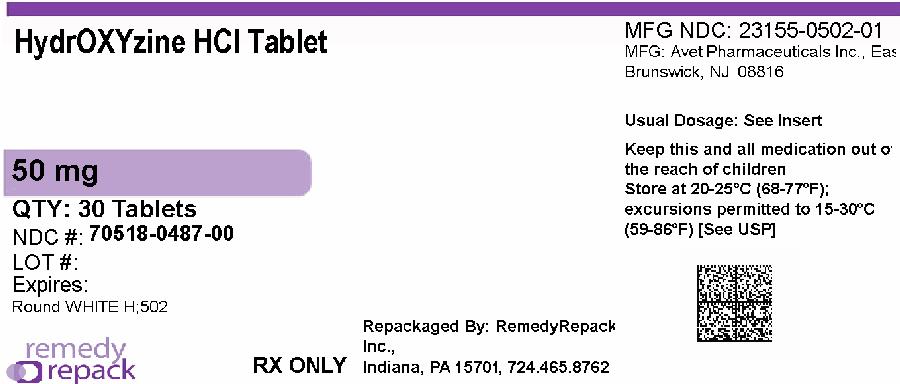
(hydroxy · DailyMed)
Gardasil
Aluminium hydroxy-phosphate sulfate 225 mcg/ml,Human Papillomavirus type 11 L1 Protein 40 mcg/0.5ml,Human Papillomavirus type 16 L1 Protein 40 mcg/0.5ml,Human Papillomavirus type 18 L1 Protein 20 mcg/0.5ml,Human Papillomavirus type 6 L1 Protein 20 mcg/0.5ml,L-Histidine 0.78 ml/100ml,Polysorbate 80 50 mcg/ml,Sodium Borate 35 mcg/ml,Sodium Chloride 9.56 ml/100ml
What it does
Aluminium is a substance often used in various medical applications, particularly in certain types of medications.
Commonly used for: heartburn (dyspepsia), stomach upset, acid indigestion
Read more in plain English ↓Plain-language summary for general understanding - not medical advice. Always follow your pharmacist/doctor.
Ask about this medicine
Answers come only from this medicine's registration record, BNF monograph and interaction data - not medical advice.
Medicine sourcing is available in Kenya only. We don't sell or dispense medicines - licensed pharmacies do.
Sourcing - Kenya onlyRegistration & product details
Source: Tanzania Medicines and Medical Devices Authority · fetched 2026-07-23 03:00:41 · updated 2026-09-17 03:00:44
About aluminium
Aluminium is a substance often used in various medical applications, particularly in certain types of medications.
What it treats
- heartburn (dyspepsia)
- stomach upset
- acid indigestion
How it works
Aluminium works by neutralizing stomach acid, which helps to relieve discomfort from acid-related conditions.
Who it's for
This is suitable for adults and children who experience symptoms related to excess stomach acid.
AI-assisted summary grounded in BNF data - general information only, not medical advice. Always confirm with your pharmacist or doctor.
About borate
Borate is a compound used in various medical and health applications, often for its antiseptic and antifungal properties.
What it treats
- skin infections
- fungal infections
- wound care
How it works
Borate helps to kill germs and fungi, promoting healing in affected areas.
Who it's for
This treatment may be suitable for individuals dealing with certain skin conditions or infections.
AI-assisted summary grounded in BNF data - general information only, not medical advice. Always confirm with your pharmacist or doctor.
About human
Human is a term that generally refers to a member of the species Homo sapiens, and in the context of medicine, it may relate to various human-derived products or treatments. However, there are no specific drug class, interactions, or cautions provided for this entry.
How it works
There is no specific information on how this ingredient works as it may relate to various contexts within human health.
Who it's for
Information regarding specific patients or conditions is not provided.
AI-assisted summary grounded in BNF data - general information only, not medical advice. Always confirm with your pharmacist or doctor.
About hydroxy
Hydroxy is a medication used to treat various health conditions. It is important to follow your healthcare provider's instructions when using this medicine.
What it treats
- autoimmune diseases (such as rheumatoid arthritis)
- malaria prevention and treatment
- certain skin conditions (like lupus)
How it works
Hydroxy helps to reduce inflammation and the activity of the immune system.
Who it's for
This medicine is for people with specific autoimmune disorders, those at risk of malaria, or those with certain skin issues.
AI-assisted summary grounded in BNF data - general information only, not medical advice. Always confirm with your pharmacist or doctor.
About l-histidine
L-histidine is an amino acid that plays a role in various bodily functions, including the production of proteins and enzymes.
What it treats
- improving muscle growth and recovery
- supporting immune function
- helping with certain types of allergies
How it works
L-histidine helps the body produce proteins and enzymes that are essential for growth and repair.
Who it's for
It is suitable for individuals needing support for muscle recovery or those with certain allergies.
AI-assisted summary grounded in BNF data - general information only, not medical advice. Always confirm with your pharmacist or doctor.
About papillomavirus
Papillomavirus is a virus that can cause warts and certain types of cancer, primarily affecting the skin and genital areas.
What it treats
- warts
- genital warts
- cervical cancer prevention
How it works
Vaccines can help protect against certain strains of papillomavirus, reducing the risk of infections and related conditions.
Who it's for
It is used for individuals, especially young people, to prevent infections and related complications from papillomavirus.
AI-assisted summary grounded in BNF data - general information only, not medical advice. Always confirm with your pharmacist or doctor.
About polysorbate
Polysorbate is a substance often used as an emulsifier, helping to mix ingredients that usually don't blend well together in medications and food products.
What it treats
- used in various medications and food products to stabilize mixtures
How it works
It helps to keep ingredients mixed evenly, preventing separation and improving texture.
Who it's for
Suitable for individuals who need products containing polysorbate for various health or dietary reasons.
AI-assisted summary grounded in BNF data - general information only, not medical advice. Always confirm with your pharmacist or doctor.
About protein
Protein is an essential nutrient that helps build and repair tissues in the body.
What it treats
- malnutrition
- muscle weakness
- wound healing
How it works
Protein provides the building blocks (amino acids) that the body needs to create and maintain muscles, skin, and other tissues.
Who it's for
It is suitable for anyone who needs to increase their protein intake, including those recovering from illness or injury, athletes, and people with certain dietary restrictions.
AI-assisted summary grounded in BNF data - general information only, not medical advice. Always confirm with your pharmacist or doctor.
Clinical monograph: aluminium
BNF-referencedAluminum, commonly used as an antacid, primarily functions to neutralize stomach acid and alleviate symptoms of dyspepsia, such as heartburn and indigestion. Its astringent properties allow it to constrict tissues, which can aid in the treatment of various gastrointestinal conditions. Aluminum salts, particularly aluminum hydroxide, are widely used in clinical practice.
Indications
- Dyspepsia
- Peptic ulcer disease
- Gastroesophageal reflux disease (GERD)
- Heartburn
- Diarrhea
- Mucosal irritations
Dosage
Children: Refer to the BNF for Children for appropriate dosing guidelines.
Adults: Refer to the BNF for specific dosing recommendations based on the condition being treated.
Mechanism of action
Aluminum acts as an astringent, causing local shrinkage or constriction of body tissues through osmotic flow of fluids away from the area of application. This mechanism assists in reducing mucous secretions and managing conditions such as peptic ulcers and diarrhea. Additionally, it can help in drying and hardening of tissues when applied topically.
Pharmacodynamics
Aluminum-based antacids work by neutralizing gastric acid, leading to an increase in gastric pH. This action helps to alleviate symptoms associated with excess gastric acid, such as heartburn and discomfort. The astringent properties of aluminum also contribute to its therapeutic effects in managing mucosal irritations and secretions.
Pharmacokinetics
Aluminum is absorbed minimally when taken orally, with a bioavailability of about 0.1 to 0.5%. The majority of aluminum is excreted renally, and its half-life can be prolonged in individuals with renal impairment. Long-term use may lead to accumulation and potential toxicity, particularly impacting bone and neurological health.
Interactions
- aluminiumhydroxide+deferasirox: Severe (decreases exposure)
- aluminiumhydroxide+enteralfeeds: Unknown (increases risk of blocked enteral or nasogastric tubes)
- aluminiumhydroxide+roxadustat: Unknown (decreases exposure)
Pregnancy
Aluminum compounds are generally considered safe in pregnancy when used as directed. However, excessive exposure should be avoided.
Breast-feeding
Aluminum is excreted in breast milk; caution is advised when administered to nursing mothers.
Storage
Store in a cool, dry place, away from direct sunlight.
Formulations
- aluminium hydroxide suspension
- aluminium hydroxide tablets
AI-synthesized from BNF references - general information only, not a substitute for professional medical advice or the current BNF. Verify doses with a pharmacist.
Clinical monograph: borate
BNF-referencedBorate refers to any of the various chemical compounds that contain the boron atom in their structure, typically in the form of boric acid or its derivatives. It is often utilized in various industrial applications and has been studied for its potential medicinal properties, particularly in antifungal and antiseptic uses. The molecular formula for borate is BO3-3, indicating its composition.
Indications
- Antiseptic treatment
- Antifungal treatment
- Management of minor burns and cuts
- Treatment of eye infections (as boric acid solution)
Dosage
Children: Refer to the BNF for Children for specific guidance on pediatric dosing.
Adults: Refer to specific product guidelines, as dosing can vary based on formulation and indication.
Mechanism of action
Borate compounds, such as boric acid, exhibit their effects primarily through the disruption of bacterial and fungal cell membrane integrity. They can interfere with the metabolism of microorganisms, leading to their death. Additionally, borates have anti-inflammatory properties, which may contribute to their therapeutic effects.
Pharmacodynamics
The pharmacodynamics of borate compounds involve their ability to inhibit enzyme activity in microbial cells, leading to the disruption of essential metabolic processes. They also have a mild antiseptic effect, which can help in reducing inflammation and promoting healing in affected tissues.
Pharmacokinetics
The pharmacokinetics of borate compounds can vary depending on the specific formulation and route of administration. Generally, borates are poorly absorbed through the gastrointestinal tract when ingested, which limits systemic exposure. However, topical applications can lead to localized effects. Borate compounds are known to be excreted primarily through the kidneys.
Pregnancy
Borate should be used in pregnancy only if clearly needed, as its safety has not been established.
Breast-feeding
Caution is advised when borate is used during breastfeeding due to insufficient data on its excretion in human milk.
Storage
Store in a tightly closed container, protected from moisture.
AI-synthesized from BNF references - general information only, not a substitute for professional medical advice or the current BNF. Verify doses with a pharmacist.
Clinical monograph: human
Human refers to the species Homo sapiens, which is characterized by advanced cognitive abilities, social structures, and the capability for complex communication. The term may also refer to human-derived biological products, such as blood, tissues, or organs used in medical treatments and research.
Dosage
Children: Dosage for human-derived biological products in pediatrics should be determined based on specific product guidelines and the clinical context.
Adults: Dosage for human-derived biological products varies widely. Refer to specific product information for appropriate dosing.
Mechanism of action
Human physiology is governed by complex biological systems involving various cellular and molecular pathways. The mechanisms of action for human-derived biological products vary widely depending on the specific context, including immune response, hormonal regulation, and metabolic processes.
Pharmacodynamics
Pharmacodynamics in humans involves the interaction of drugs with biological systems, resulting in therapeutic effects. This includes receptor binding, signal transduction, and physiological responses. The effects are influenced by genetic factors, existing health conditions, and concurrent medications.
Pharmacokinetics
Pharmacokinetics in humans involves the absorption, distribution, metabolism, and excretion (ADME) of substances. Factors such as age, sex, body weight, and organ function can significantly influence these processes. Drug absorption may occur via oral, intravenous, or other routes, while distribution depends on blood flow and tissue permeability. Metabolism typically occurs in the liver, and excretion primarily takes place through the kidneys.
Pregnancy
There is no specific information available; consult local guidelines.
Breast-feeding
There is no specific information available; consult local guidelines.
Storage
Store in a cool, dry place away from direct sunlight.
AI-synthesized from BNF references - general information only, not a substitute for professional medical advice or the current BNF. Verify doses with a pharmacist.
Clinical monograph: hydroxy
BNF-referencedHydroxyzine is an antihistamine of the first generation, primarily used for its sedative and anxiolytic properties. It is effective in treating anxiety, nausea, and allergic conditions. Hydroxyzine also possesses anticholinergic properties, which contribute to its sedative effects. It is commonly used in both adult and pediatric populations for various indications, including preoperative sedation and management of pruritus.
Indications
- Anxiety disorders
- Nausea and vomiting
- Allergic conditions
- Preoperative sedation
- Pruritus
Dosage
Children: Refer to the BNF for Children for appropriate dosing recommendations based on age and weight.
Adults: Refer to the BNF for specific dosing guidelines based on the indication and patient characteristics.
Mechanism of action
Hydroxyzine works by antagonizing the H1 histamine receptors, leading to a reduction in the effects of histamine in the body. This action helps alleviate symptoms of allergic reactions and promotes sedation. Additionally, it may exert effects on serotonin and adrenergic receptors, which could contribute to its anxiolytic properties. Hydroxyzine is also involved in various metabolic pathways, including selenium metabolism and the degradation of reactive oxygen species.
Pharmacodynamics
The pharmacodynamic effects of hydroxyzine include sedation, anxiolysis, and reduction of allergic symptoms. Its sedative effects can make it useful in managing anxiety and inducing sleep, while its antihistaminic properties help to relieve symptoms such as itching and rashes associated with allergic reactions. The onset of action is typically within 15 to 30 minutes when taken orally, with peak effects occurring within 1 to 2 hours.
Pharmacokinetics
Hydroxyzine is well absorbed from the gastrointestinal tract, with peak plasma concentrations occurring approximately 2 hours after oral administration. It is extensively metabolized in the liver, with metabolites, including cetirizine, possessing their own therapeutic effects. Hydroxyzine has a half-life of approximately 20 hours, allowing for once or twice daily dosing. It is primarily excreted in the urine, with less than 1% of the unchanged drug found in urine.
Interactions
- hydroxyzine+antiepileptics: Severe (increases risk of overheating and dehydration)
- hydroxyzine+zonisamide: Severe (increases risk of overheating and dehydration)
- hydroxychloroquine+penicillamine: Severe (increases risk of haematological toxicity)
- hydroxychloroquine+agalsidase alfa: Unknown (decreases effects)
- hydroxychloroquine+agalsidase beta: Unknown (decreases exposure)
- hydroxychloroquine+oral cholera vaccine: Unknown (decreases efficacy)
- live vaccines+hydroxy carbamide: Unknown (increases risk of generalised infection (possibly life-threatening))
- lanthanum+hydroxychloroquine: Unknown (decreases absorption)
- macrolides+hydroxychloroquine: Unknown (increases risk of serious cardiovascular adverse effects)
- hydroxychloroquine+remdesivir: Unknown (decreases effects)
Pregnancy
Safety in pregnancy has not been established. Use only if the potential benefit justifies the potential risk to the fetus.
Breast-feeding
Use with caution. Hydroxychloroquine is excreted in breast milk, and effects on the infant are unknown.
Storage
Store in a cool, dry place, protected from light. Keep out of reach of children.
Formulations
- Tablets
- Oral solution
AI-synthesized from BNF references - general information only, not a substitute for professional medical advice or the current BNF. Verify doses with a pharmacist.
Clinical monograph: lhistidine
BNF-referencedL-histidine is an essential amino acid that plays a critical role in various physiological processes, including the synthesis of proteins, the production of histamine, and the chelation of metals such as copper and iron. It is especially important in the context of immune function and antioxidant activity. L-histidine is involved in the treatment of conditions such as rheumatoid arthritis and allergic diseases, and its deficiency can lead to hearing impairments.
Indications
- Rheumatoid arthritis
- Allergic diseases
- Ulcers
- Anemia
Dosage
Children: Refer to the BNF for Children for specific dosing recommendations.
Adults: Refer to the BNF for specific dosing guidelines.
Mechanism of action
The exact actions of supplemental L-histidine are not fully understood, but it is postulated to have immunomodulatory and antioxidant properties. It serves as the precursor for histamine, which can enhance suppressor T cell activity and potentially down-regulate the production of reactive oxygen species in immune cells. This may confer benefits in conditions like rheumatoid arthritis, where oxidative stress is a concern.
Pharmacodynamics
L-histidine is abundant in hemoglobin and contributes to various bodily functions. It has been clinically associated with treating rheumatoid arthritis, allergic diseases, ulcers, and anemia. Deficiencies in L-histidine can lead to complications such as impaired hearing. Its metabolites, particularly histamine, exhibit immunomodulatory effects and antioxidant capabilities.
Pharmacokinetics
L-histidine is absorbed through the gastrointestinal tract, and its bioavailability can be influenced by dietary intake. Once ingested, it is incorporated into proteins and utilized in various metabolic pathways, including histidine biosynthesis and tRNA charging. The metabolism of L-histidine involves its conversion to histamine, which subsequently participates in numerous physiological processes.
Pregnancy
There is limited data on the use of L-histidine during pregnancy. Consult healthcare professionals.
Breast-feeding
Limited information is available on the excretion of L-histidine in human milk. Consult healthcare professionals before use.
Storage
Store in a cool, dry place, away from direct sunlight. Keep out of reach of children.
Formulations
- L-histidine powder
- L-histidine capsules
- L-histidine tablets
AI-synthesized from BNF references - general information only, not a substitute for professional medical advice or the current BNF. Verify doses with a pharmacist.
Clinical monograph: papillomavirus
Papillomavirus, particularly human papillomavirus (HPV), is a group of more than 200 related viruses, some of which can cause benign warts, while others are associated with various cancers, including cervical cancer, anal cancer, and oropharyngeal cancer. HPV is transmitted through direct skin-to-skin contact, and certain strains are classified as high-risk for cancer development. Vaccination against HPV has been developed to prevent infections, thereby reducing the incidence of these related cancers.
Indications
- Prevention of cervical cancer
- Prevention of anal cancer
- Prevention of oropharyngeal cancer
- Prevention of genital warts
Dosage
Children: Refer to relevant guidelines for vaccination schedules and administration.
Adults: Refer to relevant guidelines for vaccination schedules and administration.
Mechanism of action
HPV infects epithelial cells and integrates its DNA into the host cell genome. The viral proteins E6 and E7 interfere with host cell cycle regulation, inhibiting tumor suppressor proteins p53 and retinoblastoma (Rb). This leads to uncontrolled cell proliferation and genomic instability, contributing to oncogenesis.
Pharmacodynamics
The immune response to HPV infection can lead to the elimination of the virus in some individuals, while others may develop persistent infections that can progress to dysplasia and cancer. The effectiveness of HPV vaccines is based on their ability to elicit a strong and lasting immune response against the virus, thus preventing the associated diseases.
Pharmacokinetics
HPV is not treated with conventional pharmacological agents, as it is a viral infection that requires preventive measures such as vaccination. The HPV vaccines are administered intramuscularly, leading to systemic circulation of the vaccine components, which stimulate an immune response. The half-life of antibodies generated in response to the vaccine is variable but generally lasts for several years, providing long-term protection.
Adverse effects
- Local reactions at the injection site
- Fever
- Headache
- Fatigue
- Nausea
Precautions
- Caution in patients with a history of allergic reactions to vaccine components
- Consider the risk of fainting after vaccination
- Monitor for any adverse reactions post-vaccination
Pregnancy
The safety of papillomavirus vaccines during pregnancy has not been established. Vaccination is generally not recommended during pregnancy unless the benefits outweigh the risks.
Breast-feeding
There is no evidence suggesting that papillomavirus vaccines pose a risk to breastfeeding infants. Vaccination can be considered.
Storage
Store in a refrigerator at 2 to 8 degrees Celsius. Do not freeze. Protect from light.
Formulations
- Quadrivalent HPV vaccine (types 6, 11, 16, 18)
- Bivalent HPV vaccine (types 16, 18)
- Nonavalent HPV vaccine (types 6, 11, 16, 18, 31, 33, 45, 52, 58)
AI-synthesized from BNF references - general information only, not a substitute for professional medical advice or the current BNF. Verify doses with a pharmacist.
Clinical monograph: polysorbate
Polysorbate is a non-ionic surfactant and emulsifier used in various pharmaceutical formulations. It is derived from sorbitol and fatty acids and is known for its capacity to enhance the solubility of hydrophobic compounds in aqueous solutions. Polysorbate is commonly utilized in the preparation of oral, parenteral, and topical pharmaceutical products, as well as in food and cosmetic industries.
Indications
- Emulsifying agent in drug formulations
- Stabilizer for parenteral preparations
- Solubilizer for hydrophobic drug compounds
- Ingredient in topical formulations
Dosage
Children: Refer to specific product guidelines, as dosing varies based on formulation and intended use.
Adults: Refer to specific product guidelines, as dosing varies based on formulation and intended use.
Mechanism of action
Polysorbate functions primarily as an emulsifying agent. It reduces the surface tension between immiscible liquids, allowing them to mix more easily. This property is particularly useful in stabilizing emulsions and suspensions, facilitating the delivery of active pharmaceutical ingredients in various formulations.
Pharmacodynamics
Polysorbate does not exert pharmacological effects in the traditional sense, as it does not bind to specific receptors to elicit a physiological response. Instead, it plays a crucial role in modifying the physical properties of drug formulations, thereby enhancing drug delivery and absorption. Its ability to solubilize drugs enhances their bioavailability, particularly for poorly soluble compounds.
Pharmacokinetics
Polysorbate is generally considered to be non-toxic and is not absorbed to a significant extent when administered orally. It is metabolized by the liver and excreted primarily through the gastrointestinal tract. The pharmacokinetic profile may vary depending on the route of administration and the specific formulation in which it is used.
Adverse effects
- Allergic reactions
- Skin irritation
- Gastrointestinal disturbances
Precautions
- Use cautiously in patients with known allergies to polysorbates or related compounds
- Monitor for allergic reactions in susceptible individuals
Pregnancy
Polysorbate is generally considered safe for use during pregnancy, but consult with a healthcare provider for specific cases.
Breast-feeding
Polysorbate is considered safe during breastfeeding, but consult with a healthcare provider for individual advice.
Storage
Store at room temperature, away from direct sunlight and moisture.
Formulations
- Polysorbate 20
- Polysorbate 80
AI-synthesized from BNF references - general information only, not a substitute for professional medical advice or the current BNF. Verify doses with a pharmacist.
Clinical monograph: protein
Proteins are large, complex molecules made up of amino acids and are essential for the structure, function, and regulation of the body's tissues and organs. They play critical roles in various biological processes, including enzymatic reactions, immune responses, and cellular signaling. Dietary proteins are obtained from both animal and plant sources and are broken down into amino acids during digestion, which are then used by the body to synthesize new proteins as needed.
Indications
- Nutritional supplementation
- Muscle repair and growth
- Immune support
- Enzyme replacement therapy
- Hormonal regulation
Dosage
Children: Refer to specific product guidelines for dosing information, as protein requirements in children vary based on age, growth stage, and health status.
Adults: Refer to specific product guidelines for dosing information, as protein requirements can vary widely based on individual needs, activity levels, and clinical conditions.
Mechanism of action
Proteins exert their effects primarily through their structure and interactions with other molecules. They can function as enzymes, hormones, and antibodies, and their action is often mediated by binding to specific receptors or substrates, leading to a change in cellular activity or function. For example, enzymes catalyze biochemical reactions, while antibodies bind to antigens to facilitate immune responses.
Pharmacodynamics
The pharmacodynamics of proteins can vary significantly depending on the specific protein being considered. Generally, the effects of proteins are dose-dependent and influenced by their concentration, affinity for targets, and duration of action. Proteins can have a wide range of biological activities, including promoting cellular repair, regulating metabolism, and modulating immune responses.
Pharmacokinetics
The pharmacokinetics of proteins includes their absorption, distribution, metabolism, and excretion (ADME). Proteins are typically digested in the gastrointestinal tract into amino acids before being absorbed into the bloodstream. Once in circulation, proteins can be distributed throughout various tissues. They may have a variable half-life based on their structure and function, and they are primarily metabolized by the liver and excreted via the kidneys. The pharmacokinetic profile can be influenced by factors such as the route of administration and the presence of other substances.
Pregnancy
Generally considered safe, but high protein intake should be monitored to avoid potential risks.
Breast-feeding
Adequate protein intake is critical for lactating women to support milk production and quality.
Storage
Store in a cool, dry place, away from direct sunlight.
AI-synthesized from BNF references - general information only, not a substitute for professional medical advice or the current BNF. Verify doses with a pharmacist.
Molecular reference: aluminium
PubChem CID 5359268Molecular formula: Al
Mechanism of action
Aluminum Acetate is an astringent. An astrignent is a chemical that tends to shrink or constrict body tissues, usually locally after topical medicinal application. The shrinkage or constriction is through osmotic flow of water (or other fluids) away from the area where the astringent was applied. Astringent medicines cause shrinkage of mucous membranes or exposed tissues and are often used internally to check discharge of blood serum or mucous secretions. This can happen with a sore throat, hemorrhages, diarrhea, or with peptic ulcers. Externally applied astringents, which cause mild coagulation of skin proteins, dry, harden, and protect the skin. Acne sufferers are often advised to use astringents if they have oily skin. Astringents also help heal stretch marks and other scars. Mild astringent solutions are used in the relief of such minor skin irritations as those resulting from superficial cuts, allergies, insect bites, or fungal infections such as athlete's foot. Excessive dietary aluminum has been proposed to be a factor contributing to several neurological disorders in humans. Six 8-week-old female Swiss Webster mice were fed for 10 wk purified diets containing 100 (control), 500 or 1000 ug aluminum/g diet. Brain and liver lipid peroxidation was determined by evaluating the production of 2-thiobarbituric acid reactive substances in brain and liver homogenates in the presence or absence of 50 uM ferrous iron. 2-Thiobarbituric acid reactive substances production in the absence of iron in brain homogenates from mice fed the 1000 ug/g diet was higher (30%) than that in the 100 ug/g control group (3.1 vs 2.4 nmol 2-thiobarbituric acid reactive substances/mg protein). The addition of ferrous iron increased 2-thiobarbituric acid reactive substances production in brain homogenates from all 3 dietary groups. The iron induced 2-thiobarbituric acid reactive substances production was 26% higher in the 1000 ug/g brain homogenates than in the 100 ug/g group (4.9 vs 3.9 nmol 2-thiobarbituric acid reactive substances/mg protein). Brain 2-thiobarbituric acid reactive substances production in the presence and absence of iron was similar between the 100 and 500 ug/g aluminum groups. 2-Thiobarbituric acid reactive substances production in liver homogenates measured either with or without iron was similar for the 3 groups. These results show that, in mice, dietary aluminum intoxication leads to increased brain 2-thiobarbituric acid reactive substance production, suggesting that enhanced lipid peroxidation may be one possible mechanism underlying the neurological damage associated with increased tissue aluminum. Evidence is presented indicating that dementias are associated with a relative insufficiency of magnesium in the brain. Such insufficiency may be attributable to low intake or retention of magnesium; high intake of a neurotoxic metal, such as aluminum, which inhibits activity of magnesium requiring enzymes; or impaired transport of magnesium and/or enhanced transport of the neurotoxic metal into brain tissue. It is proposed that Alzheimer's disease involves a defective transport process, characterized by both an abnormally high incorporation of aluminum and an abnormally low incorporation that an altered serum protein contributes to the progression of Alzheimer's disease by having a greater affinity for aluminum than for magnesium, in contrast to the normal protein, which binds magnesium better than aluminum. The altered protein crosses the blood-brain barrier more efficiently than the normal protein and competes with the normal protein in binding to brain neurons. Binding of the altered protein to the target neurons would both facilitate aluminum uptake and impede magnesium uptake. Evidence suggests that albumin is the serum protein that is altered. Aluminum is established as a neurotoxin, although the basis for its toxicity is unknown. It recently has been shown to alter the function of the blood-brain barrier, which regulates ex
Source: PubChem (NCBI) · pathways from PathBank, Reactome, WikiPathways & PharmGKB.
Molecular reference: borate
PubChem CID 26574Molecular formula: BO3-3
Source: PubChem (NCBI) · pathways from PathBank, Reactome, WikiPathways & PharmGKB.
Molecular reference: hydroxy
PubChem CID 961Molecular formula: HO-
Biological pathways
Source: PubChem (NCBI) · pathways from PathBank, Reactome, WikiPathways & PharmGKB.
Molecular reference: l-histidine
PubChem CID 6274Molecular formula: C6H9N3O2
Mechanism of action
Since the actions of supplemental L-histidine are unclear, any postulated mechanism is entirely speculative. However, some facts are known about L-histidine and some of its metabolites, such as histamine and trans-urocanic acid, which suggest that supplemental L-histidine may one day be shown to have immunomodulatory and/or antioxidant activities. Low free histidine has been found in the serum of some rheumatoid arthritis patients. Serum concentrations of other amino acids have been found to be normal in these patients. L-histidine is an excellent chelating agent for such metals as copper, iron and zinc. Copper and iron participate in a reaction (Fenton reaction) that generates potent reactive oxygen species that could be destructive to tissues, including joints. L-histidine is the obligate precursor of histamine, which is produced via the decarboxylation of the amino acid. In experimental animals, tissue histamine levels increase as the amount of dietary L-histidine increases. It is likely that this would be the case in humans as well. Histamine is known to possess immunomodulatory and antioxidant activity. Suppressor T cells have H2 receptors, and histamine activates them. Promotion of suppressor T cell activity could be beneficial in rheumatoid arthritis. Further, histamine has been shown to down-regulate the production of reactive oxygen species in phagocytic cells, such as monocytes, by binding to the H2 receptors on these cells. Decreased reactive oxygen species production by phagocytes could play antioxidant, anti-inflammatory and immunomodulatory roles in such diseases as rheumatoid arthritis. This latter mechanism is the rationale for the use of histamine itself in several clinical trials studying histamine for the treatment of certain types of cancer and viral diseases. In these trials, down-regulation by histamine of reactive oxygen species formation appears to inhibit the suppression of natural killer (NK) cells and cytotoxic T lymphocytes, allowing these cells to be more effective in attacking cancer cells and virally infected cells.
Pharmacodynamics
Is found abundantly in hemoglobin; has been used in the treatment of rheumatoid arthritis, allergic diseases, ulcers and anemia. A deficiency can cause poor hearing.
Biological pathways
Source: PubChem (NCBI) · pathways from PathBank, Reactome, WikiPathways & PharmGKB.
This drug in other countries
The same active ingredient registered across other registries we cover - including different brands.
- (L-Isoleucine /L-Leucine / L-Lysine Hydrochloride/ L-Methionine / L-Phenylalanine / L-Threonine / L-Tryptophan /L-Valine /L-Arginine / L-Histidine / Glycine / L-Alanine / L-Proline / L-Aspartic Acid / L-Asparagine H2O/L-Cysteine Hydrochloride · Otsuka Pharmaceutical
- ABYCID SUSPENSION (Each 5ml contains Magnesium Hydroxide BP/ Dried Aluminium Hydroxide BP Magnesium Trisilicate BP Activated Dimethicone (Simethicone) B 225mg/200mg/25mg) · Socomed Pharmceuticals Pvt Limited
- ACIQUARD O SUSPENSION (Each 5ml contains Dried Aluminium Hydroxide / Magnesium Hydroxide / Simethicone / Oxethazaine 250mg/250mg/50mg/10mg) · Pharmanova
- ACTRAPID 100IU/ML SOLUTION FOR INJECTION IN VIAL (HUMAN INSULIN) · Novo Nordisk
- ACTRAPID FLEXPEN (RECOMBINANT HUMAN INSULIN) 100IU/ML SUSPENSION FOR INJECTION IN PRE-FILLED PEN · Novo Nordisk
- ADULT MALIN COUGH SYRUP · M&g Pharmaceuticals