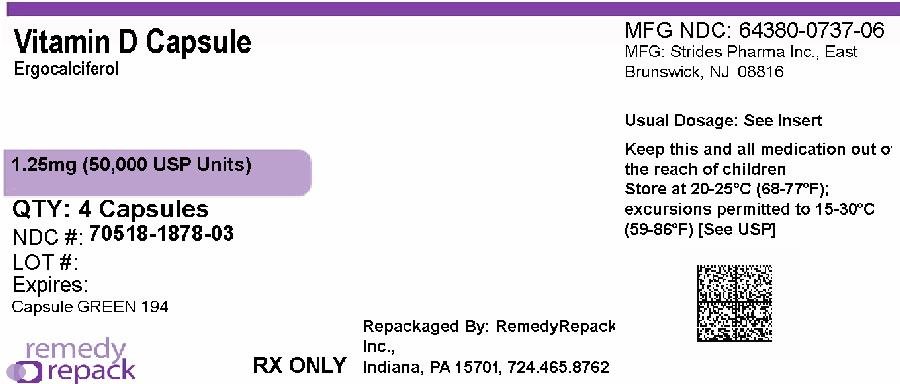
(vitamin · DailyMed)
FOREVER IVISION SOFTGEL
Folate/Vitamin B12 400mcg/500mcg
What it does
Folate is a type of B vitamin that is important for the production of red blood cells and helps prevent certain types of birth defects.
Commonly used for: prevention of neural tube defects in pregnancy, treatment of folate deficiency, supporting overall health
Read more in plain English ↓Plain-language summary for general understanding - not medical advice. Always follow your pharmacist/doctor.
Ask about this medicine
Answers come only from this medicine's registration record, BNF monograph and interaction data - not medical advice.
Medicine sourcing is available in Kenya only. We don't sell or dispense medicines - licensed pharmacies do.
Sourcing - Kenya onlyRegistration & product details
Source: Food and Drugs Authority · fetched 2026-04-18 08:45:37 · updated 2026-09-18 04:00:11
Drug Interactions
7Severe (2)
Vitamin - increases risk of vitamin a toxicity
TretinoinispredictedtoincreasetheriskofvitaminAtoxicity whengivenwithvitaminA.Avoid.rStudy Ribavirin e
Vitamin - increases risk of vitamin a toxicity
Retinoids(tretinoin)arepredictedtoincreasetheriskof vitaminAtoxicitywhengivenwithvitaminA.Avoid.r Study VitaminDsubstances . . . . . alfacalcidol.calcipotri..ol calcitriol colecalciferol ergocalcifero
Moderate (1)
Vitamin - increases risk of toxicity
Retinoids (bexarotene) are predicted to increase the risk of toxicity when given with vitamin A. Adjust dose.
Unknown (4)
Vitamin - decreases effects
Carbamazepine is predicted to decrease the effects of vitamin D substances.
Vitamin - increases exposure
Cobicistat is predicted to increase the exposure to vitamin D substances (paricalcitol).
Vitamin - increases exposure
Idelalisib is predicted to increase the exposure to vitamin D substances (paricalcitol).
Vitamin - increases exposure
Clarithromycin is predicted to increase the exposure to vitamin D substances (paricalcitol).
Data from BNF 85 (British National Formulary). This is not a substitute for professional medical advice. Matched via: exact
About folate
Folate is a type of B vitamin that is important for the production of red blood cells and helps prevent certain types of birth defects.
What it treats
- prevention of neural tube defects in pregnancy
- treatment of folate deficiency
- supporting overall health
How it works
Folate helps the body make DNA and is essential for the growth and division of cells.
Who it's for
Folate is suitable for pregnant women, those planning to become pregnant, and individuals with low levels of folate.
AI-assisted summary grounded in BNF data - general information only, not medical advice. Always confirm with your pharmacist or doctor.
About vitamin
Vitamins are essential nutrients that support various bodily functions and overall health.
What it treats
- nutritional deficiency
- general health maintenance
How it works
Vitamins support normal bodily functions, including metabolism, immune function, and cell repair.
Who it's for
Anyone needing to improve their nutrient intake or maintain good health.
AI-assisted summary grounded in BNF data - general information only, not medical advice. Always confirm with your pharmacist or doctor.
Clinical monograph: folate
BNF-referencedFolate, also known as vitamin B9, is a water-soluble vitamin essential for the synthesis of nucleic acids and amino acids. It plays a crucial role in cellular division and growth, making it particularly important during periods of rapid growth such as pregnancy and infancy. Folate is naturally found in various foods, including leafy green vegetables, fruits, and legumes. It is also available as a dietary supplement and is often used to prevent or treat folate deficiency, which can lead to conditions such as megaloblastic anemia.
Indications
- Folate deficiency
- Megaloblastic anemia
- Prevention of neural tube defects in pregnancy
- Supplementation in patients on certain medications (e.g., methotrexate)
Dosage
Children: Refer to the BNF for Children for appropriate pa
Adults: Refer to specific guidelines or the BNF for appropriate adult dosing based on the indication.
Mechanism of action
Folate functions as a coenzyme in the conversion of homocysteine to methionine, a process that is vital for DNA synthesis and repair. It is involved in the one-carbon metabolism pathway, where it acts as a carrier of one-carbon units necessary for the synthesis of purines and thymidylate, thus supporting the production of nucleotides and DNA. This mechanism is particularly important in rapidly dividing cells.
Pharmacodynamics
Folate is critical for the formation of red blood cells and the proper functioning of the nervous system. It aids in the production of nucleic acids, which are essential for cell proliferation. Folate deficiency can lead to impaired DNA synthesis, resulting in megaloblastic anemia characterized by the presence of large, immature red blood cells in the bloodstream. Adequate folate levels are also associated with reduced risk of neural tube defects in developing fetuses.
Pharmacokinetics
Folate is absorbed in the proximal part of the small intestine, primarily in the jejunum, and is transported in the bloodstream bound to plasma proteins. It undergoes hepatic metabolism and is stored mainly in the liver. The elimination half-life varies, but dietary folate can be retained in the body for several weeks. Excess folate is excreted through the urine. The bioavailability of folate from food sources is lower compared to synthetic folic acid found in supplements.
Interactions
- folates+fluorouracil: Severe (increases risk of toxicity)
- folates+antiepileptics: Moderate (decreases concentration)
- folates+fosphenytoin: Moderate (decreases concentration)
- folates+phenobarbital: Moderate (decreases concentration)
- folates+phenytoin: Moderate (decreases concentration)
- folates+primidone: Moderate (decreases concentration)
- sulfasalazine+folates: Unknown (decreases absorption)
Pregnancy
Folate is essential for fetal development and is often recommended to prevent neural tube defects.
Breast-feeding
Folate is generally safe during breastfeeding, as it is important for both maternal and infant health.
Storage
Store in a cool, dry place, away from direct sunlight.
Formulations
- Tablets
- Injection
AI-synthesized from BNF references - general information only, not a substitute for professional medical advice or the current BNF. Verify doses with a pharmacist.
Clinical monograph: vitamin
BNF-referencedVitamins are organic compounds that are essential for various metabolic processes in the body. They play crucial roles in maintaining health, supporting the immune system, and promoting growth and development. Different vitamins have specific functions, and they are required in varying amounts depending on age, sex, and physiological conditions.
Indications
- Vitamin deficiency syndromes (e.g., scurvy for vitamin C deficiency, rickets for vitamin D deficiency)
- Support for immune function
- Antioxidant support
- Bone health maintenance
- Vision health
- Energy metabolism support
Dosage
Children: Refer to the BNF for Children for specific vitamin dosing guidelines, which depend on age and nutritional requirements.
Adults: Refer to specific vitamin guidelines as dosage varies significantly depending on the type of vitamin and individual needs.
Mechanism of action
Vitamins function primarily as coenzymes or precursors for coenzymes in enzymatic reactions. For instance, B vitamins are involved in energy metabolism, while vitamins A, C, D, E, and K support various physiological functions including vision, antioxidant activity, calcium regulation, and blood clotting. Each vitamin has a unique mechanism of action based on its structure and role in the body.
Pharmacodynamics
Vitamins exert their effects at the cellular level, influencing metabolic pathways, gene expression, and immune responses. For example, vitamin D regulates calcium and phosphate homeostasis, while vitamin A is crucial for vision and immune function. Deficiencies in vitamins can lead to a range of disorders, highlighting their importance in maintaining health.
Pharmacokinetics
The pharmacokinetics of vitamins vary widely. Fat-soluble vitamins (A, D, E, and K) are stored in liver and adipose tissues and can be released into circulation as needed. Water-soluble vitamins (B-complex and C) are not stored and must be consumed regularly, with excess amounts excreted in urine. Absorption rates, half-lives, and distribution can also differ based on the specific vitamin and individual metabolic factors.
Interactions
- tretinoin+vitamin: Severe (increases risk of vitamin toxicity)
- retinoids+vitamin: Severe (increases risk of vitamin toxicity)
- retinoids+vitamin: Moderate (increases risk of toxicity)
- carbamazepine+vitamin: Unknown (decreases effects)
- cobicistat+vitamin: Unknown (increases exposure)
- vitamin D substances+digoxin: Unknown (increases risk of toxicity)
- idelalisib+vitamin: Unknown (increases exposure)
- clarithromycin+vitamin: Unknown (increases exposure)
Pregnancy
Consult healthcare professional before use. Vitamin supplementation during pregnancy should be carefully managed to avoid hypervitaminosis.
Breast-feeding
Consult healthcare professional before use. Some vitamins can pass into breast milk and may affect the infant.
Storage
Store in a cool, dry place, away from direct sunlight. Ensure it is kept out of reach of children.
Formulations
- {'name': 'Vitamin A', 'form': 'Capsule', 'strength': '10000 IU'}
- {'name': 'Vitamin D', 'form': 'Tablet', 'strength': '1000 IU'}
- {'name': 'Vitamin E', 'form': 'Softgel', 'strength': '400 IU'}
AI-synthesized from BNF references - general information only, not a substitute for professional medical advice or the current BNF. Verify doses with a pharmacist.
Molecular reference: folate
PubChem CID 135405876Molecular formula: C19H19N7O6
Source: PubChem (NCBI) · pathways from PathBank, Reactome, WikiPathways & PharmGKB.
Molecular reference: vitamin
PubChem CID 266052Molecular formula: C14H15NO7
Source: PubChem (NCBI) · pathways from PathBank, Reactome, WikiPathways & PharmGKB.
This drug in other countries
The same active ingredient registered across other registries we cover - including different brands.