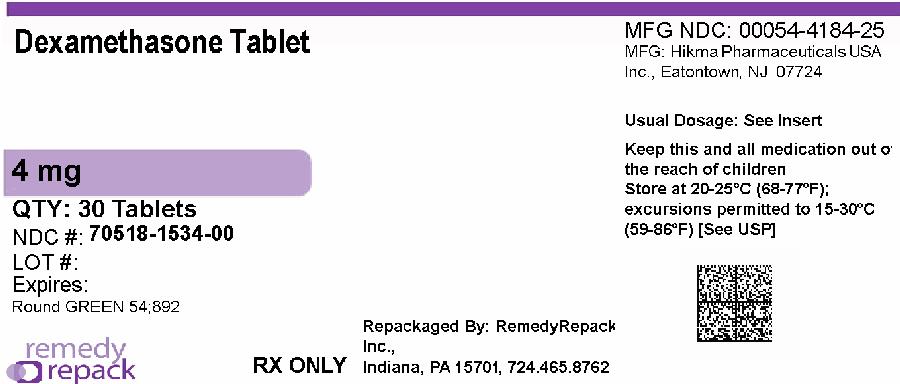
(dexamethasone · DailyMed)
NEOMIDEX EYE/EAR DROPS
NEOMYCIN SULPHATE/POLYMYXIN B SULPHATE/DEXAMETHASONE PHOSPHATE/ PHENYL MERCURIC NITRATE
What it does
Dexamethasone is a corticosteroid used to treat various conditions by reducing inflammation and suppressing the immune system.
Commonly used for: inflammation, allergic reactions, certain cancers, autoimmune diseases (e.g., lupus) …
Read more in plain English ↓Plain-language summary for general understanding - not medical advice. Always follow your pharmacist/doctor.
Ask about this medicine
Answers come only from this medicine's registration record, BNF monograph and interaction data - not medical advice.
Medicine sourcing is available in Kenya only. We don't sell or dispense medicines - licensed pharmacies do.
Sourcing - Kenya onlyRegistration & product details
Source: Food and Drugs Authority · fetched 2026-04-18 08:37:12 · updated 2026-09-01 04:00:34
Drug Interactions
56Pharmacodynamic Warnings
Neomycin appears in TABLE 2: Drugs that cause nephrotoxicity
Dexamethasone appears in TABLE 17: Drugs that reduce serum potassium
Neomycin appears in TABLE 19: Drugs that cause ototoxicity
Neomycin appears in TABLE 20: Drugs with neuromuscular blocking effects
Severe (4)
Agalsidasealfa - decreases effects
Aminoglycosidesarepredictedtodecreasetheeffectsof agalsidasealfa.Avoid.oTheoretical
Agalsidasebeta - decreases effects
Aminoglycosidesarepredictedtodecreasetheeffectsof agalsidasebeta.Avoid.oTheoretical
Avapritinib - decreases exposure
Dexamethasoneispredictedtodecreasetheexposureto avapritinib.Avoid.rTheoretical
Mifamurtide - decreases efficacy
Corticosteroidsarepredictedtodecreasetheefficacyof mifamurtide.Avoid.rTheoretical
Moderate (24)
Corticosteroids - increases exposure
Dronedarone is predicted to increase the exposure to corticosteroids (methylprednisolone). Monitor and adjust dose.
Corticosteroids - increases concentration
Miconazole is predicted to increase the concentration of corticosteroids (methylprednisolone). Monitor and adjust dose.
Corticosteroids - increases exposure
Antifungals, azoles (fluconazole, isavuconazole, posaconazole) are predicted to increase the exposure to corticosteroids (methylprednisolone). Monitor and adjust dose.
Corticosteroids - decreases exposure
Cenobamate is predicted to decrease the exposure to corticosteroids (fluticasone). Adjust dose.
Corticosteroids - decreases efficacy
Mifepristone is predicted to decrease the efficacy of corticosteroids. Use with caution and adjust dose.
Unknown (28)
Aminoglycosides - decreases exposure
Miconazole potentially decreases the exposure to aminoglycosides (tobramycin).
Aspirin - decreases concentration
Corticosteroids are predicted to decrease the concentration of aspirin (high-dose) and aspirin (high-dose) increases the risk of gastrointestinal bleeding when given with corticosteroids.
Caspofungin - decreases concentration
Dexamethasone is predicted to decrease the concentration of caspofungin. Adjust caspofungin dose, p. 654.
Choline Salicylate - decreases concentration
Corticosteroids are predicted to decrease the concentration of cholinesalicylate. Ciclesonide → see corticosteroids Ciclosporin → see TABLE 2 p. 1517 (nephrotoxicity), TABLE 16 p. 1521 (increased seru
Corticosteroids - increases exposure
Cobicistat is predicted to increase the exposure to corticosteroids (beclometasone) (risk with beclometasone is likely to be lower than with other corticosteroids).
Data from BNF 85 (British National Formulary). This is not a substitute for professional medical advice. Matched via: class
About dexamethasone
Dexamethasone is a corticosteroid used to treat various conditions by reducing inflammation and suppressing the immune system.
What it treats
- inflammation
- allergic reactions
- certain cancers
- autoimmune diseases (e.g., lupus)
- skin conditions (e.g., eczema)
How it works
It works by mimicking the effects of hormones produced by the adrenal glands, helping to decrease inflammation and control the immune response.
Who it's for
It is prescribed for adults and children with specific health issues that require inflammation control or immune suppression.
Drug class
Corticosteroids
Cautions
- • Be cautious if taking medications that lower potassium levels.
AI-assisted summary grounded in BNF data - general information only, not medical advice. Always confirm with your pharmacist or doctor.
About mercuric
Mercuric is a chemical compound that has been used in various medical applications, but it is important to be aware of its risks.
What it treats
- mercury poisoning
- certain skin conditions
How it works
Mercuric works by interacting with biological systems, but it can be toxic and harmful if not used properly.
Who it's for
This treatment may be considered for individuals with specific conditions as determined by a healthcare professional.
Cautions
- • Can be toxic if misused.
- • Not recommended for long-term use.
AI-assisted summary grounded in BNF data - general information only, not medical advice. Always confirm with your pharmacist or doctor.
About neomycin
Neomycin is an antibiotic used to treat infections caused by certain bacteria.
What it treats
- bacterial infections
- skin infections
- ear infections
How it works
Neomycin works by stopping the growth of bacteria.
Who it's for
Neomycin is for people who have bacterial infections that are sensitive to this antibiotic.
Drug class
Aminoglycosides
Cautions
- • Be careful if you are taking other medications that can harm the kidneys.
- • Avoid use with drugs that may cause hearing problems.
- • Use caution with medications that can affect muscle function.
AI-assisted summary grounded in BNF data - general information only, not medical advice. Always confirm with your pharmacist or doctor.
About phenyl
Phenyl is a compound often used in various medications for its therapeutic effects.
What it treats
- allergic reactions
- nasal congestion
How it works
Phenyl works by helping to relieve symptoms associated with allergies and congestion, making breathing easier.
Who it's for
Phenyl is suitable for adults and children experiencing symptoms of allergies or nasal congestion.
AI-assisted summary grounded in BNF data - general information only, not medical advice. Always confirm with your pharmacist or doctor.
About polymyxin
Polymyxin is an antibiotic used to treat serious infections caused by certain bacteria.
What it treats
- serious bacterial infections
- infections caused by gram-negative bacteria
How it works
Polymyxin works by attacking the outer membrane of bacteria, causing them to break apart and die.
Who it's for
It is used for people with severe infections that do not respond to other antibiotics.
AI-assisted summary grounded in BNF data - general information only, not medical advice. Always confirm with your pharmacist or doctor.
Clinical monograph: Neomycinsulfate
BNF-referencedNeomycin sulfate is an aminoglycoside antibiotic used primarily for its effectiveness against a wide range of gram-negative bacterial infections. It is often employed in topical formulations but can also be used systemically for bowel sterilization before surgical procedures and in the treatment of hepatic coma. The drug acts by inhibiting bacterial protein synthesis, thus halting bacterial growth and replication.
Indications
- Bowel sterilization before surgery
- Hepatic coma
- Topical infections caused by susceptible organisms
Dosage
Children: Refer to the BNF for Children for appropriate dosing information.
Adults: By mouth: 1 g every 1 hour for 4 hours, then 1 g every 4 hours for 2–3 days. For hepatic coma: Up to 4 g daily in divided doses usually for 5–7 days.
Mechanism of action
Neomycin sulfate binds to the 30S ribosomal subunit of bacteria, leading to the misreading of mRNA and the inhibition of protein synthesis. This disrupts the production of essential proteins needed for bacterial growth and function, ultimately resulting in cell death.
Pharmacodynamics
Neomycin demonstrates bactericidal activity against susceptible bacteria. Its efficacy is enhanced in alkaline environments, which is why it is often used in combination with other agents for surgical prophylaxis. The drug is primarily effective against a range of gram-negative organisms, including Escherichia coli and Klebsiella species, but also has some activity against gram-positive organisms.
Pharmacokinetics
Neomycin is poorly absorbed from the gastrointestinal tract, and its systemic absorption is minimal when administered orally. In cases of systemic use, such as intramuscular or intravenous administration, neomycin is distributed widely in the body but is primarily excreted unchanged in the urine. The elimination half-life varies but is generally around 2 to 3 hours in individuals with normal renal function. Monitoring of serum concentrations is essential to prevent toxicity, especially in patients with renal impairment.
Adverse effects
- neurotoxicity
- ototoxicity
- nephrotoxicity
- allergic reactions
- skin rashes
- hearing loss
Interactions
- other nephrotoxic drugs
- loop diuretics
- neuromuscular blocking agents
Precautions
- monitor renal function
- use cautiously in patients with hearing impairment
- avoid concurrent use with other ototoxic medications
- ensure adequate hydration
Pregnancy
Safety in pregnancy has not been established. Use only if the potential benefit justifies the potential risk to the fetus.
Breast-feeding
Use caution; neomycin can be absorbed systemically and may affect the nursing infant.
Storage
Store at room temperature, away from light and moisture. Keep out of reach of children.
Formulations
- oral tablets
- topical ointments
- injectable solutions
AI-synthesized from BNF references - general information only, not a substitute for professional medical advice or the current BNF. Verify doses with a pharmacist.
Clinical monograph: Dexamethasone
BNF-referencedDexamethasone is a synthetic corticosteroid with potent anti-inflammatory and immunosuppressive properties. It has predominantly glucocorticoid activity and is used to treat various inflammatory and allergic conditions. Its mechanisms include decreasing vasodilation and permeability of capillaries, inhibiting leukocyte migration, and altering gene expression related to inflammation. Dexamethasone is administered orally or via injection, and it is important to manage dosing carefully to avoid potential side effects.
Indications
- Suppression of inflammatory and allergic disorders
- Adjunctive treatment of suspected bacterial meningitis
- Reduction of peri- and neonatal morbidity and mortality in preterm birth
- Management of severe croup
- Congenital adrenal hyperplasia
- COVID-19 requiring supplemental oxygen
Dosage
Adults: For adults, the typical dosing varies by condition
Mechanism of action
Dexamethasone binds to the glucocorticoid receptor, leading to changes in gene expression that result in decreased inflammatory and immune responses. It inhibits phospholipase A2, reducing the formation of pro-inflammatory mediators, and promotes anti-inflammatory genes like interleukin-10. The drug also inhibits neutrophil apoptosis and demargination, contributing to its anti-inflammatory effects. Its glucocorticoid activity results in significant immunosuppression at higher doses.
Pharmacodynamics
Dexamethasone's pharmacodynamics involve the modulation of inflammatory responses through glucocorticoid receptor binding. It inhibits pro-inflammatory signals while promoting anti-inflammatory signals. The duration of action varies based on the administration route, and careful dosing is required to avoid suppression of the hypothalamic-pituitary-adrenal axis and increased infection risk. The drug has a wide therapeutic window, allowing for higher doses than the body's natural production.
Pharmacokinetics
Dexamethasone is well-absorbed after oral administration, with peak plasma concentrations typically occurring within 1-2 hours. It is extensively metabolized in the liver, primarily through hepatic cytochrome P450 enzymes. The elimination half-life ranges from 3 to 4 hours, although it may be longer in certain populations. The drug is excreted mainly in urine as metabolites. The pharmacokinetics can be affected by factors such as liver function and co-administered medications.
Contra-indications
- Systemic fungal infections
- Hypersensitivity to dexamethasone or any component of the formulation
- Active tuberculosis
- Cautious use in patients with peptic ulcer disease
Adverse effects
- Oedema
- Hypotension
- Increased susceptibility to infections
- Mood changes
- Cushing's syndrome
- Hyperglycemia
- Gastrointestinal perforation
- Osteoporosis
- Adrenal suppression
Interactions
- Severe interaction with avapritinib (decreases exposure)
- Moderate interaction with mitotane (decreases exposure)
- Moderate interaction with monoclonal antibodies (decreases exposure)
- Moderate interaction with tocilizumab (decreases exposure)
- Moderate interaction with aprepitant (increases exposure)
- Moderate interaction with netupitant (increases exposure)
- Moderate interaction with rifampicin (decreases exposure)
- Unknown interaction with cobicistat (increases exposure)
- Unknown interaction with caspofungin (decreases concentration)
- Unknown interaction with idelalisib (increases exposure)
Precautions
- Use with caution in patients with a history of tuberculosis
- Monitor for signs of infection due to immunosuppressive effects
- Consider dose adjustments in hepatic impairment
- Taper dosage to avoid withdrawal symptoms after prolonged use
- Monitor blood glucose levels in diabetic patients
Pregnancy
Dexamethasone is classified as a pregnancy category C drug. It should only be used if the potential benefit justifies the potential risk to the fetus.
Breast-feeding
Dexamethasone is excreted in breast milk. Caution is advised when administering to breastfeeding women, and the risks versus benefits should be considered.
Storage
Store at room temperature (15-30 degrees Celsius), protect from light, and keep out of reach of children.
Formulations
- Tablet (6 mg)
- Solution for injection (3.3 mg/1 ml)
- Dexamethasone sodium phosphate solution for injection (6.6 mg/2 ml)
AI-synthesized from BNF references - general information only, not a substitute for professional medical advice or the current BNF. Verify doses with a pharmacist.
Clinical monograph: mercuric
Mercuric compounds, often referred to in the context of mercuric chloride or mercuric oxide, are inorganic mercury salts that have been historically used in various medicinal and industrial applications. Due to their toxic properties, their use in medicine is now highly restricted. Mercuric chloride, for example, has been used as a disinfectant and antiseptic, but it is also known for its severe toxicity and potential for causing mercury poisoning.
Indications
- Historically used as a disinfectant
- Antiseptic
- Treatment of certain infections (now largely abandoned due to toxicity)
Dosage
Children: Specific dosing is not provided due to safety concerns and the potential for toxicity. Refer to appropriate clinical guidelines for dosing if applicable.
Adults: Specific dosing is not provided due to safety concerns and the potential for toxicity. Refer to appropriate clinical guidelines for dosing if applicable.
Mechanism of action
Mercuric compounds exert their effects primarily through the inhibition of sulfhydryl (thiol) groups in proteins and enzymes, leading to disruption of cellular functions. This interaction can affect various biochemical pathways, including those involved in cellular respiration and metabolism.
Pharmacodynamics
The pharmacodynamics of mercuric compounds is characterized by their ability to bind to cellular proteins, leading to alterations in enzymatic activity and disruption of cellular homeostasis. The toxic effects manifest in various organ systems, particularly the kidneys, nervous system, and gastrointestinal tract. Symptoms of mercury toxicity include tremors, memory loss, neuromuscular effects, and renal impairment.
Pharmacokinetics
Mercuric compounds are poorly absorbed from the gastrointestinal tract, but once absorbed, they can distribute widely throughout the body, accumulating in the kidneys, liver, and brain. The half-life of mercury in the body is prolonged, ranging from weeks to months, depending on the compound and individual factors. Excretion primarily occurs via the kidneys, with a small amount eliminated through feces and exhalation.
Contra-indications
- Hypersensitivity to mercuric compounds
- Severe renal impairment
- Active gastrointestinal disease
Adverse effects
- Nephrotoxicity
- Gastrointestinal disturbances (nausea, vomiting, diarrhea)
- Neurological effects (tremors, mood changes, cognitive impairment)
- Dermatitis
- Allergic reactions
- Hematological effects (anemia, leukopenia)
Interactions
- May interact with other nephrotoxic agents, increasing the risk of kidney damage
- Chelating agents like dimercaprol may be used in cases of poisoning but should be used cautiously
Precautions
- Use with caution in patients with pre-existing renal disease
- Monitor renal function regularly during treatment
- Avoid exposure in occupational settings due to potential for toxicity
Pregnancy
Mercuric compounds are contraindicated during pregnancy due to potential fetal toxicity and teratogenic effects.
Breast-feeding
Mercuric compounds should be avoided during breastfeeding due to the risk of excretion in breast milk and potential harm to the nursing infant.
Storage
Store in a tightly closed container, protected from light, at room temperature, away from moisture and incompatible substances.
Formulations
- Mercuric chloride
- Mercuric iodide
- Mercuric sulfide
AI-synthesized from BNF references - general information only, not a substitute for professional medical advice or the current BNF. Verify doses with a pharmacist.
Clinical monograph: neomycin
BNF-referencedNeomycin is an aminoglycoside antibiotic that is primarily used to treat infections caused by aerobic bacteria. It acts by binding to the 30S ribosomal subunit of bacteria, leading to the misreading of mRNA and disrupting protein synthesis. Neomycin is effective against a range of gram-positive and gram-negative bacteria, including strains of Escherichia coli and Klebsiella species. It is also utilized in specific clinical situations such as hepatic coma to reduce ammonia-producing bacteria in the colon, thereby improving neurologic symptoms.
Indications
- Bacterial infections caused by aerobic organisms
- Topical treatment of skin infections
Mechanism of action
Neomycin binds to specific proteins and 16S rRNA within the 30S ribosomal subunit of susceptible bacteria. This binding interferes with the decoding site, causing misreading of mRNA and leading to the incorporation of incorrect amino acids into polypeptides. As a result, nonfunctional or toxic peptides are produced, and polysomes are disrupted into nonfunctional monosomes. Neomycin's bactericidal action is characterized by its ability to irreversibly bind to the 30S ribosomal subunit, thereby inhibiting bacterial protein synthesis.
Pharmacodynamics
Neomycin is primarily active against aerobic bacteria and is not effective against fungi, viruses, or most anaerobic bacteria. It mediates its bactericidal effects by inhibiting protein synthesis, which suppresses bacterial growth and survival. Following oral administration, neomycin exhibits a duration of bactericidal activity lasting between 48 to 72 hours. It is particularly useful in treating infections caused by strains of E. coli and Klebsiella, and it also acts to reduce colonic bacterial populations in patients with hepatic coma.
Pharmacokinetics
Neomycin is poorly absorbed from the gastrointestinal tract when taken orally, which limits its systemic availability and enhances its utility in targeting colonic bacteria. It is generally not used parenterally due to its potential for nephrotoxicity and ototoxicity. The duration of action following oral administration can last from 48 to 72 hours, and it is primarily excreted unchanged in the urine. Caution should be exercised when using neomycin in patients with renal impairment, as the risk of toxicity increases.
Adverse effects
- Nephrotoxicity
- Ototoxicity
- Allergic reactions
- Diarrhea
- Nausea
- Vomiting
Interactions
- neomycin+digoxin: Unknown (decreases absorption)
- neomycin+sorafenib: Unknown (decreases exposure)
Precautions
- Use with caution in patients with renal impairment
- Monitor renal function during therapy
- Evaluate hearing function in long-term use
Pregnancy
Neomycin is classified as category D; it should be used only if the potential benefit justifies the potential risk to the fetus.
Breast-feeding
Neomycin is excreted in breast milk; caution should be exercised when administered to nursing mothers.
Storage
Store in a cool, dry place away from light. Keep out of reach of children.
Formulations
- Topical ointment
- Cream
- Eye drops
- Oral tablets
AI-synthesized from BNF references - general information only, not a substitute for professional medical advice or the current BNF. Verify doses with a pharmacist.
Clinical monograph: phenyl
BNF-referencedPhenyl is a functional group derived from benzene, consisting of a benzene ring (C6H5) with one hydrogen atom removed. It is not typically used as a standalone drug but serves as a building block in organic chemistry and pharmacology. Compounds containing the phenyl group are involved in various therapeutic applications, including analgesics, anti-inflammatories, and antipyretics.
Indications
- Pain relief
- Inflammation reduction
- Fever reduction
- Various therapeutic applications depending on specific phenyl-containing compounds
Dosage
Children: Refer to BNF for Children for dosage recommendations.
Adults: Refer to specific phenyl-containing compound for dosage recommendations.
Mechanism of action
Compounds containing the phenyl group often act by modulating neurotransmitter pathways, inhibiting cyclooxygenase enzymes, or interacting with various receptor sites, depending on the specific drug structure. For example, phenyl-containing analgesics may work by blocking the synthesis of prostaglandins, thus reducing pain and inflammation.
Pharmacodynamics
The pharmacodynamics of phenyl-containing compounds vary widely based on the specific drug, but many exhibit effects such as analgesia, anti-inflammatory activity, or antipyretic properties. The phenyl group can enhance lipophilicity, allowing for better absorption and distribution in the body.
Pharmacokinetics
The pharmacokinetics of phenyl-containing compounds are dependent on their chemical structure. Generally, these compounds have varied absorption rates, metabolism predominantly through hepatic pathways, and excretion primarily via renal mechanisms. The presence of the phenyl group can influence the half-life and bioavailability of the drug.
Pregnancy
Safety during pregnancy is not established. Use only if the potential benefit justifies the potential risk to the fetus.
Breast-feeding
It is not known whether phenyl is excreted in human milk. Caution should be exercised when administered to a nursing mother.
Storage
Store in a cool, dry place away from direct sunlight.
AI-synthesized from BNF references - general information only, not a substitute for professional medical advice or the current BNF. Verify doses with a pharmacist.
Clinical monograph: phenylpropionate
BNF-referencedPhenylpropionate is an organic compound that belongs to the class of carboxylic acids and is a derivative of phenylpropionic acid. It is often utilized in various pharmaceutical formulations due to its properties. This compound plays a role in metabolic pathways and can be involved in the synthesis of other biologically relevant molecules.
Indications
- Nutritional supplementation
- Metabolic disorders
- Potential use in energy metabolism enhancement
Dosage
Children: Refer to the BNF for Children for appropriate dosing information as it may vary based on indication and formulation.
Adults: Refer to specific clinical guidelines or consult the BNF for appropriate dosing information as it may vary based on indication and formulation.
Mechanism of action
Phenylpropionate is primarily involved in metabolic processes. It may exert its effects through modulation of fatty acid metabolism and energy homeostasis. Specific pathways include the involvement in β-oxidation and potential interactions with peroxisome proliferator-activated receptors (PPARs), which regulate gene expression related to lipid metabolism.
Pharmacodynamics
Phenylpropionate exhibits properties that can influence lipid metabolism and energy utilization within the body. Its effects on fatty acid oxidation can lead to alterations in energy expenditure. The pharmacodynamic profile is characterized by its ability to impact metabolic pathways, although detailed receptor interactions remain less defined.
Pharmacokinetics
The pharmacokinetic properties of phenylpropionate, including absorption, distribution, metabolism, and excretion, have not been extensively documented in the available literature. As a carboxylic acid derivative, it is likely absorbed through the gastrointestinal tract, metabolized primarily in the liver, and excreted via the kidneys. Further studies would be needed to define specific parameters such as half-life and bioavailability.
Pregnancy
There is insufficient data on the safety of phenylpropionate in pregnancy. It should only be used if the potential benefit justifies the potential risk to the fetus.
Breast-feeding
Caution should be exercised when phenylpropionate is administered to a nursing mother. The effects on the breastfeeding infant are not well studied.
Storage
Store in a cool, dry place away from light. Keep out of reach of children.
AI-synthesized from BNF references - general information only, not a substitute for professional medical advice or the current BNF. Verify doses with a pharmacist.
Clinical monograph: polymyxin
Polymyxin is an antibiotic that belongs to the polymyxin class of antibiotics. It is primarily used for the treatment of infections caused by gram-negative bacteria, particularly those resistant to other antibiotics. Polymyxin is typically used in a clinical setting for serious infections due to its nephrotoxicity and neurotoxicity, which limits its use to severe cases where no alternatives are available.
Indications
- Pneumonia caused by multidrug-resistant gram-negative bacteria
- Septicemia caused by gram-negative bacteria
- Urinary tract infections caused by resistant organisms
- Skin infections caused by resistant gram-negative bacteria
Dosage
Children: Refer to BNF for Children for appropriate dosing in paediatric patients.
Adults: Refer to local guidelines or BNF for specific dosing recommendations based on the type and severity of infection.
Mechanism of action
Polymyxin exerts its antibacterial effect by disrupting the integrity of the bacterial cell membrane. It binds to the lipopolysaccharides and phospholipids in the outer membrane of gram-negative bacteria, leading to increased permeability and eventual cell lysis.
Pharmacodynamics
Polymyxin has a bactericidal effect against susceptible gram-negative organisms. Its action is concentration-dependent, with higher concentrations leading to a more significant bactericidal effect. Resistance can occur through modifications in the bacterial cell membrane components that reduce drug binding.
Pharmacokinetics
Polymyxin is poorly absorbed from the gastrointestinal tract and is typically administered parenterally (intravenously or intramuscularly) for systemic infections. It has a volume of distribution that suggests extensive tissue penetration but is primarily eliminated by the kidneys. Half-life varies based on renal function, and dose adjustments may be necessary in patients with renal impairment.
Adverse effects
- Nephrotoxicity
- Neurotoxicity
- Allergic reactions
- Respiratory distress
- Nausea
- Vomiting
Interactions
- Increased nephrotoxicity when used with other nephrotoxic agents such as aminoglycosides or cisplatin
- Potential for respiratory depression with neuromuscular blocking agents
Precautions
- Use with caution in patients with renal impairment
- Monitor renal function during therapy
- Consider the risk of neurotoxicity, especially with prolonged use
Pregnancy
Polymyxin is classified as category C. Its safety during pregnancy has not been established, thus it should only be used if clearly needed.
Breast-feeding
It is not known if polymyxin is excreted in human milk. Caution is advised when administering to nursing mothers.
Storage
Store at room temperature, away from light and moisture. Protect from freezing.
Formulations
- Polymyxin B sulfate injection
- Polymyxin E (colistin) inhalation solution
- Topical formulations
AI-synthesized from BNF references - general information only, not a substitute for professional medical advice or the current BNF. Verify doses with a pharmacist.
Molecular reference: Dexamethasone
PubChem CID 5743Molecular formula: C22H29FO5
Mechanism of action
The short term effects of corticosteroids are decreased vasodilation and permeability of capillaries, as well as decreased leukocyte migration to sites of inflammation. Corticosteroids binding to the glucocorticoid receptor mediates changes in gene expression that lead to multiple downstream effects over hours to days. Glucocorticoids inhibit neutrophil apoptosis and demargination; they inhibit phospholipase A2, which decreases the formation of arachidonic acid derivatives; they inhibit NF-Kappa B and other inflammatory transcription factors; they promote anti-inflammatory genes like interleukin-10. Lower doses of corticosteroids provide an anti-inflammatory effect, while higher doses are immunosuppressive. High doses of glucocorticoids for an extended period bind to the mineralocorticoid receptor, raising sodium levels and decreasing potassium levels. Corticosteroids diffuse across cell membranes and complex with specific cytoplasmic receptors. These complexes then enter the cell nucleus, bind to DNA, and stimulate transcription of mRNA and subsequent protein synthesis of enzymes ultimately responsible for anti-inflammatory effects of topical application of corticosteroids to the eye. In high concentrations which may be achieved after topical application, corticosteroids may exert direct membrane effects. Corticosteroids decrease cellular and fibrinous exudation and tissue infiltration, inhibit fibroblastic and collagen-forming activity, retard epithelial regeneration, diminish postinflammatory neovascularization and reduce toward normal levels the excessive permeability of inflamed capillaries. /Corticosteroids (Otic)/ Glucocorticoids are capable of suppressing the inflammatory process through numerous pathways. They interact with specific intracellular receptor proteins in target tissues to alter the expression of corticosteroid-responsive genes. Glucocorticoid-specific receptors in the cell cytoplasm bind with steroid ligands to form hormone-receptor complexes that eventually translocate to the cell nucleus. There these complexes bind to specific DNA sequences and alter their expression. The complexes may induce the transcription of mRNA leading to synthesis of new proteins. Such proteins include lipocortin, a protein known to inhibit PLA2a and thereby block the synthesis of prostaglandins, leukotrienes, and PAF. Glucocorticoids also inhibit the production of other mediators including AA metabolites such as COX, cytokines, the interleukins, adhesion molecules, and enzymes such as collagenase. /Glucocorticoids/ Corticosteroids diffuse across cell membranes and complex with specific cytoplasmic receptors. These complexes then enter the cell nucleus, bind to DNA (chromatin), and stimulate transcription of messenger RNA (mRNA) and subsequent protein synthesis of various inhibitory enzymes responsible for the anti-inflammatory effects of topical corticosteroids. These anti-inflammatory effects include inhibition of early processes such as edema, fibrin deposition, capillary dilatation, movement of phagocttes into the area, and phagocytic activities. Later processes, such as capillary production, collagen deposition, and keloid formation also are inhibited by corticosteroids. The overall actions of topical corticosteroids are catabolic. /Corticosteroids (topical)/
Pharmacodynamics
Corticosteroids bind to the glucocorticoid receptor, inhibiting pro-inflammatory signals, and promoting anti-inflammatory signals. Dexamethasone's duration of action varies depending on the route. Corticosteroids have a wide therapeutic window as patients may require doses that are multiples of what the body naturally produces. Patients taking corticosteroids should be counselled regarding the risk of hypothalamic-pituitary-adrenal axis suppression and increased susceptibility to infections.
Biological pathways
Source: PubChem (NCBI) · pathways from PathBank, Reactome, WikiPathways & PharmGKB.
Molecular reference: neomycin
PubChem CID 8378Molecular formula: C23H46N6O13
Mechanism of action
Framycetin binds to specific 30S-subunit proteins and 16S rRNA, four nucleotides of 16S rRNA and a single amino acid of protein S12. This interferes with decoding site in the vicinity of nucleotide 1400 in 16S rRNA of 30S subunit. This region interacts with the wobble base in the anticodon of tRNA. This leads to interference with the initiation complex, misreading of mRNA so incorrect amino acids are inserted into the polypeptide leading to nonfunctional or toxic peptides and the breakup of polysomes into nonfunctional monosomes. Like other aminoglycoside antibiotic drugs, neomycin inhibits bacterial ribosomes by binding to the 30S ribosomal subunit of susceptible bacteria and disrupting the translational machinery of bacterial protein synthesis. Bacterial translation is normally initiated by the mRNA binding to the 30S ribosomal subunit and subsequent binding with 50S subunit for elongation. Aminoglycosides are usually bactericidal in action. Although the exact mechanism of action has not been fully elucidated, the drugs appear to inhibit protein synthesis in susceptible bacteria by irreversibly binding to 30S ribosomal subunits. /Aminoglycosides/ A class of angiogenesis inhibitor has emerged from our mechanistic study of the action of angiogenin, a potent angiogenic factor. Neomycin, an aminoglycoside antibiotic, inhibits nuclear translocation of human angiogenin in human endothelial cells, an essential step for angiogenin-induced angiogenesis. The phospholipase C-inhibiting activity of neomycin appears to be involved, because U-73122, another phospholipase C inhibitor, has a similar effect. In contrast, genistein, oxophenylarsine, and staurosporine, inhibitors of tyrosine kinase, phosphotyrosine phosphatase, and protein kinase C, respectively, do not inhibit nuclear translocation of angiogenin. Neomycin inhibits angiogenin-induced proliferation of human endothelial cells in a dose-dependent manner. At 50 microM, neomycin abolishes angiogenin-induced proliferation but does not affect the basal level of proliferation and cell viability. Other aminoglycoside antibiotics, including gentamicin, streptomycin, kanamycin, amikacin, and paromomycin, have no effect on angiogenin-induced cell proliferation. Most importantly, neomycin completely inhibits angiogenin-induced angiogenesis in the chicken chorioallantoic membrane at a dose as low as 20 ng per egg. These results suggest that neomycin and its analogs are a class of agents that may be developed for anti-angiogenin therapy. ... Aminoglycosides are aminocyclitols that kill bacteria by inhibiting protein synthesis as they bind to the 16S rRNA and by disrupting the integrity of bacterial cell membrane. Aminoglycoside resistance mechanisms include: (a) the deactivation of aminoglycosides by N-acetylation, adenylylation or O-phosphorylation, (b) the reduction of the intracellular concentration of aminoglycosides by changes in outer membrane permeability, decreased inner membrane transport, active efflux, and drug trapping, (c) the alteration of the 30S ribosomal subunit target by mutation, and (d) methylation of the aminoglycoside binding site. ... /Aminoglycosides/
Pharmacodynamics
Framycetin is used for the treatment of bacterial eye infections such as conjunctivitis. Framycetin is an antibiotic. It is not active against fungi, viruses and most kinds of anaerobic bacteria. Framycetin works by binding to the bacterial 30S ribosomal subunit, causing misreading of t-RNA, leaving the bacterium unable to synthesize proteins vital to its growth. Framycetin is useful primarily in infections involving aerobic bacteria bacteria. Neomycin mediates its bactericidal action by inhibiting bacterial protein synthesis, thereby suppressing the growth and survival of susceptible bacteria. Following oral administration, the duration of bactericidal activity of neomycin ranged from 48 to 72 hours. By decreasing colonic bacteria that produce ammonia, neomycin was shown to be effective as an adjunctive therapy in hepatic coma to improve neurologic symptoms. Neomycin is active against both gram positive and gram negative organisms, including the major _E. coli_ species resident in the colon as well as the enteropathogenic forms of _E. coli_. It is also active against _Klebsiella_-_Enterobacter_ group. Resistant strains of _E. coli_, _Klebsiella_ and _Proteus spp_. may emerge from neomycin therapy. Neomycin has no antifungal activity and has some activity against some protozoa.
Biological pathways
Source: PubChem (NCBI) · pathways from PathBank, Reactome, WikiPathways & PharmGKB.
Molecular reference: phenyl
PubChem CID 123159Molecular formula: C6H5
Source: PubChem (NCBI) · pathways from PathBank, Reactome, WikiPathways & PharmGKB.
Molecular reference: phenylpropionate
PubChem CID 12497Molecular formula: C9H10O2
Source: PubChem (NCBI) · pathways from PathBank, Reactome, WikiPathways & PharmGKB.
This drug in other countries
The same active ingredient registered across other registries we cover - including different brands.