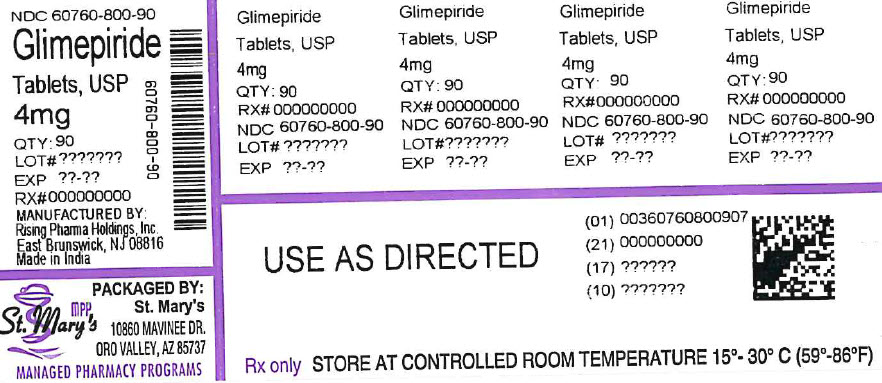
(glimepiride · DailyMed)
Glimepiride Denk 2
Glimepiride 2 mg,Magnesium Stearate mg,Maize starch mg,Povidine mg,Sodium Starch Glycolate mg,Talc mg
What it does
Glimepiride is a medication used to help control blood sugar levels in people with diabetes.
Commonly used for: diabetes (diabetes mellitus)
Read more in plain English ↓Plain-language summary for general understanding - not medical advice. Always follow your pharmacist/doctor.
Ask about this medicine
Answers come only from this medicine's registration record, BNF monograph and interaction data - not medical advice.
Medicine sourcing is available in Kenya only. We don't sell or dispense medicines - licensed pharmacies do.
Sourcing - Kenya onlyRegistration & product details
Source: Tanzania Medicines and Medical Devices Authority · fetched 2026-03-11 23:42:31 · updated 2026-10-19 03:00:44
Drug Interactions
3Pharmacodynamic Warnings
Glimepiride appears in TABLE 14: Antidiabetic drugs
Moderate (1)
Glimepiride - increases exposure
Ceritinib is predicted to increase the exposure to sulfonylureas (glimepiride). Adjust dose.
Unknown (2)
Glimepiride - increases exposure
Mifepristone is predicted to increase the exposure to sulfonylureas (glimepiride, tolbutamide).
Glimepiride - increases exposure
Nitisinone is predicted to increase the exposure to sulfonylureas (glimepiride, tolbutamide). Nitrates → see TABLE 7 p. 1518 (first-dose hypotension), TABLE 8 e gp. ly1 c5 e18 ry (lh ty rp ino itt re
Data from BNF 85 (British National Formulary). This is not a substitute for professional medical advice. Matched via: exact
About glimepiride
Glimepiride is a medication used to help control blood sugar levels in people with diabetes.
What it treats
- diabetes (diabetes mellitus)
How it works
It helps the pancreas produce more insulin, which lowers blood sugar levels.
Who it's for
It is for adults with type 2 diabetes who need help managing their blood sugar.
Drug class
Sulphonylureas
Cautions
- • Use with caution if you are taking other antidiabetic drugs.
AI-assisted summary grounded in BNF data - general information only, not medical advice. Always confirm with your pharmacist or doctor.
About glycolate
Glycolate is a compound that may be used in various medical treatments.
How it works
Glycolate works by interacting with certain bodily processes, though specific details are not available.
Who it's for
Glycolate may be suitable for individuals needing treatment related to certain health conditions, but specific indications are not provided.
AI-assisted summary grounded in BNF data - general information only, not medical advice. Always confirm with your pharmacist or doctor.
About maize
Maize is a common food ingredient that provides energy and nutrients.
What it treats
- nutrition
- energy source
How it works
Maize is a carbohydrate-rich food that the body uses for energy.
Who it's for
Suitable for most people, including adults and children.
AI-assisted summary grounded in BNF data - general information only, not medical advice. Always confirm with your pharmacist or doctor.
About povidine
Povidone is a substance often used as a disinfectant to clean and prevent infections in wounds.
What it treats
- wound cleaning
- infection prevention
- skin antiseptic
How it works
Povidone works by killing germs and preventing infections in cuts and scrapes.
Who it's for
Povidone is suitable for anyone needing to clean wounds or prevent infections.
AI-assisted summary grounded in BNF data - general information only, not medical advice. Always confirm with your pharmacist or doctor.
About starch
Starch is a carbohydrate that serves as a source of energy and is often used in various food products.
What it treats
- energy source
- dietary supplement
How it works
Starch is broken down by the body into glucose, which provides energy for daily activities.
Who it's for
Starch can be used by anyone needing extra energy in their diet, particularly those with increased energy needs.
AI-assisted summary grounded in BNF data - general information only, not medical advice. Always confirm with your pharmacist or doctor.
About talc
Talc is a mineral used primarily to absorb moisture and reduce friction. It is commonly found in various personal care products.
What it treats
- skin irritation
- diaper rash
- chafing
- sweating
How it works
Talc works by absorbing moisture and providing a smooth surface, which helps to prevent irritation and discomfort on the skin.
Who it's for
Talc is suitable for anyone needing relief from moisture-related skin issues, including babies and adults.
Cautions
- • Avoid using on broken or irritated skin.
- • Keep away from the eyes and mouth.
AI-assisted summary grounded in BNF data - general information only, not medical advice. Always confirm with your pharmacist or doctor.
Clinical monograph: Glimepiride
BNF-referencedGlimepiride is an oral hypoglycemic agent belonging to the sulfonylurea class. It is primarily used in the management of type 2 diabetes mellitus to improve glycemic control. By stimulating insulin secretion from pancreatic beta cells, glimepiride helps to lower blood glucose levels. It is typically used in conjunction with diet and exercise to enhance glycemic control in patients with insufficient glycemic control with diet and exercise alone.
Indications
- Type 2 diabetes mellitus
Dosage
Children: null
Adults: Initially, 1 mg daily, adjusted according to response, increased in steps of 1 mg every 1 to 2 weeks, with a maximum dose of 6 mg per day. The dose should be taken shortly before or with the first main meal.
Mechanism of action
Glimepiride works by binding to specific receptors on the pancreatic beta cells, leading to an increase in insulin secretion. This occurs through the closure of ATP-sensitive potassium channels, which depolarizes the cell membrane and opens voltage-gated calcium channels, resulting in calcium influx and subsequent insulin release. Additionally, glimepiride may enhance insulin sensitivity in peripheral tissues.
Pharmacodynamics
Glimepiride enhances insulin secretion in response to glucose, reducing blood glucose levels postprandially. It has a relatively long duration of action compared to other sulfonylureas, providing more stable glycemic control. The drug also has effects on peripheral insulin sensitivity, contributing to its overall hypoglycemic effect.
Pharmacokinetics
Glimepiride is well absorbed from the gastrointestinal tract, with peak plasma concentrations occurring within 2 to 3 hours after oral administration. It is highly protein-bound (approximately 99%), mainly to albumin, which affects its distribution. The drug undergoes hepatic metabolism, primarily via CYP2C9, and is excreted in the urine as metabolites. The elimination half-life is approximately 5 to 9 hours, allowing for once-daily dosing.
Contra-indications
- Acute porphyrias
Adverse effects
- Hypoglycaemia
- Dizziness
- Drowsiness
- Tremor
- Confusion
- Headache
- Hyponatraemia
- Malaise
- Gastrointestinal discomfort
- Hypersensitivity
- Vasculitis
Interactions
- Ceritinib: Moderate (increases exposure)
- Mifepristone: Unknown (increases exposure)
- Nitisinone: Unknown (increases exposure)
Precautions
- Caution in hepatic impairment
- Monitor regularly for hepatic and haematological parameters
- Use with caution in patients with a history of allergy to sulphonylureas
Pregnancy
The use of sulfonylureas in pregnancy should generally be avoided because of the risk of neonatal hypoglycaemia.
Breast-feeding
Avoid-theoretical possibility of hypoglycaemia in the infant.
Storage
Store in a cool, dry place, away from light.
Formulations
- Glimepiride 1 mg tablets
- Glimepiride 2 mg tablets
- Glimepiride 3 mg tablets
- Glimepiride 4 mg tablets
AI-synthesized from BNF references - general information only, not a substitute for professional medical advice or the current BNF. Verify doses with a pharmacist.
Clinical monograph: glycolate
BNF-referencedGlycolate is an intermediate in the metabolism of ethylene glycol, a compound that can cause toxicity when ingested. The toxicity arises primarily from its conversion to glycolic acid and other harmful metabolites. Glycolate and its relation to ethylene glycol's elimination kinetics have been studied, revealing important insights into their toxicokinetics in animal models.
Dosage
Children: Refer to specific clinical guidelines for dosing in children, as no standard paediatric dosage is specified in the provided resources.
Adults: Refer to specific clinical guidelines for dosing, as no standard adult dosage is specified in the provided resources.
Mechanism of action
Ethylene glycol toxicity results from its metabolism to glycolic acid and other toxic metabolites. Glycolate accumulates in the body and is eliminated more slowly than ethylene glycol itself. The renal excretion of both compounds plays a crucial role in their elimination, accounting for a significant portion of the administered dose.
Pharmacodynamics
The pharmacodynamics of glycolate are closely tied to its role as a metabolite of ethylene glycol. Its accumulation can lead to metabolic acidosis, although minimal clinical effects have been observed at low doses. The relationship between glycolate and ethylene glycol indicates that glycolate may contribute to the overall toxic effects of ethylene glycol ingestion.
Pharmacokinetics
The pharmacokinetics of glycolate indicate that it reaches peak plasma levels between 4-6 hours after the administration of ethylene glycol. The elimination half-life of ethylene glycol is approximately 1.7 hours in rats and 3.4 hours in dogs. Glycolate is predominantly eliminated through renal excretion, with about 5% of the dose being excreted unchanged.
Pregnancy
There is limited data on the safety of glycolate in pregnancy. Caution is advised.
Breast-feeding
Data on the excretion of glycolate in human milk is not available. Caution is advised.
Storage
Store at room temperature, away from light and moisture.
AI-synthesized from BNF references - general information only, not a substitute for professional medical advice or the current BNF. Verify doses with a pharmacist.
Clinical monograph: maize
Maize, also known as corn, is a cereal grain first domesticated by indigenous peoples in southern Mexico about 10,000 years ago. It is a staple food in many parts of the world and is used for human consumption, animal feed, and as a raw material in various industrial processes. Maize is rich in carbohydrates, particularly starch, and provides essential nutrients such as vitamins B and E, magnesium, and dietary fiber.
Indications
- Nutritional support
- Source of carbohydrates
- Dietary fiber source
- Animal feed
Dosage
Children: As with adults, there are no specific dosing recommendations for maize for children. It can be introduced into the diet in age-appropriate forms and quantities, keeping in mind the overall dietary balance.
Adults: There are no specific dosing recommendations for maize as it is typically consumed as part of a balanced diet. It can be included in daily meals in various forms such as whole kernels, flour, or as part of dishes.
Mechanism of action
Maize primarily acts as a source of energy due to its high carbohydrate content. The complex carbohydrates in maize are broken down into glucose, which is then utilized by the body for energy production. It also contributes to dietary fiber intake, which can aid in digestive health and regulation of blood sugar levels.
Pharmacodynamics
The consumption of maize influences blood glucose and insulin levels due to its carbohydrate content. It has a relatively low glycemic index when consumed in whole form, which can help in managing blood sugar levels. The dietary fiber present in maize can also promote satiety and aid in weight management.
Pharmacokinetics
The digestion of maize begins in the mouth with salivary amylase breaking down starches into simpler sugars. In the stomach and small intestine, enzymes further break down these carbohydrates. The resultant glucose is absorbed into the bloodstream, where it is transported to cells for energy production. The absorption rate can vary based on the form of maize consumed (e.g., whole kernels versus processed forms).
Pregnancy
Maize is generally considered safe for consumption during pregnancy as it is a staple food and provides essential nutrients.
Breast-feeding
Maize is safe to consume while breastfeeding and can provide important nutrients to both the mother and the infant.
Storage
Store in a cool, dry place, away from moisture and pests. Properly sealed containers can help prolong shelf life.
Formulations
- Whole maize grains
- Maize flour (cornmeal)
- Maize starch
- Maize oil
AI-synthesized from BNF references - general information only, not a substitute for professional medical advice or the current BNF. Verify doses with a pharmacist.
Clinical monograph: povidine
Povidone-iodine is an antiseptic agent used for skin disinfection and in the treatment and prevention of infections. It is a complex of iodine and polyvinylpyrrolidone (povidone), which releases iodine upon contact with tissues, providing broad-spectrum antimicrobial activity against bacteria, viruses, fungi, and protozoa. It is commonly used in surgical scrubs, wound dressings, and antiseptic solutions.
Indications
- Preoperative skin antisepsis
- Wound irrigation and cleansing
- Management of minor cuts and abrasions
- Treatment of minor skin infections
- Disinfection of mucous membranes
Dosage
Children: Refer to specific product guidelines for concentration and application method, as doses may vary by formulation.
Adults: Refer to specific product guidelines for concentration and application method, as doses may vary by formulation.
Mechanism of action
Povidone-iodine exerts its antiseptic effects primarily through the release of free iodine, which penetrates microbial cell walls and disrupts protein and nucleic acid synthesis. This leads to cell lysis and death of a wide variety of pathogens. The mechanism involves the oxidation of essential cellular components, thus rendering microorganisms inactive.
Pharmacodynamics
Povidone-iodine demonstrates rapid bactericidal activity, effectively reducing the microbial load on the skin and in wounds. The antimicrobial efficacy is influenced by factors such as concentration, exposure time, and the presence of organic matter. Its broad-spectrum action makes it effective against gram-positive and gram-negative bacteria, fungi, and viruses, making it a versatile antiseptic.
Pharmacokinetics
Povidone-iodine is not significantly absorbed through intact skin; however, some absorption may occur with large or prolonged applications, especially on compromised skin. The elimination half-life of iodide is approximately 24 hours, with the majority excreted unchanged in the urine. Iodine levels can be temporarily elevated in the serum after application, particularly in patients with pre-existing thyroid conditions.
Contra-indications
- Hypersensitivity to povidone-iodine or any of the excipients
- Thyroid dysfunction
- Use in infants less than 2 months of age
Adverse effects
- Skin irritation
- Burning sensation
- Allergic reactions
- Staining of skin and clothing
- Thyroid dysfunction
- Electrolyte imbalance (with prolonged use)
Interactions
- May interfere with thyroid function tests
- Incompatibility with other antiseptics or disinfectants
Precautions
- Avoid contact with eyes
- Use with caution in patients with thyroid disease
- Not for deep puncture wounds or serious burns
Pregnancy
Generally considered safe for topical use, but should be used with caution. Consult a healthcare professional for guidance.
Breast-feeding
Suitable for topical use, but excessive use should be avoided. Consult a healthcare professional for guidance.
Storage
Store at room temperature, away from direct sunlight. Keep container tightly closed.
Formulations
- Topical solution
- Ointment
- Surgical scrub
- Swab sticks
AI-synthesized from BNF references - general information only, not a substitute for professional medical advice or the current BNF. Verify doses with a pharmacist.
Clinical monograph: starch
Starch is a polysaccharide carbohydrate consisting of a large number of glucose units joined by glycosidic bonds. It is a major energy source in the human diet and is found in numerous food sources such as grains, legumes, and tubers. In a clinical setting, starch can also be used as an excipient in various pharmaceuticals and is sometimes utilized in enteral nutrition formulations.
Indications
- Nutritional supplementation
- Energy source in enteral nutrition
- Excipient in pharmaceutical formulations
Dosage
Children: Refer to specific guidelines or product inserts for dosing information, as it can vary based on the context of use.
Adults: Refer to specific guidelines or product inserts for dosing information, as it can vary based on the context of use.
Mechanism of action
Starch is broken down into glucose units by enzymes such as amylase during digestion. The glucose is then absorbed in the intestines and utilized for energy production in the body's cells. This pathway involves hydrolysis of the glycosidic bonds, converting starch into simpler sugars.
Pharmacodynamics
Starch primarily serves as an energy source. Its digestion and absorption lead to an increase in blood glucose levels, which provides energy for metabolic processes. In this context, it plays a crucial role in maintaining energy homeostasis in the body.
Pharmacokinetics
Starch is not absorbed in its polymeric form; it must first be enzymatically hydrolyzed into simpler sugars such as maltose and glucose. The digestion and absorption of starch occur predominantly in the small intestine, with glucose being readily absorbed into the bloodstream. The rate of absorption can vary depending on the type of starch and its physical form.
Adverse effects
- Allergic reactions
- Gastrointestinal discomfort
- Diarrhea
- Constipation
Precautions
- Use with caution in individuals with known allergies to starch or starch derivatives
- Monitor for gastrointestinal symptoms in patients with a history of digestive disorders
Pregnancy
Starch is generally considered safe for use during pregnancy. However, it should be consumed in moderation as part of a balanced diet.
Breast-feeding
Starch is deemed safe for nursing mothers when used in moderation as part of a balanced diet.
Storage
Store in a cool, dry place away from moisture and direct sunlight.
Formulations
- Powder
- Granules
- Tablets
- Suspensions
AI-synthesized from BNF references - general information only, not a substitute for professional medical advice or the current BNF. Verify doses with a pharmacist.
Clinical monograph: talc
BNF-referencedTalc is a mineral composed of magnesium, silicon, and oxygen, commonly used in various pharmaceutical applications due to its excellent absorptive properties. It is often employed as an excipient in drug formulations and as a bulking agent in tablets and powders. Talc is also utilized in some medical procedures, such as pleurodesis, to prevent the recurrence of pleural effusions.
Indications
- Used as an excipient in drug formulations
- Pleurodesis for the management of recurrent pleural effusions
Dosage
Children: Refer to specific guidelines for paediatric use, as dosing may differ based on age and clinical condition.
Adults: Refer to specific guidelines for the appropriate dosage in pleurodesis and other applications, as it may vary based on clinical context.
Mechanism of action
Talc exhibits very good absorptive properties, allowing it to absorb moisture and other substances effectively. This characteristic is particularly useful in pharmaceutical formulations, where it may enhance the stability and texture of the drug product.
Pharmacodynamics
Talc's primary pharmacodynamic effect is its ability to act as an inert filler and bulking agent in pharmaceutical preparations. It does not have any intrinsic pharmacological activity but serves to improve the physical properties of formulations, such as flowability and compressibility.
Pharmacokinetics
Talc is not absorbed systemically when used as an excipient or in medical procedures. Its effects are local, and it remains in the site of application, where it functions primarily as a mechanical agent. The pharmacokinetics of talc in the context of its use in pleurodesis involves its ability to promote adhesion of the pleural surfaces, thereby preventing fluid accumulation.
Pregnancy
Talc is classified as a substance with minimal systemic absorption, but safety during pregnancy has not been well established. Consult relevant guidelines.
Breast-feeding
Talc is not expected to be absorbed in significant amounts; however, caution is advised and consult guidelines.
Storage
Store in a cool, dry place, away from direct sunlight.
AI-synthesized from BNF references - general information only, not a substitute for professional medical advice or the current BNF. Verify doses with a pharmacist.
Molecular reference: Glimepiride
PubChem CID 3476Molecular formula: C24H34N4O5S
Source: PubChem (NCBI) · pathways from PathBank, Reactome, WikiPathways & PharmGKB.
Molecular reference: glycolate
PubChem CID 757Molecular formula: C2H4O3
Mechanism of action
Ethylene glycol toxicity results from its metabolism to glycolic acid and other toxic metabolites. The accumulation of glycolate and the elimination kinetics of ethylene glycol and its metabolites are not well understood, so studies with male Sprague-Dawley rats and mixed breed dogs have been carried out. Ethylene glycol was administered by gavage to rats and dogs which were placed in metabolic cages for urine and blood sample collection at timed intervals. The peak plasma level of ethylene glycol occurred at 2 hr after dosing and that of glycolate between 4-6 hr. The rate of ethylene glycol elimination was somewhat faster in rats with a half-life of 1.7 hr compared to 3.4 hr in dogs. The maximum plasma level of glycolate was greater in rats although the pattern of accumulation was similar to that in dogs. Glycolate disappeared from the plasma at the same time as ethylene glycol, suggesting a slower rate of elimination of the metabolite than that of ethylene glycol. Renal excretion of ethylene glycol was an important route for its elimination accounting for 20-30% of the dose. Renal excretion of glycolate represented about 5% of the dose. Ethylene glycol induced an immediate, but short lived diuresis compared to that in control rats. Minimal clinical effects (mild acidosis with no sedation) were noted at these doses of ethylene glycol (1-2 g/kg) in both rats and dogs. The results indicate that the toxicokinetics of ethylene glycol and glycolate were similar in both species. The effect of 0.35 to 0.8 mmol/kg glycolic acid and 1.0 to 4.4 mmol/kg sodium glycolate on cyclopropane-epinephrine induced cardiac arrhythmias was examined using dogs. Doses of 0.35 to 0.5 mmol/kg glycolic acid increased the duration of arrhythmias in the 13 dogs tested, whereas doses >0.5 mmol/kg decreased or totally eliminated the arrhythmias in each of 11 dogs. Depression was observed for many of the dogs at higher doses. Sodium glycolate was much less effective in decreasing the arrhythmias, with 3 mmol/kg being required and its action being transient.
Biological pathways
Source: PubChem (NCBI) · pathways from PathBank, Reactome, WikiPathways & PharmGKB.
Molecular reference: talc
PubChem CID 165411828Molecular formula: H2Mg3O12Si4
Mechanism of action
It has very good absorptive properties.
Source: PubChem (NCBI) · pathways from PathBank, Reactome, WikiPathways & PharmGKB.
This drug in other countries
The same active ingredient registered across other registries we cover - including different brands.
- AMARYL 1MG TABLET · Ressourcethica
- AMARYL 2MG · Ressourcethica
- AMARYL 3MG TABLET · Ressourcethica
- AMARYL 4MG TABLET · Ressourcethica
- AMARYL M 2MG/500MG TABLET · Ressourcethica
- AMARYL M SR 2MG/500MG TABLET · Ressourcethica