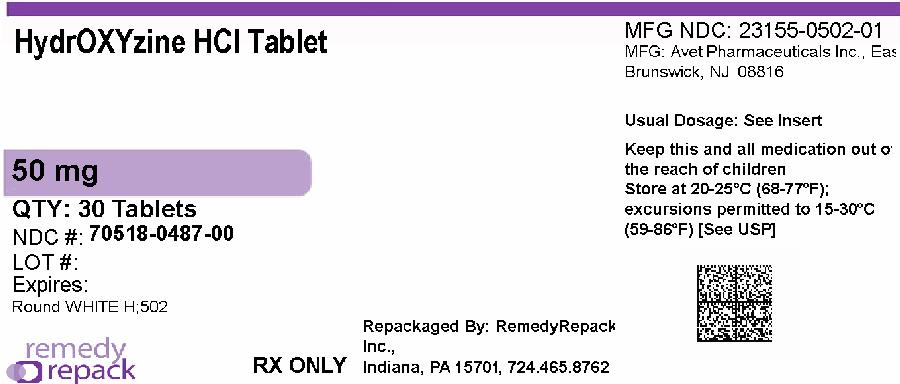
(hydroxy · DailyMed)
HCQS 200MG TABLET
HYDROXY CHLOROQUINE SULPHATE USP
What it does
Chloroquine is a medication used primarily to treat and prevent malaria, as well as certain autoimmune diseases like rheumatoid arthritis and lupus.
Commonly used for: malaria, rheumatoid arthritis, lupus
Read more in plain English ↓Plain-language summary for general understanding - not medical advice. Always follow your pharmacist/doctor.
Ask about this medicine
Answers come only from this medicine's registration record, BNF monograph and interaction data - not medical advice.
Medicine sourcing is available in Kenya only. We don't sell or dispense medicines - licensed pharmacies do.
Sourcing - Kenya onlyRegistration & product details
Source: Pharmacy and Medicines Regulatory Authority · fetched 2026-04-21 17:37:38 · updated 2026-09-29 04:33:02
Drug Interactions
15Severe (6)
Agalsidasealfa - decreases effects
Chloroquineispredictedtodecreasetheeffectsofagalsidase alfa.Avoid.oTheoretical
Agalsidasebeta - decreases effects
Chloroquineispredictedtodecreasetheeffectsofagalsidase beta.Avoid.oTheoretical
Intradermal - decreases efficacy
Chloroquine decreases the efficacy of rabies vaccine (intradermal). Avoid.
Penicillamine - increases risk of haematological toxicity
Chloroquine is predicted to increase the risk of haematological toxicity when given with penicillamine. Avoid.
Rabiesvaccine - decreases efficacy
Chloroquine decreases the efficacy of rabies vaccine (intradermal). Avoid.
Remdesivir - decreases effects
Chloroquinemightdecreasetheeffectsofremdesivir.Avoid. oTheoretical
Moderate (1)
Praziquantel - decreases exposure
Chloroquine moderately decreases the exposure to praziquantel. Use with caution and adjust dose.
Unknown (8)
Chloroquine - decreases absorption
Oral antacids are predicted to decrease the absorption of oral antimalarials (chloroquine). Separate administration by at least 4 hours.
Chloroquine - decreases absorption
Lanthanum is predicted to decrease the absorption of chloroquine. Separate administration by at least 2 hours.
Chloroquine - increases risk of serious cardiovascular adverse effects
Macrolides might increase the risk of serious cardiovascular adverse effects when given with chloroquine.
Chloroquine - decreases absorption
Oral calcium carbonate might decrease the absorption of oral antimalarials (chloroquine). Separate administration by at least 4 hours.
Chloroquine - decreases absorption
Oral kaolin decreases the absorption of oral antimalarials (chloroquine). Separate administration by at least 4 hours.
Chloroquine - decreases absorption
Oral magnesium trisilicate decreases the absorption of oral antimalarials (chloroquine). Separate administration by at least 4 hours.
Laronidase - decreases exposure
Chloroquine is predicted to decrease the exposure to laronidase. Avoid simultaneous administration.
Oral Cholera Vaccine - decreases efficacy
Chloroquine decreases the efficacy of oral cholera vaccine.
Data from BNF 85 (British National Formulary). This is not a substitute for professional medical advice. Matched via: exact
About chloroquine
Chloroquine is a medication used primarily to treat and prevent malaria, as well as certain autoimmune diseases like rheumatoid arthritis and lupus.
What it treats
- malaria
- rheumatoid arthritis
- lupus
How it works
Chloroquine works by killing the malaria parasites in the blood and reducing inflammation in autoimmune diseases.
Who it's for
Chloroquine is for people needing treatment for malaria or certain autoimmune conditions.
AI-assisted summary grounded in BNF data - general information only, not medical advice. Always confirm with your pharmacist or doctor.
About hydroxy
Hydroxy is a medication used to treat various health conditions. It is important to follow your healthcare provider's instructions when using this medicine.
What it treats
- autoimmune diseases (such as rheumatoid arthritis)
- malaria prevention and treatment
- certain skin conditions (like lupus)
How it works
Hydroxy helps to reduce inflammation and the activity of the immune system.
Who it's for
This medicine is for people with specific autoimmune disorders, those at risk of malaria, or those with certain skin issues.
AI-assisted summary grounded in BNF data - general information only, not medical advice. Always confirm with your pharmacist or doctor.
Clinical monograph: Chloroquine
BNF-referencedChloroquine is an antimalarial medication classified as a 4-aminoquinoline derivative. It is primarily used for the treatment and prophylaxis of malaria, particularly against Plasmodium falciparum. Chloroquine works by inhibiting heme polymerase in malarial trophozoites, leading to the accumulation of toxic heme within the parasite, which ultimately results in its death. The drug may also affect the immune response and has been studied for potential antiviral properties, particularly against coronaviruses.
Indications
- Treatment of malaria caused by Plasmodium falciparum
- Prophylaxis of malaria in areas with chloroquine-sensitive strains
- Potential use in autoimmune diseases such as rheumatoid arthritis and lupus erythematosus
Dosage
Children: Refer
Adults: For the treatment of malaria, the usual adult dose is 600 mg (base) initially, followed by 300 mg at 6-8 hours, and then 300 mg on the second and third days. For prophylaxis, 300 mg weekly is recommended for adults.
Mechanism of action
Chloroquine inhibits the action of heme polymerase in malarial trophozoites, preventing the conversion of heme to hemazoin, leading to the accumulation of toxic heme and killing the parasite. It diffuses through cell membranes and into endosomes, lysosomes, and Golgi vesicles, where it becomes protonated, raising the pH and interfering with the parasite's metabolism. Additionally, chloroquine affects the glycosylation of ACE2, potentially impacting viral entry mechanisms.
Pharmacodynamics
Chloroquine inhibits heme polymerase, causing toxic heme accumulation in Plasmodium species. It has a long duration of action, with a half-life of 20-60 days. Long-term use or high doses can lead to retinopathy, muscle weakness, and increased toxicity risk in children.
Pharmacokinetics
Chloroquine is rapidly absorbed from the gastrointestinal tract, with peak plasma concentrations occurring within 1-3 hours. It has a large volume of distribution and is extensively bound to plasma proteins. The drug is metabolized in the liver and eliminated primarily via the kidneys. The half-life ranges from 20 to 60 days, contributing to its prolonged effects.
Contra-indications
- Known hypersensitivity to chloroquine or any of its components
- Pre-existing retinal or visual field abnormalities
- Porphyria
Adverse effects
- Abdominal pain
- Anxiety
- Cardiomyopathy
- Dizziness
- Drowsiness
- Hallucination
- Headache
- Nausea
- Photosensitivity reactions
- QT interval prolongation
- Skin reactions
- Thrombocytopenia
- Vomiting
Interactions
- Agalsidase alpha: Severe interaction (decreases effects)
- Agalsidase beta: Severe interaction (decreases effects)
- Penicillamine: Severe interaction (increases risk of haematological toxicity)
- Rabies vaccine: Severe interaction (decreases efficacy)
- Remdesivir: Severe interaction (decreases effects)
- Praziquantel: Moderate interaction (decreases exposure)
- Oral antacids: Unknown interaction (decreases absorption)
- Oral cholera vaccine: Unknown interaction (decreases efficacy)
- Lanthanum: Unknown interaction (decreases absorption)
Precautions
- Caution in patients with hepatic impairment
- Caution in patients with renal impairment
- Monitoring of ECG and plasma potassium concentration is advised in patients with underlying cardiovascular conditions
- Use with caution in patients with a history of seizures
- Patients should be monitored for signs of retinopathy with long-term use
Pregnancy
Chloroquine is teratogenic in animal studies, and the manufacturer advises use only if other antimalarials cannot be used.
Breast-feeding
The manufacturer advises avoiding chloroquine during breastfeeding as it is present in milk in animal studies.
Storage
Store in a cool, dry place, away from light. Keep out of reach of children.
Formulations
- Chloroquine phosphate 250 mg tablets
- Chloroquine syrup 50 mg/5 mL
AI-synthesized from BNF references - general information only, not a substitute for professional medical advice or the current BNF. Verify doses with a pharmacist.
Clinical monograph: hydroxy
BNF-referencedHydroxyzine is an antihistamine of the first generation, primarily used for its sedative and anxiolytic properties. It is effective in treating anxiety, nausea, and allergic conditions. Hydroxyzine also possesses anticholinergic properties, which contribute to its sedative effects. It is commonly used in both adult and pediatric populations for various indications, including preoperative sedation and management of pruritus.
Indications
- Anxiety disorders
- Nausea and vomiting
- Allergic conditions
- Preoperative sedation
- Pruritus
Dosage
Children: Refer to the BNF for Children for appropriate dosing recommendations based on age and weight.
Adults: Refer to the BNF for specific dosing guidelines based on the indication and patient characteristics.
Mechanism of action
Hydroxyzine works by antagonizing the H1 histamine receptors, leading to a reduction in the effects of histamine in the body. This action helps alleviate symptoms of allergic reactions and promotes sedation. Additionally, it may exert effects on serotonin and adrenergic receptors, which could contribute to its anxiolytic properties. Hydroxyzine is also involved in various metabolic pathways, including selenium metabolism and the degradation of reactive oxygen species.
Pharmacodynamics
The pharmacodynamic effects of hydroxyzine include sedation, anxiolysis, and reduction of allergic symptoms. Its sedative effects can make it useful in managing anxiety and inducing sleep, while its antihistaminic properties help to relieve symptoms such as itching and rashes associated with allergic reactions. The onset of action is typically within 15 to 30 minutes when taken orally, with peak effects occurring within 1 to 2 hours.
Pharmacokinetics
Hydroxyzine is well absorbed from the gastrointestinal tract, with peak plasma concentrations occurring approximately 2 hours after oral administration. It is extensively metabolized in the liver, with metabolites, including cetirizine, possessing their own therapeutic effects. Hydroxyzine has a half-life of approximately 20 hours, allowing for once or twice daily dosing. It is primarily excreted in the urine, with less than 1% of the unchanged drug found in urine.
Interactions
- hydroxyzine+antiepileptics: Severe (increases risk of overheating and dehydration)
- hydroxyzine+zonisamide: Severe (increases risk of overheating and dehydration)
- hydroxychloroquine+penicillamine: Severe (increases risk of haematological toxicity)
- hydroxychloroquine+agalsidase alfa: Unknown (decreases effects)
- hydroxychloroquine+agalsidase beta: Unknown (decreases exposure)
- hydroxychloroquine+oral cholera vaccine: Unknown (decreases efficacy)
- live vaccines+hydroxy carbamide: Unknown (increases risk of generalised infection (possibly life-threatening))
- lanthanum+hydroxychloroquine: Unknown (decreases absorption)
- macrolides+hydroxychloroquine: Unknown (increases risk of serious cardiovascular adverse effects)
- hydroxychloroquine+remdesivir: Unknown (decreases effects)
Pregnancy
Safety in pregnancy has not been established. Use only if the potential benefit justifies the potential risk to the fetus.
Breast-feeding
Use with caution. Hydroxychloroquine is excreted in breast milk, and effects on the infant are unknown.
Storage
Store in a cool, dry place, protected from light. Keep out of reach of children.
Formulations
- Tablets
- Oral solution
AI-synthesized from BNF references - general information only, not a substitute for professional medical advice or the current BNF. Verify doses with a pharmacist.
Molecular reference: Chloroquine
PubChem CID 2719Molecular formula: C18H26ClN3
Mechanism of action
Chloroquine inhibits the action of heme polymerase in malarial trophozoites, preventing the conversion of heme to hemazoin. _Plasmodium_ species continue to accumulate toxic heme, killing the parasite. Chloroquine passively diffuses through cell membranes and into endosomes, lysosomes, and Golgi vesicles; where it becomes protonated, trapping the chloroquine in the organelle and raising the surrounding pH. The raised pH in endosomes, prevent virus particles from utilizing their activity for fusion and entry into the cell. Chloroquine does not affect the level of ACE2 expression on cell surfaces, but inhibits terminal glycosylation of ACE2, the receptor that SARS-CoV and SARS-CoV-2 target for cell entry. ACE2 that is not in the glycosylated state may less efficiently interact with the SARS-CoV-2 spike protein, further inhibiting viral entry. The exact mechanism of antimalarial activity of chloroquine has not been determined. The 4-aminoquinoline derivatives appear to bind to nucleoproteins and interfere with protein synthesis in susceptible organisms; the drugs intercalate readily into double-stranded DNA and inhibit both DNA and RNA polymerase. In addition, studies using chloroquine indicate that the drug apparently concentrates in parasite digestive vacuoles, increases the pH of the vacuoles, and interferes with the parasite's ability to metabolize and utilize erythrocyte hemoglobin. Plasmodial forms that do not have digestive vacuoles and do not utilize hemoglobin, such as exoerythrocytic forms, are not affected by chloroquine. The 4-aminoquinoline derivatives, including chloroquine, also have anti-inflammatory activity; however, the mechanism(s) of action of the drugs in the treatment of rheumatoid arthritis and lupus erythematosus has not been determined. Chloroquine reportedly antagonizes histamine in vitro, has antiserotonin effects, and inhibits prostaglandin effects in mammalian cells presumably by inhibiting conversion of arachidonic acid to prostaglandin F2. In vitro studies indicate that chloroquine also inhibits chemotaxis of polymorphonuclear leukocytes, macrophages, and eosinophils. Antiprotozoal-Malaria: /Mechanism of action/ may be based on ability of chloroquine to bind and alter the properties of DNA. Chloroquine also is taken up into the acidic food vacuoles of the parasite in the erythrocyte. It increases the pH of the acid vesicles, interfering with vesicle functions and possibly inhibiting phospholipid metabolism. In suppressive treatment, chloroquine inhibits the erythrocytic stage of development of plasmodia. In acute attacks of malaria, chloroquine interrupts erythrocytic schizogony of the parasite. its ability to concentrate in parasitized erythrocytes may account for its selective toxicity against the erythrocytic stages of plasmodial infection. Antirheumatic-Chloroquine is though to act as a mild immunosuppressant, inhibiting the production of rheumatoid factor and acute phase reactants. It also accumulates in white blood cells, stabilizing lysosomal membranes and inhibiting the activity of many enzymes, including collagenase and the proteases that cause cartilage breakdown.
Pharmacodynamics
Chloroquine inhibits the action of heme polymerase, which causes the buildup of toxic heme in _Plasmodium_ species. It has a long duration of action as the half life is 20-60 days. Patients should be counselled regarding the risk of retinopathy with long term usage or high dosage, muscle weakness, and toxicity in children.
Biological pathways
Source: PubChem (NCBI) · pathways from PathBank, Reactome, WikiPathways & PharmGKB.
Molecular reference: hydroxy
PubChem CID 961Molecular formula: HO-
Biological pathways
Source: PubChem (NCBI) · pathways from PathBank, Reactome, WikiPathways & PharmGKB.
This drug in other countries
The same active ingredient registered across other registries we cover - including different brands.
- ADERAN 8 · Ajanta Pharma
- AOXOL · Coral Laboratories
- APDYL- H · East African Overseas
- ARIPILIN · Lincoln Pharmaceuticals
- ARIPILIN · Lincoln Pharmaceuticals
- ARTOM 80 · Kamla Lifesciences Ltd
- CHLOROQUINE INJECTION · Medox Pharmaceuticals
- CHLOROQUINE INJECTION (40MG/ML) · Medox Pharmaceuticals
- COSMOQUIN TABLETS 250MG · Cosmos
- LARAQUIN TABLETS · Pharmaceutical Manufacturing Co
- MAXAQUIN INJECTION · Macs Pharmaceuticals
- ROBIQUINE · Quest Pharmaceuticals