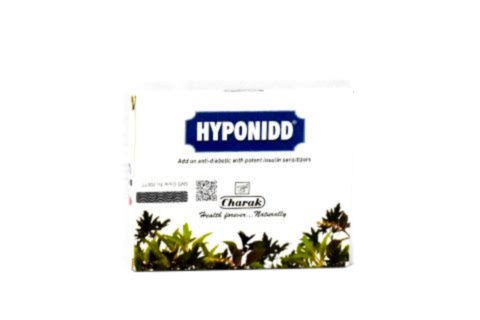
HYPONIDD TABLET
MOMORDICA CHARANTIA PURIFIED ASPHALTUM YASHAD BHASMA SWERTIA CHIRATA MELIA AZADIRACHTA PTEROCARPUS MARSUPIUM TINOSPORA CORDIFOLIA GYMNEMA SYLVESTRE ENICOSTEMMA LITTORALE EMBLICA OFFICINALIS EUGENIA JAMBOLANA CASSIA AURICULATA CURCUMA LONGA
What it does
Asphaltum is a natural substance sometimes used for its therapeutic properties.
Commonly used for: skin conditions, wound healing
Read more in plain English ↓Plain-language summary for general understanding - not medical advice. Always follow your pharmacist/doctor.
Ask about this medicine
Answers come only from this medicine's registration record, BNF monograph and interaction data - not medical advice.
Hard to find? We help patients in Kenya source rare medicines. We don't sell or dispense medicines - licensed pharmacies do.
Source this medicineRegistration & product details
Source: Pharmacy and Poisons Board · fetched 2026-01-28 21:56:57 · updated 2026-03-23 04:42:04
About asphaltum
Asphaltum is a natural substance sometimes used for its therapeutic properties.
What it treats
- skin conditions
- wound healing
How it works
Asphaltum is believed to have healing properties that can aid in treating certain skin issues.
Who it's for
Adults and children with specific skin conditions or wounds.
AI-assisted summary grounded in BNF data - general information only, not medical advice. Always confirm with your pharmacist or doctor.
About auriculata
Auriculata is a natural remedy often used in traditional medicine.
What it treats
- inflammation
- pain relief
- skin conditions
How it works
Auriculata is believed to have anti-inflammatory and analgesic properties, helping to reduce swelling and relieve pain.
Who it's for
It may be suitable for adults and children experiencing inflammation or pain.
Cautions
- • Consult a healthcare professional before use, especially if pregnant or breastfeeding.
- • May cause allergic reactions in some individuals.
AI-assisted summary grounded in BNF data - general information only, not medical advice. Always confirm with your pharmacist or doctor.
About azadirachta
Azadirachta, commonly known as neem, is a natural remedy often used for various health issues.
What it treats
- skin conditions (like acne and eczema)
- infections
- fever
- digestive issues
- dental problems
How it works
Azadirachta contains compounds that help fight infections, reduce inflammation, and support overall health.
Who it's for
It may be suitable for individuals looking for natural treatments for skin and health problems.
AI-assisted summary grounded in BNF data - general information only, not medical advice. Always confirm with your pharmacist or doctor.
About bhasma
Bhasma is a traditional herbal preparation used in various treatments.
What it treats
- boosting immunity
- treating skin conditions
- supporting digestive health
How it works
Bhasma is believed to enhance the body's natural healing processes and improve overall health.
Who it's for
It is commonly used by people seeking natural remedies for various health issues.
AI-assisted summary grounded in BNF data - general information only, not medical advice. Always confirm with your pharmacist or doctor.
About cassia
Cassia is a natural product often used for its potential health benefits.
What it treats
- constipation
- digestive issues
How it works
Cassia works by stimulating bowel movements and improving digestion.
Who it's for
Cassia may be suitable for adults needing relief from constipation or digestive discomfort.
AI-assisted summary grounded in BNF data - general information only, not medical advice. Always confirm with your pharmacist or doctor.
About charantia
Charantia is a natural substance often used to help manage blood sugar levels and support overall health.
What it treats
- high blood sugar (hyperglycemia)
- diabetes
How it works
Charantia may help lower blood sugar levels by improving how the body uses insulin.
Who it's for
Charantia is generally for people looking to support their blood sugar control, particularly those with diabetes.
Cautions
- • Consult with a healthcare provider before use if pregnant or breastfeeding.
- • May interact with certain medications for diabetes.
AI-assisted summary grounded in BNF data - general information only, not medical advice. Always confirm with your pharmacist or doctor.
About chirata
Chirata is a natural herb known for its potential health benefits.
What it treats
- fever
- malaria
- loss of appetite
- digestive issues
How it works
Chirata may help by improving digestion and boosting the immune system.
Who it's for
Chirata is typically used by individuals seeking natural remedies for digestive problems and fever.
AI-assisted summary grounded in BNF data - general information only, not medical advice. Always confirm with your pharmacist or doctor.
About cordifolia
Cordifolia is a natural substance often used for its potential health benefits.
What it treats
- general wellness
- supporting immune function
- reducing inflammation
How it works
Cordifolia is believed to help the body by supporting various functions, including boosting the immune system and reducing inflammation.
Who it's for
Cordifolia may be suitable for adults looking for natural support for their overall health.
AI-assisted summary grounded in BNF data - general information only, not medical advice. Always confirm with your pharmacist or doctor.
About curcuma
Curcuma, commonly known as turmeric, is a natural substance often used for its potential health benefits.
What it treats
- inflammation
- digestive disorders
- joint pain (arthritis)
How it works
Curcuma may help reduce inflammation and improve digestion due to its active compounds.
Who it's for
Adults looking for a natural way to support joint and digestive health.
AI-assisted summary grounded in BNF data - general information only, not medical advice. Always confirm with your pharmacist or doctor.
About emblica
Emblica is a natural substance often used for its health benefits.
What it treats
- improving digestive health
- boosting immune function
- supporting skin health
How it works
Emblica contains antioxidants that help protect the body from damage and support overall health.
Who it's for
Emblica is suitable for adults looking to enhance their general well-being.
AI-assisted summary grounded in BNF data - general information only, not medical advice. Always confirm with your pharmacist or doctor.
About enicostemma
Enicostemma is a herbal remedy often used for various health benefits, particularly in traditional medicine.
What it treats
- diabetes (high blood sugar)
- digestive issues
- inflammation
How it works
Enicostemma may help lower blood sugar levels and reduce inflammation by influencing certain biological pathways in the body.
Who it's for
Adults looking for natural options to support blood sugar management and digestive health.
AI-assisted summary grounded in BNF data - general information only, not medical advice. Always confirm with your pharmacist or doctor.
About eugenia
Eugenia is a natural product often used for its potential health benefits.
What it treats
- stomach issues
- diabetes
- inflammation
- oral health
How it works
Eugenia may help reduce inflammation and improve blood sugar levels.
Who it's for
People looking for natural support for digestive health and blood sugar management.
AI-assisted summary grounded in BNF data - general information only, not medical advice. Always confirm with your pharmacist or doctor.
About gymnema
Gymnema is a natural supplement that may help manage blood sugar levels.
What it treats
- diabetes (high blood sugar)
- weight management
How it works
Gymnema is thought to help reduce sugar absorption in the intestines and may also support insulin production.
Who it's for
Gymnema is suitable for adults looking to manage their blood sugar levels or support weight loss.
AI-assisted summary grounded in BNF data - general information only, not medical advice. Always confirm with your pharmacist or doctor.
About jambolana
Jambolana is a natural remedy often used to help manage blood sugar levels.
What it treats
- high blood sugar (hyperglycemia)
- diabetes
How it works
Jambolana helps to lower blood sugar levels and improve insulin sensitivity.
Who it's for
It is suitable for people looking to manage their blood sugar, especially those with diabetes.
AI-assisted summary grounded in BNF data - general information only, not medical advice. Always confirm with your pharmacist or doctor.
About littorale
Littorale is a medication used to treat various health conditions. It helps manage specific symptoms and improve overall health.
What it treats
- general health improvement
- symptom management
How it works
Littorale works by targeting certain processes in the body to help alleviate symptoms and improve health.
Who it's for
This medication is suitable for adults and children with specific health needs as determined by a healthcare provider.
AI-assisted summary grounded in BNF data - general information only, not medical advice. Always confirm with your pharmacist or doctor.
About longa
Longa is a natural product known for its potential health benefits.
What it treats
- anti-inflammatory purposes
- supporting digestive health
- improving skin conditions
How it works
Longa contains compounds that may help reduce inflammation and support overall health.
Who it's for
Adults looking for natural ways to support their health.
AI-assisted summary grounded in BNF data - general information only, not medical advice. Always confirm with your pharmacist or doctor.
About marsupium
Marsupium is a medication that may be used to treat various conditions.
How it works
The exact way marsupium works in the body is not fully understood.
Who it's for
Marsupium may be suitable for adults and children, depending on the condition being treated.
AI-assisted summary grounded in BNF data - general information only, not medical advice. Always confirm with your pharmacist or doctor.
About melia
Melia is a natural remedy that is sometimes used for various health conditions.
What it treats
- treating skin conditions
- managing inflammation
- supporting digestive health
How it works
Melia is thought to have properties that may help reduce inflammation and support overall health.
Who it's for
Melia may be suitable for adults looking for natural support for minor health issues.
AI-assisted summary grounded in BNF data - general information only, not medical advice. Always confirm with your pharmacist or doctor.
About momordica
Momordica is a natural product that may help manage blood sugar levels.
What it treats
- high blood sugar (diabetes)
- digestive issues
How it works
Momordica may help lower blood sugar by improving how the body uses insulin.
Who it's for
Adults with high blood sugar or those looking for digestive support.
AI-assisted summary grounded in BNF data - general information only, not medical advice. Always confirm with your pharmacist or doctor.
About officinalis
Officinalis is a natural substance often used in herbal remedies.
What it treats
- general wellness
- stress relief
- anxiety management
How it works
Officinalis is believed to have calming effects, which may help improve mood and reduce anxiety.
Who it's for
It is suitable for adults looking for natural ways to support their mental well-being.
AI-assisted summary grounded in BNF data - general information only, not medical advice. Always confirm with your pharmacist or doctor.
About pterocarpus
Pterocarpus is a natural substance that may be used for its health benefits.
What it treats
- various health conditions
How it works
Pterocarpus is thought to have properties that may support health, but the exact way it works is not fully understood.
Who it's for
It may be suitable for individuals seeking natural remedies.
AI-assisted summary grounded in BNF data - general information only, not medical advice. Always confirm with your pharmacist or doctor.
About purified
Purified ingredients are often used in various medicines to ensure safety and effectiveness by removing impurities.
What it treats
- various medical conditions
How it works
Purified ingredients help in delivering the intended effects of the medicine without the risk of contaminants.
Who it's for
People who need medications with safe and effective ingredients.
AI-assisted summary grounded in BNF data - general information only, not medical advice. Always confirm with your pharmacist or doctor.
About swertia
Swertia is a herbal remedy often used for various health benefits.
What it treats
- liver disorders
- jaundice
- digestive issues
How it works
Swertia is believed to support liver health and aid digestion, though exact mechanisms are not fully understood.
Who it's for
Adults seeking natural support for liver function and digestive health.
Cautions
- • Consult a healthcare professional before use, especially if pregnant or breastfeeding.
- • May interact with other medications.
AI-assisted summary grounded in BNF data - general information only, not medical advice. Always confirm with your pharmacist or doctor.
About sylvestre
Sylvestre is a natural supplement often used to support overall health and wellness.
What it treats
- general health support
- wellness improvement
How it works
Sylvestre is believed to have benefits that help boost health and vitality.
Who it's for
Suitable for adults looking to enhance their overall health.
AI-assisted summary grounded in BNF data - general information only, not medical advice. Always confirm with your pharmacist or doctor.
About tinospora
Tinospora is a natural remedy often used for its health benefits.
What it treats
- boosting the immune system
- treating infections
- managing diabetes
- supporting liver health
How it works
Tinospora is believed to strengthen the body's defenses and promote overall well-being.
Who it's for
It is suitable for those looking to enhance their health and manage certain conditions.
AI-assisted summary grounded in BNF data - general information only, not medical advice. Always confirm with your pharmacist or doctor.
About yashad
Yashad is a medicinal product used for various health conditions.
What it treats
- treatment of certain health issues
How it works
Yashad helps the body in specific ways to manage health conditions.
Who it's for
Yashad is suitable for individuals needing treatment for specific health concerns.
AI-assisted summary grounded in BNF data - general information only, not medical advice. Always confirm with your pharmacist or doctor.
Clinical monograph: asphaltum
Asphaltum, also known as asphalt or bitumen, is a viscous liquid or semi-solid form of petroleum. It has been used in various medicinal applications, particularly in traditional medicine and as a topical agent. It is known for its anti-inflammatory and antibacterial properties, and it has been utilized in the treatment of skin conditions, wounds, and certain respiratory issues. Asphaltum is also found in some traditional formulations for treating gastrointestinal disorders.
Indications
- Skin conditions
- Wound healing
- Inflammatory skin disorders
- Respiratory ailments
- Gastrointestinal disorders
Dosage
Children: Specific dosing guidelines for pediatric use of asphaltum are not established. It is recommended to consult a healthcare provider for appropriate guidance.
Adults: Specific dosing guidelines for asphaltum are not established. It is typically used topically as needed for the treatment of skin conditions or as directed by a healthcare provider.
Mechanism of action
The exact mechanism of action of asphaltum is not fully understood, but it is thought to exert its effects through its anti-inflammatory properties, which may involve the inhibition of pro-inflammatory cytokines and the promotion of wound healing. It may also have a role in forming a protective barrier over wounds and affected areas, reducing the risk of infection.
Pharmacodynamics
Asphaltum demonstrates various pharmacological effects, including anti-inflammatory and antimicrobial activities. Its application can lead to improved healing in skin conditions by providing a protective layer and reducing inflammation. The exact pharmacodynamic profile can vary based on the formulation and method of application.
Pharmacokinetics
The pharmacokinetics of asphaltum are not well-characterized due to its topical usage and variable formulations. When applied topically, absorption through the skin may occur, although systemic absorption is generally minimal. The clearance and metabolism of asphaltum when used in this manner are not well-documented.
Adverse effects
- Skin irritation
- Allergic reactions
- Gastrointestinal disturbances
Precautions
- Use with caution in individuals with skin sensitivities
- Avoid contact with eyes and mucous membranes
- Not recommended for use in open wounds or broken skin
Pregnancy
Safety during pregnancy has not been established, use with caution.
Breast-feeding
Safety during breastfeeding has not been established, use with caution.
Storage
Store in a cool, dry place away from direct sunlight.
Formulations
- Topical ointment
- Pastes
- Creams
AI-synthesized from BNF references - general information only, not a substitute for professional medical advice or the current BNF. Verify doses with a pharmacist.
Clinical monograph: auriculata
Auriculata, commonly known as 'Aloe auriculata', is a plant species belonging to the Aloe genus. Traditionally used in herbal medicine, it has been noted for its potential therapeutic properties, including anti-inflammatory and antimicrobial effects. Its sap is often used for topical applications in various skin conditions, and it is believed to possess properties that may aid in wound healing.
Indications
- Topical treatment for burns
- Wound healing
- Management of skin irritations
- Anti-inflammatory applications
Dosage
Children: Refer to established guidelines or consult a healthcare professional for appropriate dosing.
Adults: Refer to established guidelines or consult a healthcare professional for appropriate dosing.
Mechanism of action
The mechanism of action of Aloe auriculata is primarily attributed to its bioactive compounds, such as anthraquinones, glycoproteins, and polysaccharides. These compounds exhibit anti-inflammatory effects by inhibiting the synthesis of pro-inflammatory cytokines and promoting the healing of wounds through enhanced cell proliferation and migration. Additionally, its antimicrobial properties are thought to arise from the ability of anthraquinones to disrupt the membranes of bacteria and fungi.
Pharmacodynamics
The pharmacodynamics of Aloe auriculata involve its ability to modulate immune responses, reduce inflammation, and promote cellular repair processes. The presence of compounds like aloin and other flavonoids may contribute to its antioxidant properties, helping to neutralize free radicals and reduce oxidative stress in tissues. These effects are beneficial in managing skin conditions, promoting wound healing, and providing symptomatic relief in inflammatory disorders.
Pharmacokinetics
Pharmacokinetic data specific to Aloe auriculata is limited. However, it is generally understood that the absorption of its active compounds occurs through topical application where they can exert local effects on the skin. Systemic absorption may vary based on the formulation and method of administration. The elimination pathways of the constituents of Aloe auriculata are not well characterized, indicating a need for further research to establish detailed pharmacokinetic profiles.
Pregnancy
There is insufficient data on the safety of Auriculata in pregnancy. Caution is advised when prescribing.
Breast-feeding
Limited information is available regarding the excretion of Auriculata in breast milk. Use with caution while breastfeeding.
Storage
Store in a cool, dry place, away from direct sunlight. Keep out of reach of children.
AI-synthesized from BNF references - general information only, not a substitute for professional medical advice or the current BNF. Verify doses with a pharmacist.
Clinical monograph: azadirachta
Azadirachta, commonly known as neem, is a tree native to the Indian subcontinent and is widely recognized for its medicinal properties. The leaves, bark, seeds, and oil of the neem tree contain various active compounds, including azadirachtin, nimbidin, and nimbinene, which contribute to its therapeutic effects. Traditionally, neem has been used in Ayurvedic medicine for its anti-inflammatory, antimicrobial, and immunomodulatory properties.
Indications
- Acne
- Eczema
- Psoriasis
- Diabetes management
- Malaria
- Intestinal worms
- Fungal infections
- Dental health (gingivitis)
- Skin conditions (antiseptic)
Dosage
Children: Paediatric dosing should be determined based on the specific formulation and condition being treated
Adults: Dosing varies widely based on the form of Azadirachta (e.g., oil, extract, capsules) and the condition being treated. It is recommended to consult specific product guidelines or a healthcare professional for appropriate dosing.
Mechanism of action
The active compounds in Azadirachta, particularly azadirachtin, exert their effects through multiple pathways. Azadirachtin acts primarily as an insect growth regulator, interfering with the hormonal processes of insects and leading to their eventual death. Additionally, it exhibits anti-inflammatory properties by inhibiting the production of pro-inflammatory cytokines and modulating immune responses. The antimicrobial activity is believed to arise from the ability of neem extracts to disrupt microbial cell membranes and inhibit their growth.
Pharmacodynamics
Azadirachta displays a range of pharmacodynamic effects, including anti-inflammatory, antipyretic, analgesic, and antimicrobial activities. Its immunomodulatory effects can enhance the body's defense mechanisms against pathogens. The various phytochemicals in neem contribute to these effects, making it a versatile therapeutic agent in traditional medicine.
Pharmacokinetics
The pharmacokinetics of Azadirachta compounds can vary significantly depending on the route of administration and the specific extract used. Generally, bioactive compounds in neem are absorbed and distributed throughout the body, with some metabolites being excreted via urine and feces. The half-life and metabolism of these compounds are influenced by factors such as dosage, formulation, and individual patient characteristics. However, detailed pharmacokinetic studies are limited.
Pregnancy
There is insufficient data on the safety of Azadirachta indica (neem) during pregnancy. It is advisable to avoid its use unless under professional guidance.
Breast-feeding
Limited information is available on the safety of Azadirachta indica during breastfeeding. Caution is advised.
Storage
Store in a cool, dry place, away from direct sunlight.
AI-synthesized from BNF references - general information only, not a substitute for professional medical advice or the current BNF. Verify doses with a pharmacist.
Clinical monograph: bhasma
Bhasma is a traditional Ayurvedic preparation made from various metals, minerals, or herbs that have been processed through a specific procedure, often involving calcination. It is used in Ayurveda for its therapeutic properties, thought to balance the three doshas (Vata, Pitta, Kapha) in the body. Bhasma is believed to enhance the bioavailability of the active ingredients and is often used in the treatment of various ailments, including respiratory issues, digestive disorders, and skin conditions.
Indications
- Respiratory disorders
- Digestive issues
- Skin diseases
- Anemia
- General health and wellness
Dosage
Children: Paediatric dosing of bhasma is also variable and should be determined based on the child's age, weight, and specific health concerns. Consultation with a healthcare professional experienced in Ayurvedic medicine is advised.
Adults: Dosage for adults can vary widely based on the specific type of bhasma and the condition being treated. It is recommended to refer to traditional Ayurvedic guidelines or consult a qualified practitioner for specific dosing.
Mechanism of action
The exact mechanism of action of bhasma is not fully understood, but it is believed to involve the bioactive compounds released during the calcination process, which may exert antioxidant, anti-inflammatory, and immunomodulatory effects. These properties can enhance physiological functions and promote the healing processes in the body.
Pharmacodynamics
Bhasma exhibits various pharmacological effects, which may include modulation of immune responses, enhancement of metabolic functions, and promotion of detoxification processes. The bioavailability of minerals and metals in bhasma can lead to improved physiological activity, potentially affecting enzymatic activities and cellular signaling pathways.
Pharmacokinetics
Pharmacokinetic data specific to bhasma is limited due to its complex composition and traditional preparation methods. However, it is generally thought to be absorbed through the gastrointestinal tract when ingested, with its effects being dose-dependent. The elimination and metabolism of the components may vary based on individual physiology and the specific formulation of bhasma used.
Pregnancy
The safety of bhasma during pregnancy has not been well studied. It is advisable to consult a healthcare professional before use.
Breast-feeding
The excretion of bhasma in breast milk is not well documented. Caution is advised, and consultation with a healthcare professional is recommended.
Storage
Bhasma should be stored in a cool, dry place, away from direct sunlight and moisture, to maintain its potency and effectiveness.
AI-synthesized from BNF references - general information only, not a substitute for professional medical advice or the current BNF. Verify doses with a pharmacist.
Clinical monograph: cassia
Cassia, often referred to as cassia cinnamon, is a spice derived from the bark of the Cinnamomum cassia tree. It is commonly used in foods for flavoring and has been associated with a variety of medicinal properties. In traditional medicine, cassia has been utilized for its potential benefits in managing conditions like diabetes, digestive issues, and inflammation. It contains compounds such as coumarin, which may have effects on blood sugar levels and antioxidant activity.
Indications
- Type 2 diabetes management
- Digestive disorders
- Anti-inflammatory support
- Antioxidant activity
- Weight management
- Blood sugar regulation
Dosage
Children: Refer to established guidelines for specific dosing based on the formulation and intended use.
Adults: Refer to established guidelines for specific dosing based on the formulation and intended use.
Mechanism of action
The active compounds in cassia, particularly cinnamaldehyde and coumarin, may exert their effects by modulating various metabolic pathways. Cinnamaldehyde has been shown to enhance insulin sensitivity, thereby improving glucose uptake in cells. The antioxidant properties of cassia may help reduce oxidative stress, which is implicated in various chronic diseases. Coumarin has been associated with anti-inflammatory effects and may influence blood coagulation pathways.
Pharmacodynamics
Cassia exhibits a range of pharmacodynamic effects primarily due to its bioactive compounds. Its anti-inflammatory properties can contribute to reduced inflammation markers in the body. The ability of cassia to potentially lower blood glucose levels is of particular interest, especially in the management of type 2 diabetes. Additionally, its antioxidant effects help protect cells from damage caused by free radicals.
Pharmacokinetics
The pharmacokinetics of cassia components can vary based on the specific compounds and their formulations. Generally, compounds like cinnamaldehyde are absorbed in the gastrointestinal tract and metabolized in the liver. The half-life and excretion pathways can vary, but many of the bioactive constituents are rapidly metabolized and eliminated. The systemic bioavailability of these compounds can be influenced by factors such as the form of cassia consumed and the presence of other dietary components.
Adverse effects
- Gastrointestinal upset
- Diarrhea
- Abdominal cramps
- Electrolyte imbalance
- Dehydration
Interactions
- May enhance the effect of diuretics
- May interact with medications that affect electrolyte levels
Precautions
- Use with caution in individuals with gastrointestinal disorders
- Monitor electrolyte levels in prolonged use
- Not recommended for long-term use
Pregnancy
Cassia is generally not recommended during pregnancy due to a lack of safety data. Consult a healthcare provider for guidance.
Breast-feeding
Use with caution while breastfeeding. Consult a healthcare provider before use.
Storage
Store in a cool, dry place, away from direct sunlight.
Formulations
- Dried leaves
- Powdered form
- Tea preparations
AI-synthesized from BNF references - general information only, not a substitute for professional medical advice or the current BNF. Verify doses with a pharmacist.
Clinical monograph: charantia
Charantia, commonly known as bitter melon, is a tropical fruit that has been used in traditional medicine for its potential health benefits, particularly in glucose metabolism and diabetes management. It contains various phytochemicals, including charantin, vicine, and polypeptide-p, which are believed to contribute to its therapeutic effects.
Indications
- Type 2 diabetes mellitus
- Hyperglycemia
- Dyslipidemia
- Weight management
Dosage
Children: Refer to established guidelines or consult a healthcare professional for appropriate dosing.
Adults: Refer to established guidelines or consult a healthcare professional for appropriate dosing.
Mechanism of action
Bitter melon is thought to exert its effects primarily through the modulation of glucose metabolism. The active compounds may enhance insulin sensitivity and promote glucose uptake by cells. Additionally, it may stimulate insulin secretion from the pancreas and inhibit gluconeogenesis in the liver. Some studies suggest that bitter melon may also possess antioxidant properties.
Pharmacodynamics
The pharmacodynamics of charantia involves its ability to lower blood glucose levels, improve lipid profiles, and exert anti-inflammatory effects. Through its active constituents, bitter melon can also influence various metabolic pathways, including those related to carbohydrate and lipid metabolism, contributing to its potential role in managing conditions such as type 2 diabetes.
Pharmacokinetics
The pharmacokinetics of charantia, including its absorption, distribution, metabolism, and excretion, are not well characterized due to limited clinical studies. However, it is believed that the active compounds are absorbed in the gastrointestinal tract, with varying bioavailability. The metabolism may involve conjugation, and the excretion of metabolites likely occurs via renal pathways. Further research is necessary to elucidate these pharmacokinetic parameters.
Adverse effects
- Gastrointestinal discomfort
- Diarrhea
- Nausea
- Hypoglycemia
- Allergic reactions
Interactions
- May enhance the effects of antidiabetic medications
- Potential interaction with anticoagulants due to blood sugar-lowering effects
Precautions
- Use with caution in patients with diabetes, monitoring blood glucose levels closely
- May affect blood sugar levels, requiring adjustment of diabetic medications
- Caution in patients with hypersensitivity to plants in the Cucurbitaceae family
Pregnancy
Limited data available; use with caution and consult healthcare provider.
Breast-feeding
Limited information available; consult healthcare provider before use.
Storage
Store in a cool, dry place away from direct sunlight.
Formulations
- Dried fruit extract
- Powdered whole fruit
- Capsules
- Liquid extract
- Tea
AI-synthesized from BNF references - general information only, not a substitute for professional medical advice or the current BNF. Verify doses with a pharmacist.
Clinical monograph: chirata
Chirata (Swertia chirata) is a traditional herbal remedy primarily used in Ayurvedic medicine, known for its bitter taste and therapeutic properties. It is commonly used for digestive disorders, liver health, and as an anti-inflammatory agent. The active compounds in chirata, such as swertiamarin, are believed to contribute to its pharmacological effects, including potential antidiabetic and antioxidant activities.
Indications
- Digestive disorders
- Liver disorders
- Appetite stimulation
- Anti-inflammatory conditions
- Antidiabetic effects
Dosage
Children: Refer to established herbal guidelines, as specific dosing may vary based on preparation and intended use.
Adults: Refer to established herbal guidelines, as specific dosing may vary based on preparation and intended use.
Mechanism of action
Chirata exhibits its pharmacological effects through various mechanisms, including the modulation of glucose metabolism, enhancement of insulin sensitivity, and promotion of liver function. The active compound swertiamarin may act on multiple pathways, influencing cellular signaling related to glucose uptake and lipid metabolism, and exhibiting anti-inflammatory effects by inhibiting pro-inflammatory cytokines.
Pharmacodynamics
The pharmacodynamics of chirata involves its interaction with multiple biochemical pathways. The bitter compounds stimulate the secretion of digestive enzymes, enhancing gut health and improving appetite. Additionally, chirata's anti-inflammatory properties may help in reducing oxidative stress and protecting against cellular damage. It has been shown to possess hepatoprotective effects, which can aid in the detoxification processes of the liver.
Pharmacokinetics
Chirata is primarily administered orally, and its active compounds are absorbed in the gastrointestinal tract. The pharmacokinetics, including absorption, distribution, metabolism, and excretion, can vary based on the formulation and preparation method. Preliminary studies suggest that the bioavailability of swertiamarin may be influenced by its solubility and the presence of other constituents in the herbal preparation. Further research is needed to fully elucidate its pharmacokinetic profile.
Adverse effects
- Nausea
- Vomiting
- Diarrhea
- Loss of appetite
- Headache
- Dizziness
Interactions
- May enhance the effects of anticoagulants
- Potential interaction with antidiabetic medications
Precautions
- Use with caution in patients with liver or kidney disease
- Monitor blood glucose levels in diabetic patients
Pregnancy
Limited data on safety during pregnancy. Use only if clearly needed.
Breast-feeding
Limited data on excretion in breast milk. Exercise caution.
Storage
Store in a cool, dry place away from direct sunlight.
Formulations
- Dried whole plant
- Powdered extract
- Tinctures
AI-synthesized from BNF references - general information only, not a substitute for professional medical advice or the current BNF. Verify doses with a pharmacist.
Clinical monograph: cordifolia
Cordifolia, commonly known as 'Indian ginseng' or 'Withania somnifera', is a medicinal herb used in traditional medicine for its adaptogenic properties. It is believed to enhance physical and mental performance, reduce stress, and support overall health. Cordifolia is known for its potential benefits in managing anxiety, improving cognitive function, and boosting immunity.
Indications
- Stress relief
- Anxiety management
- Cognitive enhancement
- Improvement of physical performance
- Support for immune function
Dosage
Children: Refer to established herbal guidelines or consult with a healthcare provider for appropriate dosing.
Adults: Refer to established herbal guidelines or consult with a healthcare provider for appropriate dosing.
Mechanism of action
The primary active compounds in Cordifolia are known as withanolides, which exhibit a variety of pharmacological effects. These compounds modulate several signaling pathways, including the inhibition of the nuclear factor kappa B (NF-kB) and the activation of the AMP-activated protein kinase (AMPK). This modulation leads to anti-inflammatory, antioxidant, and neuroprotective effects. Additionally, withanolides may influence neurotransmitter levels, thereby aiding in mood regulation and cognitive enhancement.
Pharmacodynamics
Cordifolia demonstrates adaptogenic effects, helping the body resist stressors of various kinds. It has been shown to improve physical endurance, enhance memory and cognitive function, and exert a calming effect on the nervous system. The herb also exhibits immunomodulatory properties, promoting a healthy immune response while reducing inflammation.
Pharmacokinetics
The pharmacokinetics of Cordifolia are not extensively studied compared to conventional pharmaceuticals. However, it is generally understood that withanolides are absorbed in the gastrointestinal tract, undergo hepatic metabolism, and are excreted primarily through urine and feces. The bioavailability of these compounds can be affected by various factors, including formulation and dosage form.
Pregnancy
Insufficient data available; consult healthcare provider.
Breast-feeding
Insufficient data available; consult healthcare provider.
Storage
Store in a cool, dry place away from direct sunlight.
AI-synthesized from BNF references - general information only, not a substitute for professional medical advice or the current BNF. Verify doses with a pharmacist.
Clinical monograph: curcuma
BNF-referencedCurcuma, primarily known for its active compound curcumin, is a polyphenolic natural product derived from the rhizomes of the Curcuma longa plant. It is recognized for its anti-inflammatory, antioxidant, and anticancer properties. Curcumin's structural features contribute significantly to its therapeutic effects, making it a subject of extensive research for various health conditions. It has been shown to modulate multiple signaling pathways, including those involved in inflammation and cancer progression.
Indications
- Inflammatory conditions
- Cancer prevention and treatment
- Antioxidant therapy
- Digestive disorders
- Cardiovascular health
Dosage
Children: Refer to the BNF for Children for appropriate pediatric dosing recommendations.
Adults: Refer to the BNF for specific dosing guidelines, as dosages can vary based on the formulation and clinical indication.
Mechanism of action
Curcumin acts as a scavenger of reactive oxygen species, including hydroxyl radicals and superoxide anions, and inhibits lipid peroxidation as well as peroxide-induced DNA damage. It exhibits potent anti-inflammatory and anti-carcinogenic effects by modulating various signaling molecules. Curcumin inhibits protein kinases, c-Jun/AP-1 activation, and cyclooxygenase (COX)-2 activity, impacting cellular signal transduction pathways related to growth and malignant transformation.
Pharmacodynamics
In experimental animal models, curcumin has demonstrated significant pharmacological effects, such as increasing bile flow and inhibiting inflammation and edema formation. It has been shown to decrease cell proliferation and promote apoptosis in cancer cells. Additionally, curcumin inhibits platelet aggregation induced by arachidonic acid, suggesting its role in cardiovascular health.
Pharmacokinetics
Curcumin's pharmacokinetics are characterized by low bioavailability due to rapid metabolism and systemic elimination. It undergoes extensive hepatic metabolism, leading to the production of several metabolites. The absorption of curcumin can be enhanced by co-administration with piperine. Oral bioavailability remains a challenge, which has led to the exploration of various formulations to improve its therapeutic efficacy.
Adverse effects
- Gastrointestinal disturbances
- Nausea
- Diarrhea
- Allergic reactions
Interactions
- May enhance the effects of anticoagulants
- Potential interaction with antidiabetic medications
- May interfere with the metabolism of certain drugs due to inhibition of cytochrome P450 enzymes
Precautions
- Use with caution in patients with gallbladder disease
- Monitor patients on anticoagulant therapy
- Caution in patients with diabetes due to potential hypoglycemic effects
Pregnancy
Safety during pregnancy has not been established, caution is advised.
Breast-feeding
Curcumin may be excreted in breast milk, caution is advised.
Storage
Store in a cool, dry place away from light.
Formulations
- Powder
- Capsules
- Tablets
- Liquid extracts
AI-synthesized from BNF references - general information only, not a substitute for professional medical advice or the current BNF. Verify doses with a pharmacist.
Clinical monograph: emblica
Emblica, also known as Phyllanthus emblica or Indian gooseberry, is a medicinal plant widely used in traditional Ayurvedic medicine. It is renowned for its high vitamin C content and antioxidant properties. Its fruit is utilized for various health benefits, including enhancing immune function, improving skin health, and supporting digestive health. Emblica is also noted for its potential role in managing metabolic disorders and its hepatoprotective effects.
Indications
- Antioxidant support
- Enhancement of immune function
- Skin health improvement
- Digestive health support
- Metabolic syndrome management
- Hepatoprotective therapy
Dosage
Children: Refer to established herbal guidelines or consult a healthcare professional for appropriate dosing.
Adults: Refer to established herbal guidelines or consult a healthcare professional for appropriate dosing.
Mechanism of action
The active compounds in emblica, particularly emblicanin A and B, have been shown to exhibit antioxidant activity by scavenging free radicals and reducing oxidative stress. This action helps protect cells from damage, particularly in the liver and other organs. Additionally, emblica may modulate various biochemical pathways, including the enhancement of glutathione levels, which is critical for detoxification and cellular protection.
Pharmacodynamics
Emblica demonstrates a range of pharmacological effects, including anti-inflammatory, antimicrobial, and hepatoprotective actions. The fruit has been found to improve lipid profiles and glucose metabolism, making it potentially beneficial for metabolic syndrome and diabetes management. Furthermore, its immunomodulatory properties can enhance the immune response, contributing to overall health.
Pharmacokinetics
The pharmacokinetics of emblica are not extensively studied; however, its active compounds are believed to be rapidly absorbed in the gastrointestinal tract. The bioavailability and half-life of these compounds can be influenced by factors such as formulation and concurrent food intake. Metabolism primarily occurs in the liver, and excretion is likely via both renal and biliary pathways.
Adverse effects
- Gastrointestinal upset
- Diarrhea
- Nausea
- Vomiting
- Allergic reactions
Interactions
- May interact with anticoagulants, enhancing their effects
- Possible antagonism with certain chemotherapy agents
Precautions
- Use with caution in individuals with allergies to plants in the Euphorbiaceae family
- Monitor blood sugar levels in diabetic patients
Pregnancy
Limited human data available; use only if clearly needed and benefits outweigh risks.
Breast-feeding
Limited data available; consult a healthcare provider before use.
Storage
Store in a cool, dry place away from direct sunlight.
Formulations
- Powdered extract
- Capsules
- Tablets
- Liquid extract
AI-synthesized from BNF references - general information only, not a substitute for professional medical advice or the current BNF. Verify doses with a pharmacist.
Clinical monograph: enicostemma
Enicostemma is a medicinal plant known for its various therapeutic properties, particularly in traditional medicine. It is primarily used in the treatment of diabetes mellitus, digestive disorders, and as a hepatoprotective agent. The plant contains several bioactive compounds, including alkaloids, flavonoids, and glycosides, which contribute to its pharmacological effects. Enicostemma has gained attention for its potential role in managing blood sugar levels and enhancing insulin sensitivity.
Indications
- Diabetes mellitus
- Digestive disorders
- Hepatoprotective agent
- Antioxidant therapy
- Anti-inflammatory conditions
Dosage
Children: Refer to established guidelines and clinical protocols, as specific dosing for Enicostemma is not standardized.
Adults: Refer to established guidelines and clinical protocols, as specific dosing for Enicostemma is not standardized.
Mechanism of action
The exact mechanism of action of Enicostemma is not fully understood, but it is believed to exert its effects primarily through the modulation of glucose metabolism. Compounds in Enicostemma may enhance insulin secretion from pancreatic beta cells and improve peripheral insulin sensitivity. Additionally, it is thought to have antioxidant properties that help in reducing oxidative stress associated with diabetes and other metabolic disorders.
Pharmacodynamics
Enicostemma exhibits a range of pharmacodynamic effects, including hypoglycemic activity, hepatoprotective effects, and anti-inflammatory properties. Its active constituents may help in lowering blood glucose levels, improving lipid profiles, and protecting liver cells from damage due to toxins or oxidative stress. The plant has also been reported to stimulate appetite and aid in digestion.
Pharmacokinetics
Information on the pharmacokinetics of Enicostemma is limited due to the variability in its active compounds and their absorption, distribution, metabolism, and excretion profiles. Generally, the bioavailability of herbal compounds can be influenced by factors such as formulation, dosage, and individual patient characteristics. Further studies are needed to elucidate the pharmacokinetic properties of the specific active constituents in Enicostemma.
Pregnancy
There is insufficient data on the safety of enicostemma during pregnancy. It is advisable to avoid use unless prescribed by a healthcare professional.
Breast-feeding
There is limited information available on the excretion of enicostemma in breast milk. Caution is recommended when using this herb while breastfeeding.
Storage
Store in a cool, dry place away from direct sunlight. Keep out of reach of children.
AI-synthesized from BNF references - general information only, not a substitute for professional medical advice or the current BNF. Verify doses with a pharmacist.
Clinical monograph: eugenia
BNF-referencedEugenia, known scientifically with the molecular formula C7H12ClN3O2, is a compound that may be derived from various species within the Eugenia genus, which includes several medicinal plants. While specific therapeutic uses and clinical applications may vary, eugenia is often studied for its potential anti-inflammatory, antimicrobial, and antioxidant properties. It is important to consider its traditional uses in various cultures, particularly in herbal medicine, where it may be employed for a range of ailments.
Indications
- Anti-inflammatory treatment
- Antimicrobial therapy
- Antioxidant support
- Traditional herbal medicine applications
Dosage
Children: Refer to the BNF for Children for appropriate dosing guidelines, as specific pediatric dosing for eugenia is not established.
Adults: Refer to specific guidelines or clinical protocols for dosing recommendations, as eugenia does not have standardized dosing for adults in conventional medical practice.
Mechanism of action
Eugenia compounds are believed to exert their effects through multiple pathways, including the modulation of inflammatory mediators and the inhibition of microbial growth. Specific mechanisms may involve the scavenging of free radicals and the reduction of oxidative stress, contributing to their observed pharmacological activities.
Pharmacodynamics
Eugenia displays various pharmacodynamic properties, including anti-inflammatory and antimicrobial actions. The effects may result from the compound's interaction with cellular signaling pathways, influencing the production of cytokines and enzymes involved in inflammatory processes. Additionally, eugenia may enhance the body's antioxidant defenses, contributing to its overall therapeutic potential.
Pharmacokinetics
The pharmacokinetic profile of eugenia, including absorption, distribution, metabolism, and excretion, is not extensively characterized. However, compounds within the Eugenia genus are generally expected to be absorbed in the gastrointestinal tract, distributed throughout the body, and metabolized primarily in the liver. The elimination of eugenia metabolites may occur through renal pathways, but specific data on half-life and clearance rates are limited.
Pregnancy
The safety of eugenia during pregnancy has not been established. Use only if clearly needed and after assessing the potential benefits and risks.
Breast-feeding
Eugenia should be used with caution during breastfeeding. The effects on the nursing infant are unknown.
Storage
Store in a cool, dry place, away from light. Keep out of reach of children.
AI-synthesized from BNF references - general information only, not a substitute for professional medical advice or the current BNF. Verify doses with a pharmacist.
Clinical monograph: gymnema
Gymnema, derived from the leaves of the Gymnema sylvestre plant, is a herbal supplement traditionally used in Ayurvedic medicine. It is known for its potential to reduce sugar cravings and support blood sugar control, particularly in individuals with diabetes. The active compounds in gymnema, primarily gymnemic acids, are believed to block the sweetness of sugar and may exert an influence on glucose metabolism.
Indications
- Type 2 diabetes
- Obesity management
- Sugar cravings
Dosage
Children: Refer to current clinical guidelines or product-specific recommendations as dosages can vary.
Adults: Refer to current clinical guidelines or product-specific recommendations as dosages can vary.
Mechanism of action
Gymnema sylvestre works primarily by inhibiting the intestinal absorption of glucose, which may help lower blood sugar levels. Gymnemic acids may also block sugar receptors on the taste buds, reducing the perception of sweetness. Additionally, it may stimulate insulin secretion from pancreatic beta cells and promote regeneration of these cells, thereby enhancing glucose uptake and metabolism.
Pharmacodynamics
The pharmacodynamics of gymnema involve its role in modulating glucose metabolism and appetite regulation. By inhibiting glucose absorption and reducing sugar cravings, gymnema can help maintain optimal blood sugar levels. Its influence on insulin secretion adds a layer of efficacy in managing conditions like type 2 diabetes, although the exact mechanisms remain under investigation.
Pharmacokinetics
The pharmacokinetics of gymnema are not thoroughly characterized in clinical studies. However, it is known that gymnemic acids are absorbed in the gastrointestinal tract, with their effects being dose-dependent. The duration of action and specific metabolic pathways are still subjects of ongoing research, but it is generally considered to have a relatively short half-life.
Adverse effects
- Nausea
- Vomiting
- Diarrhea
- Hypoglycemia
Interactions
- May enhance the effects of diabetes medications, leading to increased risk of hypoglycemia
Precautions
- Use with caution in individuals with diabetes or hypoglycemia
- Monitor blood sugar levels regularly during use
Pregnancy
Insufficient reliable information is available; consult a healthcare provider before use.
Breast-feeding
Insufficient reliable information is available; consult a healthcare provider before use.
Storage
Store in a cool, dry place away from direct sunlight.
Formulations
- Capsules
- Tablets
- Powder extracts
AI-synthesized from BNF references - general information only, not a substitute for professional medical advice or the current BNF. Verify doses with a pharmacist.
Clinical monograph: jambolana
Jambolana, also known as Syzygium cumini, is a tropical tree known for its fruit which has been traditionally used in various cultures for its medicinal properties. The fruit, seeds, and bark of jambolana are used in herbal medicine, particularly in managing conditions like diabetes and digestive disorders due to their hypoglycemic and antioxidant effects.
Indications
- Diabetes mellitus
- Hyperglycemia
- Digestive disorders
- Antioxidant support
Dosage
Children: Pediatric dosing information for jambolana is not well-established. It is advisable to consult healthcare professionals for appropriate dosing in children.
Adults: Dosing for jambolana may vary based on the form used; however, refer to product-specific guidance for accurate dosing. Generally, it's advised to consult healthcare providers for personalized dosage recommendations.
Mechanism of action
The active compounds in jambolana, such as jambosine and anthocyanins, are believed to exert their effects by modulating glucose metabolism. Jambosine has been shown to inhibit the activity of alpha-glucosidase, an enzyme responsible for carbohydrate digestion, thereby reducing glucose absorption in the intestines. Additionally, the antioxidant properties of anthocyanins may help mitigate oxidative stress associated with diabetes.
Pharmacodynamics
Jambolana exhibits hypoglycemic effects, which can help lower blood glucose levels in individuals with diabetes. The fruit also possesses anti-inflammatory and antioxidant properties, contributing to improved metabolic health. Its bioactive compounds may enhance insulin sensitivity and promote pancreatic function, further aiding in glucose regulation.
Pharmacokinetics
The pharmacokinetics of jambolana have not been extensively studied; however, it is assumed that the active compounds are absorbed in the gastrointestinal tract after consumption. The onset of action may vary depending on the form of the extract used (e.g., powder, tincture, or decoction) and individual patient factors. Metabolism and excretion pathways remain to be fully elucidated.
Adverse effects
- Gastrointestinal disturbances
- Hypoglycemia
- Allergic reactions
- Headache
- Dizziness
Interactions
- May enhance the effects of antidiabetic medications
- Potential interaction with antihypertensive drugs
Precautions
- Use with caution in patients with diabetes
- Monitor blood glucose levels regularly
- Avoid in patients with known allergies to jambolana or related plants
Pregnancy
There is limited data on the safety of jambolana during pregnancy. Consult healthcare professionals before use.
Breast-feeding
Limited information is available on the excretion of jambolana in breast milk. Exercise caution and consult healthcare professionals.
Storage
Store in a cool, dry place away from direct sunlight. Keep out of reach of children.
Formulations
- Powdered extract
- Capsules
- Liquid extract
AI-synthesized from BNF references - general information only, not a substitute for professional medical advice or the current BNF. Verify doses with a pharmacist.
Clinical monograph: littorale
Littorale is a medication that may be used in various therapeutic contexts, often pertaining to its anti-inflammatory and analgesic properties. It is important to note that the specific indications and clinical applications may vary based on regional practices and available guidelines.
Indications
- Pain relief
- Inflammatory conditions
- Fever reduction
Dosage
Children: Refer to the BNF for Children for specific dosing information tailored to paediatric populations.
Adults: Refer to clinical guidelines or the product monograph for specific dosing information as it may vary based on indication and severity of condition.
Mechanism of action
Littorale acts through the inhibition of certain inflammatory pathways, primarily by modulating the activity of cyclooxygenase enzymes (COX-1 and COX-2) which are involved in the conversion of arachidonic acid to prostaglandins, thus reducing the synthesis of inflammatory mediators.
Pharmacodynamics
The pharmacodynamic profile of littorale includes its ability to reduce inflammation and pain by blocking the production of prostaglandins, which are responsible for mediating the inflammatory response and causing pain. This results in an analgesic and antipyretic effect, contributing to its therapeutic efficacy in conditions characterized by inflammation.
Pharmacokinetics
Littorale is typically absorbed well from the gastrointestinal tract, with peak plasma concentrations occurring within a few hours after administration. It is metabolized primarily in the liver, undergoing conjugation and oxidation, and is excreted mainly via the kidneys. The half-life of the drug varies but generally allows for once or twice daily dosing regimens.
Pregnancy
Limited data available. Use only if the potential benefit justifies the potential risk to the fetus.
Breast-feeding
Limited data available. Use with caution and monitor for any adverse effects in the infant.
Storage
Store in a cool, dry place away from direct sunlight. Keep out of reach of children.
AI-synthesized from BNF references - general information only, not a substitute for professional medical advice or the current BNF. Verify doses with a pharmacist.
Clinical monograph: longa
Longa, commonly known as Longan, is a tropical fruit from the Dimocarpus longan tree, native to Southern Asia. It is often consumed fresh or dried, and is noted for its sweet, aromatic flavor. In traditional medicine, Longan has been used for its potential health benefits, including its role as an antioxidant and its ability to promote sleep and relieve anxiety.
Indications
- Anxiety
- Insomnia
- Nutritional supplement
- Antioxidant support
- Immune system support
Dosage
Children: Refer to authoritative sources for specific dosing information.
Adults: Refer to authoritative sources for specific dosing information.
Mechanism of action
The mechanism of action of Longan is not fully elucidated, but it is believed to exert its effects through the modulation of neurotransmitters, particularly influencing serotonin and gamma-aminobutyric acid (GABA) pathways. The fruit is rich in antioxidants, which may contribute to its protective effects against oxidative stress.
Pharmacodynamics
Longan is known for its high content of vitamins, minerals, and antioxidants, including vitamin C, B vitamins, and polyphenols. These compounds may enhance immune function, promote nervous system health, and improve skin health. Its calming effects may be attributed to constituents that influence neurotransmitter activity.
Pharmacokinetics
The pharmacokinetics of Longan is not well-studied, but as a food source, it is likely to be absorbed through the gastrointestinal tract. The bioavailability of its active compounds may vary depending on preparation methods (fresh, dried, or processed). The metabolism and excretion pathways are not clearly defined in the literature.
Pregnancy
Insufficient data on the safety of longa during pregnancy. Consult a healthcare provider before use.
Breast-feeding
Insufficient data on the excretion of longa in human milk. Caution is advised when using during breastfeeding.
Storage
Store in a cool, dry place away from direct sunlight. Keep out of reach of children.
AI-synthesized from BNF references - general information only, not a substitute for professional medical advice or the current BNF. Verify doses with a pharmacist.
Clinical monograph: marsupium
Marsupium is not a recognized pharmacological agent in conventional medicine and hence lacks established clinical applications, dosing guidelines, and pharmacological data. It may refer to a biological concept rather than a drug. In biological terms, a marsupium is a pouch-like structure found in certain animals, particularly marsupials, which serves as a protective environment for the young. This term does not correspond to any medicinal substance or therapeutic agent.
Dosage
Children: Refer to established pharmacological guidelines for appropriate medications.
Adults: Refer to established pharmacological guidelines for appropriate medications.
Pregnancy
There is insufficient data on the safety of marsupium during pregnancy. It is advisable to avoid use unless clearly needed and prescribed by a healthcare professional.
Breast-feeding
The safety of marsupium during breastfeeding has not been established. Caution is advised, and consulting a healthcare provider is recommended before use.
Storage
Store at room temperature, away from direct sunlight and moisture. Keep out of reach of children.
AI-synthesized from BNF references - general information only, not a substitute for professional medical advice or the current BNF. Verify doses with a pharmacist.
Clinical monograph: melia
Melia, often referred to in the context of Melia azedarach, is a tree species known for its traditional medicinal properties. It has been used in various cultures for its potential anti-inflammatory, analgesic, and insecticidal effects. Extracts from the leaves, bark, and seeds contain various bioactive compounds, including flavonoids and alkaloids, which contribute to its therapeutic properties.
Indications
- Inflammation
- Pain management
- Antimicrobial infections
- Antipyretic
- Insect repellent
Dosage
Children: Refer to established guidelines and consult relevant literature for specific dosing information, as no standardized dose is available.
Adults: Refer to established guidelines and consult relevant literature for specific dosing information, as no standardized dose is available.
Mechanism of action
The precise mechanism of action of Melia azedarach is not fully elucidated. However, it is believed that the compounds present in the plant inhibit certain enzymes and modulate inflammatory pathways. The flavonoids may exert antioxidant effects, reducing oxidative stress, while other constituents may interact with cellular receptors to exert analgesic effects.
Pharmacodynamics
Melia exhibits anti-inflammatory and analgesic properties, likely through the inhibition of pro-inflammatory cytokines and the modulation of pain pathways. The antioxidant properties of its constituents help in neutralizing free radicals, thereby providing cellular protection. Additionally, some studies suggest that Melia may possess antimicrobial properties, contributing to its use in traditional medicine.
Pharmacokinetics
Information on the pharmacokinetics of Melia azedarach is limited. The absorption, distribution, metabolism, and excretion of its active compounds can vary widely depending on the preparation (e.g., extracts, tinctures) and the method of administration. Generally, it is expected that the bioactive compounds are absorbed in the gastrointestinal tract, with potential hepatic metabolism before systemic circulation.
Pregnancy
Melia species have not been well studied in pregnancy. Caution is advised when considering use.
Breast-feeding
Safety during breastfeeding is not well established. Consult a healthcare provider before use.
Storage
Store in a cool, dry place away from direct sunlight. Keep out of reach of children.
AI-synthesized from BNF references - general information only, not a substitute for professional medical advice or the current BNF. Verify doses with a pharmacist.
Clinical monograph: momordica
Momordica, commonly known as bitter melon or bitter gourd, is a tropical and subtropical vine belonging to the Cucurbitaceae family. It is known for its potential medicinal properties, particularly in traditional medicine. The fruit, leaves, and seeds of Momordica have been utilized for their purported benefits in managing diabetes, gastrointestinal ailments, and various inflammatory conditions.
Indications
- Type 2 diabetes mellitus
- Gastrointestinal disorders
- Inflammatory conditions
- Hyperlipidemia
Dosage
Children: Refer to established guidelines for dosing in children, as specific dosages may vary based on formulation and individual needs.
Adults: Refer to established guidelines for dosing, as specific dosages may vary based on formulation and individual needs.
Mechanism of action
Momordica exhibits its pharmacological effects primarily through the modulation of glucose metabolism. It contains active compounds such as charantin and momordicin, which are believed to enhance insulin sensitivity and promote glucose uptake in cells. Additionally, Momordica may exert antioxidant effects and influence metabolic pathways associated with lipid metabolism.
Pharmacodynamics
The pharmacodynamics of Momordica are characterized by its ability to lower blood glucose levels and improve insulin sensitivity. Studies suggest that it may also have anti-inflammatory and anti-cancer properties. Its effects on glucose metabolism may involve the stimulation of pancreatic beta-cell function and the inhibition of glucose production in the liver.
Pharmacokinetics
The pharmacokinetics of Momordica are not well-defined due to limited clinical studies. However, it is understood that the bioactive components are absorbed through the gastrointestinal tract. The onset of action for blood glucose-lowering effects can vary based on dosage and individual metabolic responses. Metabolism and elimination pathways are not thoroughly characterized, necessitating further research.
Adverse effects
- Gastrointestinal disturbances
- Hypoglycemia
- Allergic reactions
Interactions
- May enhance the effects of antidiabetic medications
- Potential interaction with anticoagulants
Precautions
- Use with caution in patients with diabetes due to potential hypoglycemic effects
- Monitor blood sugar levels closely in diabetic patients
- Avoid use in pregnant and breastfeeding women unless advised by a healthcare professional
Pregnancy
Safety in pregnancy has not been established. Use with caution and only if necessary.
Breast-feeding
Safety during breastfeeding is not well established. Consult a healthcare professional before use.
Storage
Store in a cool, dry place away from direct sunlight. Keep out of reach of children.
Formulations
- Dried fruit extract
- Capsules
- Powder
AI-synthesized from BNF references - general information only, not a substitute for professional medical advice or the current BNF. Verify doses with a pharmacist.
Clinical monograph: officinalis
Officinalis refers to various medicinal plants that are used in traditional medicine. The term is often associated with species like 'Melissa officinalis' (lemon balm) or 'Valeriana officinalis' (valerian), which are known for their therapeutic properties. These plants have been used for centuries to treat a variety of ailments, particularly those related to stress, anxiety, and sleep disorders. Their active compounds contribute to their sedative and anxiolytic effects.
Indications
- Anxiety
- Sleep disorders
- Stress relief
- Mild depression
- Digestive issues
Dosage
Children: Dosage for paediatric patients should be determined by a qualified healthcare provider familiar
Adults: Dosage varies widely depending on the specific officinalis species and preparation. General guidance for herbal preparations should be followed, and consulting a healthcare professional is recommended.
Mechanism of action
The mechanism of action of officinalis species varies depending on the specific plant. For example, Melissa officinalis is thought to exert its effects primarily through modulation of GABA (gamma-aminobutyric acid) receptors, which are crucial for inhibitory neurotransmission in the brain. This interaction can lead to a calming effect, reducing anxiety and promoting sleep. Valeriana officinalis is believed to enhance GABAergic activity, potentially increasing GABA concentrations in the synaptic cleft, further contributing to its sedative properties.
Pharmacodynamics
Pharmacodynamics of officinalis species involve their effects on the central nervous system. The herbs are known to promote relaxation, reduce anxiety, and improve sleep quality. Their bioactive compounds, such as flavonoids and essential oils, are thought to influence neurotransmitter systems, particularly GABA, which plays a key role in anxiety regulation. Additionally, these plants may exhibit antioxidant properties, contributing to overall health benefits.
Pharmacokinetics
Pharmacokinetics of officinalis species can vary widely based on the specific plant and its preparation. Generally, the active components are absorbed in the gastrointestinal tract after ingestion. The onset of action can occur within 30 minutes to several hours, depending on the formulation. Metabolism occurs primarily in the liver, with elimination through urine. The half-life of the active compounds may vary, necessitating multiple doses for sustained effects.
Pregnancy
Consult healthcare provider before use. Limited data on safety in pregnancy.
Breast-feeding
Consult healthcare provider before use. Limited data on safety while breastfeeding.
Storage
Store in a cool, dry place away from direct sunlight. Keep out of reach of children.
AI-synthesized from BNF references - general information only, not a substitute for professional medical advice or the current BNF. Verify doses with a pharmacist.
Clinical monograph: pterocarpus
Pterocarpus is a genus of flowering plants in the legume family, Fabaceae. It is known for its medicinal properties, with various species used in traditional medicine for their anti-inflammatory, antioxidant, and antimicrobial effects. The wood of Pterocarpus species, particularly Pterocarpus indicus, is also notable for its rich red color and is commonly used in furniture and artisanal crafts.
Indications
- Anti-inflammatory treatment
- Antioxidant therapy
- Antimicrobial applications
- Management of chronic diseases associated with oxidative stress
Dosage
Children: Dosing information for pediatric patients is not specified; refer to established guidelines or consult a healthcare professional for appropriate dosing.
Adults: Dosing information for adults is not specified; refer to established guidelines or consult a healthcare professional for appropriate dosing.
Mechanism of action
Pterocarpus contains various bioactive compounds such as flavonoids, isoflavonoids, and tannins. These compounds are believed to exert their therapeutic effects through multiple mechanisms, including the inhibition of pro-inflammatory cytokines and modulation of oxidative stress pathways. The antioxidant properties of Pterocarpus extract help in scavenging free radicals and reducing cellular damage.
Pharmacodynamics
The pharmacodynamics of Pterocarpus involve its ability to interact with various biochemical pathways. The anti-inflammatory effects are primarily due to the suppression of inflammatory mediators like nitric oxide and prostaglandins. The antioxidant action is crucial in protecting cells from oxidative stress, thereby reducing the risk of chronic diseases linked to inflammation and oxidative damage.
Pharmacokinetics
Limited pharmacokinetic data is available for Pterocarpus. Generally, the absorption, distribution, metabolism, and excretion of its active compounds can vary widely based on the specific species and preparation form (e.g., extracts versus whole plant). Factors such as dosage, route of administration, and individual patient metabolism can influence these pharmacokinetic parameters.
Pregnancy
There is insufficient reliable information regarding the safety of pterocarpus during pregnancy. It is advisable to avoid use unless prescribed by a healthcare professional.
Breast-feeding
There is no available data on the excretion of pterocarpus in human milk. Caution is recommended when using this product during breastfeeding.
Storage
Store in a cool, dry place away from direct sunlight and out of reach of children.
AI-synthesized from BNF references - general information only, not a substitute for professional medical advice or the current BNF. Verify doses with a pharmacist.
Clinical monograph: purified
Purified refers to a substance that has been processed to remove impurities, contaminants, or unwanted substances, resulting in a more concentrated and effective form of the original compound. In pharmacology, purified compounds are often used to enhance therapeutic efficacy and reduce adverse effects. The purification process can apply to a variety of substances, including drugs, biological products, and chemical compounds.
Dosage
Children: Refer to specific drug formulations and product labels as purified substances can vary widely in their use and dosing.
Adults: Refer to specific drug formulations and product labels as purified substances can vary widely in their use and dosing.
Mechanism of action
The mechanism of action for purified compounds varies widely depending on the specific substance. Generally, purified drugs exert their effects by interacting with specific biological targets, such as receptors, enzymes, or ion channels, leading to a desired therapeutic effect. This interaction can involve binding to receptors to activate or inhibit signaling pathways, modulating enzymatic activity, or altering physiological processes.
Pharmacodynamics
Pharmacodynamics describes the effects of a drug on the body and the relationship between drug concentration and effect. For purified drugs, this can involve dose-response relationships and the time course of their action. The purified form often enhances potency and reduces variability in response among patients, which can lead to more predictable therapeutic outcomes. The overall effect is determined by the drug's affinity for its target, the efficacy of the drug-receptor interaction, and the downstream signaling pathways activated as a result of this interaction.
Pharmacokinetics
Pharmacokinetics involves the absorption, distribution, metabolism, and excretion (ADME) of a drug. For purified substances, absorption can be more efficient due to the absence of impurities that may affect solubility or stability. Distribution may also be enhanced, leading to higher bioavailability. Metabolism can be influenced by the structure of the purified compound, as it may be metabolized more readily by liver enzymes. Excretion typically occurs through the kidneys or liver, depending on the molecular characteristics of the purified drug.
Pregnancy
Consult with a healthcare professional, as the safety of purified forms of medications during pregnancy may vary depending on the specific substance.
Breast-feeding
Consult with a healthcare professional, as the safety of purified forms of medications during breastfeeding may vary depending on the specific substance.
Storage
Store in a cool, dry place, away from light and moisture, and keep out of reach of children.
AI-synthesized from BNF references - general information only, not a substitute for professional medical advice or the current BNF. Verify doses with a pharmacist.
Clinical monograph: swertia
Swertia is a genus of flowering plants belonging to the family Gentianaceae. Several species within this genus, such as Swertia chirata, have been traditionally used in herbal medicine for their potential therapeutic properties, including their use in managing gastrointestinal disorders, fevers, and liver diseases. Swertia is known for its bitter taste and is often used as a tonic and digestive aid.
Indications
- Gastrointestinal disorders
- Liver diseases
- Fever
- Digestive aid
- Antioxidant support
Dosage
Children: Dosage recommendations for children are not established; consult a healthcare provider for guidance.
Adults: Dosage varies based on formulation and indication, consult specific herbal preparation guidelines for precise dosing.
Mechanism of action
The active compounds in Swertia, including swertiamarin and other iridoid glycosides, are thought to exert their effects by modulating various biochemical pathways. These compounds may influence liver function, promote bile secretion, and exert antioxidant effects. Additionally, they can exhibit anti-inflammatory and antimicrobial activities, contributing to the overall therapeutic profile of Swertia.
Pharmacodynamics
Swertia is believed to enhance digestive functions and support liver health through its bitter principles, which stimulate the secretion of digestive enzymes and bile. The compounds have shown potential in promoting antioxidant activity, which may help protect cells from oxidative stress. Some studies suggest that Swertia may also influence glucose metabolism and exhibit anti-diabetic properties.
Pharmacokinetics
Data on the pharmacokinetics of Swertia is limited, but it is known that the bioavailability of its active components can vary based on the formulation and route of administration. It is generally acknowledged that oral administration leads to absorption in the gastrointestinal tract, where it may undergo hepatic metabolism. The elimination of active metabolites is not well characterized, and further studies are needed to elucidate its pharmacokinetic profile.
Adverse effects
- Gastrointestinal disturbances
- Allergic reactions
- Headaches
- Dizziness
Interactions
- May interact with anticoagulants
- Potential interactions with antidiabetic agents
Precautions
- Should be used with caution in patients with liver disease
- Monitor for potential allergic reactions
- Caution in patients taking medications that affect blood sugar levels
Pregnancy
Insufficient evidence available regarding safety in pregnancy. Use with caution and consult healthcare professionals.
Breast-feeding
Limited data on excretion in breast milk. Caution is advised.
Storage
Store in a cool, dry place away from direct sunlight.
Formulations
- Dried powder
- Tinctures
- Liquid extracts
AI-synthesized from BNF references - general information only, not a substitute for professional medical advice or the current BNF. Verify doses with a pharmacist.
Clinical monograph: sylvestre
Sylvestre, commonly referred to in herbal medicine as a type of plant extract, is often used for its purported health benefits, particularly in traditional remedies. Its applications may vary significantly based on the specific species and preparation method. Commonly, it is associated with supporting metabolic processes and enhancing overall well-being. However, rigorous clinical evidence supporting its effectiveness may be limited, and its use should be approached with caution.
Dosage
Children: Refer to established herbal medicine guidelines or consult a healthcare professional for appropriate dosing information.
Adults: Refer to established herbal medicine guidelines or consult a healthcare professional for appropriate dosing information.
Mechanism of action
The precise mechanism of action of sylvestre is not well-documented in scientific literature. Generally, plant extracts like sylvestre may exert their effects through various biochemical pathways, including modulation of inflammatory responses, antioxidant activity, and interaction with metabolic pathways. These mechanisms can involve the regulation of enzyme activity and the modulation of cellular signaling pathways, although specific pathways for sylvestre remain largely undefined.
Pharmacodynamics
Pharmacodynamics of sylvestre is variable depending on the specific chemical constituents present in the extract. Commonly, it may show anti-inflammatory, antioxidant, and potentially metabolic-enhancing effects. The efficacy of sylvestre can be influenced by factors such as dosage, preparation method, and individual patient characteristics. Overall, clinical effects may include improved metabolic function, enhanced energy levels, and potential support for overall health.
Pharmacokinetics
The pharmacokinetics of sylvestre, including absorption, distribution, metabolism, and excretion, are not well-characterized. Generally, herbal extracts are absorbed through the gastrointestinal tract, and their bioavailability can be influenced by factors such as solubility and the presence of other compounds. Metabolism may occur primarily in the liver, with various metabolites potentially contributing to its therapeutic effects. However, specific studies on sylvestre's pharmacokinetics are lacking.
Pregnancy
Insufficient data on the safety of sylvestre during pregnancy. It is advisable to avoid use unless clearly needed.
Breast-feeding
Limited information is available on the excretion of sylvestre in human milk. Caution is recommended when using during breastfeeding.
Storage
Store in a cool, dry place away from direct sunlight. Keep out of reach of children.
AI-synthesized from BNF references - general information only, not a substitute for professional medical advice or the current BNF. Verify doses with a pharmacist.
Clinical monograph: tinospora
Tinospora is a genus of flowering plants in the family Menispermaceae, commonly used in traditional medicine, particularly in Ayurveda. It is known for its potential immunomodulatory, anti-inflammatory, and antioxidant properties. The most widely studied species, Tinospora cordifolia, is often used for its purported health benefits, including the treatment of diabetes, infections, and various inflammatory conditions.
Indications
- Diabetes mellitus
- Chronic infections
- Inflammatory conditions
- Immunomodulation
- Antioxidant support
Dosage
Children: Refer to specific traditional or herbal medicine guidelines, as there is no standardized dosage established in clinical settings.
Adults: Refer to specific traditional or herbal medicine guidelines, as there is no standardized dosage established in clinical settings.
Mechanism of action
The active compounds in Tinospora, such as tinosporide and other alkaloids, interact with various molecular pathways. They are believed to modulate immune responses by affecting the activity of immune cells, enhancing phagocytosis and promoting the production of cytokines. Additionally, the compounds may exhibit antioxidant effects by scavenging free radicals, thereby reducing oxidative stress.
Pharmacodynamics
Tinospora exerts various pharmacodynamic effects including immunomodulation, anti-inflammatory actions, and potential blood glucose-lowering effects. Its immunomodulatory effects may help enhance the body's defense against infections and diseases. The anti-inflammatory properties can contribute to the alleviation of symptoms in conditions such as arthritis and other inflammatory disorders.
Pharmacokinetics
The pharmacokinetics of Tinospora, including absorption, distribution, metabolism, and excretion, are not well-characterized in the literature. However, it is known that the active components are absorbed in the gastrointestinal tract after oral administration. The metabolites may be processed by the liver, and the elimination half-life can vary. Further studies are needed to fully elucidate the pharmacokinetic profile of Tinospora extracts.
Adverse effects
- Gastrointestinal upset
- Hypoglycemia
- Allergic reactions
Interactions
- May enhance the effects of antidiabetic medications, increasing the risk of hypoglycemia
- Potential interaction with immunosuppressants due to its immune-modulating effects
Precautions
- Use with caution in patients with diabetes due to potential hypoglycemic effects
- Monitor for allergic reactions in sensitive individuals
Pregnancy
Limited clinical data is available. Caution is advised due to insufficient evidence of safety.
Breast-feeding
Insufficient data available. Caution is advised as it may affect milk production or composition.
Storage
Store in a cool, dry place away from direct sunlight and moisture.
Formulations
- Oral extract
- Powdered form
- Capsules
AI-synthesized from BNF references - general information only, not a substitute for professional medical advice or the current BNF. Verify doses with a pharmacist.
Clinical monograph: yashad
Yashad, a combination of zinc and copper, is primarily used as a nutritional supplement. It is known for its potential to aid in various bodily functions, including immune response, wound healing, and skin health. Zinc plays a crucial role in cellular metabolism, while copper is essential for iron metabolism and the formation of connective tissue.
Indications
- Zinc deficiency
- Copper deficiency
- Immune system support
- Wound healing
- Skin health support
Dosage
Children: Refer to specific guidelines for paediatric dosing, as it is essential to consider age, weight, and clinical condition.
Adults: Refer to specific guidelines for dosage, as it may vary based on the condition being treated and individual patient factors.
Mechanism of action
Zinc acts as a cofactor for numerous enzymes and plays a vital role in cellular processes such as DNA synthesis, protein synthesis, and cell division. Copper is involved in the formation of hemoglobin and collagen, and it also helps in the absorption of iron. Together, they contribute to various biochemical pathways that support immune function and overall health.
Pharmacodynamics
The pharmacodynamics of Yashad is characterized by its role in enhancing immune function, promoting skin integrity, and facilitating wound healing. Zinc is known to modulate the immune response by supporting the activity of T-lymphocytes and influencing cytokine production. Copper contributes to antioxidant defense and is essential for maintaining normal physiological functions.
Pharmacokinetics
Zinc and copper are absorbed in the gastrointestinal tract, with factors such as dietary intake and the presence of other minerals influencing absorption rates. Once absorbed, zinc is distributed throughout the body, primarily in skeletal muscle and bone, while copper is distributed in liver, brain, and kidney tissues. Both minerals are excreted primarily through urine, with zinc also lost in feces.
Pregnancy
The safety of Yashad during pregnancy has not been established. It is recommended to be used only if the potential benefit justifies the potential risk to the fetus.
Breast-feeding
Yashad is excreted in breast milk, and caution should be exercised when administered to a nursing mother.
Storage
Store in a cool, dry place, away from direct light. Keep out of reach of children.
AI-synthesized from BNF references - general information only, not a substitute for professional medical advice or the current BNF. Verify doses with a pharmacist.
Molecular reference: curcuma
PubChem CID 969516Molecular formula: C21H20O6
Mechanism of action
Curcumin acts as a scavenger of oxygen species, such as hydroxyl radical, superoxide anion, and singlet oxygen and inhibit lipid peroxidation as well as peroxide-induced DNA damage. Curcumin mediates potent anti-inflammatory agent and anti-carcinogenic actions via modulating various signalling molecules. It suppresses a number of key elements in cellular signal transduction pathways pertinent to growth, differentiation, and malignant transformation; it was demonstrated _in vitro_ that curcumin inhibits protein kinases, c-Jun/AP-1 activation, prostaglandin biosynthesis, and the activity and expression of the enzyme cyclooxygenase (COX)-2. Curcumin, a polyphenolic natural product, exhibits therapeutic activity against a number of diseases, attributed mainly to its chemical structure and unique physical, chemical, and biological properties. It is a diferuloyl methane molecule [1,7-bis (4-hydroxy-3- methoxyphenyl)-1,6-heptadiene-3,5-dione)] containing two ferulic acid residues joined by a methylene bridge. It has three important functionalities: an aromatic o-methoxy phenolic group, alpha, beta-unsaturated beta-diketo moiety and a seven carbon linker. Extensive research in the last two decades has provided evidence for the role of these different functional groups in its crucial biological activities. A few highlights of chemical structural features associated with the biological activity of curcumin are: The o-methoxyphenol group and methylenic hydrogen are responsible for the antioxidant activity of curcumin, and curcumin donates an electron/ hydrogen atom to reactive oxygen species. Curcumin interacts with a number of biomolecules through non-covalent and covalent binding. The hydrogen bonding and hydrophobicity of curcumin, arising from the aromatic and tautomeric structures along with the flexibility of the linker group are responsible for the non-covalent interactions. The alpha, beta-unsaturated beta-diketone moiety covalently interacts with protein thiols, through Michael reaction. The beta-diketo group forms chelates with transition metals, thereby reducing the metal induced toxicity and some of the metal complexes exhibit improved antioxidant activity as enzyme mimics. New analogues with improved activity are being developed with modifications on specific functional groups of curcumin... The present study demonstrates that curcumin acts as pro-oxidant and sensitizes human lung adenocarcinoma epithelial cells (A549) to apoptosis via intracellular redox status mediated pathway. Results indicated that curcumin induced cell toxicity (light microscopy and MTT assay) and apoptosis (AnnexinV-FITC/PI labeling and caspase-3 activity) in these cells. These events seem to be mediated through generation of reactive oxygen species (ROS) and superoxide radicals (SOR) and enhanced levels of lipid peroxidation. These changes were accompanied by increase in oxidized glutathione (GSSG), reduced glutathione (GSH) and gamma-glutamylcysteine synthetase (gamma-GCS) activity, but decrease in GSH/GSSG ratio. The induction of apoptosis and decrease in GSH/GSSG ratio was also accompanied by sustained phosphorylation and activation of p38 mitogen activated protein kinase (MAPK). On the other hand, addition of N-acetyl cysteine (NAC), an antioxidant, blocked the curcumin-induced ROS production and rescued malignant cells from curcumin-induced apoptosis through caspase-3 deactivation. However, L-buthionine sulfoximine (BSO), a GSH synthesis blocking agent, further enhanced curcumin-induced ROS production and apoptosis in A549 cells. Decreased GSH/GSSG ratio seems to be a crucial factor for the activation of MAPK signaling cascade by curcumin. The study therefore, provides an insight into the molecular mechanism involved in sensitization of lung adenocarcinoma cells to apoptosis by curcumin. Curcumin has many pharmaceutical applications, many of which arise from its potent antioxidant properties. The present research examined the antioxidant activiti
Pharmacodynamics
Intravenous application of 25 mg/kg bw curcumin to rats resulted in an increase in bile flow by 80 and 120%. In the rat model of inflammation, curcumin was shown to inhibit edema formation. In nude mouse that had been injected subcutaneously with prostate cancer cells, administration of curcumin caused a marked decrease in the extent of cell proliferation, a significant increase of apoptosis and micro-vessel density. Curcumin may exert choleretic effects by increasing biliary excretion of bile salts, cholesterol, and bilirubin, as well as increasing bile solubility. Curcumin inhibited arachidonic acid-induced platelet aggregation _in vitro_.
Biological pathways
Source: PubChem (NCBI) · pathways from PathBank, Reactome, WikiPathways & PharmGKB.
Molecular reference: eugenia
PubChem CID 12658395Molecular formula: C7H12ClN3O2
Source: PubChem (NCBI) · pathways from PathBank, Reactome, WikiPathways & PharmGKB.
This drug in other countries
The same active ingredient registered across other registries we cover - including different brands.
- AARTMIN PR 1000 · Pinnacle Life Science
- AARTMIN PR 500 · Pinnacle Life Science
- AARTMIN PR 750 · Pinnacle Life Science
- AARTROGYL-200 · Pinnacle Life Sciences
- ABIRAT 250 · Hetero Labs
- ABIRAT 500 · Hetero Labs
- BEVAC® · Biological E. Limited
- CARBAMAZEPINE TABLETS 200MG · Medreich Limited
- COTRIMOL 400/80 · Ipca Labotratories Ltd
- CP-GLIMEPIRIDE 2 · Acme Formulation Pvt. Ltd
- EMPIGET TABLET 10MG · Getz Pharma Private Limited
- EMPIGET TABLET 25MG · Getz Pharma Private Limited
- BEEHIVE BALSAM SYRUP · Ayrton Saunders
- FOSTIMON · Ibsa Farmaceutici Italia
- HECYVIT T-XT TABLETS · Dd Nutritions
- INDIRAB · Bhart Biotech
- Mostox Powder (Each 1000g contains Acetic Acid 20g/Propionic Acid 20g/Butyric Acid 10g/Hydrated Sodium Calcium Alumino Silicate 40g/Activated Charcoal 10g/Phyllantus Emblica 10g/Mannan Oligosaccharide 5g/Bacillus Subtilis 1*10 +9cfu) · International Healthcare
- PET O HEAT SYRUP (Each 100ml contains Abroma augusta/Carica papaya/Aloe barbbadenses/Peganum harmala/dancus carrota/bryonia lacinosa/Leptadenia reticulata/Piper longum/Zingiber officinale/Rubia cordifolia/Glycyrhhiza/Withania somnifera 200mg/ 100mg/ 100mg/ 100mg/ 100mg/ 50mg/ 50mg/ 50mg/ 50mg/ 100mg) · Unico Pharmaceutical