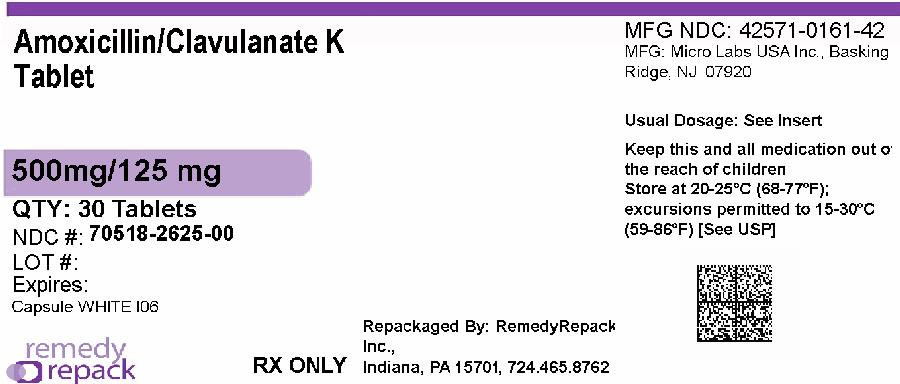
(amoxicillin · DailyMed)
Kemoxyl
Amoxicillin Trihydrate equivalent to Amoxicillin 250 mg,Colloidal Silicn Dioxide mg,Magnesium Stearate mg,Sodium lauryl sulphate mg,Vivasol mg
What it does
Amoxicillin is an antibiotic used to treat infections caused by bacteria.
Commonly used for: infections of the ear, nose, and throat, urinary tract infections, pneumonia, skin infections
Read more in plain English ↓Plain-language summary for general understanding - not medical advice. Always follow your pharmacist/doctor.
Ask about this medicine
Answers come only from this medicine's registration record, BNF monograph and interaction data - not medical advice.
Medicine sourcing is available in Kenya only. We don't sell or dispense medicines - licensed pharmacies do.
Sourcing - Kenya onlyRegistration & product details
Source: Tanzania Medicines and Medical Devices Authority · fetched 2026-03-11 23:37:24 · updated 2026-09-17 03:00:44
Drug Interactions
7Severe (1)
Penicillins - increases risk of adverse effects
Valproate increases the risk of adverse effects when given with penicillins (pivmecillinam). Avoid.
Unknown (6)
Amoxicillin - increases risk of skin rash
Allopurinol increases the risk of skin rash when given with penicillins (amoxicillin, ampicillin).
Penicillins - increases risk of skin rash
Allopurinol increases the risk of skin rash when given with penicillins (amoxicillin, ampicillin).
Penicillins - increases exposure
Leflunomide is predicted to increase the exposure to penicillins (benzylpenicillin).
Penicillins - increases exposure
Nitisinone is predicted to increase the exposure to penicillins (benzylpenicillin).
Penicillins - increases exposure
Teriflunomide is predicted to increase the exposure to penicillins (benzylpenicillin).
Phenindione - increases risk of bleeding events
Penicillins are predicted to increase the risk of bleeding events when given with phenindione.
Data from BNF 85 (British National Formulary). This is not a substitute for professional medical advice. Matched via: class
About amoxicillin
Amoxicillin is an antibiotic used to treat infections caused by bacteria.
What it treats
- infections of the ear, nose, and throat
- urinary tract infections
- pneumonia
- skin infections
How it works
It kills bacteria or stops their growth, helping to clear up infections.
Who it's for
Amoxicillin is suitable for adults and children who have bacterial infections.
Drug class
Penicillins
AI-assisted summary grounded in BNF data - general information only, not medical advice. Always confirm with your pharmacist or doctor.
About colloidal
Colloidal solutions are often used in various medical treatments and can help improve the delivery of certain medications.
What it treats
- supporting hydration
- helping with nutrient absorption
- improving medication effectiveness
How it works
Colloidal solutions contain small particles that can help carry and deliver substances in the body more effectively.
Who it's for
Adults and children who need assistance with hydration or nutrient delivery.
AI-assisted summary grounded in BNF data - general information only, not medical advice. Always confirm with your pharmacist or doctor.
About dioxide
Dioxide is used in various medical applications, but specific details about its class or interactions are not provided.
How it works
The exact mechanism of action for dioxide is not specified, but it generally serves various therapeutic roles in medicine.
Who it's for
Dioxide may be suitable for individuals needing treatment related to its specific applications, but more information is needed to identify specific patient groups.
AI-assisted summary grounded in BNF data - general information only, not medical advice. Always confirm with your pharmacist or doctor.
About lauryl
Lauryl is a compound used in various products, known for its cleansing properties.
What it treats
- skin cleansing
- oral hygiene
How it works
Lauryl works by helping to remove dirt and oils from the skin and mouth.
Who it's for
Lauryl is suitable for people looking for effective cleansing products for their skin or oral health.
AI-assisted summary grounded in BNF data - general information only, not medical advice. Always confirm with your pharmacist or doctor.
About silicn
Silicon is a substance that is often used in various health products.
What it treats
- supports skin health
- promotes hair growth
- helps with joint function
How it works
Silicon is thought to help strengthen connective tissues in the body, such as skin, hair, and joints.
Who it's for
Suitable for adults looking to support their skin and hair health.
AI-assisted summary grounded in BNF data - general information only, not medical advice. Always confirm with your pharmacist or doctor.
About vivasol
Vivasol is a medication used for various health conditions, but specific details about its uses and interactions are not provided.
How it works
The exact way Vivasol works is not specified, but it is used to help manage certain health issues.
Who it's for
Vivasol may be prescribed for individuals needing treatment for specific health conditions.
AI-assisted summary grounded in BNF data - general information only, not medical advice. Always confirm with your pharmacist or doctor.
Clinical monograph: Amoxicillin
BNF-referencedAmoxicillin is a broad-spectrum antibiotic belonging to the penicillin class, effective against a variety of bacterial infections. It is commonly used to treat conditions such as urinary tract infections, sinusitis, community-acquired pneumonia, and salmonellosis.
Indications
- Bacterial infections
- Urinary tract infections
- Sinusitis
- Uncomplicated community-acquired pneumonia
- Salmonellosis
- Oral infections
- Lyme disease (under expert supervision)
- Acute exacerbation of bronchiectasis
- Anthrax (treatment and post-exposure prophylaxis)
Dosage
Children: 1 month–11 years: 30 mg/kg 3 times a day for 21 days; children 1–4 years: 250 mg 3 times a day; children 5–11 years: 500 mg 3 times a day.
Adults: 500 mg 3 times a day; increased if necessary up to 1 g 3 times a day in severe infections.
Mechanism of action
Amoxicillin works by inhibiting bacterial cell wall synthesis, leading to cell lysis and death. It binds to penicillin-binding proteins (PBPs) located inside the bacterial cell wall, interfering with the transpeptidation process necessary for cell wall integrity.
Pharmacodynamics
Amoxicillin exhibits bactericidal activity against susceptible bacteria. Its action is time-dependent, meaning that its effectiveness is related to the duration of time that the drug concentration remains above the minimum inhibitory concentration (MIC) for the target pathogen.
Pharmacokinetics
Amoxicillin is well absorbed from the gastrointestinal tract, with peak plasma concentrations achieved within 1-2 hours after oral administration. It is widely distributed in body tissues and fluids, and it is excreted primarily via the kidneys. The elimination half-life is approximately 1 hour, and renal impairment may necessitate dosage adjustments.
Adverse effects
- Skin rash
- Gastrointestinal disturbances (nausea, vomiting, diarrhea)
- Allergic reactions (including anaphylaxis)
- Superinfection (due to resistant organisms)
Interactions
- Allopurinol (increases risk of skin rash)
Precautions
- History of penicillin allergy
- Renal impairment (reduce dose)
- Use with caution in patients with mononucleosis
Pregnancy
Use only if clearly needed; no adequate studies in pregnant women.
Breast-feeding
Amoxicillin is excreted in breast milk; use with caution.
Storage
Store in a cool, dry place away from direct sunlight.
Formulations
- Phenoxymethylpenicillin 250mg/5ml oral solution
- Phenoxymethylpenicillin 250 mg tablets
AI-synthesized from BNF references - general information only, not a substitute for professional medical advice or the current BNF. Verify doses with a pharmacist.
Clinical monograph: colloidal
Colloidal solutions are mixtures in which small particles are dispersed throughout a continuous medium. They can be used in various medical applications, including as intravenous fluids for volume expansion and as drug delivery systems. Colloidal solutions can improve the solubility and stability of drugs, enhancing their therapeutic effects.
Indications
- Hypovolemic shock
- Severe burns
- Postoperative fluid replacement
- Sepsis
- Trauma management
Dosage
Children: Refer to established guidelines for specific dosing, as it varies based on the type of colloidal solution used and the clinical condition being treated.
Adults: Refer to established guidelines for specific dosing, as it varies based on the type of colloidal solution used and the clinical condition being treated.
Mechanism of action
Colloidal solutions work by maintaining oncotic pressure in the blood, thus helping to retain fluid within the vascular system. This is primarily due to the large molecular weight of the colloidal particles, which cannot easily pass through capillary walls. The presence of colloids in the blood helps to draw water into the circulation, increasing blood volume and improving tissue perfusion.
Pharmacodynamics
The pharmacodynamics of colloidal solutions are centered on their ability to exert osmotic pressure, which helps maintain blood volume and pressure. This effect is particularly important in conditions such as hypovolemia and shock, where fluid replacement is necessary to restore hemodynamic stability. The efficacy of colloidal solutions can vary depending on the type of colloid used, as well as the underlying clinical condition being treated.
Pharmacokinetics
Colloidal solutions are typically administered intravenously and their pharmacokinetics can vary based on the specific formulation. Generally, colloids are distributed throughout the vascular compartment and have a longer duration of action compared to crystalloids, as they remain in circulation longer. The elimination of colloids is primarily through the reticuloendothelial system, where they are metabolized or eliminated by the liver and spleen. Factors such as particle size and composition can influence their distribution and clearance.
Adverse effects
- Allergic reactions
- Injection site reactions
- Nausea
- Vomiting
- Headache
- Fever
Precautions
- Use with caution in patients with known allergies to any component of the formulation
- Monitor for signs of hypersensitivity during administration
- Consider volume overload in patients with cardiac or renal impairment
Pregnancy
The safety of colloidal solutions during pregnancy has not been established. Use only if the potential benefit justifies the potential risk to the fetus.
Breast-feeding
It is not known whether colloidal solutions are excreted in human milk. Caution should be exercised when administering to breastfeeding mothers.
Storage
Store at room temperature, protect from light, and do not freeze. Keep out of reach of children.
Formulations
- Colloidal silver
- Colloidal gold
- Colloidal iron
- Other metal colloids
AI-synthesized from BNF references - general information only, not a substitute for professional medical advice or the current BNF. Verify doses with a pharmacist.
Clinical monograph: dioxide
Dioxide refers to a class of chemical compounds that contain two oxygen atoms bonded to another element or group. The most commonly referenced dioxide is carbon dioxide (CO2), a colorless, odorless gas produced by respiration in animals and plants and by the combustion of organic matter. In a clinical context, dioxides are often involved in various physiological processes and can play roles in drug mechanisms, particularly with respect to gas exchange and acid-base balance in the body.
Indications
- Monitoring respiratory function
- Assessment of metabolic status
- Management of respiratory acidosis
- Management of respiratory alkalosis
Dosage
Children: Dosing for interventions related to carbon dioxide levels in pediatric patients should be guided by clinical protocols and the BNF for Children.
Adults: Dosing for interventions related to carbon dioxide levels is typically based on clinical assessment and individual patient needs. Refer to clinical guidelines for specific scenarios.
Mechanism of action
Carbon dioxide acts primarily as a signaling molecule in the body, influencing respiratory drive and blood pH. It is produced during cellular respiration and is a critical component of the bicarbonate buffering system, which helps maintain acid-base homeostasis. Elevated levels of CO2 in the blood stimulate ventilation in the lungs, increasing the rate of gas exchange and facilitating the removal of excess CO2.
Pharmacodynamics
The pharmacodynamic effects of dioxides, particularly carbon dioxide, are closely related to its concentration in the blood. As CO2 levels increase, it leads to respiratory acidosis, which can stimulate the respiratory centers in the brain to increase ventilation. Conversely, low levels of CO2 can cause respiratory alkalosis, potentially leading to decreased respiratory drive. CO2 also plays a role in vasodilation and can affect blood flow and pressure through its influence on smooth muscle tone.
Pharmacokinetics
Carbon dioxide is produced endogenously during metabolic processes and is transported in the bloodstream primarily in three forms: dissolved in plasma, as bicarbonate ions (HCO3-), and bound to hemoglobin. The half-life of CO2 in the bloodstream is very short due to its rapid exchange with alveolar gas in the lungs. The elimination of CO2 occurs through exhalation, making it a dynamic component of respiratory physiology.
Pregnancy
Data on the effects of dioxide during pregnancy are limited. Caution is advised due to potential risks associated with exposure.
Breast-feeding
Limited data are available regarding the excretion of dioxide in human milk. Caution is recommended.
Storage
Store in a cool, dry place, away from direct sunlight and moisture.
AI-synthesized from BNF references - general information only, not a substitute for professional medical advice or the current BNF. Verify doses with a pharmacist.
Clinical monograph: lauryl
Lauryl, also known as lauryl sulfate, is a surfactant and cleansing agent commonly used in various pharmaceutical and cosmetic formulations. It is derived from lauric acid, a medium-chain fatty acid found in coconut oil and palm kernel oil. Lauryl sulfate is primarily utilized for its ability to create lather and enhance the solubility of active ingredients in topical applications. Its use is widespread in shampoos, body washes, and other personal care products.
Indications
- Cleansing agent in topical formulations
- Emulsifying agent in cosmetic products
- Foaming agent in shampoos and body washes
Dosage
Children: Refer to specific product formulations for appropriate concentrations and application methods.
Adults: Refer to specific product formulations for appropriate concentrations and application methods.
Mechanism of action
Lauryl sulfate functions as an anionic surfactant. It reduces the surface tension between different substances, allowing for better spreading and wetting. In the context of cleansing, it facilitates the removal of dirt and oils from the skin and hair by emulsifying these substances, thus making them easier to rinse away with water.
Pharmacodynamics
As a surfactant, lauryl sulfate displays properties that can disrupt cellular membranes and alter permeability. This mechanism is beneficial in enhancing the penetration of other therapeutic agents in topical formulations. However, its irritant potential on skin and mucous membranes should be noted, as it can lead to dryness and irritation with prolonged exposure.
Pharmacokinetics
Lauryl sulfate is primarily applied topically and is not intended for systemic absorption. When used in formulations, it acts locally at the site of application. Its absorption through the skin is minimal, and any systemic exposure is limited. Metabolism and excretion pathways are not well-defined for topical applications, as it is largely washed away after use.
Pregnancy
Safety during pregnancy has not been established. Use only if the potential benefit justifies the potential risk to the fetus.
Breast-feeding
Unknown whether lauryl is excreted in human milk. Caution should be exercised when administering to nursing mothers.
Storage
Store in a cool, dry place away from direct sunlight. Keep out of reach of children.
AI-synthesized from BNF references - general information only, not a substitute for professional medical advice or the current BNF. Verify doses with a pharmacist.
Clinical monograph: silicn
Silicon is a metalloid that is a key element in various biological processes and is believed to play a role in bone formation, connective tissue health, and the integrity of the skin. It is not an essential element but is often included in dietary supplements for its potential benefits in promoting healthy skin, hair, nails, and bone density.
Indications
- Bone health
- Skin health
- Hair and nail strength
- Connective tissue support
Dosage
Children: Refer to specific product guidelines, as doses may vary based on formulation and intended use.
Adults: Refer to specific product guidelines, as doses may vary based on formulation and intended use.
Mechanism of action
Silicon is thought to influence collagen synthesis and stabilization, enhancing the structural integrity of connective tissues. It may also modulate the activity of enzymes related to the synthesis of glycosaminoglycans, which are vital for maintaining the structural framework of tissues.
Pharmacodynamics
Silicon compounds may exhibit antioxidant properties and are involved in the metabolism of calcium and other minerals, potentially aiding in bone mineralization. Additionally, silicon may enhance the mechanical properties of connective tissues, contributing to their resilience and flexibility.
Pharmacokinetics
Silicon is primarily absorbed in the gastrointestinal tract, with its bioavailability dependent on the form in which it is consumed. It is distributed throughout the body, particularly in connective tissues, and is excreted via the kidneys. The exact half-life of silicon in the body is not well established, but it is generally considered to be rapidly eliminated.
Pregnancy
Safety in pregnancy has not been established.
Breast-feeding
Safety during breastfeeding has not been established.
Storage
Store in a cool, dry place, away from light.
AI-synthesized from BNF references - general information only, not a substitute for professional medical advice or the current BNF. Verify doses with a pharmacist.
Clinical monograph: vivasol
Vivasol is a nutritional supplement primarily used to support energy metabolism and enhance physical performance. It is often formulated with vitamins, minerals, amino acids, and other nutrients that help improve overall health and vitality.
Indications
- Nutritional support
- Enhancement of physical performance
- Recovery from physical exertion
- Support for energy metabolism
Dosage
Children: Refer to specific product guidelines, as dosage may vary based on formulation and intended use.
Adults: Refer to specific product guidelines, as dosage may vary based on formulation and intended use.
Mechanism of action
Vivasol's mechanism of action involves providing essential nutrients that are crucial for metabolic processes. These nutrients support various biochemical pathways, including energy production in the mitochondria. The specific ingredients may enhance metabolic functions, improve nutrient uptake, and facilitate recovery from physical exertion.
Pharmacodynamics
The pharmacodynamics of Vivasol are largely influenced by its constituent nutrients. Vitamins and minerals play vital roles as coenzymes and cofactors in metabolic pathways. Amino acids contribute to protein synthesis and muscle recovery. The overall effect is an enhancement of physical endurance, reduction of fatigue, and improvement in recovery times after exercise.
Pharmacokinetics
The pharmacokinetics of Vivasol depend on the specific formulation and ingredients included. Generally, vitamins and minerals are absorbed in the gastrointestinal tract, with bioavailability influenced by dietary factors. Amino acids are rapidly taken up into the bloodstream, where they can be utilized by tissues for protein synthesis. The elimination of these nutrients typically occurs via renal excretion or metabolic pathways.
Pregnancy
The use of vivasol during pregnancy should be approached with caution. It is important to consult with a healthcare provider before use.
Breast-feeding
It is recommended to consult a healthcare provider when considering the use of vivasol during breastfeeding.
Storage
Store in a cool, dry place, away from direct sunlight and moisture. Keep out of reach of children.
AI-synthesized from BNF references - general information only, not a substitute for professional medical advice or the current BNF. Verify doses with a pharmacist.
Molecular reference: Amoxicillin
PubChem CID 33613Molecular formula: C16H19N3O5S
Mechanism of action
Amoxicillin competitively inhibits penicillin-binding protein 1 and other high molecular weight penicillin binding proteins. Penicillin bind proteins are responsible for glycosyltransferase and transpeptidase reactions that lead to cross-linking of D-alanine and D-aspartic acid in bacterial cell walls. Without the action of penicillin binding proteins, bacteria upregulate autolytic enzymes and are unable to build and repair the cell wall, leading to bacteriocidal action. The penicillins and their metabolites are potent immunogens because of their ability to combine with proteins and act as haptens for acute antibody-mediated reactions. The most frequent (about 95 percent) or "major" determinant of penicillin allergy is the penicilloyl determinant produced by opening the beta-lactam ring of the penicillin. This allows linkage of the penicillin to protein at the amide group. "Minor" determinants (less frequent) are the other metabolites formed, including native penicillin and penicilloic acids. /Penicillins/ Amoxicillin is similar to penicillin in its bactericidal action against susceptible bacteria during the stage of active multiplication. It acts through the inhibition of cell wall biosynthesis that leads to the death of the bacteria.
Pharmacodynamics
Amoxicillin competitively inhibit penicillin binding proteins, leading to upregulation of autolytic enzymes and inhibition of cell wall synthesis. Amoxicillin has a long duration of action as it is usually given twice daily. Amoxicillin has a wide therapeutic range as mild overdoses are not associated with significant toxicity. Patients should be counselled regarding the risk of anaphylaxis, _Clostridium difficile_ infections, and bacterial resistance.
Biological pathways
Source: PubChem (NCBI) · pathways from PathBank, Reactome, WikiPathways & PharmGKB.
Molecular reference: laurylsulfate
PubChem CID 8778Molecular formula: C12H26O4S
Source: PubChem (NCBI) · pathways from PathBank, Reactome, WikiPathways & PharmGKB.
This drug in other countries
The same active ingredient registered across other registries we cover - including different brands.
- AC-CLAV 1000 TABLETS (Each film coated tablet contains Amoxicillin and Cluvalanate Potassium 1000mg · Kiux Pharma
- AC-CLAV 625 TABLETS (Each film coated tablet contains Amoxicillin and Clavulanate Potassium 625 · Kiux Pharma
- ACICLAVCARE 1G TABLETS (Each film-coated tablet contains Amoxicillin trihydrate / Potassium clavulanate 1g) · East African Overseas
- ACINET 1.2G INJECTION (Each vial contains Amoxicillin Sodium/Potassium Clavulanate 1g/0.2g · East African Creasteas
- ACINET 228.5MG/5ML DRY SUSPENSION (Each 5ml of reconstituted suspension contains Amoxicillin Trihydrate/Potassium Clavulanate 200mg/28.5mg) · Indchemie Health Specialities
- ACINET 457MG/5ML DRY SUSPENSION (Each 5ml of reconstituted suspension contains Amoxicillin Trihydrate/Potassium Clavulanate 400mg/57mg) · Indchemie Health Specialities