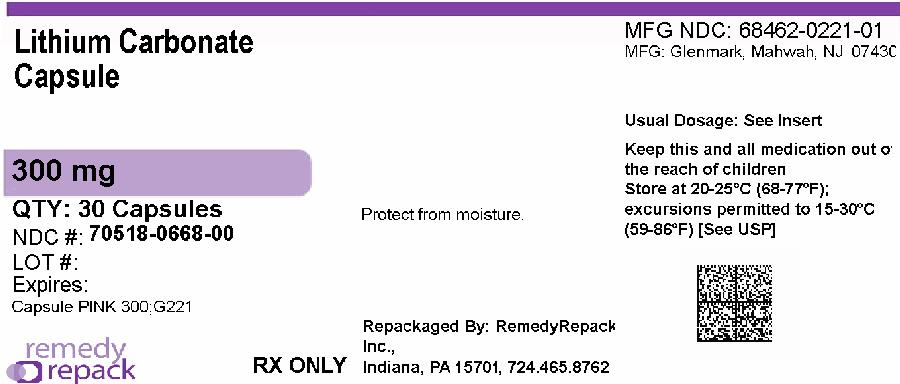
(carbonate · DailyMed)
MACROSWIFT
Acesulfame potassium 10.00 mg/sachet,Flavour Lemon DC 210 PH 10.00 mg/sachet,Macrogol 3350 13125 mg/sachet,Potassium Chloride 46.6 mg/sachet,Sodium Chloride. 350.7 mg/sachet,Sodium hydrogen Carbonate 178.5 mg/sachet
What it does
Acesulfame is a sweetener used to add sweetness to food and drinks without adding calories.
Commonly used for: tooth-friendly sweetener, sugar substitute, low-calorie food and beverages
Read more in plain English ↓Plain-language summary for general understanding - not medical advice. Always follow your pharmacist/doctor.
Ask about this medicine
Answers come only from this medicine's registration record, BNF monograph and interaction data - not medical advice.
Medicine sourcing is available in Kenya only. We don't sell or dispense medicines - licensed pharmacies do.
Sourcing - Kenya onlyRegistration & product details
Source: Tanzania Medicines and Medical Devices Authority · fetched 2026-10-15 03:00:44 · updated 2026-10-19 03:00:45
About acesulfame
Acesulfame is a sweetener used to add sweetness to food and drinks without adding calories.
What it treats
- tooth-friendly sweetener
- sugar substitute
- low-calorie food and beverages
How it works
Acesulfame provides a sweet taste without the calories found in sugar, making it a popular choice for those looking to reduce calorie intake.
Who it's for
Acesulfame is suitable for people looking for a low-calorie alternative to sugar, including those managing weight or diabetes.
AI-assisted summary grounded in BNF data - general information only, not medical advice. Always confirm with your pharmacist or doctor.
About carbonate
Carbonate is used to help manage acidity in the stomach and can be found in various over-the-counter products.
What it treats
- stomach acidity
- indigestion
- heartburn
How it works
Carbonate helps neutralize stomach acid, providing relief from discomfort caused by excess acidity.
Who it's for
Adults and children experiencing symptoms of stomach acidity or indigestion.
AI-assisted summary grounded in BNF data - general information only, not medical advice. Always confirm with your pharmacist or doctor.
About flavour
Flavour is used to enhance the taste of products and make them more enjoyable.
What it treats
- improving the taste of foods and drinks
- masking unpleasant tastes in medications
How it works
Flavours work by stimulating our taste buds, making foods and drinks taste better.
Who it's for
Flavour can be used by anyone who wants to improve the taste of their food or beverages.
AI-assisted summary grounded in BNF data - general information only, not medical advice. Always confirm with your pharmacist or doctor.
About hydrogen
Hydrogen is a chemical element often used in various applications but is not a conventional medicine. It is important to understand its uses and safety.
How it works
Hydrogen is a basic element and does not have a direct medicinal effect like traditional drugs. Its properties are utilized in various scientific and industrial processes.
Who it's for
Hydrogen is not prescribed for specific medical conditions as it is not classified as a medicine.
AI-assisted summary grounded in BNF data - general information only, not medical advice. Always confirm with your pharmacist or doctor.
About lemon
Lemon is a citrus fruit known for its tangy flavor and potential health benefits.
What it treats
- vitamin C deficiency (scurvy)
- boosting the immune system
- aiding digestion
- skin health
How it works
Lemon is rich in vitamin C and antioxidants, which help support the body's immune system and overall health.
Who it's for
Lemon can be enjoyed by most people as part of a balanced diet.
AI-assisted summary grounded in BNF data - general information only, not medical advice. Always confirm with your pharmacist or doctor.
About macrogol
Macrogol is a laxative that helps relieve constipation by increasing the amount of water in the stool, making it easier to pass.
What it treats
- constipation
- irritable bowel syndrome
How it works
It works by drawing water into the bowel, which softens the stool and stimulates bowel movements.
Who it's for
Macrogol is suitable for adults and children who need help with bowel movements.
AI-assisted summary grounded in BNF data - general information only, not medical advice. Always confirm with your pharmacist or doctor.
Clinical monograph: acesulfame
BNF-referencedAcesulfame is a non-nutritive sweetener that is commonly used as a sugar substitute in various food and beverage products. It is known for its high sweetness intensity, approximately 200 times sweeter than sucrose, and is often used in combination with other sweeteners to enhance flavor profiles and reduce caloric content. Acesulfame is stable at high temperatures, making it suitable for cooking and baking applications.
Indications
- Use as a non-nutritive sweetener in food and beverages
- Sugar substitute for individuals with diabetes
- Caloric reduction in dietetic products
Dosage
Children: The use of acesulfame in children should follow dietary guidelines and recommendations. For specific dosing, refer to the BNF for Children.
Adults: Acesulfame is used in varying amounts depending on the product formulation. Consult specific product guidelines for usage.
Mechanism of action
Acesulfame works by stimulating the sweet taste receptors on the tongue, specifically the T1R2 and T1R3 receptors, leading to the perception of sweetness without contributing calories. It is not metabolized by the body, allowing it to provide sweetness without energy.
Pharmacodynamics
As a sweetener, acesulfame does not have traditional pharmacodynamic effects associated with therapeutic drugs. Its primary action is to activate sweet taste receptors, leading to a sweet taste sensation. It does not elicit insulin secretion or affect blood glucose levels, making it suitable for individuals with diabetes.
Pharmacokinetics
Acesulfame is rapidly absorbed following oral administration, but it is not metabolized and is excreted unchanged in urine. This results in a rapid onset of action for sweetness perception. The half-life and specific metabolic pathways are not extensively documented, but its elimination through the kidneys is well established.
Pregnancy
Acesulfame is generally regarded as safe for use during pregnancy. However, it is advisable to consult a healthcare professional before consumption.
Breast-feeding
Acesulfame is considered safe during breastfeeding, but consultation with a healthcare provider is recommended.
Storage
Store in a cool, dry place, away from direct sunlight.
AI-synthesized from BNF references - general information only, not a substitute for professional medical advice or the current BNF. Verify doses with a pharmacist.
Clinical monograph: carbonate
BNF-referencedCarbonate is a polyatomic ion with the molecular formula CO3^2-. It plays a critical role in various biological processes, including the regulation of pH in biological systems and the formation of bicarbonate, which is essential for maintaining acid-base balance. Carbonates are commonly found in nature and are involved in buffering systems in blood and other bodily fluids.
Mechanism of action
Carbonate ions participate in buffering reactions that help maintain pH homeostasis in biological systems. They can react with acids to form bicarbonate and carbon dioxide, thus neutralizing excess acidity in the body. This mechanism is crucial in processes such as respiration and metabolism.
Pharmacodynamics
As a buffer, carbonate helps to stabilize pH levels in different biological environments, preventing excessive acidity or alkalinity that could impair cellular functions. It is involved in the transport of carbon dioxide in the blood and plays a role in maintaining the acid-base equilibrium necessary for physiological processes.
Pharmacokinetics
Carbonate ions are readily absorbed in the gastrointestinal tract when ingested and can be found in various body fluids. They are involved in the bicarbonate buffering system, where they are converted to bicarbonate (HCO3-) and carbon dioxide (CO2) through reactions with acids. The kidneys regulate the levels of bicarbonate and carbonate in the body, excreting or reabsorbing them as needed to maintain homeostasis.
Pregnancy
There is no specific information available regarding the use of carbonate compounds during pregnancy. Consult a healthcare provider for advice.
Breast-feeding
There is no specific information available regarding the use of carbonate compounds while breastfeeding. Consult a healthcare provider for advice.
Storage
Store in a cool, dry place away from direct sunlight. Keep out of reach of children.
AI-synthesized from BNF references - general information only, not a substitute for professional medical advice or the current BNF. Verify doses with a pharmacist.
Clinical monograph: flavour
Flavour agents, often referred to as flavorings, are substances added to food and beverages to impart a specific taste or aroma. They can be natural or artificial and are widely used in the food industry to enhance palatability and consumer acceptance of products. Natural flavors are derived from fruits, vegetables, spices, and other plant materials, while artificial flavors are synthesized to mimic natural tastes.
Indications
- Enhancement of taste in food and beverages
- Improvement of palatability in nutritional products
- Masking undesirable flavors in medications
Dosage
Children: There is no specific pediatric dosage for flavor agents as they are used as needed to improve the taste of food and beverages.
Adults: There is no specific dosage for flavor agents as they are used as needed to achieve the desired taste and aroma in food and beverages.
Mechanism of action
Flavor compounds interact with taste receptors on the tongue, stimulating the sensory neurons responsible for taste perception. This interaction influences the overall flavor profile of food and beverages, enhancing the eating experience. Some flavors may also have a psychological effect, stimulating appetite or evoking pleasant memories associated with certain tastes.
Pharmacodynamics
While flavor agents are primarily used for sensory enhancement in food, their pharmacodynamic effects are minimal as they are not designed to elicit a pharmacological response. However, certain flavors may influence digestion and metabolism indirectly by enhancing saliva production or affecting gut motility. The enjoyment of flavored products can also lead to increased food intake and satisfaction.
Pharmacokinetics
Flavour compounds are typically ingested and metabolized by the body. Their absorption rates can vary depending on their chemical structure and formulation. Once ingested, they may be rapidly metabolized in the liver and other tissues, with excretion primarily via urine. The specific pharmacokinetic profiles of flavor agents can vary significantly based on their source and chemical properties.
Pregnancy
Flavours are generally considered safe for use during pregnancy, but specific assessments should be made based on the type of flavouring agent.
Breast-feeding
Most flavouring agents are deemed safe during breastfeeding, although it's advisable to consult healthcare professionals regarding specific ingredients.
Storage
Store in a cool, dry place away from direct sunlight and heat sources. Ensure that the container is tightly sealed to prevent contamination.
AI-synthesized from BNF references - general information only, not a substitute for professional medical advice or the current BNF. Verify doses with a pharmacist.
Clinical monograph: hydrogen
BNF-referencedHydrogen (H2) is a colorless, odorless gas that has garnered significant interest for its potential therapeutic effects, particularly due to its antioxidant and anti-inflammatory properties. Research suggests that hydrogen-rich water may have beneficial effects on vascular health and could serve as an anti-aging agent by reducing oxidative stress and inflammation in endothelial cells. Its mechanism of action involves the activation of the Nrf2 pathway, which contributes to the protective effects against cellular senescence and other forms of oxidative damage.
Indications
- Oxidative stress-related conditions
- Inflammatory conditions
- Potential anti-aging applications
- Vascular health enhancement
Dosage
Children: Refer to specific product formulations and guidelines, as dosing can vary based on the concentration of hydrogen in the product used.
Adults: Refer to specific product formulations and guidelines, as dosing can vary based on the concentration of hydrogen in the product used.
Mechanism of action
Molecular hydrogen acts primarily as an antioxidant and anti-inflammatory agent. It is believed to exert its beneficial effects through the activation of the Nrf2 pathway, which enhances the expression of antioxidant enzymes and protects cells from oxidative stress. Hydrogen-rich environments have been shown to mitigate the harmful effects of various toxins on human umbilical vein endothelial cells, thereby promoting vascular health and longevity.
Pharmacodynamics
Hydrogen's pharmacodynamic properties are linked to its role as a potent antioxidant, which reduces reactive oxygen species (ROS) and modulates inflammation. It has been documented to counteract cellular senescence in endothelial cells, thereby maintaining vascular integrity and promoting overall health. The long-lasting effects of hydrogen exposure can be observed even after its concentration in the medium has decreased, suggesting a sustained activation of protective cellular pathways.
Pharmacokinetics
Hydrogen is a gaseous molecule that diffuses rapidly across biological membranes. Its absorption and distribution in the body are influenced by the method of administration, with hydrogen-rich water being a common delivery form. Once in the bloodstream, hydrogen is quickly utilized by tissues, and its concentration diminishes rapidly, with a half-life that can vary based on conditions. The elimination of hydrogen primarily occurs via exhalation, making it a non-toxic molecule with a favorable safety profile.
Pregnancy
Hydrogen is generally considered safe during pregnancy, but it is advisable to consult a healthcare provider for specific recommendations.
Breast-feeding
Hydrogen is considered safe during breastfeeding, but as with any substance, it is recommended to discuss with a healthcare provider.
Storage
Hydrogen should be stored in a cool, dry place away from direct sunlight and heat sources, in appropriate gas cylinders designed for compressed gases.
Formulations
- Hydrogen gas (H2)
- Hydrogen-rich water
AI-synthesized from BNF references - general information only, not a substitute for professional medical advice or the current BNF. Verify doses with a pharmacist.
Clinical monograph: hydrogenphosphate
BNF-referencedHydrogenphosphate (HPO4^2-) is an inorganic phosphate compound that plays a crucial role in various biological processes, including energy metabolism and cellular signaling. It is a key component in the formation of nucleotides, nucleic acids, and phospholipids, and is essential for ATP production and cellular energy transfer.
Mechanism of action
Hydrogenphosphate acts as a substrate for various enzymatic reactions where phosphate groups are transferred or incorporated into organic molecules. It is involved in metabolic pathways such as nicotine biosynthesis and NAD/NADH cycling, facilitating biochemical reactions that are vital for cellular function.
Pharmacodynamics
Hydrogenphosphate is crucial for maintaining cellular homeostasis. It regulates acid-base balance and is involved in energy metabolism. The phosphate groups it provides are integral to the structure and function of ATP, which is the primary energy currency of the cell. Additionally, hydrogenphosphate influences signal transduction pathways through phosphorylation and dephosphorylation processes.
Pharmacokinetics
Hydrogenphosphate is readily absorbed in the gastrointestinal tract and distributed throughout the body. Its elimination primarily occurs through renal excretion, where it is filtered and reabsorbed by the kidneys. The balance of hydrogenphosphate levels is tightly regulated by various physiological mechanisms to ensure proper metabolic function.
Pregnancy
There is limited information regarding the safety of hydrogenphosphate in pregnancy. Consult relevant guidelines and consider potential risks versus benefits.
Breast-feeding
Data on the excretion of hydrogenphosphate in human milk are not available. Caution is advised.
Storage
Store in a cool, dry place away from direct sunlight. Ensure containers are tightly closed.
AI-synthesized from BNF references - general information only, not a substitute for professional medical advice or the current BNF. Verify doses with a pharmacist.
Clinical monograph: lemon
Lemon (Citrus limon) is a citrus fruit known for its high vitamin C content and antioxidant properties. It is widely used in culinary applications and traditional medicine. The fruit, juice, and peel are often utilized for their potential health benefits, including digestive aid, immune support, and skin health.
Indications
- Scurvy prevention
- Digestive aid
- Immune system support
- Skin health
- Antimicrobial applications
Dosage
Children: There is no specific paediatric dosage for lemon; it can be given to children in moderate amounts as part of a balanced diet.
Adults: There is no specific adult dosage for lemon; it can be consumed in various forms such as fresh fruit, juice, or as part of food and beverages.
Mechanism of action
Lemon contains compounds such as citric acid, flavonoids, and essential oils. Citric acid may enhance the absorption of minerals and has a role in the Krebs cycle, promoting energy metabolism. Flavonoids possess antioxidant properties, which help combat oxidative stress and inflammation, while essential oils can exhibit antimicrobial and anti-inflammatory effects.
Pharmacodynamics
The pharmacodynamic effects of lemon are primarily attributed to its antioxidant properties, which help neutralize free radicals, reduce oxidative stress, and support overall health. The citric acid in lemon may also aid in alkalizing the body, improving metabolic processes, and supporting digestion.
Pharmacokinetics
The bioavailability of lemon compounds can vary based on the form of consumption (whole fruit, juice, or extract). Vitamin C is rapidly absorbed in the gastrointestinal tract and distributed throughout the body. The metabolism of flavonoids occurs primarily in the liver, and they may have a variable half-life depending on individual metabolism.
Adverse effects
- Allergic reactions in sensitive individuals
- Gastrointestinal discomfort
- Tooth enamel erosion with excessive use
Precautions
- Caution in individuals with citrus allergies
- May cause skin irritation if applied topically in concentrated forms
Pregnancy
Lemon is generally considered safe during pregnancy, but excessive intake should be avoided.
Breast-feeding
Lemon is safe during breastfeeding when consumed in normal dietary amounts.
Storage
Store in a cool, dry place. Fresh lemons should be kept in the refrigerator to maintain freshness.
Formulations
- Fresh lemon
- Lemon juice
- Lemon essential oil
- Lemon zest
AI-synthesized from BNF references - general information only, not a substitute for professional medical advice or the current BNF. Verify doses with a pharmacist.
Clinical monograph: macrogol
BNF-referencedMacrogol is a polymer of ethylene glycol used primarily as a laxative to treat constipation. It acts by retaining water in the stool, thereby increasing stool bulk and promoting bowel movements. It is often utilized in cases where increased dietary fiber is insufficient or for patients who require bowel cleansing prior to medical procedures.
Indications
- Constipation
- Bowel preparation for diagnostic procedures (e.g., colonoscopy)
Dosage
Children: For children, macrogol is typically used at a dose of 0.5 to 1 g/kg per day, not exceeding 17 g per day, depending on the child's age and condition. Refer to the BNF for Children for detailed pediatric dosing guidance.
Adults: Typical adult dosing for constipation is 8.4 grams of macrogol powder dissolved in water, taken once daily. For bowel preparation, specific dosing regimens may vary, and it is essential to follow product instructions or medical advice.
Mechanism of action
Macrogol works as an osmotic agent, drawing water into the bowel lumen through osmosis. This increased water content softens the stool, making it easier to pass. The presence of macrogol in the intestine increases the volume and viscosity of the stool, stimulating peristalsis and facilitating bowel evacuation.
Pharmacodynamics
Macrogol's laxative effect is dose-dependent, with higher doses generally resulting in more significant bowel movement stimulation. It is not absorbed systemically, which minimizes potential side effects and interactions. The osmotic effect leads to an increase in intraluminal pressure and stool volume, contributing to effective evacuation.
Pharmacokinetics
Macrogol is largely non-absorbed in the gastrointestinal tract, which allows it to exert its effects locally within the bowel. Due to its high molecular weight, it remains in the intestinal lumen, where it facilitates water retention. Elimination occurs through feces, as it is not metabolized by the body.
Pregnancy
Macrogol can be used during pregnancy if necessary, but caution should be exercised and medical advice sought.
Breast-feeding
Macrogol is generally considered safe to use during breastfeeding.
Storage
Store in a cool, dry place, protected from light. Keep out of reach of children.
AI-synthesized from BNF references - general information only, not a substitute for professional medical advice or the current BNF. Verify doses with a pharmacist.
Molecular reference: acesulfame
PubChem CID 36573Molecular formula: C4H5NO4S
Source: PubChem (NCBI) · pathways from PathBank, Reactome, WikiPathways & PharmGKB.
Molecular reference: carbonate
PubChem CID 19660Molecular formula: CO3-2
Biological pathways
Source: PubChem (NCBI) · pathways from PathBank, Reactome, WikiPathways & PharmGKB.
Molecular reference: hydrogen
PubChem CID 783Molecular formula: H2
Mechanism of action
Substantial evidence indicates that molecular hydrogen (H2) has beneficial vascular effects because of its antioxidant and/or anti-inflammatory effects. Thus, hydrogen-rich water may prove to be an effective anti-aging drink. This study examined the effects of H2 on endothelial senescence and clarified the mechanisms involved. Hydrogen-rich medium was produced by a high-purity hydrogen gas generator. Human umbilical vein endothelial cells (HUVECs) were incubated with 2,3,7,8-tetrachlorodibenzo-p-dioxin (TCDD) for various time periods in normal or hydrogen-rich medium. The baseline H2concentration in hydrogen-rich medium was 0.55 +/- 0.07 mmol/L. This concentration gradually decreased, and H2 was almost undetectable in medium after 12 hr. At 24 hr after TCDD exposure, HUVECs treated with TCDD exhibited increased 8OHdG and acetyl-p53 expression, decreased nicotinamide adenine dinucleotide (NAD(+))/NADH ratio, impaired Sirt1 activity, and enhanced senescence-associated beta-galactosidase. However, HUVECs incubated in hydrogen-rich medium did not exhibit these TCDD-induced changes accompanying Nrf2 activation, which was observed even after H2 was undetectable in the medium. Chrysin, an inhibitor of Nrf2, abolished the protective effects of H2 on HUVECs. H2 has long-lasting antioxidant and anti-aging effects on vascular endothelial cells through the Nrf2 pathway, even after transient exposure to H2. Hydrogen-rich water may thus be a functional drink that increases longevity. /Hydrogen-rich water/ Amyloid beta (Abeta) peptides are identified /as a/ cause of neurodegenerative diseases such as Alzheimer's disease (AD). Previous evidence suggests Abeta-induced neurotoxicity is linked to the stimulation of reactive oxygen species (ROS) production. The accumulation of Abeta-induced ROS leads to increased mitochondrial dysfunction and triggers apoptotic cell death. This suggests antioxidant therapies may be beneficial for preventing ROS-related diseases such as AD. Recently, hydrogen-rich water (HRW) has been proven effective in treating oxidative stress-induced disorders because of its ROS-scavenging abilities. However, the precise molecular mechanisms whereby HRW prevents neuronal death are still unclear. In the present study, we evaluated the putative pathways by which HRW protects against Abeta-induced cytotoxicity /in SK-N-MC cells/. Our results indicated that HRW directly counteracts oxidative damage by neutralizing excessive ROS, leading to the alleviation of Abeta-induced cell death. In addition, HRW also stimulated AMP-activated protein kinase (AMPK) in a sirtuin 1 (Sirt1)-dependent pathway, which upregulates forkhead box protein O3a (FoxO3a) downstream antioxidant response and diminishes Abeta-induced mitochondrial potential loss and oxidative stress. Taken together, our findings suggest that HRW may have potential therapeutic value to inhibit Abeta-induced neurotoxicity. /Hydrogen-rich water/ The NLRP3 inflammasome, an intracellular multi-protein complex controlling the maturation of cytokine interleukin-1beta, plays an important role in lipopolysaccharide (LPS)-induced inflammatory cascades. Recently, the production of mitochondrial reactive oxygen species (mtROS) in macrophages stimulated with LPS has been suggested to act as a trigger during the process of NLRP3 inflammasome activation that can be blocked by some mitochondria-targeted antioxidants. Known as a ROS scavenger, molecular hydrogen (H2) has been shown to possess therapeutic benefit on LPS-induced inflammatory damage in many animal experiments. Due to the unique molecular structure, H2 can easily target the mitochondria, suggesting that H2 is a potential antagonist of mtROS-dependent NLRP3 inflammasome activation. Here we have showed that, in mouse macrophages, H2 exhibited substantial inhibitory activity against LPS-initiated NLRP3 inflammasome activation by scavenging mtROS. Moreover, the elimination of mtROS by H2 resultantly inhibited mtROS-mediated NLRP3 deubi
Biological pathways
Source: PubChem (NCBI) · pathways from PathBank, Reactome, WikiPathways & PharmGKB.
Molecular reference: hydrogenphosphate
PubChem CID 3681305Molecular formula: HO4P-2
Biological pathways
Source: PubChem (NCBI) · pathways from PathBank, Reactome, WikiPathways & PharmGKB.
Molecular reference: macrogol
PubChem CID 174Molecular formula: C2H6O2
Mechanism of action
Ethylene glycol is metabolized by alcohol dehydrogenase to glycoaldehyde, which is then metabolized to glycolic, glyoxylic, and oxalic acids. These acids, along with excess lactic acid are responsible for the anion gap metabolic acidosis. Oxalic acid readily precipitates with calcium to form insoluble calcium oxalate crystals. Tissue injury is caused by widespread deposition of oxalate crystals and the toxic effects of glycolic and glyoxylic acids.
Biological pathways
Source: PubChem (NCBI) · pathways from PathBank, Reactome, WikiPathways & PharmGKB.
This drug in other countries
The same active ingredient registered across other registries we cover - including different brands.
- BEEHIVE BALSAM SYRUP · Ayrton Saunders
- BELL'S ANTACID MIXTURE ( Magnesium Trisilicate/Light Magnessium Carbonate/Sodium Bicarbonate 2.5%w/v/ 2.5%w/v/ 2.5%w/v 2.5%w/v) · Bells Sons & Company
- BHM MAGNESIUM TRISILICATE MIXTURE SUSPENSION (Each 5ml contains Magnesium Trisilicate/ Light Magnesium Carbonate / Sodium Bicarbonate 250mg/250mg/250mg) · Evangelist Temple Bryant Mission
- BRAIN ACTIVE DENK SOFTGEL CAPSULE/TABLET · Green Olive Partners
- CALCID-DENK TABLETS (Each effervescent tablet contains Calcium carbonate/Cholecalciferol 1000mg/22µg) · Losan Pharma
- CALVION TABLETS · Medopharm