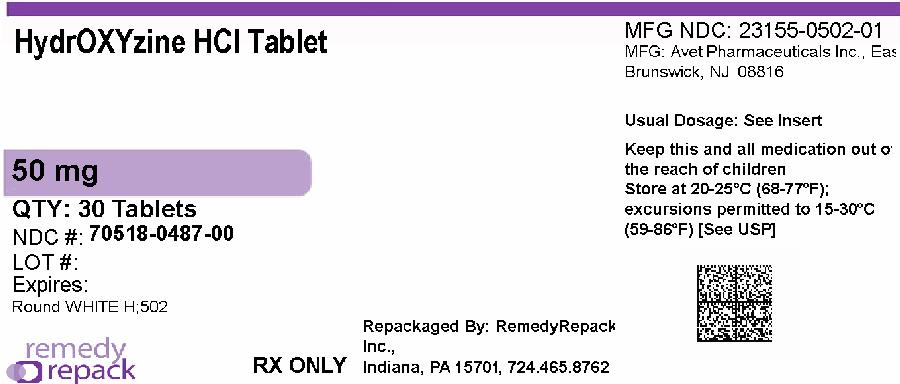
(hydroxy · DailyMed)
MONTICOPE
Butylated Hydroxy Toluene 0.050 mg/tablet,Croscarmellose Sodium 30.000 mg/tablet,Ferric Oxide Yellow 0.160 mg/tablet,Hydroxypropyl cellulose 3.000 mg/tablet,Hypromellose 3.000 mg/tablet,Levocetirizine dihydrochloride 5 mg,Magnesium Stearate 1.800 mg/tablet,Microcrystaline cellulose (Avicel PH102) 126.215 mg/tablet,Montelukast sodium equivalent to Montelukast 10 mg,Purified Water q.s. mg/tablet,Silica colloidal anhydrous 0.400 mg/tablet,methylene chloride q.s. mg/tablet
What it does
Butylated is a chemical used to prevent food and products from spoiling by stopping fats and oils from going bad.
Commonly used for: preservative in food products, stabilizer in cosmetics
Read more in plain English ↓Plain-language summary for general understanding - not medical advice. Always follow your pharmacist/doctor.
Ask about this medicine
Answers come only from this medicine's registration record, BNF monograph and interaction data - not medical advice.
Medicine sourcing is available in Kenya only. We don't sell or dispense medicines - licensed pharmacies do.
Sourcing - Kenya onlyRegistration & product details
Source: Tanzania Medicines and Medical Devices Authority · fetched 2026-03-11 23:49:46 · updated 2026-10-22 03:00:45
Drug Interactions
8Severe (2)
Montelukast - increases exposure
Opicapone is predicted to increase the exposure to montelukast. Avoid.
Montelukast - increases exposure
Selpercatinib is predicted to increase the exposure to montelukast. Avoid.
Unknown (6)
Montelukast - increases exposure
Deferasiroxispredictedtoincreasetheexposureto montelukast.oTheoretical
Montelukast - increases exposure
Leflunomideispredictedtoincreasetheexposureto montelukast.oTheoretical
Montelukast - increases exposure
Mifepristoneispredictedtoincreasetheexposureto montelukast.oTheoretical
Montelukast - decreases exposure
Mitotane is predicted to decrease the exposure to montelukast.
Montelukast - increases exposure
Teriflunomide is predicted to increase the exposure to montelukast. Theoretical Morphine → see opioids Moxifloxacin → see quinolones Moxisylyte → see TABLE 8 p. 1518 (hypotension) Moxonidine → see TAB
Montelukast - decreases exposure
Rifampicin is predicted to decrease the exposure to montelukast.
Data from BNF 85 (British National Formulary). This is not a substitute for professional medical advice. Matched via: exact
About butylated
Butylated is a chemical used to prevent food and products from spoiling by stopping fats and oils from going bad.
What it treats
- preservative in food products
- stabilizer in cosmetics
How it works
It works by slowing down the process of oxidation, which can cause spoilage and rancidity in fats and oils.
Who it's for
It is generally used in food manufacturing and cosmetic industries.
AI-assisted summary grounded in BNF data - general information only, not medical advice. Always confirm with your pharmacist or doctor.
About cellulose
Cellulose is a type of fiber that helps with digestion and promotes bowel health.
What it treats
- constipation
- irregular bowel movements
How it works
Cellulose adds bulk to the stool, making it easier to pass through the intestines.
Who it's for
Suitable for people looking to improve their digestive health.
AI-assisted summary grounded in BNF data - general information only, not medical advice. Always confirm with your pharmacist or doctor.
About colloidal
Colloidal solutions are often used in various medical treatments and can help improve the delivery of certain medications.
What it treats
- supporting hydration
- helping with nutrient absorption
- improving medication effectiveness
How it works
Colloidal solutions contain small particles that can help carry and deliver substances in the body more effectively.
Who it's for
Adults and children who need assistance with hydration or nutrient delivery.
AI-assisted summary grounded in BNF data - general information only, not medical advice. Always confirm with your pharmacist or doctor.
About croscarmellose
Croscarmellose is a substance used in medicines to help them dissolve and be absorbed in the body.
What it treats
- helps improve the effectiveness of oral medications
How it works
It works by breaking down the medicine so that it can be easily absorbed in the stomach and intestines.
Who it's for
It is used in various oral medicines that require better absorption.
AI-assisted summary grounded in BNF data - general information only, not medical advice. Always confirm with your pharmacist or doctor.
About ferric
Ferric is a form of iron used to treat iron deficiency and related conditions.
What it treats
- iron deficiency
- iron deficiency anemia
How it works
Ferric works by providing your body with the iron it needs to make red blood cells, which carry oxygen.
Who it's for
Ferric is for people who have low iron levels or anemia caused by insufficient iron.
AI-assisted summary grounded in BNF data - general information only, not medical advice. Always confirm with your pharmacist or doctor.
About hydroxy
Hydroxy is a medication used to treat various health conditions. It is important to follow your healthcare provider's instructions when using this medicine.
What it treats
- autoimmune diseases (such as rheumatoid arthritis)
- malaria prevention and treatment
- certain skin conditions (like lupus)
How it works
Hydroxy helps to reduce inflammation and the activity of the immune system.
Who it's for
This medicine is for people with specific autoimmune disorders, those at risk of malaria, or those with certain skin issues.
AI-assisted summary grounded in BNF data - general information only, not medical advice. Always confirm with your pharmacist or doctor.
About hydroxypropyl
Hydroxypropyl is a compound often used in various formulations for its properties, though specific details about its uses are not provided.
How it works
Hydroxypropyl serves as an ingredient that can help improve the consistency and stability of products, but its specific mechanism is not detailed.
Who it's for
Hydroxypropyl may be included in products for various populations, depending on its application in formulations.
AI-assisted summary grounded in BNF data - general information only, not medical advice. Always confirm with your pharmacist or doctor.
About hypromellose
Hypromellose is a substance that helps to keep the eyes moist and can be used to soothe irritation.
What it treats
- dry eyes (keratoconjunctivitis sicca)
- eye irritation
How it works
It forms a protective layer over the eye, which helps to retain moisture and relieve discomfort.
Who it's for
This medication is suitable for anyone experiencing dry or irritated eyes.
AI-assisted summary grounded in BNF data - general information only, not medical advice. Always confirm with your pharmacist or doctor.
About levocetirizine
Levocetirizine is an antihistamine that helps relieve allergy symptoms.
What it treats
- allergic rhinitis (hay fever)
- chronic urticaria (hives)
How it works
It works by blocking the effects of histamine, a substance in the body that causes allergic symptoms.
Who it's for
It is for adults and children who suffer from allergies.
AI-assisted summary grounded in BNF data - general information only, not medical advice. Always confirm with your pharmacist or doctor.
About methylene
Methylene is a compound used for various medical purposes, including treatment for certain conditions.
What it treats
- methemoglobinemia (a condition where blood cannot carry oxygen properly)
- certain types of poisoning
How it works
Methylene helps to restore the normal function of blood, allowing it to carry oxygen effectively.
Who it's for
Methylene is for people experiencing specific blood conditions or certain types of poisoning.
AI-assisted summary grounded in BNF data - general information only, not medical advice. Always confirm with your pharmacist or doctor.
About microcrystaline
Microcrystalline is a type of medicine often used for various health issues, particularly those affecting the digestive system.
What it treats
- constipation
- irritable bowel syndrome (IBS)
- diarrhea
- gastrointestinal disorders
How it works
Microcrystalline helps to improve digestive function and regulate bowel movements.
Who it's for
This medicine is suitable for adults and children experiencing digestive problems.
AI-assisted summary grounded in BNF data - general information only, not medical advice. Always confirm with your pharmacist or doctor.
About montelukast
Montelukast is a medication used to help manage asthma and relieve allergy symptoms.
What it treats
- asthma
- allergic rhinitis (hay fever)
How it works
Montelukast works by blocking substances in the body that cause asthma and allergy symptoms.
Who it's for
It is suitable for adults and children who suffer from asthma or allergies.
AI-assisted summary grounded in BNF data - general information only, not medical advice. Always confirm with your pharmacist or doctor.
About oxide
Oxide is a type of compound often used in various treatments. It is important to understand its uses and any precautions necessary when taking it.
What it treats
- treatment of certain skin conditions
- used in some respiratory therapies
How it works
Oxide works by interacting with the body in a way that helps improve certain health conditions.
Who it's for
Oxide may be suitable for individuals suffering from specific health issues as determined by their healthcare provider.
Cautions
- • Always follow the healthcare provider's instructions when using this compound.
- • Inform your doctor about any other medications you are taking.
AI-assisted summary grounded in BNF data - general information only, not medical advice. Always confirm with your pharmacist or doctor.
About purified
Purified ingredients are often used in various medicines to ensure safety and effectiveness by removing impurities.
What it treats
- various medical conditions
How it works
Purified ingredients help in delivering the intended effects of the medicine without the risk of contaminants.
Who it's for
People who need medications with safe and effective ingredients.
AI-assisted summary grounded in BNF data - general information only, not medical advice. Always confirm with your pharmacist or doctor.
About silica
Silica is a natural substance that can be found in various forms and is often used to help with digestion and absorb excess moisture.
What it treats
- digestive issues
- absorption of moisture
How it works
Silica helps improve digestion by supporting the body's ability to break down food and absorb nutrients.
Who it's for
Silica may be suitable for adults experiencing digestive discomfort or needing help with moisture control.
AI-assisted summary grounded in BNF data - general information only, not medical advice. Always confirm with your pharmacist or doctor.
About toluene
Toluene is a chemical commonly used as a solvent in various industrial applications. It is not typically used as a medication.
How it works
Toluene works by dissolving substances, making it useful in manufacturing and cleaning processes.
Who it's for
Toluene is primarily used by industries; it is not intended for personal use or treatment of medical conditions.
AI-assisted summary grounded in BNF data - general information only, not medical advice. Always confirm with your pharmacist or doctor.
About yellow
Yellow is a medicinal product used to treat various conditions.
What it treats
- general health support
How it works
The exact way Yellow works is not specified, but it is designed to support overall well-being.
Who it's for
Yellow is suitable for individuals looking to improve their general health.
AI-assisted summary grounded in BNF data - general information only, not medical advice. Always confirm with your pharmacist or doctor.
Clinical monograph: Hypromellose
BNF-referencedHypromellose is a semisynthetic polymer derived from cellulose, primarily used as an ocular lubricant in the management of dry eye conditions. It acts by forming a protective layer over the eye surface, providing moisture and relief from irritation, thereby improving comfort and protecting the corneal epithelium.
Indications
- Dry eye conditions
- Tear deficiency
- Keratoconjunctivitis sicca
Dosage
Children: Apply as required, typically in the form of eye drops.
Adults: Apply as required, typically in the form of eye drops.
Mechanism of action
Hypromellose acts by forming a viscous gel upon contact with the ocular surface, which helps to retain moisture and protect against irritants. This gel-like property enhances the stability of the tear film and reduces evaporation, thereby alleviating symptoms associated with dry eye conditions.
Pharmacodynamics
The pharmacodynamic effects of hypromellose are primarily related to its ability to mimic natural tears, providing lubrication to the ocular surface. This lubrication reduces friction during blinking and maintains corneal hydration, which is critical for ocular comfort and health. Its high viscosity also contributes to prolonged retention time on the eye surface.
Pharmacokinetics
Hypromellose is administered topically as eye drops and is not significantly absorbed systemically. The retention time of hypromellose on the ocular surface is enhanced due to its viscosity, allowing for extended relief of dry eye symptoms. The elimination of hypromellose occurs primarily through drainage from the eye and dilution by the natural tear fluid.
Adverse effects
- Temporary visual disturbance
- Eye irritation
Precautions
- Should not be used during contact lens wear
- Use with caution in patients with known hypersensitivity to any component of the formulation
Pregnancy
Hypromellose is generally considered safe for use during pregnancy. However, it should be used only if clearly needed and after consulting a healthcare provider.
Breast-feeding
Hypromellose is unlikely to affect breastfed infants when used as directed, but consultation with a healthcare provider is advisable.
Storage
Store in a cool, dry place away from direct sunlight. Once opened, use within a specified period as indicated on the packaging.
Formulations
- {'name': 'Teardew', 'concentration': '0.3%', 'form': 'eye drops', 'volume': '10 ml'}
- {'name': 'Xailin Hydrate', 'concentration': '0.3%', 'form': 'eye drops', 'volume': '10 ml'}
- {'name': 'AacuLose', 'concentration': '0.3%', 'form': 'eye drops', 'volume': '10 ml'}
- {'name': 'Artelac', 'concentration': '0.32%', 'form': 'eye drops', 'volume': '10 ml'}
- {'name': 'Lacrilube', 'concentration': '2 mg/g', 'form': 'eye ointment', 'volume': '3.5 g'}
- {'name': 'Celluvisc', 'concentration': '1%', 'form': 'eye drops', 'volume': '0.4 ml unit dose'}
AI-synthesized from BNF references - general information only, not a substitute for professional medical advice or the current BNF. Verify doses with a pharmacist.
Clinical monograph: Montelukast
BNF-referencedMontelukast is a selective leukotriene receptor antagonist used primarily for the management of asthma and allergic rhinitis. It works by inhibiting the action of cysteinyl leukotrienes, which are inflammatory mediators involved in the pathophysiology of asthma. By blocking these leukotrienes, montelukast helps to reduce bronchoconstriction and mucus secretion, thereby improving airflow and decreasing respiratory symptoms.
Indications
- Prophylaxis of asthma
- Management of seasonal allergic rhinitis
- Symptomatic relief of seasonal allergic rhinitis in patients with asthma
Dosage
Adults: 10 mg once daily, taken in the evening.
Mechanism of action
Montelukast binds with high affinity and selectivity to the cysteinyl leukotriene receptor type-1 (CysLT1). This action inhibits the physiological effects of cysteinyl leukotrienes (like LTC4, LTD4, and LTE4), which include bronchoconstriction, mucus secretion, and eosinophil recruitment. By blocking these receptors, montelukast effectively reduces the bronchoconstriction and other symptoms associated with asthma and allergic rhinitis.
Pharmacodynamics
Montelukast exhibits significant affinity for the CysLT1 receptor, preferentially blocking the effects of leukotriene LTD4 at doses as low as 5 mg. Clinical studies have shown that montelukast can inhibit both early and late phase bronchoconstriction due to antigen exposure by approximately 75% and 57%, respectively. The onset of bronchodilation can occur within 2 hours of oral administration, and its effects can be additive when used with beta agonists. However, doses above 10 mg daily do not provide additional clinical benefits in adults.
Pharmacokinetics
Montelukast is well absorbed following oral administration, with peak plasma concentrations occurring within 3 to 4 hours. It is extensively metabolized in the liver, primarily via cytochrome P450 enzymes. The half-life of montelukast is approximately 2.7 to 5.5 hours, allowing for once-daily dosing. It is eliminated via bile, with a small percentage excreted unchanged in urine. Special populations, such as those with hepatic impairment, may require caution, although specific dosage adjustments have not been established.
Adverse effects
- Headache
- Abdominal pain
- Dizziness
- Fatigue
- Nausea
- Rash
- Changes in mood or behavior
- Sleep disturbances
Interactions
- Opicapone: Severe (increases exposure)
- Selpercatinib: Severe (increases exposure)
- Deferasirox: Unknown (increases exposure)
- Leflunomide: Unknown (increases exposure)
- Mifepristone: Unknown (increases exposure)
- Mitotane: Unknown (decreases exposure)
- Teriflunomide: Unknown (increases exposure)
- Rifampicin: Unknown (decreases exposure)
Precautions
- Caution in patients with hepatic impairment
- Use with caution in patients with renal impairment
- Consider risk of mood changes and behavioral side effects
Pregnancy
Manufacturer advises to avoid use during pregnancy due to limited information available.
Breast-feeding
Manufacturer advises to avoid during breastfeeding, especially in the first few days after birth due to potential transfer of antibodies to the infant.
Storage
Store in a cool, dry place away from direct sunlight. Keep out of reach of children.
Formulations
- Tablets: 10 mg (adults and children over 15 years)
- Chewable tablets: 5 mg (children 6–14 years)
- Granules: 4 mg (children 6 months–5 years)
AI-synthesized from BNF references - general information only, not a substitute for professional medical advice or the current BNF. Verify doses with a pharmacist.
Clinical monograph: Levocetirizinehydrochloride
BNF-referencedLevocetirizine hydrochloride is a third-generation antihistamine primarily used for the symptomatic relief of allergic conditions such as seasonal allergic rhinitis and chronic idiopathic urticaria. It is known for its non-sedating properties, making it preferable for patients who require management of allergy symptoms without significant sedation or psychomotor impairment.
Indications
- Seasonal allergic rhinitis
- Chronic idiopathic urticaria
Dosage
Children: For children aged 6 to 11 years, the dose is 30 mg twice daily. For children aged 12 to 17 years, the dose is 120 mg once daily.
Adults: For adults, the recommended dose is 180 mg once daily.
Mechanism of action
Levocetirizine is an active enantiomer of cetirizine and functions as a selective antagonist of the peripheral H1 receptor. By blocking the action of histamine, a key mediator in allergic responses, it reduces symptoms such as sneezing, itching, and runny nose. It also prevents the activation of sensory neurons, thereby mitigating pruritus and swelling associated with allergic reactions.
Pharmacodynamics
Levocetirizine exhibits antihistaminic effects with a rapid onset of action. Its affinity for peripheral H1 receptors allows it to effectively reduce the symptoms of allergic rhinitis and urticaria. While it is termed 'non-sedating', some degree of sedation may still occur in sensitive individuals, although this is generally minimal compared to first-generation antihistamines.
Pharmacokinetics
Levocetirizine is well absorbed after oral administration, with peak plasma concentrations typically reached within 0.9 hours. The drug has a volume of distribution of approximately 0.4 L/kg and is primarily excreted unchanged in urine. It has a half-life of about 8 hours, allowing for once-daily dosing. In patients with renal impairment, dose adjustments may be necessary due to altered drug clearance.
Contra-indications
- Acute porphyrias
Adverse effects
- Asthenia
- Constipation
- Drowsiness
- Dry mouth
- Abdominal pain
- Aggression
- Agitation
- Angioedema
- Appetite increased
- Arthralgia
- Depression
- Diarrhoea
- Dizziness
- Fatigue
- Hallucination
- Hepatitis
- Myalgia
- Nausea
- Oedema
- Palpitations
- Paraesthesia
- Seizure
- Skin reactions
- Sleep disorders
- Suicidal ideation
- Syncope
- Tachycardia
- Taste altered
- Tremor
- Urinary disorders
- Vertigo
- Vision disorders
- Vomiting
- Weight increased
Interactions
- Other antihistamines
- Alcohol (may increase sedation)
- CNS depressants
Precautions
- Caution in renal impairment
- Patients should be advised about potential drowsiness affecting driving and skilled tasks
Pregnancy
Most manufacturers of antihistamines advise avoiding their use during pregnancy; however, there is no evidence of teratogenicity.
Breast-feeding
Most antihistamines are present in breast milk in varying amounts; although not known to be harmful, most manufacturers advise avoiding their use in mothers who are breastfeeding.
Storage
Store in a cool, dry place away from light. Keep out of reach of children.
Formulations
- Oral suspension
- Oral solution
- Tablets
AI-synthesized from BNF references - general information only, not a substitute for professional medical advice or the current BNF. Verify doses with a pharmacist.
Clinical monograph: butylated
Butylated compounds, particularly butylated hydroxyanisole (BHA) and butylated hydroxytoluene (BHT), are synthetic antioxidants widely used in food preservation and cosmetics. They prevent the oxidative degradation of fats and oils, thereby extending the shelf life of products. While they are generally regarded as safe at low concentrations, concerns have been raised regarding their long-term effects and potential carcinogenicity.
Dosage
Children: Refer to specific formulations and usages, as dosing can vary widely depending on the application and regulatory guidelines.
Adults: Refer to specific formulations and usages, as dosing can vary widely depending on the application and regulatory guidelines.
Mechanism of action
Butylated hydroxyanisole (BHA) and butylated hydroxytoluene (BHT) act as antioxidants by inhibiting the oxidation of lipids. They scavenge free radicals and donate hydrogen atoms to reactive species, thus stabilizing and preventing oxidative damage to cellular components. This action helps to protect the integrity of cell membranes and prevent the formation of harmful peroxides.
Pharmacodynamics
The pharmacodynamic properties of butylated compounds are primarily related to their antioxidant activity. They exhibit a dose-dependent ability to inhibit lipid peroxidation, which is crucial in protecting cells from oxidative stress. Furthermore, they may modulate certain biochemical pathways involved in cell signaling and apoptosis, although these effects are less well-characterized.
Pharmacokinetics
Butylated compounds are absorbed from the gastrointestinal tract following oral ingestion. They undergo metabolic processing primarily in the liver, where they are conjugated and excreted in urine. The half-life of butylated compounds in humans is variable, influenced by factors such as dosage and individual metabolism. Accumulation in tissues is generally low, but prolonged exposure may lead to higher tissue concentrations.
Adverse effects
- Gastrointestinal disturbances
- Allergic reactions
- Potential carcinogenic effects with prolonged exposure
Precautions
- Use with caution in patients with a history of hypersensitivity to butylated compounds
- Avoid prolonged exposure due to potential toxicity
Pregnancy
Limited data available, use only if the benefits outweigh the risks.
Breast-feeding
Unknown, exercise caution and consult a healthcare provider.
Storage
Store in a cool, dry place away from light.
Formulations
- Butylated hydroxytoluene (BHT)
- Butylated hydroxyanisole (BHA)
AI-synthesized from BNF references - general information only, not a substitute for professional medical advice or the current BNF. Verify doses with a pharmacist.
Clinical monograph: cellulose
Cellulose is a complex carbohydrate and a key structural component of the plant cell wall. It is an indigestible polysaccharide made up of linear chains of glucose molecules linked by β-1,4-glycosidic bonds. As a dietary fiber, cellulose contributes to digestive health by promoting bowel regularity and is commonly used as a laxative and bulking agent in various food products and pharmaceuticals.
Indications
- Constipation
- Dietary fiber supplementation
- Irritable bowel syndrome
- Diverticular disease
- Weight management
Dosage
Children: Refer to appropriate guidelines for specific dosage; generally taken with adequate fluid intake.
Adults: Refer to appropriate guidelines for specific dosage; generally taken with adequate fluid intake.
Mechanism of action
Cellulose acts primarily as a bulk-forming laxative. It absorbs water in the intestines, which increases stool bulk and stimulates peristalsis, thus facilitating bowel movements. Additionally, cellulose is not digestible by human enzymes, leading to fermentation by gut bacteria, which may enhance gut health and alter gut microbiota composition.
Pharmacodynamics
Cellulose increases stool weight and frequency of bowel movements. It works by retaining water in the intestines, leading to softer stools and improved passage through the gastrointestinal tract. The bulking effect of cellulose can help alleviate constipation and promote overall digestive health. It may also play a role in cholesterol reduction and glycemic control through its effects on digestion and absorption of nutrients.
Pharmacokinetics
Cellulose is not absorbed into the bloodstream due to its indigestible nature. Instead, it passes through the gastrointestinal tract, where it adds bulk to the stool. Its fermentation by colonic bacteria produces short-chain fatty acids, which may have beneficial effects on colon health. The onset of action for cellulose as a laxative can vary but is generally within 24 to 72 hours after ingestion.
Adverse effects
- Bloating
- Flatulence
- Diarrhea
- Abdominal discomfort
Precautions
- Use with caution in patients with a history of gastrointestinal disorders.
- Monitor for potential allergic reactions in sensitive individuals.
Pregnancy
Cellulose is generally considered safe during pregnancy as it is a non-toxic, indigestible fiber.
Breast-feeding
Cellulose is also considered safe during breastfeeding; it is excreted in breast milk in negligible amounts.
Storage
Store in a cool, dry place away from direct sunlight.
Formulations
- Powder
- Capsules
- Tablets
- Granules
AI-synthesized from BNF references - general information only, not a substitute for professional medical advice or the current BNF. Verify doses with a pharmacist.
Clinical monograph: colloidal
Colloidal solutions are mixtures in which small particles are dispersed throughout a continuous medium. They can be used in various medical applications, including as intravenous fluids for volume expansion and as drug delivery systems. Colloidal solutions can improve the solubility and stability of drugs, enhancing their therapeutic effects.
Indications
- Hypovolemic shock
- Severe burns
- Postoperative fluid replacement
- Sepsis
- Trauma management
Dosage
Children: Refer to established guidelines for specific dosing, as it varies based on the type of colloidal solution used and the clinical condition being treated.
Adults: Refer to established guidelines for specific dosing, as it varies based on the type of colloidal solution used and the clinical condition being treated.
Mechanism of action
Colloidal solutions work by maintaining oncotic pressure in the blood, thus helping to retain fluid within the vascular system. This is primarily due to the large molecular weight of the colloidal particles, which cannot easily pass through capillary walls. The presence of colloids in the blood helps to draw water into the circulation, increasing blood volume and improving tissue perfusion.
Pharmacodynamics
The pharmacodynamics of colloidal solutions are centered on their ability to exert osmotic pressure, which helps maintain blood volume and pressure. This effect is particularly important in conditions such as hypovolemia and shock, where fluid replacement is necessary to restore hemodynamic stability. The efficacy of colloidal solutions can vary depending on the type of colloid used, as well as the underlying clinical condition being treated.
Pharmacokinetics
Colloidal solutions are typically administered intravenously and their pharmacokinetics can vary based on the specific formulation. Generally, colloids are distributed throughout the vascular compartment and have a longer duration of action compared to crystalloids, as they remain in circulation longer. The elimination of colloids is primarily through the reticuloendothelial system, where they are metabolized or eliminated by the liver and spleen. Factors such as particle size and composition can influence their distribution and clearance.
Adverse effects
- Allergic reactions
- Injection site reactions
- Nausea
- Vomiting
- Headache
- Fever
Precautions
- Use with caution in patients with known allergies to any component of the formulation
- Monitor for signs of hypersensitivity during administration
- Consider volume overload in patients with cardiac or renal impairment
Pregnancy
The safety of colloidal solutions during pregnancy has not been established. Use only if the potential benefit justifies the potential risk to the fetus.
Breast-feeding
It is not known whether colloidal solutions are excreted in human milk. Caution should be exercised when administering to breastfeeding mothers.
Storage
Store at room temperature, protect from light, and do not freeze. Keep out of reach of children.
Formulations
- Colloidal silver
- Colloidal gold
- Colloidal iron
- Other metal colloids
AI-synthesized from BNF references - general information only, not a substitute for professional medical advice or the current BNF. Verify doses with a pharmacist.
Clinical monograph: croscarmellose
Croscarmellose sodium is a pharmaceutical excipient widely used as a disintegrant in oral dosage forms. It enhances the dissolution of active pharmaceutical ingredients by promoting rapid disintegration of tablets and capsules upon contact with moisture. This characteristic makes it essential in improving the bioavailability of various medications.
Indications
- Used as a disintegrant in tablet formulations
- Enhances the bioavailability of active pharmaceutical ingredients
Dosage
Children: Refer to the specific formulation guidelines, as dosage will vary based on the active ingredient and formulation type.
Adults: Refer to the specific formulation guidelines, as dosage will vary based on the active ingredient and formulation type.
Mechanism of action
Croscarmellose sodium works by swelling and absorbing water when it comes into contact with gastrointestinal fluids. This swelling leads to the rapid disintegration of the tablet or capsule matrix, facilitating the release and absorption of the active pharmaceutical ingredients.
Pharmacodynamics
Croscarmellose sodium is classified as a superdisintegrant. Its ability to rapidly disintegrate solid dosage forms can significantly enhance the dissolution rate of the active ingredient, which is crucial for achieving therapeutic effects in a timely manner.
Pharmacokinetics
Croscarmellose sodium is not absorbed in the gastrointestinal tract and does not exert pharmacological effects in the body. It is considered non-toxic and is excreted unchanged. Its main role is as an excipient, influencing the formulation's characteristics rather than the pharmacokinetics of the active ingredients.
Precautions
- Use with caution in patients with known hypersensitivity to croscarmellose or its components.
Pregnancy
Safety in pregnancy has not been established. Use only if clearly needed.
Breast-feeding
Caution is advised when using during breastfeeding, as safety has not been established.
Storage
Store in a cool, dry place, away from moisture and heat.
Formulations
- Powder
- Granules
AI-synthesized from BNF references - general information only, not a substitute for professional medical advice or the current BNF. Verify doses with a pharmacist.
Clinical monograph: ferric
BNF-referencedFerric, often referring to ferric iron or its salts, is an essential mineral primarily involved in oxygen transport and storage in the body. It plays a crucial role in erythropoiesis and is a key component of hemoglobin. Ferric compounds are commonly used in the treatment of iron deficiency anemia, a condition where the body lacks sufficient iron to produce adequate hemoglobin. The ferric ion is the oxidized form of iron, which is more stable in biological systems compared to ferrous iron.
Indications
- Iron deficiency anemia
- Chronic blood loss
- Nutritional iron deficiency
- Pregnancy-related anemia
Dosage
Children: Refer to the BNF for Children for specific dosing information as it may vary based on the formulation and clinical context.
Adults: Refer to the BNF for specific dosing information as it may vary based on the formulation and clinical context.
Mechanism of action
Ferric ions participate in various biological processes, including oxygen transport and electron transfer. They facilitate the formation of hemoglobin in red blood cells, allowing for efficient oxygen delivery throughout the body. Ferric compounds can also promote the absorption of iron from the gastrointestinal tract by providing a more bioavailable form of iron.
Pharmacodynamics
Ferric compounds exhibit their effects primarily through the restoration of iron levels in the body. This leads to improved synthesis of hemoglobin and overall enhancement of oxygen-carrying capacity. The pharmacological action is dose-dependent, with higher doses leading to more pronounced effects on hemoglobin levels and erythropoiesis. Additionally, ferric ions can influence various metabolic pathways involved in cellular respiration and energy production.
Pharmacokinetics
Ferric is absorbed in the gastrointestinal tract, with absorption rates influenced by dietary factors and the presence of other substances in the gut. Once absorbed, ferric ions are transported in the bloodstream bound to transferrin, a transport protein. The body regulates iron levels primarily through absorption rather than excretion, and excess iron can be stored in the liver, spleen, and bone marrow. The elimination of ferric compounds is generally slow, as they are incorporated into various biological systems or stored for future use.
Contra-indications
- Hypersensitivity to ferric compounds
- Iron overload conditions such as haemochromatosis or haemosiderosis
- Chronic liver disease
- Active peptic ulcer disease
Adverse effects
- Gastrointestinal disturbances including nausea, vomiting, and constipation
- Diarrhea
- Abdominal pain
- Black stools
- Allergic reactions including rashes and anaphylaxis
- Staining of teeth (with oral formulations)
Interactions
- Antacids may reduce the absorption of oral ferric preparations
- Tetracyclines and quinolone antibiotics may have reduced absorption when taken with iron
- Ascorbic acid may enhance the absorption of iron
Precautions
- Caution in patients with a history of gastrointestinal disease
- Monitor for signs of iron overload in patients receiving repeated doses
- Use with caution in patients with renal impairment
Pregnancy
Ferric compounds are generally considered safe in pregnancy when used as directed to treat iron deficiency, but should be used under medical supervision.
Breast-feeding
Ferric compounds are excreted in breast milk in small amounts, usually considered safe but should be used under medical supervision.
Storage
Store in a cool, dry place away from direct sunlight. Keep out of reach of children.
Formulations
- Oral tablets
- Oral solution
- Intravenous injection
AI-synthesized from BNF references - general information only, not a substitute for professional medical advice or the current BNF. Verify doses with a pharmacist.
Clinical monograph: hydroxy
BNF-referencedHydroxyzine is an antihistamine of the first generation, primarily used for its sedative and anxiolytic properties. It is effective in treating anxiety, nausea, and allergic conditions. Hydroxyzine also possesses anticholinergic properties, which contribute to its sedative effects. It is commonly used in both adult and pediatric populations for various indications, including preoperative sedation and management of pruritus.
Indications
- Anxiety disorders
- Nausea and vomiting
- Allergic conditions
- Preoperative sedation
- Pruritus
Dosage
Children: Refer to the BNF for Children for appropriate dosing recommendations based on age and weight.
Adults: Refer to the BNF for specific dosing guidelines based on the indication and patient characteristics.
Mechanism of action
Hydroxyzine works by antagonizing the H1 histamine receptors, leading to a reduction in the effects of histamine in the body. This action helps alleviate symptoms of allergic reactions and promotes sedation. Additionally, it may exert effects on serotonin and adrenergic receptors, which could contribute to its anxiolytic properties. Hydroxyzine is also involved in various metabolic pathways, including selenium metabolism and the degradation of reactive oxygen species.
Pharmacodynamics
The pharmacodynamic effects of hydroxyzine include sedation, anxiolysis, and reduction of allergic symptoms. Its sedative effects can make it useful in managing anxiety and inducing sleep, while its antihistaminic properties help to relieve symptoms such as itching and rashes associated with allergic reactions. The onset of action is typically within 15 to 30 minutes when taken orally, with peak effects occurring within 1 to 2 hours.
Pharmacokinetics
Hydroxyzine is well absorbed from the gastrointestinal tract, with peak plasma concentrations occurring approximately 2 hours after oral administration. It is extensively metabolized in the liver, with metabolites, including cetirizine, possessing their own therapeutic effects. Hydroxyzine has a half-life of approximately 20 hours, allowing for once or twice daily dosing. It is primarily excreted in the urine, with less than 1% of the unchanged drug found in urine.
Interactions
- hydroxyzine+antiepileptics: Severe (increases risk of overheating and dehydration)
- hydroxyzine+zonisamide: Severe (increases risk of overheating and dehydration)
- hydroxychloroquine+penicillamine: Severe (increases risk of haematological toxicity)
- hydroxychloroquine+agalsidase alfa: Unknown (decreases effects)
- hydroxychloroquine+agalsidase beta: Unknown (decreases exposure)
- hydroxychloroquine+oral cholera vaccine: Unknown (decreases efficacy)
- live vaccines+hydroxy carbamide: Unknown (increases risk of generalised infection (possibly life-threatening))
- lanthanum+hydroxychloroquine: Unknown (decreases absorption)
- macrolides+hydroxychloroquine: Unknown (increases risk of serious cardiovascular adverse effects)
- hydroxychloroquine+remdesivir: Unknown (decreases effects)
Pregnancy
Safety in pregnancy has not been established. Use only if the potential benefit justifies the potential risk to the fetus.
Breast-feeding
Use with caution. Hydroxychloroquine is excreted in breast milk, and effects on the infant are unknown.
Storage
Store in a cool, dry place, protected from light. Keep out of reach of children.
Formulations
- Tablets
- Oral solution
AI-synthesized from BNF references - general information only, not a substitute for professional medical advice or the current BNF. Verify doses with a pharmacist.
Clinical monograph: hydroxypropyl
BNF-referencedHydroxypropyl is a chemical compound derived from propylene glycol, commonly used as an excipient in pharmaceuticals and cosmetics. It serves various roles, including acting as a solvent, stabilizer, and humectant. Hydroxypropyl is notable for its ability to enhance the solubility and stability of active pharmaceutical ingredients, making it a valuable component in formulation science.
Indications
- Used as an excipient in pharmaceutical formulations
- Improves solubility and stability of active ingredients
- Facilitates drug absorption
Dosage
Children: Refer to specific product guidelines as hydroxypropyl is typically used as an excipient and not dosed independently.
Adults: Refer to specific product guidelines as hydroxypropyl is typically used as an excipient and not dosed independently.
Mechanism of action
Hydroxypropyl functions primarily as a solubilizing agent, which aids in the dissolution of poorly soluble drugs. It interacts with water and other solvents to improve the dispersion of pharmaceutical compounds, thereby enhancing their bioavailability. Hydroxypropyl may also facilitate the permeability of drug molecules through biological membranes, contributing to their overall efficacy.
Pharmacodynamics
The pharmacodynamics of hydroxypropyl relate to its role in improving the physicochemical properties of drug formulations. By increasing solubility and stability, hydroxypropyl can enhance the absorption of drugs administered via various routes, including oral and topical. Its non-toxic nature allows for safe incorporation into formulations, making it suitable for a wide range of applications.
Pharmacokinetics
The pharmacokinetics of hydroxypropyl have not been extensively studied as it primarily acts as an excipient rather than an active pharmaceutical ingredient. When used in formulations, it is typically not absorbed into systemic circulation in significant amounts, thereby minimizing potential systemic effects. Hydroxypropyl is generally regarded as safe when used in appropriate amounts in drug formulations.
Pregnancy
Hydroxypropyl is not classified for use during pregnancy, and its safety has not been established. Caution is advised.
Breast-feeding
There is limited information on the excretion of hydroxypropyl in human milk. Caution is advised when administering to breastfeeding women.
Storage
Store in a cool, dry place, away from light. Keep out of reach of children.
AI-synthesized from BNF references - general information only, not a substitute for professional medical advice or the current BNF. Verify doses with a pharmacist.
Clinical monograph: levocetirizine
BNF-referencedLevocetirizine is a second-generation antihistamine primarily used to alleviate symptoms associated with allergic reactions, such as allergic rhinitis and chronic urticaria. It is known for its selectivity for the H1 histamine receptor, resulting in fewer sedative effects compared to first-generation antihistamines. Levocetirizine is typically administered once daily due to its long duration of action.
Indications
- Allergic rhinitis
- Chronic urticaria
Dosage
Children: For children aged 6 to 11 years, the recommended dose is 5 mg once daily. For children aged 2 to 5 years, the dose is 1.25 mg once daily.
Adults: The usual dose for adults is 5 mg once daily.
Mechanism of action
Levocetirizine selectively inhibits histamine H1 receptors. This action prevents histamine from activating the receptor and causing effects such as smooth muscle contraction, increased permeability of vascular endothelium, histidine uptake in basophils, stimulation of cough receptors, and stimulation of flare responses in the nervous system.
Pharmacodynamics
As a second-generation histamine H1 antagonist, levocetirizine effectively reduces various allergic symptoms. It possesses a long duration of action, allowing for once-daily dosing. The therapeutic index is favorable, with studies showing that the maximal nonlethal dose is significantly higher than the therapeutic dose. Caution is advised for activities requiring full alertness and in patients predisposed to urinary retention.
Pharmacokinetics
Levocetirizine is well absorbed after oral administration, with peak plasma concentrations typically reached within approximately 1 hour. It has a volume of distribution of about 0.4 L/kg and is primarily excreted unchanged in the urine. The elimination half-life is approximately 8 to 9 hours, allowing for once-daily dosing.
Contra-indications
- Hypersensitivity to levocetirizine or any of its components
- Severe renal impairment
Adverse effects
- Drowsiness
- Fatigue
- Dry mouth
- Headache
- Gastrointestinal disturbances
Interactions
- CNS depressants may enhance sedative effects
- Alcohol may increase sedation
Precautions
- Caution in patients with a history of urinary retention
- Caution in patients with severe renal impairment
- Avoid operating machinery or driving until you know how levocetirizine affects you
Pregnancy
Levocetirizine should be used in pregnancy only if the potential benefit justifies the potential risk to the fetus.
Breast-feeding
Levocetirizine is excreted in breast milk; caution should be exercised when administering to nursing mothers.
Storage
Store at room temperature, away from moisture and heat.
Formulations
- Tablets
- Oral solution
AI-synthesized from BNF references - general information only, not a substitute for professional medical advice or the current BNF. Verify doses with a pharmacist.
Clinical monograph: methylene
BNF-referencedMethylene, often referred to in its diatomic form as methylene blue, is a synthetic dye with various applications in medicine and biology. It is primarily recognized for its role as a medication in treating methemoglobinemia, a condition where hemoglobin is oxidized and unable to effectively release oxygen to tissues. Methylene blue also has applications in the treatment of certain types of urinary tract infections and as a staining agent in laboratory procedures.
Indications
- Methemoglobinemia
- Urinary tract infections
- Laboratory staining agent
Dosage
Children: Refer to the BNF for Children for specific dosing recommendations based on the condition being treated.
Adults: Refer to the BNF for specific dosing recommendations based on the condition being treated.
Mechanism of action
Methylene blue acts as a reducing agent that facilitates the conversion of methemoglobin back to hemoglobin. It does this by donating electrons to the ferric ion in methemoglobin, reducing it to ferrous iron, which restores the molecule's ability to transport oxygen. It also has mild monoamine oxidase inhibitor activity, affecting neurotransmitter metabolism.
Pharmacodynamics
Methylene blue exhibits a variety of pharmacodynamic effects, primarily through its action on hemoglobin. By reducing methemoglobin levels, it improves oxygen delivery to tissues. Additionally, it has been noted to possess properties such as antimicrobial activity and potential neuroprotective effects in certain contexts. The overall effect is a restoration of normal oxygen transport and metabolism.
Pharmacokinetics
Methylene blue is rapidly absorbed after intravenous administration, with peak plasma concentrations occurring shortly after dosing. It is distributed widely in body tissues, including the liver and kidneys. The drug undergoes hepatic metabolism, primarily by the cytochrome P450 system, and is excreted mainly in the urine as metabolites. The elimination half-life is approximately 5 to 6 hours, but this can vary depending on dosage and patient factors.
Pregnancy
Safety in pregnancy has not been established.
Breast-feeding
There is no information available regarding its excretion in human milk.
Storage
Store in a well-closed container in a cool, dry place.
AI-synthesized from BNF references - general information only, not a substitute for professional medical advice or the current BNF. Verify doses with a pharmacist.
Clinical monograph: microcrystaline
Microcrystalline cellulose is a refined wood pulp used as an excipient in pharmaceuticals and food products. It serves as a bulking agent, filler, and stabilizer in tablet formulations. Due to its inert nature, it is generally regarded as safe for consumption and is used to improve the texture and consistency of various products.
Indications
- Used as an excipient in tablet formulations
- Enhances texture and consistency in food products
- Serves as a bulking agent in dietary supplements
Dosage
Children: Refer to the specific product formulation and guidance for dosage, as microcrystalline cellulose is typically used as an excipient and not administered as a standalone therapeutic agent.
Adults: Refer to the specific product formulation and guidance for dosage, as microcrystalline cellulose is typically used as an excipient and not administered as a standalone therapeutic agent.
Mechanism of action
Microcrystalline cellulose functions primarily as a bulking agent. It does not have a pharmacological effect on the body but instead enhances the physical structure of tablets, ensuring proper disintegration and absorption of the active pharmaceutical ingredients.
Pharmacodynamics
As an inert substance, microcrystalline cellulose does not exhibit pharmacological activity. Its role in drug formulations is to provide mechanical properties that enhance the stability and performance of the final product, without interacting with the active ingredients.
Pharmacokinetics
Microcrystalline cellulose is not absorbed in the gastrointestinal tract and is excreted unchanged. It passes through the digestive system, providing bulk to the stool and is sometimes used as a dietary fiber to aid in digestion.
Pregnancy
Microcrystalline cellulose is generally considered safe for use during pregnancy, as it is not absorbed and is used primarily as a bulking agent in pharmaceutical formulations.
Breast-feeding
Microcrystalline cellulose is also considered safe during breastfeeding, as it is not absorbed and does not affect milk production.
Storage
Store in a cool, dry place away from direct sunlight and moisture.
AI-synthesized from BNF references - general information only, not a substitute for professional medical advice or the current BNF. Verify doses with a pharmacist.
Clinical monograph: oxide
BNF-referencedOxide refers to a chemical compound that contains at least one oxygen atom and one other element. Oxides can be formed from a variety of elements, and their properties can vary significantly depending on the specific elements involved. Common oxides include metal oxides, such as iron oxide (rust), and non-metal oxides, such as carbon dioxide. In a pharmaceutical context, oxides may play roles as inactive ingredients or act as preservatives or stabilizers in drug formulations.
Mechanism of action
Oxides do not have a single mechanism of action as they are a broad category of compounds. However, in general, metal oxides can exhibit catalytic properties, while non-metal oxides may participate in biochemical reactions by forming acids or bases upon dissolution in water.
Pharmacodynamics
The pharmacodynamics of oxides depend on the specific type of oxide and its interaction with biological systems. For instance, metal oxides may have antimicrobial properties, while certain non-metal oxides can influence metabolic pathways through their acid-base chemistry. The effects vary widely, necessitating specific studies for each oxide's role in therapeutic contexts.
Pharmacokinetics
The pharmacokinetics of oxides are also variable. Many metal oxides are poorly soluble and thus have limited absorption when ingested. Non-metal oxides, such as carbon dioxide, can be readily absorbed and utilized in metabolic processes. The distribution, metabolism, and excretion of oxides depend on their chemical form and the biological system in which they are involved.
Pregnancy
Not applicable as oxide is not a drug but a class of chemical compounds.
Breast-feeding
Not applicable as oxide is not a drug but a class of chemical compounds.
Storage
Store in a cool, dry place away from direct sunlight.
AI-synthesized from BNF references - general information only, not a substitute for professional medical advice or the current BNF. Verify doses with a pharmacist.
Clinical monograph: purified
Purified refers to a substance that has been processed to remove impurities, contaminants, or unwanted substances, resulting in a more concentrated and effective form of the original compound. In pharmacology, purified compounds are often used to enhance therapeutic efficacy and reduce adverse effects. The purification process can apply to a variety of substances, including drugs, biological products, and chemical compounds.
Dosage
Children: Refer to specific drug formulations and product labels as purified substances can vary widely in their use and dosing.
Adults: Refer to specific drug formulations and product labels as purified substances can vary widely in their use and dosing.
Mechanism of action
The mechanism of action for purified compounds varies widely depending on the specific substance. Generally, purified drugs exert their effects by interacting with specific biological targets, such as receptors, enzymes, or ion channels, leading to a desired therapeutic effect. This interaction can involve binding to receptors to activate or inhibit signaling pathways, modulating enzymatic activity, or altering physiological processes.
Pharmacodynamics
Pharmacodynamics describes the effects of a drug on the body and the relationship between drug concentration and effect. For purified drugs, this can involve dose-response relationships and the time course of their action. The purified form often enhances potency and reduces variability in response among patients, which can lead to more predictable therapeutic outcomes. The overall effect is determined by the drug's affinity for its target, the efficacy of the drug-receptor interaction, and the downstream signaling pathways activated as a result of this interaction.
Pharmacokinetics
Pharmacokinetics involves the absorption, distribution, metabolism, and excretion (ADME) of a drug. For purified substances, absorption can be more efficient due to the absence of impurities that may affect solubility or stability. Distribution may also be enhanced, leading to higher bioavailability. Metabolism can be influenced by the structure of the purified compound, as it may be metabolized more readily by liver enzymes. Excretion typically occurs through the kidneys or liver, depending on the molecular characteristics of the purified drug.
Pregnancy
Consult with a healthcare professional, as the safety of purified forms of medications during pregnancy may vary depending on the specific substance.
Breast-feeding
Consult with a healthcare professional, as the safety of purified forms of medications during breastfeeding may vary depending on the specific substance.
Storage
Store in a cool, dry place, away from light and moisture, and keep out of reach of children.
AI-synthesized from BNF references - general information only, not a substitute for professional medical advice or the current BNF. Verify doses with a pharmacist.
Clinical monograph: silica
BNF-referencedSilica, primarily in the form of silicon dioxide (SiO2), is a naturally occurring mineral found in various forms, including crystalline and amorphous structures. It is widely used in various industries, including construction, manufacturing, and as a food additive. Silica is known for its high melting point and chemical stability. In clinical contexts, exposure to crystalline silica has been linked to respiratory diseases such as silicosis and lung cancer due to its cytotoxic effects on lung cells. The different forms of silica exhibit varying degrees of biological activity, with crystalline silica being more hazardous than amorphous types.
Indications
- Silicosis
- Chronic obstructive pulmonary disease (COPD)
- Lung cancer associated with silica exposure
Dosage
Adults: Silica is not administered as a drug, but rather
Mechanism of action
Silica, particularly crystalline forms like quartz and cristobalite, can induce cytotoxicity and morphological transformation in cells. The cytotoxic effects are attributed to the presence of silanol groups and trace iron on the silica surface, which can generate reactive oxygen species. These interactions lead to cellular damage and transformation, suggesting multiple molecular mechanisms underlying silica's biological effects. The activity is sensitive to the silica's surface structure and composition, indicating that the biological response is a phenomenon originating from the silica's surface characteristics.
Pharmacodynamics
Silica's pharmacodynamic effects are largely related to its cytotoxic and transforming properties, particularly in lung tissue. The inhalation of crystalline silica can lead to the activation of inflammatory pathways, oxidative stress, and apoptosis in alveolar macrophages and epithelial cells. This can result in chronic inflammation, fibrosis, and ultimately, diseases such as silicosis and lung cancer. The degree of these effects varies based on the type of silica, its crystalline structure, and the presence of surface modifications.
Pharmacokinetics
The pharmacokinetics of silica is complex as it is not absorbed systemically when inhaled or ingested. Instead, inhaled silica particles can deposit in the alveolar region of the lungs, where they may persist for long periods. The body responds to silica exposure through inflammatory processes, and macrophages attempt to phagocytize silica particles. However, the persistence of these particles can lead to chronic lung conditions. Clearance mechanisms are inefficient, leading to prolonged retention in lung tissue.
Adverse effects
- Cytotoxicity
- Morphological transformation of cells
- Respiratory issues
- Silicosis
- Lung cancer
Precautions
- Use caution in occupational settings with silica dust exposure
- Regular monitoring of lung function in exposed individuals
Pregnancy
There is insufficient data on the effects of silica on pregnancy. It is advised to minimize exposure.
Breast-feeding
Limited data available; caution is advised due to potential respiratory effects.
Storage
Store in a cool, dry place, away from moisture and incompatible materials.
Formulations
- Crystalline silica
- Amorphous silica (diatomaceous earth)
- Silica gel
AI-synthesized from BNF references - general information only, not a substitute for professional medical advice or the current BNF. Verify doses with a pharmacist.
Clinical monograph: toluene
BNF-referencedToluene is an aromatic hydrocarbon commonly used as an industrial solvent and in the production of various chemicals. It is known for its psychoactive properties when inhaled, leading to its misuse as an inhalant. Toluene exposure can result in both reversible and irreversible effects on the central nervous system, particularly affecting dopaminergic pathways. Its molecular formula is C7H8.
Dosage
Children: There are no established therapeutic doses for toluene in pediatric populations due to its potential for abuse and toxicity. Exposure should be avoided.
Adults: There are no established therapeutic doses for toluene due to its potential for abuse and toxicity. Exposure should be minimized as per occupational safety guidelines.
Mechanism of action
Toluene primarily affects the dopaminergic mechanisms of the basal ganglia, leading to alterations in sensory-motor integration. At low concentrations, it reduces dopamine turnover in the anterior nucleus caudate, while at higher concentrations, it increases dopamine turnover in the cholecystokinin-dopamine terminals of the limbic system, contributing to its euphoric effects. Toluene also influences various neurotransmitter systems, including glutamate and GABA, and alters the activities of neurotransmitter synthesizing enzymes, which can indicate permanent loss of neuronal activity.
Pharmacodynamics
Toluene exhibits central nervous system depressant effects, which can lead to symptoms such as euphoria, dizziness, and cognitive impairment. Chronic exposure may result in neurotoxic effects, including potential damage to catecholaminergic neurons and changes in neurotransmitter levels. The drug's psychoactive effects are associated with its ability to modulate dopamine pathways, ultimately affecting mood, perception, and motor coordination.
Pharmacokinetics
Toluene is rapidly absorbed through inhalation and can distribute throughout the body, with a high affinity for fatty tissues. It undergoes metabolic degradation primarily in the liver, where it is converted into various metabolites. The elimination half-life of toluene varies depending on the route of exposure and the concentration, with significant excretion occurring through urine as metabolites, including hippuric acid.
Adverse effects
- CNS depression
- Dizziness
- Headaches
- Nausea
- Vomiting
- Respiratory irritation
- Cognitive impairment
- Potential for addiction and euphoric effects
Precautions
- Use with caution in individuals with pre-existing neurological disorders
- Avoid exposure in pregnant women due to potential risks to fetal development
- Monitor for signs of abuse in individuals with a history of substance misuse
Pregnancy
Toluene exposure during pregnancy may pose risks to fetal development, including potential teratogenic effects. Caution is advised.
Breast-feeding
Due to the potential for adverse effects, breastfeeding is not recommended during exposure to toluene.
Storage
Store in a cool, well-ventilated area away from sources of ignition. Keep container tightly closed.
Formulations
- Inhalation vapors
- Solvent formulations
AI-synthesized from BNF references - general information only, not a substitute for professional medical advice or the current BNF. Verify doses with a pharmacist.
Clinical monograph: yellow
BNF-referencedYellow is a compound with the molecular formula C24H12O2. It is not a specific drug but may refer to a class of compounds or a colorant used in various applications. Detailed pharmacological data and clinical applications are not provided in the standard references.
Pregnancy
No specific data available, consult a healthcare professional.
Breast-feeding
No specific data available, consult a healthcare professional.
Storage
Store in a cool, dry place away from light.
AI-synthesized from BNF references - general information only, not a substitute for professional medical advice or the current BNF. Verify doses with a pharmacist.
Molecular reference: Levocetirizinehydrochloride
PubChem CID 67336450Molecular formula: C21H26Cl2N2O3
Source: PubChem (NCBI) · pathways from PathBank, Reactome, WikiPathways & PharmGKB.
Molecular reference: Montelukast
PubChem CID 5281040Molecular formula: C35H36ClNO3S
Mechanism of action
Cysteinyl leukotrienes (CysLT) like LTC4, LTD4, and LTE4, among others, are eicosanoids released by a variety of cells like mast cells and eosinophils. When such CysLT bind to corresponding CysLT receptors like CysLT type-1 receptors located on respiratory airway smooth muscle cells, airway macrophages, and on various pro-inflammatory cells like eosinophils and some specific myeloid stem cells activities that facilitate the pathophysiology of asthma and allergic rhinitis are stimulated. In particular, CysLT-mediated airway bronchoconstriction, occluding mucous secretion, vascular permeability, and eosinophil recruitment are all types of effects that facilitate asthma. Alternatively, in allergic rhinitis, CysLTs are released by the nasal mucosa when exposed to allergens during both early and late phase reactions and participate in eliciting symptoms of allergic rhinitis like a congested nose and airway. Subsequently, montelukast is a leukotriene receptor antagonist that binds with high affinity and selectivity to the CysLT type 1 receptor, which consequently assists in inhibiting any physiological actions of CysLTs like LTC4, LTD4, and LTE4 at the receptor that may facilitate asthma or allergic rhinitis. Montelukast inhibits bronchoconstriction due to antigen challenge. Montelukast is a selective leukotriene receptor antagonist of the cysteinyl leukotriene CysLT1 receptor. The cysteinyl leukotrienes (LTC4 , LTD4, LTE4) are products of arachidonic acid metabolism that are released from various cells, including mast cells and eosinophils. They bind to cysteinyl leukotriene receptors (CysLT) found in the human airway. Binding of cysteinyl leukotrienes to leukotriene receptors has been correlated with the pathophysiology of asthma, including airway edema, smooth muscle contraction, and altered cellular activity associated with the inflammatory process, factors that contribute to the signs and symptoms of asthma. Montelukast binding to the CysLT1, receptor is high-affinity and selective, preferring the CysLT1 receptor to other pharmacologically important airway receptors, such as the prostanoid, cholinergic, or beta-adrenergic receptor. Montelukcast inhibits physiologic actions of LTD4 at the CysLT1 receptors, without any agonist activity. Because of the role of leukotrienes in the pathogenesis of asthma, modification of leukotriene activity may be used to reduce airway symptoms, decrease bronchial smooth muscle tone, and improve asthma control. Inhibition of leukotriene-mediated effects may be achieved by drugs that interrupt 5-lipoxygenase activity and prevent formation of leukotrienes (e.g., zileuton) or by antagonism of leukotriene activity at specific receptor sites in the airway (e.g., montelukast, zafirlukast). The antagonist activity of montelukast is selective, competitive, and reversible. Montelukast competitively inhibits the action of LTD4 at a subgroup of CysLT receptors (CysLT1) in airway smooth muscle. In vitro, montelukast possesses affinity for the CysLT1 receptor that is similar to that of LTD4. In in vitro studies, montelukast antagonized contraction of isolated animal smooth muscle produced by LTD4, but did not antagonize contraction produced by LTC4. In animal studies, montelukast antagonized contraction of airway smooth muscle produced by LTD4 or antigen.
Pharmacodynamics
Montelukast is a leukotriene receptor antagonist that demonstrates a marked affinity and selectivity to the cysteinyl leukotriene receptor type-1 in preference to many other crucial airway receptors like the prostanoid, cholinergic, or beta-adrenergic receptors. As a consequence, the agent can elicit substantial blockage of LTD4 leukotriene-mediated bronchoconstriction with doses as low as 5 mg. Moreover, a placebo-controlled, crossover study (n=12) demonstrated that montelukast is capable of inhibiting early and late phase bronchoconstriction caused by antigen challenge by 75% and 57% respectively. In particular, it has been documented that montelukast can cause bronchodilation as soon as within 2 hours of oral administration. This action can also be additive to the bronchodilation caused by the concomitant use of a beta agonist. Nevertheless, clinical investigations performed with adults 15 years of age and older revealed that no additional clinical benefit is obtained when doses of montelukast greater than 10 mg a day are used. Additionally, in clinical trials with adults and pediatric asthmatic patients aged 6 to 14 years, it was also determined that montelukast can reduce mean peripheral blood eosinophils by about 13% to 15% from baseline in comparison to placebo during double-blind treatment periods. At the same time, in patients aged 15 years and older who were experiencing seasonal allergic rhinitis, the use of montelukast caused a median reduction of 13% in peripheral blood eosinophil counts when compared to placebo as well.
Biological pathways
Source: PubChem (NCBI) · pathways from PathBank, Reactome, WikiPathways & PharmGKB.
Molecular reference: ferric
PubChem CID 16048613Molecular formula: C30H21FeN3O15-3
Source: PubChem (NCBI) · pathways from PathBank, Reactome, WikiPathways & PharmGKB.
Molecular reference: hydroxy
PubChem CID 961Molecular formula: HO-
Biological pathways
Source: PubChem (NCBI) · pathways from PathBank, Reactome, WikiPathways & PharmGKB.
Molecular reference: hydroxypropyl
PubChem CID 53627505Molecular formula: C3H5O
Source: PubChem (NCBI) · pathways from PathBank, Reactome, WikiPathways & PharmGKB.
Molecular reference: levocetirizine
PubChem CID 1549000Molecular formula: C21H25ClN2O3
Mechanism of action
Levocetirizine selectively inhibits histamine H<sub>1</sub> receptors. This action prevents histamine from activating this receptor and causing effects like smooth muscle contraction, increased permeability of vascular endothelium, histidine uptake in basophils, stimulation of cough receptors, and stimulation of flare responses in the nervous system.
Pharmacodynamics
Levocetirizine is a second generation histamine H<sub>1</sub> antagonist used to treat various allergic symptoms. It has a long duration of action as it is generally taken once daily, and a wide therapeutic window as animal studies show the maximal nonlethal dose is over 100x a normal dose. Patients are cautioned to avoid tasks that require complete alertness, avoid alertness, and use caution in patients with factors predisposing urinary retention.
Biological pathways
Source: PubChem (NCBI) · pathways from PathBank, Reactome, WikiPathways & PharmGKB.
Molecular reference: methylene
PubChem CID 123164Molecular formula: CH2
Source: PubChem (NCBI) · pathways from PathBank, Reactome, WikiPathways & PharmGKB.
Molecular reference: oxide
PubChem CID 190217Molecular formula: O-2
Source: PubChem (NCBI) · pathways from PathBank, Reactome, WikiPathways & PharmGKB.
Molecular reference: silica
PubChem CID 24261Molecular formula: O2Si
Mechanism of action
...Some quartz and cristobalite dusts (crystalline) as well as the diatomaceous earths (amorphous), but not the pyrogenic amorphous silica, were cytotoxic and induced morphological transformation of SHE cells in a concentration-dependent manner. The ranking in cytotoxicity was different from that in transforming potency, suggesting two separate molecular mechanisms for the two effects. The cytotoxic and transforming potencies were different from one dust to another, even among the same structural silicas. The type of crystalline structure (quartz vs cristobalite) and the crystalline vs biogenic amorphous form did not correlate with cytotoxic or transforming potency of silica dusts. Comparison of cellular effects induced by original and surface modified samples revealed that several surface functionalities modulate cytotoxic and transforming potencies. The cytotoxic effects appeared to be related to the distribution and abundance of silanol groups and to the presence of trace amounts of iron on the silica surface. Silica particles with fractured surfaces and/or iron-active sites, able to generate reactive oxygen species, induced SHE cell transformation. The results show that the activity of silica at the cellular level is sensitive to the composition and structure of surface functionalities and confirm that the biological response to silica is a surface originated phenomenon. In vivo exposure of rat lungs to crystalline silica either by intratracheal instillation or by inhalation results in an increase in mRNA levels for inducible nitric oxide synthase (iNOS) in bronchoalveolar lavage cells (BALC), elevated nitric oxide (.NO) production by BALC, and an increase in .NO-dependent chemiluminescence (CL) from alveolar macrophages (AM). Induction of iNOS message occurs in both AM and polymorphonuclear leukocytes (PMN) harvested from silica-exposed lungs but is not significantly elevated in lavaged lung tissue. This review presents characteristics of simple and complicated coal workers' pneumoconiosis (CWP) as well as pathologic indices of acute and chronic silicosis by summarizing results of in vitro, animal, and human investigations. These results support four basic mechanisms in the etiology of CWP and silicosis: a) direct cytotoxicity of coal dust or silica, resulting in lung cell damage, release of lipases and proteases, and eventual lung scarring; b) activation of oxidant production by pulmonary phagocytes, which overwhelms the antioxidant defenses and leads to lipid peroxidation, protein nitrosation, cell injury, and lung scarring; c) activation of mediator release from alveolar macrophages and epithelial cells, which leads to recruitment of polymorphonuclear leukocytes and macrophages, resulting in the production of proinflammatory cytokines and reactive species and in further lung injury and scarring; d) secretion of growth factors from alveolar macrophages and epithelial cells, stimulating fibroblast proliferation and eventual scarring. Results of in vitro and animal studies provide a basis for proposing these mechanisms for the initiation and progression of pneumoconiosis. Data obtained from exposed workers lend support to these mechanisms. /The authors/ reported previously that freshly fractured silica (FFSi) induces activator protein-1 (AP-1) activation through extracellular signal-regulated protein kinases (ERKs) and p38 kinase pathways. In the present study, the biologic activities of FFSi and aged silica (ASi) were compared by measuring their effects on the AP-1 activation and phosphorylation of ERKs and p38 kinase. The roles of reactive oxygen species (ROS) in this silica-induced AP-1 activation were also investigated. FFSi-induced AP-1 activation was four times higher than that of ASi in JB6 cells. FFSi also caused greater phosphorylation of ERKs and p38 kinase than ASi. FFSi generated more ROS than ASi when incubated with the cells as measured by electron spin resonance (ESR). Studies using ROS-sensitive dyes and
Source: PubChem (NCBI) · pathways from PathBank, Reactome, WikiPathways & PharmGKB.
Molecular reference: toluene
PubChem CID 1140Molecular formula: C7H8
Mechanism of action
The present study demonstrates reductions of dopamine (DA) turnover in various areas of the anterior nucleus caudate of rat by toluene at concentrations lower than the current OSHA threshold limit value (100 ppm). Thus, toluene at low concentrations may produce disturbances in dopaminergic mechanisms of the basal ganglia probably leading to functional changes in sensory-motor integration. The increases in DA turnover in the cholecystokinin (CCK)-DA terminals of the subcortical limbic system induced by high concentrations of toluene may be part of the neurochemical basis for its abuse as a euphoric agent in man. Exposure to toluene causes both reversible and irreversible changes in the central nervous system. The effects of toluene inhalation on some specific enzymes and glutamate and GABA receptor binding in defined parts of the rat brain were studied following several exposure schemes. The activities of the transmitter synthesizing enzymes glutamic acid decarboxylase (GAD), choline acetyltransferase (ChAT) and aromatic amino-acid decarboxylase (AAD) were used as markers for permanent loss of neuronal activity. Catecholaminergic neurons showed a 50% reduction in the brain stem after 4 weeks exposure to 250 and 1000 ppm toluene. Following 500 ppm of toluene, 16 hr/day for 3 months, a general increase in the activities was seen. This is most probably due to a reduction in total protein content, to which the activities were related. The neurotransmitters glutamate and GABA had their specific receptor binding increased in most of the brain areas studied, but decreased in some areas. The glial enzyme, glutamine synthetase, has its activity increased in the cerebellar hemisphere following 4 weeks exposure to 1000 ppm. This suggests that glial cells in the area may have proliferated, a frequent phenomenon following CNS damage. The effect on energetic metabolism of rat liver mitochondria (RLM) of styrene and other aliphatic benzene derivatives, i.e. toluene, ethylbenzene, alpha-methylstyrene and butylbenzene, is studied. It is shown that these compounds uncouple oxidative phosphorylation and this effect is connected with the stimulation of passive entry of protons into mitochondria. The relationship between hydrophobicity of these compounds and their biological activity and mechanism of uncoupling effect are discussed.
Biological pathways
Source: PubChem (NCBI) · pathways from PathBank, Reactome, WikiPathways & PharmGKB.
Molecular reference: yellow
PubChem CID 31412Molecular formula: C24H12O2
Source: PubChem (NCBI) · pathways from PathBank, Reactome, WikiPathways & PharmGKB.
This drug in other countries
The same active ingredient registered across other registries we cover - including different brands.
- ACTIHIST TABLETS (Each tablet contains Montelukast Sodium BP/ Levecetrizine · Maxtar Biogenics
- ANOMEX OINTMENT (Each gram contains Hydrocortisone Acetate/Lidocaine/Zinc Oxide/Allantoin 0.25%w/w/3%w/w/5%w/w/0.5%w/w) · Kremoint Pharma
- BABY BOY GIRL DIAPER RASH CREAM · Ghandour Cosmetics
- BABY NAPPY RASH RELIEF CREAM (Each gram contains Zinc oxide/Castor oil 7.5%w/w/4.5%w/w) · Bells Sons & Company
- BEEHIVE BALSAM SYRUP · Ayrton Saunders
- BELSOTER SYRUP (Each 5ml contains Ferric Ammonium Citrate/ Vitamin B12/ Vitamin B6/ Nicotinamide/ Zinc sulfate 225mg/ 7.5mcg/ 1.5mg/ 50mg/ 44.4mg) · Belco Pharma