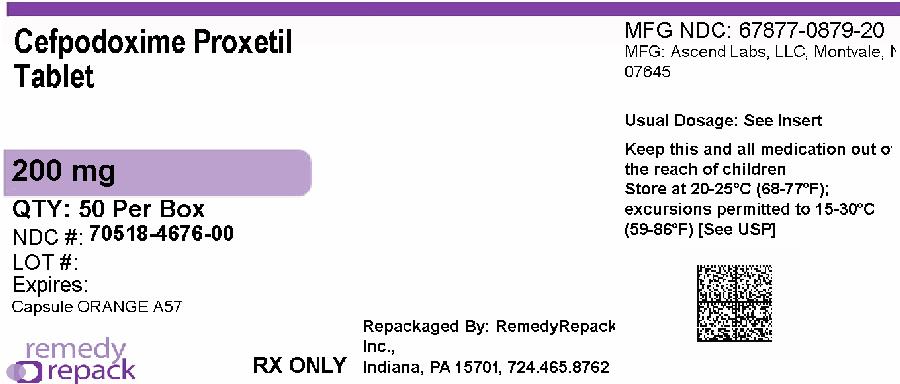
(cefpodoxime · DailyMed)
NEPODOX 50
CEFPODOXIME FOR ORAL SUSPENSION USP
What it does
Cefpodoxime is an antibiotic used to treat bacterial infections.
Commonly used for: bacterial infections, respiratory tract infections, skin infections, urinary tract infections
Read more in plain English ↓Plain-language summary for general understanding - not medical advice. Always follow your pharmacist/doctor.
Ask about this medicine
Answers come only from this medicine's registration record, BNF monograph and interaction data - not medical advice.
Hard to find? We help patients in Kenya source rare medicines. We don't sell or dispense medicines - licensed pharmacies do.
Source this medicineRegistration & product details
Source: Pharmacy and Poisons Board · fetched 2026-01-28 20:32:45 · updated 2026-07-26 11:23:27
About this medicine
Cefpodoxime is an antibiotic used to treat bacterial infections.
What it treats
- bacterial infections
- respiratory tract infections
- skin infections
- urinary tract infections
How it works
Cefpodoxime works by stopping the growth of bacteria, helping the body to fight off infections.
Who it's for
Cefpodoxime is for adults and children who have certain bacterial infections.
AI-assisted summary grounded in BNF data - general information only, not medical advice. Always confirm with your pharmacist or doctor.
Clinical monograph: cefpodoxime
BNF-referencedCefpodoxime is a third-generation cephalosporin antibiotic that is effective against a wide range of Gram-positive and Gram-negative bacteria. It is particularly noted for its stability against beta-lactamase enzymes, which makes it a suitable option for treating infections caused by organisms resistant to other penicillins and cephalosporins. However, it is not effective against certain bacteria such as Pseudomonas aeruginosa, Enterococcus, and Bacteroides fragilis.
Indications
- Respiratory tract infections
- Urinary tract infections
- Skin and soft tissue infections
- Otitis media
Dosage
Children: Refer to the BNF for Children for specific paediatric dosing recommendations.
Adults: Refer to the BNF for specific dosing guidelines.
Mechanism of action
Cefpodoxime exerts its bactericidal effect by inhibiting cell wall synthesis. The active metabolite binds preferentially to penicillin-binding protein 3, which leads to the inhibition of peptidoglycan production, the main component of bacterial cell walls. This mechanism is particularly effective against various Gram-positive and Gram-negative bacteria, enhancing its therapeutic utility in treating infections.
Pharmacodynamics
Cefpodoxime demonstrates effectiveness against most Gram-positive and Gram-negative bacteria, with notable exceptions including Pseudomonas aeruginosa, Enterococcus, and Bacteroides fragilis. Its ability to remain stable in the presence of beta-lactamase enzymes allows it to target bacteria that are otherwise resistant to beta-lactam antibiotics.
Pharmacokinetics
Cefpodoxime is well absorbed after oral administration, with its bioavailability enhanced by the presence of food. It is distributed widely in body tissues and fluids, with a significant volume of distribution. Cefpodoxime is primarily eliminated via renal excretion, with a half-life sufficient for twice-daily dosing in most cases. The active metabolite contributes to the antimicrobial activity and is also eliminated through renal pathways.
Adverse effects
- Diarrhea
- Nausea
- Vomiting
- Rash
- Allergic reactions
- Elevated liver enzymes
Precautions
- Use with caution in patients with renal impairment
- Monitor for signs of superinfection
- Assess for history of penicillin allergy
Pregnancy
Cefpodoxime is classified as pregnancy category B. Animal studies have not demonstrated a risk to the fetus, but there are no adequate and well-controlled studies in pregnant women. It should be used during pregnancy only if clearly needed.
Breast-feeding
Cefpodoxime is excreted in breast milk. Caution is advised when administering to nursing mothers, as adverse effects on the infant are possible.
Storage
Store at room temperature, away from moisture and heat. Keep out of reach of children.
Formulations
- Tablets
- Oral suspension
AI-synthesized from BNF references - general information only, not a substitute for professional medical advice or the current BNF. Verify doses with a pharmacist.
Molecular reference: cefpodoxime
PubChem CID 6335986Molecular formula: C15H17N5O6S2
Mechanism of action
Cefpodoxime is active against a wide spectrum of Gram-positive and Gram-negative bacteria. Cefpodoxime is stable in the presence of beta-lactamase enzymes. As a result, many organisms resistant to penicillins and cephalosporins, due to their production of beta-lactamase, may be susceptible to cefpodoxime. Cefpodoxime is inactivated by certain extended spectrum beta-lactamases. The bactericidal activity of cefpodoxime results from its inhibition of cell wall synthesis. The active metabolite of cefpodoxime binds preferentially to penicillin binding protein 3, which inhibits production of peptidoglycan, the primary constituent of bacterial cell walls.
Pharmacodynamics
Cefpodoxime is shown to be effective against most Gram positive and Gram negative bacteria, except <i>Pseudomonas aeruginosa</i>, <i>Enterococcus</i>, and <i>Bacteroides fragilis</i>.
Source: PubChem (NCBI) · pathways from PathBank, Reactome, WikiPathways & PharmGKB.
This drug in other countries
The same active ingredient registered across other registries we cover - including different brands.
- AUROPODOX 40 · Aurobindo Pharma
- Auropodox 200
- CEFPO - 200 · Oman Pharmaceutical Products Co.
- Cefodox · Pharma International
- Cefodox · Pharma International
- Cefodox 100mg/5ml Dry Suspension (50ml) · Pharma International
- Ceforan dry syrup · Drug International
- Kefmax 200 Film Coated Tablets (Cefpodoxime Proxetil USP 200mg) · Indchemie Health Specialities
- Kefodime - 100 tablets · Medley Pharmaceuticals
- Kefodime - 200 tablets · Medley Pharmaceuticals
- Kefodime Dry Syrup · Medley Pharmaceuticals
- Tambac 100 tablets · Cadila Pharmaceuticals
- ADVACEDOX 100MG TABLETS (Each film coated tablet contains Cefpodoxime Proxetil 100mg) · Lark Laboratories
- CIDOX 50mg/5ml ORAL SUSPENSION formerly Cidox DS (Each 5ml contains Cefpodoxime Proxetil 50mg/5ml) · Innova Captab
- POLEVE-100 ORAL SUSPENSION(Each bottle contains Cefpodoxime Proxetil 100mg) · Polestar Power Industries
- POLEVE-100 ORAL TABLETS (Each bottle contains Cefpodoxime Proxetil 200mg) · Polestar Power Industries
- POLEVE-50 ORAL SUSPENSION (Each bottle contains Cefpodoxime Proxetil 50mg) · Polestar Power Industries