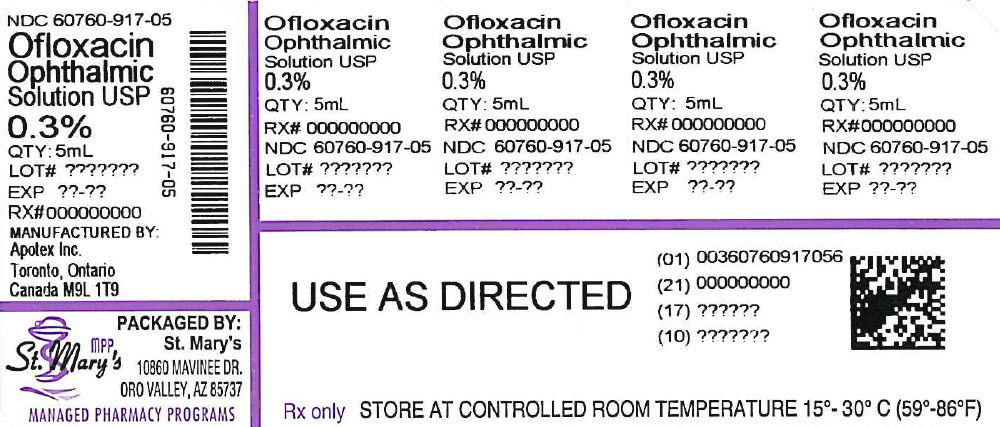
(ofloxacin · DailyMed)
Orixo
Benzalkonium Chloride Solution 0.050 mg/6 mL,Hydrochloric acid q.s ml,Ofloxacin 3 mg/ mL,Sodium Chloride. 9.000 mg/6 mL,Sodium Hydroxide, q.s. ml,Water for injections q.s. ml
What it does
Benzalkonium is a disinfectant and antiseptic used to kill germs and prevent infections.
Commonly used for: skin infections, wound cleaning, eye infections, nasal congestion relief
Read more in plain English ↓Plain-language summary for general understanding - not medical advice. Always follow your pharmacist/doctor.
Ask about this medicine
Answers come only from this medicine's registration record, BNF monograph and interaction data - not medical advice.
Medicine sourcing is available in Kenya only. We don't sell or dispense medicines - licensed pharmacies do.
Sourcing - Kenya onlyRegistration & product details
Source: Tanzania Medicines and Medical Devices Authority · fetched 2026-09-10 03:01:08 · updated 2026-09-17 03:00:44
Drug Interactions
6Severe (1)
Quinolones - decreases absorption
Strontiumispredictedtodecreasetheabsorptionof quinolones.Avoid.oTheoretical
Unknown (5)
Quinolones - decreases exposure
Lanthanum moderately decreases the exposure to quinolones. Quinolones should be taken 2 hours before or 4 hours after lanthanum.
Quinolones - increases exposure
Leflunomideispredictedtoincreasetheexposuretoquinolones (ciprofloxacin).oTheoretical
Quinolones - decreases exposure
Sucralfate decreases the exposure to quinolones. Separate administration by 2 hours.
Quinolones - decreases exposure
Zinc is predicted to decrease the exposure to quinolones. Separate administration by 2 hours. Rabeprazole → see proton pump inhibitors Rabies immunoglobulin → see immunoglobulins Rabies vaccine
Quinolones - increases exposure
Teriflunomideispredictedtoincreasetheexposureto quinolones(ciprofloxacin).oTheoretical https://www.facebook.c (Books-Courses-Medic
Data from BNF 85 (British National Formulary). This is not a substitute for professional medical advice. Matched via: class
About benzalkonium
Benzalkonium is a disinfectant and antiseptic used to kill germs and prevent infections.
What it treats
- skin infections
- wound cleaning
- eye infections
- nasal congestion relief
How it works
Benzalkonium works by disrupting the cell membranes of bacteria and viruses, effectively killing them.
Who it's for
It is suitable for adults and children needing antiseptic treatment or disinfection.
Cautions
- • Avoid contact with eyes and sensitive skin.
- • Do not use on deep wounds or serious burns.
AI-assisted summary grounded in BNF data - general information only, not medical advice. Always confirm with your pharmacist or doctor.
About hydrochloric
Hydrochloric acid is a substance that helps with digestion in the stomach.
What it treats
- stomach acidity issues
- digestive problems
How it works
It aids in breaking down food and absorbing nutrients in the stomach.
Who it's for
It is used for people who have low stomach acid or certain digestive disorders.
AI-assisted summary grounded in BNF data - general information only, not medical advice. Always confirm with your pharmacist or doctor.
About hydroxide
Hydroxide is a compound used to help neutralize stomach acid and relieve indigestion or heartburn.
What it treats
- indigestion
- heartburn
How it works
Hydroxide works by neutralizing the excess acid in the stomach, which helps to reduce discomfort.
Who it's for
Hydroxide is suitable for adults and children experiencing symptoms of excess stomach acid.
AI-assisted summary grounded in BNF data - general information only, not medical advice. Always confirm with your pharmacist or doctor.
About injections
Injections are a method of delivering medication directly into the body using a syringe and needle.
What it treats
- administering vaccines
- treating infections
- managing pain
- delivering hormones
- providing nutrients
How it works
Injections allow medicines to enter the bloodstream quickly, helping them work faster than oral medications.
Who it's for
Injections may be used for anyone who needs medication that cannot be taken by mouth or needs rapid effect.
Cautions
- • May cause discomfort or pain at the injection site.
- • Risk of infection if not administered properly.
- • Some people may have allergic reactions to injected medications.
AI-assisted summary grounded in BNF data - general information only, not medical advice. Always confirm with your pharmacist or doctor.
About ofloxacin
Ofloxacin is an antibiotic that helps to treat infections caused by bacteria.
What it treats
- bacterial infections
- urinary tract infections
- respiratory infections
- skin infections
How it works
Ofloxacin works by stopping the growth of bacteria, helping your body to fight off the infection.
Who it's for
Ofloxacin is for adults and children who have bacterial infections that can be treated with this antibiotic.
Drug class
Quinolones
AI-assisted summary grounded in BNF data - general information only, not medical advice. Always confirm with your pharmacist or doctor.
Clinical monograph: Benzalkoniumchloride
BNF-referencedBenzalkonium chloride is a quaternary ammonium compound used primarily as an antiseptic and disinfectant. It is effective against a broad spectrum of microorganisms, including bacteria, viruses, and fungi, making it suitable for various topical applications.
Indications
- Seborrhoeic dermatitis
- Dandruff
- Scalp psoriasis
- Bacterial infections affecting the scalp
Dosage
Children: For children, apply 3 times a week for 1 week, then apply twice weekly as needed. Refer to BNF for Children for further details.
Adults: Apply to the affected area as directed, typically 1-3 times weekly depending on the condition being treated. Refer to specific product guidelines for detailed dosing.
Mechanism of action
Benzalkonium chloride exerts its antimicrobial effect by disrupting the cell membrane of microorganisms, leading to leakage of cellular contents and ultimately cell death. This is facilitated by its cationic nature, which allows it to bind to negatively charged bacterial surfaces.
Pharmacodynamics
Benzalkonium chloride demonstrates rapid bactericidal activity, with effectiveness observed against gram-positive and gram-negative bacteria, fungi, and some viruses. Its antiseptic properties may be enhanced in the presence of moisture and are typically influenced by the concentration of the solution used.
Pharmacokinetics
Benzalkonium chloride is poorly absorbed through the skin. After topical application, it remains primarily at the site of application, where it exerts localized effects. Systemic absorption is minimal, and it is primarily eliminated through the skin and urine. However, specific pharmacokinetic data may vary based on formulation and application site.
Pregnancy
Benzalkonium chloride should be used with caution during pregnancy. Refer to specific guidelines or consult a healthcare professional.
Breast-feeding
Benzalkonium chloride should be used with caution while breastfeeding. Refer to specific guidelines or consult a healthcare professional.
Storage
Store in a cool, dry place away from direct sunlight. Keep out of reach of children.
Formulations
- Shampoo
- Soap or detergent
- Topical solution
AI-synthesized from BNF references - general information only, not a substitute for professional medical advice or the current BNF. Verify doses with a pharmacist.
Clinical monograph: Ofloxacin
BNF-referencedOfloxacin is a broad-spectrum fluoroquinolone antibiotic used for the treatment of various bacterial infections. It is effective against both Gram-positive and Gram-negative bacteria, leveraging its bactericidal properties through inhibition of DNA replication. Due to its high affinity for bacterial enzymes, it is preferred for treating infections where resistance to other antibiotics may exist.
Indications
- Bacterial infections
- Complicated urinary-tract infections
- Lower respiratory-tract infections
- Skin infections
- Gonorrhoea
- Pelvic inflammatory disease
- Prostatitis
- Acute pyelonephritis
Dosage
Children: Refer to the BNF for Children for specific dosing guidance.
Adults: 200–400 mg daily for 3 days for uncomplicated urinary-tract infections; for severe or complicated infections, the dose may be increased to 400 mg twice daily for 7–10 days. In cases of renal impairment, the dose should be adjusted based on creatinine clearance.
Mechanism of action
Ofloxacin acts by inhibiting bacterial DNA gyrase and topoisomerase IV, enzymes crucial for DNA replication and transcription. This inhibition prevents normal cell division, leading to cell death. Ofloxacin has a significantly higher affinity for bacterial DNA gyrase compared to mammalian enzymes, making it effective against infectious pathogens.
Pharmacodynamics
As a quinolone antibiotic, ofloxacin demonstrates bactericidal activity, meaning it kills bacteria rather than merely inhibiting their growth. Its mechanism is primarily through the disruption of DNA supercoiling, a vital process for bacterial cell division and viability. The drug's broad-spectrum activity allows it to target a wide variety of bacterial pathogens, enhancing its utility in clinical settings.
Pharmacokinetics
Ofloxacin is well-absorbed after oral administration, with a bioavailability of approximately 98%. It is primarily metabolized in the liver and excreted through the kidneys, necessitating caution in patients with hepatic or renal impairment. The elimination half-life is about 4 to 7 hours, which supports twice-daily dosing for effective therapeutic levels.
Contra-indications
- Hypersensitivity to ofloxacin or other quinolones
- History of tendon disorders related to fluoroquinolone use
- Severe hepatic impairment
- History of QT interval prolongation
- Concurrent use of drugs that prolong the QT interval
Adverse effects
- Nausea
- Diarrhea
- Headache
- Dizziness
- Tendonitis and tendon rupture
- QT interval prolongation
- Photosensitivity
- Rash
- Anaphylaxis
Interactions
- Antacids containing magnesium or aluminum (may reduce absorption)
- Cationic drugs (e.g., iron salts, sucralfate)
- Warfarin (may enhance anticoagulant effect)
- Drugs that prolong the QT interval (e.g., class IA and III antiarrhythmics)
Precautions
- Use with caution in patients with a history of seizures or CNS disorders
- Monitor for signs of tendon damage
- Assess renal function prior to dosing, especially in elderly patients
- Caution in patients with a history of myasthenia gravis
Pregnancy
Manufacturer advises use only if the benefit outweighs the risk, as systemic quinolones have been associated with risks during pregnancy.
Breast-feeding
Ofloxacin is excreted in breast milk; caution is advised when administering to nursing mothers.
Storage
Store at room temperature, away from moisture and heat. Protect from light.
Formulations
- 200 mg tablets
- 400 mg tablets
- Injectable solution (200 mg in 100 mL)
- Eye drops (0.3% solution)
AI-synthesized from BNF references - general information only, not a substitute for professional medical advice or the current BNF. Verify doses with a pharmacist.
Clinical monograph: benzalkonium
BNF-referencedBenzalkonium chloride is a cationic surfactant and biocidal agent used for its antimicrobial properties. It is commonly utilized as a disinfectant, antiseptic, and preservative in various pharmaceutical and healthcare applications. Its bactericidal action is primarily attributed to its ability to disrupt cellular membranes of microorganisms, leading to loss of cellular integrity and function.
Indications
- Disinfection of surfaces
- Antiseptic for skin
- Preservative in pharmaceuticals
- Treatment of minor cuts and abrasions
Dosage
Children: Refer to the BNF for Children for specific dosing recommendations in pediatric populations.
Adults: Refer to the BNF for specific formulations and concentrations as doses may vary based on the application and preparation.
Mechanism of action
The bactericidal action of benzalkonium chloride is believed to result from the disruption of intermolecular interactions, which leads to the dissociation of cellular membrane lipid bilayers in bacteria. This disruption compromises cellular permeability, causing leakage of vital cellular contents. Moreover, the agent can deactivate important molecular complexes such as enzymes that regulate various respiratory and metabolic activities within the cells. Cationic surfactants like benzalkonium chloride can thus effectively disrupt critical intermolecular interactions and tertiary structures in biochemical systems, impairing bacterial function.
Pharmacodynamics
Benzalkonium chloride is classified as a biocidal agent with a relatively long duration of action. It exhibits a spectrum of activity against various microorganisms, including bacteria, certain viruses, fungi, and protozoa; however, it is ineffective against bacterial spores. The agent tends to demonstrate greater efficacy against gram-positive bacteria compared to gram-negative ones. The mode of action can be bacteriostatic (preventing growth) or bactericidal (killing bacteria), depending on its concentration. The activity of benzalkonium chloride is generally stable across different pH levels but is enhanced at elevated temperatures and with extended exposure.
Pharmacokinetics
The pharmacokinetic properties of benzalkonium chloride, including absorption, distribution, metabolism, and excretion, are not fully characterized. Its topical application limits systemic exposure, and it primarily exerts localized effects at the site of application. The duration of action and efficacy may be influenced by the formulation and concentration used.
Pregnancy
Benzalkonium chloride is generally considered safe for use during pregnancy when applied topically, but systemic absorption should be minimized. Always consult a healthcare provider for use during pregnancy.
Breast-feeding
Benzalkonium chloride is considered safe for topical application during breastfeeding, but care should be taken to avoid exposure to the infant. Consultation with a healthcare provider is recommended.
Storage
Store at room temperature, away from moisture and heat. Keep in a tightly closed container, protected from light.
Formulations
- Topical solution
- Disinfectant wipes
- Liquid antiseptics
AI-synthesized from BNF references - general information only, not a substitute for professional medical advice or the current BNF. Verify doses with a pharmacist.
Clinical monograph: hydrochloric
Hydrochloric acid, commonly known as stomach acid, is a clear, colorless solution that is produced in the stomach. It plays a critical role in digestion by creating an acidic environment that aids in the breakdown of food and activates digestive enzymes. In a pharmaceutical context, hydrochloric acid is used in various formulations to adjust pH levels, facilitate drug absorption, and as a component in sterile preparations.
Indications
- Adjustment of pH in pharmaceutical formulations
- Facilitation of drug absorption
- Used in sterile preparations
Dosage
Children: Refer to specific product guidelines for dosing information, as hydrochloric acid is typically used in a controlled setting based on formulation requirements.
Adults: Refer to specific product guidelines for dosing information, as hydrochloric acid is typically used in a controlled setting based on formulation requirements.
Mechanism of action
Hydrochloric acid dissociates in aqueous solution to release hydrogen ions (H+), leading to a decrease in pH. This acidic environment promotes the activation of pepsinogen to pepsin, an enzyme essential for protein digestion. Additionally, the acidity aids in the absorption of certain minerals and drugs that require an acidic environment for optimal bioavailability.
Pharmacodynamics
The primary pharmacodynamic action of hydrochloric acid is the maintenance of gastric acidity, which is essential for normal digestive processes. The acidic environment helps in denaturing proteins, activating digestive enzymes, and providing a barrier against pathogenic microorganisms. Its effects can influence the absorption and efficacy of various medications, particularly those that are pH-dependent.
Pharmacokinetics
Hydrochloric acid does not undergo significant systemic absorption when used in its normal contexts, as it acts locally within the gastrointestinal tract. The amount of hydrochloric acid produced by the stomach varies with food intake and physiological needs. It is secreted by parietal cells in the gastric mucosa, and its secretion is regulated by neural, hormonal, and local factors. The half-life of hydrochloric acid is not applicable as it is continuously produced and neutralized within the gastrointestinal tract.
Contra-indications
- Hypersensitivity to hydrochloric acid or any of its components
- Severe renal impairment
- Active gastrointestinal bleeding
Adverse effects
- Abdominal pain
- Diarrhea
- Nausea
- Vomiting
- Esophageal irritation
- Gastric mucosal irritation
- Electrolyte imbalances
Interactions
- May interact with alkaline substances, potentially neutralizing hydrochloric acid
- Caution with antacids as they may affect the efficacy of hydrochloric acid
Precautions
- Use with caution in patients with a history of gastritis or gastric ulcers
- Monitor electrolytes in prolonged use
- Use cautiously in patients with respiratory conditions due to potential aspiration risks
Pregnancy
Hydrochloric acid is classified as a category C drug. Use during pregnancy only if clearly needed and the potential benefits justify the risks to the fetus.
Breast-feeding
There is limited data on the excretion of hydrochloric acid in human milk. Use with caution during breastfeeding.
Storage
Store in a cool, dry place away from direct sunlight and heat. Ensure the container is tightly closed.
Formulations
- Oral solutions
- Injectable forms
- Tablets
AI-synthesized from BNF references - general information only, not a substitute for professional medical advice or the current BNF. Verify doses with a pharmacist.
Clinical monograph: hydroxide
BNF-referencedHydroxide, represented by the molecular formula HO-, is an anion commonly found in various chemical and biological systems. It plays a crucial role in acid-base chemistry and is a fundamental component in many biochemical pathways. Hydroxide ions are involved in maintaining pH balance in biological systems and participate in various metabolic processes.
Dosage
Children: Refer to specific guidelines for pediatric dosing; consult the BNF for Children for accurate dosage information.
Adults: Refer to specific guidelines for use; dosage may vary based on the context of use.
Mechanism of action
Hydroxide ions act primarily as bases, neutralizing acids to form water and salts. They participate in various biochemical pathways, including selenium metabolism and the degradation of reactive oxygen species. Hydroxide can influence enzyme activity and stability by altering the pH of the environment, thereby affecting metabolic reactions.
Pharmacodynamics
Hydroxide ions can impact biological processes by changing the local pH, which influences enzyme activity, ion transport, and the solubility of other compounds. Their ability to neutralize acids can help regulate physiological pH, contributing to homeostasis in living organisms.
Pharmacokinetics
As an inorganic ion, hydroxide does not undergo traditional pharmacokinetic processes like absorption, distribution, metabolism, or excretion. Instead, it is rapidly equilibrated in biological fluids and participates in acid-base reactions, having immediate effects on the local environment.
Pregnancy
There is limited information regarding the use of hydroxide during pregnancy. Consult a healthcare professional for advice.
Breast-feeding
Limited data is available on the excretion of hydroxide in breast milk. Consult a healthcare professional before use.
Storage
Store in a cool, dry place away from direct sunlight. Keep out of reach of children.
AI-synthesized from BNF references - general information only, not a substitute for professional medical advice or the current BNF. Verify doses with a pharmacist.
Clinical monograph: injections
Injections refer to the administration of a substance directly into the body through a syringe and needle. This method is commonly used for delivering medications, vaccines, or biological therapies. Injections can be administered intravenously, intramuscularly, subcutaneously, or intradermally, depending on the drug's properties and the desired effect. This route ensures rapid onset of action, making it ideal for emergencies or when immediate therapeutic effects are required.
Indications
- Pain management
- Vaccination
- Antibiotic therapy
- Hormonal therapies
- Anesthesia
- Nutritional support
- Chemotherapy
Dosage
Children: Refer to specific drug guidelines for paediatric dosing, as it requires careful consideration of weight and age.
Adults: Refer to specific drug guidelines for adult dosing, as it varies widely depending on the medication and clinical condition.
Mechanism of action
The mechanism of action of injected drugs varies widely based on the specific medication being administered. Generally, injected drugs enter the bloodstream directly, allowing them to circulate rapidly throughout the body. For instance, antibiotics may work by inhibiting bacterial cell wall synthesis, while analgesics may modulate pain pathways in the central nervous system. Each drug has unique pathways through which it achieves its therapeutic effects.
Pharmacodynamics
Pharmacodynamics refers to the effects of drugs on the body and their mechanisms of action. For injectable medications, effects can be immediate or delayed, depending on the drug's formulation and route of administration. Factors influencing pharmacodynamics include receptor affinity, drug concentration, and the presence of other substances that may enhance or inhibit the drug's effects. For example, some injectable drugs may require specific receptors to exert their effects, while others may have a broader range of action.
Pharmacokinetics
Pharmacokinetics involves the absorption, distribution, metabolism, and excretion (ADME) of injected drugs. After administration, drugs are rapidly absorbed into the bloodstream, leading to quick therapeutic effects. The distribution depends on factors such as blood flow, tissue permeability, and protein binding. Drugs are metabolized primarily in the liver and excreted through the kidneys or bile. The pharmacokinetic profile can vary widely based on the drug's chemical nature, dosage, and individual patient factors.
Pregnancy
Safety during pregnancy depends on the specific injection and its active ingredients. It is essential to consult a healthcare professional for guidance.
Breast-feeding
The safety of injections during breastfeeding varies by the specific medication. It is recommended to seek advice from a healthcare provider.
Storage
Store injections as per manufacturer's guidelines, usually in a cool, dry place away from direct sunlight. Some may require refrigeration.
AI-synthesized from BNF references - general information only, not a substitute for professional medical advice or the current BNF. Verify doses with a pharmacist.
Molecular reference: Ofloxacin
PubChem CID 4583Molecular formula: C18H20FN3O4
Mechanism of action
Ofloxacin acts on DNA gyrase and toposiomerase IV, enzymes which, like human topoisomerase, prevents the excessive supercoiling of DNA during replication or transcription. By inhibiting their function, the drug thereby inhibits normal cell division. Quinolone(s) (QNs) is widely used in infection therapy due to its good antimicrobial characteristics. However, QNs-induced arthropathy of immature animals has led to restrictions on the therapeutic use of these antimicrobial agents. The exact mechanism(s) of QNs-induced chondrotoxicity remain unknown. In the present study, .../the authors/ investigated the possible mechanism of ofloxacin (one typical QNs)-induced injuries of chondrocytes. Juvenile rabbit joint chondrocytes cultured in alginate microspheres were incubated with ofloxacin at concentrations of 0, 2, 5, 10, 20, and 40 microg/mL for up to 96 hr. Concentration of 10 microg/mL ofloxacin induced apoptosis of chondrocyte with visible apoptotic signs, including degradation of poly(ADP-ribose) polymerase, caspase-3 activation, and DNA ladder formation. Furthermore, extracellular signal-regulated kinase 1/2 (phospho-ERK1/2) and growth factor receptor-bound protein 2 (Grb2) were significantly reduced, and similar changes were also observed in the beta(1)-integrin receptor as assessed by immunoblotting. However, the mRNA level of beta(1)-integrin obtained from reverse transcription-polymerase chain reaction remained unchanged. Results of beta(1)-integrin immunoprecipitation have also shown that beta(1)-integrin did not interact with activated intracellular signaling proteins. In addition, ofloxacin did not induce apoptosis and decrease beta(1)-integrin expression in chondrocytes supplemented with Mg(2+), and the ofloxacin-induced apoptosis was caspase-8-dependent, inhibition of which did not affect the expression mode of phospho-ERK1/2 and beta(1)-integrin. Our results demonstrate that ofloxacin affects beta(1)-integrin receptor functions and the ERK mitogen-activated protein kinase signaling pathway, causing caspase-8-dependent apoptosis after exposure of 48 hr. Quinolones are widely used in infection therapy due to their good antimicrobial characteristics. However, there potential joint chondrotoxicity on immature animals has stood in the way of the therapeutic application of these agents, the exact mechanism of which is still unclear. This study was undertaken to investigate the role of oxidative damage in ofloxacin (one typical quinolones)-induced arthropathy. Chondrocytes from juvenile rabbit joints were incubated with ofloxacin at concentrations of 0, 5, 10, 20, 40 and 80 ug/mL, respectively. The extent of oxidative damage was assessed by measuring the reactive oxygen species level, activities of antioxidant enzymes, and oxidative damage to some macromolecules. It was observed that ofloxacin induced a concentration-dependent increase in intracellular reactive oxygen species production, which may be an early mediator of ofloxacin cytotoxicity. Similarly, ofloxacin resulted in a significant lipid peroxidation, revealed by a concentration-dependent increase in the level of thiobarbituric acid reactive substances. At the same time, ofloxacin induced DNA damage in a concentration-dependent manner for 24 hr measured by comet assay, which may be a cause for overproduction of reactive oxygen species. Furthermore, antioxidant enzyme activities, such as glutathione peroxidase (GPx), catalase and superoxide dismutase (SOD), were rapidly decreased after treatment with ofloxacin. In addition, SOD decline and reactive oxygen species production were strongly inhibited, and the loss in cell viability was partly abated by additional glutathione (GSH), N-acetylcysteine (NAC) and dithiothreitol (DTT). In conclusion, these results clearly demonstrated that ofloxacin could induce oxidative stress, lipid peroxidation and DNA oxidative damage to chondrocytes. Ofloxacin is a quinolone antimicrobial agent. The mechanism of action of ofloxacin and o
Pharmacodynamics
Ofloxacin is a quinolone/fluoroquinolone antibiotic. Ofloxacin is bactericidal and its mode of action depends on blocking of bacterial DNA replication by binding itself to an enzyme called DNA gyrase, which allows the untwisting required to replicate one DNA double helix into two. Notably the drug has 100 times higher affinity for bacterial DNA gyrase than for mammalian. Ofloxacin is a broad-spectrum antibiotic that is active against both Gram-positive and Gram-negative bacteria.
Source: PubChem (NCBI) · pathways from PathBank, Reactome, WikiPathways & PharmGKB.
Molecular reference: benzalkonium
PubChem CID 2330Molecular formula: C22H40N+
Mechanism of action
Although not entirely elucidated, the bactericidal action of benzalkonium chloride is believed to be due to the disruption of intermolecular interactions. Such disruption can cause the dissociation of cellular membrane lipid bilayers of bacteria, resulting in compromised cellular permeability control and the leakage of important cellular contents. Additionally, other important molecular complexes like enzymes which control the maintenance of a great range of respiratory and metabolic cellular activities, are also susceptible to such deactivation. Consequently, a variety of critical intermolecular interactions and tertiary structures in very highly specific biochemical systems that allow bacterial agents to function normally can be readily disrupted or deactivated by cationic surfactants like benzalkonium chloride..
Pharmacodynamics
Benzalkonium chloride solutions are generally categorized as biocidal agents with relative long durations of action. Their spectrum of activity has been demonstrated against bacteria, to some viruses, fungi, and protozoa, although bacterial spores are treated as being resistant to the agent. Additionally, the agent generally shows more activity against gram-positive than gram-negative bacteria. Finally, solutions of benzalkonium chloride are bacteriostatic or bactericidal based on their concentration. Bacteriostatic agents act to prevent further growth of bacterial organisms that are present while bactericidal agents function to kill bacteria that are present. In general, the activity of the agent is not largely affected by pH, but such activity does increase substantially at higher temperatures and prolonged exposure times.
Source: PubChem (NCBI) · pathways from PathBank, Reactome, WikiPathways & PharmGKB.
Molecular reference: hydroxide
PubChem CID 961Molecular formula: HO-
Biological pathways
Source: PubChem (NCBI) · pathways from PathBank, Reactome, WikiPathways & PharmGKB.
This drug in other countries
The same active ingredient registered across other registries we cover - including different brands.
- ABYCID SUSPENSION (Each 5ml contains Magnesium Hydroxide BP/ Dried Aluminium Hydroxide BP Magnesium Trisilicate BP Activated Dimethicone (Simethicone) B 225mg/200mg/25mg) · Socomed Pharmceuticals Pvt Limited
- ACIQUARD O SUSPENSION (Each 5ml contains Dried Aluminium Hydroxide / Magnesium Hydroxide / Simethicone / Oxethazaine 250mg/250mg/50mg/10mg) · Pharmanova
- ALUMINIUM HYDROXIDE 500MG TABLETS · Letap Pharmaceuticals
- ALUMINIUM HYDROXIDE TABLETS · M&g Pharmaceuticals
- ALUMINIUM HYDROXIDE TABLETS · Phyto-Riker Pharmaceutical
- ALUSIL PLUS SUSPENSION (Each 5ml contains Aluminium Hydroxide/Magnesium Hydroxide/Magnesium Trisilicate/Simethicone 300mg/100mg/200mg/30mg) · Letap Pharmaceuticals