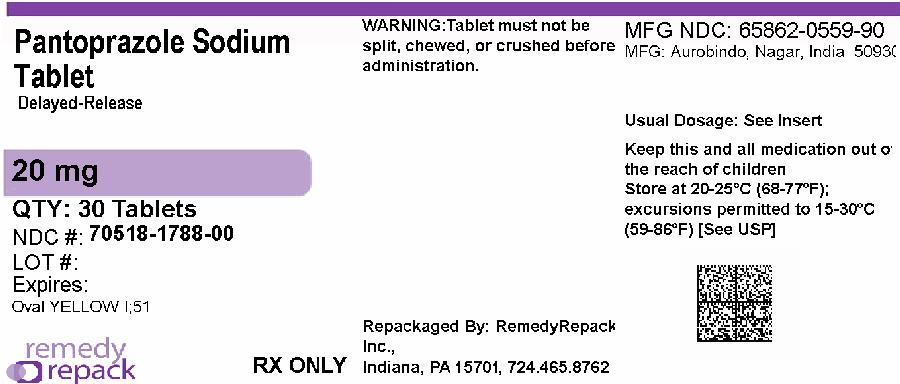
(pantoprazole · DailyMed)
PULCET
CROSPOVIDONE CL 50 mg/6 mL,Eudragit L-30 D55 45.34 mg/6 mL,Film coating material No: 9 (Sepisperse AP 3232 Jaune Yellow) (30 %) 1.28 mg/6 mL,Hydroxypropyl Methylcellulose 15.85 mg/6 mL,IsoMAlt LM-PF 58.5 mg/6 mL,POVIDONE (PVP K 25) 0.32 mg/6 mL,Pantoprazole Sodium Sesquihydrate 40 mg/6 mL,Propylene Glycol 3.446 mg/6 mL,Simethicone Emulsion 30% 0.13 mg/6 mL,Sodium Carboxymethyl Cellulose 7MF 3 mg/6 mL,Sodium Stearyl Fumarate 3.4 mg/6 mL,Tri-sodium Phosphate Anhydrous 10 mg/6 mL,Triethyl citrate 1.36 mg/6 mL
What it does
Carboxymethyl is used to help treat various conditions related to dryness or irritation, especially in the eyes.
Commonly used for: dry eyes, eye irritation
Read more in plain English ↓Plain-language summary for general understanding - not medical advice. Always follow your pharmacist/doctor.
Ask about this medicine
Answers come only from this medicine's registration record, BNF monograph and interaction data - not medical advice.
Medicine sourcing is available in Kenya only. We don't sell or dispense medicines - licensed pharmacies do.
Sourcing - Kenya onlyRegistration & product details
Source: Tanzania Medicines and Medical Devices Authority · fetched 2026-03-11 23:48:53 · updated 2026-10-19 03:00:45
Drug Interactions
1Unknown (1)
Alpelisib - increases exposure
Pantoprazoleispredictedtoincreasetheexposuretoalpelisib. oTheoretical
Data from BNF 85 (British National Formulary). This is not a substitute for professional medical advice. Matched via: exact
About carboxymethyl
Carboxymethyl is used to help treat various conditions related to dryness or irritation, especially in the eyes.
What it treats
- dry eyes
- eye irritation
How it works
It helps to keep the eyes moist and comfortable by providing lubrication.
Who it's for
It is suitable for adults and children experiencing dryness or discomfort in the eyes.
AI-assisted summary grounded in BNF data - general information only, not medical advice. Always confirm with your pharmacist or doctor.
About cellulose
Cellulose is a type of fiber that helps with digestion and promotes bowel health.
What it treats
- constipation
- irregular bowel movements
How it works
Cellulose adds bulk to the stool, making it easier to pass through the intestines.
Who it's for
Suitable for people looking to improve their digestive health.
AI-assisted summary grounded in BNF data - general information only, not medical advice. Always confirm with your pharmacist or doctor.
About coating
Coating is a treatment used to protect and cover the surface of the stomach and intestines.
What it treats
- stomach ulcers
- gastroesophageal reflux disease (GERD)
- irritable bowel syndrome
How it works
Coating forms a protective layer on the lining of the stomach and intestines, helping to soothe irritation and promote healing.
Who it's for
This treatment is suitable for individuals experiencing stomach or intestinal discomfort, ulcers, or acid reflux.
AI-assisted summary grounded in BNF data - general information only, not medical advice. Always confirm with your pharmacist or doctor.
About crospovidone
Crospovidone is a substance used primarily as an excipient in medications, helping to improve their effectiveness.
What it treats
- used in various medications as a binder
- helps in the absorption of active ingredients
How it works
Crospovidone acts by increasing the solubility and stability of drugs, ensuring that they work effectively in the body.
Who it's for
Crospovidone is suitable for people taking medications that require improved absorption and effectiveness.
AI-assisted summary grounded in BNF data - general information only, not medical advice. Always confirm with your pharmacist or doctor.
About emulsion
Emulsion is a mixture used to deliver medicine effectively, often in a liquid form.
What it treats
- skin conditions
- hydration of the skin
- medication delivery
How it works
Emulsions help mix oil and water, making it easier for the body to absorb the medication.
Who it's for
Suitable for individuals needing topical treatment for skin issues or hydration.
AI-assisted summary grounded in BNF data - general information only, not medical advice. Always confirm with your pharmacist or doctor.
About eudragit
Eudragit is a type of polymer used in medication coatings to control how drugs are released in the body.
What it treats
- used in various medications
- assists in controlled drug release
How it works
Eudragit helps to form a protective layer around medications, allowing them to dissolve at specific rates or in certain parts of the digestive system.
Who it's for
It is used for patients who need medications that require controlled release.
AI-assisted summary grounded in BNF data - general information only, not medical advice. Always confirm with your pharmacist or doctor.
About film
Film is used to help treat various conditions by delivering medication in a thin layer that dissolves in the mouth.
What it treats
- nausea
- vomiting
- pain relief
How it works
Film releases medication quickly when placed in the mouth, allowing for fast absorption into the body.
Who it's for
This medicine is suitable for adults and children who need quick relief from certain symptoms.
Cautions
- • Do not use if you are allergic to any ingredients in the film.
- • Consult your doctor if you have any other health conditions.
AI-assisted summary grounded in BNF data - general information only, not medical advice. Always confirm with your pharmacist or doctor.
About glycol
Glycol is a substance used in various medical and industrial applications, primarily known for its properties as a solvent and humectant.
What it treats
- moisturizing skin (topical applications)
- acting as a solvent in medications
How it works
Glycol helps to retain moisture and can dissolve other substances, making it useful in creams and solutions.
Who it's for
Glycol is generally safe for use in topical products for adults and children when used as directed.
AI-assisted summary grounded in BNF data - general information only, not medical advice. Always confirm with your pharmacist or doctor.
About hydroxypropyl
Hydroxypropyl is a compound often used in various formulations for its properties, though specific details about its uses are not provided.
How it works
Hydroxypropyl serves as an ingredient that can help improve the consistency and stability of products, but its specific mechanism is not detailed.
Who it's for
Hydroxypropyl may be included in products for various populations, depending on its application in formulations.
AI-assisted summary grounded in BNF data - general information only, not medical advice. Always confirm with your pharmacist or doctor.
About isomalt
Isomalt is a sugar substitute often used in food products. It has fewer calories than regular sugar and does not significantly raise blood sugar levels.
What it treats
- sugar replacement in food
- treating sugar cravings
- managing calorie intake
How it works
Isomalt is a type of sugar alcohol that the body processes differently than regular sugar, providing sweetness with fewer calories.
Who it's for
Isomalt is suitable for people looking to reduce their sugar intake, including those with diabetes or those managing their weight.
AI-assisted summary grounded in BNF data - general information only, not medical advice. Always confirm with your pharmacist or doctor.
About material
This medicine contains material and is used to treat certain health conditions.
How it works
Material works by targeting specific processes in the body to help manage or relieve symptoms.
Who it's for
This medicine is suitable for individuals diagnosed with conditions that material is intended to treat.
AI-assisted summary grounded in BNF data - general information only, not medical advice. Always confirm with your pharmacist or doctor.
About methylcellulose
Methylcellulose is a type of fiber that helps relieve constipation and can also be used as a thickening agent in foods.
What it treats
- constipation
- irregular bowel movements
How it works
Methylcellulose absorbs water in the intestines, which helps to form a soft stool and makes it easier to pass.
Who it's for
It is suitable for adults and children who need help with bowel regularity.
AI-assisted summary grounded in BNF data - general information only, not medical advice. Always confirm with your pharmacist or doctor.
About pantoprazole
Pantoprazole is a medication that reduces the amount of acid your stomach produces.
What it treats
- stomach ulcers
- gastroesophageal reflux disease (GERD)
- excess stomach acid disorders
How it works
It works by blocking a specific pump in the stomach lining that produces acid, helping to heal and prevent damage caused by excess acid.
Who it's for
This medicine is for adults and children over 12 years old who have conditions related to high stomach acid.
AI-assisted summary grounded in BNF data - general information only, not medical advice. Always confirm with your pharmacist or doctor.
About povidone
Povidone is a synthetic polymer often used as a disinfectant and to help deliver medications in various forms.
What it treats
- skin infections
- wound care
- eye infections (conjunctivitis)
How it works
Povidone works by killing bacteria and other germs, helping to prevent infections.
Who it's for
Povidone is suitable for people needing treatment for skin or eye infections.
AI-assisted summary grounded in BNF data - general information only, not medical advice. Always confirm with your pharmacist or doctor.
About propylene
Propylene is a compound used in various medical applications, often as a solvent or carrier for medications.
What it treats
- used in some topical treatments
- acts as a solvent in pharmaceuticals
How it works
Propylene helps dissolve other substances, making them easier to apply or absorb in the body.
Who it's for
It is typically for adults and children who need certain medications delivered in a specific form.
AI-assisted summary grounded in BNF data - general information only, not medical advice. Always confirm with your pharmacist or doctor.
About sesquihydrate
Sesquihydrate is a compound often used in various formulations, but specific information about its uses and interactions is limited.
How it works
The exact mechanism of how sesquihydrate works is not well-defined, but it is often included in formulations to improve texture or stability.
Who it's for
Sesquihydrate is generally used in products for individuals needing certain formulations, but specific patient groups are not identified.
AI-assisted summary grounded in BNF data - general information only, not medical advice. Always confirm with your pharmacist or doctor.
About simethicone
Simethicone is a medicine that helps relieve discomfort caused by gas in the stomach and intestines.
What it treats
- bloating
- gas pain
- flatulence
How it works
Simethicone works by breaking up gas bubbles in the stomach and intestines, making it easier for the body to eliminate them.
Who it's for
This medicine is suitable for adults and children experiencing gas-related discomfort.
AI-assisted summary grounded in BNF data - general information only, not medical advice. Always confirm with your pharmacist or doctor.
About stearyl
Stearyl is a compound used in various formulations for its properties.
What it treats
- skin conditions
- moisturizing products
How it works
Stearyl helps to soften and smooth the skin, making it effective in moisturizing and protecting the skin barrier.
Who it's for
This ingredient is suitable for individuals looking for skin care solutions.
AI-assisted summary grounded in BNF data - general information only, not medical advice. Always confirm with your pharmacist or doctor.
About tri
Tri is a medication used to treat certain health conditions. It has specific benefits and is prescribed by healthcare professionals.
What it treats
- certain types of infections
- inflammation
- allergic reactions
How it works
Tri works by targeting the underlying causes of the conditions it treats, helping to reduce symptoms and improve health.
Who it's for
Tri is suitable for individuals with specific infections, inflammation, or allergies as determined by a healthcare provider.
AI-assisted summary grounded in BNF data - general information only, not medical advice. Always confirm with your pharmacist or doctor.
About triethyl
Triethyl is a chemical compound used in various applications, but specific medical uses are not well-defined.
How it works
The exact way triethyl works in the body is not well understood.
Who it's for
Triethyl may be used in specific industrial and laboratory settings, but not for general medical conditions.
AI-assisted summary grounded in BNF data - general information only, not medical advice. Always confirm with your pharmacist or doctor.
Clinical monograph: Methylcellulose
BNF-referencedMethylcellulose is a bulk-forming laxative that is primarily used to relieve constipation by increasing the bulk of the stool, which stimulates peristalsis and promotes bowel movements. It is a non-digestible polysaccharide derived from cellulose, and it acts by absorbing water in the intestines, forming a gel-like substance that adds bulk to the stool.
Indications
- Constipation
- Faecal impaction
Dosage
Children: For children aged 1 month to 5 years, the recommended dosage is 2.5 to 5 mL twice daily. Dosage may vary based on individual response and should be guided by a healthcare professional.
Adults: For adults, the typical dosage is 1 to 2 tablespoons (around 15 to 30 mL) mixed with at least 240 mL of water, taken up to three times daily. It is important to ensure adequate fluid intake to avoid gastrointestinal obstruction.
Mechanism of action
Methylcellulose acts as a bulk-forming laxative by absorbing water in the gastrointestinal tract. This increases the stool's bulk and promotes bowel motility through mechanical stimulation of the intestinal walls, which enhances peristalsis. It does not undergo significant metabolism and directly influences the physical properties of the stool.
Pharmacodynamics
The pharmacodynamic profile of methylcellulose indicates that it increases stool bulk and moisture content, facilitating easier passage of stool. The osmotic effect helps to soften the stool, while the bulk created stimulates intestinal contractions, reducing the time stool remains in the colon and alleviating constipation.
Pharmacokinetics
Methylcellulose is not absorbed systemically as it is a non-digestible fiber. Its effects are localized to the gastrointestinal tract. After oral administration, it acts primarily in the intestines, where it retains water to form a gel-like mass. The onset of action may vary, with effects usually observed within 24 to 72 hours.
Adverse effects
- abdominal discomfort
- bloating
- diarrhea
- nausea
Precautions
- Ensure adequate fluid intake to prevent intestinal blockage.
- Use cautiously in patients with pre-existing gastrointestinal disorders.
Pregnancy
Methylcellulose is generally considered safe during pregnancy. However, it is advisable to consult with a healthcare professional before use.
Breast-feeding
Methylcellulose is excreted in breast milk. Consult a healthcare provider for advice on use while breastfeeding.
Storage
Store in a cool, dry place away from direct sunlight. Keep out of reach of children.
Formulations
- Oral liquid
- Granules
AI-synthesized from BNF references - general information only, not a substitute for professional medical advice or the current BNF. Verify doses with a pharmacist.
Clinical monograph: Pantoprazole
BNF-referencedPantoprazole is a proton pump inhibitor (PPI) that decreases gastric acid secretion by irreversibly inhibiting the hydrogen-potassium ATPase enzyme (proton pump) in the gastric parietal cells. It is used primarily to treat conditions associated with excessive gastric acid production, including gastroesophageal reflux disease (GERD), gastric ulcers, and duodenal ulcers. Pantoprazole is well-tolerated and has a favorable safety profile, making it suitable for various patient populations.
Indications
- Gastroesophageal reflux disease (GERD)
- Benign gastric ulcers
- Duodenal ulcers
- NSAID-associated peptic ulcer disease
- Prophylaxis of NSAID-associated gastric ulcers
Mechanism of action
Pantoprazole, as a substituted benzimidazole derivative, accumulates in the acidic compartment of the parietal cells of the stomach. In this acidic environment, it is converted to its active form, a sulfenamide, which binds covalently to cysteine residues on the hydrogen-potassium ATPase (proton pump) enzyme. This binding inactivates the enzyme, thereby inhibiting the final step of gastric acid secretion. The inhibition is potent and lasts longer than that of H2 receptor antagonists, leading to a significant reduction in gastric acidity.
Pharmacodynamics
Pantoprazole effectively decreases gastric acid secretion, which alleviates symptoms associated with acid reflux, promotes healing of esophageal inflammation, and enhances patient quality of life. It has shown superiority in symptom relief and healing compared to H2 receptor antagonists. The drug has an excellent safety profile, with a low incidence of drug interactions, making it suitable for use in high-risk populations, including the elderly and those with renal or moderate hepatic impairment.
Pharmacokinetics
Pantoprazole is rapidly absorbed after oral administration, with peak plasma concentrations occurring within 1 to 2 hours. It is extensively metabolized in the liver via the cytochrome P450 system, particularly CYP2C19 and CYP3A4, resulting in various metabolites. The drug has a half-life of approximately 1 hour, but its effects last significantly longer due to its irreversible binding to the proton pump. Excretion occurs mainly via the urine, with a minor portion eliminated in feces.
Adverse effects
- Headache
- Diarrhea
- Nausea
- Vomiting
- Abdominal pain
- Constipation
- Flatulence
- Dizziness
- Rash
- Fatigue
- Hypomagnesemia
Interactions
- Increased exposure with alpelisib
- May affect the absorption of drugs requiring an acidic environment
Precautions
- Monitor for gastrointestinal infections
- Use with caution in patients with liver impairment
- Long-term use may lead to vitamin B12 deficiency
- Consider risk of bone fractures with prolonged PPI therapy
Pregnancy
Pantoprazole should be used during pregnancy only if the potential benefit justifies the potential risk to the fetus. Limited data on its safety in pregnancy are available.
Breast-feeding
Pantoprazole is excreted in breast milk. A decision should be made whether to discontinue breastfeeding or to discontinue the drug, taking into account the importance of the drug to the mother.
Storage
Store at room temperature, away from moisture and heat. Protect from light.
Formulations
- 40 mg enteric-coated tablet
- 40 mg oral suspension
- 40 mg powder for solution for infusion
AI-synthesized from BNF references - general information only, not a substitute for professional medical advice or the current BNF. Verify doses with a pharmacist.
Clinical monograph: carboxymethyl
Carboxymethyl is a synthetic polymer derived from cellulose that is commonly used as a thickening agent, stabilizer, and emulsifier in various pharmaceutical formulations and food products. It is known for its ability to form gels and improve the texture and consistency of products. In medicine, carboxymethyl cellulose (CMC) specifically is utilized in ophthalmic solutions, as a lubricant and tear substitute, and in oral and topical formulations.
Indications
- Dry eye syndrome
- Ocular surface disorders
- Topical lubrication
- Pharmaceutical excipients in formulations
Dosage
Children: Refer to specific product guidelines, as doses may vary by formulation and indication.
Adults: Refer to specific product guidelines, as doses may vary by formulation and indication.
Mechanism of action
Carboxymethyl cellulose acts by forming a viscous gel when it comes into contact with water. This gel-like consistency helps to retain moisture, providing lubrication and protection to ocular surfaces. The polymer's ability to bind water makes it effective at enhancing the viscosity of formulations, which can prolong the retention time of active ingredients in contact with the affected tissues.
Pharmacodynamics
Carboxymethyl cellulose exhibits its effects primarily through its physical properties rather than specific biochemical interactions. Its high viscosity contributes to a protective barrier on mucosal surfaces, aiding in the alleviation of dryness and irritation. The gel-forming property helps to maintain hydration and can facilitate the healing process of epithelial tissues.
Pharmacokinetics
Carboxymethyl cellulose is not significantly absorbed through the gastrointestinal tract or ocular surfaces. Its action is mainly local, with minimal systemic absorption. The polymer is excreted unchanged, and its viscosity and gel-forming capabilities are maintained until it is cleared from the application site through natural processes such as blinking or swallowing.
Adverse effects
- Allergic reactions
- Skin irritation
- Gastrointestinal disturbances
- Headache
- Dizziness
Precautions
- Use with caution in patients with known allergies to carboxymethyl derivatives
- Monitor for potential allergic reactions
- Consider potential interactions with other medications
Pregnancy
Safety during pregnancy has not been established. Use only if potential benefits justify the risks.
Breast-feeding
It is not known whether carboxymethyl is excreted in human milk. Caution should be exercised.
Storage
Store in a cool, dry place, away from direct sunlight. Keep out of reach of children.
Formulations
- Carboxymethyl cellulose sodium (CMC) - commonly used as a thickening agent in various formulations
AI-synthesized from BNF references - general information only, not a substitute for professional medical advice or the current BNF. Verify doses with a pharmacist.
Clinical monograph: cellulose
Cellulose is a complex carbohydrate and a key structural component of the plant cell wall. It is an indigestible polysaccharide made up of linear chains of glucose molecules linked by β-1,4-glycosidic bonds. As a dietary fiber, cellulose contributes to digestive health by promoting bowel regularity and is commonly used as a laxative and bulking agent in various food products and pharmaceuticals.
Indications
- Constipation
- Dietary fiber supplementation
- Irritable bowel syndrome
- Diverticular disease
- Weight management
Dosage
Children: Refer to appropriate guidelines for specific dosage; generally taken with adequate fluid intake.
Adults: Refer to appropriate guidelines for specific dosage; generally taken with adequate fluid intake.
Mechanism of action
Cellulose acts primarily as a bulk-forming laxative. It absorbs water in the intestines, which increases stool bulk and stimulates peristalsis, thus facilitating bowel movements. Additionally, cellulose is not digestible by human enzymes, leading to fermentation by gut bacteria, which may enhance gut health and alter gut microbiota composition.
Pharmacodynamics
Cellulose increases stool weight and frequency of bowel movements. It works by retaining water in the intestines, leading to softer stools and improved passage through the gastrointestinal tract. The bulking effect of cellulose can help alleviate constipation and promote overall digestive health. It may also play a role in cholesterol reduction and glycemic control through its effects on digestion and absorption of nutrients.
Pharmacokinetics
Cellulose is not absorbed into the bloodstream due to its indigestible nature. Instead, it passes through the gastrointestinal tract, where it adds bulk to the stool. Its fermentation by colonic bacteria produces short-chain fatty acids, which may have beneficial effects on colon health. The onset of action for cellulose as a laxative can vary but is generally within 24 to 72 hours after ingestion.
Adverse effects
- Bloating
- Flatulence
- Diarrhea
- Abdominal discomfort
Precautions
- Use with caution in patients with a history of gastrointestinal disorders.
- Monitor for potential allergic reactions in sensitive individuals.
Pregnancy
Cellulose is generally considered safe during pregnancy as it is a non-toxic, indigestible fiber.
Breast-feeding
Cellulose is also considered safe during breastfeeding; it is excreted in breast milk in negligible amounts.
Storage
Store in a cool, dry place away from direct sunlight.
Formulations
- Powder
- Capsules
- Tablets
- Granules
AI-synthesized from BNF references - general information only, not a substitute for professional medical advice or the current BNF. Verify doses with a pharmacist.
Clinical monograph: coating
Coating refers to the process of covering a pharmaceutical tablet or capsule with a layer of material to protect the active ingredient, enhance stability, improve the taste, or control the release of the drug. Coatings can be made from various substances, including polymers, sugars, and waxes. This technique is commonly employed in the formulation of oral medications to improve patient compliance and therapeutic outcomes.
Indications
- Protection of drugs from degradation
- Taste masking
- Controlled release of active ingredients
- Improvement of patient compliance
- Targeted delivery of medications
Dosage
Children: Refer to specific product labeling for dosing information, as this varies widely based on formulation and indication.
Adults: Refer to specific product labeling for dosing information, as this varies widely based on formulation and indication.
Mechanism of action
The mechanism of action of coatings primarily involves the modification of drug release profiles. By altering the solubility and permeability of the drug through the coating material, the release rate can be controlled. For example, enteric coatings prevent drug dissolution in the acidic environment of the stomach, allowing the drug to be released in the more neutral pH of the intestine.
Pharmacodynamics
Pharmacodynamics of coated formulations can vary significantly based on the type of coating used. Immediate-release coatings dissolve quickly, leading to rapid absorption and onset of action. Controlled-release coatings are designed to dissolve slowly over time, providing a sustained release of the drug, which can lead to prolonged therapeutic effects and reduced dosing frequency. The choice of coating material and thickness influences the overall pharmacodynamic profile of the drug.
Pharmacokinetics
The pharmacokinetics of coated drugs are influenced by the coating material and the drug itself. Factors such as the rate of dissolution, absorption site, and first-pass metabolism play critical roles. Coatings can alter the bioavailability and distribution of the drug. For example, enteric coatings can enhance the absorption of drugs that are unstable in acidic conditions, potentially increasing their bioavailability when the drug reaches the intestine.
Pregnancy
Safety in pregnancy has not been established. Use only if the potential benefit justifies the potential risk to the fetus.
Breast-feeding
Caution is advised as it is not known whether it passes into breast milk.
Storage
Store in a cool, dry place, away from light. Keep out of reach of children.
AI-synthesized from BNF references - general information only, not a substitute for professional medical advice or the current BNF. Verify doses with a pharmacist.
Clinical monograph: crospovidone
Crospovidone is a synthetic polymer of N-vinyl-2-pyrrolidone that is primarily used as an excipient in pharmaceutical formulations. It serves as a disintegrant, promoting the breakdown of tablets and capsules in the gastrointestinal tract to enhance the absorption of active pharmaceutical ingredients. Crospovidone is characterized by its ability to hydrate rapidly and swell, facilitating the disintegration process in solid dosage forms.
Indications
- Used as an excipient in solid dosage forms
- Facilitates drug disintegration and dissolution
Dosage
Children: Refer to specific product formulation guidelines as crospovidone is used as an excipient and does not have a direct dosage.
Adults: Refer to specific product formulation guidelines as crospovidone is used as an excipient and does not have a direct dosage.
Mechanism of action
Crospovidone acts by rapidly absorbing water and swelling upon contact with moisture. This action leads to the disintegration of solid dosage forms, thus increasing the surface area of the active ingredients and promoting their dissolution and subsequent absorption in the gastrointestinal tract. It does not affect the pH of the formulation, ensuring that the active ingredients remain stable.
Pharmacodynamics
Crospovidone exhibits properties that enhance the bioavailability of active ingredients in pharmaceutical formulations. Its ability to rapidly disintegrate tablets and capsules leads to quicker release and absorption of the drug into systemic circulation. As a disintegrant, it aids in the effective delivery of drugs that may otherwise be poorly soluble.
Pharmacokinetics
Crospovidone itself is not absorbed systemically when administered orally. It remains in the gastrointestinal tract, where it performs its function as a disintegrant. The pharmacokinetic profile of drugs formulated with crospovidone may be influenced by the enhanced dissolution and absorption rates provided by this excipient.
Pregnancy
Crospovidone is considered to have low toxicity and is generally regarded as safe for use during pregnancy, but specific studies are limited.
Breast-feeding
There is insufficient data on the excretion of crospovidone in human milk, but it is deemed safe for use during breastfeeding.
Storage
Store in a cool, dry place away from light and moisture, in tightly closed containers.
Formulations
- Powder
- Tablets
AI-synthesized from BNF references - general information only, not a substitute for professional medical advice or the current BNF. Verify doses with a pharmacist.
Clinical monograph: emulsion
Emulsions are mixtures of two immiscible liquids, typically oil and water, stabilized by emulsifying agents. They are commonly used in pharmaceuticals to improve the solubility of lipophilic drugs, enhance drug absorption, and facilitate the delivery of nutrients. Emulsions can be administered orally, parenterally, or topically, depending on their formulation.
Indications
- Nutritional support in patients unable to consume food orally
- Parenteral nutrition
- Drug delivery for lipophilic medications
- Topical applications for skin conditions
Dosage
Children: Refer to specific product guidelines and clinical protocols for paediatric dosing.
Adults: Refer to specific product guidelines and clinical protocols for adult dosing.
Mechanism of action
Emulsions work by reducing the surface tension between the oil and water phases, allowing for the formation of stable droplets. This process is mediated by emulsifying agents, which can be surfactants or natural polymers that stabilize the emulsion and prevent phase separation. The absorption and bioavailability of drugs within the emulsion can be enhanced due to the increased surface area for absorption.
Pharmacodynamics
The pharmacodynamics of emulsions vary based on their composition and formulation. The presence of emulsifying agents can influence the release profile of the active ingredients, allowing for controlled or sustained release. Emulsions can also enhance the solubility of poorly water-soluble drugs, improving their therapeutic effects and minimizing side effects related to high concentrations of active ingredients.
Pharmacokinetics
The pharmacokinetics of emulsions depend on their route of administration and the specific properties of the drug contained within the emulsion. After administration, emulsions can be rapidly absorbed due to their small droplet size, leading to quicker onset of action. The distribution, metabolism, and excretion of the drug will follow the pharmacokinetic principles applicable to the active ingredients, influenced by their solubility and the emulsion's formulation.
Pregnancy
The safety of emulsions during pregnancy depends on the specific type and formulation. Consult relevant guidelines and specific product information.
Breast-feeding
Emulsions may be used while breastfeeding, but specific product information should be consulted to ensure safety.
Storage
Store at room temperature, away from light and moisture. Specific formulations may have unique storage requirements.
AI-synthesized from BNF references - general information only, not a substitute for professional medical advice or the current BNF. Verify doses with a pharmacist.
Clinical monograph: eudragit
BNF-referencedEudragit is a brand name for a range of methacrylic acid copolymers used primarily as an excipient in pharmaceutical formulations. These polymers serve various functions, including drug delivery and release control, by forming coatings that can modify the release profile of the active pharmaceutical ingredient. Eudragit is commonly employed in the production of enteric-coated tablets and controlled-release formulations, enhancing the stability and effectiveness of the drugs they encapsulate.
Indications
- Controlled drug delivery systems
- Enteric coating for tablets
- Modification of release profiles in solid dosage forms
Dosage
Children: Dosage is dependent on the specific formulation and the active pharmaceutical ingredient it is used with. Refer to the specific product's guidelines for dosing information.
Adults: Dosage is dependent on the specific formulation and the active pharmaceutical ingredient it is used with. Refer to the specific product's guidelines for dosing information.
Mechanism of action
Eudragit functions by forming a film that can be designed to dissolve or swell under specific pH conditions, allowing for controlled drug release. This mechanism is particularly useful in targeting drug release to specific areas of the gastrointestinal tract, such as the intestines, which can improve the therapeutic efficacy and reduce side effects of orally administered medications.
Pharmacodynamics
The pharmacodynamics of Eudragit are largely dependent on its formulation and the specific drug it is combined with. By modulating drug release rates, Eudragit can enhance the bioavailability of certain drugs, improve patient adherence to treatment regimens, and reduce the frequency of dosing. The release characteristics may vary based on the type of Eudragit used, such as Eudragit L, S, or RL which have different solubility profiles.
Pharmacokinetics
As an excipient, Eudragit itself is not absorbed into the systemic circulation and thus does not have pharmacokinetic properties like a conventional drug. Its role is to influence the release kinetics of the active ingredient, which in turn will have its own pharmacokinetic profile based on absorption, distribution, metabolism, and excretion.
Pregnancy
There is limited data on the use of Eudragit in pregnant women. Caution is advised.
Breast-feeding
It is not known whether Eudragit is excreted in human milk. Caution is recommended.
Storage
Store in a cool, dry place, away from direct sunlight.
Formulations
- {'name': 'Eudragit RL', 'description': 'A type of Eudragit used as a coating agent, known for its permeability properties.'}
- {'name': 'Eudragit RS', 'description': 'Another variant of Eudragit used primarily for controlled drug release applications.'}
AI-synthesized from BNF references - general information only, not a substitute for professional medical advice or the current BNF. Verify doses with a pharmacist.
Clinical monograph: film
Film is a term that generally refers to a thin layer or coating, but in pharmacology, it can indicate a formulation such as a film-coated tablet or an oral dissolving film. These formulations are designed to improve drug delivery, enhance patient compliance, and mask unpleasant tastes. Film formulations can be used for various medications and are particularly useful for patients who have difficulty swallowing tablets.
Dosage
Children: Refer to specific BNF for Children guidelines for the medication contained within the film formulation, as dosing will depend on the active ingredient and the patient's age and weight.
Adults: Refer to specific BNF guidelines for the medication contained within the film formulation, as dosing will vary widely based on the active ingredient.
Mechanism of action
The mechanism of action for drugs delivered via film formulations varies depending on the active pharmaceutical ingredient contained within the film. Generally, the drug is absorbed through the mucosal membranes in the mouth or gastrointestinal tract, leading to systemic circulation. This can enhance the onset of action compared to traditional solid dosage forms.
Pharmacodynamics
Pharmacodynamics will vary based on the specific drug contained in the film formulation. In general, pharmacodynamics refers to the biochemical and physiological effects of the drug on the body, including its mechanism of action, therapeutic effects, and side effects. Film formulations may provide rapid onset of action due to faster dissolution and absorption of the drug.
Pharmacokinetics
Pharmacokinetics, which includes absorption, distribution, metabolism, and excretion (ADME), will also vary by the specific active ingredient in the film formulation. In general, films may exhibit faster absorption rates due to their design, leading to quicker peak plasma concentrations. The distribution will depend on the lipophilicity of the drug, while metabolism will occur primarily in the liver, and excretion can be renal or fecal, depending on the drug's characteristics.
Pregnancy
The safety of film in pregnancy has not been well established. Use only if clearly needed.
Breast-feeding
It is unknown if film is excreted in human milk. Use with caution while breastfeeding.
Storage
Store in a cool, dry place, away from direct sunlight and out of reach of children.
AI-synthesized from BNF references - general information only, not a substitute for professional medical advice or the current BNF. Verify doses with a pharmacist.
Clinical monograph: glycol
BNF-referencedEthylene glycol, a colorless, odorless liquid with a sweet taste, is primarily used in antifreeze and industrial applications. It is toxic to humans and can lead to severe metabolic acidosis and organ damage upon ingestion. Due to its potential for misuse and toxicity, it is classified as a hazardous substance.
Dosage
Children: Refer to the BNF for Children for appropriate dosing information in paediatric cases, especially in instances of overdose.
Adults: Refer to the BNF for specific dosing information based on clinical circumstances, particularly in cases of overdose.
Mechanism of action
Ethylene glycol is metabolized by alcohol dehydrogenase to glycoaldehyde, which is subsequently converted to glycolic, glyoxylic, and oxalic acids. These metabolites contribute to anion gap metabolic acidosis and are responsible for tissue injury through the formation of insoluble calcium oxalate crystals.
Pharmacodynamics
The toxicity of ethylene glycol arises from its metabolites, particularly glycolic and oxalic acids. These compounds induce metabolic acidosis, lead to renal failure through calcium oxalate crystal deposition in the kidneys, and can cause neurological impairment. The anion gap increases due to the accumulation of these acids, leading to complications such as cardiovascular instability and potential multi-organ failure.
Pharmacokinetics
Ethylene glycol is rapidly absorbed after oral ingestion. It undergoes first-pass metabolism primarily in the liver, where it is converted into its toxic metabolites. The elimination half-life of ethylene glycol varies but is generally prolonged in cases of renal impairment. Renal excretion of metabolites contributes to the duration of toxicity, necessitating prompt medical intervention in cases of overdose.
Adverse effects
- Metabolic acidosis
- Renal failure
- CNS depression
- Hypocalcemia
- Cardiovascular collapse
- Pulmonary edema
Precautions
- Use with caution in patients with renal impairment
- Monitor for signs of metabolic acidosis
- Evaluate electrolyte levels, particularly calcium
Pregnancy
There is limited data on the safety of ethylene glycol in pregnancy. It should only be used if clearly needed.
Breast-feeding
It is unknown if ethylene glycol is excreted in human milk. Caution is advised.
Storage
Store in a tightly closed container at room temperature, away from heat and moisture.
Formulations
- Liquid
AI-synthesized from BNF references - general information only, not a substitute for professional medical advice or the current BNF. Verify doses with a pharmacist.
Clinical monograph: hydroxypropyl
BNF-referencedHydroxypropyl is a chemical compound derived from propylene glycol, commonly used as an excipient in pharmaceuticals and cosmetics. It serves various roles, including acting as a solvent, stabilizer, and humectant. Hydroxypropyl is notable for its ability to enhance the solubility and stability of active pharmaceutical ingredients, making it a valuable component in formulation science.
Indications
- Used as an excipient in pharmaceutical formulations
- Improves solubility and stability of active ingredients
- Facilitates drug absorption
Dosage
Children: Refer to specific product guidelines as hydroxypropyl is typically used as an excipient and not dosed independently.
Adults: Refer to specific product guidelines as hydroxypropyl is typically used as an excipient and not dosed independently.
Mechanism of action
Hydroxypropyl functions primarily as a solubilizing agent, which aids in the dissolution of poorly soluble drugs. It interacts with water and other solvents to improve the dispersion of pharmaceutical compounds, thereby enhancing their bioavailability. Hydroxypropyl may also facilitate the permeability of drug molecules through biological membranes, contributing to their overall efficacy.
Pharmacodynamics
The pharmacodynamics of hydroxypropyl relate to its role in improving the physicochemical properties of drug formulations. By increasing solubility and stability, hydroxypropyl can enhance the absorption of drugs administered via various routes, including oral and topical. Its non-toxic nature allows for safe incorporation into formulations, making it suitable for a wide range of applications.
Pharmacokinetics
The pharmacokinetics of hydroxypropyl have not been extensively studied as it primarily acts as an excipient rather than an active pharmaceutical ingredient. When used in formulations, it is typically not absorbed into systemic circulation in significant amounts, thereby minimizing potential systemic effects. Hydroxypropyl is generally regarded as safe when used in appropriate amounts in drug formulations.
Pregnancy
Hydroxypropyl is not classified for use during pregnancy, and its safety has not been established. Caution is advised.
Breast-feeding
There is limited information on the excretion of hydroxypropyl in human milk. Caution is advised when administering to breastfeeding women.
Storage
Store in a cool, dry place, away from light. Keep out of reach of children.
AI-synthesized from BNF references - general information only, not a substitute for professional medical advice or the current BNF. Verify doses with a pharmacist.
Clinical monograph: isomalt
BNF-referencedIsomalt is a sugar alcohol derived from sucrose, commonly used as a low-calorie sweetener in sugar-free products such as candies and chewing gum. It is non-cariogenic, meaning it does not contribute to tooth decay. Isomalt is primarily utilized in food products aimed at individuals seeking to reduce sugar intake or manage weight. Due to its unique properties, it also serves a role in enhancing the texture and stability of various formulations.
Indications
- Used as a low-calorie sweetener in food products
- Suitable for sugar-free candies and chewing gum
- Recommended for individuals with diabetes or those managing weight
Dosage
Children: Similar to adults, isomalt is used in food products aimed at children, but specific dosing should align with dietary recommendations. Refer to the BNF for Children for further guidance.
Adults: Isomalt is generally used in food products and does not have a specific therapeutic dosing regimen. Refer to food product guidelines for usage amounts.
Mechanism of action
Isomalt affects calcium absorption in the intestine by directly interacting with the epithelial tissue, promoting the net transport of calcium across the intestinal epithelium. Studies suggest that isomalt, alongside other sugar alcohols, can influence calcium uptake from both the small and large intestine in vitro, potentially impacting mineral balance due to its binding properties with calcium.
Pharmacodynamics
Isomalt's pharmacodynamic profile is characterized by its low glycemic index and minimal impact on insulin levels, making it suitable for diabetic patients. Its ability to act as a non-cariogenic sweetener contributes to oral health, and it may play a role in calcium metabolism, although further research is required to fully understand its effects on dental remineralization.
Pharmacokinetics
Isomalt is poorly absorbed in the gastrointestinal tract, leading to its classification as a low-calorie sweetener. The unabsorbed portion can ferment in the colon, potentially leading to gastrointestinal symptoms in some individuals. It does not significantly affect blood glucose levels, which makes it suitable for use by individuals with diabetes. Isomalt's metabolism primarily involves fermentation by colonic bacteria.
Pregnancy
Isomalt is generally considered safe for use during pregnancy as it is a non-cariogenic sweetener and is not known to have harmful effects on fetal development.
Breast-feeding
Isomalt is also considered safe during breastfeeding, as it is not absorbed significantly in the gastrointestinal tract and is unlikely to affect breast milk.
Storage
Isomalt should be stored in a cool, dry place, away from direct sunlight and moisture to maintain its quality.
Formulations
- Sugar-free candy
- Chewing gum
AI-synthesized from BNF references - general information only, not a substitute for professional medical advice or the current BNF. Verify doses with a pharmacist.
Clinical monograph: material
Material is not a specific drug, but rather a term that encompasses various substances used in pharmaceutical formulations. These can include active pharmaceutical ingredients (APIs) as well as excipients used in the creation of tablets, capsules, injectables, and other dosage forms. The choice of materials in drug formulation can significantly impact the drug's bioavailability, stability, and overall effectiveness.
Dosage
Children: Refer to specific drug formulations and their respective dosing guidelines.
Adults: Refer to specific drug formulations and their respective dosing guidelines.
Mechanism of action
The mechanism of action for any specific material will depend on the particular active ingredient or excipient in question. For active pharmaceutical ingredients, mechanisms can range from receptor binding and enzyme inhibition to modulation of ion channels, depending on the therapeutic goal. Excipients may serve various roles such as stabilizers, fillers, or binders, facilitating the delivery of the active drug.
Pharmacodynamics
Pharmacodynamics varies widely among different materials. For active ingredients, it reflects their interaction with biological systems, including dose-response relationships and the time course of therapeutic effects. This may involve receptor activation, signal transduction pathways, or metabolic pathways influencing physiological responses. For excipients, pharmacodynamic effects are usually minimal but can affect the release and absorption profiles of the active ingredient.
Pharmacokinetics
Pharmacokinetics of materials, especially active ingredients, involves the study of absorption, distribution, metabolism, and excretion (ADME). Factors influencing pharmacokinetics include the route of administration, formulation characteristics, and patient-specific variables such as age, weight, and organ function. For excipients, their impact on pharmacokinetics is often related to their role in formulation, such as altering the absorption of the active drug.
AI-synthesized from BNF references - general information only, not a substitute for professional medical advice or the current BNF. Verify doses with a pharmacist.
Clinical monograph: povidone
Povidone, also known as polyvinylpyrrolidone (PVP), is a synthetic polymer that is used as a water-soluble binder, stabilizer, and film-forming agent in various pharmaceutical formulations. It is recognized for its ability to enhance the solubility and bioavailability of drugs, making it valuable in both topical and oral therapies. Povidone has antiseptic properties and is commonly used in wound care, surgical scrubs, and as an excipient in medications.
Indications
- Topical antiseptic for skin disinfection
- Surgical scrubs and hand sanitizers
- Wound care management
- Pharmaceutical excipient in solid and liquid formulations
Dosage
Children: Refer to specific product guidelines for pediatric dosing recommendations, as doses can vary based on formulation and intended use.
Adults: Refer to specific product guidelines for dosing recommendations, as doses can vary based on the formulation and intended use.
Mechanism of action
Povidone acts by forming a complex with iodine when used as an antiseptic, which releases iodine slowly to exert its antimicrobial effect. The iodine disrupts microbial cell walls and interferes with protein synthesis, leading to cell death. Additionally, as a polymer, povidone can enhance drug solubility and stability by forming a hydrophilic matrix.
Pharmacodynamics
Povidone has a broad spectrum of antimicrobial activity against bacteria, viruses, and fungi. Its antiseptic properties are primarily due to the release of iodine, which is effective in reducing microbial load and preventing infection. The polymer's ability to bind to various substances allows it to be utilized in formulations that require improved stability and solubility.
Pharmacokinetics
Povidone is not absorbed systemically when applied topically, as it remains localized at the site of application. Its pharmacokinetics are largely dependent on the formulation and route of administration, with the polymer being metabolized by hydrolysis and excreted in urine as low-molecular-weight compounds. The release and activity of iodine are influenced by the concentration of povidone and the presence of organic matter.
Adverse effects
- Local irritation
- Allergic reactions
- Skin rashes
- Hypersensitivity reactions
Precautions
- Use with caution in patients with known allergies to iodine or povidone-iodine
- Avoid use in deep puncture wounds or serious burns
Pregnancy
Povidone is generally considered safe for use during pregnancy, but it is advisable to consult a healthcare professional before use.
Breast-feeding
Povidone is considered safe during breastfeeding, but it is recommended to consult a healthcare professional.
Storage
Store at room temperature, away from moisture and heat. Keep the container tightly closed.
Formulations
- Topical solution
- Ointment
- Surgical scrub
- Gauze impregnated with povidone-iodine
AI-synthesized from BNF references - general information only, not a substitute for professional medical advice or the current BNF. Verify doses with a pharmacist.
Clinical monograph: propylene
BNF-referencedPropylene, also known as propene, is a colorless gas with a faint petroleum-like odor. It is primarily used as a chemical feedstock in the production of polypropylene, a widely used plastic. Propylene also has applications in agriculture as a plant growth inhibitor, where it functions by affecting the oxidation processes in plants.
Indications
- Plant growth regulation
- Agricultural applications as a growth inhibitor
Dosage
Children: Not applicable.
Adults: Refer to the relevant agricultural guidelines for specific applications.
Mechanism of action
In an in vitro study, propylene acts as a plant growth inhibitor by inhibiting the oxidation of indole-3-acetic acid by peroxidase in the presence of superoxide anion radicals. This inhibition is linked to the activation of an iron complex (compound III) shuttle, which enhances the reaction rate between superoxide and peroxidase, ultimately affecting plant growth processes. Propylene is a less effective inhibitor compared to ethylene.
Pharmacodynamics
The pharmacodynamic effects of propylene are primarily observed in its role as a growth inhibitor in plants. By modulating the oxidation of phytohormones like indole-3-acetic acid, propylene can influence various growth responses in plants, potentially affecting processes such as cell elongation and division.
Pharmacokinetics
Information on the pharmacokinetics of propylene in humans is not well-documented, as its primary uses are industrial and agricultural. Its metabolism may be influenced by environmental factors, and its effects are primarily studied in the context of plant biology rather than human pharmacology.
AI-synthesized from BNF references - general information only, not a substitute for professional medical advice or the current BNF. Verify doses with a pharmacist.
Clinical monograph: sesquihydrate
Sesquihydrate refers to a hydrate form of a compound that contains one and a half molecules of water for every molecule of the compound. It is commonly associated with various medications that may appear in this hydrated form. The specific pharmacological properties and clinical applications depend on the base compound of the sesquihydrate form, which can vary widely.
Dosage
Children: For paediatric dosing information, refer to the specific drug associated with the sesquihydrate form, as dosages will vary based on the active ingredient.
Adults: For dosing information, refer to the specific drug associated with the sesquihydrate form, as dosages will vary based on the active ingredient.
Mechanism of action
The mechanism of action of a sesquihydrate compound is dependent on the active ingredient it is associated with. Generally, hydrated forms of drugs may influence solubility and bioavailability, affecting how the drug interacts with biological systems.
Pharmacodynamics
Pharmacodynamics will vary significantly according to the specific sesquihydrate compound. Typically, the pharmacodynamic profile would include the drug's effects on the body, the relationship between drug concentration and effect, and the duration of action, which are influenced by its chemical structure and interactions with target receptors or enzymes.
Pharmacokinetics
Pharmacokinetics of a sesquihydrate compound is influenced by its solubility, absorption, distribution, metabolism, and excretion (ADME). The presence of water molecules in the sesquihydrate form can enhance solubility, potentially improving absorption. The specific pharmacokinetic parameters would need to be referenced from studies of the particular drug associated with the hydrated form.
Pregnancy
Consult a healthcare provider before use.
Breast-feeding
Consult a healthcare provider before use.
Storage
Store in a cool, dry place away from direct sunlight.
AI-synthesized from BNF references - general information only, not a substitute for professional medical advice or the current BNF. Verify doses with a pharmacist.
Clinical monograph: simethicone
BNF-referencedSimethicone is a medication that functions as an antifoaming agent, primarily used to relieve symptoms of excess gas in the gastrointestinal tract. It works by reducing the surface tension of gas bubbles, which helps them to coalesce and be expelled from the body. It is often utilized in the management of conditions characterized by bloating and discomfort due to gas, such as flatulence and gastroesophageal reflux disease.
Indications
- Flatulence
- Bloating
- Gastroesophageal reflux disease
- Functional dyspepsia
Dosage
Children: For children, refer to the BNF for Children for specific dosing recommendations.
Adults: The usual adult dose is 40 to 125 mg taken after meals and at bedtime, as needed.
Mechanism of action
Simethicone is a surfactant that decreases the surface tension of gas bubbles in the gastrointestinal tract, facilitating their expulsion. It acts by forming a film of low surface tension that promotes the coalescence of mucus-surrounded gas bubbles, allowing for easier passage of gas.
Pharmacodynamics
Simethicone decreases the surface tension of gas bubbles in the gastrointestinal tract, facilitating their expulsion. Its effects are generally short-lived, as it is typically administered as needed. The therapeutic index is wide since it is not absorbed systemically, making it safe for use in various patient populations.
Pharmacokinetics
Simethicone is not systemically absorbed following oral administration, which contributes to its safety profile. Due to its lack of systemic absorption, specific pharmacokinetic parameters such as half-life, clearance, and volume of distribution are not applicable.
Pregnancy
Simethicone can be used during pregnancy as there are no known risks associated with its use.
Breast-feeding
Simethicone is considered safe to use during breastfeeding, as it is not absorbed systemically.
Storage
Store in a cool, dry place, away from direct sunlight. Keep out of reach of children.
Formulations
- Oral suspension
- Chewable tablets
- Soft gels
AI-synthesized from BNF references - general information only, not a substitute for professional medical advice or the current BNF. Verify doses with a pharmacist.
Clinical monograph: stearyl
Stearyl, also known as stearyl alcohol, is a long-chain saturated fatty alcohol commonly used in various cosmetic and pharmaceutical formulations. It serves as an emollient, emulsifier, and thickening agent, contributing to the stability and texture of products. Stearyl alcohol is typically derived from natural sources such as palm oil or coconut oil, and it is recognized for its skin-conditioning properties.
Indications
- Dry skin conditions
- Cosmetic formulations
- Emollient in topical creams and lotions
- Emulsifying agent in pharmaceutical preparations
Dosage
Children: For pediatric use, refer to specific product formulations and guidelines, as dosing may vary based on the formulation and concentration.
Adults: Stearyl alcohol is used topically in various formulations. Specific dosing is typically determined by the formulation and intended use, refer to product guidelines for detailed instructions.
Mechanism of action
Stearyl alcohol functions primarily as an emollient and emulsifier. It aids in the formation of stable emulsions by reducing the surface tension between oil and water phases, allowing for the creation of creams and lotions. Its hydrophobic tail interacts with lipids, while the hydroxyl group can form hydrogen bonds with water, enhancing moisture retention in the skin.
Pharmacodynamics
Stearyl alcohol acts by providing a protective barrier on the skin, reducing transepidermal water loss and enhancing hydration. Its emollient properties make it effective in softening and smoothing the skin, which can alleviate dryness and improve the overall appearance of the skin. Additionally, it can enhance the delivery of other active ingredients in topical formulations.
Pharmacokinetics
Stearyl alcohol is not significantly absorbed systemically when applied topically. Its primary action is local to the site of application, where it exerts its emollient effects. The compound is metabolized in the body to various fatty acids and alcohols, and it is excreted primarily through the skin and gastrointestinal tract, with minimal systemic exposure.
Pregnancy
Stearyl is generally considered safe for use during pregnancy; however, specific formulations should be evaluated for their ingredients.
Breast-feeding
Stearyl can be used while breastfeeding, but it's recommended to consult a healthcare provider for specific concerns regarding topical applications.
Storage
Store in a cool, dry place away from direct sunlight. Keep out of reach of children.
Formulations
- Cream
- Ointment
- Lotion
AI-synthesized from BNF references - general information only, not a substitute for professional medical advice or the current BNF. Verify doses with a pharmacist.
Clinical monograph: triethyl
Triethyl is an organic compound classified as an alkylating agent, commonly used in various chemical syntheses and industrial applications. It is noted for its role in the production of other chemicals and materials, though it is not primarily recognized as a therapeutic agent in clinical medicine. Due to its potential toxicity and reactivity, it requires careful handling and monitoring in laboratory and industrial settings.
Dosage
Children: Refer to specific guidelines or pharmacological texts, as no established clinical dosing is available.
Adults: Refer to specific guidelines or pharmacological texts, as no established clinical dosing is available.
Mechanism of action
Triethyl functions as an alkylating agent, introducing alkyl groups into various substrates, which can lead to the modification of nucleic acids and proteins. This mechanism can result in the disruption of normal cellular processes, including inhibition of DNA replication and transcription, ultimately leading to cell death in susceptible cells. Its reactivity is primarily due to the presence of multiple ethyl groups, which can interact with nucleophilic sites in biological molecules.
Pharmacodynamics
The pharmacodynamics of triethyl are characterized by its ability to form covalent bonds with nucleophilic sites in biomolecules, influencing cellular functions and integrity. The modulation of DNA and protein function can lead to cytotoxic effects, particularly in rapidly dividing cells. Its effects may be dose-dependent, with higher concentrations resulting in increased toxicity and potential side effects.
Pharmacokinetics
Triethyl's pharmacokinetics are not well-studied in a clinical context, as it is primarily utilized in chemical processing rather than therapeutic applications. However, when considering alkylating agents in general, they may exhibit variable absorption, distribution, metabolism, and excretion depending on their chemical structure and the route of exposure. Following administration, such compounds can accumulate in tissues, particularly in the liver and kidneys, and may undergo metabolic transformation before excretion. Due to its reactive nature, triethyl can also pose risks of toxicity and adverse effects.
Adverse effects
- Nausea
- Vomiting
- Dizziness
- Headache
- Respiratory depression
Precautions
- Use with caution in patients with a history of respiratory issues
- Monitor liver function tests due to potential hepatotoxicity
Pregnancy
Triethyl is not recommended during pregnancy due to potential risks to the fetus.
Breast-feeding
Caution is advised as it is not known if triethyl is excreted in breast milk.
Storage
Store in a cool, dry place away from light and moisture.
AI-synthesized from BNF references - general information only, not a substitute for professional medical advice or the current BNF. Verify doses with a pharmacist.
Molecular reference: Pantoprazole
PubChem CID 4679Molecular formula: C16H15F2N3O4S
Mechanism of action
Hydrochloric acid (HCl) secretion into the gastric lumen is a process regulated mainly by the H(+)/K(+)-ATPase of the proton pump, expressed in high quantities by the parietal cells of the stomach. ATPase is an enzyme on the parietal cell membrane that facilitates hydrogen and potassium exchange through the cell, which normally results in the extrusion of potassium and formation of HCl (gastric acid). Proton pump inhibitors such as pantoprazole are substituted _benzimidazole_ derivatives, weak bases, which accumulate in the acidic space of the parietal cell before being converted in the _canaliculi_ (small canal) of the gastric parietal cell, an acidic environment, to active _sulfenamide_ derivatives. This active form then makes disulfide bonds with important cysteines on the gastric acid pump, inhibiting its function. Specifically, pantoprazole binds to the _sulfhydryl group_ of H+, K+-ATPase, which is an enzyme implicated in accelerating the final step in the acid secretion pathway. The enzyme is inactivated, inhibiting gastric acid secretion. The inhibition of gastric acid secretion is stronger with proton pump inhibitors such as pantoprazole and lasts longer than with the H(2) antagonists. Pantoprazole is a proton pump inhibitor. It accumulates in the acidic compartment of parietal cells and is converted to the active form, a sulfanilamide, which binds to hydrogen-potassium-ATP-ase at the secretory surface of gastric parietal cells. Inhibition of hydrogen-potassium-ATPase blocks the final step of gastric acid production, leading to inhibition of both basal and stimulated acid secretion. The duration of inhibition of acid secretion does not correlate with the much shorter elimination half-life of pantoprazole. /Pantoprazole sodium/
Pharmacodynamics
This drug acts to decrease gastric acid secretion, which reduces stomach acidity. Pantoprazole administration leads to long-lasting inhibition of gastric acid secretion. **General Effects** Pantoprazole has been shown to reduce acid reflux-related symptoms, heal inflammation of the esophagus, and improve patient quality of life more effectively than histamine-2 receptor antagonists (H2 blockers). This drug has an excellent safety profile and a low incidence of drug interactions. It can be used safely in various high-risk patient populations, including the elderly and those with renal failure or moderate hepatic dysfunction. Due to their good safety profile and as several PPIs are available over the counter without a prescription, their current use in North America is widespread. Long term use of PPIs such as pantoprazole have been associated with possible adverse effects, however, including increased susceptibility to bacterial infections (including gastrointestinal _C. difficile_), reduced absorption of micronutrients including iron and B12, and an increased risk of developing hypomagnesemia and hypocalcemia which may contribute to osteoporosis and bone fractures later in life. PPIs such as pantoprazole have also been shown to inhibit the activity of dimethylarginine dimethylaminohydrolase (DDAH), an enzyme necessary for cardiovascular health. DDAH inhibition causes a consequent accumulation of the nitric oxide synthase inhibitor asymmetric dimethylarginie (ADMA), which is thought to cause the association of PPIs with increased risk of cardiovascular events in patients with unstable coronary syndromes. **A note on laboratory testing abnormalities** During treatment with antisecretory medicinal products such as pantoprazole, serum gastrin (a peptide hormone that stimulates secretion of gastric acid) increases in response to the decreased acid secretion caused by proton pump inhibition. The increased gastrin level may interfere with investigations for neuroendocrine tumors. Published evidence suggests that proton pump inhibitors should be stopped 14 days before chromogranin A (CgA) measurements. This permits chromogranin A levels, that might be falsely elevated after proton pump inhibitor treatment, to return to the normal reference range. Reports have been made of false-positive results in urine screening tests for tetrahydrocannabinol (THC) in patients receiving the majority of proton pump inhibitors, including pantoprazole. A confirmatory method should be used.
Biological pathways
Source: PubChem (NCBI) · pathways from PathBank, Reactome, WikiPathways & PharmGKB.
Molecular reference: eudragit
PubChem CID 6658Molecular formula: C5H8O2
Source: PubChem (NCBI) · pathways from PathBank, Reactome, WikiPathways & PharmGKB.
Molecular reference: glycol
PubChem CID 174Molecular formula: C2H6O2
Mechanism of action
Ethylene glycol is metabolized by alcohol dehydrogenase to glycoaldehyde, which is then metabolized to glycolic, glyoxylic, and oxalic acids. These acids, along with excess lactic acid are responsible for the anion gap metabolic acidosis. Oxalic acid readily precipitates with calcium to form insoluble calcium oxalate crystals. Tissue injury is caused by widespread deposition of oxalate crystals and the toxic effects of glycolic and glyoxylic acids.
Biological pathways
Source: PubChem (NCBI) · pathways from PathBank, Reactome, WikiPathways & PharmGKB.
Molecular reference: hydroxypropyl
PubChem CID 53627505Molecular formula: C3H5O
Source: PubChem (NCBI) · pathways from PathBank, Reactome, WikiPathways & PharmGKB.
Molecular reference: isomalt
PubChem CID 3034828Molecular formula: C12H24O11
Mechanism of action
/Investigators/ compared the effect of a variety of sugar alcohols on calcium absorption from the rat small and large intestine in vitro. An Using chamber technique was used to determine the net transport of Ca across the epithelium isolated from the jejunum, ileum, cecum, and colon of rats. The concentration of Ca in the serosal and mucosal Tris buffer solution was 1.25 mM and 10 mM, respectively. The Ca concentration in the serosal medium was determined after incubation for 30 min and the net Ca absorption was evaluated. The addition of 0.1-200 mM erythritol, xylitol, sorbitol, maltitol, palatinit, or lactitol to the mucosal medium affected net Ca absorption in the intestinal preparations. Differences in Ca transport were observed between portions of the intestine, but not between sugar alcohols tested. /The authors/ concluded that sugar alcohols directly affect the epithelial tissue and promote Ca absorption from the small and large intestine in vitro. Isomalt is a non-cariogenic sweetener, which is widely used in sugar-free candy and chewing gum. Little is known about the effects of Isomalt on de- and remineralization. Binding between calcium and Isomalt has been reported, which could affect the mineral balance. The objective of this study was to examine the effects of Isomalt on de- and remineralization of bovine enamel lesions, both in vitro and in situ. In in vitro study, subsurface enamel lesions were subjected to 3-weeks pH-cycling. Treatments were 5-min rinses with 10% Isomalt solutions daily and 10% Isomalt additions to re- or demineralizing solutions. Standard pH-cycling conditions were used with a 0.2 ppm fluoride background during the remineralization phase. In in situ study, subsurface lesions were exposed 2 months in vivo and brushed three times daily with 10% Isomalt containing toothpaste. Treatment effects were assessed by chemical analysis of the solutions (in vitro) and transversal microradiography (in vitro and in situ). In in vitro study, while 5-min rinses with 10% Isomalt gave slightly increased remineralization, continuous presence of 10% Isomalt (in re- or demineralizing solutions) inhibited both de- and/or remineralization. This lead to significantly smaller overall mineral loss when Isomalt was added during demineralization. In in situ study, remineralization enhancement during short Isomalt treatments was confirmed. Isomalt had a positive effect on the de/remineralization balance when given under conditions relevant to practical use. ... Reports from authoritative bodies and reviews indicates that the decrease in pH in plaque as a consequence of metabolic acid production by saccharolytic bacteria when exposed to fermentable carbohydrates (i.e. sugars and starches) may promote demineralization and prevent remineralization of the hydroxyapatite crystals. Tooth hydroxyapatite crystals are very resistant to dissolution at neutral pH, but their solubility drastically increases as pH drops. Typically, the critical pH for dental enamel is around 5.5. ... Demineralization of tooth tissues can also occur as a result of consumption of dietary acids in foods or beverages, and that frequent consumption can lead to dental erosion. Xylitol, sorbitol, mannitol, maltitol, lactitol, isomalt, erythritol, D-tagatose, isomaltulose, sucralose and polydextrose are slowly metabolized by bacteria in the mouth. The rate and amount of acid production from these food constituents is significantly less than that from sucrose. ... Xylitol, sorbitol, mannitol, maltitol, lactitol, isomalt, erythritol, D-tagatose, isomaltulose, sucralose and polydextrose do not promote dental caries because they do not lower plaque pH to the level associated with enamel demineralization. ... A cause and effect relationship has been established between the consumption of sugar-containing foods/drinks at an exposure frequency of four times daily or more and an increased tooth demineralization, and that the consumption of foods/drinks containing xyl
Source: PubChem (NCBI) · pathways from PathBank, Reactome, WikiPathways & PharmGKB.
Molecular reference: propylene
PubChem CID 8252Molecular formula: C3H6
Mechanism of action
In an in vitro study of the mechanism of action of ethylene as a plant growth inhibitor, the effects of ethylene and some of its analogs, including propylene, on the oxidation of indole-3-acetic acid were examined. Ethylene and its analogs inhibited the oxidation of indole-3-acetic acid by peroxidase under conditions where the iron complex (compound III, an oxy-ferrous complex of peroxidase) shuttle was activated. Inhibition occurred only in the presence of the superoxide anion radical 02(-). Spectral and kinetic data indicated that ethylene and its analogs enhanced the rate of reaction of 02(-) with peroxidase; ie, the iron complex (compound III) shuttle, resulting in the formation of compound III. Propylene was a less effective inhibitor than ethylene.
Biological pathways
Source: PubChem (NCBI) · pathways from PathBank, Reactome, WikiPathways & PharmGKB.
Molecular reference: simethicone
PubChem CID 6433516Molecular formula: C6H18O4Si3
Mechanism of action
Simethicone is a surfactant that decreases the surface tension of gas bubbles in the gastrointestinal tract, more easily allowing gas to exit the body. The clinical use of simethicone is based on its antifoam properties. Silicone antifoams spread on the surface of aqueous liquids, forming a film of low surface tension and thus causing collapse of foam bubbles. Simethicone reportedly allows mucus-surrounded gas bubbles in the GI tract to coalesce and be expelled.
Pharmacodynamics
Simethicone decreases the surface tension of gas bubbles in the gastrointestinal tract, facilitating their expulsion. It has a short duration of action as it is generally given as needed, and a wide therapeutic index as it is not systemically absorbed.
Source: PubChem (NCBI) · pathways from PathBank, Reactome, WikiPathways & PharmGKB.
This drug in other countries
The same active ingredient registered across other registries we cover - including different brands.
- ACIQUARD O SUSPENSION (Each 5ml contains Dried Aluminium Hydroxide / Magnesium Hydroxide / Simethicone / Oxethazaine 250mg/250mg/50mg/10mg) · Pharmanova
- ALUSIL PLUS SUSPENSION (Each 5ml contains Aluminium Hydroxide/Magnesium Hydroxide/Magnesium Trisilicate/Simethicone 300mg/100mg/200mg/30mg) · Letap Pharmaceuticals
- ANCIGEL O · Entrance Pharmaceuticals
- ANCIGEL TABLETS · Entrance Pharmaceuticals
- ANTAEALTH SUSPENSION ( Dried Aluminium Hydroxide / Magnesium Hydroxide / Simethicone / Oxethazaine 250mg/250mg/50mg/10mg) · Enicar Pharmaceutical
- ANTICID PLUS SUSPENSION · Unichem Industries
- ALEVE® · Bayer Bitterfeld GMBH
- ETIMIB-DENK 10 MG · Artesan Pharma
- KRYXANA 200 MG · Novartis
- KRYXANA 200 MG · Novartis Singapore Pharmaceutical, Manufacturing PTY. Ltd
- LENACAPAVIR GILEAD FILM COATED TABLETS · Rottendorf Pharma
- MICHOL · Aurobindo Pharma