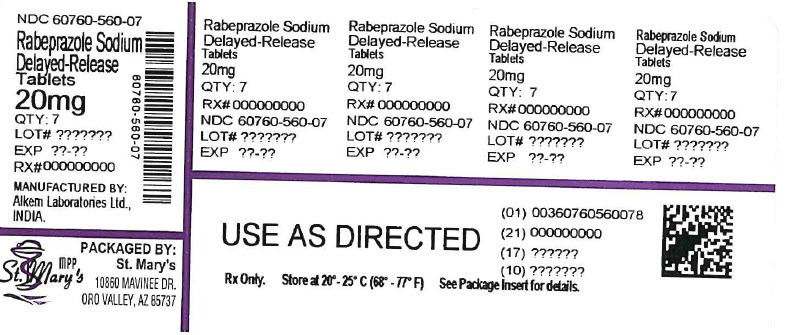
(rabeprazole · DailyMed)
RABZ IT
RABEPRAZOLE + ITIOPRIDE
What it does
Itiopride is a medication used to help with digestive issues, particularly those related to stomach and gut function.
Commonly used for: stomach problems (dyspepsia), nausea, vomiting, gut motility disorders
Read more in plain English ↓Plain-language summary for general understanding - not medical advice. Always follow your pharmacist/doctor.
Ask about this medicine
Answers come only from this medicine's registration record, BNF monograph and interaction data - not medical advice.
Hard to find? We help patients in Kenya source rare medicines. We don't sell or dispense medicines - licensed pharmacies do.
Source this medicineRegistration & product details
Source: Pharmacy and Poisons Board · fetched 2026-01-28 19:57:30 · updated 2026-08-03 03:06:42
Drug Interactions
1Unknown (1)
Rabeprazole - decreases exposure
Apalutamide is predicted to decrease the exposure to proton pump inhibitors (lansoprazole, rabeprazole). Avoid or monitor.
Data from BNF 85 (British National Formulary). This is not a substitute for professional medical advice. Matched via: exact
About itiopride
Itiopride is a medication used to help with digestive issues, particularly those related to stomach and gut function.
What it treats
- stomach problems (dyspepsia)
- nausea
- vomiting
- gut motility disorders
How it works
Itiopride works by enhancing the movement of food through the stomach and intestines, helping to reduce symptoms like nausea and bloating.
Who it's for
This medication is typically prescribed for adults who have digestive issues.
AI-assisted summary grounded in BNF data - general information only, not medical advice. Always confirm with your pharmacist or doctor.
About rabeprazole
Rabeprazole is a medication used to reduce stomach acid and help heal ulcers.
What it treats
- stomach ulcers
- gastroesophageal reflux disease (GERD)
- excess stomach acid
How it works
It works by blocking the production of stomach acid, which helps to relieve symptoms and promote healing.
Who it's for
This medication is for adults and children over the age of 12 who need help with stomach acid-related conditions.
AI-assisted summary grounded in BNF data - general information only, not medical advice. Always confirm with your pharmacist or doctor.
Clinical monograph: Rabeprazolesodium
BNF-referencedRabeprazole sodium is a proton pump inhibitor (PPI) that reduces gastric acid secretion by inhibiting the H+/K+ ATPase enzyme located in the gastric parietal cells. It is primarily used for the treatment of various acid-related gastrointestinal disorders, including gastric and duodenal ulcers, gastro-oesophageal reflux disease (GERD), and functional dyspepsia.
Indications
- Gastric ulcer
- Duodenal ulcer
- Gastro-oesophageal reflux disease (GERD)
- Functional dyspepsia
- NSAID-associated peptic ulcer disease
- Zollinger-Ellison syndrome
Dosage
Adults: Initially 20 mg once daily for 4 to 8 weeks for GERD. For gastric and duodenal ulcers, the initial dose is 20 mg daily for 4 to 8 weeks. For NSAID-associated peptic ulcer disease, the recommended dose is 20 mg once daily for 4 to 8 weeks. Dose adjustments may be necessary in hepatic impairment, with a maximum dose of 20 mg daily
Mechanism of action
Rabeprazole sodium acts by irreversibly binding to and inhibiting the H+/K+ ATPase enzyme system (proton pump) in the gastric epithelium. This action leads to a decrease in gastric acid secretion, both basal and stimulated. The inhibition is dose-dependent and can last for 24 hours or longer, which helps in healing peptic ulcers and alleviating symptoms of acid-related disorders.
Pharmacodynamics
Rabeprazole sodium effectively suppresses gastric acid secretion, providing symptomatic relief and promoting mucosal healing in conditions associated with excessive gastric acidity. It demonstrates a rapid onset of action, with peak plasma concentrations occurring approximately 3-4 hours after administration. The drug's effects on gastric acid secretion can lead to increased gastric pH and improved healing of ulcerative lesions.
Pharmacokinetics
Rabeprazole sodium is rapidly absorbed after oral administration, with bioavailability of approximately 52% due to first-pass metabolism. The drug is extensively metabolized in the liver, primarily via the cytochrome P450 system. Its elimination half-life ranges from 1 to 2 hours, and it is excreted primarily through urine as metabolites. Food does not significantly affect its absorption.
Adverse effects
- Asthenia
- Angioedema
- Electrolyte imbalance
- Muscle spasms
- Hyperlipidaemia
- Weight change
Precautions
- Manufacturer advises caution in severe hepatic impairment, monitor liver function and discontinue if deterioration occurs.
Pregnancy
Manufacturer advises to avoid unless potential benefit outweighs risk-fetotoxic in animals.
Breast-feeding
Specialist sources indicate that the amount in milk is small and not known to be harmful.
Storage
Store below 25 degrees Celsius. Protect from light and moisture.
Formulations
- Gastro-resistant tablet
- Powder for solution for injection
AI-synthesized from BNF references - general information only, not a substitute for professional medical advice or the current BNF. Verify doses with a pharmacist.
Clinical monograph: itiopride
Itiopride is a prokinetic agent primarily used in the management of gastrointestinal disorders. It enhances gastrointestinal motility and is indicated for treating symptoms associated with functional dyspepsia and gastroesophageal reflux disease. The drug acts on the peripheral nervous system to increase the tone and motility of the gastrointestinal tract, thereby alleviating symptoms of gastric stasis.
Indications
- Functional dyspepsia
- Gastroesophageal reflux disease
- Chronic gastritis
Dosage
Children: Refer to the BNF for Children for specific dosing recommendations in paediatric patients.
Adults: Refer to the individual product guidelines for specific dosing recommendations, as the dosage may vary based on the condition being treated and patient characteristics.
Mechanism of action
Itiopride acts as an antagonist of both dopamine D2 receptors and acetylcholine M1 receptors. By blocking dopamine D2 receptors, it reduces the inhibitory effects of dopamine on gastrointestinal motility. The blockade of M1 receptors enhances cholinergic activity, promoting increased gut motility. This dual action helps in the effective management of dyspeptic symptoms and enhances gastric emptying.
Pharmacodynamics
The pharmacodynamics of itiopride involve its effects on gastrointestinal motility and secretion. By increasing the tone of the lower esophageal sphincter and enhancing peristalsis in the stomach and intestines, itiopride helps facilitate gastric emptying. It also reduces the incidence of gastroesophageal reflux by improving the overall function of the gastrointestinal tract. The onset of action may vary depending on the individual's response, but it typically provides symptomatic relief within a few hours after administration.
Pharmacokinetics
Itiopride is absorbed from the gastrointestinal tract, with peak plasma concentrations occurring within 1 to 2 hours post-dose. It has a relatively short half-life, necessitating multiple daily dosing for sustained therapeutic effects. The drug undergoes hepatic metabolism, and its elimination is primarily renal. Dosage adjustments may be necessary in patients with renal impairment to avoid accumulation and potential toxicity.
Contra-indications
- Hypersensitivity to itiopride or any component of the formulation
- Intestinal obstruction
- Severe renal impairment
- Severe hepatic impairment
- Pheochromocytoma
Adverse effects
- Dizziness
- Headache
- Constipation
- Diarrhea
- Dry mouth
- Nausea
- Vomiting
- Fatigue
- Abdominal cramps
- Allergic reactions
Interactions
- Anticholinergic drugs may reduce the efficacy of itiopride
- Concurrent use with other central nervous system depressants may enhance sedative effects
- May interact with drugs that affect hepatic enzyme systems, including CYP450
Precautions
- Use with caution in patients with a history of seizures
- Caution in patients with cardiovascular disorders
- Use with caution in the elderly, as they may be more sensitive to the side effects
Pregnancy
There is limited data on the use of itiopride during pregnancy. It should only be used if the potential benefit justifies the potential risk to the fetus.
Breast-feeding
It is not known whether itiopride is excreted in human milk. Caution should be exercised when administering to nursing mothers.
Storage
Store at room temperature, away from moisture and heat. Keep out of reach of children.
Formulations
- Tablets
AI-synthesized from BNF references - general information only, not a substitute for professional medical advice or the current BNF. Verify doses with a pharmacist.
Clinical monograph: rabeprazole
BNF-referencedRabeprazole is a substituted benzimidazole compound classified as a proton-pump inhibitor (PPI). It is primarily used to reduce gastric acid secretion in various gastrointestinal disorders. By inhibiting the hydrogen-potassium ATPase enzyme at the secretory surface of gastric parietal cells, rabeprazole effectively suppresses acid production in the stomach, providing relief from conditions such as gastroesophageal reflux disease (GERD), peptic ulcers, and Zollinger-Ellison syndrome.
Indications
- Gastroesophageal reflux disease (GERD)
- Peptic ulcers
- Zollinger-Ellison syndrome
- Prevention of gastric ulcers associated with NSAID use
Dosage
Adults: Refer to BNF for specific dosing recommendations based on condition being treated.
Mechanism of action
Rabeprazole inhibits gastric acid secretion by irreversibly binding to the hydrogen-potassium ATPase enzyme system (H+, K+-ATPase) located at the parietal cell surface. This action blocks the final step in the gastric acid secretion process, leading to a reduction in hydrogen ion transport into the gastric lumen. Rabeprazole is activated in the acidic environment of the stomach, transforming into an active sulfenamide which exerts its inhibitory effects.
Pharmacodynamics
By preventing the production of gastric acid, rabeprazole alleviates symptoms associated with excessive acid secretion, such as heartburn and esophagitis. It is particularly effective in treating gastroesophageal reflux disease (GERD) and peptic ulcers, as well as in combination with antibiotics for the eradication of Helicobacter pylori. Furthermore, rabeprazole is utilized in managing conditions like Zollinger-Ellison syndrome, where there is an overproduction of gastric acid.
Pharmacokinetics
Rabeprazole is rapidly absorbed following oral administration, with peak plasma concentrations occurring within 1 to 2 hours. It is extensively metabolized in the liver through the cytochrome P450 system, primarily via CYP2C19 and CYP3A4 isoenzymes. The elimination half-life of rabeprazole ranges from 1 to 2 hours. The drug is excreted mainly in the urine as metabolites, with minimal unchanged drug present. Food intake can affect the absorption but not the overall efficacy of the drug.
Adverse effects
- Headache
- Nausea
- Diarrhea
- Constipation
- Abdominal pain
- Rash
- Dizziness
Interactions
- apalutamide+rabeprazole: Unknown (decreases exposure)
Precautions
- Use with caution in patients with hepatic impairment
- Monitor for potential vitamin B12 deficiency with long-term use
- Consider risk of Clostridium difficile infection in patients with diarrhea
Pregnancy
Rabeprazole is classified as category B. Animal studies have shown no harm, but there are no well-controlled studies in pregnant women. Use only if clearly needed.
Breast-feeding
Rabeprazole is excreted in breast milk. Caution should be exercised when administered to a nursing mother.
Storage
Store at room temperature, away from moisture and heat. Keep out of reach of children.
Formulations
- Tablets: 20 mg
AI-synthesized from BNF references - general information only, not a substitute for professional medical advice or the current BNF. Verify doses with a pharmacist.
Molecular reference: rabeprazole
PubChem CID 5029Molecular formula: C18H21N3O3S
Mechanism of action
Rabeprazole belongs to a class of antisecretory compounds (substituted benzimidazole proton-pump inhibitors) that do not exhibit anticholinergic or histamine H2-receptor antagonist properties, but suppress gastric acid secretion by inhibiting the gastric H<sup>+</sup>/K<sup>+</sup>ATPase (hydrogen-potassium adenosine triphosphatase) at the secretory surface of the gastric parietal cell. Because this enzyme is regarded as the acid (proton) pump within the parietal cell, rabeprazole has been characterized as a gastric proton-pump inhibitor. Rabeprazole blocks the final step of gastric acid secretion. In gastric parietal cells, rabeprazole is protonated, accumulates, and is transformed to an active sulfenamide. When studied in vitro, rabeprazole is chemically activated at pH 1.2 with a half-life of 78 seconds. Rabeprazole is a selective and irreversible proton pump inhibitor. Rabeprazole suppresses gastric acid secretion by specific inhibition of the hydrogen-potassium adenosine triphosphatase (H+, K+-ATPase) enzyme system found at the secretory surface of parietal cells. It inhibits the final transport of hydrogen ions (via exchange with potassium ions) into the gastric lumen. Since the H+, K+-ATPase enzyme system is regarded as the acid (proton) pump of the gastric mucosa, rabeprazole is known as a gastric acid pump inhibitor. Rabeprazole does not have anticholinergic or histamine H2-receptor antagonist properties. Rabeprazole binds to hydrogen-potassium ATPase in gastric parietal cells; inactivation of this enzyme system (also known as the proton, hydrogen, or acid pump) blocks the final step in the secretion of hydrochloric acid secretion. The antisecretory effect is apparent within 1 hour following oral administration with the median inhibitory effect on 24-hour gastric acidity being 88% of maximal after the first dose.
Pharmacodynamics
Rabeprazole prevents the production of acid in the stomach. It reduces symptoms and prevents injury to the esophagus or stomach in patients with gastroesophageal reflux disease (GERD) or ulcers. Rabeprazole is also useful in conditions that produce too much stomach acid such as Zollinger-Ellison syndrome. Rabeprazole may also be used with antibiotics to get rid of bacteria that are associated with some ulcers. Rabeprazole is a selective and irreversible proton pump inhibitor, suppresses gastric acid secretion by specific inhibition of the H<sup>+</sup>, K<sup>+</sup> -ATPase, which is found at the secretory surface of parietal cells. In doing so, it inhibits the final transport of hydrogen ions (via exchange with potassium ions) into the gastric lumen.
Biological pathways
Source: PubChem (NCBI) · pathways from PathBank, Reactome, WikiPathways & PharmGKB.
This drug in other countries
The same active ingredient registered across other registries we cover - including different brands.
- OMCAPRAZ-R · Kamla Lifesciences
- REZOL-20 · Resonant Pharmaceuticals
- ROBILINK 20 · Lincoln Pharmaceuticals
- Rabekind - 20 · Aurochem Pharmaceuticals
- Rabeloc · Cadila Pharmaceuticals
- Rabeloc 20 · Cadila Pharmaceuticals