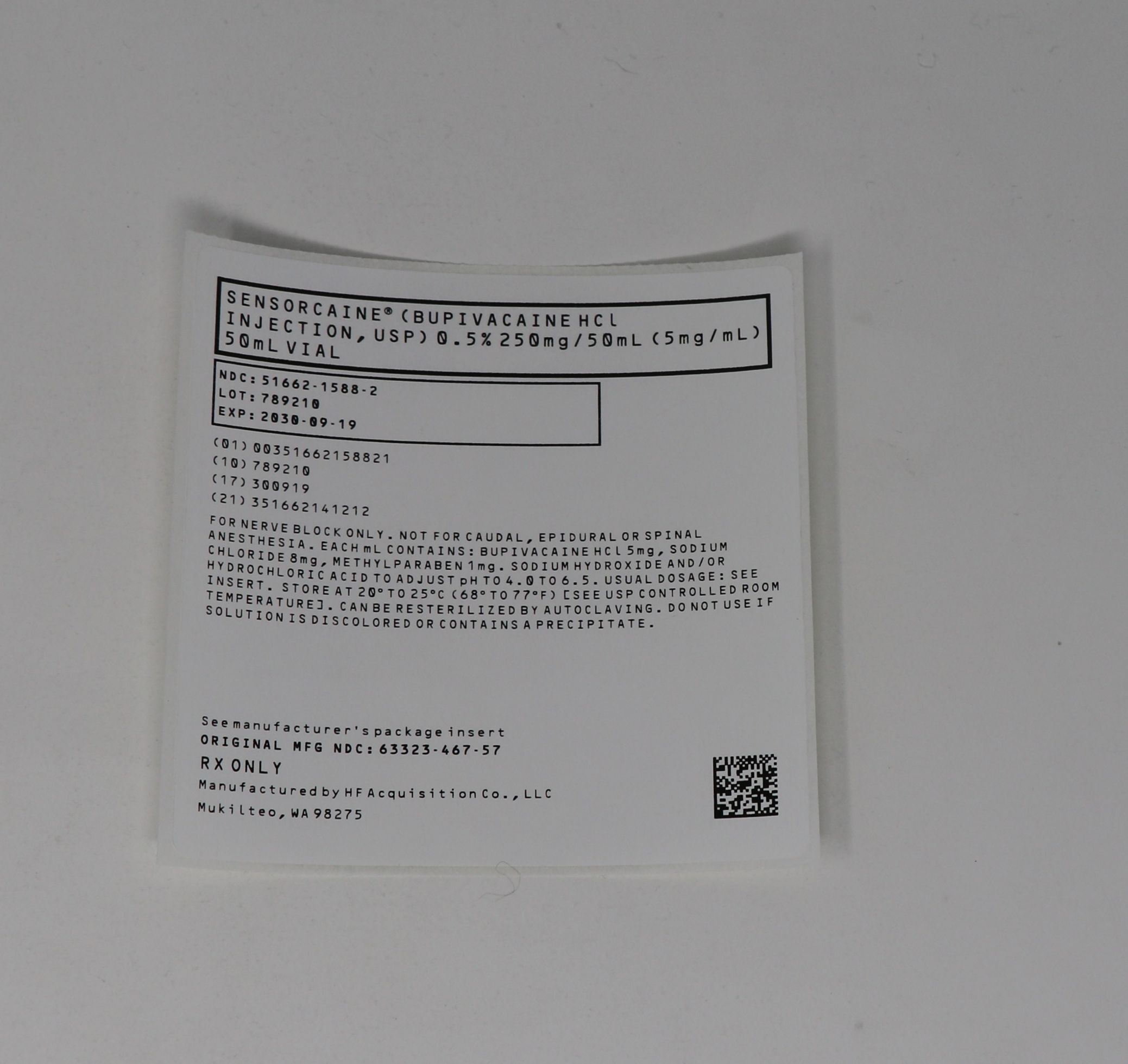
(bupivacaine · DailyMed)
SENSOCAIN SPINAL 0.5%
BUPIVACAINE HYDROCHLORIDE USP IN DEXTROSE
What it does
Bupivacaine is a local anesthetic used to numb specific areas of the body during medical procedures.
Commonly used for: pain relief during surgery, pain management in childbirth, relief of pain in certain medical conditions
Read more in plain English ↓Plain-language summary for general understanding - not medical advice. Always follow your pharmacist/doctor.
Ask about this medicine
Answers come only from this medicine's registration record, BNF monograph and interaction data - not medical advice.
Hard to find? We help patients in Kenya source rare medicines. We don't sell or dispense medicines - licensed pharmacies do.
Source this medicineRegistration & product details
Source: Pharmacy and Poisons Board · fetched 2026-01-28 19:44:42 · updated 2026-09-15 02:17:40
About bupivacaine
Bupivacaine is a local anesthetic used to numb specific areas of the body during medical procedures.
What it treats
- pain relief during surgery
- pain management in childbirth
- relief of pain in certain medical conditions
How it works
Bupivacaine works by blocking nerve signals in the area where it is applied, preventing the sensation of pain.
Who it's for
Bupivacaine is suitable for adults and may be used in children under medical supervision.
Cautions
- • Avoid use with other drugs that can depress the central nervous system.
AI-assisted summary grounded in BNF data - general information only, not medical advice. Always confirm with your pharmacist or doctor.
About dextrose
Dextrose is a form of sugar that provides energy and can be used to treat low blood sugar levels.
What it treats
- low blood sugar (hypoglycemia)
- dehydration
- providing energy for patients unable to eat
How it works
Dextrose is quickly absorbed into the bloodstream and raises blood sugar levels, providing immediate energy.
Who it's for
Dextrose is suitable for people who need a quick source of energy, especially those with diabetes or other conditions that cause low blood sugar.
AI-assisted summary grounded in BNF data - general information only, not medical advice. Always confirm with your pharmacist or doctor.
Clinical monograph: Bupivacainehydrochloride
BNF-referencedBupivacaine hydrochloride is a long-acting amide local anaesthetic used primarily for the induction of local anaesthesia in various medical procedures. It works by inhibiting sodium ion influx through voltage-gated sodium channels, thus preventing the generation and conduction of nerve impulses. This agent is commonly utilized in infiltrative anaesthesia, nerve blocks, and epidural anaesthesia. The use of bupivacaine is particularly common in dentistry and during surgical interventions requiring prolonged analgesia.
Indications
- Infiltration anaesthesia in dentistry
- Nerve blocks for surgery
- Epidural anaesthesia
- Post-operative pain management
Dosage
Adults: Bolus doses of 1.5 mL/kg over 1 minute, with intervals of 5 minutes, and maximum cumulative doses should not exceed 12 mL/kg. For continuous infusion, the rate may
Mechanism of action
Bupivacaine hydrochloride acts by blocking voltage-gated sodium channels on the neuronal cell membrane, which inhibits the influx of sodium ions, leading to a decrease in depolarization and action potential generation. This mechanism results in reversible loss of sensation in the targeted area. The effect is dose-dependent and varies based on the route of administration.
Pharmacodynamics
Bupivacaine exhibits a high lipid solubility, which facilitates its action at the nerve membrane. The onset of action is typically within 10 to 20 minutes, with a duration of effect that can last from 2 to 8 hours, depending on the dosage and the method of administration. The drug provides effective analgesia, making it a preferred choice for procedures requiring prolonged pain relief. However, caution is advised as high concentrations can lead to systemic toxicity, primarily affecting the central nervous and cardiovascular systems.
Pharmacokinetics
Bupivacaine is rapidly absorbed following parenteral administration, with peak plasma concentrations occurring within 30 minutes to 2 hours. The drug is extensively metabolized in the liver by cytochrome P450 enzymes and excreted in the urine as metabolites. Its half-life ranges from 2.5 to 6 hours in healthy individuals, but it can be prolonged in patients with hepatic impairment. Due to its extensive protein binding (approximately 95%), the free fraction available for action is reduced in conditions affecting protein levels.
Contra-indications
- Hypersensitivity to bupivacaine or any of its components
- Application to damaged skin
- Severe hypertension
- Unstable cardiac rhythm
Adverse effects
- Face oedema
- Gingivitis
- Headache
- Nausea
- Abnormal sensation
Interactions
- Concurrent use of sympathomimetics may increase cardiovascular effects
- Adrenaline should be used with caution; total dose should not exceed 5 micrograms/kg
- Avoid using propofol as an alternative to lipid emulsion treatment
Precautions
- Use with caution in patients with hepatic impairment due to increased risk of toxicity
- Use with caution in patients with renal impairment
- Requires monitoring of blood pressure and ECG during administration
- Should only be administered by trained personnel experienced in its use
Pregnancy
Use only if potential benefit outweighs risk; no information available.
Breast-feeding
Avoid breastfeeding for 48 hours after administration.
Storage
Store at room temperature, away from light. Do not freeze.
Formulations
- Solution for injection cartridges
- Injectable preparation
AI-synthesized from BNF references - general information only, not a substitute for professional medical advice or the current BNF. Verify doses with a pharmacist.
Clinical monograph: bupivacaine
BNF-referencedBupivacaine is a local anesthetic of the amide type, primarily used to produce regional anesthesia. It is effective in various procedures, including surgical, obstetric, and pain management settings. Bupivacaine works by blocking nerve conduction in the targeted area, providing pain relief during and after surgical procedures.
Indications
- Regional anesthesia for surgical procedures
- Pain management in obstetric settings (e.g., epidural analgesia during labor)
- Postoperative analgesia
- Nerve blocks for pain control
Dosage
Children: Refer to the BNF for Children for specific dosing information in paediatric patients.
Adults: For infiltration anesthesia, the typical dose is 5 to 10 mL of a 0.25% to 0.5% solution. For epidural anesthesia, a dose of 10 to 20 mL of a 0.25% to 0.5% solution may be used, depending on the procedure.
Mechanism of action
Bupivacaine acts by inhibiting voltage-gated sodium channels in the neuronal cell membrane. This inhibition prevents the initiation and propagation of action potentials, leading to a reversible loss of sensation in the area supplied by the affected nerves. It predominantly affects small unmyelinated fibers, which are responsible for pain and temperature sensation.
Pharmacodynamics
The onset of action for bupivacaine is dose-dependent, with effects typically observed within 10 to 30 minutes after administration, depending on the route of administration. The duration of action can last from 2 to 8 hours, with longer durations noted for higher doses or when used in conjunction with vasoconstrictors. Bupivacaine is more potent than lidocaine and provides a longer duration of anesthesia.
Pharmacokinetics
Bupivacaine is well-absorbed after injection, with peak plasma concentrations occurring within 30 minutes. It is metabolized primarily in the liver by cytochrome P450 enzymes, and its metabolites are excreted in the urine. The elimination half-life ranges from 2.5 to 6 hours, depending on the route of administration and patient-specific factors.
Contra-indications
- Hypersensitivity to bupivacaine or any component of the formulation
- Severe heart block
- Severe hepatic impairment
- Uncontrolled hypotension
Adverse effects
- Cardiovascular collapse
- Hypotension
- Bradycardia
- Nausea
- Vomiting
- Dizziness
- Headache
- Numbness
- Paresthesia
- Tremors
Interactions
- Concurrent use with other local anesthetics may increase the risk of toxicity
- Caution advised when used with agents that can affect the cardiovascular system
Precautions
- Use with caution in patients with cardiovascular disease
- Monitor for signs of systemic toxicity, particularly in high doses or accidental intravascular injection
- Ensure resuscitation equipment and trained personnel are available during administration
Pregnancy
Bupivacaine can be used during pregnancy when the potential benefits justify the risks. Consult relevant clinical guidelines.
Breast-feeding
Bupivacaine is excreted in breast milk. Caution is advised when administering to nursing mothers.
Storage
Store at room temperature, away from light and moisture. Do not freeze.
Formulations
- Injection solution
- Epidural solution
- Nerve block solution
AI-synthesized from BNF references - general information only, not a substitute for professional medical advice or the current BNF. Verify doses with a pharmacist.
Clinical monograph: dextrose
BNF-referencedDextrose, also known as D-glucose, is a simple sugar that serves as a primary energy source for the body. It is commonly used in medical settings to treat hypoglycemia and provide caloric intake in patients unable to consume food orally. Dextrose is readily absorbed and utilized by various tissues, making it essential for cellular metabolism.
Indications
- Hypoglycemia
- Caloric supplementation in patients unable to eat
- Fluid replacement therapy
- Parenteral nutrition
Dosage
Children: Paediatric doses must be determined based on clinical condition and specific needs. Refer to the BNF for Children for appropriate dosing information.
Adults: The dosage of dextrose in adults varies based on clinical condition and route of administration. For hypoglycemia, intravenous dextrose 50% (D50W) is commonly administered. Refer to the BNF for specific dosing guidelines.
Mechanism of action
Dextrose supplies energy to tissues by generating ATP and NADH through glycolysis, where glucose is phosphorylated by hexokinase to form glucose 6-phosphate. This activates glucose for breakdown, ultimately converting glucose into energy molecules. Dextrose also plays a role in gene transcription, enzyme activity, and hormone secretion, regulating glucose homeostasis and cellular metabolic integrity.
Pharmacodynamics
Blood glucose acts as a crucial energy source for cellular activities and functions as a signaling molecule. It is oxidized into carbon dioxide and water, producing energy through glycolysis, the citric cycle, and oxidative phosphorylation. Dextrose can be converted into fat for energy storage and is stored as glycogen in the liver and muscles. Its administration, particularly orally, enhances insulin secretion due to stimulation of incretin hormones.
Pharmacokinetics
Dextrose is rapidly absorbed in the gastrointestinal tract, leading to a quick elevation of blood glucose levels. It is distributed throughout the body and can be utilized by various tissues for energy. The metabolism of dextrose primarily occurs in the liver, where it can be stored as glycogen or converted into fat. Renal excretion may occur when blood glucose levels are excessively high.
Adverse effects
- Hyperglycemia
- Fluid overload
- Hypokalemia
- Thrombophlebitis at injection site
Interactions
- Corticosteroids may increase blood glucose levels
- Beta-blockers may mask symptoms of hypoglycemia
- Diuretics may cause electrolyte imbalances
Precautions
- Use with caution in patients with diabetes mellitus
- Monitor blood glucose levels regularly
- Use cautiously in patients with renal impairment or heart failure
Pregnancy
Dextrose is generally considered safe for use during pregnancy when clinically indicated, but should be used with caution.
Breast-feeding
Dextrose can be used during breastfeeding as it is a natural sugar found in breast milk.
Storage
Store at room temperature, away from direct sunlight, and protect from freezing.
Formulations
- Dextrose 5% solution for infusion
- Dextrose 10% solution for infusion
- Dextrose 50% solution for injection
- Oral dextrose tablets
AI-synthesized from BNF references - general information only, not a substitute for professional medical advice or the current BNF. Verify doses with a pharmacist.
Molecular reference: bupivacaine
PubChem CID 2474Molecular formula: C18H28N2O
Biological pathways
Source: PubChem (NCBI) · pathways from PathBank, Reactome, WikiPathways & PharmGKB.
Molecular reference: dextrose
PubChem CID 5793Molecular formula: C6H12O6
Mechanism of action
Glucose supplies most of the energy to all tissues by generating energy molecules ATP and NADH during a series of metabolism reactions called glycolysis. Glycolysis can be divided into two main phases where the preparatory phase is initiated by the phosphorylation of glucose by hexokinase to form glucose 6-phosphate. The addition of the high-energy phosphate group activates glucose for the subsequent breakdown in later steps of glycolysis and is the rate-limiting step. Products end up as substrates for following reactions, to ultimately convert C6 glucose molecule into two C3 sugar molecules. These products enter the energy-releasing phase where the total of 4ATP and 2NADH molecules are generated per one glucose molecule. The total aerobic metabolism of glucose can produce up to 36 ATP molecules. These energy-producing reactions of glucose are limited to D-glucose as L-glucose cannot be phosphorylated by hexokinase. Glucose can act as precursors to generate other biomolecules such as vitamin C. It plays a role as a signaling molecule to control glucose and energy homeostasis. Glucose can regulate gene transcription, enzyme activity, hormone secretion, and the activity of glucoregulatory neurons. The types, number, and kinetics of glucose transporters expressed depends on the tissues and fine-tunes glucose uptake, metabolism, and signal generation to preserve cellular and whole body metabolic integrity. Vascular calcification is a hallmark of type 2 diabetes. Glucose stimulates calcification in culture of vascular smooth muscle cells (VSMCs) but the underlying mechanisms remain obscure. We observed that high glucose levels stimulated mouse and human VSMC trans-differentiation into chondrocytes, with increased levels of Sox9, type II collagen, glycosaminoglycan and Runx2 expression, and increased alkaline phosphatase activity and mineralization. These effects were associated with increased expression of IL-1beta, which stimulated alkaline phosphatase and calcification, suggesting that glucose induces chondrocyte differentiation of VSMCs, possibly through IL-1beta activation.
Pharmacodynamics
Blood glucose is an obligatory energy source for humans involved in various cellular activities, and it also acts as a signaling molecule for diverse glucose-sensing molecules and proteins. Glucose undergoes oxidation into carbon dioxide, water, and yields energy molecules in the process of glycolysis and subsequent citric cycle and oxidative phosphorylation. Glucose is readily converted into fat in the body which can be used as a source of energy as required. Under a similar conversion into storage of energy, glucose is stored in the liver and muscles as glycogen. Glucose stores are mobilized in a regulated manner, depending on the tissues' metabolic demands. Oral glucose tablets or injections serve to increase the supply of glucose and oral glucose administration is more effective in stimulating insulin secretion because it stimulates the incretin hormones from the gut, which promotes insulin secretion.
Biological pathways
Source: PubChem (NCBI) · pathways from PathBank, Reactome, WikiPathways & PharmGKB.
This drug in other countries
The same active ingredient registered across other registries we cover - including different brands.
- AXAZOLID INTRAVENOUS INJECTION · Axa Parenterals
- B-CANE HEAVY INJECTION (Each ml contains Bupivacaine Hydrochloride BP/ Glucose anhydrous BP Eq. to Glucose (Monohydrate) 5mg/ 80mg) · Aculife Healthcare
- BUPICAN HEAVY INJECTION (Each ml contains Bupivacaine Hydrochloride 5mg) · Baxter Pharmaceuticals
- BUPIVACAINE HYDROCHLORIDE USP INJECTION (Each ml contains Bupivacaine Hydrochloride 5mg) · Pharmax India
- BUPIVACAINE HYDROCHLORIDE SOLUTION FOR INJECTION 0.25%W/V · Centurion Healthcare
- Bupivacaine Hydrochloride IN Dextrose Injection USP ( Each ml contains Bupivacaine Hydrochloride 5mg) · Pharmax India
- 10%-DEXTROSE 10%W/V INTRAVENOUS INFUSION
- 5%-DEXTROSE 5 % W/ V INFUSION
- ANAWIN 100MG/20ML INJECTION
- ANAWIN_HEAVY 20MG/4ML INJECTION
- BUPICAN 0.5%W/V INJECTION
- BUPITROY-HEAVY 5MG/4ML INJECTION