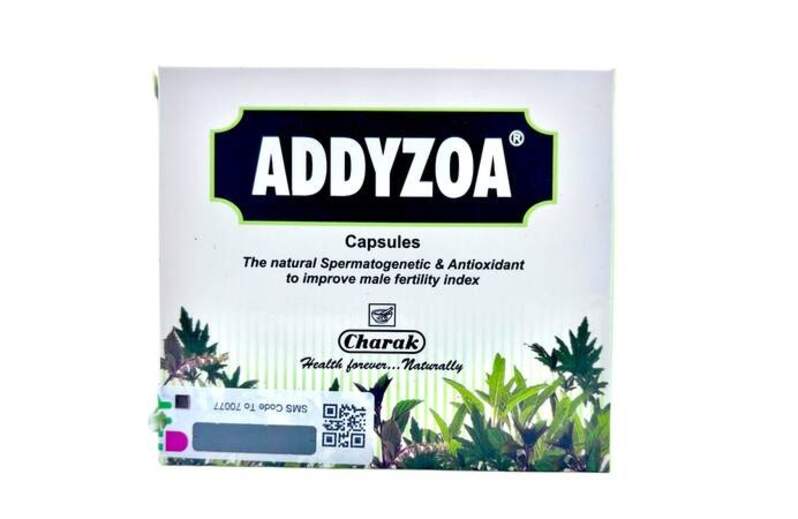
ADDYZOA CAPSULE
RAS SINDUR ABRAK BHASMA MAKARDHWAJ RAS SUVARNA VANG MUKTA SHUKTI BHASMA EULOPHIA CAMPESTRIS TACCA ESPERA SMILAX CHINA IPOMOEA DIGITATA EMBLICA OFFICINALIS SIDA CORDIFOLIA ASPARAGUS RACEMOSUS WITHANIA SOMNIFERA TINOSPORA CORDIFOLIA TRIBULUS TERRESTRIS
What it does
Abrak is a medication that is used to treat various health conditions.
Commonly used for: treatment of certain infections, management of inflammatory conditions
Read more in plain English ↓Plain-language summary for general understanding - not medical advice. Always follow your pharmacist/doctor.
Ask about this medicine
Answers come only from this medicine's registration record, BNF monograph and interaction data - not medical advice.
Hard to find? We help patients in Kenya source rare medicines. We don't sell or dispense medicines - licensed pharmacies do.
Source this medicineRegistration & product details
Source: Pharmacy and Poisons Board · fetched 2026-01-28 21:57:03 · updated 2026-03-23 04:42:10
About abrak
Abrak is a medication that is used to treat various health conditions.
What it treats
- treatment of certain infections
- management of inflammatory conditions
How it works
Abrak works by targeting specific processes in the body to help reduce symptoms and fight infections.
Who it's for
This medication is suitable for individuals needing help with infections or inflammation.
AI-assisted summary grounded in BNF data - general information only, not medical advice. Always confirm with your pharmacist or doctor.
About asparagus
Asparagus is a vegetable that may have health benefits, including supporting digestion and promoting overall well-being.
What it treats
- supporting digestion
- promoting overall health
How it works
Asparagus contains vitamins, minerals, and antioxidants that can help improve health and support bodily functions.
Who it's for
Anyone looking to add nutritious foods to their diet.
AI-assisted summary grounded in BNF data - general information only, not medical advice. Always confirm with your pharmacist or doctor.
About bhasma
Bhasma is a traditional herbal preparation used in various treatments.
What it treats
- boosting immunity
- treating skin conditions
- supporting digestive health
How it works
Bhasma is believed to enhance the body's natural healing processes and improve overall health.
Who it's for
It is commonly used by people seeking natural remedies for various health issues.
AI-assisted summary grounded in BNF data - general information only, not medical advice. Always confirm with your pharmacist or doctor.
About campestris
Campestris is a medication that may be used to help with certain health conditions.
How it works
The exact way campestris works is not well-defined, but it is believed to affect various processes in the body.
Who it's for
Campestris may be suitable for individuals dealing with specific medical issues, but it's important to consult a healthcare professional for personalized advice.
AI-assisted summary grounded in BNF data - general information only, not medical advice. Always confirm with your pharmacist or doctor.
About china
China is a natural remedy often used to support digestive health and improve appetite.
What it treats
- digestive issues
- loss of appetite
How it works
China is believed to stimulate the digestive system and enhance appetite.
Who it's for
It is generally suitable for adults needing digestive support.
AI-assisted summary grounded in BNF data - general information only, not medical advice. Always confirm with your pharmacist or doctor.
About cordifolia
Cordifolia is a natural substance often used for its potential health benefits.
What it treats
- general wellness
- supporting immune function
- reducing inflammation
How it works
Cordifolia is believed to help the body by supporting various functions, including boosting the immune system and reducing inflammation.
Who it's for
Cordifolia may be suitable for adults looking for natural support for their overall health.
AI-assisted summary grounded in BNF data - general information only, not medical advice. Always confirm with your pharmacist or doctor.
About digitata
Digitata is a medication used to help manage certain heart conditions.
What it treats
- heart failure
- atrial fibrillation
How it works
It helps the heart work more efficiently and improves blood flow.
Who it's for
This medication is for adults with specific heart problems.
AI-assisted summary grounded in BNF data - general information only, not medical advice. Always confirm with your pharmacist or doctor.
About emblica
Emblica is a natural substance often used for its health benefits.
What it treats
- improving digestive health
- boosting immune function
- supporting skin health
How it works
Emblica contains antioxidants that help protect the body from damage and support overall health.
Who it's for
Emblica is suitable for adults looking to enhance their general well-being.
AI-assisted summary grounded in BNF data - general information only, not medical advice. Always confirm with your pharmacist or doctor.
About espera
Espera is a medication that is used to treat certain health conditions. It helps in managing symptoms and improving quality of life.
What it treats
- anxiety
- depression
How it works
Espera works by affecting chemicals in the brain that may be unbalanced in people with these conditions.
Who it's for
Espera is for adults who are experiencing anxiety or depression.
Cautions
- • Consult your doctor if you have a history of heart problems.
- • Not recommended for pregnant or breastfeeding women without medical advice.
AI-assisted summary grounded in BNF data - general information only, not medical advice. Always confirm with your pharmacist or doctor.
About eulophia
Eulophia is a natural remedy often used in traditional medicine.
What it treats
- promoting general health
- supporting gastrointestinal health
How it works
Eulophia may help support the body’s natural processes and improve well-being.
Who it's for
Eulophia is typically used by adults looking for alternative health support.
AI-assisted summary grounded in BNF data - general information only, not medical advice. Always confirm with your pharmacist or doctor.
About ipomoea
Ipomoea is a plant that is sometimes used for its potential health benefits.
What it treats
- digestive issues
- skin conditions
- as a traditional remedy
How it works
The exact way ipomoea works is not well understood, but it is believed to have mild effects on the body.
Who it's for
Ipomoea may be used by adults looking for natural remedies for minor health issues.
AI-assisted summary grounded in BNF data - general information only, not medical advice. Always confirm with your pharmacist or doctor.
About makardhwaj
Makardhwaj is an herbal medicine used in traditional practices.
What it treats
- general wellness
- boosting energy
How it works
It is believed to enhance vitality and support overall health.
Who it's for
Adults seeking natural remedies for improved health.
AI-assisted summary grounded in BNF data - general information only, not medical advice. Always confirm with your pharmacist or doctor.
About mukta
Mukta is a natural remedy often used in traditional practices. It is believed to support overall well-being.
What it treats
- general wellness
- traditional health practices
How it works
Mukta is thought to enhance health by providing beneficial properties that support the body's functions.
Who it's for
Mukta may be suitable for individuals seeking natural health support and those interested in traditional remedies.
AI-assisted summary grounded in BNF data - general information only, not medical advice. Always confirm with your pharmacist or doctor.
About officinalis
Officinalis is a natural substance often used in herbal remedies.
What it treats
- general wellness
- stress relief
- anxiety management
How it works
Officinalis is believed to have calming effects, which may help improve mood and reduce anxiety.
Who it's for
It is suitable for adults looking for natural ways to support their mental well-being.
AI-assisted summary grounded in BNF data - general information only, not medical advice. Always confirm with your pharmacist or doctor.
About racemosus
Racemosus is a herbal remedy often used to support overall health and wellness.
What it treats
- supporting general health
- promoting well-being
How it works
Racemosus is believed to have health benefits that help improve the body's functioning.
Who it's for
Adults looking for natural ways to boost their health.
AI-assisted summary grounded in BNF data - general information only, not medical advice. Always confirm with your pharmacist or doctor.
About ras
Ras is a medication that helps manage certain health conditions, although specific details about its class and interactions are not provided.
What it treats
- treatment of certain cancers
- treatment of autoimmune diseases
How it works
Ras works by targeting specific pathways in the body that are involved in cell growth and immune responses.
Who it's for
Ras is generally prescribed for adults dealing with specific types of cancer or autoimmune disorders.
AI-assisted summary grounded in BNF data - general information only, not medical advice. Always confirm with your pharmacist or doctor.
About shukti
Shukti is a natural remedy often used for various health benefits.
What it treats
- enhancing digestion
- supporting bone health
- promoting skin health
How it works
Shukti is believed to help improve health by providing essential minerals and supporting bodily functions.
Who it's for
Shukti may be suitable for individuals looking for natural support for digestion, bones, and skin.
AI-assisted summary grounded in BNF data - general information only, not medical advice. Always confirm with your pharmacist or doctor.
About sida
Sida is a natural ingredient that may be used in herbal remedies for various health conditions.
What it treats
- stomach problems
- infections
- fever
How it works
Sida is believed to have properties that can help reduce inflammation and fight infections.
Who it's for
Sida may be suitable for adults looking for herbal alternatives for common health issues.
AI-assisted summary grounded in BNF data - general information only, not medical advice. Always confirm with your pharmacist or doctor.
About sindur
Sindur is a medication used to help manage certain health conditions.
What it treats
- specific health conditions (exact conditions not listed)
How it works
The exact way sindur works is not clearly defined, but it is used to improve health in various ways.
Who it's for
Sindur may be prescribed for patients with specific medical conditions as determined by a healthcare provider.
Cautions
- • Consult your healthcare provider before using this medication.
AI-assisted summary grounded in BNF data - general information only, not medical advice. Always confirm with your pharmacist or doctor.
About smilax
Smilax is a natural product often used for its potential health benefits.
What it treats
- joint pain (arthritis)
- inflammation
- skin conditions
How it works
Smilax is believed to have anti-inflammatory and antioxidant properties, which may help reduce swelling and support overall health.
Who it's for
Smilax may be suitable for adults looking for natural support for joint health and inflammation.
AI-assisted summary grounded in BNF data - general information only, not medical advice. Always confirm with your pharmacist or doctor.
About somnifera
Somnifera is a natural herb that may help promote relaxation and support sleep.
What it treats
- insomnia
- sleep disturbances
- anxiety
How it works
Somnifera is believed to help calm the mind and body, making it easier to fall asleep.
Who it's for
Adults looking for natural support for better sleep and relaxation.
AI-assisted summary grounded in BNF data - general information only, not medical advice. Always confirm with your pharmacist or doctor.
About suvarna
Suvarna is a medication used to treat various health conditions.
What it treats
- general health improvement
- support for chronic conditions
How it works
Suvarna works by enhancing the body's natural functions and supporting overall well-being.
Who it's for
Suvarna is for people looking to improve their health or manage specific health issues.
AI-assisted summary grounded in BNF data - general information only, not medical advice. Always confirm with your pharmacist or doctor.
About tacca
Tacca is a plant-based substance used in traditional medicine.
What it treats
- various health conditions
How it works
The exact way tacca works in the body is not well understood, but it is thought to support overall health.
Who it's for
Tacca may be used by individuals seeking natural remedies for various ailments.
Cautions
- • Consult a healthcare professional before use, especially if you are pregnant, breastfeeding, or have underlying health conditions.
AI-assisted summary grounded in BNF data - general information only, not medical advice. Always confirm with your pharmacist or doctor.
About terrestris
Terrestris is a natural supplement often used to support general health and wellness.
What it treats
- low libido (reduced sex drive)
- muscle enhancement
- energy boost
How it works
Terrestris may help improve physical performance and enhance sexual health by influencing hormone levels.
Who it's for
Adults looking to improve their sexual health or physical performance.
AI-assisted summary grounded in BNF data - general information only, not medical advice. Always confirm with your pharmacist or doctor.
About tinospora
Tinospora is a natural remedy often used for its health benefits.
What it treats
- boosting the immune system
- treating infections
- managing diabetes
- supporting liver health
How it works
Tinospora is believed to strengthen the body's defenses and promote overall well-being.
Who it's for
It is suitable for those looking to enhance their health and manage certain conditions.
AI-assisted summary grounded in BNF data - general information only, not medical advice. Always confirm with your pharmacist or doctor.
About tribulus
Tribulus is a natural supplement often used to support overall wellness and enhance physical performance.
What it treats
- low libido (reduced sexual desire)
- male infertility (issues with sperm production)
- muscle building (increasing muscle mass)
How it works
Tribulus is believed to boost testosterone levels and improve energy, which may help with sexual health and physical performance.
Who it's for
Tribulus may be suitable for adults looking to improve their sexual health or enhance athletic performance.
Cautions
- • Consult a healthcare provider before use, especially if you have health conditions or are taking other medications.
AI-assisted summary grounded in BNF data - general information only, not medical advice. Always confirm with your pharmacist or doctor.
About vang
Vang is a medicine that may be used for various health conditions.
How it works
Vang works by affecting certain processes in the body to help treat specific health issues.
Who it's for
This medicine is suitable for individuals requiring treatment for certain health conditions.
AI-assisted summary grounded in BNF data - general information only, not medical advice. Always confirm with your pharmacist or doctor.
About withania
Withania is a natural herb often used to help improve overall health and well-being.
What it treats
- stress relief
- anxiety reduction
- improving energy
- supporting immune health
How it works
Withania may help the body adapt to stress and improve mental and physical performance.
Who it's for
It may be suitable for adults looking for natural support for stress and fatigue.
AI-assisted summary grounded in BNF data - general information only, not medical advice. Always confirm with your pharmacist or doctor.
Clinical monograph: abrak
Abrak is a medicinal compound that is primarily used in various traditional and alternative medicine practices. Its exact pharmacological classification and clinical applications may vary based on the specific formulation and regional practices. The active ingredients may possess varying therapeutic properties, including anti-inflammatory and analgesic effects, depending on the source and preparation of the drug.
Indications
- Pain relief
- Inflammation reduction
- Potential antimicrobial effects
Dosage
Children: Paediatric dosing should be carefully determined based on individual clinical circumstances and the specific preparation used; consult the relevant guidelines for accurate dosing recommendations.
Adults: Dosage recommendations for adults can vary widely based on specific formulations and intended use; consult relevant pharmacological sources or healthcare professionals for guidance.
Mechanism of action
The mechanism of action of abrak is not well-defined in contemporary pharmacological literature. However, it is generally thought to exert its effects through modulation of inflammatory pathways and inhibition of pain signaling pathways in the body. It may enhance the release of certain neurotransmitters or inhibit the activity of cyclooxygenase enzymes, leading to reduced pain and inflammation.
Pharmacodynamics
Abrak may exhibit analgesic, anti-inflammatory, and possibly antimicrobial properties. These effects are likely mediated through interactions with various receptor systems in the body, including those involved in pain perception and immune response modulation. The specific pharmacodynamic profile can vary considerably based on the formulation and dosage used.
Pharmacokinetics
The pharmacokinetics of abrak is largely uncharacterized in scientific literature. It is presumed that, like many herbal and traditional medicines, the absorption, distribution, metabolism, and excretion of its active components may be influenced by several factors, including the method of preparation, dosage, and individual patient characteristics. Further research is needed to establish clear pharmacokinetic parameters.
Pregnancy
There is insufficient data on the safety of abrak during pregnancy. It is advisable to avoid use unless absolutely necessary and prescribed by a healthcare professional.
Breast-feeding
Data on the excretion of abrak in human milk is limited. Caution is advised when administering to breastfeeding mothers.
Storage
Store in a cool, dry place away from direct sunlight. Keep out of reach of children.
AI-synthesized from BNF references - general information only, not a substitute for professional medical advice or the current BNF. Verify doses with a pharmacist.
Clinical monograph: asparagus
Asparagus is a nutrient-rich vegetable belonging to the Asparagaceae family. It is commonly consumed for its culinary qualities and health benefits, including its high content of vitamins A, C, E, and K, folate, and dietary fiber. Asparagus is also known for its unique flavor and is often used in various dishes worldwide.
Indications
- Nutritional support
- Antioxidant source
- Diuretic effects
- Digestive health support
- Potential anti-inflammatory effects
Dosage
Children: As with adults, asparagus can be included in a child's diet as a nutritious vegetable, but there are no specific dosing recommendations.
Adults: Asparagus is typically consumed as part of a balanced diet. There are no specific dosing guidelines as it is not used as a medicinal product.
Mechanism of action
Asparagus contains various bioactive compounds such as asparagine, antioxidants, and anti-inflammatory agents. The presence of these compounds contributes to its potential health benefits, including diuretic effects and support for digestive health. The high levels of antioxidants may help in reducing oxidative stress in the body.
Pharmacodynamics
The consumption of asparagus has been associated with several health benefits, including improved digestion and reduced inflammation. Its diuretic properties may help in the excretion of excess fluid and waste products, which can be beneficial in conditions like edema and hypertension. Its antioxidant compounds also play a role in combating free radicals, potentially lowering the risk of chronic diseases.
Pharmacokinetics
Asparagus is primarily consumed as a food item rather than a pharmaceutical agent, so traditional pharmacokinetic parameters such as absorption, distribution, metabolism, and excretion are not well-defined. However, the nutrients and compounds within asparagus are generally absorbed through the gastrointestinal tract, providing various health benefits in a bioavailable form.
Adverse effects
- Gastrointestinal upset
- Allergic reactions in sensitive individuals
Precautions
- May cause odorous urine due to the metabolism of asparagusic acid
- Use caution in individuals with a history of allergy to asparagus
Pregnancy
Asparagus is generally considered safe in pregnancy and can provide beneficial nutrients, but it should be consumed in moderation.
Breast-feeding
Asparagus is safe to consume while breastfeeding, but may affect the odor of breast milk.
Storage
Store asparagus in a cool, dry place. Refrigeration can extend freshness; wrap in a damp towel or place in a perforated plastic bag.
Formulations
- Fresh asparagus spears
- Canned asparagus
- Frozen asparagus
AI-synthesized from BNF references - general information only, not a substitute for professional medical advice or the current BNF. Verify doses with a pharmacist.
Clinical monograph: bhasma
Bhasma is a traditional Ayurvedic preparation made from various metals, minerals, or herbs that have been processed through a specific procedure, often involving calcination. It is used in Ayurveda for its therapeutic properties, thought to balance the three doshas (Vata, Pitta, Kapha) in the body. Bhasma is believed to enhance the bioavailability of the active ingredients and is often used in the treatment of various ailments, including respiratory issues, digestive disorders, and skin conditions.
Indications
- Respiratory disorders
- Digestive issues
- Skin diseases
- Anemia
- General health and wellness
Dosage
Children: Paediatric dosing of bhasma is also variable and should be determined based on the child's age, weight, and specific health concerns. Consultation with a healthcare professional experienced in Ayurvedic medicine is advised.
Adults: Dosage for adults can vary widely based on the specific type of bhasma and the condition being treated. It is recommended to refer to traditional Ayurvedic guidelines or consult a qualified practitioner for specific dosing.
Mechanism of action
The exact mechanism of action of bhasma is not fully understood, but it is believed to involve the bioactive compounds released during the calcination process, which may exert antioxidant, anti-inflammatory, and immunomodulatory effects. These properties can enhance physiological functions and promote the healing processes in the body.
Pharmacodynamics
Bhasma exhibits various pharmacological effects, which may include modulation of immune responses, enhancement of metabolic functions, and promotion of detoxification processes. The bioavailability of minerals and metals in bhasma can lead to improved physiological activity, potentially affecting enzymatic activities and cellular signaling pathways.
Pharmacokinetics
Pharmacokinetic data specific to bhasma is limited due to its complex composition and traditional preparation methods. However, it is generally thought to be absorbed through the gastrointestinal tract when ingested, with its effects being dose-dependent. The elimination and metabolism of the components may vary based on individual physiology and the specific formulation of bhasma used.
Pregnancy
The safety of bhasma during pregnancy has not been well studied. It is advisable to consult a healthcare professional before use.
Breast-feeding
The excretion of bhasma in breast milk is not well documented. Caution is advised, and consultation with a healthcare professional is recommended.
Storage
Bhasma should be stored in a cool, dry place, away from direct sunlight and moisture, to maintain its potency and effectiveness.
AI-synthesized from BNF references - general information only, not a substitute for professional medical advice or the current BNF. Verify doses with a pharmacist.
Clinical monograph: campestris
Campestris, commonly referred to in some contexts as a plant-derived compound, is typically associated with various botanical extracts. Its use may be linked to traditional medicine or nutritional supplements, though detailed clinical data and specific formulations may vary widely. The pharmacological properties of campestris are not well-characterized in conventional medical literature, making it essential to approach its use with caution and in accordance with relevant guidelines.
Dosage
Children: Refer to specific product guidelines or clinical studies for appropriate dosing, as campestris is not typically standardized.
Adults: Refer to specific product guidelines or clinical studies for appropriate dosing, as campestris is not typically standardized.
Mechanism of action
The precise mechanism of action of campestris is not well-defined in established pharmacological texts. However, compounds derived from plant sources often exhibit antioxidant, anti-inflammatory, or antimicrobial properties, which may contribute to their therapeutic effects. These actions are typically mediated through the modulation of various biochemical pathways, including the regulation of oxidative stress and inflammatory mediators.
Pharmacodynamics
Pharmacodynamics for campestris is largely undetermined due to the lack of extensive clinical studies. Generally, plant-derived compounds can exert their effects through interactions with cell receptors, impacting pathways that regulate cellular function, inflammation, and immune response. The pharmacodynamic profile would depend on the specific type of extract and its concentration, as well as the presence of other active phytochemicals.
Pharmacokinetics
The pharmacokinetics of campestris, including absorption, distribution, metabolism, and excretion (ADME), are not clearly established in the available literature. Typically, plant-derived compounds are subject to absorption variability based on formulation and individual patient metabolism. Metabolism may occur primarily in the liver, and compounds may be excreted via urine or feces, but specific pathways for campestris have not been delineated.
Pregnancy
Safety during pregnancy has not been established. Use with caution and only if the potential benefit justifies the potential risk to the fetus.
Breast-feeding
It is unknown whether campestris is excreted in human milk. Caution is advised when administering to nursing mothers.
Storage
Store in a cool, dry place away from direct sunlight. Keep out of reach of children.
AI-synthesized from BNF references - general information only, not a substitute for professional medical advice or the current BNF. Verify doses with a pharmacist.
Clinical monograph: china
China, also known as Cinchona, is a genus of tropical trees and shrubs known for their bark, which contains quinine and other alkaloids. Quinine has been used for centuries as a treatment for malaria. The medicinal properties of China are attributed to its active compounds, primarily quinine, which exhibits antimalarial and analgesic effects.
Indications
- Treatment of uncomplicated malaria caused by Plasmodium falciparum
- Treatment of severe malaria as part of combination therapy
- Management of nocturnal leg cramps
Dosage
Children: Refer to BNF for Children for appropriate dosing information.
Adults: Refer to specific guidelines for dosing; typically involves loading doses followed by maintenance doses based on the severity of the condition.
Mechanism of action
Quinine acts primarily by inhibiting the heme polymerase enzyme in the malaria parasite, preventing the conversion of toxic heme into non-toxic hemozoin. This leads to the accumulation of toxic heme within the parasite, ultimately resulting in its death. Quinine also has effects on ion channels in the parasite, disrupting its cellular functions.
Pharmacodynamics
Quinine demonstrates a dose-dependent effect against Plasmodium species, with its efficacy increasing with higher concentrations. It also possesses analgesic properties, likely through its action on central nervous system pathways, influencing pain perception. Quinine can cause a range of side effects, including cinchonism, which is characterized by symptoms such as tinnitus, headache, and nausea.
Pharmacokinetics
Quinine is well absorbed from the gastrointestinal tract, with peak plasma concentrations typically reached within 1 to 3 hours after oral administration. It is extensively metabolized in the liver, with a half-life ranging from 6 to 12 hours. The drug is primarily excreted in urine, with both unchanged drug and metabolites present.
AI-synthesized from BNF references - general information only, not a substitute for professional medical advice or the current BNF. Verify doses with a pharmacist.
Clinical monograph: cordifolia
Cordifolia, commonly known as 'Indian ginseng' or 'Withania somnifera', is a medicinal herb used in traditional medicine for its adaptogenic properties. It is believed to enhance physical and mental performance, reduce stress, and support overall health. Cordifolia is known for its potential benefits in managing anxiety, improving cognitive function, and boosting immunity.
Indications
- Stress relief
- Anxiety management
- Cognitive enhancement
- Improvement of physical performance
- Support for immune function
Dosage
Children: Refer to established herbal guidelines or consult with a healthcare provider for appropriate dosing.
Adults: Refer to established herbal guidelines or consult with a healthcare provider for appropriate dosing.
Mechanism of action
The primary active compounds in Cordifolia are known as withanolides, which exhibit a variety of pharmacological effects. These compounds modulate several signaling pathways, including the inhibition of the nuclear factor kappa B (NF-kB) and the activation of the AMP-activated protein kinase (AMPK). This modulation leads to anti-inflammatory, antioxidant, and neuroprotective effects. Additionally, withanolides may influence neurotransmitter levels, thereby aiding in mood regulation and cognitive enhancement.
Pharmacodynamics
Cordifolia demonstrates adaptogenic effects, helping the body resist stressors of various kinds. It has been shown to improve physical endurance, enhance memory and cognitive function, and exert a calming effect on the nervous system. The herb also exhibits immunomodulatory properties, promoting a healthy immune response while reducing inflammation.
Pharmacokinetics
The pharmacokinetics of Cordifolia are not extensively studied compared to conventional pharmaceuticals. However, it is generally understood that withanolides are absorbed in the gastrointestinal tract, undergo hepatic metabolism, and are excreted primarily through urine and feces. The bioavailability of these compounds can be affected by various factors, including formulation and dosage form.
Pregnancy
Insufficient data available; consult healthcare provider.
Breast-feeding
Insufficient data available; consult healthcare provider.
Storage
Store in a cool, dry place away from direct sunlight.
AI-synthesized from BNF references - general information only, not a substitute for professional medical advice or the current BNF. Verify doses with a pharmacist.
Clinical monograph: digitata
Digitata, commonly known as Digitalis purpurea or foxglove, is a plant that has been historically used for its cardiac glycosides, primarily digoxin. These compounds are utilized in the treatment of various cardiac conditions due to their ability to improve cardiac contractility and control heart rate. Digitalis preparations are widely recognized for their role in managing heart failure and atrial fibrillation.
Indications
- Heart failure
- Atrial fibrillation
- Atrial flutter
Dosage
Children: Refer to the BNF for Children for specific dosing information, as it is determined by age, weight, and clinical condition.
Adults: Refer to the appropriate clinical guidelines for specific dosing information, as it varies based on the indication, patient condition, and renal function.
Mechanism of action
The primary mechanism of action of digitata involves the inhibition of the Na+/K+ ATPase pump in cardiac myocytes. This inhibition leads to an increase in intracellular sodium concentration, which subsequently causes an increase in intracellular calcium levels via the Na+/Ca2+ exchanger. The enhanced calcium availability increases myocardial contractility (positive inotropic effect) and also slows down conduction through the atrioventricular (AV) node, leading to a decrease in heart rate (negative chronotropic effect).
Pharmacodynamics
Digitata's pharmacodynamics are characterized by its positive inotropic effects, which enhance cardiac output, making it beneficial in the treatment of heart failure. Additionally, it has antiarrhythmic properties that assist in the management of atrial fibrillation and flutter by prolonging the refractory period in the AV node. The therapeutic window for digitata is narrow, necessitating careful monitoring for toxicity, which can manifest as gastrointestinal disturbances, visual changes, and arrhythmias.
Pharmacokinetics
Digitata is rapidly absorbed following oral administration, with peak plasma concentrations occurring within 1-3 hours. It has a high volume of distribution, with significant tissue binding, especially in the heart, liver, and kidneys. The elimination half-life varies, typically ranging from 1.5 to 2 days, and is influenced by renal function. Digoxin, a derivative, is primarily excreted by the kidneys, necessitating dose adjustments in patients with renal impairment.
Contra-indications
- Hypersensitivity to digitata or any of its components
- Severe bradycardia
- Second- or third-degree atrioventricular block
- Ventricular fibrillation
Adverse effects
- Nausea
- Vomiting
- Diarrhea
- Abdominal pain
- Visual disturbances (e.g., yellow-green vision)
- Arrhythmias
- Fatigue
- Confusion
Interactions
- Other cardiac glycosides (increased risk of toxicity)
- Diuretics (can lead to electrolyte imbalances)
- Antibiotics (e.g., erythromycin can increase levels of digitata)
- Calcium channel blockers (may enhance the effects of digitata)
- Antidysrhythmics (may interact with cardiac function)
Precautions
- Monitor renal function due to the drug's renal clearance
- Use with caution in patients with electrolyte imbalances, particularly hypokalemia
- Careful monitoring in elderly patients, who may be more sensitive to effects
- Evaluate for potential drug interactions before prescribing
Pregnancy
Use only if clearly needed, as safety in pregnancy is not established.
Breast-feeding
Caution is advised as it is excreted in breast milk.
Storage
Store in a cool, dry place, away from light. Keep out of reach of children.
Formulations
- Tablets
- Oral solution
- Injectable forms
AI-synthesized from BNF references - general information only, not a substitute for professional medical advice or the current BNF. Verify doses with a pharmacist.
Clinical monograph: emblica
Emblica, also known as Phyllanthus emblica or Indian gooseberry, is a medicinal plant widely used in traditional Ayurvedic medicine. It is renowned for its high vitamin C content and antioxidant properties. Its fruit is utilized for various health benefits, including enhancing immune function, improving skin health, and supporting digestive health. Emblica is also noted for its potential role in managing metabolic disorders and its hepatoprotective effects.
Indications
- Antioxidant support
- Enhancement of immune function
- Skin health improvement
- Digestive health support
- Metabolic syndrome management
- Hepatoprotective therapy
Dosage
Children: Refer to established herbal guidelines or consult a healthcare professional for appropriate dosing.
Adults: Refer to established herbal guidelines or consult a healthcare professional for appropriate dosing.
Mechanism of action
The active compounds in emblica, particularly emblicanin A and B, have been shown to exhibit antioxidant activity by scavenging free radicals and reducing oxidative stress. This action helps protect cells from damage, particularly in the liver and other organs. Additionally, emblica may modulate various biochemical pathways, including the enhancement of glutathione levels, which is critical for detoxification and cellular protection.
Pharmacodynamics
Emblica demonstrates a range of pharmacological effects, including anti-inflammatory, antimicrobial, and hepatoprotective actions. The fruit has been found to improve lipid profiles and glucose metabolism, making it potentially beneficial for metabolic syndrome and diabetes management. Furthermore, its immunomodulatory properties can enhance the immune response, contributing to overall health.
Pharmacokinetics
The pharmacokinetics of emblica are not extensively studied; however, its active compounds are believed to be rapidly absorbed in the gastrointestinal tract. The bioavailability and half-life of these compounds can be influenced by factors such as formulation and concurrent food intake. Metabolism primarily occurs in the liver, and excretion is likely via both renal and biliary pathways.
Adverse effects
- Gastrointestinal upset
- Diarrhea
- Nausea
- Vomiting
- Allergic reactions
Interactions
- May interact with anticoagulants, enhancing their effects
- Possible antagonism with certain chemotherapy agents
Precautions
- Use with caution in individuals with allergies to plants in the Euphorbiaceae family
- Monitor blood sugar levels in diabetic patients
Pregnancy
Limited human data available; use only if clearly needed and benefits outweigh risks.
Breast-feeding
Limited data available; consult a healthcare provider before use.
Storage
Store in a cool, dry place away from direct sunlight.
Formulations
- Powdered extract
- Capsules
- Tablets
- Liquid extract
AI-synthesized from BNF references - general information only, not a substitute for professional medical advice or the current BNF. Verify doses with a pharmacist.
Clinical monograph: espera
Espera, also known as ambroxol, is a mucolytic agent primarily used in the management of respiratory conditions characterized by excessive mucus production. It works by thinning mucus and making it easier to expel from the respiratory tract. It is often used in conditions such as chronic obstructive pulmonary disease (COPD), bronchitis, and asthma.
Indications
- Chronic obstructive pulmonary disease (COPD)
- Chronic bronchitis
- Asthma with mucus hypersecretion
- Cystic fibrosis
Dosage
Children: Refer to the BNF for Children for appropriate dosing in pediatric patients.
Adults: Refer to prescribing information for specific doses based on the condition being treated.
Mechanism of action
Espera (ambroxol) is believed to enhance the production of surfactant in the lungs and stimulates the secretion of mucus, thereby improving mucociliary clearance. It acts by breaking down the structure of mucus glycoproteins, which decreases the viscosity of mucus, facilitating easier expectoration.
Pharmacodynamics
Espera exhibits mucolytic and expectorant properties, aiding in the reduction of mucus viscosity and promoting its clearance from the airways. This action can help alleviate symptoms of cough and improve breathing in patients with respiratory conditions. The onset of action typically occurs within a few hours after administration, and the effects can last for several hours.
Pharmacokinetics
Espera is rapidly absorbed following oral administration, with peak plasma concentrations achieved within 1 to 3 hours. It has a bioavailability of approximately 70%, and it undergoes extensive first-pass metabolism in the liver. The elimination half-life of ambroxol is around 10 to 12 hours, with renal excretion being the primary route of elimination for its metabolites.
Pregnancy
There is limited data on the use of espera during pregnancy. It should only be used if the potential benefit justifies the potential risk to the fetus. Consultation with a healthcare provider is advised.
Breast-feeding
It is unknown whether espera is excreted in human milk. Caution is recommended when administering to breastfeeding women.
Storage
Store in a cool, dry place away from direct sunlight. Keep out of reach of children.
AI-synthesized from BNF references - general information only, not a substitute for professional medical advice or the current BNF. Verify doses with a pharmacist.
Clinical monograph: eulophia
Eulophia is a genus of orchids that has been traditionally used in various cultures for its medicinal properties. Although specific pharmacological data is limited, certain species within this genus are known for their potential antidiabetic, anti-inflammatory, and analgesic effects. The active compounds within Eulophia may include alkaloids, flavonoids, and glycosides, which contribute to its therapeutic potential.
Indications
- Diabetes management
- Anti-inflammatory therapy
- Pain relief
- Antioxidant support
Dosage
Children: Refer to established guidelines or consult a healthcare professional for appropriate dosing.
Adults: Refer to established guidelines or consult a healthcare professional for appropriate dosing.
Mechanism of action
The exact mechanism of action of Eulophia is not well-defined due to limited research. However, it is believed that the bioactive compounds within these orchids may modulate various biochemical pathways, including the regulation of glucose metabolism and the inhibition of inflammatory mediators. Some studies suggest that flavonoids may exert antioxidant effects, enhancing cellular defense mechanisms.
Pharmacodynamics
Pharmacodynamics of Eulophia involves the interaction of its constituents with biological systems, leading to effects such as the modulation of blood glucose levels and anti-inflammatory responses. The compounds may influence signal transduction pathways related to insulin sensitivity and inflammatory cytokine production, although detailed mechanisms require further investigation.
Pharmacokinetics
Limited pharmacokinetic data is available for Eulophia. The absorption, distribution, metabolism, and excretion of its bioactive compounds are not well-characterized. However, it is expected that the active constituents may undergo metabolic transformation in the liver and may be excreted via renal pathways, similar to other plant-derived compounds.
Pregnancy
There is limited information on the safety of Eulophia during pregnancy. The potential risks and benefits should be evaluated before use.
Breast-feeding
Limited data is available regarding the excretion of Eulophia in human milk. Caution is advised when administering to breastfeeding women.
Storage
Store in a cool, dry place away from direct sunlight. Keep out of reach of children.
AI-synthesized from BNF references - general information only, not a substitute for professional medical advice or the current BNF. Verify doses with a pharmacist.
Clinical monograph: ipomoea
Ipomoea, commonly known as morning glory, is a genus of flowering plants in the family Convolvulaceae. Some species, particularly Ipomoea purga and Ipomoea carnea, have been used traditionally for their medicinal properties. These plants contain compounds that may have laxative effects and have been explored for various therapeutic applications, including their potential psychoactive properties due to the presence of alkaloids such as lysergic acid amide.
Indications
- Constipation
- Psychoactive use
- Traditional medicine applications
Dosage
Children: Dosage varies based on age, weight, and specific condition. Refer to established sources for guidance.
Adults: Dosage varies widely based on the specific species and preparation. Refer to established sources for guidance.
Mechanism of action
The active compounds in Ipomoea, particularly the alkaloids, are believed to act on serotonin receptors in the central nervous system, which may influence mood and perception. The laxative effects are attributed to the stimulation of peristalsis in the gastrointestinal tract due to the presence of psychoactive constituents and possibly saponins.
Pharmacodynamics
Ipomoea shows a complex pharmacodynamic profile. The psychoactive properties may lead to alterations in mood, perception, and consciousness. Its laxative effects are mediated through increased gastrointestinal motility and secretion, which can lead to bowel evacuation. The exact mechanisms may vary depending on the specific species and preparation of the plant.
Pharmacokinetics
The pharmacokinetics of Ipomoea and its constituents can vary widely due to the presence of multiple active compounds. Generally, alkaloids are absorbed in the gastrointestinal tract, metabolized by the liver, and excreted primarily via urine. The onset of action for laxative effects typically occurs within a few hours, while psychoactive effects may take longer to manifest.
Adverse effects
- Gastrointestinal disturbances
- Allergic reactions
- Dizziness
- Headache
Precautions
- Use with caution in patients with gastrointestinal disorders
- Monitor for allergic reactions in sensitive individuals
Pregnancy
Insufficient data on safety during pregnancy, consult a healthcare provider.
Breast-feeding
Insufficient data on safety during breastfeeding, consult a healthcare provider.
Storage
Store in a cool, dry place away from direct sunlight.
AI-synthesized from BNF references - general information only, not a substitute for professional medical advice or the current BNF. Verify doses with a pharmacist.
Clinical monograph: makardhwaj
Makardhwaj is a traditional Ayurvedic formulation known for its rejuvenating properties. It is primarily composed of gold and mercury, among other herbal ingredients. Traditionally used in Ayurvedic medicine, it is believed to enhance vitality, improve overall health, and support immune function. The preparation of Makardhwaj involves a complex process of purification and incineration of mercury and gold, making it a potent substance in Ayurvedic practices.
Indications
- General health and vitality
- Immunity enhancement
- Rejuvenation therapy
- Support in chronic illness
- Cognitive function improvement
Dosage
Children: Paediatric dosing should be approached with caution and requires consultation with a qualified healthcare provider. It is essential to consider age, weight, and specific health conditions.
Adults: Dosage for adults should be determined based on individual health conditions and should follow the guidance of a qualified practitioner experienced in Ayurvedic medicine.
Mechanism of action
The exact mechanism of action of Makardhwaj is not well-defined in modern pharmacological terms. However, it is believed that the presence of metallic elements like mercury and gold contributes to its bioavailability and therapeutic effects. Mercury is thought to have immunomodulatory properties, while gold is known for its anti-inflammatory and antioxidant effects. The combination may enhance cellular function and promote overall well-being.
Pharmacodynamics
Makardhwaj exhibits various pharmacodynamic effects due to its unique composition. It is reported to enhance energy levels, improve cognitive function, and support the immune system. The antioxidants present in the formulation may help reduce oxidative stress, while its anti-inflammatory properties may contribute to improved health outcomes in conditions associated with inflammation.
Pharmacokinetics
The pharmacokinetics of Makardhwaj are not well-studied in clinical settings. However, traditional use suggests that its active components are absorbed and utilized by the body, contributing to its therapeutic effects. Given the presence of heavy metals, careful consideration of dosage and individual response is essential in its use.
Pregnancy
There is limited data on the safety of Makardhwaj during pregnancy. Use with caution and consult a healthcare provider.
Breast-feeding
The safety of Makardhwaj during breastfeeding has not been established. Consult a healthcare provider before use.
Storage
Store in a cool, dry place away from direct sunlight. Keep out of reach of children.
AI-synthesized from BNF references - general information only, not a substitute for professional medical advice or the current BNF. Verify doses with a pharmacist.
Clinical monograph: mukta
Mukta, also referred to as 'Mukta Pishti', is a traditional Ayurvedic preparation primarily made from processed pearl (Pinctada margaritifera). It is believed to possess various therapeutic properties, including antacid, cardioprotective, and neuroprotective effects. Mukta is commonly used in traditional medicine systems for its potential benefits in treating conditions such as stress, anxiety, and heart diseases. It is also thought to support overall health and well-being.
Indications
- Anxiety
- Stress relief
- Cardiovascular health support
- Digestive health
- General wellness
Dosage
Children: Refer to specific product guidelines and consult a healthcare professional for appropriate dosing.
Adults: Refer to specific product guidelines and consult a healthcare professional for appropriate dosing.
Mechanism of action
The exact mechanism of action of Mukta is not well defined in modern pharmacological terms. However, it is believed that the calcium carbonate and other minerals present in Mukta can help neutralize stomach acid, promote digestion, and provide essential nutrients. Some studies suggest that Mukta may exert antioxidant effects and modulate neurotransmitter systems, contributing to its calming effects.
Pharmacodynamics
Mukta is thought to have a variety of pharmacodynamic effects, including its role as a mineral supplement that may help in maintaining cellular functions and promoting metabolic processes. Its potential antioxidant properties could protect cellular structures from oxidative stress, while its traditional use suggests benefits in alleviating anxiety and promoting cardiovascular health.
Pharmacokinetics
Detailed pharmacokinetic data on Mukta is limited due to its traditional use and lack of extensive clinical studies. Generally, minerals like those found in Mukta are absorbed in the gastrointestinal tract and may have variable bioavailability depending on the formulation and individual patient factors. The elimination of these minerals typically occurs through renal pathways.
Pregnancy
Consult a healthcare professional before use, as safety during pregnancy has not been well established.
Breast-feeding
Consult a healthcare professional before use, as safety during breastfeeding has not been well established.
Storage
Store in a cool, dry place away from direct sunlight.
AI-synthesized from BNF references - general information only, not a substitute for professional medical advice or the current BNF. Verify doses with a pharmacist.
Clinical monograph: officinalis
Officinalis refers to various medicinal plants that are used in traditional medicine. The term is often associated with species like 'Melissa officinalis' (lemon balm) or 'Valeriana officinalis' (valerian), which are known for their therapeutic properties. These plants have been used for centuries to treat a variety of ailments, particularly those related to stress, anxiety, and sleep disorders. Their active compounds contribute to their sedative and anxiolytic effects.
Indications
- Anxiety
- Sleep disorders
- Stress relief
- Mild depression
- Digestive issues
Dosage
Children: Dosage for paediatric patients should be determined by a qualified healthcare provider familiar
Adults: Dosage varies widely depending on the specific officinalis species and preparation. General guidance for herbal preparations should be followed, and consulting a healthcare professional is recommended.
Mechanism of action
The mechanism of action of officinalis species varies depending on the specific plant. For example, Melissa officinalis is thought to exert its effects primarily through modulation of GABA (gamma-aminobutyric acid) receptors, which are crucial for inhibitory neurotransmission in the brain. This interaction can lead to a calming effect, reducing anxiety and promoting sleep. Valeriana officinalis is believed to enhance GABAergic activity, potentially increasing GABA concentrations in the synaptic cleft, further contributing to its sedative properties.
Pharmacodynamics
Pharmacodynamics of officinalis species involve their effects on the central nervous system. The herbs are known to promote relaxation, reduce anxiety, and improve sleep quality. Their bioactive compounds, such as flavonoids and essential oils, are thought to influence neurotransmitter systems, particularly GABA, which plays a key role in anxiety regulation. Additionally, these plants may exhibit antioxidant properties, contributing to overall health benefits.
Pharmacokinetics
Pharmacokinetics of officinalis species can vary widely based on the specific plant and its preparation. Generally, the active components are absorbed in the gastrointestinal tract after ingestion. The onset of action can occur within 30 minutes to several hours, depending on the formulation. Metabolism occurs primarily in the liver, with elimination through urine. The half-life of the active compounds may vary, necessitating multiple doses for sustained effects.
Pregnancy
Consult healthcare provider before use. Limited data on safety in pregnancy.
Breast-feeding
Consult healthcare provider before use. Limited data on safety while breastfeeding.
Storage
Store in a cool, dry place away from direct sunlight. Keep out of reach of children.
AI-synthesized from BNF references - general information only, not a substitute for professional medical advice or the current BNF. Verify doses with a pharmacist.
Clinical monograph: racemosus
Racemosus, also known as Asparagus racemosus, is a plant commonly used in traditional medicine, particularly in Ayurvedic practices. It is known for its potential adaptogenic properties, which may help the body adapt to stress and improve overall health. The root of the plant is the primary part used for medicinal purposes, and it has been utilized for various health conditions, including reproductive health issues and as a general tonic.
Indications
- Stress management
- Reproductive health support
- Enhancement of fertility
- General tonic for health and vitality
- Anti-inflammatory conditions
Dosage
Children: Refer to established herbal guidelines and consult a healthcare professional for appropriate dosing.
Adults: Refer to established herbal guidelines and consult a healthcare professional for appropriate dosing.
Mechanism of action
Racemosus exhibits its effects through various mechanisms, including the modulation of hormonal balance, particularly in the reproductive system. It is believed to influence the endocrine system, potentially increasing the levels of certain hormones like estrogen and progesterone. Additionally, it may possess antioxidant properties, which help in reducing oxidative stress in the body.
Pharmacodynamics
Racemosus demonstrates adaptogenic effects, enhancing the body's resistance to stress and promoting homeostasis. It may also exhibit anti-inflammatory and immunomodulatory effects, contributing to its use in traditional medicine for a range of ailments.
Pharmacokinetics
The pharmacokinetics of racemosus are not well-documented in scientific literature. However, as a herbal remedy, its bioavailability and the absorption of active constituents can be influenced by factors such as preparation method and dosage form. Traditional formulations may affect the pharmacokinetic profile, impacting the onset and duration of action.
Pregnancy
The safety of racemosus during pregnancy has not been established. It is advised to use caution and consult a healthcare professional before use.
Breast-feeding
The effects of racemosus during breastfeeding are not well studied. Caution is advised, and consulting a healthcare professional is recommended.
Storage
Racemosus should be stored in a cool, dry place, away from direct sunlight and moisture. It should be kept out of reach of children.
AI-synthesized from BNF references - general information only, not a substitute for professional medical advice or the current BNF. Verify doses with a pharmacist.
Clinical monograph: shukti
Shukti, also known as oyster shell powder or 'Shukti bhasma', is a traditional Ayurvedic preparation derived from the shells of oysters. It is primarily used in Ayurvedic medicine for its antacid and mineral supplement properties. The preparation is rich in calcium carbonate and is often utilized to manage conditions associated with calcium deficiency, such as osteoporosis and certain types of bone disorders.
Indications
- Calcium deficiency
- Osteoporosis
- Osteopenia
- Gastroesophageal reflux disease
- Acid indigestion
- Bone health support
Dosage
Children: Refer to specific guidelines for dosing based on condition and formulation, as there is no standard dose provided.
Adults: Refer to specific guidelines for dosing based on condition and formulation, as there is no standard dose provided.
Mechanism of action
The primary mechanism of action of Shukti is attributed to its high calcium content. Calcium plays a crucial role in maintaining bone density and strength, and it is essential for various physiological functions, including muscle contraction, neurotransmitter release, and blood coagulation. The mineral is absorbed in the gastrointestinal tract and is involved in the regulation of various biochemical pathways in the body.
Pharmacodynamics
Calcium from Shukti acts to support bone health and density, reducing the risk of fractures and osteoporosis. It may also assist in the regulation of parathyroid hormone levels, which further influences calcium homeostasis. The alkaline nature of calcium carbonate also helps in neutralizing gastric acid, providing symptomatic relief from conditions like gastroesophageal reflux disease (GERD).
Pharmacokinetics
Upon oral administration, calcium carbonate is dissociated into calcium ions and carbonate ions in the acidic environment of the stomach. The absorbed calcium is then distributed throughout the body, with a significant portion being deposited in bones and teeth. The elimination of calcium occurs mainly through the kidneys, with a small amount being excreted in feces. The bioavailability of calcium can be influenced by dietary factors, age, and health status.
Pregnancy
There is insufficient data on the safety of shukti during pregnancy. It is recommended to consult a healthcare provider before use.
Breast-feeding
Limited information is available regarding the excretion of shukti in breast milk. Caution is advised, and consultation with a healthcare provider is recommended.
Storage
Store in a cool, dry place away from direct sunlight. Keep out of reach of children.
AI-synthesized from BNF references - general information only, not a substitute for professional medical advice or the current BNF. Verify doses with a pharmacist.
Clinical monograph: sida
Sida is a genus of flowering plants in the mallow family, Malvaceae. Some species of Sida have been traditionally used in herbal medicine for various ailments, including inflammation, pain relief, and as a diuretic. Sida species are known for their potential antioxidant properties and have been studied for their effects on various biological pathways.
Indications
- Inflammation
- Pain relief
- Diuretic
- Antioxidant effects
Dosage
Children: Refer to established herbal guidelines and consult with a healthcare professional for appropriate dosing.
Adults: Refer to established herbal guidelines and consult with a healthcare professional for appropriate dosing.
Mechanism of action
The exact mechanism of action of Sida is not fully understood, but it is believed to involve the modulation of inflammatory pathways and the inhibition of oxidative stress. Some studies suggest that extracts from Sida may have effects on cell signaling pathways related to inflammation and apoptosis.
Pharmacodynamics
Sida has been shown to possess anti-inflammatory, analgesic, and antioxidant properties. It may influence the production of inflammatory mediators and modulate immune response. The active compounds in Sida may interact with various receptors and enzymes, contributing to its therapeutic effects.
Pharmacokinetics
The pharmacokinetics of Sida have not been extensively studied. However, it is known that herbal extracts can vary in their bioavailability based on the method of preparation and the specific compounds present. Generally, the absorption, distribution, metabolism, and excretion of Sida compounds would depend on their solubility and the formulation used.
Pregnancy
Sida has not been extensively studied in pregnant women. Use with caution and consult a healthcare provider.
Breast-feeding
Due to limited data on the excretion of Sida in breast milk, use with caution while breastfeeding.
Storage
Store in a cool, dry place away from direct sunlight.
AI-synthesized from BNF references - general information only, not a substitute for professional medical advice or the current BNF. Verify doses with a pharmacist.
Clinical monograph: sindur
Sindur is a traditional herbal product commonly used in some cultures for various health benefits. It is often associated with the treatment of conditions such as inflammation, pain relief, and as a general health tonic. Its use is prevalent in certain regions where traditional medicine plays a significant role in health care.
Indications
- Inflammation
- Pain relief
- General health tonic
- Supportive therapy in chronic conditions
Dosage
Children: Refer to specific product guidelines or consult a healthcare professional for appropriate dosing.
Adults: Refer to specific product guidelines or consult a healthcare professional for appropriate dosing.
Mechanism of action
Sindur may exert its effects through several phytochemical constituents that possess anti-inflammatory, analgesic, and antioxidant properties. The exact mechanism of action can vary depending on the specific formulation and the active compounds present in the product.
Pharmacodynamics
The pharmacodynamics of sindur is not well-defined in clinical literature. However, it is believed that its active constituents interact with various biological pathways, potentially modulating inflammatory responses and pain pathways. The herbal components may also exhibit immune-modulating effects.
Pharmacokinetics
Pharmacokinetic data specific to sindur is scarce, and its absorption, distribution, metabolism, and excretion profiles are largely undetermined due to limited clinical studies. The variability in herbal preparations can further complicate the understanding of its pharmacokinetics.
Pregnancy
There is limited data on the safety of sindur during pregnancy. Consult healthcare professionals before use.
Breast-feeding
The excretion of sindur in breast milk is not well studied. Exercise caution and consult healthcare providers if breastfeeding.
Storage
Store in a cool, dry place away from direct sunlight. Keep out of reach of children.
AI-synthesized from BNF references - general information only, not a substitute for professional medical advice or the current BNF. Verify doses with a pharmacist.
Clinical monograph: smilax
Smilax is a genus of flowering plants in the family Smilacaceae, commonly known for their medicinal properties. Traditionally, Smilax species have been used in herbal medicine for their anti-inflammatory, diuretic, and detoxifying effects. The roots and rhizomes are primarily utilized for therapeutic purposes, often in the context of traditional remedies.
Indications
- Rheumatoid arthritis
- Gout
- Skin disorders
- Chronic inflammation
- Detoxification
- Support for kidney health
Dosage
Children: Refer to herbal medicine guidelines as specific dosing for Smilax is not standardized.
Adults: Refer to herbal medicine guidelines as specific dosing for Smilax is not standardized.
Mechanism of action
The exact mechanism of action of Smilax is not fully elucidated. However, it is believed to exert its effects through various bioactive compounds, including saponins, flavonoids, and alkaloids, which may modulate inflammatory pathways and enhance diuresis. These compounds are thought to interact with various cellular targets, contributing to anti-inflammatory and antioxidant activities.
Pharmacodynamics
Smilax species exhibit a range of pharmacodynamic effects, which include anti-inflammatory, diuretic, and potential immunomodulatory activities. The bioactive compounds present in Smilax may influence cytokine production and reduce oxidative stress, contributing to its therapeutic effects in various health conditions.
Pharmacokinetics
Information on the pharmacokinetics of Smilax is limited, as studies on its absorption, distribution, metabolism, and excretion are sparse. The bioactive compounds are likely to be absorbed through the gastrointestinal tract, but specifics regarding their half-life, peak plasma concentrations, and elimination routes remain largely undefined.
Adverse effects
- Gastrointestinal disturbances
- Allergic reactions
- Headache
- Dizziness
Precautions
- Use with caution in patients with known allergies to plants in the Smilax genus
- Monitor for potential allergic reactions
Pregnancy
Limited data available; use only if potential benefits outweigh risks.
Breast-feeding
Safety during breastfeeding is not established; use with caution.
Storage
Store in a cool, dry place away from direct sunlight.
Formulations
- Dried root powder
- Liquid extract
- Capsules
AI-synthesized from BNF references - general information only, not a substitute for professional medical advice or the current BNF. Verify doses with a pharmacist.
Clinical monograph: somnifera
Somnifera, commonly known as Ashwagandha, is a herb used in traditional Ayurvedic medicine. It is classified as an adaptogen, meaning it helps the body manage stress. The root and leaf extracts of the plant are utilized for their purported health benefits, including anxiety reduction, improved sleep quality, and enhanced cognitive function.
Indications
- Anxiety
- Stress management
- Insomnia
- Cognitive enhancement
- General well-being
Dosage
Children: Refer to specific product guidelines for dosing. Pediatric dosing should be approached with caution and under professional guidance.
Adults: Refer to specific product guidelines for dosing. Dosages may vary based on the formulation and condition being treated.
Mechanism of action
Somnifera is believed to exert its effects through modulation of the hypothalamic-pituitary-adrenal (HPA) axis and reduction of cortisol levels. It may enhance the activity of gamma-aminobutyric acid (GABA) at the GABA receptors, contributing to its anxiolytic effects. Additionally, it may influence neurotransmitter systems, including serotonin and dopamine, promoting a balanced mood and mental clarity.
Pharmacodynamics
Somnifera exhibits a range of pharmacological effects including anti-anxiety, anti-stress, and antidepressant properties. Its adaptogenic properties help in enhancing physical and mental performance under stress. The herb has also been shown to possess anti-inflammatory and antioxidant effects, which may contribute to overall health benefits.
Pharmacokinetics
The active compounds in Somnifera, such as withanolides, are absorbed in the gastrointestinal tract. Peak plasma concentrations are generally reached within a few hours post-administration. The metabolism of these compounds is primarily through hepatic pathways, and they are excreted via urine and feces. The half-life of the active constituents can vary based on dosage and formulation.
Adverse effects
- Drowsiness
- Dizziness
- Gastrointestinal upset
- Allergic reactions
Interactions
- May potentiate the effects of sedatives and hypnotics
- Potential interaction with alcohol leading to increased sedation
Precautions
- Use with caution in patients with a history of allergies
- Monitor for excessive sedation
- Caution in patients with respiratory conditions
Pregnancy
Insufficient evidence on safety, use with caution.
Breast-feeding
Limited data, use with caution and consult a healthcare provider.
Storage
Store in a cool, dry place away from direct sunlight.
Formulations
- Powdered root
- Capsules
- Tablets
- Tinctures
AI-synthesized from BNF references - general information only, not a substitute for professional medical advice or the current BNF. Verify doses with a pharmacist.
Clinical monograph: suvarna
Suvarna, commonly known as gold, has been used in traditional medicine for its potential therapeutic effects. It has anti-inflammatory, antioxidant, and immunomodulatory properties. In modern medicine, gold compounds are utilized primarily in the treatment of rheumatoid arthritis and certain conditions related to inflammation.
Indications
- Rheumatoid arthritis
- Juvenile idiopathic arthritis
- Other inflammatory conditions
Dosage
Children: Refer to the BNF for Children for appropriate dosing information.
Adults: Refer to clinical guidelines for specific dosing recommendations.
Mechanism of action
Gold compounds, such as auranofin, exert their effects through the inhibition of macrophage activation and modulation of immune responses. They also interfere with the production of pro-inflammatory cytokines, thereby reducing inflammation and joint damage.
Pharmacodynamics
Gold compounds display immunosuppressive effects, which help in managing autoimmune disorders. They can also induce apoptosis in activated lymphocytes, contributing to their therapeutic effect in conditions like rheumatoid arthritis. The anti-inflammatory action is mediated through the inhibition of various inflammatory pathways, including those involving reactive oxygen species.
Pharmacokinetics
After administration, gold compounds are absorbed in the gastrointestinal tract and distributed throughout the body, with a significant accumulation in the liver, kidneys, and spleen. The elimination half-life varies, with metabolites being excreted mainly in the urine. The pharmacokinetics may differ based on the formulation and route of administration.
Pregnancy
Consult healthcare provider, as safety in pregnancy is not well established.
Breast-feeding
Consult healthcare provider, as safety during breastfeeding is not well established.
Storage
Store at room temperature, away from moisture and direct sunlight.
AI-synthesized from BNF references - general information only, not a substitute for professional medical advice or the current BNF. Verify doses with a pharmacist.
Clinical monograph: tacca
Tacca is a genus of flowering plants in the family Dioscoreaceae, known for their tuberous roots. It has traditional uses in some cultures for its potential medicinal properties, including anti-inflammatory and antimicrobial effects. However, detailed clinical studies on its efficacy and safety in humans are limited.
Indications
- Anti-inflammatory
- Antimicrobial
- Potential use in traditional medicine for various ailments
Dosage
Children: Refer to specific product guidelines or clinical studies for paediatric dosing recommendations, as standard doses have not been established.
Adults: Refer to specific product guidelines or clinical studies for adult dosing recommendations, as standard doses have not been established.
Mechanism of action
The active compounds in Tacca, such as alkaloids and flavonoids, may exert their effects through modulation of various biological pathways, including antioxidant activity and inhibition of inflammatory mediators. Specific mechanisms have not been fully elucidated in clinical contexts.
Pharmacodynamics
Tacca extracts may demonstrate a range of pharmacological effects, including anti-inflammatory, analgesic, and antimicrobial properties. These effects are likely due to the presence of bioactive compounds that can interact with cellular signaling pathways, modulating immune responses and reducing oxidative stress.
Pharmacokinetics
Pharmacokinetic data specific to Tacca is limited due to the lack of comprehensive studies. However, it is expected that like other plant-based compounds, the bioavailability may be influenced by factors such as extraction methods, dosage forms, and the individual's metabolic profile. Further research is needed to clarify these aspects.
Pregnancy
The safety of Tacca during pregnancy has not been established. Caution is advised.
Breast-feeding
The effects of Tacca on breastfeeding are not well studied. Caution is advised.
Storage
Store in a cool, dry place away from direct sunlight. Keep out of reach of children.
AI-synthesized from BNF references - general information only, not a substitute for professional medical advice or the current BNF. Verify doses with a pharmacist.
Clinical monograph: terrestris
Terrestris, commonly known as Tribulus terrestris, is a plant used in traditional medicine and as a dietary supplement. It is primarily marketed for its potential benefits in enhancing libido, improving athletic performance, and promoting overall vitality. The active compounds in Tribulus terrestris are believed to exert effects on the endocrine system, particularly influencing testosterone levels.
Indications
- Libido enhancement
- Support for athletic performance
- General vitality improvement
Dosage
Children: There is insufficient evidence or guidance for pediatric dosing; consultation with a healthcare professional is recommended.
Adults: Dosage recommendations vary widely, and individuals are advised to follow product-specific instructions or consult with a healthcare provider.
Mechanism of action
Tribulus terrestris is thought to exert its effects primarily by increasing the levels of luteinizing hormone (LH) and testosterone. The saponins present in the plant may stimulate the secretion of hormones from the pituitary gland, leading to enhanced testosterone production in the testes. This increase in testosterone may contribute to improved libido and physical performance.
Pharmacodynamics
The pharmacodynamic effects of Tribulus terrestris include modulation of hormone levels, particularly testosterone and luteinizing hormone. It may enhance libido, improve mood, and potentially support muscle mass and strength when used in conjunction with exercise. The exact dose-response relationship and the full scope of its effects on human physiology require further investigation.
Pharmacokinetics
The pharmacokinetics of Tribulus terrestris, including absorption, distribution, metabolism, and excretion, are not well characterized in clinical studies. However, it is generally believed that the saponins and other active compounds are readily absorbed in the gastrointestinal tract. The half-life and elimination pathways are not well defined, necessitating further research to clarify these aspects.
Pregnancy
The safety of terrestris during pregnancy has not been established. Use should be avoided unless clearly necessary.
Breast-feeding
It is not known whether terrestris is excreted in human milk. Caution is advised when administering to nursing mothers.
Storage
Store in a cool, dry place away from direct sunlight. Keep out of reach of children.
AI-synthesized from BNF references - general information only, not a substitute for professional medical advice or the current BNF. Verify doses with a pharmacist.
Clinical monograph: tinospora
Tinospora is a genus of flowering plants in the family Menispermaceae, commonly used in traditional medicine, particularly in Ayurveda. It is known for its potential immunomodulatory, anti-inflammatory, and antioxidant properties. The most widely studied species, Tinospora cordifolia, is often used for its purported health benefits, including the treatment of diabetes, infections, and various inflammatory conditions.
Indications
- Diabetes mellitus
- Chronic infections
- Inflammatory conditions
- Immunomodulation
- Antioxidant support
Dosage
Children: Refer to specific traditional or herbal medicine guidelines, as there is no standardized dosage established in clinical settings.
Adults: Refer to specific traditional or herbal medicine guidelines, as there is no standardized dosage established in clinical settings.
Mechanism of action
The active compounds in Tinospora, such as tinosporide and other alkaloids, interact with various molecular pathways. They are believed to modulate immune responses by affecting the activity of immune cells, enhancing phagocytosis and promoting the production of cytokines. Additionally, the compounds may exhibit antioxidant effects by scavenging free radicals, thereby reducing oxidative stress.
Pharmacodynamics
Tinospora exerts various pharmacodynamic effects including immunomodulation, anti-inflammatory actions, and potential blood glucose-lowering effects. Its immunomodulatory effects may help enhance the body's defense against infections and diseases. The anti-inflammatory properties can contribute to the alleviation of symptoms in conditions such as arthritis and other inflammatory disorders.
Pharmacokinetics
The pharmacokinetics of Tinospora, including absorption, distribution, metabolism, and excretion, are not well-characterized in the literature. However, it is known that the active components are absorbed in the gastrointestinal tract after oral administration. The metabolites may be processed by the liver, and the elimination half-life can vary. Further studies are needed to fully elucidate the pharmacokinetic profile of Tinospora extracts.
Adverse effects
- Gastrointestinal upset
- Hypoglycemia
- Allergic reactions
Interactions
- May enhance the effects of antidiabetic medications, increasing the risk of hypoglycemia
- Potential interaction with immunosuppressants due to its immune-modulating effects
Precautions
- Use with caution in patients with diabetes due to potential hypoglycemic effects
- Monitor for allergic reactions in sensitive individuals
Pregnancy
Limited clinical data is available. Caution is advised due to insufficient evidence of safety.
Breast-feeding
Insufficient data available. Caution is advised as it may affect milk production or composition.
Storage
Store in a cool, dry place away from direct sunlight and moisture.
Formulations
- Oral extract
- Powdered form
- Capsules
AI-synthesized from BNF references - general information only, not a substitute for professional medical advice or the current BNF. Verify doses with a pharmacist.
Clinical monograph: tribulus
BNF-referencedTribulus, also known as Tribulus terrestris, is a herb traditionally used in various cultures for its purported health benefits. It is primarily known for its potential effects on enhancing athletic performance, increasing libido, and improving overall vitality. The active compounds in Tribulus include steroidal saponins, particularly protodioscin, which are believed to be responsible for its pharmacological effects.
Indications
- Low libido
- Erectile dysfunction
- Athletic performance enhancement
- Menstrual disorders
Dosage
Children: Refer to the BNF for Children for specific dosing information.
Adults: Refer to the BNF for specific dosing information.
Mechanism of action
Tribulus is thought to act through several mechanisms, primarily by increasing the levels of testosterone and other androgens in the body. This may occur through the stimulation of luteinizing hormone (LH) production, which in turn promotes testosterone synthesis in the Leydig cells of the testes. Additionally, its saponins may exert a mild diuretic effect and enhance nitric oxide production, leading to improved blood flow and muscle performance.
Pharmacodynamics
The pharmacodynamics of Tribulus involves its interaction with androgen receptors and the hypothalamic-pituitary-gonadal axis. The increase in testosterone levels can lead to improved libido, increased muscle mass, and enhanced physical performance. The diuretic effect may contribute to weight loss and improved body composition, although these claims require further clinical validation.
Pharmacokinetics
The pharmacokinetics of Tribulus is not thoroughly documented in the literature. However, it is believed that the active compounds are absorbed in the gastrointestinal tract, with bioavailability potentially affected by factors such as formulation and dosage. The metabolism of steroidal saponins likely involves hepatic pathways, and elimination is presumed to occur via renal excretion, although specific studies are lacking.
Pregnancy
There is insufficient reliable information about the safety of tribulus during pregnancy. It is recommended to avoid use.
Breast-feeding
Limited information is available regarding the excretion of tribulus in breast milk. It is advisable to avoid use during breastfeeding.
Storage
Store in a cool, dry place away from direct sunlight. Keep out of reach of children.
AI-synthesized from BNF references - general information only, not a substitute for professional medical advice or the current BNF. Verify doses with a pharmacist.
Clinical monograph: vang
Vang, also known by its generic name vancomycin, is a glycopeptide antibiotic used to treat serious infections caused by Gram-positive bacteria. It is particularly effective against methicillin-resistant Staphylococcus aureus (MRSA) and is often reserved for patients with penicillin allergies or infections that are resistant to other antibiotics. Vancomycin is administered intravenously for systemic infections and orally for Clostridium difficile infections.
Indications
- Severe infections caused by Gram-positive bacteria
- Methicillin-resistant Staphylococcus aureus (MRSA) infections
- Endocarditis
- Osteomyelitis
- Skin and soft tissue infections
- Pneumonia caused by MRSA
- Clostridium difficile infection (oral administration)
Dosage
Children: Refer to
Adults: Refer to the BNF for specific dosing guidelines based on the type and severity of infection.
Mechanism of action
Vancomycin works by inhibiting bacterial cell wall synthesis. It binds to the D-alanyl-D-alanine terminus of the cell wall precursor units, preventing their incorporation into the growing cell wall. This action disrupts the integrity of the bacterial cell wall, leading to cell lysis and death. Vancomycin is particularly effective against dividing bacteria that are actively synthesizing their cell walls.
Pharmacodynamics
The pharmacodynamics of vancomycin involve its time-dependent killing properties, meaning that the efficacy of the drug is related to the duration of time that serum concentrations exceed the minimum inhibitory concentration (MIC) for the target organism. The drug exhibits bactericidal activity against susceptible organisms, particularly against staphylococci and enterococci. Resistance can develop, particularly with enterococci, if vancomycin is used inappropriately.
Pharmacokinetics
Vancomycin is poorly absorbed from the gastrointestinal tract, which is why oral formulations are used primarily for localized infections like C. difficile. When administered intravenously, it distributes widely into body tissues and fluids. The volume of distribution is approximately 0.4 to 1 L/kg. Vancomycin is primarily eliminated by the kidneys, with a half-life ranging from 4 to 6 hours in individuals with normal renal function. Dosage adjustments may be necessary in patients with renal impairment.
Pregnancy
Data on the use of Vang in pregnancy is limited. It is advisable to use caution and consult healthcare professionals before use.
Breast-feeding
Information on the excretion of Vang in breast milk is not well established. Caution is advised when administering to breastfeeding mothers.
Storage
Store in a cool, dry place away from direct sunlight.
AI-synthesized from BNF references - general information only, not a substitute for professional medical advice or the current BNF. Verify doses with a pharmacist.
Clinical monograph: withania
Withania, commonly known as Ashwagandha, is an adaptogenic herb used in traditional medicine, particularly in Ayurvedic practice. It is known for its potential to enhance the body's resilience to stress and improve overall health. The active compounds in Withania, particularly withanolides, are believed to contribute to its therapeutic effects, including anti-inflammatory, antioxidant, and neuroprotective properties.
Indications
- Stress management
- Anxiety
- Depression
- Cognitive enhancement
- Physical performance improvement
- Anti-inflammatory conditions
Dosage
Children: Consult the BNF for Children for appropriate dosing information.
Adults: Dosage can vary by formulation, typically ranging from 300 mg to 600 mg of standardized extract per day, divided into two doses.
Mechanism of action
Withania acts through multiple mechanisms, including modulation of the hypothalamic-pituitary-adrenal (HPA) axis, which helps regulate the body's stress response. It may also influence the levels of neurotransmitters such as serotonin and gamma-aminobutyric acid (GABA), promoting an anxiolytic effect. Additionally, withanolides have been shown to interact with various cellular pathways, including those involved in inflammation and apoptosis.
Pharmacodynamics
Withania exhibits adaptogenic properties, aiding in the stabilization of physiological processes and promoting homeostasis. Its anti-inflammatory effects are attributed to the inhibition of pro-inflammatory cytokines and pathways, thus reducing oxidative stress. It also enhances cognitive function and physical performance, potentially via neuroprotective effects on neuronal cells.
Pharmacokinetics
The pharmacokinetics of Withania are characterized by its bioactive compounds being rapidly absorbed and distributed in the body. Withanolides are metabolized by the liver and excreted primarily through urine. The half-life of these compounds can vary, influencing dosing intervals and therapeutic effects. The variations in absorption and metabolism can be influenced by formulation and individual patient factors.
Adverse effects
- Gastrointestinal upset
- Drowsiness
- Headache
- Hypotension
Interactions
- May enhance the effects of sedatives and other CNS depressants
- Potential interaction with thyroid medications
- May affect blood sugar levels, caution with antidiabetic drugs
Precautions
- Use with caution in individuals with autoimmune diseases
- Monitor blood sugar levels in diabetic patients
- May cause drowsiness; caution when driving or operating heavy machinery
Pregnancy
Insufficient data on safety in pregnancy; use with caution.
Breast-feeding
Limited data available; consult a healthcare professional before use.
Storage
Store in a cool, dry place away from direct sunlight.
Formulations
- Powdered root
- Capsules
- Liquid extract
- Tincture
AI-synthesized from BNF references - general information only, not a substitute for professional medical advice or the current BNF. Verify doses with a pharmacist.
Molecular reference: tribulus
PubChem CID 10125785Molecular formula: C10H21N3O9
Source: PubChem (NCBI) · pathways from PathBank, Reactome, WikiPathways & PharmGKB.
This drug in other countries
The same active ingredient registered across other registries we cover - including different brands.
- Addyzoa Tablets · Charak Pharma
- Aptizooom Syrup · Charak Pharma
- CALCURY · Charak Pharma
- CALCURY TABLETS · Charak Pharma Pvt. Ltd
- EXTRAMMUNE · Charak Pharma
- M2 Tone Tablets · Charak Pharma
- AJANTA_STAMINA COMBINATION PRODUCT CAPSULE
- DIA-G COMBINATION PRODUCT CAPSULE
- INFINIGHT COMBINATION PRODUCT CAPSULE
- RASPOHERB COMBINATION PRODUCT SYRUP
- RUBIA*CORDIFOLIA 250MG CAPSULE
- TRIBULUS_TERRESTRIS 250MG CAPSULE
- HECYVIT T-XT TABLETS · Dd Nutritions
- MINAYA AL PHERTYLE TABLETS · Mmc Healthcare
- Mostox Powder (Each 1000g contains Acetic Acid 20g/Propionic Acid 20g/Butyric Acid 10g/Hydrated Sodium Calcium Alumino Silicate 40g/Activated Charcoal 10g/Phyllantus Emblica 10g/Mannan Oligosaccharide 5g/Bacillus Subtilis 1*10 +9cfu) · International Healthcare
- NEROZYME MAN TABLET · Dr. Kons Lifecare
- PET O HEAT SYRUP (Each 100ml contains Abroma augusta/Carica papaya/Aloe barbbadenses/Peganum harmala/dancus carrota/bryonia lacinosa/Leptadenia reticulata/Piper longum/Zingiber officinale/Rubia cordifolia/Glycyrhhiza/Withania somnifera 200mg/ 100mg/ 100mg/ 100mg/ 100mg/ 50mg/ 50mg/ 50mg/ 50mg/ 100mg) · Unico Pharmaceutical