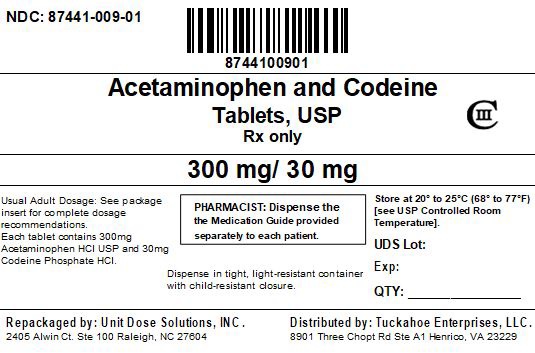
(codeine · DailyMed)
SINUTAB-WITH-CODEINE COMBINATION PRODUCT TABLET
PHENYLTOLOXAMINE CITRATE, PARACETAMOL, CODEINE PHOSPHATE, PHENYLPROPANOLAMINE HCL
What it does
Codeine is an opioid pain reliever used to treat mild to moderate pain.
Commonly used for: pain relief, mild to moderate pain management
Read more in plain English ↓Plain-language summary for general understanding - not medical advice. Always follow your pharmacist/doctor.
Ask about this medicine
Answers come only from this medicine's registration record, BNF monograph and interaction data - not medical advice.
Medicine sourcing is available in Kenya only. We don't sell or dispense medicines - licensed pharmacies do.
Sourcing - Kenya onlyRegistration & product details
Source: Pharmacy and Medicines Regulatory Authority · fetched 2026-04-21 17:37:41 · updated 2026-09-29 04:33:05
Drug Interactions
72Pharmacodynamic Warnings
Paracetamol appears in TABLE 1: Drugs that cause hepatotoxicity
Codeine appears in TABLE 11: Drugs with CNS depressant effects
Severe (6)
Opioids - decreases concentration
Brigatinib potentially decreases the concentration of opioids (alfentanil, fentanyl). Avoid. Also see TABLE 6 p. 1518
Opioids - increases exposure
Ceritinib is predicted to increase the exposure to opioids (alfentanil, fentanyl). Avoid. Theoretical → Also see TABLE 6 p. 1518
Opioids - increases risk of cnstoxicity
Ritonavir increases the risk of CNS toxicity when given with opioids (pethidine). Avoid.
Opioids - decreases exposure
Lorlatinib is predicted to decrease the exposure to opioids (alfentanil, fentanyl). Avoid.
Opioids - increases risk of adverse effects
Selegiline increases the risk of adverse effects when given with opioids (pethidine). Avoid. Also see TABLE 13 p. 1520
Opioids - increases exposure
Selpercatinib is predicted to increase the exposure to opioids (alfentanil, buprenorphine). Avoid.
Moderate (34)
Opioids - increases exposure
Dronedaroneispredictedtoincreasetheexposuretoopioids (alfentanil,buprenorphine,fentanyl,oxycodone).Monitorand adjustdose.oStudy →AlsoseeTABLE6p.1518
Opioids - increases concentration
Amiodarone is predicted to increase the concentration of opioids (fentanyl). Monitor and adjust dose. Also see TABLE 6 p. 1518.
Opioids - decreases concentration
Carbamazepine decreases the concentration of opioids (tramadol). Adjust dose.
Opioids - increases exposure
Miconazole is predicted to increase the exposure to opioids (alfentanil). Use with caution and adjust dose.
Opioids - increases exposure
Antifungals, azoles (fluconazole, isavuconazole, posaconazole) are predicted to increase the exposure to opioids (alfentanil, buprenorphine, fentanyl, oxycodone). Monitor and adjust dose.
Unknown (32)
Codeine - decreases efficacy
Bupropionispredictedtodecreasetheefficacyofopioids (codeine).oTheoretical
Codeine - decreases efficacy
Cinacalcetispredictedtodecreasetheefficacyofopioids (codeine).oTheoretical
Codeine - decreases efficacy
Terbinafineispredictedtodecreasetheefficacyofcodeine. oTheoretical
Codeine - decreases exposure
Rifampicin decreases the exposure to opioids (codeine, morphine).
Coumarins - increases anticoagulant effect
Paracetamol increases the anticoagulant effect of coumarins.
Data from BNF 85 (British National Formulary). This is not a substitute for professional medical advice. Matched via: class
About codeine
Codeine is an opioid pain reliever used to treat mild to moderate pain.
What it treats
- pain relief
- mild to moderate pain management
How it works
Codeine works by blocking pain signals in the brain, helping to reduce the feeling of pain.
Who it's for
Codeine is for adults and children over 12 years who need relief from pain.
Drug class
Opioids
Cautions
- • Be cautious if taking other medications that can cause drowsiness or slow breathing.
AI-assisted summary grounded in BNF data - general information only, not medical advice. Always confirm with your pharmacist or doctor.
About paracetamol
Paracetamol is a common pain relief medication used to reduce fever and relieve mild to moderate pain.
What it treats
- fever
- headaches
- muscle aches
- joint pain
- toothaches
- menstrual cramps
How it works
Paracetamol works by blocking pain signals in the brain and helping to lower body temperature.
Who it's for
Paracetamol is suitable for most adults and children who need pain relief or fever reduction.
Cautions
- • Use with caution if you are taking other drugs that may harm the liver.
AI-assisted summary grounded in BNF data - general information only, not medical advice. Always confirm with your pharmacist or doctor.
About phenylpropanolamine
Phenylpropanolamine is a medication used for relieving nasal congestion and treating conditions like urinary incontinence.
What it treats
- nasal congestion (blocked nose)
- urinary incontinence (loss of bladder control)
How it works
It works by narrowing blood vessels to reduce swelling in the nasal passages and by tightening the muscles that control the bladder.
Who it's for
This medicine is for adults and children over 12 years old who need relief from nasal congestion or bladder control issues.
Cautions
- • Do not use if you have high blood pressure.
- • Avoid if you have certain heart conditions.
AI-assisted summary grounded in BNF data - general information only, not medical advice. Always confirm with your pharmacist or doctor.
About phenyltoloxamine
Phenyltoloxamine is an antihistamine used to relieve allergy symptoms.
What it treats
- allergic reactions
- hay fever (allergic rhinitis)
- itching or hives (urticaria)
How it works
It works by blocking the action of histamine, a substance in the body that causes allergic symptoms.
Who it's for
It is suitable for adults and children who need relief from allergy symptoms.
AI-assisted summary grounded in BNF data - general information only, not medical advice. Always confirm with your pharmacist or doctor.
Clinical monograph: Codeinephosphate
BNF-referencedCodeine phosphate is an opioid analgesic used primarily for the management of mild to moderate pain. It can be combined with other analgesics, such as paracetamol, to enhance its pain-relieving effects. Codeine is also sometimes used to relieve cough; however, its use in children, particularly for cough treatment, is highly restricted due to safety concerns.
Indications
- Mild to moderate pain
- Short-term treatment of acute moderate pain
- Dry or painful cough
Dosage
Children: Children aged 12-17 years: 30-60 mg every 6 hours if required for a maximum of 3 days; maximum 240 mg per day. Use is contraindicated in children under 12 years.
Adults: 30 mg 3-4 times daily; usual dose 15-60 mg 3-4 times daily; maximum dose 240 mg per day.
Mechanism of action
Codeine is metabolized in the liver to morphine, which binds to mu-opioid receptors in the central nervous system, resulting in analgesia. This action alters the perception of and response to painful stimuli, providing relief from pain. Additionally, it may reduce the cough reflex through action on the cough center in the medulla.
Pharmacodynamics
As an opioid, codeine has a dose-dependent effect on pain relief and is associated with side effects typical of opioids, such as sedation, constipation, and potential respiratory depression. Its efficacy varies significantly among individuals due to genetic differences in metabolism, particularly involving the CYP2D6 enzyme, which converts codeine to morphine.
Pharmacokinetics
Codeine phosphate is well absorbed from the gastrointestinal tract. It undergoes extensive first-pass metabolism in the liver, where it is converted to its active metabolite, morphine, and other metabolites. The peak plasma concentration occurs approximately 1-2 hours after oral administration. Codeine has a half-life of 3-4 hours, and both codeine and its metabolites are eliminated primarily via the kidneys.
Contra-indications
- Children under 12 years old
- Patients of any age known to be CYP2D6 ultra-rapid metabolisers
- Acute ulcerative colitis
- Antibiotic-associated colitis
- Children under 18 years who undergo the removal of tonsils or adenoids
Adverse effects
- Drowsiness
- Constipation
- Nausea
- Vomiting
- Dizziness
- Dry mouth
- Fatigue
- Malaise
- Mood alterations
- Hypotension
- Hypothermia
- Increased intracranial pressure
- Nightmares
- Muscle rigidity
- Lymphadenopathy
- Pancreatitis
Interactions
- CNS depressants (e.g. benzodiazepines, alcohol)
- MAO inhibitors
- Other opioids
- Antidepressants
- Antipsychotics
- Antihistamines
Precautions
- Use with caution in patients with respiratory depression
- History of substance abuse
- Cardiac arrhythmias
- Gallstones
- Mild to moderate pain in adolescents aged 12–18 years with breathing problems
Pregnancy
Codeine phosphate should be used in pregnancy only if the potential benefit justifies the potential risk to the fetus. There is a risk of neonatal opioid withdrawal syndrome if used in late pregnancy.
Breast-feeding
Codeine phosphate is not recommended for breastfeeding mothers due to the risk of opioid toxicity in infants. It is present in breast milk and the metabolism of codeine can vary significantly between individuals.
Storage
Store in a cool, dry place away from direct sunlight. Keep out of reach of children.
Formulations
- Codeine phosphate 30 mg capsules
- Codeine phosphate 30 mg tablets
- Combination products with paracetamol (e.g. Kapake, Solpadol, Tylex, Zapain)
AI-synthesized from BNF references - general information only, not a substitute for professional medical advice or the current BNF. Verify doses with a pharmacist.
Clinical monograph: Paracetamol
BNF-referencedParacetamol, also known as acetaminophen, is a widely used analgesic and antipyretic medication. It is effective in alleviating pain and reducing fever but does not possess anti-inflammatory properties. Paracetamol is often used for mild to moderate pain relief, including headaches, muscle aches, arthritis, backaches, toothaches, colds, and fevers. Its mechanism of action is primarily central, as it affects the brain's heat-regulating centers and increases pain thresholds.
Indications
- Mild to moderate pain
- Fever
- Headaches
- Muscle aches
- Arthritis
- Backaches
- Toothaches
- Colds
Dosage
Adults: For adults, the typical dosage is 500 mg to 1 g every 4 to 6 hours, with a maximum daily limit of 4 g. In cases of intravenous administration, the dosage is 15 mg/kg every
Mechanism of action
Paracetamol is thought to exert its analgesic effects by inhibiting cyclo-oxygenase (COX) enzymes, specifically COX-1 and COX-2, which are involved in the synthesis of prostaglandins responsible for pain sensation. Unlike most NSAIDs, paracetamol does not exhibit peripheral anti-inflammatory effects. Its antipyretic action is believed to result from direct action on heat-regulating centers in the brain, leading to peripheral vasodilation and sweating.
Pharmacodynamics
Paracetamol has been shown to have both antipyretic and analgesic effects, lacking any significant anti-inflammatory activity. It does not interfere with platelet aggregation or disrupt hemostasis, making it a safer option for individuals at risk of bleeding. Allergic reactions to paracetamol are rare. The drug does not affect uric acid secretion or acid-base balance when used at recommended doses.
Pharmacokinetics
Paracetamol is rapidly absorbed from the gastrointestinal tract, with peak plasma concentrations typically occurring within 30 to 60 minutes after oral administration. It is primarily metabolized in the liver via conjugation with glucuronide and sulfate, with a minor pathway involving cytochrome P450 enzymes. The elimination half-life ranges from 1 to 4 hours, with renal excretion of metabolites as the primary route of elimination.
Adverse effects
- Nausea and vomiting
- Liver injury
- Renal damage
- Hypersensitivity reactions
- Flushing
- Hypotension
- Anorectal erythema
- Angioedema
- Agranulocytosis
- Thrombocytopenia
- Leukopenia
- Severe cutaneous adverse reactions (SCARs)
Interactions
- Increased risk of methaemoglobinaemia with topical prilocaine
- Increased risk of methaemoglobinaemia with topical anaesthetics
- Increased anticoagulant effect with coumarins
- Increased risk of hepatotoxicity with imatinib
- Decreased exposure with rifampicin
- Decreased exposure with pitolisant
Precautions
- Monitor patients with liver disease or heavy alcohol use for increased risk of hepatotoxicity
- Adjust doses in patients taking enzyme-inducing antiepileptic medications
- Use caution in patients with renal impairment
- Clinical judgement is required for dose adjustment in weight-based dosing
Pregnancy
Paracetamol is generally considered safe to use during pregnancy for pain and fever relief, but should be used at the lowest effective dose for the shortest duration necessary.
Breast-feeding
Paracetamol is excreted in breast milk in small amounts and is considered safe for use while breastfeeding.
Storage
Store in a cool, dry place away from direct sunlight. Keep out of reach of children.
Formulations
- Oral tablets (500 mg)
- Oral suspension (120 mg/5 mL, 500 mg/5 mL)
- Rectal suppositories (various strengths)
- Intravenous infusion (various strengths)
AI-synthesized from BNF references - general information only, not a substitute for professional medical advice or the current BNF. Verify doses with a pharmacist.
Clinical monograph: codeine
BNF-referencedCodeine is an opioid analgesic that is commonly used for the relief of mild to moderate pain and as a cough suppressant. It is similar in action to morphine but is less potent. Codeine acts primarily on the mu-opioid receptors in the central nervous system, where it alters the perception of pain and the emotional response to pain. It is also used to suppress cough and can cause sedation and respiratory depression.
Indications
- Mild to moderate pain relief
- Cough suppression
- Cough associated with tuberculosis
- Insomnia due to cough
Dosage
Children: Refer to
Adults: Refer to the BNF for specific dosing guidelines for adults.
Mechanism of action
Codeine exerts its analgesic and antitussive effects mainly through the agonism of mu-opioid receptors in the central nervous system. Although only a small portion of codeine is metabolized to morphine, the analgesic effect is believed to be mediated by codeine-6-glucuronide, which has an affinity for mu receptors and can be converted to morphine-6-glucuronide, a more potent metabolite. The activation of G-proteins reduces intracellular cAMP and calcium levels, leading to hyperpolarization of nociceptive neurons and impaired pain signal transmission. Additionally, codeine suppresses the cough reflex by acting on the cough center in the medulla.
Pharmacodynamics
Codeine is classified as a weak narcotic pain reliever and cough suppressant. It increases pain tolerance and reduces discomfort while also inducing sedation, drowsiness, and respiratory depression. Codeine's antitussive action is effective particularly in cases of cough associated with tuberculosis and insomnia due to coughing. Furthermore, it may decrease intestinal motility, leading to constipation, and chronic use can result in obstructive bowel disease in susceptible individuals.
Pharmacokinetics
Codeine is absorbed from the gastrointestinal tract, with peak plasma concentrations occurring approximately 1 to 2 hours after administration. It is metabolized primarily in the liver by the cytochrome P450 system, particularly CYP2D6, which converts a small percentage to morphine. Codeine has a variable half-life, typically ranging from 3 to 4 hours. It is excreted mainly in the urine, primarily as metabolites.
Contra-indications
- Hypersensitivity to codeine or any of its components
- Severe respiratory depression
- Acute or severe bronchial asthma or hypercapnia
- Concurrent use of monoamine oxidase inhibitors (MAOIs) or within 14 days of stopping MAOIs
- Paralytic ileus
Adverse effects
- Sedation
- Drowsiness
- Respiratory depression
- Constipation
- Nausea
- Vomiting
- Dry mouth
- Dizziness
- Headache
- Itching or rash
Interactions
- bupropion+codeine: Unknown (decreases efficacy)
- cinacalcet+codeine: Unknown (decreases efficacy)
- terbinafine+codeine: Unknown (decreases efficacy)
- rifampicin+codeine: Unknown (decreases exposure)
Precautions
- Use with caution in patients with a history of substance use disorder
- Monitor for signs of respiratory depression, especially in opioid-naïve patients
- Caution in elderly patients or those with impaired hepatic or renal function
- Risk of addiction, abuse, and misuse
- Avoid abrupt discontinuation in patients on prolonged therapy
Pregnancy
Use only if clearly needed, as codeine may affect the fetus. Prolonged use during pregnancy may lead to neonatal withdrawal syndrome.
Breast-feeding
Caution is advised as codeine is excreted in breast milk and may cause respiratory depression in nursing infants.
Storage
Store in a cool, dry place away from direct sunlight. Keep out of reach of children.
Formulations
- Oral tablets
- Oral solution
- Syrup
- Combination products with other analgesics or cough suppressants
AI-synthesized from BNF references - general information only, not a substitute for professional medical advice or the current BNF. Verify doses with a pharmacist.
Clinical monograph: phenylpropanolamine
BNF-referencedPhenylpropanolamine (PPA) is a sympathomimetic agent that acts primarily as a decongestant. It is structurally similar to pseudoephedrine and is used to alleviate nasal congestion by acting on alpha- and beta-adrenergic receptors. PPA has been included in various formulations, including those for cough and cold remedies, as well as appetite suppressants. However, it has been associated with an increased risk of hemorrhagic stroke, particularly in women, leading to its withdrawal from the market in the United States.
Indications
- Nasal congestion
- Cough-cold formulations
- Appetite suppression
Dosage
Adults: Refer to the BNF for
Mechanism of action
Phenylpropanolamine acts directly on alpha- and, to a lesser extent, beta-adrenergic receptors in the respiratory tract mucosa. Activation of alpha-adrenergic receptors induces vasoconstriction, which decreases tissue hyperemia, edema, and nasal congestion, thereby improving nasal airway patency. PPA may also stimulate beta-receptors, resulting in tachycardia and a positive inotropic effect. The drug likely functions by releasing norepinephrine from its storage sites, with alpha-adrenergic effects emerging from inhibition of adenyl cyclase activity and beta-adrenergic effects from cyclic adenosine 3',5'-monophosphate (AMP) production via adenyl cyclase activation. Repeated use can lead to norepinephrine depletion, resulting in tachyphylaxis.
Pharmacodynamics
Phenylpropanolamine, classified as a sympathomimetic, primarily serves as a decongestant. Its usage has declined due to safety concerns, particularly the risk of hemorrhagic stroke in female patients. Despite its decongestant properties, the FDA has advised against its use in over-the-counter products since 2000, reflecting its potential adverse effects.
Pharmacokinetics
The pharmacokinetics of phenylpropanolamine include its absorption, distribution, metabolism, and excretion characteristics, though specific data on half-life and bioavailability are not detailed in the provided information. Its sympathomimetic effects are mediated through adrenergic receptor stimulation, and prolonged use may lead to decreased efficacy due to tachyphylaxis.
Contra-indications
- Hypersensitivity to phenylpropanolamine or any component of the formulation
- Severe hypertension
- Severe coronary artery disease
- Hyperthyroidism
- Glaucoma
- Concurrent use of monoamine oxidase inhibitors (MAOIs)
Adverse effects
- Hypertension
- Tachycardia
- Nervousness
- Dizziness
- Insomnia
- Headache
- Dry mouth
- Nausea
- Vomiting
- Constipation
Interactions
- MAO inhibitors - may cause hypertensive crisis
- Tricyclic antidepressants - may enhance hypertensive effect
- Beta-blockers - may diminish the effectiveness of phenylpropanolamine
- Other sympathomimetics - increased risk of cardiovascular side effects
Precautions
- Use with caution in patients with cardiovascular disease
- Monitor blood pressure regularly during treatment
- Caution in patients with diabetes, prostate enlargement, or urinary retention
- Not recommended for use in children under 12 years of age
Pregnancy
Phenylpropanolamine should be used during pregnancy only if the potential benefit justifies the potential risk to the fetus. Safety in pregnancy has not been established.
Breast-feeding
It is not known whether phenylpropanolamine is excreted in human milk. Caution is advised when administering to breastfeeding women.
Storage
Store at room temperature, away from moisture and heat. Keep out of reach of children.
Formulations
- Phenylpropanolamine hydrochloride tablet
- Phenylpropanolamine syrup
AI-synthesized from BNF references - general information only, not a substitute for professional medical advice or the current BNF. Verify doses with a pharmacist.
Clinical monograph: phenylpropanolaminehydrochloride
Phenylpropanolamine hydrochloride is a sympathomimetic amine that acts as a nasal decongestant and appetite suppressant. It is commonly used in over-the-counter medications for the relief of nasal congestion associated with allergies, colds, and sinusitis, as well as in weight loss formulations. The drug works primarily by stimulating alpha-adrenergic receptors, leading to vasoconstriction in the nasal mucosa, thereby reducing swelling and congestion.
Indications
- Nasal congestion due to allergies
- Common cold
- Sinusitis
- Appetite suppression
Dosage
Children: Refer to specific product guidelines for dosing information, as it can vary by formulation and indication.
Adults: Refer to specific product guidelines for dosing information, as it can vary by formulation and indication.
Mechanism of action
Phenylpropanolamine acts primarily as an adrenergic agonist, stimulating alpha-1 adrenergic receptors. This stimulation results in vasoconstriction of blood vessels in the nasal mucosa, leading to decreased edema and congestion. Additionally, it may have effects on the central nervous system, contributing to appetite suppression.
Pharmacodynamics
The pharmacodynamics of phenylpropanolamine involves its action on adrenergic receptors, particularly alpha-1 receptors, which mediate smooth muscle contraction and vasoconstriction. This leads to increased blood pressure and decreased blood flow to the nasal mucosa, ameliorating symptoms of nasal congestion. Its central effects may also include increased alertness and decreased appetite, although these effects vary among individuals.
Pharmacokinetics
Phenylpropanolamine is absorbed from the gastrointestinal tract and reaches peak plasma concentrations within 1 to 3 hours after oral administration. It is metabolized by monoamine oxidase and other pathways in the liver, with a half-life ranging from 2 to 4 hours. The drug is primarily excreted in the urine, both as unchanged drug and metabolites. Factors such as age, liver function, and other medications can influence its pharmacokinetics.
Contra-indications
- Hypersensitivity to phenylpropanolamine or any component of the formulation
- Severe hypertension
- Severe cardiovascular disorders
- Hyperthyroidism
- Glaucoma
- Use in patients taking monoamine oxidase inhibitors (MAOIs)
Adverse effects
- Insomnia
- Nervousness
- Dizziness
- Headache
- Tachycardia
- Palpitations
- Hypertension
- Dry mouth
- Nausea
Interactions
- Increased risk of hypertension when used with other sympathomimetics
- Potentially increased effects with MAOIs leading to hypertensive crises
- May decrease effectiveness of antihypertensive medications
Precautions
- Use with caution in patients with a history of hypertension
- Monitor blood pressure regularly during treatment
- Caution in patients with diabetes mellitus or prostate enlargement
- Avoid use in pregnant or breastfeeding women unless clearly necessary
Pregnancy
Phenylpropanolamine is not recommended during pregnancy due to potential risks. Consult a healthcare provider for alternative treatments.
Breast-feeding
It is advisable to avoid phenylpropanolamine while breastfeeding due to potential effects on the infant. Consult a healthcare provider for safer alternatives.
Storage
Store at room temperature, away from moisture and heat. Keep out of reach of children.
Formulations
- Tablets
- Capsules
- Syrup
AI-synthesized from BNF references - general information only, not a substitute for professional medical advice or the current BNF. Verify doses with a pharmacist.
Clinical monograph: phenyltoloxamine
BNF-referencedPhenyltoloxamine is a first-generation H1 antihistamine used primarily for its antihistaminic properties in treating allergic conditions. It is effective in alleviating symptoms associated with allergic rhinitis, allergic conjunctivitis, and urticaria. Due to its ability to cross the blood-brain barrier, it may also cause sedation and other central nervous system effects, making it useful in certain contexts beyond its primary indication.
Indications
- Allergic rhinitis
- Allergic conjunctivitis
- Urticaria
Dosage
Children: Refer to the BNF for Children for specific dosage guidance.
Adults: Refer to the BNF for specific dosage guidance.
Mechanism of action
Phenyltoloxamine interferes with the agonist activity of histamine at the H1 receptor, which helps in the attenuation of inflammatory processes. It operates through the phospholipase C and phosphatidylinositol (PIP2) signaling pathways, leading to a reduction in the activity of the NF-kB immune response transcription factor. This mechanism decreases antigen presentation and the expression of pro-inflammatory cytokines, cell adhesion molecules, and chemotactic factors. Additionally, it enhances mast cell stability by lowering calcium ion concentration, which reduces further histamine release. Furthermore, phenyltoloxamine's ability to cross the blood-brain barrier results in sedation and various CNS effects.
Pharmacodynamics
As a first-generation H1 antihistamine, phenyltoloxamine has significant central nervous system effects due to its ability to cross the blood-brain barrier. This results in common adverse effects such as drowsiness, sedation, and fatigue. These sedative effects may contribute to its potential adjunctive analgesic and antitussive actions in specific clinical scenarios, particularly when distress from pain or cough is prevalent.
Pharmacokinetics
The pharmacokinetics of phenyltoloxamine, like many first-generation antihistamines, are characterized by rapid absorption and significant distribution throughout the body, including the central nervous system. The metabolism and elimination pathways are not well-defined in the provided sources, but first-generation antihistamines are generally metabolized in the liver and excreted primarily via the kidneys.
Adverse effects
- Drowsiness
- Sedation
- Somnolence
- Fatigue
- Nervousness
- Insomnia
Pregnancy
Safety in pregnancy has not been established. Use only if clearly needed and after assessing potential benefits and risks.
Breast-feeding
It is not known if phenyltoloxamine is excreted in human milk. Caution is advised when administered to breastfeeding women.
Storage
Store at room temperature away from moisture and heat. Keep out of reach of children.
Formulations
- Tablets
- Syrup
AI-synthesized from BNF references - general information only, not a substitute for professional medical advice or the current BNF. Verify doses with a pharmacist.
Molecular reference: Paracetamol
PubChem CID 1983Molecular formula: C8H9NO2
Mechanism of action
According to its FDA labeling, acetaminophen's exact mechanism of action has not been fully established - despite this, it is often categorized alongside NSAIDs (non-steroidal anti-inflammatory drugs) due to its ability to inhibit the cyclo-oxygenase (COX) pathways. It is thought to exert central actions which ultimately lead to the alleviation of pain symptoms. One theory is that acetaminophen increases the pain threshold by inhibiting two isoforms of cyclo-oxygenase, COX-1 and COX-2, which are involved in prostaglandin (PG) synthesis. Prostaglandins are responsible for eliciting pain sensations. Acetaminophen does not inhibit cyclooxygenase in peripheral tissues and, therefore, has no peripheral anti-inflammatory effects. Though acetylsalicylic acid (aspirin) is an irreversible inhibitor of COX and directly blocks the active site of this enzyme, studies have shown that acetaminophen (paracetamol) blocks COX indirectly. Studies also suggest that acetaminophen selectively blocks a variant type of the COX enzyme that is unique from the known variants COX-1 and COX-2. This enzyme has been referred to as _COX-3_. The antipyretic actions of acetaminophen are likely attributed to direct action on heat-regulating centers in the brain, resulting in peripheral vasodilation, sweating, and loss of body heat. The exact mechanism of action of this drug is not fully understood at this time, but future research may contribute to deeper knowledge. Although further investigation is warranted, the active metabolite of acetaminophen (AM404) was shown to interact with several molecular targets, including the Ca<sub>v</sub>3.2 calcium channel, the cannabinoid CB1 receptors, TRPV1 receptors, and Na<sub>v</sub>1.8 and Na<sub>v</sub>1.7 channels. Acetaminophen produces analgesia and antipyresis by a mechanism similar to that of salicylates. Unlike salicylates, however, acetaminophen does not have uricosuric activity. There is some evidence that acetaminophen has weak anti-inflammatory activity in some nonrheumatoid conditions (e.g., in patients who have had oral surgery). ... Acetaminophen lowers body temperature in patients with fever but rarely lowers normal body temperature. The drug acts on the hypothalamus to produce antipyresis; heat dissipation is increased as a result of vasodilation and increased peripheral blood flow. The effects of acetaminophen on cyclooxygenase activity have not been fully determined. Acetaminophen is a weak, reversible, isoform-nonspecific cyclooxygenase inhibitor at dosages of 1 g daily. The inhibitory effect of acetaminophen on cyclooxygenase-1 is limited, and the drug does not inhibit platelet function. Therapeutic doses of acetaminophen appear to have little effect on cardiovascular and respiratory systems; however, toxic doses may cause circulatory failure and rapid, shallow breathing. Acetaminophen (N-acetyl-p-aminophenol (APAP)) is the most common antipyretic/analgesic medicine worldwide. If APAP is overdosed, its metabolite, N-acetyl-p-benzo-quinoneimine (NAPQI), causes liver damage. However, epidemiological evidence has associated previous use of therapeutic APAP doses with the risk of chronic obstructive pulmonary disease (COPD) and asthma. The transient receptor potential ankyrin-1 (TRPA1) channel is expressed by peptidergic primary sensory neurons. Because NAPQI, like other TRPA1 activators, is an electrophilic molecule, /the researchers/ hypothesized that APAP, via NAPQI, stimulates TRPA1, thus causing airway neurogenic inflammation. NAPQI selectively excites human recombinant and native (neuroblastoma cells) TRPA1. TRPA1 activation by NAPQI releases proinflammatory neuropeptides (substance P and calcitonin gene-related peptide) from sensory nerve terminals in rodent airways, thereby causing neurogenic edema and neutrophilia. Single or repeated administration of therapeutic (15-60 mg/kg) APAP doses to mice produces detectable levels of NAPQI in the lung, and increases neutrophil numbers, myeloperoxidase
Pharmacodynamics
Animal and clinical studies have determined that acetaminophen has both antipyretic and analgesic effects. This drug has been shown to lack anti-inflammatory effects. As opposed to the _salicylate_ drug class, acetaminophen does not disrupt tubular secretion of uric acid and does not affect acid-base balance if taken at the recommended doses. Acetaminophen does not disrupt hemostasis and does not have inhibitory activities against platelet aggregation. Allergic reactions are rare occurrences following acetaminophen use.
Biological pathways
Source: PubChem (NCBI) · pathways from PathBank, Reactome, WikiPathways & PharmGKB.
Molecular reference: codeine
PubChem CID 5284371Molecular formula: C18H21NO3
Mechanism of action
Although the exact mechanism of action of codeine is still unknown, it is generally thought to be mediated through the agonism of opioid receptors, particularly the mu-opioid receptors. Morphine was previously postulated to contribute to the analgesic effect of codeine due to the O-demethylation of codeine to morphine by CYP2D6. Particularly, CYP2D6 poor metabolizer did not experience the analgesic effect of codeine. However, this is unlikely to be the main mechanism of action of codeine as only 5% of codeine is metabolized to morphine. Other hypotheses also postulate that codeine-6-glucuronide, the main metabolite of codeine, mediates the analgesic effect of codeine as it not only has an affinity to the mu receptors as codeine but also can be metabolized to morphine-6-glucuronide, which was observed to be more potent than morphine. Binding to the mu receptors by codeine activates the G-proteins Gα<sub>i</sub>, causing a decrease in intracellular cAMP and Ca<sup>2+</sup> level. This causes hyperpolarization of nociceptive neurons, thus imparing the transmission of pain signals. Codeine causes suppression of the cough reflex by a direct effect on the cough center in the medulla of the brain and appears to exert a drying effect on respiratory tract mucosa and to increase viscosity of bronchial secretions.
Pharmacodynamics
**General effects** Codeine is a weak narcotic pain reliever and cough suppressant that is similar to morphine and hydrocodone. A small amount of ingested codeine is converted to morphine in the body. Codeine increases tolerance to pain, reducing existing discomfort. In addition to decreasing pain, codeine also causes sedation, drowsiness, and respiratory depression. **Antitussive activity** This drug has shown antitussive activity in clinical trials and has been effective in cough secondary to tuberculosis and insomnia due to coughing. Codeine suppresses the cough reflex through a direct effect on the cough center in the medulla. **Effects on intestinal motility** Codeine may reduce intestinal motility through both a local and possibly central mechanism of action. This may possibly lead to constipation. The chronic use of opioids, including codeine sulfate, may lead to obstructive bowel disease, particularly in patients with underlying disorders of intestinal motility. **Effects on the central nervous system** Codeine phosphate is an opioid analgesic with uses similar to those of morphine, but is much less potent as an analgesic. Its primary site of action is at the _mu_ opioid receptors distributed throughout the central nervous system. The sedative activities of codeine are less potent than those of morphine. Codeine may cause respiratory system depression by the activation of μ-opioid receptors at specific sites in the central nervous system. **Effects on blood pressure** This drug poses an increased risk of compromised ability to maintain blood pressure due to peripheral vasodilation and other mechanisms. **Effects on chronic cancer pain and other types of pain** Codeine is an opioid analgesic with similar indications to those of morphine, however, is much less potent in its pain alleviating properties. Its primary action takes place at the mu opioid receptors, which are distributed throughout the central nervous system. The average duration of action is about 4 hours. Regular dosing of opioid analgesics such as codeine in patients with severe cancer pain has been well documented to improve symptoms,.
Biological pathways
Source: PubChem (NCBI) · pathways from PathBank, Reactome, WikiPathways & PharmGKB.
Molecular reference: phenylpropanolamine
PubChem CID 10297Molecular formula: C9H13NO
Mechanism of action
Phenylpropanolamine acts directly on alpha- and, to a lesser degree, beta-adrenergic receptors in the mucosa of the respiratory tract. Stimulation of alpha-adrenergic receptors produces vasoconstriction, reduces tissue hyperemia, edema, and nasal congestion, and increases nasal airway patency. PPA indirectly stimulates beta-receptors, producing tachycardia and a positive inotropic effect. The mechanism of action of phenylpropanolamine has not been conclusively determined. The drug may directly stimulate adrenergic receptors but probably indirectly stimulates both A- and B-adrenergic receptors by releasing norepinephrine from its storage sites. It is believed that B-adrenergic effects result from stimulation of cyclic adenosine 3',5'-monophosphate (AMP) production by activation of the enzyme adenyl cyclase, whereas A-adrenergic effects result from inhibition of adenyl cyclase activity. With prolonged use or too frequent administration, indirectly acting sympathomimetics may deplete norepinephrine in sympathetic nerve endings and tachyphylaxis may develop. Tachyphylaxis induced by one indirectly acting sympathomimetic may result in refractoriness to other drugs of the same class. /Phenylpropanolamine hydrochloride/ Whether the alpha1- and alpha2-adrenoceptor mediated increases in diastolic blood pressure effected by phenylpropanolamine and its enantiomers are altered by, or independent of beta2-mediated vasodilation, or beta2-adrenoceptor blockade were studied in pithed rats. The pressor responses were enhanced in the presence of the antagonist ICI-118551 and diminished in the presence of albuterol. It was concluded that each form of phenylpropanolamine possesses the intrinsic ability to interact with all of the adrenoceptors in the system used and that the interaction with those adrenoceptors determines the net increase in diastolic blood pressure that follows the intravenous administration of the compounds. These findings have a bearing on the recent controversy regarding the use of beta-blocking agents in the treatment of overdosage of phenylpropanolamine.
Pharmacodynamics
Phenylpropanolamine (PPA), a sympathomimetic agent structurally similar to pseudoephedrine, is used to treat nasal congestion. Phenylpropanolamine is found in appetite suppressant formulations and with guaifenesinin in cough-cold formulations. In 2000, the FDA requested that all drug companies discontinue marketing products containing phenylpropanolamine, due to an increased risk of hemorrhagic stroke in women who used phenylpropanolamine.
Source: PubChem (NCBI) · pathways from PathBank, Reactome, WikiPathways & PharmGKB.
Molecular reference: phenyltoloxamine
PubChem CID 7077Molecular formula: C17H21NO
Mechanism of action
As a first-generation H1 antihistamine, phenyltoloxamine interferes with the agonist activity of histamine at the H1 receptor and are ostensibly used to attenuate inflammatory processes as a means to treat conditions like allergic rhinitis, allergic conjunctivitis, and urticaria. Reduction of the activity of the NF-kB (nuclear factor kappa-light-chain-enhancer of activated B cells) immune response transcription factor via the phospholipase C and phosphatidylinositol (PIP2) signaling pathways also serves to decrease antigen presentation and the expression of pro-inflammatory cytokines, cell adhesion molecules, and chemotactic factors. Moreover, lowering calcium ion concentration leads to increased mast cell stability which reduces further histamine release. Additionally, first-generation antihistamines like phenyltoloxamine readily cross the blood-brain barrier and cause sedation and other adverse central nervous system (CNS) effects, like nervousness and insomnia. By comparison, second-generation antihistamines are more selective for H1 receptors in the peripheral nervous system and do not cross the blood-brain barrier, resulting in fewer adverse drug effects overall. Furthermore, although some studies propose that phenyltoloxamine may possess some intrinsic antispasmodic and distinct local anesthetic properties, the specific mechanisms of action for these effects have not been formalized. Also, even though the combination of phenyltoloxamine's ability to cross the blood-brain barrier and cause various tranquilizing effects may explain to some extent how it may be able to potentiate analgesic effects, there are also studies that observed no potentiating effects associated with phenyltoloxamine use either.
Pharmacodynamics
As a member of the first generation H1 antihistamines, it is known that phenyltoloxamine - like virtually all first generation H1 antihistamines - has a propensity for crossing the blood-brain barrier and acting on H1 histamine receptors there to interfere with neurotransmission. The most common results of this kind of first generation H1 antihistamine CNS neurotransmission interference are adverse effects like drowsiness, sedation, somnolence, and fatigue. Given these effects, under specific circumstances like a patient experiencing a pain or a cough that may be preoccupying all of their waking energy and attention, it is perhaps possible that the sedative and tranquilizing characteristics of phenyltoloxamine may be the factors that contribute to its apparent adjunctive analgesic and antitussive actions.
Biological pathways
Source: PubChem (NCBI) · pathways from PathBank, Reactome, WikiPathways & PharmGKB.
This drug in other countries
The same active ingredient registered across other registries we cover - including different brands.
- ABMOL FORTE CAPSULES (Each hard gelatin contains Paracetamol / Diclofenac Sodium / Caffeine 325mg/50mg/30mg) · Socomed Pharma
- ABYCOLD SYRUP (Each 5ml contains Paracetamol/ Phenylephrine hydrochloride/ Chlorpheniramine maleate – 125mg/2.5mg/ 1mg Paracetamol/Phenylephrine Hydrochloride/Chlorpheniramine Maleate 125mg/2.5mg/ 1mg) · Socomed Pharmceuticals Pvt Limited
- ABYCOLD PLUS TABLETS · Socomed Pharma
- ABYCOLD-X TABLETS · Socomed Pharma
- ABYMOL FORTE CAPSULES (Each hard gelatin capsule contains Paracetamol/ Diclofenac sodium/ Caffeine Paracetamol/Phenylephrine Hydrochloride/Chlorpheniramine Maleate 325mg/50mg/30mg) · Socomed Pharmceuticals Pvt Limited
- ACELA 80 TABLETS · Osuka Pharmaceuticals