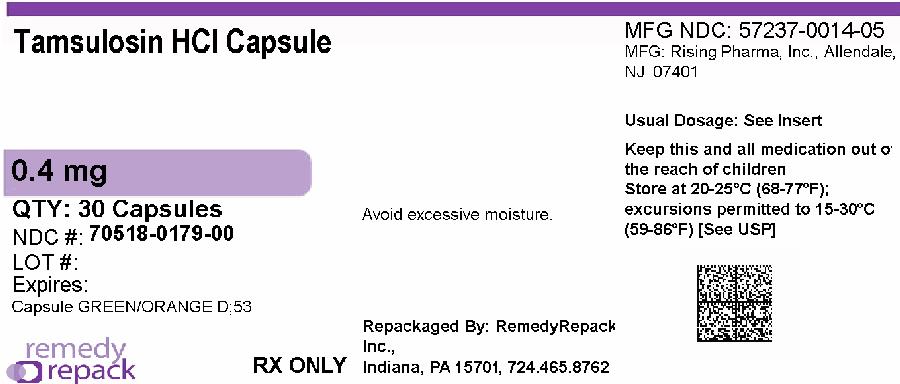
(tamsulosin · DailyMed)
TAMSOLIN-S TABLETS (0.4MG+6MG)
TAMSULOSIN HCL + SOLIFENACIN SUCCINATE
What it does
Solifenacin is a medication used to help control bladder problems by reducing the urge to urinate.
Commonly used for: overactive bladder, bladder control issues
Read more in plain English ↓Plain-language summary for general understanding - not medical advice. Always follow your pharmacist/doctor.
Ask about this medicine
Answers come only from this medicine's registration record, BNF monograph and interaction data - not medical advice.
Hard to find? We help patients in Kenya source rare medicines. We don't sell or dispense medicines - licensed pharmacies do.
Source this medicineRegistration & product details
Source: Pharmacy and Poisons Board · fetched 2026-01-28 19:30:25 · updated 2026-09-25 02:17:32
Drug Interactions
16Pharmacodynamic Warnings
Tamsulosin appears in TABLE 7: Drugs that cause first dose hypotension
Tamsulosin appears in TABLE 8: Drugs that cause hypotension
Solifenacin appears in TABLE 10: Drugs with antimuscarinic effects
Moderate (2)
Tamsulosin - increases exposure
Cobicistat is predicted to moderately increase the exposure to alpha blockers (alfuzosin, tamsulosin). Use with caution or avoid.
Tamsulosin - increases exposure
Idelalisib is predicted to moderately increase the exposure to alpha blockers (alfuzosin, tamsulosin). Use with caution or avoid.
Unknown (14)
Solifenacin - additive effect
Clozapine can cause constipation, as can solifenacin; concurrent use might increase the risk of developing intestinal obstruction. Also see TABLE 10 p. 1519
Solifenacin - increases exposure
Cobicistat is predicted to increase the exposure to solifenacin. Adjust solifenacin p. 853 or tamsulosin with solifenacin p. 859 dose; avoid in hepatic and renal impairment.
Solifenacin - increases exposure
Idelalisib is predicted to increase the exposure to solifenacin. Adjust solifenacin p. 853 or tamsulosin with solifenacin p. 859 dose; avoid in hepatic and renal impairment.
Solifenacin - increases exposure
Clarithromycin is predicted to increase the exposure to solifenacin. Adjust solifenacin p. 853 or tamsulosin with solifenacin p. 859 dose; avoid in hepatic and renal impairment.
Solifenacin - decreases exposure
Mitotaneispredictedtodecreasetheexposuretosolifenacin. oTheoretical
Data from BNF 85 (British National Formulary). This is not a substitute for professional medical advice. Matched via: exact
About solifenacin
Solifenacin is a medication used to help control bladder problems by reducing the urge to urinate.
What it treats
- overactive bladder
- bladder control issues
How it works
It works by relaxing the muscles in the bladder, allowing it to hold more urine and reducing the feeling of needing to urinate frequently.
Who it's for
This medication is for adults who experience symptoms of an overactive bladder.
Cautions
- • Avoid using with other medications that have similar effects on the bladder.
AI-assisted summary grounded in BNF data - general information only, not medical advice. Always confirm with your pharmacist or doctor.
About tamsulosin
Tamsulosin is a medication used to help improve urination in men with enlarged prostate (benign prostatic hyperplasia).
What it treats
- enlarged prostate (benign prostatic hyperplasia)
- difficulty urinating
How it works
Tamsulosin relaxes the muscles in the prostate and bladder neck, making it easier to urinate.
Who it's for
This medication is for men who have issues with urination due to an enlarged prostate.
Cautions
- • Be careful if you are taking other medications that can lower blood pressure.
- • Avoid medications that might cause sudden drops in blood pressure.
AI-assisted summary grounded in BNF data - general information only, not medical advice. Always confirm with your pharmacist or doctor.
Clinical monograph: Tamsulosinhydrochloride
BNF-referencedTamsulosin hydrochloride is an alpha-1 adrenoceptor antagonist primarily used in the management of benign prostatic hyperplasia (BPH), a condition characterized by an enlarged prostate causing urinary symptoms. By selectively blocking alpha-1 receptors in the prostate and bladder neck, Tamsulosin facilitates urinary flow and alleviates associated symptoms.
Indications
- Benign prostatic hyperplasia
- Bladder outlet obstruction
- Urinary retention
Dosage
Children: Not established; refer to BNF for Children for any potential dosing information.
Adults: Initially 400 micrograms once daily, taken after a meal. Dosage may be adjusted based on clinical response and tolerability, typically not exceeding 800 micrograms daily.
Mechanism of action
Tamsulosin exerts its therapeutic effects through selective antagonism of the alpha-1A adrenergic receptors found predominantly in the smooth muscle of the prostate and bladder neck. This action results in relaxation of these muscles, leading to improved urinary flow and reduced bladder outlet obstruction.
Pharmacodynamics
The pharmacodynamics of Tamsulosin involve its ability to decrease urinary resistance and improve urinary flow rates. It exhibits a preferential binding affinity for the alpha-1A receptors compared to alpha-1B receptors, which minimizes cardiovascular side effects commonly associated with non-selective alpha blockers. The onset of action typically occurs within a few days of starting treatment, although maximum benefits may take several weeks.
Pharmacokinetics
Tamsulosin is well-absorbed from the gastrointestinal tract, with peak plasma concentrations occurring approximately 6 hours post-administration. It has a bioavailability of about 90% due to extensive first-pass metabolism. The drug is primarily metabolized in the liver via CYP2D6 and CYP3A4 pathways, resulting in several active metabolites. Tamsulosin has a half-life of approximately 15 hours, allowing for once-daily dosing. It is excreted mainly in urine as metabolites, with less than 10% of the drug eliminated unchanged.
Contra-indications
- History of micturition syncope
- History of postural hypotension
- Congestive heart failure (due to mechanical obstruction such as aortic stenosis)
Adverse effects
- Asthenia
- Dizziness
- Constipation
- Fatigue
- Sweating
Interactions
- Caution with concomitant antihypertensives
- Potential for additive hypotensive effects when used with other antihypertensives
Precautions
- Caution in elderly patients due to risk of first dose hypotension
- Care during cataract surgery due to risk of intra-operative floppy iris syndrome
- Monitor for symptomatic orthostatic hypotension
Pregnancy
There are no adequate and well-controlled studies in pregnant women. Use only if clearly needed.
Breast-feeding
It is not known whether tamsulosin is excreted in human milk. Caution is advised when administering to breastfeeding mothers.
Storage
Store below 25 degrees Celsius. Keep the container tightly closed.
Formulations
- Tamsulosin hydrochloride 400 microgram capsules
- Tamsulosin hydrochloride 500 microgram tablets
- Tamsulosin hydrochloride modified-release capsules
AI-synthesized from BNF references - general information only, not a substitute for professional medical advice or the current BNF. Verify doses with a pharmacist.
Clinical monograph: Solifenacinsuccinate
BNF-referencedSolifenacin succinate is an antimuscarinic agent primarily used to treat overactive bladder (OAB) symptoms, including urinary frequency, urgency, and incontinence. It works by inhibiting the muscarinic receptors in the bladder, reducing involuntary contractions and improving bladder capacity.
Indications
- Urinary frequency
- Urgency
- Incontinence associated with overactive bladder
- Incontinence associated with neurogenic bladder instability
Dosage
Children: Refer to the BNF for Children for appropriate dosing information, as specific pediatric dosing is not provided.
Adults: 15 mg once daily, increased if necessary to a maximum of 30 mg once daily for immediate-release formulations. For modified-release capsules, the usual dose is 30 mg once daily.
Mechanism of action
Solifenacin succinate selectively inhibits the M3 subtype of muscarinic acetylcholine receptors, which are primarily responsible for bladder contraction. By blocking these receptors, solifenacin reduces detrusor muscle overactivity, leading to decreased urinary frequency and urgency.
Pharmacodynamics
The pharmacodynamic effects of solifenacin include a reduction in bladder contractions, increased bladder capacity, and diminished urgency to void. Its antimuscarinic properties help alleviate the symptoms associated with overactive bladder, providing symptomatic relief in patients with urinary incontinence.
Pharmacokinetics
Solifenacin is well absorbed after oral administration, with peak plasma concentrations occurring approximately 3 to 8 hours post-dose. It has a bioavailability of around 90% and is extensively metabolized in the liver via CYP3A4. The elimination half-life is approximately 45 hours, allowing for once-daily dosing. Renal impairment can affect its clearance, necessitating dose adjustments in patients with reduced creatinine clearance.
Contra-indications
- Severe hepatic impairment
- Moderate to severe renal impairment
- Hypersensitivity to solifenacin or any of its excipients
Adverse effects
- Abdominal pain
- Fatigue
- Altered taste
- Tremor
- Restlessness
- Hallucination
- Anaphylactic reaction
- Delirium
- Dysphonia
- Muscle weakness
- QT interval prolongation
Interactions
- Anticholinergic agents may enhance effects
- CYP3A4 inhibitors (e.g., ketoconazole) may increase solifenacin levels
- CYP3A4 inducers (e.g., rifampicin) may decrease solifenacin levels
- Concurrent use of medications that prolong QT interval should be approached with caution
Precautions
- Caution in patients with gastrointestinal disorders
- Caution in elderly patients due to increased sensitivity
- Caution in patients with a history of glaucoma
- Caution in patients with urinary retention
Pregnancy
Manufacturer advises caution due to lack of information available on safety in pregnancy.
Breast-feeding
Manufacturer advises avoiding use as solifenacin is present in milk in animal studies.
Storage
Store at room temperature, away from moisture and heat. Keep out of reach of children.
Formulations
- Oral solution: Solifenacin succinate 1 mg per 1 ml
- Modified-release capsule: Solifenacin succinate 5 mg
- Modified-release capsule: Solifenacin succinate 30 mg
AI-synthesized from BNF references - general information only, not a substitute for professional medical advice or the current BNF. Verify doses with a pharmacist.
Clinical monograph: solifenacin
BNF-referencedSolifenacin is a competitive muscarinic receptor antagonist primarily used to treat overactive bladder (OAB) by reducing urinary frequency, urgency, and incontinence. It works by inhibiting the action of acetylcholine on muscarinic receptors in the bladder, particularly M2 and M3 subtypes, leading to relaxation of the detrusor muscle and decreased bladder contractions.
Indications
- Overactive bladder
- Urinary incontinence
- Urinary urgency
- Urinary frequency
Dosage
Children: Safety and efficacy have not been established in children; refer to BNF for Children for specific dosing recommendations.
Adults: The usual adult dose is 5 mg once daily, which may be increased to 10 mg once daily based on individual patient response and tolerability.
Mechanism of action
Solifenacin competitively inhibits muscarinic receptors, with a high affinity for M3, M1, and M2 receptors. By antagonizing the M3 receptor, it prevents detrusor muscle contraction, while antagonism of the M2 receptor may inhibit contraction of bladder smooth muscle, thereby alleviating symptoms of overactive bladder.
Pharmacodynamics
The drug effectively reduces symptoms associated with overactive bladder by blocking the muscarinic receptors. Its long duration of action allows for once-daily dosing, providing consistent symptom control. However, patients should be monitored for potential adverse reactions such as angioedema and anaphylaxis, which can occur in some individuals.
Pharmacokinetics
Solifenacin is absorbed well following oral administration, with peak plasma concentrations occurring approximately 3 to 8 hours after dosing. It undergoes hepatic metabolism primarily via cytochrome P450 enzymes, leading to various metabolites, some of which may retain pharmacological activity. The elimination half-life is around 45 to 68 hours, supporting its once-daily dosing regimen. Renal and hepatic function may influence the drug's clearance.
Adverse effects
- dry mouth
- constipation
- blurred vision
- urinary retention
- angioedema
- anaphylaxis
Interactions
- clozapine+solifenacin: Unknown (additive effect)
- cobicistat+solifenacin: Unknown (increases exposure)
- idelalisib+solifenacin: Unknown (increases exposure)
- clarithromycin+solifenacin: Unknown (increases exposure)
- mitotane+solifenacin: Unknown (decreases exposure)
- rifampicin+solifenacin: Unknown (decreases exposure)
- antipsychotics, second generation+solifenacin: Unknown (additive effect)
Pregnancy
The safety of solifenacin during pregnancy has not been established. Use only if the potential benefit justifies the potential risk to the fetus.
Breast-feeding
Solifenacin is excreted in breast milk. Caution is advised when administered to nursing women.
Storage
Store in a cool, dry place, away from direct sunlight and moisture. Keep out of reach of children.
Formulations
- tablets
AI-synthesized from BNF references - general information only, not a substitute for professional medical advice or the current BNF. Verify doses with a pharmacist.
Clinical monograph: tamsulosin
BNF-referencedTamsulosin is an alpha-1 adrenergic antagonist primarily used to treat benign prostatic hyperplasia (BPH) in men. By selectively blocking alpha-1A and alpha-1D adrenoceptors, it relaxes smooth muscles in the prostate and bladder neck, improving urinary flow and alleviating symptoms associated with BPH. Its selectivity for these receptors reduces the likelihood of cardiovascular side effects, making it a preferred choice in managing urinary symptoms without significant blood pressure changes.
Indications
- Benign Prostatic Hyperplasia (BPH)
- Lower urinary tract symptoms associated with BPH
Dosage
Children: null
Adults: The usual dose is 400 micrograms once daily, taken approximately 30 minutes after the same meal each day.
Mechanism of action
Tamsulosin selectively blocks alpha-1A and alpha-1D adrenoceptors, which are prevalent in the prostate and bladder respectively. This leads to relaxation of the smooth muscle in the prostate and the bladder neck, thereby enhancing urinary flow. The drug's specific action on alpha-1A receptors minimizes effects on vascular smooth muscle, resulting in a lower incidence of adverse cardiovascular effects.
Pharmacodynamics
Tamsulosin exhibits selective antagonism of alpha-1 adrenergic receptors, with a greater affinity for alpha-1A and alpha-1D subtypes compared to alpha-1B. This selectivity allows for effective relief of urinary symptoms associated with BPH while reducing the risk of orthostatic hypotension and other cardiovascular side effects. Its pharmacodynamic profile supports improved urinary flow rates without significant hemodynamic changes.
Pharmacokinetics
Tamsulosin is well absorbed after oral administration and reaches peak plasma concentrations within 4 to 6 hours. It has a high protein binding rate (approximately 99%) and is primarily metabolized by the liver via cytochrome P450 enzymes, notably CYP3A4. The elimination half-life is approximately 9 to 15 hours, allowing for once-daily dosing. The drug is excreted mainly in the urine, with both unchanged drug and metabolites found in the urine.
Adverse effects
- dizziness
- headache
- nasal congestion
- semen abnormality
- orthostatic hypotension
Interactions
- cobicistat+tamsulosin: Moderate (increases exposure)
- idelalisib+tamsulosin: Moderate (increases exposure)
- antifungals, azoles+tamsulosin: Unknown (increases exposure)
- crizotinib+tamsulosin: Unknown (increases exposure)
- imatinib+tamsulosin: Unknown (increases exposure)
- letermovir+tamsulosin: Unknown (increases exposure)
- nilotinib+tamsulosin: Unknown (increases exposure)
- dronedarone+tamsulosin: Unknown (increases exposure)
- erythromycin+tamsulosin: Unknown (increases exposure)
Pregnancy
Tamsulosin is not recommended during pregnancy due to limited data on its safety.
Breast-feeding
It is unknown whether tamsulosin is excreted in human milk; caution is advised.
Storage
Store at room temperature, away from moisture and heat.
Formulations
- Capsules 0.4 mg
AI-synthesized from BNF references - general information only, not a substitute for professional medical advice or the current BNF. Verify doses with a pharmacist.
Molecular reference: solifenacin
PubChem CID 154059Molecular formula: C23H26N2O2
Mechanism of action
Solifenacin is a competitive muscarinic receptor antagonist. It has the highest affinity for M3, M1, and M2 muscarinic receptors. 80% of the muscarinic receptors in the bladder are M2, while 20% are M3. Solifenacin's antagonism of the M3 receptor prevents contraction of the detrusor muscle, while antagonism of the M2 receptor may prevent contraction of smooth muscle in the bladder.
Pharmacodynamics
Solifenacin antagonizes the M2 and M3 muscarinic receptors in the bladder to treat an overactive bladder. It has a long duration of action as it is usually taken once daily. Patients taking solifenacin should be aware of the risks of angioedema and anaphylaxis.
Source: PubChem (NCBI) · pathways from PathBank, Reactome, WikiPathways & PharmGKB.
Molecular reference: tamsulosin
PubChem CID 129211Molecular formula: C20H28N2O5S
Mechanism of action
Tamsulosin is a blocker of alpha-1A and alpha-1D adrenoceptors. About 70% of the alpha-1 adrenoceptors in the prostate are of the alpha-1A subtype. By blocking these adrenoceptors, smooth muscle in the prostate is relaxed and urinary flow is improved. The blocking of alpha-1D adrenoceptors relaxes the detrusor muscles of the bladder which prevents storage symptoms. The specificity of tamsulosin focuses the effects to the target area while minimizing effects in other areas. Tamsulosin hydrochloride is a sulfamoylphenethylamine-derivative alpha1-adrenergic blocking agent. The drug is pharmacologically related to doxazosin, prazosin, and terazosin; however, unlike these drugs, tamsulosin has higher affinity and selectivity for alpha1A-adrenergic receptors, which are mainly located in nonvascular smooth muscle (eg, prostate), than for alpha1B-adrenergic receptors located in vascular smooth muscle (eg, internal iliac artery). Results of in vitro studies indicate that tamsulosin has 7-38 times greater affinity for alpha1A-adrenoceptors than for alpha1B-adrenoceptors; the drug has about 12 times greater affinity for alpha1-adrenergic receptors in the prostate than for those in the aorta. Such selectivity of tamsulosin for alpha1A-receptors may result in a reduced incidence of adverse cardiovascular effects (eg, syncope, dizziness, hypotension). On a molar basis, the alpha1-adrenergic receptor affinity of tamsulosin is about 6 times that of prazosin when tested in human prostatic tissue. Because of the prevalence of alpha-receptors on the prostate capsule, prostate adenoma, and bladder trigone and the relative absence of these receptors on the bladder body, alpha-adrenergic blocking agents decrease urinary outflow resistance in men. The symptoms associated with benign prostatic hyperplasia (BPH) are related to bladder outlet obstruction, which is comprised of two underlying components: static and dynamic. The static component is related to an increase in prostate size caused, in part, by a proliferation of smooth muscle cells in the prostatic stroma. However, the severity of BPH symptoms and the degree of urethral obstruction do not correlate well with the size of the prostate. The dynamic component is a function of an increase in smooth muscle tone in the prostate and bladder neck leading to constriction of the bladder outlet. Smooth muscle tone is mediated by the sympathetic nervous stimulation of alpha1 adrenoceptors, which are abundant in the prostate, prostatic capsule, prostatic urethra, and bladder neck. Blockade of these adrenoceptors can cause smooth muscles in the bladder neck and prostate to relax, resulting in an improvement in urine flow rate and a reduction in symptoms of BPH. The influence of (+/-)-tamsulosin, a selective alpha 1A-adrenoceptor antagonist, on the positive inotropic effect and the accumulation of inositol phosphates that are induced via alpha 1-adrenoceptors was studied in comparison with that of another alpha 1A-adrenoceptor ligand oxymetazoline in the rabbit ventricular myocardium. Phenylephrine elicited a concentration-dependent positive inotropic effect via alpha 1-adrenoceptors in the presence of either (+/-)-bupranolol or S(-)-timolol. The mode of antagonism induced by (+/-)-tamsulosin on the effect of phenylephrine was dependent or the concentration applied: (+/-)-tamsulosin at 1 and 3 nM acted in a competitive manner, the slope of the regression line of the Schild plot being unity and the pA2 value being 9.12; at 10 nM, it shifted further the concentration-response curve to the right without affecting the maximal response but the slope became less than unity. At 100 nM and higher, it suppressed the maximal response to phenylephrine. (+/-)-Tamsulosin effectively antagonized the positive inotropic effect of phenylephrine even after inactivation of alpha 1B-adrenoceptors by treatment with chlorethylclonidine, which is an indication that the (+/-)-tamsulosin-sensitive subtype belongs to a class resist
Pharmacodynamics
Tamsulosin is an alpha adrenoceptor blocker with specificity for the alpha-1A and alpha-1D subtypes, which are more common in the prostate and submaxillary tissue. The final subtype, alpha-1B, are most common in the aorta and spleen. Tamsulosin binds to alpha-1A receptors 3.9-38 times more selectively than alpha-1B and 3-20 times more selectively than alpha-1D. This selectivity allows for a significant effect on urinary flow with a reduced incidence of adverse reactions like orthostatic hypotension.
Source: PubChem (NCBI) · pathways from PathBank, Reactome, WikiPathways & PharmGKB.
This drug in other countries
The same active ingredient registered across other registries we cover - including different brands.
- DUTABIT PLUS 0.5/0.4 · Aurobindo Pharma
- FLOEZY · Synthon Hispania
- GOAB 10 · Annora Pharma
- GOAB 5 · Annora Pharma
- OD-TAM 0.4 · Aurobindo Pharma
- SOLIFEN · Getz Pharma
- D-TAM · Skybiotech Lifesciences
- FLOEZY · Synthon
- GOAB 10 · Annora Pharma
- GOAB 5 · Hetero Drugs
- Maxflow Capsule 0.4mg · Lee Pharma
- Maxflow-D Capsule 0.4/0.5mg · Lee Pharma
- CONTIFLO XL CAPSULES · Ranbaxy
- GOAB 10 TABLETS (Each film-coated tablet contains Solifenacin Succinate 10mg) · Annora Pharma
- GOAB 5 TABLETS (Each film-coated tablet contains Solifenacin Succinate 5mg) · Annora Pharma
- LAVIFLO CAPSULES (Each capsule contains Tamsulosin Hydrochloride USP 0.16 % w/w) · Hof Pharmaceuticals
- PROSTALIM CAPSULES (Each capsule contains Tamsulosin HCL 0.4mg · Atoz Pharmaceuticals
- TAMCONTIN TABLETS · Modi-Mundipharma
- GOAB_10 10MG TABLET
- GOAB_5 5MG TABLET
- TAMSUMAC_0.4 0.4MG CAPSULE
- URYSOREN_10 10MG TABLET
- URYSOREN_5 5MG TABLET
- VESIZEN_10 10MG TABLET
- BLACIDEC 10 · Msn Laboratories
- BLACIDEC 5 · Msn Laboratories
- CONTIFLO OD · Ranbaxy Labs
- GOAB 10 · Hetero Labs
- GOAB 5 · Hetero Labs
- SOLUTRA-5 · Unison Pharmaceuticals