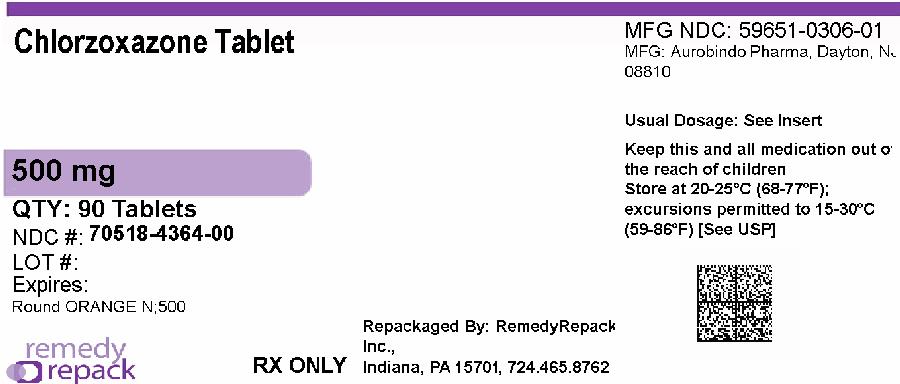
(chlorzoxazone · DailyMed)
TORIXA MR
ETORICOXIB 90MG / CHLORZOXAZONE 750MG
What it does
Chlorzoxazone is a muscle relaxant used to relieve muscle pain and discomfort.
Commonly used for: muscle pain, muscle spasms
Read more in plain English ↓Plain-language summary for general understanding - not medical advice. Always follow your pharmacist/doctor.
Ask about this medicine
Answers come only from this medicine's registration record, BNF monograph and interaction data - not medical advice.
Hard to find? We help patients in Kenya source rare medicines. We don't sell or dispense medicines - licensed pharmacies do.
Source this medicineRegistration & product details
Source: Pharmacy and Poisons Board · fetched 2026-01-28 19:39:52 · updated 2026-10-20 02:31:03
Drug Interactions
16Pharmacodynamic Warnings
Etoricoxib appears in TABLE 2: Drugs that cause nephrotoxicity
Etoricoxib appears in TABLE 4: Drugs with antiplatelet effects
Etoricoxib appears in TABLE 16: Drugs that increase serum potassium
Etoricoxib appears in TABLE 18: Drugs that cause hyponatraemia
Severe (1)
Mifamurtide - decreases efficacy
NSAIDs(high-dose)arepredictedtodecreasetheefficacyof mifamurtide.Avoid.rTheoretical
Moderate (5)
Antiarrhythmics - increases exposure
NSAIDs (celecoxib) are predicted to increase the exposure to antiarrhythmics (flecainide, propafenone). Monitor and adjust dose.
Cladribine - increases exposure
NSAIDs(sulindac)mightincreasetheexposuretocladribine. Avoidoradjustdose.oTheoretical
Flecainide - increases exposure
NSAIDs (celecoxib) are predicted to increase the exposure to antiarrhythmics (flecainide, propafenone). Monitor and adjust dose.
Pemetrexed - increases exposure
NSAIDs are predicted to increase the exposure to pemetrexed. Use with caution or avoid. Also see TABLE 2 p. 1517
Propafenone - increases exposure
NSAIDs (celecoxib) are predicted to increase the exposure to antiarrhythmics (flecainide, propafenone). Monitor and adjust dose.
Unknown (10)
Alendronate - increases risk of gastrointestinal irritation
NSAIDs are predicted to increase the risk of gastrointestinal irritation when given with bisphosphonates (alendronate, ibandronate).
Bisphosphonates - increases risk of gastrointestinal irritation
NSAIDs are predicted to increase the risk of gastrointestinal irritation when given with bisphosphonates (alendronate, ibandronate).
Bisphosphonates - increases risk of renal impairment
NSAIDs are predicted to increase the risk of renal impairment when given with bisphosphonates (clodronate).
Clodronate - increases risk of renal impairment
NSAIDs are predicted to increase the risk of renal impairment when given with clodronate.
Combined Hormonal Contraceptives - increases exposure
Etoricoxib increases the exposure to combined hormonal contraceptives.
Deferasirox - increases risk of gastrointestinal bleeding
NSAIDs are predicted to increase the risk of gastrointestinal bleeding when given with deferasirox.
Deferiprone - increases exposure
NSAIDs(diclofenac)arepredictedtoincreasetheexposureto deferiprone.oTheoretical
Hormone Replacement Therapy - increases exposure
Etoricoxib increases the exposure to hormone replacement therapy.
Ibandronate - increases risk of gastrointestinal irritation
NSAIDs are predicted to increase the risk of gastrointestinal irritation when given with bisphosphonates (alendronate, ibandronate).
Ironchelators - increases risk of gastrointestinal bleeding
NSAIDs are predicted to increase the risk of gastrointestinal bleeding when given with iron chelators (deferasirox).
Data from BNF 85 (British National Formulary). This is not a substitute for professional medical advice. Matched via: class
About chlorzoxazone
Chlorzoxazone is a muscle relaxant used to relieve muscle pain and discomfort.
What it treats
- muscle pain
- muscle spasms
How it works
It helps to relax the muscles, making it easier to move and reducing pain.
Who it's for
It is for adults experiencing muscle pain or spasms.
AI-assisted summary grounded in BNF data - general information only, not medical advice. Always confirm with your pharmacist or doctor.
About etoricoxib
Etoricoxib is a type of medicine called a non-steroidal anti-inflammatory drug (NSAID) that helps relieve pain and inflammation.
What it treats
- arthritis
- gout
- pain relief after surgery
- pain from injuries
How it works
Etoricoxib works by blocking certain chemicals in the body that cause pain and swelling, helping to reduce discomfort.
Who it's for
This medicine is for adults who need relief from pain and inflammation.
Drug class
NSAIDs
Cautions
- • Be cautious if you are taking other medicines that can harm your kidneys.
- • Avoid if you are using certain blood-thinning medications.
- • Be careful if you are taking medicines that can raise potassium levels in your blood.
- • Use with caution if you are on medications that can lower sodium levels.
AI-assisted summary grounded in BNF data - general information only, not medical advice. Always confirm with your pharmacist or doctor.
Clinical monograph: chlorzoxazone
BNF-referencedChlorzoxazone is a centrally-acting muscle relaxant used primarily to relieve muscle spasms associated with painful musculoskeletal conditions. It is effective in reducing discomfort and increasing mobility in patients experiencing muscle tension or spasms due to various etiologies.
Indications
- Muscle spasms from musculoskeletal conditions
- Pain associated with muscle tension
- Skeletal muscle spasm relief
Dosage
Children: Refer to the BNF for Children for specific dosing guidance.
Adults: Refer to the BNF for specific dosing guidance.
Mechanism of action
Chlorzoxazone inhibits degranulation of mast cells, preventing the release of histamine and slow-reacting substance of anaphylaxis (SRS-A), which are mediators of type I allergic reactions. It may also reduce the release of inflammatory leukotrienes. The drug acts by inhibiting calcium and potassium influx, leading to neuronal inhibition and muscle relaxation. Primarily, it exerts its effects at the spinal cord and subcortical areas of the brain, inhibiting multisynaptic reflex arcs responsible for muscle spasms.
Pharmacodynamics
Chlorzoxazone is effective as a centrally-acting agent for managing painful musculoskeletal conditions. It works by inhibiting the reflex pathways in the central nervous system that contribute to muscle spasms, resulting in reduced spasticity, relief of pain, and improved mobility of the affected muscles.
Pharmacokinetics
Chlorzoxazone is absorbed from the gastrointestinal tract and is metabolized in the liver, primarily via cytochrome P450 enzymes. It has a relatively short half-life, which may necessitate multiple dosing throughout the day for sustained effect. The metabolites are primarily excreted in the urine.
Adverse effects
- Drowsiness
- Dizziness
- Nausea
- Vomiting
- Rash
- Hepatotoxicity
Interactions
- Alcohol may enhance the sedative effects of chlorzoxazone.
- Caution is advised when used with other CNS depressants.
Precautions
- Use with caution in patients with liver disease.
- Monitor for signs of hepatotoxicity during treatment.
- Caution in patients with a history of allergy to chlorzoxazone or similar agents.
Pregnancy
Chlorzoxazone should only be used during pregnancy if the potential benefit justifies the potential risk to the fetus, as safety data is limited.
Breast-feeding
Chlorzoxazone is excreted in breast milk; caution is advised when administering to nursing mothers.
Storage
Store at room temperature, away from excess heat and moisture. Keep out of reach of children.
Formulations
- Tablets
- Capsules
AI-synthesized from BNF references - general information only, not a substitute for professional medical advice or the current BNF. Verify doses with a pharmacist.
Clinical monograph: Etoricoxib
BNF-referencedEtoricoxib is a selective nonsteroidal anti-inflammatory drug (NSAID) belonging to the class of COX-2 inhibitors. It is primarily indicated for the management of pain and inflammation associated with various musculoskeletal disorders, acute gout, and other inflammatory conditions. By selectively inhibiting the COX-2 enzyme, etoricoxib reduces the production of prostaglandins, which play a key role in the inflammatory response, thereby alleviating pain and inflammation.
Indications
- Pain and inflammation in musculoskeletal disorders
- Acute gout
- Osteoarthritis
- Rheumatoid arthritis
- Ankylosing spondylitis
Dosage
Children: For children aged 16-17 years, the recommended dose is 120 mg once daily for a maximum of 8 days.
Adults: 120 mg once daily for a maximum of 8 days.
Mechanism of action
Etoricoxib selectively inhibits isoform 2 of the cyclo-oxygenase enzyme (COX-2), preventing the conversion of arachidonic acid to prostaglandins (PGs), which are mediators of inflammation and pain. This selective inhibition results in reduced inflammatory responses without significantly affecting the COX-1 pathway, which is important for maintaining gastrointestinal mucosal integrity.
Pharmacodynamics
Etoricoxib exhibits a high selectivity for COX-2, being about 106 times more selective for COX-2 than for COX-1. This selective action minimizes the gastrointestinal side effects commonly associated with non-selective NSAIDs, as COX-1 plays a protective role in the gastric mucosa. Etoricoxib provides analgesic and anti-inflammatory effects by lowering prostaglandin levels involved in the inflammatory process.
Pharmacokinetics
Etoricoxib is well-absorbed following oral administration, with peak plasma concentrations typically occurring about 1 to 2 hours after ingestion. The drug has a half-life of approximately 22 hours, allowing for once-daily dosing. It is extensively metabolized in the liver, primarily via CYP2C9 and CYP3A4 pathways, and is excreted mainly through urine as metabolites. The presence of food does not significantly affect its absorption.
Contra-indications
- Active gastrointestinal bleeding
- Active gastrointestinal ulceration
- Severe cutaneous adverse reactions (SCARs)
- Cerebrovascular disease
- Uncontrolled hypertension (persistently above 140/90 mmHg)
- Severe renal failure
- Hypersensitivity to aspirin or other NSAIDs
- Ischaemic heart disease
- Active inflammatory bowel disease
Adverse effects
- Hypertension
- Fluid retention
- Gastrointestinal discomfort
- Nausea
- Vomiting
- Headache
- Dizziness
- Chest pain
- Heart failure
- Palpitations
- Skin reactions
- Malaise
- Nephrotoxicity
- Insomnia
- Anemia
- Visual impairment
- Aseptic meningitis
- Tinnitus
Interactions
- Increased exposure when used with combined hormonal contraceptives
- Increased exposure when used with hormone replacement therapy
- May interact with other NSAIDs
Precautions
- Caution in patients with cardiac impairment
- Caution in patients with renal impairment
- Dehydration risk
- Caution in patients with allergic disorders
- May mask symptoms of infection
Pregnancy
Avoid unless the potential benefit outweighs the risk, especially during the third trimester due to risk of closure of the fetal ductus arteriosus.
Breast-feeding
Use with caution during breastfeeding; the manufacturer advises avoiding use if possible.
Storage
Store in a cool, dry place, away from direct sunlight, and out of reach of children.
Formulations
- Modified-release tablet
- Dispersible tablet
- Oral suspension
- Oral solution
AI-synthesized from BNF references - general information only, not a substitute for professional medical advice or the current BNF. Verify doses with a pharmacist.
Molecular reference: chlorzoxazone
PubChem CID 2733Molecular formula: C7H4ClNO2
Mechanism of action
Chlorzoxazone inhibits degranulation of mast cells, subsequently preventing the release of histamine and slow-reacting substance of anaphylaxis (SRS-A), mediators of type I allergic reactions. Chlorzoxazone also may reduce the release of inflammatory leukotrienes. Chlorzoxazone may act by inhibiting calcium and potassium influx which would lead to neuronal inhibition and muscle relaxation. Data available from animal experiments as well as human study indicate that chlorzoxazone acts primarily at the level of the spinal cord and subcortical areas of the brain where it inhibits multisynaptic reflex arcs involved in producing and maintaining skeletal muscle spasm
Pharmacodynamics
Chlorzoxazone is a centrally-acting agent for painful musculoskeletal conditions. Data available from animal experiments as well as human study indicate that chlorzoxazone acts primarily at the level of the spinal cord and subcortical areas of the brain where it inhibits multisynaptic reflex a.c. involved in producing and maintaining skeletal muscle spasm of varied etiology. The clinical result is a reduction of the skeletal muscle spasm with relief of pain and increased mobility of the involved muscles.
Biological pathways
Source: PubChem (NCBI) · pathways from PathBank, Reactome, WikiPathways & PharmGKB.
Molecular reference: Etoricoxib
PubChem CID 123619Molecular formula: C18H15ClN2O2S
Mechanism of action
Like any other COX-2 selective inhibitor Etoricoxib selectively inhibits isoform 2 of cyclo-oxigenase enzyme (COX-2), preventing production of prostaglandins (PGs) from arachidonic acid.
Pharmacodynamics
Etoricoxib is a COX-2 selective inhibitor (approximately 106 times more selective for COX-2 inhibition over COX-1).
Biological pathways
Source: PubChem (NCBI) · pathways from PathBank, Reactome, WikiPathways & PharmGKB.
This drug in other countries
The same active ingredient registered across other registries we cover - including different brands.
- ACEPAR MR CAPLETS · Dawa
- Aceclofenac, Paracetamol and Chlorzoxazone · Aurochem Pharmaceuticals
- BRUTAFLAM-60 · Mankind Pharma
- BRUTAFLAM-90 · Mankind Pharma
- ETROBAX 60 · Hetero Labs
- ETROBAX 90 · Hetero Labs
- ARCOXIA 120 mg · Rovi Pharma
- ARCOXIA 60 mg · Msd
- ARCOXIA 90 mg · Msd
- BRUTAFLAM-120 · Mankind Pharma
- BRUTAFLAM-60 · Mankind Pharma
- BRUTAFLAM-90 · Mankind Pharma
- ARCOXIA 120MG · Pantheon Inc
- COXIBYOG TABLETS · Impulse Pharma
- DICLOLEX PLUS TABLETS · Unichem Industries
- ELOPIN 120mg TABLETS formerly Etricox Tablets (Each film-coated tablet contains: Etoricoxib 120mg) · Pinnacle Lifesciences
- ELOPIN 60mg TABLETS formerly Etricox Tablets (Each film-coated tablet contains: Etoricoxib 60mg) · Pinnacle Lifesciences
- ETCOX 120MG TABLETS · Fredun Pharmaceuticals