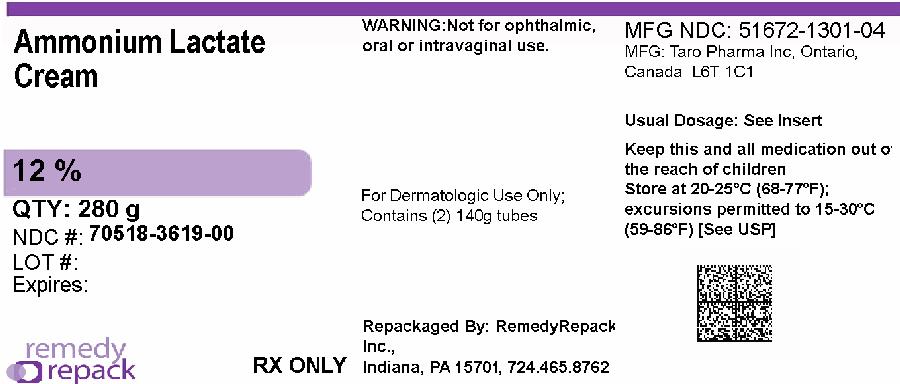
(ammonium · DailyMed)
VARIFLEX
THEOPHYLLINE; ETOPHYLLINE; AMMONIUM CHLORIDE; DIPHENYLPYRALINE HYDROCHLORIDE
What it does
Ammonium is a compound that can be used in various treatments but is not classified under a specific drug class.
Read more in plain English ↓Plain-language summary for general understanding - not medical advice. Always follow your pharmacist/doctor.
Ask about this medicine
Answers come only from this medicine's registration record, BNF monograph and interaction data - not medical advice.
Medicine sourcing is available in Kenya only. We don't sell or dispense medicines - licensed pharmacies do.
Sourcing - Kenya onlyRegistration & product details
Source: Medicines Control Authority of Zimbabwe · fetched 2026-04-18 08:22:12 · updated 2026-10-18 04:30:12
Drug Interactions
30Pharmacodynamic Warnings
Theophylline appears in TABLE 17: Drugs that reduce serum potassium
Severe (5)
Phosphodiesterase Type- - increases exposure
Theophylline is predicted to slightly increase the exposure to phosphodiesterase type-4 inhibitors (roflumilast). Avoid.
Roflumilast - increases exposure
Theophylline is predicted to slightly increase the exposure to roflumilast. Avoid.
Theophylline - increases exposure
Stiripentolispredictedtoincreasetheexposureto theophylline.Avoid.oTheoretical
Theophylline - increases risk of bronchospasm
Betablockers, selective are predicted to increase the risk of bronchospasm when given with theophylline. Avoid.
Theophylline - increases exposure
Deferasirox increases the exposure to theophylline. Avoid.
Moderate (16)
Lithium - decreases concentration
Theophylline is predicted to decrease the concentration of lithium. Monitor concentration and adjust dose.
Theophylline - increases exposure
Aciclovir is predicted to increase the exposure to theophylline. Monitor and adjust dose. Theoretical Acipimox
Theophylline - decreases exposure
Ritonavir is predicted to decrease the exposure to theophylline. Adjust dose.
Theophylline - decreases exposure
Leflunomide is predicted to decrease the exposure to theophylline. Adjust dose.
Theophylline - increases exposure
Mexiletine is predicted to increase the exposure to theophylline. Monitor and adjust dose.
Unknown (9)
Adenosine - decreases efficacy
Theophyllinedecreasestheefficacyofadenosine.Separate administrationby24hours.nStudy com/codemedicalapps/ cal Applications)
Antiarrhythmics - decreases efficacy
Theophylline decreases the efficacy of antiarrhythmics (adenosine). Separate administration by 24 hours.
Doxapram - increases risk of agitation
Theophylline increases the risk of agitation when given with doxapram. Doxazosin → see alpha blockers Doxepin → see tricyclic antidepressants Doxorubicin → see anthracyclines Doxycycline → see tetracy
Theophylline - increases exposure
Axitinibispredictedtoincreasetheexposuretotheophylline. oTheoretical
Theophylline - increases concentration
Cimetidine increases the concentration of theophylline. Adjust dose.
Theophylline - increases exposure
Obeticholicacidispredictedtoincreasetheexposureto theophylline.rTheoretical
Theophylline - decreases exposure
StJohn’swortpotentiallydecreasestheexposureto theophylline.rAnecdotal
Theophylline - decreases absorption
Sucralfate potentially decreases the absorption of theophylline. Separate administration by at least 2 hours.
Theophylline - increases exposure
Valaciclovirispredictedtoincreasetheexposureto theophylline.rTheoretical
Data from BNF 85 (British National Formulary). This is not a substitute for professional medical advice. Matched via: exact
About ammonium
Ammonium is a compound that can be used in various treatments but is not classified under a specific drug class.
How it works
Ammonium works by balancing chemical levels in the body.
Who it's for
It may be used in specific medical conditions as determined by a healthcare provider.
AI-assisted summary grounded in BNF data - general information only, not medical advice. Always confirm with your pharmacist or doctor.
About diphenylpyraline
Diphenylpyraline is an antihistamine used to relieve allergy symptoms and help with sleep.
What it treats
- allergic reactions
- hay fever (allergic rhinitis)
- insomnia
How it works
It blocks histamine, a substance in the body that causes allergic symptoms, and has a calming effect.
Who it's for
Adults and children experiencing allergies or difficulty sleeping.
AI-assisted summary grounded in BNF data - general information only, not medical advice. Always confirm with your pharmacist or doctor.
About etophylline
Etophylline is a medication used to help relax the airways in the lungs, making it easier to breathe.
What it treats
- asthma
- chronic obstructive pulmonary disease (COPD)
How it works
Etophylline works by relaxing the muscles around the airways, allowing them to open up and improve airflow.
Who it's for
Etophylline is for people with breathing difficulties due to conditions like asthma or COPD.
AI-assisted summary grounded in BNF data - general information only, not medical advice. Always confirm with your pharmacist or doctor.
About theophylline
Theophylline is a medication used to help open up the airways in the lungs, making it easier to breathe.
What it treats
- asthma
- chronic obstructive pulmonary disease (COPD)
How it works
It works by relaxing the muscles around the airways, which helps to improve airflow and reduce breathing difficulties.
Who it's for
It is used for people who have breathing problems, especially those with asthma or COPD.
Cautions
- • Be cautious if you are taking medications that can lower potassium levels in the blood.
AI-assisted summary grounded in BNF data - general information only, not medical advice. Always confirm with your pharmacist or doctor.
Clinical monograph: Theophylline
BNF-referencedTheophylline is a xanthine derivative used primarily as a bronchodilator in the management of obstructive airway diseases, such as asthma and chronic obstructive pulmonary disease (COPD). It relaxes bronchial smooth muscle and reduces airway responsiveness to various stimuli, thus alleviating symptoms of bronchospasm. Theophylline has both bronchodilator and anti-inflammatory effects, making it useful in improving respiratory function in patients with chronic airway diseases.
Indications
- Chronic asthma
- Severe acute asthma
- Chronic obstructive pulmonary disease (COPD)
- Reversible airways obstruction
Dosage
Children: For children aged 2–11 years, the recommended dosage
Adults: For adults, the typical dosage is 200 mg every 12 hours, which can be adjusted according to response, with a maximum of 400 mg every 12 hours for more severe symptoms.
Mechanism of action
Theophylline relaxes smooth muscle in the bronchial airways and pulmonary blood vessels, reducing airway responsiveness to histamine, methacholine, adenosine, and allergens. It inhibits phosphodiesterase types III and IV, leading to increased cyclic AMP levels in smooth muscle cells, promoting bronchodilation. Additionally, theophylline antagonizes adenosine A2B receptors, blocking adenosine-induced bronchoconstriction. It also activates histone deacetylase, reducing the transcription of inflammatory genes, thereby exerting anti-inflammatory effects.
Pharmacodynamics
Theophylline exhibits dual actions in patients with reversible airway obstruction: it promotes smooth muscle relaxation (bronchodilation) and suppresses the airway response to stimuli (non-bronchodilator prophylactic effects). The increase in cyclic AMP levels enhances airway smooth muscle relaxation and decreases inflammation, which are critical in managing asthma and other obstructive airway diseases.
Pharmacokinetics
Theophylline is primarily metabolized in the liver, and its plasma concentrations can be influenced by various factors, including smoking and liver function. The half-life of theophylline is variable, often longer in patients with liver impairment or heart failure. The therapeutic plasma concentration range is typically between 10-20 mg/L, with adverse effects becoming more frequent at levels above this range. Monitoring of plasma theophylline levels is recommended, especially after any dose adjustment.
Contra-indications
- Allergy to theophylline or any of its excipients
- Severe hepatic impairment
- Acute myocardial infarction
- Peptic ulcer disease
Adverse effects
- Nausea
- Vomiting
- Agitation
- Restlessness
- Dilated pupils
- Sinus tachycardia
- Hyperglycaemia
- Haematemesis
- Convulsions
- Supraventricular and ventricular arrhythmias
- Severe hypokalaemia
Interactions
- Stiripentol - Severe (increases exposure)
- Beta-blockers (selective) - Severe (increases risk of bronchospasm)
- Deferasirox - Severe (increases exposure)
- Roflumilast - Severe (increases exposure)
- Phosphodiesterase type inhibitors - Severe (increases exposure)
- Aciclovir - Moderate (increases exposure)
- Ritonavir - Moderate (decreases exposure)
- Leflunomide - Moderate (decreases exposure)
- Lithium - Moderate (decreases concentration)
- Mexiletine - Moderate (increases exposure)
Precautions
- Caution in patients with hepatic impairment due to risk of increased exposure
- Monitor plasma theophylline concentration regularly, especially after dose adjustments or in cases of smoking cessation or initiation
- Be aware of potential interactions with other medications
Pregnancy
Theophylline can be taken as normal during pregnancy, as it is important to maintain controlled asthma. However, neonatal irritability and apnoea have been reported.
Breast-feeding
Theophylline is present in breast milk and has been associated with irritability in infants; modified-release preparations are preferable. It can be taken as normal during breastfeeding.
Storage
Store at room temperature, away from moisture and heat. Keep out of reach of children.
Formulations
- Modified-release tablets
- Solution for injection
- Infusion solution
- Suppository
AI-synthesized from BNF references - general information only, not a substitute for professional medical advice or the current BNF. Verify doses with a pharmacist.
Clinical monograph: ammonium
BNF-referencedAmmonium is a positively charged ion (NH4+) that plays a crucial role in various biochemical processes, including nitrogen metabolism in living organisms. It is involved in the synthesis of amino acids and nucleotides, acting as a precursor in the biosynthesis of important biological compounds. Ammonium is also a key component in the nitrogen cycle, contributing to the fertility of soil and aquatic environments.
Indications
- Nitrogen supplementation in clinical nutrition
- Management of metabolic alkalosis
- Treatment of certain types of kidney disorders
Dosage
Children: Specific pediatric dosing information is not detailed in the BNF. Refer to the BNF for Children for appropriate dosing based on age and condition.
Adults: Dosage varies based on clinical indication and should be guided by specific treatment protocols. Refer to clinical guidelines for detailed dosing information.
Mechanism of action
Ammonium ions participate in various metabolic pathways, including the biosynthesis of amino acids and nucleotides. It serves as a nitrogen source for organisms, facilitating the synthesis of essential biomolecules. The presence of ammonium can influence pH levels and osmotic balance within cells, thereby affecting cellular functions and enzyme activities.
Pharmacodynamics
Ammonium affects cellular metabolism by acting as a nitrogen donor in the synthesis of organic compounds. Its role in the nitrogen cycle and as a substrate in biochemical pathways allows for the maintenance of cellular functions, including energy production and cellular growth. Alterations in ammonium levels can influence various physiological processes, including neurotransmitter synthesis and energy metabolism.
Pharmacokinetics
Ammonium is readily absorbed and distributed in biological systems. It can be produced endogenously through amino acid metabolism or obtained from dietary sources. The excretion of ammonium primarily occurs through the kidneys, where it is converted to urea for elimination. Ammonium levels are regulated by various mechanisms, including the action of renal tubular cells that either secrete or reabsorb ammonium based on the body's needs.
AI-synthesized from BNF references - general information only, not a substitute for professional medical advice or the current BNF. Verify doses with a pharmacist.
Clinical monograph: ammoniumchloride
BNF-referencedAmmonium chloride is an inorganic compound with the chemical formula ClH4N. It is primarily used as an expectorant and systemic acidifier. Its mechanism involves increasing hydrogen ion concentrations, thereby enhancing acidity and promoting the production of respiratory tract fluid, which aids in effective coughing. Additionally, it alters the bicarbonate:carbonic acid ratio in the body, potentially leading to acidosis and promoting the excretion of electrolytes and water.
Indications
- Cough associated with respiratory tract infections
- Acid-base disorders
- Edema management
Dosage
Children: Refer to the BNF for Children for appropriate paediatric dosing guidelines based on age and condition.
Adults: Refer to the BNF for specific adult dosing guidelines as they depend on the indication and clinical context.
Mechanism of action
Ammonium chloride increases acidity by raising hydrogen ion concentrations. It dissociates into ammonium and chloride ions; the ammonium is converted to urea in the liver, releasing hydrogen ions that lower pH. The chloride ions displace bicarbonate in extracellular fluid, leading to acidosis and increased renal excretion of electrolytes and water, resulting in fluid mobilization.
Pharmacodynamics
Ammonium chloride acts as a systemic acidifier, facilitating the excretion of chloride and sodium, while also increasing the acidity of body fluids. The conversion of ammonium to urea in the liver with the release of hydrogen ions contributes to a decrease in blood pH, affecting acid-base balance in the body.
Pharmacokinetics
Ammonium chloride is absorbed from the gastrointestinal tract and metabolized in the liver, where it is converted to urea. The dissociated ions impact renal function, leading to increased excretion of sodium, potassium, and water. The elimination half-life and specific metabolism details are not explicitly defined.
Adverse effects
- Nausea
- Vomiting
- Abdominal pain
- Diarrhea
- Dizziness
- Headache
Interactions
- Antacids may reduce the effectiveness of ammonium chloride
- Potassium-sparing diuretics may increase the risk of hyperkalemia
Precautions
- Use with caution in patients with renal impairment
- Monitor electrolyte levels during prolonged therapy
- Consider potential for acidosis in patients with liver disease
Pregnancy
Ammonium chloride should only be used during pregnancy if the potential benefit justifies the potential risk to the fetus. Consult a healthcare provider for individualized advice.
Breast-feeding
Ammonium chloride is excreted in breast milk. Use caution and consult a healthcare provider if breastfeeding.
Storage
Store in a cool, dry place, away from direct sunlight and moisture. Keep out of reach of children.
Formulations
- Oral solution
- Powder for oral solution
AI-synthesized from BNF references - general information only, not a substitute for professional medical advice or the current BNF. Verify doses with a pharmacist.
Clinical monograph: diphenylpyraline
BNF-referencedDiphenylpyraline is an antihistamine primarily used for the treatment of allergy symptoms. It acts by blocking histamine H1 receptors, thereby alleviating conditions such as urticaria, pruritus, and other allergic reactions. Additionally, it may possess anticholinergic properties, contributing to effects such as nasal mucosal drying.
Indications
- Allergic rhinitis
- Urticaria
- Pruritus
Dosage
Children: Refer to the BNF for Children for specific paediatric dosing guidelines.
Adults: Refer to the BNF for specific adult dosing guidelines.
Mechanism of action
Antihistamines such as diphenylpyraline used in the treatment of allergy act by competing with histamine for H1-receptor sites on effector cells. This reduces the effects of histamine, leading to a temporary reduction of allergy symptoms.
Pharmacodynamics
Diphenylpyraline is an antihistamine that prevents, but does not reverse, responses mediated by histamine alone. It antagonizes most of the pharmacological effects of histamine, including urticaria and pruritus. Additionally, diphenylpyraline may exhibit anticholinergic actions, providing a drying effect on the nasal mucosa.
Pharmacokinetics
The pharmacokinetics of diphenylpyraline have not been extensively detailed in the provided resources. However, like many antihistamines, it is typically well absorbed and may undergo hepatic metabolism. The elimination half-life and specific metabolic pathways remain unspecified.
Adverse effects
- Drowsiness
- Dry mouth
- Dizziness
- Blurred vision
- Constipation
Precautions
- Use with caution in patients with glaucoma
- Caution in patients with urinary retention
- May impair mental alertness, use caution when driving or operating machinery
Pregnancy
Safety in pregnancy has not been established. Use only if clearly needed.
Breast-feeding
Use with caution during breastfeeding, as it may pass into breast milk.
Storage
Store in a cool, dry place away from direct sunlight. Keep out of reach of children.
Formulations
- Tablets
- Syrup
AI-synthesized from BNF references - general information only, not a substitute for professional medical advice or the current BNF. Verify doses with a pharmacist.
Clinical monograph: etophylline
BNF-referencedEtophylline is a methylxanthine derivative with bronchodilator properties. It is primarily used in the management of respiratory conditions such as asthma and chronic obstructive pulmonary disease (COPD). As a xanthine derivative, it acts by relaxing bronchial smooth muscle and has additional effects on the respiratory system, including anti-inflammatory properties. It is important to consider the potential for side effects and interactions with other medications when prescribing etophylline.
Indications
- Asthma
- Chronic obstructive pulmonary disease (COPD)
- Bronchospasm
Dosage
Children: Refer to the BNF for Children for specific dosing recommendations in paediatric patients, as age and weight considerations are critical in determining appropriate dosages.
Adults: Refer to the BNF for specific dosing recommendations for adults, as dosing may vary based on the formulation and clinical scenario.
Mechanism of action
Etophylline acts primarily as a phosphodiesterase inhibitor, leading to an increase in intracellular cyclic AMP (cAMP) levels. Elevated cAMP results in relaxation of bronchial smooth muscle, bronchodilation, and improved airflow in the lungs. Additionally, etophylline has mild anti-inflammatory effects, which may contribute to its efficacy in treating respiratory conditions.
Pharmacodynamics
The pharmacodynamic profile of etophylline includes its ability to induce bronchodilation through smooth muscle relaxation, as well as its effects on the central nervous system, where it may exert mild stimulant effects. Etophylline has a narrow therapeutic window, and its effects can be influenced by factors such as plasma levels and co-administration with other drugs that affect hepatic metabolism.
Pharmacokinetics
Etophylline is absorbed rapidly following oral administration, with peak plasma concentrations typically reached within one to two hours. It is metabolized in the liver, primarily via cytochrome P450 enzymes, and is excreted mainly in the urine. The half-life of etophylline varies but is generally around 5 to 8 hours. Factors such as age, liver function, and concurrent medications can affect its pharmacokinetic profile.
Contra-indications
- Hypersensitivity to etophylline or any of its components
- Severe cardiac arrhythmias
- Uncontrolled hyperthyroidism
- Acute myocardial infarction
Adverse effects
- Nausea
- Vomiting
- Tachycardia
- Palpitations
- Headache
- Insomnia
- Nervousness
- Dizziness
- Gastrointestinal disturbances
Interactions
- May interact with other xanthine derivatives, leading to increased risk of toxicity
- Caution with concurrent use of medications that affect liver enzymes
- May enhance the effects of other stimulants
Precautions
- Use cautiously in patients with a history of peptic ulcer disease
- Monitor patients with cardiovascular disease closely during treatment
- Adjust doses in elderly patients and those with liver impairment
Pregnancy
Safety in pregnancy has not been established. Use only if the potential benefit justifies the potential risk to the fetus.
Breast-feeding
Use with caution in breastfeeding mothers. It is unknown whether etophylline is excreted in human milk.
Storage
Store in a cool, dry place away from light. Keep out of reach of children.
Formulations
- Tablets
- Injectable solution
AI-synthesized from BNF references - general information only, not a substitute for professional medical advice or the current BNF. Verify doses with a pharmacist.
Molecular reference: Theophylline
PubChem CID 2153Molecular formula: C7H8N4O2
Mechanism of action
Theophylline relaxes the smooth muscle of the bronchial airways and pulmonary blood vessels and reduces airway responsiveness to histamine, methacholine, adenosine, and allergen. Theophylline competitively inhibits type III and type IV phosphodiesterase (PDE), the enzyme responsible for breaking down cyclic AMP in smooth muscle cells, possibly resulting in bronchodilation. Theophylline also binds to the adenosine A2B receptor and blocks adenosine mediated bronchoconstriction. In inflammatory states, theophylline activates histone deacetylase to prevent transcription of inflammatory genes that require the acetylation of histones for transcription to begin. Theophylline is an old drug experiencing a renaissance owing to its beneficial antiinflammatory effects in chronic respiratory diseases, such as asthma and chronic obstructive pulmonary disease. Multiple modes of antiinflammatory action have been reported, including inhibition of the enzymes that degrade cAMP-phosphodiesterase (PDE). Using primary cultures of airway smooth muscle (ASM) cells, we recently revealed that PDE4 inhibitors can potentiate the antiinflammatory action of beta2-agonists by augmenting cAMP-dependent expression of the phosphatase that deactivates mitogen-activated protein kinase (MAPK)-MAPK phosphatase (MKP)-1. Therefore, the aim of this study was to address whether theophylline repressed cytokine production in a similar, PDE-dependent, MKP-1-mediated manner. Notably, theophylline did not potentiate cAMP release from ASM cells treated with the long-acting beta2-agonist formoterol. Moreover, theophylline (0.1-10 uM) did not increase formoterol-induced MKP-1 messenger RNA expression nor protein up-regulation, consistent with the lack of cAMP generation. However, theophylline (at 10 uM) was antiinflammatory and repressed secretion of the neutrophil chemoattractant cytokine IL-8, which is produced in response to TNF-a. Because theophylline's effects were independent of PDE4 inhibition or antiinflammatory MKP-1, we then wished to elucidate the novel mechanisms responsible. We investigated the impact of theophylline on protein phosphatase (PP) 2A, a master controller of multiple inflammatory signaling pathways, and show that theophylline increases TNF-a-induced PP2A activity in ASM cells. Confirmatory results were obtained in A549 lung epithelial cells. PP2A activators have beneficial effects in ex vivo and in vivo models of respiratory disease. Thus, our study is the first to link theophylline with PP2A activation as a novel mechanism to control respiratory inflammation. Theophylline has two distinct actions in the airways of patients with reversible obstruction; smooth muscle relaxation (i.e., bronchodilation) and suppression of the response of the airways to stimuli (i.e., non-bronchodilator prophylactic effects). While the mechanisms of action of theophylline are not known with certainty, studies in animals suggest that bronchodilatation is mediated by the inhibition of two isozymes of phosphodiesterase (PDE III and, to a lesser extent, PDE IV) while non-bronchodilator prophylactic actions are probably mediated through one or more different molecular mechanisms, that do not involve inhibition of PDE III or antagonism of adenosine receptors. Some of the adverse effects associated with theophylline appear to be mediated by inhibition of PDE III (e.g., hypotension, tachycardia, headache, and emesis) and adenosine receptor antagonism (e.g., alterations in cerebral blood flow). Theophylline increases the force of contraction of diaphragmatic muscles. This action appears to be due to enhancement of calcium uptake through an adenosine-mediated channel. Lung deflation and inflation during cardiac surgery with cardiopulmonary bypass contributes to pulmonary dysfunction postoperatively. Theophylline treatment for lung diseases has traditionally been thought to act by phosphodiesterase inhibition; however, increasing evidence has suggested other plausible mechanism
Pharmacodynamics
Theophylline, an xanthine derivative chemically similar to caffeine and theobromine, is used to treat asthma and bronchospasm. Theophylline has two distinct actions in the airways of patients with reversible (asthmatic) obstruction; smooth muscle relaxation (i.e., bronchodilation) and suppression of the response of the airways to stimuli (i.e., non-bronchodilator prophylactic effects).
Biological pathways
Source: PubChem (NCBI) · pathways from PathBank, Reactome, WikiPathways & PharmGKB.
Molecular reference: ammonium
PubChem CID 223Molecular formula: H4N+
Biological pathways
Source: PubChem (NCBI) · pathways from PathBank, Reactome, WikiPathways & PharmGKB.
Molecular reference: ammoniumchloride
PubChem CID 25517Molecular formula: ClH4N
Mechanism of action
Ammonium chloride increases acidity by increasing the amount of hydrogen ion concentrations. Ammonium chloride can be used as an expectorant due to its irritative action on the bronchial mucosa. This effect causes the production of respiratory tract fluid which in order facilitates the effective cough. The acid-forming properties of ammonium chloride result from dissociation of the salt to an ammonium cation and a chloride anion. In patients with normal hepatic function, the ammonium cation is converted to urea by the liver and a hydrogen cation is released which reacts with a bicarbonate ion to form water and carbon dioxide. The chloride anion combines with fixed bases in the extracellular fluid, thereby reducing the alkaline reserve of the body. The net result is the displacement of bicarbonate ions by chloride anions. The displacement of bicarbonate by chloride alters the bicarbonate:carbonic acid ratio if the body and acidosis results. The increased chloride concentration in the extracellular fluid produces an increased load to the renal tubules and appreciable amounts of chloride anions escape reabsorption. These anions are excreted along with cations and water. Sodium is the principal cation excreted; however, potassium excretion may also be increased to some degree. By increasing the excretion of both extracellular electrolytes and water, ammonium chloride causes a net loss of extracellular fluid and promotes the mobilization of edema fluid.
Pharmacodynamics
Systemic acidifier. In liver ammonium chloride is converted into urea with the liberation of hydrogen ions ( which lowers the pH) and chloride.
Biological pathways
Source: PubChem (NCBI) · pathways from PathBank, Reactome, WikiPathways & PharmGKB.
Molecular reference: diphenylpyraline
PubChem CID 3103Molecular formula: C19H23NO
Mechanism of action
Antihistamines such as diphenylpyraline used in the treatment of allergy act by competing with histamine for H1-receptor sites on effector cells. This reduces the effects of histamine, leading to a temporary reduction of allergy symptoms.
Pharmacodynamics
Diphenylpyraline is an antihistamine that prevents, but does not reverse, responses mediated by histamine alone. Diphenylpyraline antagonizes most of the pharmacological effects of histamine, including urticaria and pruritus. Also, diphenylpyraline may exhibit anticholinergic actions (as do most of the antihistamines) and may thus provide a drying effect on the nasal mucosa.
Biological pathways
Source: PubChem (NCBI) · pathways from PathBank, Reactome, WikiPathways & PharmGKB.
Molecular reference: etophylline
PubChem CID 1892Molecular formula: C9H12N4O3
Source: PubChem (NCBI) · pathways from PathBank, Reactome, WikiPathways & PharmGKB.
This drug in other countries
The same active ingredient registered across other registries we cover - including different brands.
- ABICOF SYRUP · Socomed Pharmaceutical
- AMCOF ADULT COUGH SYRUP · Salom Pharmacy
- ASMADIZIN TABLETS · Das Pharma
- AVICINOR ORAL SOLUTION · Hebei Kexing Pharmaceutical
- AVICINOR ORAL SOLUTION (Each ml conatins Gluteraldehyde/Coco-dimethyl benzyl ammonium chloride 300mg/200mg) · Hebei Kexing Pharmaceutical
- AVICINOR ORAL SOLUTION (Each ml contains Gluteraldehyde 50% 300mg/ Coco-dimethyl benzyl ammonium chloride 50% 200mg) · Hebei Kexing Pharmaceutical