alcohol brands
335 registered brands containing alcohol in Tanzania.
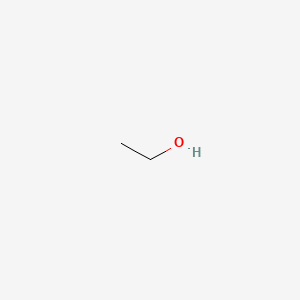
2D structure
Alcohol
PubChem CID 702Molecular formula: C2H6O
Ethanol affects the brain’s neurons in several ways. It alters their membranes as well as their ion channels, enzymes, and receptors. Alcohol also binds directly to the receptors for acetylcholine, serotonin, GABA, and the NMDA receptors for glutamate. The sedative effects of ethanol are mediated through binding to GABA receptors and glycine receptors (alpha 1 and alpha 2 subunits). It also inhibits NMDA receptor functioning. In its role as an anti-infective, ethanol acts as an osmolyte or dehydrating agent that disrupts the osmotic balance across cell membranes. ... Ethanol is known to affect a large number of membrane proteins that participate in signaling pathways such as neurotransmitter receptors, enzymes, and ion channels, and there is extensive evidence that ethanol interacts with a variety of neurotransmitters. The major actions of ethanol involve enhancing the inhibitory effects of gamma-aminobutyric acid (GABA) at GABAa receptors and blockade of the N-methyl-D-aspartate (NMDA) subtype of glutamate, an excitatory amine acid (EAA) receptor. Animal studies indicate that the acute effects of ethanol result from competitive inhibition of glycine binding to NMDA receptor and disruption of glutamatergic neurotransmission by inhibiting the response of the NMDA receptor. Persistent glycine antagonism and attenuation of glutamatergic neurotransmission by chronic ethanol exposure results in tolerance to ethanol by enhancing EAA neurotransmission and NMDA receptor upregulation. The latter appears to involve selective increases in NMDA R2B subunit concentrations and other molecular changes in specific brain loci. The abrupt withdrawal of ethanol thus produces a hyperexcitable state that leads to the ethanol withdrawal syndrome and excitotoxic neuronal death. GABA-mediated inhibition, which normally acts to limit excitation, is eliminated during ethanol withdrawal syndrome and further intensifies this excitation. In addition, NMDA receptors function to inhibit the release of dopamine in the nucleus accumbens and mesolimbic structures, which modulate the reinforcing action of addictive xenobiotics such as ethanol. By inhibiting NMDA receptor activity, ethanol could increase dopamine release from the nucleus accumbens and ventral tegmental area and could thus create dependence. Chronic ethanol administration also results in tolerance, dependence, and an ethanol withdrawal syndrome, mediated, in part, by desensitization and or downregulation of GABAa receptors. The development of alcoholic ketoacidosis (AKA) requires that a combination of physical and physiologic events occur. The normal response to starvation and depletion of hepatic glycogen stores is for amino acids to be converted to pyruvate. Pyruvate can serve as a substrate for gluconeogenesis, be converted to acetyl-CoA, which can enter the Krebs cycle or can be utilized in various biosynthetic pathways (eg, fatty acid, ketone bodies, cholesterol, and acetylcholine) ... Ethanol metabolism generates NADH, resulting in an excess of reducing potential. This high redox state favors the conversion of pyruvate to lactate, diverting pyruvate from being a substrate for gluconeogenesis. To compensate for the lack of normal metabolic substrates, the body mobilizes fat from adipose tissue and increased fatty acid metabolism as an alternative source of energy. This response is mediated by a decrease in insulin and an increased secretion of glucagon, catecholamines, growth hormone, and cortisol. Fatty acid metabolism results in the formation of acetyl-CoA and it combines with the excess acetate that is generated from ethanol metabolism to form acetoacetate. Most of the acetoacetate is reduced to beta-hydroxybutyrate due to the excess reducing potential or high redox state of the cell. Volume depletion interferes with the renal elimination of acetoacetate and beta-hydroxybutyrate, and contributes to the acidosis. An elevated lactate concentration may result from shunting from pyruvate or
Source: PubChem (NCBI) · compound 702