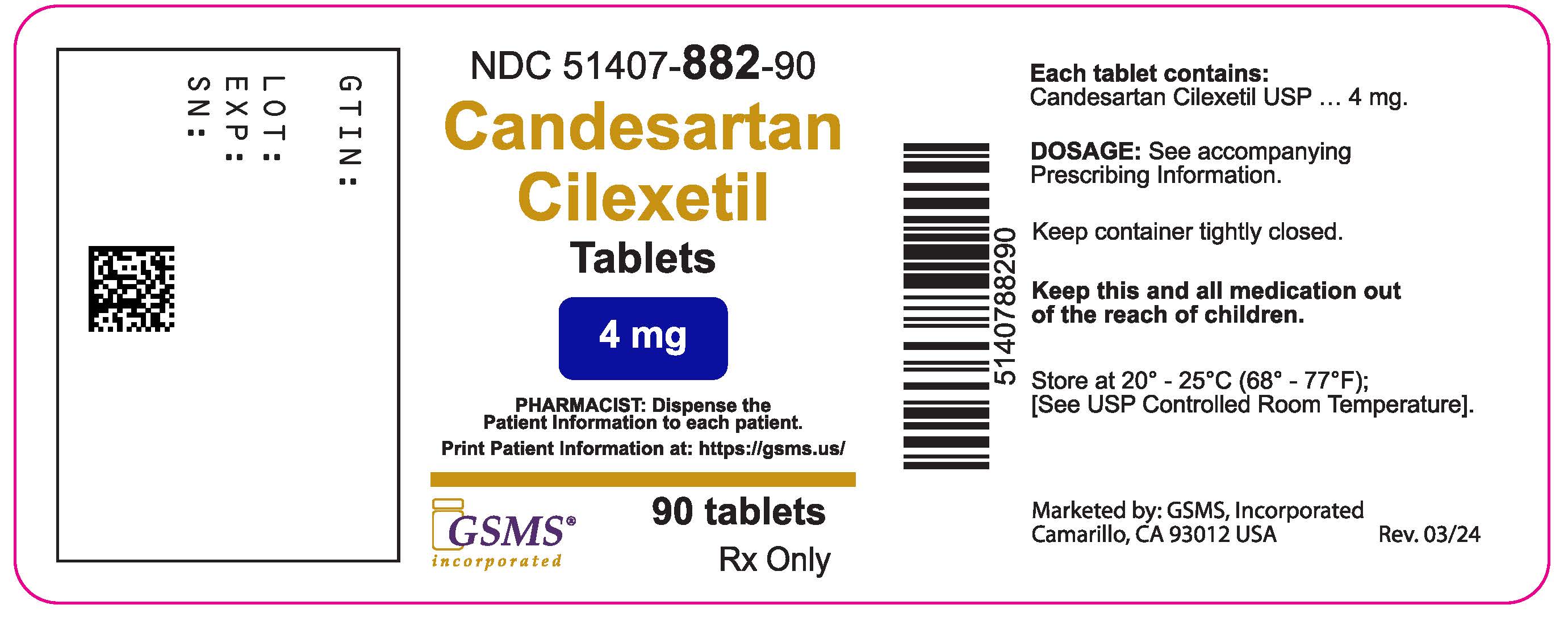
(candesartan · DailyMed)
Cantab Plus
Candesartan Cilexetil 16.000 mg/6 mL,Carmellose Calcium 2.500 mg/6 mL,Ethanol 96% 14.350 mg/6 mL,Hydrochlorothiazide 12.500 mg/6 mL,Hydroxypropyl cellulose-L (Low substituted hydroxypropyl cellulose) 2.000 mg/6 mL,Lactose Monohydrate 73.600 mg/6 mL,Macrogols (Polyethylene glycol 8000 P) 2.600 mg/6 mL,Magnesium Sterate 0.649 mg/6 mL,Maize starch 20.000 mg/6 mL,Water Purified 9.550 mg/6 mL,Yellow Iron Oxide. 0.150 mg/6 mL
What it does
Candesartan is a medication that helps lower blood pressure and protect heart health.
Commonly used for: high blood pressure (hypertension), heart failure
Read more in plain English ↓Plain-language summary for general understanding - not medical advice. Always follow your pharmacist/doctor.
Ask about this medicine
Answers come only from this medicine's registration record, BNF monograph and interaction data - not medical advice.
Medicine sourcing is available in Kenya only. We don't sell or dispense medicines - licensed pharmacies do.
Sourcing - Kenya onlyRegistration & product details
Source: Tanzania Medicines and Medical Devices Authority · fetched 2026-05-18 02:04:11 · updated 2026-10-19 03:00:44
About candesartan
Candesartan is a medication that helps lower blood pressure and protect heart health.
What it treats
- high blood pressure (hypertension)
- heart failure
How it works
Candesartan works by blocking a hormone that can narrow blood vessels, helping to relax them and lower blood pressure.
Who it's for
This medication is for adults with high blood pressure or heart failure.
Drug class
Angiotensin-II receptor antagonists
Cautions
- • Be careful if taking other medications that can cause low blood pressure.
- • Use caution with medications that may increase potassium levels in the blood.
AI-assisted summary grounded in BNF data - general information only, not medical advice. Always confirm with your pharmacist or doctor.
About carmellose
Carmellose is a substance used to help relieve dry eyes by keeping them moist and comfortable.
What it treats
- dry eyes
- ocular dryness
How it works
Carmellose works by forming a protective layer over the surface of the eye, helping to retain moisture.
Who it's for
Carmellose is suitable for anyone experiencing dry or irritated eyes.
AI-assisted summary grounded in BNF data - general information only, not medical advice. Always confirm with your pharmacist or doctor.
About cilexetil
Cilexetil is a medication used to treat certain health conditions. It works by affecting how the body responds to certain signals.
What it treats
- anxiety disorders
- depression
- panic attacks
How it works
Cilexetil helps to balance chemicals in the brain that affect mood and emotions.
Who it's for
This medication is for adults who are experiencing anxiety or depression.
AI-assisted summary grounded in BNF data - general information only, not medical advice. Always confirm with your pharmacist or doctor.
About ethanol
Ethanol is a type of alcohol commonly found in drinks. It can affect your mood and behavior.
What it treats
- social drinking
- disinfectant
- solvent
How it works
Ethanol works by affecting the brain and nervous system, which can lead to relaxation and a feeling of euphoria.
Who it's for
Adults who consume alcoholic beverages responsibly.
Cautions
- • Excessive consumption can lead to addiction and health problems.
- • Not recommended for people with liver disease or certain medical conditions.
- • Should not be mixed with certain medications.
AI-assisted summary grounded in BNF data - general information only, not medical advice. Always confirm with your pharmacist or doctor.
About hydrochlorothiazide
Hydrochlorothiazide is a type of medicine known as a thiazide diuretic, which helps the body get rid of excess water and salt through urine.
What it treats
- high blood pressure (hypertension)
- heart failure
- fluid retention (edema)
How it works
It works by helping the kidneys remove excess fluid and salt from the body, which lowers blood pressure and reduces swelling.
Who it's for
It is commonly prescribed for adults with high blood pressure, heart problems, or those retaining too much fluid.
Drug class
Thiazide diuretics
Cautions
- • Be careful if you are taking medications that can lower blood pressure.
- • Avoid using with drugs that lower potassium levels in the blood.
- • Use with caution if you are on medications that can cause low sodium levels.
AI-assisted summary grounded in BNF data - general information only, not medical advice. Always confirm with your pharmacist or doctor.
About hydroxypropyl
Hydroxypropyl is a compound often used in various formulations for its properties, though specific details about its uses are not provided.
How it works
Hydroxypropyl serves as an ingredient that can help improve the consistency and stability of products, but its specific mechanism is not detailed.
Who it's for
Hydroxypropyl may be included in products for various populations, depending on its application in formulations.
AI-assisted summary grounded in BNF data - general information only, not medical advice. Always confirm with your pharmacist or doctor.
About lactose
Lactose is a sugar found in milk and dairy products. It is often used as an excipient in medications.
What it treats
- lactose intolerance
- as a filler in tablets and capsules
How it works
Lactose helps improve the texture and stability of medications and is sometimes used as a sweetener.
Who it's for
Individuals who require lactose as part of their medication or those who consume dairy products.
Cautions
- • May cause digestive issues in people with lactose intolerance.
AI-assisted summary grounded in BNF data - general information only, not medical advice. Always confirm with your pharmacist or doctor.
About macrogols
Macrogols are used to treat constipation by helping to soften stools and make them easier to pass.
What it treats
- constipation
- bowel obstruction
How it works
Macrogols work by drawing water into the bowel, which helps to soften the stool and increase the amount of water in the intestines.
Who it's for
Macrogols are suitable for adults and children who are experiencing constipation or need to clear their bowels.
AI-assisted summary grounded in BNF data - general information only, not medical advice. Always confirm with your pharmacist or doctor.
About maize
Maize is a common food ingredient that provides energy and nutrients.
What it treats
- nutrition
- energy source
How it works
Maize is a carbohydrate-rich food that the body uses for energy.
Who it's for
Suitable for most people, including adults and children.
AI-assisted summary grounded in BNF data - general information only, not medical advice. Always confirm with your pharmacist or doctor.
About oxide
Oxide is a type of compound often used in various treatments. It is important to understand its uses and any precautions necessary when taking it.
What it treats
- treatment of certain skin conditions
- used in some respiratory therapies
How it works
Oxide works by interacting with the body in a way that helps improve certain health conditions.
Who it's for
Oxide may be suitable for individuals suffering from specific health issues as determined by their healthcare provider.
Cautions
- • Always follow the healthcare provider's instructions when using this compound.
- • Inform your doctor about any other medications you are taking.
AI-assisted summary grounded in BNF data - general information only, not medical advice. Always confirm with your pharmacist or doctor.
About purified
Purified ingredients are often used in various medicines to ensure safety and effectiveness by removing impurities.
What it treats
- various medical conditions
How it works
Purified ingredients help in delivering the intended effects of the medicine without the risk of contaminants.
Who it's for
People who need medications with safe and effective ingredients.
AI-assisted summary grounded in BNF data - general information only, not medical advice. Always confirm with your pharmacist or doctor.
About starch
Starch is a carbohydrate that serves as a source of energy and is often used in various food products.
What it treats
- energy source
- dietary supplement
How it works
Starch is broken down by the body into glucose, which provides energy for daily activities.
Who it's for
Starch can be used by anyone needing extra energy in their diet, particularly those with increased energy needs.
AI-assisted summary grounded in BNF data - general information only, not medical advice. Always confirm with your pharmacist or doctor.
About sterate
Sterate is a medication used for various health conditions.
What it treats
- Nutritional supplementation
- Fat malabsorption disorders
How it works
Sterate helps improve the absorption of fats in the body, providing essential nutrients.
Who it's for
It is suitable for individuals needing additional nutritional support or those with specific digestive issues.
AI-assisted summary grounded in BNF data - general information only, not medical advice. Always confirm with your pharmacist or doctor.
About yellow
Yellow is a medicinal product used to treat various conditions.
What it treats
- general health support
How it works
The exact way Yellow works is not specified, but it is designed to support overall well-being.
Who it's for
Yellow is suitable for individuals looking to improve their general health.
AI-assisted summary grounded in BNF data - general information only, not medical advice. Always confirm with your pharmacist or doctor.
Clinical monograph: Carmellosesodium
BNF-referencedCarmellose sodium is a high molecular weight polymer used primarily as a lubricant in ocular formulations. It is a derivative of cellulose and acts to relieve symptoms associated with dry eye conditions, including keratoconjunctivitis sicca. The compound forms a protective film on the surface of the eye, thereby enhancing comfort and stability of the tear film.
Indications
- Dry eye conditions
- Keratoconjunctivitis sicca
- Unstable tear film
Dosage
Children: Apply 3–4 times a day or when required to the eye.
Adults: Apply 3–4 times a day or when required to the eye.
Mechanism of action
Carmellose sodium acts as a viscosity-increasing agent, providing lubrication and hydration. It works by creating a gel-like consistency that mimics natural tears, thus improving moisture retention on the ocular surface. This action alleviates dryness and irritation in the eyes.
Pharmacodynamics
Carmellose sodium exhibits mucomimetic properties, which means it has the ability to mimic natural mucus in the eye. Its effectiveness in reducing symptoms of dryness is attributed to its ability to increase tear film stability and provide a protective barrier against environmental irritants. It does not have systemic effects as it is used topically.
Pharmacokinetics
Carmellose sodium is administered topically and is not absorbed systemically, making its pharmacokinetics primarily local. The onset of action is rapid, providing immediate relief for dry eye symptoms. The duration of action depends on factors such as the formulation and frequency of administration. Due to its high molecular weight, it remains on the ocular surface for an extended period, ensuring prolonged lubrication.
Adverse effects
- Transient blurred vision
- Eye irritation
- Allergic reactions
Precautions
- Consult a healthcare professional if symptoms persist
- Avoid contact with the tip of the dropper to prevent contamination
Pregnancy
Carmellose sodium is generally considered safe for use during pregnancy. However, consult a healthcare provider for personalized advice.
Breast-feeding
Carmellose sodium is not known to pose a risk during breastfeeding, but it is advisable to consult a healthcare provider.
Storage
Store at room temperature, away from direct sunlight. Keep out of reach of children.
Formulations
- Carmize 0.5% eye drops
- Carmize 1% eye drops
- Cellusan 0.5% eye drops
- Celluvisc 0.5% eye drops
- Liquivisc 0.25% eye gel
- Ocu-Lube Carmellose 0.5% eye drops
- Tearvis 0.5% eye drops
AI-synthesized from BNF references - general information only, not a substitute for professional medical advice or the current BNF. Verify doses with a pharmacist.
Clinical monograph: Hydrochlorothiazide
BNF-referencedHydrochlorothiazide is a thiazide diuretic primarily used in the management of hypertension and edema associated with heart failure. By promoting the excretion of sodium and water, it helps lower blood pressure and reduce fluid retention. Its mechanism of action involves inhibition of sodium reabsorption in the distal convoluted tubule of the nephron, which results in increased urine output.
Indications
- Hypertension
- Edema associated with congestive heart failure
- Edema due to renal dysfunction
Dosage
Children: Refer to the BNF for Children for specific dosing information.
Adults: 2.5 mg daily, taken in the morning for hypertension; higher doses may be used for other indications.
Mechanism of action
Hydrochlorothiazide is transported into epithelial cells of the distal convoluted tubule via organic anion transporters OAT1, OAT3, and OAT4. It inhibits the sodium-chloride symporter (SLC12A3), preventing sodium reabsorption. This action reduces the concentration gradient that promotes water reabsorption, leading to increased urine production.
Pharmacodynamics
Hydrochlorothiazide increases the excretion of sodium and water, thereby promoting diuresis. It is effective in lowering blood pressure and has a wide therapeutic range, with doses typically ranging from 25 to 100 mg. The drug exhibits a greater antihypertensive effect at lower doses due to enhanced vasodilation, while higher doses primarily exert their effects through diuresis. Caution is advised in patients with renal or hepatic impairment.
Pharmacokinetics
Hydrochlorothiazide is well absorbed from the gastrointestinal tract, with peak plasma concentrations occurring within 1-2 hours post-administration. It has a half-life of about 6-15 hours, depending on individual patient factors. The drug is primarily excreted unchanged in the urine. Dosage adjustments may be necessary in patients with renal impairment due to the risk of accumulation.
Contra-indications
- History of hypersensitivity to sulfonamides
- Acute porphyrias
- Severe renal impairment
Adverse effects
- Angina pectoris
- Arrhythmias
- Arthralgia
- Asthenia
- Chest pain
- Confusion
- Dry mouth
- Haemolytic anaemia
- Hepatic disorders
- Hyperkalaemia
- Hypokalemia
- Nausea
- Rhabdomyolysis
- Syncope
- Vertigo
Interactions
- Potassium-sparing diuretics
- Other antihypertensives
- Lithium
- Non-steroidal anti-inflammatory drugs (NSAIDs)
- Corticosteroids
Precautions
- Diabetes mellitus
- Elderly patients
- Basal cell carcinoma
- Cutaneous lupus erythematosus
- Patients with hepatic impairment
- Monitoring of electrolytes
Pregnancy
Hydrochlorothiazide should be used during pregnancy only if the potential benefit justifies the potential risk to the fetus. It is advisable to avoid use, especially during the first trimester.
Breast-feeding
Hydrochlorothiazide is present in breast milk; however, the amount is probably too small to be harmful. Caution is advised as large doses may suppress lactation.
Storage
Store in a cool, dry place away from light. Keep out of reach of children.
Formulations
- Tablets: 12.5 mg, 25 mg
- Oral solution
- Combination products with amiloride
AI-synthesized from BNF references - general information only, not a substitute for professional medical advice or the current BNF. Verify doses with a pharmacist.
Clinical monograph: candesartan
BNF-referencedCandesartan is an angiotensin-II receptor antagonist used primarily in the treatment of hypertension and heart failure. It works by blocking the effects of angiotensin II, a hormone that can cause blood vessels to constrict, leading to increased blood pressure. By inhibiting this action, candesartan helps to lower blood pressure and reduce the workload on the heart.
Indications
- Hypertension
- Heart failure
- Left ventricular dysfunction post-myocardial infarction
Dosage
Children: For children aged 1 to 17 years, the dose is based on body weight. The recommended starting dose is 0.05 to 0.1 mg/kg once daily, with a maximum dose of 0.4 mg/kg or 32 mg, whichever is lower.
Adults: The typical adult starting dose for hypertension is 8 mg once daily, which may be increased to a maximum of 32 mg once daily based on blood pressure response.
Mechanism of action
Candesartan selectively antagonizes the type I angiotensin II receptor (AT1), preventing angiotensin II from exerting its vasoconstrictive and aldosterone-secreting effects. This inhibition allows for vasodilation and decreased aldosterone release, promoting sodium excretion and lowering blood pressure. Candesartan does not affect the degradation of bradykinin, thus minimizing the common side effects associated with ACE inhibitors, such as cough and angioedema.
Pharmacodynamics
Candesartan effectively reduces systemic vascular resistance and lowers blood pressure, which can lead to a decrease in myocardial oxygen demand. Its long duration of action allows for once-daily dosing, and it has shown efficacy in both monotherapy and in combination with other antihypertensive agents. It also demonstrates cardioprotective effects, making it beneficial in the management of heart failure.
Pharmacokinetics
Candesartan is well-absorbed following oral administration, with peak plasma concentrations occurring approximately 1 to 3 hours after dosing. It has a bioavailability of around 15% due to extensive first-pass metabolism. Candesartan is primarily excreted via the kidneys, with a half-life of about 9 hours. The presence of food does not significantly affect its absorption.
Contra-indications
- Hypersensitivity to candesartan or any of its excipients
- Severe hepatic impairment
- Pregnancy
Adverse effects
- Dizziness
- Fatigue
- Hypotension
- Hyperkalemia
- Renal impairment
- Angioedema
Interactions
- Other antihypertensive agents may increase the hypotensive effect
- Potassium-sparing diuretics or potassium supplements may increase the risk of hyperkalemia
- Non-steroidal anti-inflammatory drugs (NSAIDs) may reduce the antihypertensive effect and increase the risk of renal impairment
Precautions
- Caution in patients with renal artery stenosis
- Monitor renal function, especially in patients with pre-existing renal impairment
- Caution in patients with aortic stenosis or hypertrophic cardiomyopathy
- Use with caution in patients with a history of angioedema
Pregnancy
Candesartan is contraindicated in pregnancy due to potential harm to the fetus, particularly in the second and third trimesters.
Breast-feeding
Candesartan is excreted in breast milk, and caution should be exercised when administering to breastfeeding women.
Storage
Store below 25°C in a dry place, protect from light.
Formulations
- Tablets: 4 mg, 8 mg, 16 mg, 32 mg
AI-synthesized from BNF references - general information only, not a substitute for professional medical advice or the current BNF. Verify doses with a pharmacist.
Clinical monograph: carmellose
Carmellose, also known as carboxymethyl cellulose (CMC), is a water-soluble polysaccharide derived from cellulose. It is commonly used as a thickening agent, emulsifier, and stabilizer in various pharmaceutical formulations, as well as in food products. Carmellose aids in the formation of gels and enhances the viscosity of solutions, making it useful in both topical and oral dosage forms.
Indications
- Dry eye syndrome
- Ocular lubrication
- Gastroesophageal reflux disease (GERD)
- Topical applications (as a lubricant or protectant)
Dosage
Children: Refer to specific formulation guidelines for recommended dosages, as doses vary widely depending on the formulation and intended use.
Adults: Refer to specific formulation guidelines for recommended dosages, as doses vary widely depending on the formulation and intended use.
Mechanism of action
Carmellose works by increasing the viscosity of solutions and forming a gel-like consistency when mixed with water. This property allows it to act as a lubricant and protectant, particularly in formulations designed for ocular or gastrointestinal use. The water-binding capacity of carmellose helps to retain moisture in tissues, which can be beneficial in treating dryness.
Pharmacodynamics
The pharmacodynamic properties of carmellose are primarily related to its ability to modify the physical properties of solutions and suspensions. It does not exert specific pharmacological effects but rather enhances the bioavailability and stability of active ingredients in pharmaceutical formulations. Its hydrophilic nature allows it to hold water and improve the consistency of products, thus facilitating drug delivery and absorption.
Pharmacokinetics
Carmellose is not absorbed systemically when administered orally, as it is primarily used as an excipient. It passes through the gastrointestinal tract without significant metabolism. The elimination half-life is not applicable, as it does not enter systemic circulation. Its effects are localized to the site of application or ingestion, where it acts as a bulking agent or thickener.
Adverse effects
- Gastrointestinal discomfort
- Bloating
- Diarrhea
Precautions
- Use with caution in patients with gastrointestinal disorders
- Monitor for hypersensitivity reactions
Pregnancy
Carmellose is generally considered safe during pregnancy, but it is advisable to consult a healthcare provider before use.
Breast-feeding
Carmellose is considered safe for use during breastfeeding, but it is recommended to seek advice from a healthcare professional.
Storage
Store in a cool, dry place away from direct sunlight.
Formulations
- Powder
- Tablet
- Capsule
- Suspension
AI-synthesized from BNF references - general information only, not a substitute for professional medical advice or the current BNF. Verify doses with a pharmacist.
Clinical monograph: cilexetil
BNF-referencedCilexetil is an esterified prodrug of the active compound cilexetil, which is used primarily as an antihypertensive agent. It acts by inhibiting the angiotensin II receptor, thereby leading to vasodilation and reduced blood pressure. Cilexetil is often used in the management of hypertension and certain cardiovascular conditions.
Indications
- Hypertension
- Heart failure
- Certain cardiovascular conditions
Dosage
Children: Refer to the BNF for Children for specific dosing information.
Adults: Refer to the BNF for specific dosing information.
Mechanism of action
Cilexetil is converted to its active form, which blocks the action of angiotensin II, a potent vasoconstrictor involved in blood pressure regulation. By inhibiting the angiotensin II receptor, cilexetil promotes vasodilation and decreases peripheral vascular resistance, leading to a reduction in blood pressure.
Pharmacodynamics
Cilexetil's antihypertensive effects are realized through its antagonistic action on the angiotensin II receptors, which results in decreased levels of aldosterone, inhibition of vasoconstriction, and reduced secretion of antidiuretic hormone. The overall pharmacodynamic profile contributes to improved cardiac output and reduced workload on the heart.
Pharmacokinetics
Cilexetil is well-absorbed following oral administration and undergoes extensive first-pass metabolism to its active metabolite. The pharmacokinetic profile indicates a moderate half-life, allowing for once-daily dosing. The distribution of cilexetil is extensive, with high protein binding rates, primarily to serum albumin. Metabolism occurs mainly in the liver, and renal excretion is the primary route for elimination of the drug and its metabolites.
Pregnancy
There is limited data on the use of cilexetil in pregnancy. Caution is advised.
Breast-feeding
It is not known whether cilexetil is excreted in human milk. Caution is recommended.
Storage
Store in a cool, dry place away from direct sunlight and moisture.
AI-synthesized from BNF references - general information only, not a substitute for professional medical advice or the current BNF. Verify doses with a pharmacist.
Clinical monograph: ethanol
BNF-referencedEthanol, commonly known as alcohol, is a colorless, volatile liquid with the molecular formula C2H6O. It is widely used as a recreational beverage and has various applications in medicine and industry. Ethanol acts as a central nervous system depressant, and its effects are primarily mediated through interactions with neurotransmitter systems. It exhibits bactericidal and antifungal properties, making it useful as an antiseptic. Ethanol is metabolized primarily in the liver and is associated with both acute and chronic effects on the body.
Indications
- Alcohol use disorder
- Acute alcohol intoxication
- Antiseptic for skin disinfection
Mechanism of action
Ethanol affects the brain’s neurons in several ways. It alters their membranes, ion channels, enzymes, and receptors. Ethanol binds directly to the receptors for acetylcholine, serotonin, GABA, and NMDA receptors for glutamate. The sedative effects are mediated through binding to GABA receptors and glycine receptors, while also inhibiting NMDA receptor functioning. As an anti-infective, ethanol acts as an osmolyte, disrupting the osmotic balance across cell membranes. The acute effects result from competitive inhibition of glycine binding to NMDA receptors, leading to disrupted glutamatergic neurotransmission.
Pharmacodynamics
Ethanol produces cellular injury through dehydration and precipitation of cytoplasm, contributing to its bactericidal and antifungal actions. It can lead to neuritis and nerve degeneration when injected near nerve tissues. Up to 98% of ethanol in the body is oxidized, primarily by the hepatic enzyme alcohol dehydrogenase. Its modulation of neurotransmitter receptors, particularly GABA and NMDA, leads to its sedative properties and potential for developing tolerance with chronic use.
Pharmacokinetics
Ethanol is readily absorbed from the gastrointestinal tract and distributed throughout the body. It has a volume of distribution of approximately 0.5 to 0.6 L/kg. Ethanol is metabolized predominantly in the liver by alcohol dehydrogenase to acetaldehyde, which is further oxidized to acetic acid by aldehyde dehydrogenase. The elimination half-life of ethanol varies but is generally around 4 to 5 hours. Factors such as age, sex, body weight, and genetic variability can influence ethanol metabolism.
Contra-indications
- Hypersensitivity to ethanol
- Acute alcohol intoxication
- Severe liver disease
- Pregnancy (in non-medicinal use)
- Severe pancreatitis
- Severe head injury or intracranial bleeding
Adverse effects
- Dizziness
- Nausea
- Vomiting
- Headache
- Sedation
- Cognitive impairment
- Respiratory depression
- Hypotension
- Gastrointestinal bleeding
- Alcohol withdrawal syndrome
Interactions
- CNS depressants (e.g., benzodiazepines, opioids) may enhance sedative effects
- Disulfiram may cause unpleasant reactions when taken with ethanol
- Acetaminophen may increase hepatic toxicity when used with ethanol
- Warfarin may have altered effects when used with ethanol
Precautions
- Caution in patients with a history of alcohol abuse
- Use with caution in patients with hepatic impairment
- Monitor for signs of respiratory depression
- Consider potential for addiction and withdrawal symptoms
- Use in moderation in older adults due to increased sensitivity
Pregnancy
Ethanol should be avoided during pregnancy due to the risk of fetal alcohol spectrum disorders.
Breast-feeding
Ethanol can pass into breast milk; breastfeeding should be avoided for a minimum of 2 hours after consumption.
Storage
Store in a cool, dry place away from light. Keep tightly closed and out of reach of children.
Formulations
- Oral solutions
- Topical antiseptics
- Intravenous formulations
- Medicinal tinctures
AI-synthesized from BNF references - general information only, not a substitute for professional medical advice or the current BNF. Verify doses with a pharmacist.
Clinical monograph: hydroxypropyl
BNF-referencedHydroxypropyl is a chemical compound derived from propylene glycol, commonly used as an excipient in pharmaceuticals and cosmetics. It serves various roles, including acting as a solvent, stabilizer, and humectant. Hydroxypropyl is notable for its ability to enhance the solubility and stability of active pharmaceutical ingredients, making it a valuable component in formulation science.
Indications
- Used as an excipient in pharmaceutical formulations
- Improves solubility and stability of active ingredients
- Facilitates drug absorption
Dosage
Children: Refer to specific product guidelines as hydroxypropyl is typically used as an excipient and not dosed independently.
Adults: Refer to specific product guidelines as hydroxypropyl is typically used as an excipient and not dosed independently.
Mechanism of action
Hydroxypropyl functions primarily as a solubilizing agent, which aids in the dissolution of poorly soluble drugs. It interacts with water and other solvents to improve the dispersion of pharmaceutical compounds, thereby enhancing their bioavailability. Hydroxypropyl may also facilitate the permeability of drug molecules through biological membranes, contributing to their overall efficacy.
Pharmacodynamics
The pharmacodynamics of hydroxypropyl relate to its role in improving the physicochemical properties of drug formulations. By increasing solubility and stability, hydroxypropyl can enhance the absorption of drugs administered via various routes, including oral and topical. Its non-toxic nature allows for safe incorporation into formulations, making it suitable for a wide range of applications.
Pharmacokinetics
The pharmacokinetics of hydroxypropyl have not been extensively studied as it primarily acts as an excipient rather than an active pharmaceutical ingredient. When used in formulations, it is typically not absorbed into systemic circulation in significant amounts, thereby minimizing potential systemic effects. Hydroxypropyl is generally regarded as safe when used in appropriate amounts in drug formulations.
Pregnancy
Hydroxypropyl is not classified for use during pregnancy, and its safety has not been established. Caution is advised.
Breast-feeding
There is limited information on the excretion of hydroxypropyl in human milk. Caution is advised when administering to breastfeeding women.
Storage
Store in a cool, dry place, away from light. Keep out of reach of children.
AI-synthesized from BNF references - general information only, not a substitute for professional medical advice or the current BNF. Verify doses with a pharmacist.
Clinical monograph: lactose
BNF-referencedLactose is a disaccharide sugar composed of galactose and glucose, primarily found in milk and dairy products. It serves as a source of energy and is metabolized by the enzyme lactase. In individuals with lactase deficiency, lactose can lead to gastrointestinal symptoms such as bloating, diarrhea, and abdominal pain.
Indications
- Lactose intolerance
- As a filler or excipient in pharmaceutical formulations
Dosage
Children: Refer to the BNF for Children for specific dosing information based on age and clinical context.
Adults: Refer to the BNF for specific dosing information based on clinical context.
Mechanism of action
Lactose is metabolized in the intestine by the enzyme lactase into its constituent monosaccharides, glucose and galactose. In individuals with lactase deficiency, unabsorbed lactose passes into the colon, where it is fermented by bacteria, leading to gas production and osmotic effects that contribute to diarrhea.
Pharmacodynamics
The pharmacodynamics of lactose are primarily related to its effects on gastrointestinal function. In healthy individuals, lactose is effectively broken down into glucose and galactose, which are absorbed and utilized for energy. In individuals with lactose intolerance, the unabsorbed lactose can cause osmotic diarrhea and colonic fermentation, leading to discomfort and symptoms associated with lactose intolerance.
Pharmacokinetics
Lactose is not absorbed in the gastrointestinal tract until it is hydrolyzed into glucose and galactose by lactase. The absorption of glucose and galactose occurs in the small intestine. The half-life is not applicable as lactose is not typically administered as a medication but is rather ingested as a natural component of food. Its metabolism primarily occurs in the intestine.
Adverse effects
- Bloating
- Diarrhea
- Abdominal pain
- Flatulence
Precautions
- Use with caution in patients with lactose intolerance.
- Consider potential for gastrointestinal upset in sensitive individuals.
Pregnancy
Lactose is generally considered safe for use during pregnancy. However, consult a healthcare professional for individual advice.
Breast-feeding
Lactose is safe to use while breastfeeding, as it is a natural sugar present in breast milk.
Storage
Store in a cool, dry place, away from direct sunlight.
Formulations
- Powder
- Granules
- Tablets
- Syrup
AI-synthesized from BNF references - general information only, not a substitute for professional medical advice or the current BNF. Verify doses with a pharmacist.
Clinical monograph: macrogols
BNF-referencedMacrogols, also known as polyethylene glycols, are a group of osmotic laxatives used primarily for the treatment of constipation. They work by retaining water in the stool, which increases stool bulk and facilitates bowel movements. Macrogols are commonly used in both adults and children and can be prescribed for bowel preparation prior to surgical or diagnostic procedures.
Indications
- Constipation
- Bowel preparation for surgical procedures
- Bowel cleansing for diagnostic procedures
Dosage
Children: For children, the dosage of macrogols varies based on age and weight. Generally, it is advised to refer to the BNF for Children for specific dosing guidelines.
Adults: The usual adult dose for constipation is 8.4 grams of macrogol in a glass of water daily. For bowel preparation, the dosing regimen may vary depending on the procedure and should be followed as directed by healthcare professionals.
Mechanism of action
Macrogols exert their laxative effect by increasing the osmotic pressure in the intestinal lumen, which leads to enhanced water retention in the stool. This results in softer stools and stimulates peristalsis, promoting bowel movements. The mechanism involves the prevention of water reabsorption in the colon, thereby increasing stool volume and frequency of defecation.
Pharmacodynamics
The pharmacodynamics of macrogols involve their ability to attract and retain water in the gastrointestinal tract. This osmotic effect leads to increased stool water content, which softens the stool and decreases transit time. As a result, macrogols are effective in alleviating constipation and are also used for bowel cleansing prior to various medical procedures.
Pharmacokinetics
Macrogols are not absorbed systemically; they remain in the gastrointestinal tract and exert their effects locally. Due to their high molecular weight, they are not significantly broken down by intestinal enzymes. The onset of action typically occurs within 24 to 48 hours after administration, making them suitable for both acute and chronic constipation management.
Pregnancy
Macrogols are not absorbed systemically and are generally considered safe for use during pregnancy.
Breast-feeding
Macrogols are not absorbed systemically and are considered safe for use while breastfeeding.
Storage
Store in a cool, dry place. Protect from light and moisture.
Formulations
- powder for oral solution
- oral solution
AI-synthesized from BNF references - general information only, not a substitute for professional medical advice or the current BNF. Verify doses with a pharmacist.
Clinical monograph: maize
Maize, also known as corn, is a cereal grain first domesticated by indigenous peoples in southern Mexico about 10,000 years ago. It is a staple food in many parts of the world and is used for human consumption, animal feed, and as a raw material in various industrial processes. Maize is rich in carbohydrates, particularly starch, and provides essential nutrients such as vitamins B and E, magnesium, and dietary fiber.
Indications
- Nutritional support
- Source of carbohydrates
- Dietary fiber source
- Animal feed
Dosage
Children: As with adults, there are no specific dosing recommendations for maize for children. It can be introduced into the diet in age-appropriate forms and quantities, keeping in mind the overall dietary balance.
Adults: There are no specific dosing recommendations for maize as it is typically consumed as part of a balanced diet. It can be included in daily meals in various forms such as whole kernels, flour, or as part of dishes.
Mechanism of action
Maize primarily acts as a source of energy due to its high carbohydrate content. The complex carbohydrates in maize are broken down into glucose, which is then utilized by the body for energy production. It also contributes to dietary fiber intake, which can aid in digestive health and regulation of blood sugar levels.
Pharmacodynamics
The consumption of maize influences blood glucose and insulin levels due to its carbohydrate content. It has a relatively low glycemic index when consumed in whole form, which can help in managing blood sugar levels. The dietary fiber present in maize can also promote satiety and aid in weight management.
Pharmacokinetics
The digestion of maize begins in the mouth with salivary amylase breaking down starches into simpler sugars. In the stomach and small intestine, enzymes further break down these carbohydrates. The resultant glucose is absorbed into the bloodstream, where it is transported to cells for energy production. The absorption rate can vary based on the form of maize consumed (e.g., whole kernels versus processed forms).
Pregnancy
Maize is generally considered safe for consumption during pregnancy as it is a staple food and provides essential nutrients.
Breast-feeding
Maize is safe to consume while breastfeeding and can provide important nutrients to both the mother and the infant.
Storage
Store in a cool, dry place, away from moisture and pests. Properly sealed containers can help prolong shelf life.
Formulations
- Whole maize grains
- Maize flour (cornmeal)
- Maize starch
- Maize oil
AI-synthesized from BNF references - general information only, not a substitute for professional medical advice or the current BNF. Verify doses with a pharmacist.
Clinical monograph: oxide
BNF-referencedOxide refers to a chemical compound that contains at least one oxygen atom and one other element. Oxides can be formed from a variety of elements, and their properties can vary significantly depending on the specific elements involved. Common oxides include metal oxides, such as iron oxide (rust), and non-metal oxides, such as carbon dioxide. In a pharmaceutical context, oxides may play roles as inactive ingredients or act as preservatives or stabilizers in drug formulations.
Mechanism of action
Oxides do not have a single mechanism of action as they are a broad category of compounds. However, in general, metal oxides can exhibit catalytic properties, while non-metal oxides may participate in biochemical reactions by forming acids or bases upon dissolution in water.
Pharmacodynamics
The pharmacodynamics of oxides depend on the specific type of oxide and its interaction with biological systems. For instance, metal oxides may have antimicrobial properties, while certain non-metal oxides can influence metabolic pathways through their acid-base chemistry. The effects vary widely, necessitating specific studies for each oxide's role in therapeutic contexts.
Pharmacokinetics
The pharmacokinetics of oxides are also variable. Many metal oxides are poorly soluble and thus have limited absorption when ingested. Non-metal oxides, such as carbon dioxide, can be readily absorbed and utilized in metabolic processes. The distribution, metabolism, and excretion of oxides depend on their chemical form and the biological system in which they are involved.
Pregnancy
Not applicable as oxide is not a drug but a class of chemical compounds.
Breast-feeding
Not applicable as oxide is not a drug but a class of chemical compounds.
Storage
Store in a cool, dry place away from direct sunlight.
AI-synthesized from BNF references - general information only, not a substitute for professional medical advice or the current BNF. Verify doses with a pharmacist.
Clinical monograph: purified
Purified refers to a substance that has been processed to remove impurities, contaminants, or unwanted substances, resulting in a more concentrated and effective form of the original compound. In pharmacology, purified compounds are often used to enhance therapeutic efficacy and reduce adverse effects. The purification process can apply to a variety of substances, including drugs, biological products, and chemical compounds.
Dosage
Children: Refer to specific drug formulations and product labels as purified substances can vary widely in their use and dosing.
Adults: Refer to specific drug formulations and product labels as purified substances can vary widely in their use and dosing.
Mechanism of action
The mechanism of action for purified compounds varies widely depending on the specific substance. Generally, purified drugs exert their effects by interacting with specific biological targets, such as receptors, enzymes, or ion channels, leading to a desired therapeutic effect. This interaction can involve binding to receptors to activate or inhibit signaling pathways, modulating enzymatic activity, or altering physiological processes.
Pharmacodynamics
Pharmacodynamics describes the effects of a drug on the body and the relationship between drug concentration and effect. For purified drugs, this can involve dose-response relationships and the time course of their action. The purified form often enhances potency and reduces variability in response among patients, which can lead to more predictable therapeutic outcomes. The overall effect is determined by the drug's affinity for its target, the efficacy of the drug-receptor interaction, and the downstream signaling pathways activated as a result of this interaction.
Pharmacokinetics
Pharmacokinetics involves the absorption, distribution, metabolism, and excretion (ADME) of a drug. For purified substances, absorption can be more efficient due to the absence of impurities that may affect solubility or stability. Distribution may also be enhanced, leading to higher bioavailability. Metabolism can be influenced by the structure of the purified compound, as it may be metabolized more readily by liver enzymes. Excretion typically occurs through the kidneys or liver, depending on the molecular characteristics of the purified drug.
Pregnancy
Consult with a healthcare professional, as the safety of purified forms of medications during pregnancy may vary depending on the specific substance.
Breast-feeding
Consult with a healthcare professional, as the safety of purified forms of medications during breastfeeding may vary depending on the specific substance.
Storage
Store in a cool, dry place, away from light and moisture, and keep out of reach of children.
AI-synthesized from BNF references - general information only, not a substitute for professional medical advice or the current BNF. Verify doses with a pharmacist.
Clinical monograph: starch
Starch is a polysaccharide carbohydrate consisting of a large number of glucose units joined by glycosidic bonds. It is a major energy source in the human diet and is found in numerous food sources such as grains, legumes, and tubers. In a clinical setting, starch can also be used as an excipient in various pharmaceuticals and is sometimes utilized in enteral nutrition formulations.
Indications
- Nutritional supplementation
- Energy source in enteral nutrition
- Excipient in pharmaceutical formulations
Dosage
Children: Refer to specific guidelines or product inserts for dosing information, as it can vary based on the context of use.
Adults: Refer to specific guidelines or product inserts for dosing information, as it can vary based on the context of use.
Mechanism of action
Starch is broken down into glucose units by enzymes such as amylase during digestion. The glucose is then absorbed in the intestines and utilized for energy production in the body's cells. This pathway involves hydrolysis of the glycosidic bonds, converting starch into simpler sugars.
Pharmacodynamics
Starch primarily serves as an energy source. Its digestion and absorption lead to an increase in blood glucose levels, which provides energy for metabolic processes. In this context, it plays a crucial role in maintaining energy homeostasis in the body.
Pharmacokinetics
Starch is not absorbed in its polymeric form; it must first be enzymatically hydrolyzed into simpler sugars such as maltose and glucose. The digestion and absorption of starch occur predominantly in the small intestine, with glucose being readily absorbed into the bloodstream. The rate of absorption can vary depending on the type of starch and its physical form.
Adverse effects
- Allergic reactions
- Gastrointestinal discomfort
- Diarrhea
- Constipation
Precautions
- Use with caution in individuals with known allergies to starch or starch derivatives
- Monitor for gastrointestinal symptoms in patients with a history of digestive disorders
Pregnancy
Starch is generally considered safe for use during pregnancy. However, it should be consumed in moderation as part of a balanced diet.
Breast-feeding
Starch is deemed safe for nursing mothers when used in moderation as part of a balanced diet.
Storage
Store in a cool, dry place away from moisture and direct sunlight.
Formulations
- Powder
- Granules
- Tablets
- Suspensions
AI-synthesized from BNF references - general information only, not a substitute for professional medical advice or the current BNF. Verify doses with a pharmacist.
Clinical monograph: sterate
Sterate is a term often associated with stearate salts, which are derivatives of stearic acid. These salts are typically utilized as excipients in pharmaceutical formulations, serving various functions such as stabilizers, emulsifiers, and lubricants. They help improve the solubility and bioavailability of active pharmaceutical ingredients.
Dosage
Children: Refer to specific product formulations for guidelines, as dosing can vary based on the formulation and therapeutic context.
Adults: Refer to specific product formulations for guidelines, as dosing can vary based on the formulation and therapeutic context.
Mechanism of action
Stearates, such as magnesium stearate, function primarily by reducing friction during tablet manufacturing and enhancing the flow properties of powders. They do not exert a therapeutic pharmacological action in the body but facilitate the delivery of other active substances.
Pharmacodynamics
Given that stearates are primarily excipients, they do not exhibit traditional pharmacodynamic properties as active drugs do. Their role is to optimize the formulation of drugs, enhancing physical characteristics such as texture and consistency, which indirectly affect the performance of the active ingredients.
Pharmacokinetics
Stearates are poorly absorbed in the gastrointestinal tract due to their lipid nature. When ingested, they may pass through the digestive system with minimal systemic absorption. Their primary action occurs at the site of formulation, where they assist in the dispersion and release of active ingredients rather than being metabolized or exerting effects in the body.
Pregnancy
The safety of sterate during pregnancy has not been established. It should only be used if the potential benefit justifies the potential risk to the fetus.
Breast-feeding
It is not known whether sterate is excreted in human milk. Caution should be exercised when administering to nursing mothers.
Storage
Store in a cool, dry place away from light. Keep out of reach of children.
AI-synthesized from BNF references - general information only, not a substitute for professional medical advice or the current BNF. Verify doses with a pharmacist.
Clinical monograph: yellow
BNF-referencedYellow is a compound with the molecular formula C24H12O2. It is not a specific drug but may refer to a class of compounds or a colorant used in various applications. Detailed pharmacological data and clinical applications are not provided in the standard references.
Pregnancy
No specific data available, consult a healthcare professional.
Breast-feeding
No specific data available, consult a healthcare professional.
Storage
Store in a cool, dry place away from light.
AI-synthesized from BNF references - general information only, not a substitute for professional medical advice or the current BNF. Verify doses with a pharmacist.
Molecular reference: Hydrochlorothiazide
PubChem CID 3639Molecular formula: C7H8ClN3O4S2
Mechanism of action
Hydrochlorothiazide is transported from the circulation into epithelial cells of the distal convoluted tubule by the organic anion transporters OAT1, OAT3, and OAT4. From these cells, hydrochlorothiazide is transported to the lumen of the tubule by multidrug resistance associated protein 4 (MRP4). Normally, sodium is reabsorbed into epithelial cells of the distal convoluted tubule and pumped into the basolateral interstitium by a sodium-potassium ATPase, creating a concentration gradient between the epithelial cell and the distal convoluted tubule that promotes the reabsorption of water. Hydrochlorothiazide acts on the proximal region of the distal convoluted tubule, inhibiting reabsorption by the sodium-chloride symporter, also known as Solute Carrier Family 12 Member 3 (SLC12A3). Inhibition of SLC12A3 reduces the magnitude of the concentration gradient between the epithelial cell and distal convoluted tubule, reducing the reabsorption of water.
Pharmacodynamics
Hydrochlorothiazide prevents the reabsorption of sodium and water from the distal convoluted tubule, allowing for the increased elimination of water in the urine. Hydrochlorothiazide has a wide therapeutic window as dosing is individualized and can range from 25-100mg. Hydrochlorothiazide should be used with caution in patients with reduced kidney or liver function.
Biological pathways
Source: PubChem (NCBI) · pathways from PathBank, Reactome, WikiPathways & PharmGKB.
Molecular reference: candesartan
PubChem CID 2541Molecular formula: C24H20N6O3
Mechanism of action
Although these agents /angiotensin II receptor antagonists/ are similar to ACE inhibitors in that they decrease the effects of angiotensin II, rather than decreasing the formation of angiotensin II, drugs antagonize angiotensin II at the type I angiotensin receptor. This allows the drugs to inhibit the vasoconstrictive and aldosterone promoting effects of angiotensin II without interfering with bradykinin degradation, significantly reducing the adverse effects of cough and angioedema seen with ACE inhibitor therapy. ... /Angiotensin II receptor antagonists/ Angiotensin II is formed from angiotensin I in a reaction catalyzed by angiotensin-converting enzyme (ACE, kininase II). Angiotensin II is the principal pressor agent of the renin-angiotensin system, with effects that include vasoconstriction, stimulation of synthesis and release of aldosterone, cardiac stimulation, and renal reabsorption of sodium. Candesartan blocks the vasoconstrictor and aldosterone-secreting effects of angiotensin II by selectively blocking the binding of angiotensin II to the AT1 receptor in many tissues, such as vascular smooth muscle and the adrenal gland. Its action is, therefore, independent of the pathways for angiotensin II synthesis. There is also an AT2 receptor found in many tissues, but AT2 is not known to be associated with cardiovascular homeostasis. Candesartan has much greater affinity (>10,000-fold) for the ATI receptor than for the AT2 receptor. Blockade of the renin-angiotensin system with ACE inhibitors, which inhibit the biosynthesis of angiotensin II from angiotensin I, is widely used in the treatment of hypertension. ACE inhibitors also inhibit the degradation of bradykinin, a reaction also catalyzed by ACE. Because candesartan does not inhibit ACE (kininase II), it does not affect the response to bradykinin. Whether this difference has clinical relevance is not yet known. Candesartan does not bind to or block other hormone receptors or ion channels known to be important in cardiovascular regulation. Blockade of the angiotensin II receptor inhibits the negative regulatory feedback of angiotensin II on renin secretion, but the resulting increased plasma renin activity and angiotensin II circulating levels do not overcome the effect of candesartan on blood pressure.
Biological pathways
Source: PubChem (NCBI) · pathways from PathBank, Reactome, WikiPathways & PharmGKB.
Molecular reference: cilexetil
PubChem CID 22123692Molecular formula: C10H18O3
Source: PubChem (NCBI) · pathways from PathBank, Reactome, WikiPathways & PharmGKB.
Molecular reference: ethanol
PubChem CID 702Molecular formula: C2H6O
Mechanism of action
Ethanol affects the brain’s neurons in several ways. It alters their membranes as well as their ion channels, enzymes, and receptors. Alcohol also binds directly to the receptors for acetylcholine, serotonin, GABA, and the NMDA receptors for glutamate. The sedative effects of ethanol are mediated through binding to GABA receptors and glycine receptors (alpha 1 and alpha 2 subunits). It also inhibits NMDA receptor functioning. In its role as an anti-infective, ethanol acts as an osmolyte or dehydrating agent that disrupts the osmotic balance across cell membranes. ... Ethanol is known to affect a large number of membrane proteins that participate in signaling pathways such as neurotransmitter receptors, enzymes, and ion channels, and there is extensive evidence that ethanol interacts with a variety of neurotransmitters. The major actions of ethanol involve enhancing the inhibitory effects of gamma-aminobutyric acid (GABA) at GABAa receptors and blockade of the N-methyl-D-aspartate (NMDA) subtype of glutamate, an excitatory amine acid (EAA) receptor. Animal studies indicate that the acute effects of ethanol result from competitive inhibition of glycine binding to NMDA receptor and disruption of glutamatergic neurotransmission by inhibiting the response of the NMDA receptor. Persistent glycine antagonism and attenuation of glutamatergic neurotransmission by chronic ethanol exposure results in tolerance to ethanol by enhancing EAA neurotransmission and NMDA receptor upregulation. The latter appears to involve selective increases in NMDA R2B subunit concentrations and other molecular changes in specific brain loci. The abrupt withdrawal of ethanol thus produces a hyperexcitable state that leads to the ethanol withdrawal syndrome and excitotoxic neuronal death. GABA-mediated inhibition, which normally acts to limit excitation, is eliminated during ethanol withdrawal syndrome and further intensifies this excitation. In addition, NMDA receptors function to inhibit the release of dopamine in the nucleus accumbens and mesolimbic structures, which modulate the reinforcing action of addictive xenobiotics such as ethanol. By inhibiting NMDA receptor activity, ethanol could increase dopamine release from the nucleus accumbens and ventral tegmental area and could thus create dependence. Chronic ethanol administration also results in tolerance, dependence, and an ethanol withdrawal syndrome, mediated, in part, by desensitization and or downregulation of GABAa receptors. The development of alcoholic ketoacidosis (AKA) requires that a combination of physical and physiologic events occur. The normal response to starvation and depletion of hepatic glycogen stores is for amino acids to be converted to pyruvate. Pyruvate can serve as a substrate for gluconeogenesis, be converted to acetyl-CoA, which can enter the Krebs cycle or can be utilized in various biosynthetic pathways (eg, fatty acid, ketone bodies, cholesterol, and acetylcholine) ... Ethanol metabolism generates NADH, resulting in an excess of reducing potential. This high redox state favors the conversion of pyruvate to lactate, diverting pyruvate from being a substrate for gluconeogenesis. To compensate for the lack of normal metabolic substrates, the body mobilizes fat from adipose tissue and increased fatty acid metabolism as an alternative source of energy. This response is mediated by a decrease in insulin and an increased secretion of glucagon, catecholamines, growth hormone, and cortisol. Fatty acid metabolism results in the formation of acetyl-CoA and it combines with the excess acetate that is generated from ethanol metabolism to form acetoacetate. Most of the acetoacetate is reduced to beta-hydroxybutyrate due to the excess reducing potential or high redox state of the cell. Volume depletion interferes with the renal elimination of acetoacetate and beta-hydroxybutyrate, and contributes to the acidosis. An elevated lactate concentration may result from shunting from pyruvate or
Pharmacodynamics
Alcohol produces injury to cells by dehydration and precipitation of the cytoplasm or protoplasm. This accounts for its bacteriocidal and antifungal action. When alcohol is injected in close proximity to nerve tissues, it produces neuritis and nerve degeneration (neurolysis). Ninety to 98% of ethanol that enters the body is completely oxidized. Ethanol is also used as a cosolvent to dissolve many insoluble drugs and to serve as a mild sedative in some medicinal formulations. Ethanol also binds to GABA, glycine, NMDA receptors and modulates their effects. Ethanol is also metabolised by the hepatic enzyme alcohol dehydrogenase.
Biological pathways
Source: PubChem (NCBI) · pathways from PathBank, Reactome, WikiPathways & PharmGKB.
Molecular reference: hydroxypropyl
PubChem CID 53627505Molecular formula: C3H5O
Source: PubChem (NCBI) · pathways from PathBank, Reactome, WikiPathways & PharmGKB.
Molecular reference: lactose
PubChem CID 6134Molecular formula: C12H22O11
Source: PubChem (NCBI) · pathways from PathBank, Reactome, WikiPathways & PharmGKB.
Molecular reference: macrogols
PubChem CID 174Molecular formula: C2H6O2
Mechanism of action
Ethylene glycol is metabolized by alcohol dehydrogenase to glycoaldehyde, which is then metabolized to glycolic, glyoxylic, and oxalic acids. These acids, along with excess lactic acid are responsible for the anion gap metabolic acidosis. Oxalic acid readily precipitates with calcium to form insoluble calcium oxalate crystals. Tissue injury is caused by widespread deposition of oxalate crystals and the toxic effects of glycolic and glyoxylic acids.
Biological pathways
Source: PubChem (NCBI) · pathways from PathBank, Reactome, WikiPathways & PharmGKB.
Molecular reference: oxide
PubChem CID 190217Molecular formula: O-2
Source: PubChem (NCBI) · pathways from PathBank, Reactome, WikiPathways & PharmGKB.
Molecular reference: yellow
PubChem CID 31412Molecular formula: C24H12O2
Source: PubChem (NCBI) · pathways from PathBank, Reactome, WikiPathways & PharmGKB.
This drug in other countries
The same active ingredient registered across other registries we cover - including different brands.
- ADVANT 16MG TABLETS · Getz Pharma
- ADVANT 8MG TABLETS · Getz Pharma
- AMLOSAR-H TABLETS (Each tablet contains Amlodipine 5mg/ Losartan Potassium 50mg/ Hydrochlorothiazide 12.5mg) · Oa&j Pharmaceuticals
- ANOMEX OINTMENT (Each gram contains Hydrocortisone Acetate/Lidocaine/Zinc Oxide/Allantoin 0.25%w/w/3%w/w/5%w/w/0.5%w/w) · Kremoint Pharma
- ATACAND 16MG TABLETS · AstraZeneca
- ATACAND 32MG TABLETS · AstraZeneca