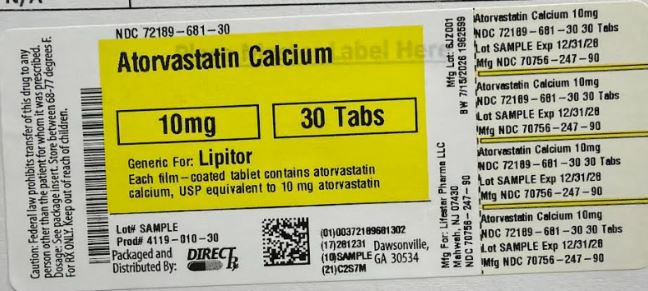
(atorvastatin · DailyMed)
EUVASCOR® 10 mg/5mg
Atorvastatin / Perindopril arginine
What it does
Arginine is an amino acid that helps with various bodily functions, including blood flow and immune support.
Commonly used for: heart disease, erectile dysfunction, high blood pressure (hypertension), sickle cell disease
Read more in plain English ↓Plain-language summary for general understanding - not medical advice. Always follow your pharmacist/doctor.
Ask about this medicine
Answers come only from this medicine's registration record, BNF monograph and interaction data - not medical advice.
Hard to find? We help patients in Kenya source rare medicines. We don't sell or dispense medicines - licensed pharmacies do.
Source this medicineRegistration & product details
Source: Pharmacy and Poisons Board · fetched 2026-03-01 02:03:22 · updated 2026-09-20 02:02:29
Drug Interactions
127Pharmacodynamic Warnings
Atorvastatin appears in TABLE 1: Drugs that cause hepatotoxicity
Perindopril appears in TABLE 7: Drugs that cause first dose hypotension
Perindopril appears in TABLE 8: Drugs that cause hypotension
Perindopril appears in TABLE 16: Drugs that increase serum potassium
Severe (7)
Atorvastatin - increases exposure
Darolutamide is predicted to increase the exposure to statins (atorvastatin, fluvastatin, rosuvastatin). Avoid.
Atorvastatin - increases exposure
Posaconazole is predicted to increase the exposure to statins (atorvastatin). Avoid.
Atorvastatin - increases exposure
Tedizolid is predicted to increase the exposure to statins (atorvastatin, fluvastatin, rosuvastatin). Avoid.
Statins - increases exposure
Darolutamide is predicted to increase the exposure to statins (atorvastatin, fluvastatin, rosuvastatin). Avoid.
Statins - increases exposure
Posaconazole is predicted to increase the exposure to statins (atorvastatin). Avoid.
Statins - increases exposure
Tedizolid is predicted to increase the exposure to statins (atorvastatin, fluvastatin, rosuvastatin). Avoid.
Statins - increases exposure
Voxilaprevir with sofosbuvir and velpatasvir markedly increases the exposure to statins (rosuvastatin). Avoid.
Moderate (40)
Atorvastatin - increases exposure
Amiodarone is predicted to increase the exposure to statins (atorvastatin). Monitor and adjust dose.
Atorvastatin - increases exposure
Dronedarone slightly increases the exposure to statins (atorvastatin). Monitor and adjust dose.
Atorvastatin - decreases exposure
Carbamazepine is predicted to decrease the exposure to statins (atorvastatin). Monitor and adjust dose. Also see TABLE 1 p. 1517.
Atorvastatin - decreases exposure
Eslicarbazepine is predicted to decrease the exposure to statins (atorvastatin). Monitor and adjust dose.
Atorvastatin - increases exposure
Fluconazole is predicted to increase the exposure to statins (atorvastatin, simvastatin). Monitor and adjust dose. Also see TABLE 1 p. 1517.
Unknown (80)
Aliskiren - increases exposure
Atorvastatin slightly to moderately increases the exposure to aliskiren.
Atorvastatin - decreases exposure
Apalutamide is predicted to decrease the exposure to statins (atorvastatin).
Atorvastatin - decreases exposure
Enzalutamide is predicted to decrease the exposure to statins (atorvastatin, simvastatin).
Atorvastatin - decreases exposure
Phenytoin moderately decreases the exposure to statins (atorvastatin).
Atorvastatin - decreases exposure
Oxcarbazepine is predicted to decrease the exposure to statins (atorvastatin, simvastatin).
Data from BNF 85 (British National Formulary). This is not a substitute for professional medical advice. Matched via: exact
About arginine
Arginine is an amino acid that helps with various bodily functions, including blood flow and immune support.
What it treats
- heart disease
- erectile dysfunction
- high blood pressure (hypertension)
- sickle cell disease
How it works
Arginine helps produce nitric oxide, which widens blood vessels and improves blood flow.
Who it's for
Arginine is for adults who may need support for heart health, blood circulation, or sexual function.
AI-assisted summary grounded in BNF data - general information only, not medical advice. Always confirm with your pharmacist or doctor.
About atorvastatin
Atorvastatin is a medication used to lower cholesterol levels in the blood.
What it treats
- high cholesterol (hyperlipidemia)
- prevention of heart disease
- prevention of stroke
How it works
Atorvastatin works by blocking a substance your body needs to make cholesterol, which helps reduce the amount of cholesterol in your blood.
Who it's for
It is suitable for adults who have high cholesterol or are at risk of heart disease.
Drug class
Statins
Cautions
- • Be cautious if you are taking other medications that can harm the liver.
AI-assisted summary grounded in BNF data - general information only, not medical advice. Always confirm with your pharmacist or doctor.
About perindopril
Perindopril is a medication that helps lower blood pressure and protect heart health.
What it treats
- high blood pressure (hypertension)
- heart failure
- to reduce the risk of heart problems after a heart attack
How it works
It works by relaxing blood vessels, making it easier for the heart to pump blood.
Who it's for
It is for adults with high blood pressure or certain heart conditions.
Drug class
ACE inhibitors
Cautions
- • Be cautious if you are taking other medications that can lower blood pressure.
- • Avoid medications that can cause low blood pressure.
- • Be aware of drugs that may increase potassium levels in the blood.
AI-assisted summary grounded in BNF data - general information only, not medical advice. Always confirm with your pharmacist or doctor.
Clinical monograph: Atorvastatin
BNF-referencedAtorvastatin is a statin medication used to lower cholesterol levels and reduce the risk of cardiovascular disease. It works by inhibiting HMG-CoA reductase, an enzyme involved in the synthesis of cholesterol in the liver.
Indications
- Hyperlipidaemia
- Primary prevention of cardiovascular disease
- Secondary prevention of cardiovascular events
Dosage
Children: Refer to the BNF for Children for specific dosing information.
Adults: Initial dose is typically 10-20 mg once daily, which can be adjusted based on lipid levels and tolerability. Maximum dose is 80 mg once daily.
Mechanism of action
Atorvastatin competitively inhibits HMG-CoA reductase, leading to decreased cholesterol synthesis and increased uptake of LDL cholesterol from the blood.
Pharmacodynamics
Atorvastatin reduces total cholesterol, LDL cholesterol, and triglycerides while increasing HDL cholesterol. The effects are dose-dependent, and it may also provide vascular protection.
Pharmacokinetics
Atorvastatin is rapidly absorbed after oral administration, with peak plasma concentrations occurring within 1 to 2 hours. It undergoes extensive first-pass metabolism in the liver, primarily by CYP3A4. The elimination half-life is approximately 14 hours, and it is excreted mainly in bile.
Contra-indications
- Active liver disease
- Unexplained persistent elevations in serum transaminases
- Pregnancy
Adverse effects
- Myopathy
- Rhabdomyolysis
- Hepatotoxicity
- Severe cutaneous adverse reactions (SCARs)
- Hypoglycaemia
- Peripheral oedema
- Cough
- Dyspnoea
- Weight loss
Interactions
- darolutamide: Severe (increases exposure)
- posaconazole: Severe (increases exposure)
- tedizolid: Severe (increases exposure)
- amiodarone: Moderate (increases exposure)
- dronedarone: Moderate (increases exposure)
- carbamazepine: Moderate (decreases exposure)
- eslicarbazepine: Moderate (decreases exposure)
- fluconazole: Moderate (increases exposure)
- diltiazem: Moderate (increases exposure)
- cobicistat: Moderate (increases exposure)
Precautions
- Caution in patients with a history of haemorrhagic stroke
- Caution in hepatic impairment
- Patient counselling advised for muscle effects
Pregnancy
Manufacturer advises against use due to potential risk of fetal congenital anomalies.
Breast-feeding
Manufacturer advises to avoid; no information available.
Storage
Store in a cool, dry place away from direct sunlight.
Formulations
- Atorvastatin 10 mg tablets
- Atorvastatin 20 mg tablets
- Atorvastatin 30 mg tablets
- Atorvastatin 60 mg tablets
- Atorvastatin 80 mg tablets
AI-synthesized from BNF references - general information only, not a substitute for professional medical advice or the current BNF. Verify doses with a pharmacist.
Clinical monograph: Arginine
BNF-referencedArginine is an amino acid used primarily as a dietary supplement in the management of urea cycle disorders, particularly in cases of hyperammonaemia due to various enzymatic deficiencies.
Indications
- Urea cycle disorders
- Hyperammonaemia types I and II
- Citrullinaemia
- Arginosuccinic aciduria
- Deficiency of N-acetyl glutamate synthetase
- Acute hyperammonaemia in carbamylphosphate synthetase deficiency
- Acute hyperammonaemia in ornithine transcarbamylase deficiency
Dosage
Children: Neonate: 100–300 mg/kg daily in 3–4 divided doses; Child (body-weight up to 40 kg): 6 mg/kg/hour; Child (body-weight 40 kg and above): 4 mg/kg/hour.
Adults: Refer to BNF for specific dosing based on condition; typically administered as 5–50 mg/kg twice daily, adjusted according to plasma ammonia concentration.
Mechanism of action
Arginine serves as a substrate for the synthesis of nitric oxide (NO), a crucial signaling molecule, and contributes to the urea cycle, facilitating the detoxification of ammonia in the liver.
Pharmacodynamics
As a precursor for nitric oxide, arginine plays a vital role in vasodilation and modulating blood flow. It also aids in protein synthesis and supports metabolic processes in the body.
Pharmacokinetics
Arginine is absorbed from the gastrointestinal tract and is distributed throughout the body. It undergoes hepatic metabolism, primarily via the urea cycle, and its half-life is influenced by renal function.
Pregnancy
Use only if clearly needed; consult specialist.
Breast-feeding
Use with caution; benefits should outweigh risks.
Storage
Store in a cool, dry place away from direct sunlight.
Formulations
- L-Arginine 500 mg tablets
- L-Arginine 1 gram tablets
- L-Arginine powder for solution
- L-Arginine 500 mg capsules
- L-Arginine 21% concentrate for solution for infusion
AI-synthesized from BNF references - general information only, not a substitute for professional medical advice or the current BNF. Verify doses with a pharmacist.
Clinical monograph: perindopril
BNF-referencedPerindopril is an angiotensin-converting enzyme (ACE) inhibitor used primarily for the treatment of hypertension and heart failure. As a prodrug, it is metabolized into its active form, perindoprilat, which exerts its therapeutic effects by blocking the conversion of angiotensin I to angiotensin II, a potent vasoconstrictor. This action leads to vasodilation, reduced blood pressure, and decreased workload on the heart.
Indications
- Hypertension
- Heart failure
- Prevention of cardiovascular events in patients with coronary artery disease
Dosage
Adults: The usual
Mechanism of action
Perindoprilat, the active metabolite of perindopril, binds to and inhibits the activity of the somatic isoform of angiotensin-converting enzyme (ACE), particularly the C-domain, which plays a crucial role in blood pressure regulation. By inhibiting ACE, perindoprilat decreases the levels of angiotensin II (ATII), thereby reducing blood pressure and promoting vasodilation. Additionally, the inhibition of ATII leads to increased plasma renin activity due to the loss of feedback inhibition.
Pharmacodynamics
Perindopril is a nonsulfhydryl prodrug that undergoes first-pass metabolism and systemic hydrolysis to produce perindoprilat. This active form lowers blood pressure by antagonizing the renin-angiotensin-aldosterone system (RAAS), which is involved in regulating blood pressure and fluid balance. By inhibiting the actions of ATII, perindoprilat reduces aldosterone secretion, leading to decreased sodium and water reabsorption in the kidneys. This results in increased urine output and a decrease in blood volume, further contributing to its antihypertensive effects.
Pharmacokinetics
After oral administration, perindopril is rapidly absorbed, with a bioavailability of approximately 62%. It undergoes extensive first-pass metabolism in the liver to form its active metabolite, perindoprilat, which has a half-life of about 17 hours. Perindoprilat is primarily excreted by the kidneys, and its pharmacokinetics may be altered in patients with renal impairment. The peak plasma concentration of perindoprilat is reached within 3 to 4 hours after administration.
Contra-indications
- History of hypersensitivity to perindopril or any other ACE inhibitor
- History of angioedema associated with previous ACE inhibitor therapy
- Hereditary or idiopathic angioedema
- Severe renal impairment (creatinine clearance less than 30 mL/min)
- Pregnancy
Adverse effects
- Cough
- Hyperkalemia
- Hypotension
- Dizziness
- Fatigue
- Renal impairment
- Angioedema
Interactions
- Potassium supplements or potassium-sparing diuretics may increase the risk of hyperkalemia
- Nonsteroidal anti-inflammatory drugs (NSAIDs) may reduce the antihypertensive effect of perindopril
- Lithium levels may increase when used concurrently with perindopril
- Other antihypertensive agents may have additive effects leading to hypotension
Precautions
- Monitor renal function before and during treatment
- Use with caution in patients with aortic stenosis or hypertrophic cardiomyopathy
- Consider monitoring potassium levels in at-risk populations
- Caution in patients with a history of angioedema
Pregnancy
Perindopril is contraindicated during pregnancy due to potential harm to the fetus, particularly in the second and third trimesters.
Breast-feeding
Caution is advised as perindopril is excreted in breast milk; consult a healthcare professional before use.
Storage
Store in a cool, dry place, away from direct sunlight. Keep out of reach of children.
Formulations
- Tablets: 2 mg, 4 mg, 8 mg
AI-synthesized from BNF references - general information only, not a substitute for professional medical advice or the current BNF. Verify doses with a pharmacist.
Molecular reference: Arginine
PubChem CID 6322Molecular formula: C6H14N4O2
Mechanism of action
Many of supplemental L-arginine's activities, including its possible anti-atherogenic actions, may be accounted for by its role as the precursor to nitric oxide or NO. NO is produced by all tissues of the body and plays very important roles in the cardiovascular system, immune system and nervous system. NO is formed from L-arginine via the enzyme nitric oxide synthase or synthetase (NOS), and the effects of NO are mainly mediated by 3,'5' -cyclic guanylate or cyclic GMP. NO activates the enzyme guanylate cyclase, which catalyzes the synthesis of cyclic GMP from guanosine triphosphate or GTP. Cyclic GMP is converted to guanylic acid via the enzyme cyclic GMP phosphodiesterase. NOS is a heme-containing enzyme with some sequences similar to cytochrome P-450 reductase. Several isoforms of NOS exist, two of which are constitutive and one of which is inducible by immunological stimuli. The constitutive NOS found in the vascular endothelium is designated eNOS and that present in the brain, spinal cord and peripheral nervous system is designated nNOS. The form of NOS induced by immunological or inflammatory stimuli is known as iNOS. iNOS may be expressed constitutively in select tissues such as lung epithelium. All the nitric oxide synthases use NADPH (reduced nicotinamide adenine dinucleotide phosphate) and oxygen (O2) as cosubstrates, as well as the cofactors FAD (flavin adenine dinucleotide), FMN (flavin mononucleotide), tetrahydrobiopterin and heme. Interestingly, ascorbic acid appears to enhance NOS activity by increasing intracellular tetrahydrobiopterin. eNOS and nNOS synthesize NO in response to an increased concentration of calcium ions or in some cases in response to calcium-independent stimuli, such as shear stress. In vitro studies of NOS indicate that the Km of the enzyme for L-arginine is in the micromolar range. The concentration of L-arginine in endothelial cells, as well as in other cells, and in plasma is in the millimolar range. What this means is that, under physiological conditions, NOS is saturated with its L-arginine substrate. In other words, L-arginine would not be expected to be rate-limiting for the enzyme, and it would not appear that supraphysiological levels of L-arginine which could occur with oral supplementation of the amino acid^would make any difference with regard to NO production. The reaction would appear to have reached its maximum level. However, in vivo studies have demonstrated that, under certain conditions, e.g. hypercholesterolemia, supplemental L-arginine could enhance endothelial-dependent vasodilation and NO production.
Pharmacodynamics
Studies have shown that is has improved immune responses to bacteria, viruses and tumor cells; promotes wound healing and regeneration of the liver; causes the release of growth hormones; considered crucial for optimal muscle growth and tissue repair.
Biological pathways
Source: PubChem (NCBI) · pathways from PathBank, Reactome, WikiPathways & PharmGKB.
Molecular reference: Atorvastatin
PubChem CID 60823Molecular formula: C33H35FN2O5
Mechanism of action
Atorvastatin is a statin medication and a competitive inhibitor of the enzyme HMG-CoA (3-hydroxy-3-methylglutaryl coenzyme A) reductase, which catalyzes the conversion of HMG-CoA to mevalonate, an early rate-limiting step in cholesterol biosynthesis. Atorvastatin acts primarily in the liver, where decreased hepatic cholesterol concentrations stimulate the upregulation of hepatic low-density lipoprotein (LDL) receptors, which increases hepatic uptake of LDL. Atorvastatin also reduces Very-Low-Density Lipoprotein-Cholesterol (VLDL-C), serum triglycerides (TG) and Intermediate Density Lipoproteins (IDL), as well as the number of apolipoprotein B (apo B) containing particles, but increases High-Density Lipoprotein Cholesterol (HDL-C). _In vitro_ and _in vivo_ animal studies also demonstrate that atorvastatin exerts vasculoprotective effects independent of its lipid-lowering properties, also known as the pleiotropic effects of statins. These effects include improvement in endothelial function, enhanced stability of atherosclerotic plaques, reduced oxidative stress and inflammation, and inhibition of the thrombogenic response. Statins were also found to bind allosterically to β2 integrin function-associated antigen-1 (LFA-1), which plays an essential role in leukocyte trafficking and T cell activation. In animal models, Lipitor lowers plasma cholesterol and lipoprotein levels by inhibiting 3-hydroxy-3-methylglutaryl-coenzyme A (HMG-CoA) reductase and cholesterol synthesis in the liver and by increasing the number of hepatic low-density lipoprotein (LDL) receptors on the cell surface to enhance uptake and catabolism of LDL; Lipitor also reduces LDL production and the number of LDL particles. Lipitor reduces LDL-cholesterol (LDL-C) in some patients with homozygous familial hypercholesterolemia (FH), a population that rarely responds to other lipid-lowering medication(s). Lipitor is a selective, competitive inhibitor of 3-hydroxy-3-methylglutaryl-coenzyme A (HMG-CoA) reductase, the rate-limiting enzyme that converts 3-hydroxy-3-methylglutaryl-coenzyme A to mevalonate, a precursor of sterols, including cholesterol. Cholesterol and triglycerides circulate in the bloodstream as part of lipoprotein complexes. With ultracentrifugation, these complexes separate into HDL (high-density lipoprotein), IDL (intermediate-density lipoprotein), LDL (low-density lipoprotein), and VLDL (very-low-density lipoprotein) fractions. Triglycerides (TG) and cholesterol in the liver are incorporated into VLDL and released into the plasma for delivery to peripheral tissues. LDL is formed from VLDL and is catabolized primarily through the high-affinity LDL receptor. Clinical and pathologic studies show that elevated plasma levels of total cholesterol (total-C), LDL-cholesterol (LDL-C), and apolipoprotein B (apo B) promote human atherosclerosis and are risk factors for developing cardiovascular disease, while increased levels of HDL-C are associated with a decreased cardiovascular risk. Statins are largely used in clinics in the treatment of patients with cardiovascular diseases for their effect on lowering circulating cholesterol. Lectin-like oxidized low-density lipoprotein (LOX-1), the primary receptor for ox-LDL, plays a central role in the pathogenesis of atherosclerosis and cardiovascular disorders. We have recently shown that chronic exposure of cells to lovastatin disrupts LOX-1 receptor cluster distribution in plasma membranes, leading to a marked loss of LOX-1 function. Here we investigated the molecular mechanism of statin-mediated LOX-1 inhibition and we demonstrate that all tested statins /including atorvastatin/ are able to displace the binding of fluorescent ox-LDL to LOX-1 by a direct interaction with LOX-1 receptors in a cell-based binding assay. Molecular docking simulations confirm the interaction and indicate that statins completely fill the hydrophobic tunnel that crosses the C-type lectin-like (CTLD) recognition domain of LOX-1. Classical
Pharmacodynamics
Atorvastatin is an oral antilipemic agent that reversibly inhibits HMG-CoA reductase. It lowers total cholesterol, low-density lipoprotein-cholesterol (LDL-C), apolipoprotein B (apo B), non-high density lipoprotein-cholesterol (non-HDL-C), and triglyceride (TG) plasma concentrations while increasing HDL-C concentrations. High LDL-C, low HDL-C and high TG concentrations in the plasma are associated with increased risk of atherosclerosis and cardiovascular disease. The total cholesterol to HDL-C ratio is a strong predictor of coronary artery disease, and high ratios are associated with a higher risk of disease. Increased levels of HDL-C are associated with lower cardiovascular risk. By decreasing LDL-C and TG and increasing HDL-C, atorvastatin reduces the risk of cardiovascular morbidity and mortality. Elevated cholesterol levels (and high low-density lipoprotein (LDL) levels in particular) are an important risk factor for the development of CVD. Clinical studies have shown that atorvastatin reduces LDL-C and total cholesterol by 36-53%. In patients with dysbetalipoproteinemia, atorvastatin reduced the levels of intermediate-density lipoprotein cholesterol. It has also been suggested that atorvastatin can limit the extent of angiogenesis, which can be useful in the treatment of chronic subdural hematoma. **Myopathy/Rhabdomyolysis** Atorvastatin, like other HMG-CoA reductase inhibitors, is associated with a risk of drug-induced myopathy characterized by muscle pain, tenderness, or weakness in conjunction with elevated levels of creatine kinase (CK). Myopathy often manifests as rhabdomyolysis with or without acute renal failure secondary to myoglobinuria. The risk of statin-induced myopathy is dose-related, and the symptoms of myopathy are typically resolved upon drug discontinuation. Results from observational studies suggest that 10-15% of people taking statins may experience muscle aches at some point during treatment. **Liver Dysfunction** Statins, like some other lipid-lowering therapies, have been associated with biochemical abnormalities of liver function. Persistent elevations (> 3 times the upper limit of normal [ULN] occurring on two or more occasions) in serum transaminases occurred in 0.7% of patients who received atorvastatin in clinical trials. This effect appears to be dose-related. **Endocrine Effects** Statins are associated with a risk of increased serum HbA1c and glucose levels. An _in vitro_ study demonstrated a dose-dependent cytotoxic effect on human pancreatic islet β cells following treatment with atorvastatin. Moreover, insulin secretion rates decreased relative to control. HMG-CoA reductase inhibitors interfere with cholesterol synthesis and may theoretically interfere with the production of adrenal and/or gonadal steroids. Clinical studies with atorvastatin and other HMG-CoA reductase inhibitors have suggested that these agents do not affect plasma cortisol concentrations, basal plasma testosterone concentration, or adrenal reserve. However, the effect of statins on male fertility has not been fully investigated. The effects of statins on the pituitary-gonadal axis in premenopausal women are unknown. **Cardiovascular** Significant decreases in circulating ubiquinone levels in patients treated with atorvastatin and other statins have been observed. The clinical significance of a potential long-term statin-induced deficiency of ubiquinone has not been established. It has been reported that a decrease in myocardial ubiquinone levels could lead to impaired cardiac function in patients with borderline congestive heart failure. **Lipoprotein A** In some patients, the beneficial effect of lowered total cholesterol and LDL-C levels may be partly blunted by the concomitant increase in Lp(a) lipoprotein concentrations. Present knowledge suggests the importance of high Lp(a) levels as an emerging risk factor for coronary heart disease. Further studies have demonstrated statins affect Lp(a) levels diffe
Biological pathways
Source: PubChem (NCBI) · pathways from PathBank, Reactome, WikiPathways & PharmGKB.
Molecular reference: perindopril
PubChem CID 107807Molecular formula: C19H32N2O5
Mechanism of action
There are two isoforms of ACE: the somatic isoform, which exists as a glycoprotein comprised of a single polypeptide chain of 1277; and the testicular isoform, which has a lower molecular mass and is thought to play a role in sperm maturation and binding of sperm to the oviduct epithelium. Somatic ACE has two functionally active domains, N and C, which arise from tandem gene duplication. Although the two domains have high sequence similarity, they play distinct physiological roles. The C-domain is predominantly involved in blood pressure regulation while the N-domain plays a role in hematopoietic stem cell differentiation and proliferation. ACE inhibitors bind to and inhibit the activity of both domains, but have much greater affinity for and inhibitory activity against the C-domain. Perindoprilat, the active metabolite of perindopril, competes with ATI for binding to ACE and inhibits and enzymatic proteolysis of ATI to ATII. Decreasing ATII levels in the body decreases blood pressure by inhibiting the pressor effects of ATII as described in the Pharmacology section above. Perindopril also causes an increase in plasma renin activity likely due to a loss of feedback inhibition mediated by ATII on the release of renin and/or stimulation of reflex mechanisms via baroreceptors.
Pharmacodynamics
Perindopril is a nonsulfhydryl prodrug that is metabolized via first pass effect (62%) and systemic hydrolysis (38%) to perindoprilat, its active metabolite, following oral administration. Perindoprilat lowers blood pressure by antagonizing the effect of the RAAS. The RAAS is a homeostatic mechanism for regulating hemodynamics, water and electrolyte balance. During sympathetic stimulation or when renal blood pressure or blood flow is reduced, renin is released from the granular cells of the juxtaglomerular apparatus in the kidneys. In the blood stream, renin cleaves circulating angiotensinogen to ATI, which is subsequently cleaved to ATII by ACE. ATII increases blood pressure using a number of mechanisms. First, it stimulates the secretion of aldosterone from the adrenal cortex. Aldosterone travels to the distal convoluted tubule (DCT) and collecting tubule of nephrons where it increases sodium and water reabsorption by increasing the number of sodium channels and sodium-potassium ATPases on cell membranes. Second, ATII stimulates the secretion of vasopressin (also known as antidiuretic hormone or ADH) from the posterior pituitary gland. ADH stimulates further water reabsorption from the kidneys via insertion of aquaporin-2 channels on the apical surface of cells of the DCT and collecting tubules. Third, ATII increases blood pressure through direct arterial vasoconstriction. Stimulation of the Type 1 ATII receptor on vascular smooth muscle cells leads to a cascade of events resulting in myocyte contraction and vasoconstriction. In addition to these major effects, ATII induces the thirst response via stimulation of hypothalamic neurons. ACE inhibitors inhibit the rapid conversion of ATI to ATII and antagonize RAAS-induced increases in blood pressure. ACE (also known as kininase II) is also involved in the enzymatic deactivation of bradykinin, a vasodilator. Inhibiting the deactivation of bradykinin increases bradykinin levels and may sustain the effects of perindoprilat by causing increased vasodilation and decreased blood pressure.
Biological pathways
Source: PubChem (NCBI) · pathways from PathBank, Reactome, WikiPathways & PharmGKB.
This drug in other countries
The same active ingredient registered across other registries we cover - including different brands.