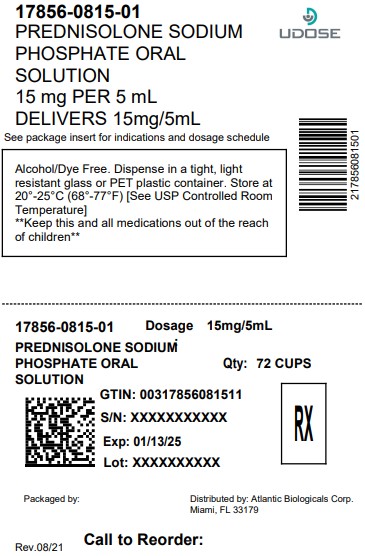
(prednisolone · DailyMed)
SCHERIPROCT
PREDNISOLONE HEXANOATE / CINCHOCAIN HCL
What it does
Cinchocain is a local anesthetic used to numb specific areas of the body.
Commonly used for: pain relief during minor surgical procedures, treatment of hemorrhoids (piles)
Read more in plain English ↓Plain-language summary for general understanding - not medical advice. Always follow your pharmacist/doctor.
Ask about this medicine
Answers come only from this medicine's registration record, BNF monograph and interaction data - not medical advice.
Hard to find? We help patients in Kenya source rare medicines. We don't sell or dispense medicines - licensed pharmacies do.
Source this medicineRegistration & product details
Source: Pharmacy and Poisons Board · fetched 2026-01-28 22:04:24 · updated 2026-09-20 02:02:04
Drug Interactions
41Pharmacodynamic Warnings
Prednisolone appears in TABLE 17: Drugs that reduce serum potassium
Severe (1)
Mifamurtide - decreases efficacy
Corticosteroidsarepredictedtodecreasetheefficacyof mifamurtide.Avoid.rTheoretical
Moderate (20)
Corticosteroids - increases exposure
Dronedarone is predicted to increase the exposure to corticosteroids (methylprednisolone). Monitor and adjust dose.
Corticosteroids - increases concentration
Miconazole is predicted to increase the concentration of corticosteroids (methylprednisolone). Monitor and adjust dose.
Corticosteroids - increases exposure
Antifungals, azoles (fluconazole, isavuconazole, posaconazole) are predicted to increase the exposure to corticosteroids (methylprednisolone). Monitor and adjust dose.
Corticosteroids - decreases exposure
Cenobamate is predicted to decrease the exposure to corticosteroids (fluticasone). Adjust dose.
Corticosteroids - decreases efficacy
Mifepristone is predicted to decrease the efficacy of corticosteroids. Use with caution and adjust dose.
Unknown (20)
Aspirin - decreases concentration
Corticosteroids are predicted to decrease the concentration of aspirin (high-dose) and aspirin (high-dose) increases the risk of gastrointestinal bleeding when given with corticosteroids.
Choline Salicylate - decreases concentration
Corticosteroids are predicted to decrease the concentration of cholinesalicylate. Ciclesonide → see corticosteroids Ciclosporin → see TABLE 2 p. 1517 (nephrotoxicity), TABLE 16 p. 1521 (increased seru
Corticosteroids - increases exposure
Cobicistat is predicted to increase the exposure to corticosteroids (beclometasone) (risk with beclometasone is likely to be lower than with other corticosteroids).
Corticosteroids - increases risk of gastrointestinal perforation
Erlotinib is predicted to increase the risk of gastrointestinal perforation when given with corticosteroids.
Corticosteroids - increases exposure
Idelalisib is predicted to increase the exposure to corticosteroids (betamethasone, budesonide, ciclesonide, deflazacort, dexamethasone, fludrocortisone, fluticasone, hydrocortisone, methylprednisolon
Data from BNF 85 (British National Formulary). This is not a substitute for professional medical advice. Matched via: class
About cinchocain
Cinchocain is a local anesthetic used to numb specific areas of the body.
What it treats
- pain relief during minor surgical procedures
- treatment of hemorrhoids (piles)
How it works
Cinchocain blocks nerve signals in the area where it is applied, providing temporary pain relief.
Who it's for
Adults and children needing localized pain relief.
AI-assisted summary grounded in BNF data - general information only, not medical advice. Always confirm with your pharmacist or doctor.
About hexanoate
Hexanoate is a substance used in various treatments but specific details about its class, interactions, and cautions are not provided.
How it works
The exact way hexanoate works is not specified, but it is known to have applications in medical treatments.
Who it's for
Hexanoate may be used for patients needing certain medical therapies, but specific conditions are not listed.
AI-assisted summary grounded in BNF data - general information only, not medical advice. Always confirm with your pharmacist or doctor.
About prednisolone
Prednisolone is a corticosteroid medication used to reduce inflammation and suppress the immune system.
What it treats
- inflammation
- allergic reactions
- asthma
- autoimmune diseases
- certain types of cancer
How it works
It works by mimicking the effects of hormones your body makes in the adrenal glands, helping to reduce swelling and control the immune response.
Who it's for
Prednisolone is prescribed for people with conditions that involve inflammation or an overactive immune system.
Drug class
Corticosteroids
Cautions
- • Be cautious if taking medications that lower potassium levels.
AI-assisted summary grounded in BNF data - general information only, not medical advice. Always confirm with your pharmacist or doctor.
Clinical monograph: Prednisolone
BNF-referencedPrednisolone is a synthetic corticosteroid that exhibits anti-inflammatory and immunosuppressive properties. It is commonly used to treat a variety of corticosteroid-responsive conditions, including inflammatory disorders, autoimmune diseases, and certain malignancies. Prednisolone works by modulating gene expression through binding to the glucocorticoid receptor, leading to decreased inflammation and altered immune responses.
Indications
- Corticosteroid-responsive conditions
- Autoimmune diseases
- Inflammatory eye conditions
- Certain malignancies
- Chronic inflammatory disorders
Dosage
Children: Refer to the BNF for Children for appropriate paediatric dosing recommendations based on age and weight.
Adults: Refer to the BNF for specific adult dosing guidelines based on the condition being treated. Doses may vary depending on the severity of the condition and the clinical response.
Mechanism of action
Prednisolone binds to the glucocorticoid receptor, resulting in altered gene expression that decreases vasodilation, capillary permeability, and leukocyte migration to sites of inflammation. It inhibits phospholipase A2, reducing the production of arachidonic acid derivatives, and suppresses pro-inflammatory transcription factors such as NF-Kappa B. This results in an anti-inflammatory effect at lower doses and immunosuppressive effects at higher doses.
Pharmacodynamics
Corticosteroids like prednisolone exert their effects by inhibiting pro-inflammatory signals and promoting anti-inflammatory signals through their action on the glucocorticoid receptor. Prednisolone has a relatively short half-life of 2.1 to 3.5 hours, and while it has a wide therapeutic window, long-term use can lead to hypothalamic-pituitary-adrenal axis suppression and increased infection risk.
Pharmacokinetics
Prednisolone is rapidly absorbed and has a short duration of action. Its pharmacokinetics involve extensive metabolism in the liver, primarily through hepatic enzymes, leading to various metabolites. The elimination half-life is approximately 2.1 to 3.5 hours, and it is primarily excreted in the urine. Chronic use can affect circadian rhythms and homeostasis.
Contra-indications
- Known allergy to prednisolone or any of its components
- Systemic fungal infections
- Active tuberculosis
- Untreated bacterial infections
Adverse effects
- Increased susceptibility to infections
- Gastrointestinal disturbances
- Fluid retention
- Hypertension
- Cushing's syndrome
- Osteoporosis
- Mood changes
- Hyperglycemia
Interactions
- Mitotane (Moderate - decreases exposure)
- Rifampicin (Moderate - decreases exposure)
- Cobicistat (Unknown - increases exposure)
- Idelalisib (Unknown - increases exposure)
- Clarithromycin (Unknown - increases exposure)
Precautions
- Monitor for signs of infection during therapy
- Use with caution in patients with a history of gastrointestinal ulcers
- Tapering of dosage may be necessary to avoid withdrawal symptoms
- Consider potential effects on growth in pediatric patients
Pregnancy
Prednisolone is classified as a Category C drug. It should only be used if the potential benefits justify the potential risk to the fetus.
Breast-feeding
Prednisolone is excreted in breast milk. Caution should be exercised when administered to nursing mothers.
Storage
Store in a cool, dry place away from light. Keep out of reach of children.
Formulations
- Tablets: 2 mg, 4 mg, 16 mg, 100 mg
- Suspension for injection
- Powder and solvent for solution for injection
AI-synthesized from BNF references - general information only, not a substitute for professional medical advice or the current BNF. Verify doses with a pharmacist.
Clinical monograph: cinchocain
Cinchocain, also known as cinchocaine, is a local anesthetic belonging to the amino ester class. It is primarily used for its numbing effects on mucous membranes, particularly in dental procedures and for the relief of pain associated with certain medical conditions. Cinchocain works by inhibiting nerve signal transmission in targeted areas, providing temporary pain relief.
Indications
- Local anesthesia for dental procedures
- Pain relief for minor surgical interventions
- Management of anal fissures and hemorrhoids
Dosage
Children: Refer to the BNF for Children for specific dosing recommendations based on age and weight.
Adults: Refer to established guidelines for local anesthetic administration. Dosage varies based on the procedure and formulation used.
Mechanism of action
Cinchocain exerts its anesthetic effect by blocking voltage-gated sodium channels in the neuronal cell membrane. This inhibition prevents the influx of sodium ions during the depolarization phase of action potentials, thereby reducing neuronal excitability and conduction of nerve impulses. As a result, the transmission of pain signals to the central nervous system is interrupted.
Pharmacodynamics
The pharmacodynamic properties of cinchocain involve its potency as a local anesthetic, which is determined by its chemical structure and affinity for sodium channels. The onset of action is relatively rapid, and the duration of anesthetic effect can vary based on the formulation and site of administration. The drug is effective in providing short-term analgesia and is often used in combination with other agents to enhance anesthetic efficacy.
Pharmacokinetics
Cinchocain is absorbed at the site of administration, with the rate of absorption influenced by factors such as the formulation and local blood flow. It undergoes hydrolysis primarily in the liver, where it is metabolized to inactive metabolites. The elimination half-life can vary, but the drug is generally excreted in urine. Due to its potential for systemic absorption, careful consideration of dosing and administration technique is necessary to minimize the risk of systemic toxicity.
Contra-indications
- Hypersensitivity to cinchocain or any of its components
- Severe liver disease
- Severe heart block
- Myasthenia gravis
Adverse effects
- Local skin reactions
- Systemic allergic reactions
- Cardiovascular effects such as arrhythmias
- CNS effects including dizziness, tremors, and seizures
- Hypotension
Interactions
- Other local anesthetics may increase the risk of toxicity
- Beta-blockers may enhance the cardiovascular effects
- Drugs that affect liver enzymes may alter cinchocain metabolism
Precautions
- Use with caution in patients with cardiac conditions
- Monitor for signs of systemic toxicity
- Avoid use in areas with compromised blood supply
- Caution in patients with renal impairment
Pregnancy
Use only if the potential benefit justifies the potential risk to the fetus. Limited data available.
Breast-feeding
Cinchocain should be used with caution during breastfeeding due to limited data on excretion in breast milk.
Storage
Store at room temperature, away from direct sunlight and moisture. Keep out of reach of children.
Formulations
- Topical cream
- Injection solution
AI-synthesized from BNF references - general information only, not a substitute for professional medical advice or the current BNF. Verify doses with a pharmacist.
Clinical monograph: hexanoate
BNF-referencedHexanoate, a fatty acid derivative with the molecular formula C6H11O2-, is primarily involved in lipid metabolism and is known for its role in cannabinoid biosynthesis. It is a medium-chain fatty acid that can be synthesized in the body and is found in various natural sources. Hexanoate may be used in the production of bioactive compounds and has been studied for its potential therapeutic effects.
Indications
- Cannabinoid biosynthesis
- Potential therapeutic effects in metabolic disorders
- Influence on lipid metabolism
Dosage
Children: Refer to the BNF for Children for appropriate paediatric dosing information.
Adults: Refer to specific guidelines or consult the BNF for appropriate dosing information.
Mechanism of action
Hexanoate may participate in cannabinoid biosynthesis pathways, influencing the production of endocannabinoids that play roles in various physiological processes, including pain modulation, appetite regulation, and inflammation. The precise mechanisms through which hexanoate exerts its effects are still under investigation, but it is thought to affect metabolic pathways linked to lipid metabolism and endocannabinoid signaling.
Pharmacodynamics
Hexanoate is involved in energy metabolism and can influence lipid metabolism. It may also modulate the endocannabinoid system, which is crucial for maintaining homeostasis in the body. The pharmacodynamic effects of hexanoate include potential impacts on appetite, pain perception, and inflammatory responses.
Pharmacokinetics
The pharmacokinetics of hexanoate include metabolism primarily in the liver, where it can be converted into various metabolites. It may be absorbed through the gastrointestinal tract when consumed and can be incorporated into cellular membranes or utilized for energy production. The exact absorption rates, distribution, and elimination half-life of hexanoate require further investigation.
Pregnancy
There is insufficient data on the safety of hexanoate in pregnant women. Use only if the potential benefit justifies the potential risk to the fetus.
Breast-feeding
There is limited information available on the excretion of hexanoate in human milk. Caution should be exercised when administering to nursing mothers.
Storage
Store in a cool, dry place, away from light and moisture. Keep out of reach of children.
AI-synthesized from BNF references - general information only, not a substitute for professional medical advice or the current BNF. Verify doses with a pharmacist.
Molecular reference: hexanoate
PubChem CID 4398339Molecular formula: C6H11O2-
Biological pathways
Source: PubChem (NCBI) · pathways from PathBank, Reactome, WikiPathways & PharmGKB.
Molecular reference: Prednisolone
PubChem CID 5755Molecular formula: C21H28O5
Mechanism of action
The short term effects of corticosteroids are decreased vasodilation and permeability of capillaries, as well as decreased leukocyte migration to sites of inflammation. Corticosteroids binding to the glucocorticoid receptor mediates changes in gene expression that lead to multiple downstream effects over hours to days. Glucocorticoids inhibit neutrophil apoptosis and demargination; they inhibit phospholipase A2, which decreases the formation of arachidonic acid derivatives; they inhibit NF-Kappa B and other inflammatory transcription factors; they promote anti-inflammatory genes like interleukin-10. Lower doses of corticosteroids provide an anti-inflammatory effect, while higher doses are immunosuppressive. High doses of glucocorticoids for an extended period bind to the mineralocorticoid receptor, raising sodium levels and decreasing potassium levels. Although altered homeostatic regulation, including disturbance of 24-h rhythms, is often observed in the patients undergoing glucocorticoid therapy, the mechanisms underlying the disturbance remains poorly understood. We report here that chronic treatment with a synthetic glucocorticoid, prednisolone, can cause alteration of circadian clock function at molecular level. Treatment of cultured hepatic cells (HepG2) with prednisolone induced expression of Period1 (Per1), and the prednisolone treatment also attenuated the serum-induced oscillations in the expression of Period2 (Per2), Rev-erbalpha, and Bmal1 mRNA in HepG2 cells. Because the attenuation of clock gene oscillations was blocked by pretreating the cells with a Per1 antisense phosphothioate oligodeoxynucleotide, the extensive expression of Per1 induced by prednisolone may have resulted in the reduced amplitude of other clock gene oscillations. Continuous administration of prednisolone into mice constitutively increased the Per1 mRNA levels in liver and skeletal muscle, which seems to attenuate the oscillation in the expressions of Per2, Rev-erbalpha, and Bmal1. However, a single daily administration of prednisolone at the time of day corresponding to acrophase of endogenous glucocorticoid levels had little effect on the rhythmic expression of clock genes. These results suggest a possible pharmacological action by prednisolone on the core circadian oscillation mechanism and indicate the possibility that the alteration of clock function induced by prednisolone can be avoided by optimizing the dosing schedule. Glucocorticoids are capable of suppressing the inflammatory process through numerous pathways. They interact with specific intracellular receptor proteins in target tissues to alter the expression of corticosteroid-responsive genes. Glucocorticoid-specific receptors in the cell cytoplasm bind with steroid ligands to form hormone-receptor complexes that eventually translocate to the cell nucleus. There these complexes bind to specific DNA sequences and alter their expression. The complexes may induce the transcription of mRNA leading to synthesis of new proteins. Such proteins include lipocortin, a protein known to inhibit PLA2a and thereby block the synthesis of prostaglandins, leukotrienes, and PAF. Glucocorticoids also inhibit the production of other mediators including AA metabolites such as COX, cytokines, the interleukins, adhesion molecules, and enzymes such as collagenase. /Glucocorticoids/
Pharmacodynamics
Corticosteroids bind to the glucocorticoid receptor, inhibiting pro-inflammatory signals, and promoting anti-inflammatory signals. Prednisolone has a short duration of action as the half life is 2.1-3.5 hours. Corticosteroids have a wide therapeutic window as patients make require doses that are multiples of what the body naturally produces. Patients taking corticosteroids should be counselled regarding the risk of hypothalamic-pituitary-adrenal axis suppression and increased susceptibility to infections.
Biological pathways
Source: PubChem (NCBI) · pathways from PathBank, Reactome, WikiPathways & PharmGKB.
This drug in other countries
The same active ingredient registered across other registries we cover - including different brands.
- ASTOLON 5MG TABLET
- CORTIMED_5 5MG TABLET
- DAWASOLONE 5ML/5ML SOLUTION
- GENSONE 10MG EYE DROPS
- IVYSOLONE_OPHTHALMIC 1%W/V SUSPENSION
- LENISOLONE 5MG TABLET
- AGOPRED TABLETS · Agog Pharma
- AGOPRED-10 TABLETS · Agog Pharma
- AUROFORT · Aurolab
- AUROPRED · Aurolab
- NEOPRED · Les Laboratoires Medis
- ORCHAPRED · Orchidia Pharmaceutical Industries
- Ivysolone ophthalmic suspension · B. Braun Pharmaceuticals
- LUMEPRED · Axa Parenterals
- MASTINOR LC · Baoding Sunlight Herb Medicament
- P-SOLONE-5 · Bafna Pharmaceuticals
- PLONE-5 · Brawn Laboratories
- PREDNI · Lincoln Pharmaceuticals
- GATILANT P EYE DROPS · Atlantic Lifesciences
- LUMEPRED EYE DROP · Axa Parenterals
- NEO-PRESOL LOTION (Each 25ml bottle contains Methyl Prednisolone/Sulphur/Neomycin Sulphate 2.5mg/50mg/2.5mg) · Drugfield Pharmaceuticals
- O-PRED · Oa & J Pharmaceuticals
- OPTIPRED · Jamjoom Pharmaceuticals
- PREDILANT EYE DROPS · Atlantic Lifesciences
- CORTIPOL · Aroma Ilac Sanayi
- EPIZOLONE DEPOT · Egyptian International Pharmaceutical Industries Co.
- METHYL PREDNISOLONE · Egyptian International Pharmaceutical Industries Co.
- PRED FORTE · Allergan Pharmaceuticals
- PREDNI · Lincoln Pharmaceuticals
- PREDNISOLONE · Caps
- Adnicor · Aurobindo Laboratories
- EDNISOL · Til Healthcare
- Kampred tablets · Aveo Pharmaceuticals
- Mastijet® Forte · Intervet International
- Megamast LC Intra-mammary infusion · Interchemie Werken De Adelaar
- PREDS · Appasamy Ocular Devices