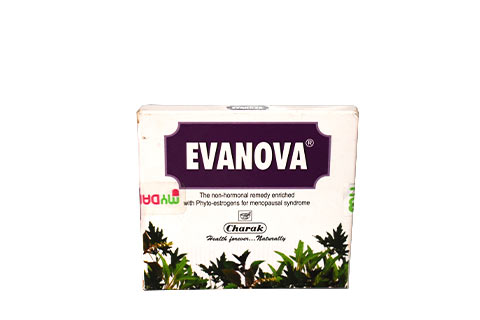
EVANOVA CAPSULE
ABRAK BHASMA VANG BHASMA YASHAD BHASMA AEGLE MARMELOS CUMINUM CYMINUM NARDOSTACHYS JATAMANSI CELASTRUS PANICULATUS BRYONIA LACINIOSA HERPESTIS MONNIERA TINOSPORA CORDIFOLIA SARACA INDICA GLYCINE SOJA
What it does
Abrak is a medication that is used to treat various health conditions.
Commonly used for: treatment of certain infections, management of inflammatory conditions
Read more in plain English ↓Plain-language summary for general understanding - not medical advice. Always follow your pharmacist/doctor.
Ask about this medicine
Answers come only from this medicine's registration record, BNF monograph and interaction data - not medical advice.
Hard to find? We help patients in Kenya source rare medicines. We don't sell or dispense medicines - licensed pharmacies do.
Source this medicineRegistration & product details
Source: Pharmacy and Poisons Board · fetched 2026-01-28 21:57:03 · updated 2026-03-23 04:42:10
About abrak
Abrak is a medication that is used to treat various health conditions.
What it treats
- treatment of certain infections
- management of inflammatory conditions
How it works
Abrak works by targeting specific processes in the body to help reduce symptoms and fight infections.
Who it's for
This medication is suitable for individuals needing help with infections or inflammation.
AI-assisted summary grounded in BNF data - general information only, not medical advice. Always confirm with your pharmacist or doctor.
About aegle
Aegle is a natural substance often used for its potential health benefits.
What it treats
- general wellness
- supporting digestive health
How it works
Aegle may help improve overall health and support digestive processes, though specific mechanisms are not fully understood.
Who it's for
Aegle is suitable for adults looking to enhance their well-being, but it's important to consult with a healthcare provider before use.
AI-assisted summary grounded in BNF data - general information only, not medical advice. Always confirm with your pharmacist or doctor.
About bhasma
Bhasma is a traditional herbal preparation used in various treatments.
What it treats
- boosting immunity
- treating skin conditions
- supporting digestive health
How it works
Bhasma is believed to enhance the body's natural healing processes and improve overall health.
Who it's for
It is commonly used by people seeking natural remedies for various health issues.
AI-assisted summary grounded in BNF data - general information only, not medical advice. Always confirm with your pharmacist or doctor.
About bryonia
Bryonia is a natural remedy used for various health issues, particularly those related to inflammation and pain.
What it treats
- pain relief
- inflammation
- respiratory conditions
How it works
Bryonia is believed to help reduce swelling and ease pain by influencing the body's natural processes.
Who it's for
Bryonia is typically used by individuals seeking relief from pain and inflammation, as well as those with respiratory problems.
AI-assisted summary grounded in BNF data - general information only, not medical advice. Always confirm with your pharmacist or doctor.
About celastrus
Celastrus is a natural product often used for its potential health benefits.
What it treats
- stress relief
- anxiety
- mood enhancement
How it works
Celastrus may support mental well-being and promote a sense of calm.
Who it's for
Adults seeking to manage stress and improve mood.
Cautions
- • Consult a healthcare provider before use, especially if pregnant or nursing.
- • May interact with other medications.
AI-assisted summary grounded in BNF data - general information only, not medical advice. Always confirm with your pharmacist or doctor.
About cordifolia
Cordifolia is a natural substance often used for its potential health benefits.
What it treats
- general wellness
- supporting immune function
- reducing inflammation
How it works
Cordifolia is believed to help the body by supporting various functions, including boosting the immune system and reducing inflammation.
Who it's for
Cordifolia may be suitable for adults looking for natural support for their overall health.
AI-assisted summary grounded in BNF data - general information only, not medical advice. Always confirm with your pharmacist or doctor.
About cuminum
Cumin is a spice commonly used in cooking and traditional medicine for its potential health benefits.
What it treats
- digestive issues
- inflammation
- antioxidant properties
How it works
Cumin may help improve digestion and reduce inflammation in the body.
Who it's for
People looking for natural ways to support digestion and overall health.
AI-assisted summary grounded in BNF data - general information only, not medical advice. Always confirm with your pharmacist or doctor.
About cyminum
Cyminum is a natural ingredient often used for its potential health benefits.
What it treats
- digestive issues
- stomach discomfort
- appetite stimulation
How it works
Cyminum may help improve digestion and reduce bloating by stimulating the digestive system.
Who it's for
People looking for natural remedies to support digestion or relieve stomach discomfort.
AI-assisted summary grounded in BNF data - general information only, not medical advice. Always confirm with your pharmacist or doctor.
About glycine
Glycine is an amino acid that plays a role in various bodily functions.
What it treats
- supporting mood and mental health
- helping with sleep issues
- aiding muscle recovery
How it works
Glycine helps to build proteins in the body and can have a calming effect on the brain.
Who it's for
Glycine may be suitable for adults looking to improve their mood, sleep, or muscle recovery.
AI-assisted summary grounded in BNF data - general information only, not medical advice. Always confirm with your pharmacist or doctor.
About herpestis
Herpestis is used to treat certain infections caused by viruses.
What it treats
- viral infections
- herpes virus infections
How it works
Herpestis works by stopping the growth of the virus, helping the body to fight off the infection.
Who it's for
Herpestis is for people who have infections caused by herpes viruses.
AI-assisted summary grounded in BNF data - general information only, not medical advice. Always confirm with your pharmacist or doctor.
About indica
Indica is a type of cannabis that may have various effects, often used for relaxation and pain relief.
What it treats
- anxiety
- chronic pain
- insomnia
- nausea
How it works
Indica may influence the brain's receptors to help reduce pain and promote relaxation.
Who it's for
Adults who are looking for relief from anxiety, pain, or sleep issues.
AI-assisted summary grounded in BNF data - general information only, not medical advice. Always confirm with your pharmacist or doctor.
About jatamansi
Jatamansi is a natural herb known for its calming effects and is often used to support mental well-being.
What it treats
- anxiety
- stress
- insomnia
- depression
How it works
Jatamansi is believed to promote relaxation and improve mood by influencing brain chemicals.
Who it's for
It is suitable for adults experiencing stress or sleep difficulties.
AI-assisted summary grounded in BNF data - general information only, not medical advice. Always confirm with your pharmacist or doctor.
About laciniosa
Laciniosa is a natural substance often used in herbal medicine.
What it treats
- general wellness
- supporting digestive health
How it works
Laciniosa may help improve overall health and support the body's functions.
Who it's for
Adults looking for natural health supplements.
AI-assisted summary grounded in BNF data - general information only, not medical advice. Always confirm with your pharmacist or doctor.
About marmelos
Marmelos is a natural ingredient often used for its health benefits, particularly for digestive issues.
What it treats
- digestive problems
- constipation
- diarrhea
How it works
Marmelos helps improve digestion and can regulate bowel movements.
Who it's for
It is suitable for anyone experiencing digestive discomfort.
AI-assisted summary grounded in BNF data - general information only, not medical advice. Always confirm with your pharmacist or doctor.
About monniera
Monniera is a natural substance often used for its potential health benefits.
What it treats
- diabetes
- high blood sugar (hyperglycemia)
How it works
Monniera may help to lower blood sugar levels and improve insulin sensitivity.
Who it's for
It is generally used by individuals looking to manage their blood sugar levels, especially those with diabetes.
AI-assisted summary grounded in BNF data - general information only, not medical advice. Always confirm with your pharmacist or doctor.
About nardostachys
Nardostachys is a natural product that may have various health benefits.
What it treats
- digestive problems
- anxiety
- stress relief
How it works
Nardostachys is believed to support overall well-being and may help improve mood and digestion.
Who it's for
It is often used by individuals looking for natural remedies for stress, anxiety, or digestive issues.
AI-assisted summary grounded in BNF data - general information only, not medical advice. Always confirm with your pharmacist or doctor.
About paniculatus
Paniculatus is a herbal remedy that is used for various health issues.
What it treats
- anxiety
- stress relief
- sleep disorders
How it works
Paniculatus is thought to help calm the mind and promote relaxation.
Who it's for
This remedy may be suitable for adults experiencing anxiety or sleep problems.
AI-assisted summary grounded in BNF data - general information only, not medical advice. Always confirm with your pharmacist or doctor.
About saraca
Saraca is a plant extract often used in traditional medicine for various health issues.
What it treats
- menstrual disorders
- infertility
- reproductive health
How it works
Saraca is believed to help support reproductive health and manage menstrual issues.
Who it's for
It is often used by women experiencing menstrual problems or seeking to improve fertility.
AI-assisted summary grounded in BNF data - general information only, not medical advice. Always confirm with your pharmacist or doctor.
About soja
Soja is a natural product derived from soybeans, often used for its health benefits.
What it treats
- cholesterol management
- menopausal symptoms
- heart health
How it works
Soja contains compounds that may help lower bad cholesterol and support hormone balance.
Who it's for
Adults looking to improve heart health or manage menopause symptoms.
AI-assisted summary grounded in BNF data - general information only, not medical advice. Always confirm with your pharmacist or doctor.
About tinospora
Tinospora is a natural remedy often used for its health benefits.
What it treats
- boosting the immune system
- treating infections
- managing diabetes
- supporting liver health
How it works
Tinospora is believed to strengthen the body's defenses and promote overall well-being.
Who it's for
It is suitable for those looking to enhance their health and manage certain conditions.
AI-assisted summary grounded in BNF data - general information only, not medical advice. Always confirm with your pharmacist or doctor.
About vang
Vang is a medicine that may be used for various health conditions.
How it works
Vang works by affecting certain processes in the body to help treat specific health issues.
Who it's for
This medicine is suitable for individuals requiring treatment for certain health conditions.
AI-assisted summary grounded in BNF data - general information only, not medical advice. Always confirm with your pharmacist or doctor.
About yashad
Yashad is a medicinal product used for various health conditions.
What it treats
- treatment of certain health issues
How it works
Yashad helps the body in specific ways to manage health conditions.
Who it's for
Yashad is suitable for individuals needing treatment for specific health concerns.
AI-assisted summary grounded in BNF data - general information only, not medical advice. Always confirm with your pharmacist or doctor.
Clinical monograph: Glycine
BNF-referencedGlycine is a non-essential amino acid that plays a significant role in various physiological processes, including neurotransmission and immune function. It acts as an inhibitory neurotransmitter in the central nervous system by binding to specific receptors. Glycine is also involved in the synthesis of proteins, hormones, and other biomolecules, contributing to metabolic processes. In clinical practice, glycine is primarily used in irrigation solutions during urological surgeries.
Indications
- Bladder irrigation during urological surgery
- Irrigation for transurethral resection of the prostate gland
- Irrigation for bladder tumors
Dosage
Children: Refer to the BNF for Children for pediatric dosing guidelines.
Adults: Refer to the product literature for specific dosing information.
Mechanism of action
Glycine binds to strychnine-sensitive and strychnine-insensitive glycine receptors in the central nervous system. The strychnine-sensitive receptor is a chloride channel that enhances inhibitory neurotransmission. This action may contribute to glycine's potential antispastic effects. Additionally, glycine potentiates NMDA receptor-mediated neurotransmission, which may have implications in managing certain neurological conditions, such as neuroleptic-resistant negative symptoms in schizophrenia.
Pharmacodynamics
Glycine plays a crucial role in various biological functions, including energy metabolism and immune response. It is involved in hormone synthesis and helps in modulating neurotransmitter release, particularly in inhibitory pathways. Glycine's ability to enhance chloride conductance in neurons contributes to its antispastic properties and its potential to mitigate oxidative stress in immune responses.
Pharmacokinetics
Glycine is absorbed readily in the gastrointestinal tract and is utilized by the body for protein synthesis and other metabolic functions. The distribution of glycine in the body is widespread, as it is present in various tissues. Glycine is metabolized in the liver and other tissues, with excretion primarily occurring via the kidneys. The pharmacokinetics of glycine can be influenced by factors such as age, renal function, and overall health status.
Adverse effects
- Fluid overload
- Electrolyte imbalance
- Nausea
- Vomiting
- Headache
- Hypotension
Precautions
- Monitor for signs of fluid overload during irrigation
- Use caution in patients with pre-existing electrolyte imbalances
- Careful consideration in patients with renal impairment
Pregnancy
Glycine is generally considered safe for use during pregnancy when used as an irrigation solution, but risks should be discussed with a healthcare provider.
Breast-feeding
Glycine is likely safe during breastfeeding, but limited data is available. Consultation with a healthcare professional is advisable.
Storage
Store in a cool, dry place. Protect from light. Do not freeze.
Formulations
- Glycine 1.5% irrigation solution 3 litre Easyflow bags
- Glycine 1.5% irrigation solution 1 litre Flowfusor bottles
- Glycine 1.5% irrigation solution 1 litre Easyflow bags
- Glycine 1.5% irrigation solution 2 litre Flowfusor bottles
AI-synthesized from BNF references - general information only, not a substitute for professional medical advice or the current BNF. Verify doses with a pharmacist.
Clinical monograph: abrak
Abrak is a medicinal compound that is primarily used in various traditional and alternative medicine practices. Its exact pharmacological classification and clinical applications may vary based on the specific formulation and regional practices. The active ingredients may possess varying therapeutic properties, including anti-inflammatory and analgesic effects, depending on the source and preparation of the drug.
Indications
- Pain relief
- Inflammation reduction
- Potential antimicrobial effects
Dosage
Children: Paediatric dosing should be carefully determined based on individual clinical circumstances and the specific preparation used; consult the relevant guidelines for accurate dosing recommendations.
Adults: Dosage recommendations for adults can vary widely based on specific formulations and intended use; consult relevant pharmacological sources or healthcare professionals for guidance.
Mechanism of action
The mechanism of action of abrak is not well-defined in contemporary pharmacological literature. However, it is generally thought to exert its effects through modulation of inflammatory pathways and inhibition of pain signaling pathways in the body. It may enhance the release of certain neurotransmitters or inhibit the activity of cyclooxygenase enzymes, leading to reduced pain and inflammation.
Pharmacodynamics
Abrak may exhibit analgesic, anti-inflammatory, and possibly antimicrobial properties. These effects are likely mediated through interactions with various receptor systems in the body, including those involved in pain perception and immune response modulation. The specific pharmacodynamic profile can vary considerably based on the formulation and dosage used.
Pharmacokinetics
The pharmacokinetics of abrak is largely uncharacterized in scientific literature. It is presumed that, like many herbal and traditional medicines, the absorption, distribution, metabolism, and excretion of its active components may be influenced by several factors, including the method of preparation, dosage, and individual patient characteristics. Further research is needed to establish clear pharmacokinetic parameters.
Pregnancy
There is insufficient data on the safety of abrak during pregnancy. It is advisable to avoid use unless absolutely necessary and prescribed by a healthcare professional.
Breast-feeding
Data on the excretion of abrak in human milk is limited. Caution is advised when administering to breastfeeding mothers.
Storage
Store in a cool, dry place away from direct sunlight. Keep out of reach of children.
AI-synthesized from BNF references - general information only, not a substitute for professional medical advice or the current BNF. Verify doses with a pharmacist.
Clinical monograph: aegle
Aegle, commonly referred to as Aegle marmelos or bael fruit, is a medicinal plant traditionally used in Ayurvedic medicine. It is known for its various therapeutic properties, including antimicrobial, anti-inflammatory, and antioxidant activities. The fruit, leaves, and bark of Aegle marmelos have been utilized for digestive issues, respiratory ailments, and metabolic disorders.
Indications
- Digestive disorders
- Diarrhea
- Constipation
- Respiratory infections
- Inflammatory conditions
- Metabolic disorders
Dosage
Children: Refer to established pharmacological guidelines and clinical literature for specific dosing recommendations, which may vary based on the preparation used.
Adults: Refer to established pharmacological guidelines and clinical literature for specific dosing recommendations, which may vary based on the preparation used.
Mechanism of action
The active compounds in Aegle marmelos, such as flavonoids and alkaloids, exert their effects through multiple pathways, including the modulation of oxidative stress and inflammation. These compounds may inhibit various enzymes involved in the inflammatory pathways, enhance antioxidant defense systems, and promote gut health by modulating gut microbiota.
Pharmacodynamics
Aegle exhibits a range of pharmacological activities. It has demonstrated efficacy in reducing oxidative stress through the scavenging of free radicals. The anti-inflammatory properties are attributed to the inhibition of pro-inflammatory cytokines and enzymes, potentially benefiting conditions like arthritis and inflammatory bowel disease. Additionally, its antimicrobial effects contribute to its use in treating gastrointestinal infections and other infections.
Pharmacokinetics
The pharmacokinetics of Aegle marmelos are not well-characterized in clinical studies. However, the bioactive compounds are generally absorbed in the gastrointestinal tract, with distribution being influenced by their solubility and lipophilicity. Metabolism may occur in the liver, and excretion is likely through renal pathways. The onset of action can vary depending on the formulation and method of administration.
Pregnancy
There is limited information on the safety of Aegle during pregnancy. It is advisable to avoid use unless absolutely necessary and prescribed by a healthcare provider.
Breast-feeding
Due to insufficient data on the excretion of Aegle in breast milk, caution is advised when administering to breastfeeding mothers.
Storage
Store in a cool, dry place away from direct sunlight, and keep out of reach of children.
AI-synthesized from BNF references - general information only, not a substitute for professional medical advice or the current BNF. Verify doses with a pharmacist.
Clinical monograph: bhasma
Bhasma is a traditional Ayurvedic preparation made from various metals, minerals, or herbs that have been processed through a specific procedure, often involving calcination. It is used in Ayurveda for its therapeutic properties, thought to balance the three doshas (Vata, Pitta, Kapha) in the body. Bhasma is believed to enhance the bioavailability of the active ingredients and is often used in the treatment of various ailments, including respiratory issues, digestive disorders, and skin conditions.
Indications
- Respiratory disorders
- Digestive issues
- Skin diseases
- Anemia
- General health and wellness
Dosage
Children: Paediatric dosing of bhasma is also variable and should be determined based on the child's age, weight, and specific health concerns. Consultation with a healthcare professional experienced in Ayurvedic medicine is advised.
Adults: Dosage for adults can vary widely based on the specific type of bhasma and the condition being treated. It is recommended to refer to traditional Ayurvedic guidelines or consult a qualified practitioner for specific dosing.
Mechanism of action
The exact mechanism of action of bhasma is not fully understood, but it is believed to involve the bioactive compounds released during the calcination process, which may exert antioxidant, anti-inflammatory, and immunomodulatory effects. These properties can enhance physiological functions and promote the healing processes in the body.
Pharmacodynamics
Bhasma exhibits various pharmacological effects, which may include modulation of immune responses, enhancement of metabolic functions, and promotion of detoxification processes. The bioavailability of minerals and metals in bhasma can lead to improved physiological activity, potentially affecting enzymatic activities and cellular signaling pathways.
Pharmacokinetics
Pharmacokinetic data specific to bhasma is limited due to its complex composition and traditional preparation methods. However, it is generally thought to be absorbed through the gastrointestinal tract when ingested, with its effects being dose-dependent. The elimination and metabolism of the components may vary based on individual physiology and the specific formulation of bhasma used.
Pregnancy
The safety of bhasma during pregnancy has not been well studied. It is advisable to consult a healthcare professional before use.
Breast-feeding
The excretion of bhasma in breast milk is not well documented. Caution is advised, and consultation with a healthcare professional is recommended.
Storage
Bhasma should be stored in a cool, dry place, away from direct sunlight and moisture, to maintain its potency and effectiveness.
AI-synthesized from BNF references - general information only, not a substitute for professional medical advice or the current BNF. Verify doses with a pharmacist.
Clinical monograph: bryonia
Bryonia, derived from the root of the Bryonia alba plant, is a homeopathic remedy traditionally used in alternative medicine. It is often indicated for conditions characterized by inflammation or pain, particularly in the respiratory and musculoskeletal systems. Bryonia is known for its purported efficacy in alleviating symptoms associated with dry coughs, joint pains, and certain gastrointestinal disturbances.
Indications
- Dry cough
- Joint pain
- Inflammation
- Gastrointestinal disturbances
Dosage
Children: Refer to BNF for Children or homeopathic guidelines for specific dosing information, as it can vary widely based on formulation and intended use.
Adults: Refer to BNF or homeopathic guidelines for specific dosing information, as it can vary widely based on formulation and intended use.
Mechanism of action
The exact mechanism of action of bryonia is not well established in conventional pharmacology. However, it is believed to modulate inflammatory pathways and may exert effects on the central nervous system to alleviate pain. Homeopathic preparations are thought to work through the principles of dilution and succussion, leading to subtle changes in biological responses.
Pharmacodynamics
Bryonia is thought to have anti-inflammatory and analgesic properties, potentially reducing pain and inflammation associated with various conditions. Its effects may lead to improvements in symptoms such as cough suppression and relief from musculoskeletal discomfort.
Pharmacokinetics
Due to the highly diluted nature of homeopathic remedies like bryonia, traditional pharmacokinetic parameters such as absorption, distribution, metabolism, and excretion are not well defined. The extreme dilutions used in homeopathy may result in minimal or negligible pharmacological activity as understood in conventional medicine.
Pregnancy
Bryonia is not recommended during pregnancy due to its potential toxicity and lack of safety data.
Breast-feeding
Bryonia is not recommended during breastfeeding due to potential adverse effects on the infant.
Storage
Store in a cool, dry place, away from direct sunlight.
AI-synthesized from BNF references - general information only, not a substitute for professional medical advice or the current BNF. Verify doses with a pharmacist.
Clinical monograph: celastrus
Celastrus is a genus of flowering plants in the family Celastraceae, often referred to as staff vine or bittersweet. Certain species within this genus have been traditionally used in herbal medicine for various therapeutic applications. Celastrus is known for its potential neuroprotective and anti-inflammatory properties, primarily attributed to its active compounds such as celastrol and other triterpenoids.
Indications
- Neurodegenerative diseases
- Inflammatory conditions
- Pain management
- Antioxidant therapy
Dosage
Children: Refer to specialized pediatric resources for dosing information, as no established pediatric dosing is available.
Adults: Refer to specific product guidelines and clinical studies for appropriate dosing, as no standardized dosage is universally established.
Mechanism of action
Celastrus species, particularly Celastrus angulatus, have shown to exert their effects through multiple pathways. Celastrol, a major compound, is known to inhibit the NF-kB signaling pathway, which plays a crucial role in inflammation and immune response. By modulating this pathway, celastrus may reduce inflammation and protect against cellular apoptosis. Additionally, celastrol has been reported to enhance the expression of heat shock proteins, which contribute to cellular protection under stress conditions.
Pharmacodynamics
The pharmacodynamic effects of celastrus are primarily linked to its anti-inflammatory and neuroprotective actions. It may reduce oxidative stress and improve cellular resilience, which is beneficial in neurodegenerative conditions. Furthermore, its potential to modulate various signaling pathways suggests a wide range of biological effects that could influence cell proliferation, apoptosis, and inflammatory responses.
Pharmacokinetics
The pharmacokinetics of celastrus compounds, particularly celastrol, includes oral absorption, distribution to tissues, and metabolism primarily in the liver. The bioavailability of celastrol can be affected by its formulation and the presence of other substances. Its elimination half-life and specific metabolic pathways are still under investigation, but it is known to undergo conjugation and excretion via bile and urine.
Adverse effects
- Gastrointestinal disturbances
- Nausea
- Vomiting
- Diarrhea
- Allergic reactions
Precautions
- Use with caution in patients with gastrointestinal disorders
- Monitor for potential allergic reactions
Pregnancy
There is insufficient reliable information on the safety of celastrus during pregnancy. It is advisable to avoid use unless clearly necessary.
Breast-feeding
Due to a lack of data on the excretion of celastrus in human milk, it is recommended to avoid use during breastfeeding.
Storage
Store in a cool, dry place away from direct sunlight. Keep out of reach of children.
Formulations
- Oral capsules
- Powdered extract
- Liquid extract
AI-synthesized from BNF references - general information only, not a substitute for professional medical advice or the current BNF. Verify doses with a pharmacist.
Clinical monograph: cordifolia
Cordifolia, commonly known as 'Indian ginseng' or 'Withania somnifera', is a medicinal herb used in traditional medicine for its adaptogenic properties. It is believed to enhance physical and mental performance, reduce stress, and support overall health. Cordifolia is known for its potential benefits in managing anxiety, improving cognitive function, and boosting immunity.
Indications
- Stress relief
- Anxiety management
- Cognitive enhancement
- Improvement of physical performance
- Support for immune function
Dosage
Children: Refer to established herbal guidelines or consult with a healthcare provider for appropriate dosing.
Adults: Refer to established herbal guidelines or consult with a healthcare provider for appropriate dosing.
Mechanism of action
The primary active compounds in Cordifolia are known as withanolides, which exhibit a variety of pharmacological effects. These compounds modulate several signaling pathways, including the inhibition of the nuclear factor kappa B (NF-kB) and the activation of the AMP-activated protein kinase (AMPK). This modulation leads to anti-inflammatory, antioxidant, and neuroprotective effects. Additionally, withanolides may influence neurotransmitter levels, thereby aiding in mood regulation and cognitive enhancement.
Pharmacodynamics
Cordifolia demonstrates adaptogenic effects, helping the body resist stressors of various kinds. It has been shown to improve physical endurance, enhance memory and cognitive function, and exert a calming effect on the nervous system. The herb also exhibits immunomodulatory properties, promoting a healthy immune response while reducing inflammation.
Pharmacokinetics
The pharmacokinetics of Cordifolia are not extensively studied compared to conventional pharmaceuticals. However, it is generally understood that withanolides are absorbed in the gastrointestinal tract, undergo hepatic metabolism, and are excreted primarily through urine and feces. The bioavailability of these compounds can be affected by various factors, including formulation and dosage form.
Pregnancy
Insufficient data available; consult healthcare provider.
Breast-feeding
Insufficient data available; consult healthcare provider.
Storage
Store in a cool, dry place away from direct sunlight.
AI-synthesized from BNF references - general information only, not a substitute for professional medical advice or the current BNF. Verify doses with a pharmacist.
Clinical monograph: cuminum
Cumin (Cuminum cyminum) is a flowering plant in the family Apiaceae, known for its seeds which are used as a spice and for medicinal purposes. It has been traditionally used in various cultures for its potential health benefits, including digestive support and anti-inflammatory properties.
Indications
- Digestive disorders
- Bloating and gas
- Loss of appetite
- Inflammation
- Antimicrobial activity
Dosage
Children: Refer to established guidelines or consult a healthcare provider for specific dosing recommendations in children, as the use of cumin may vary based on age and individual health needs.
Adults: Refer to established guidelines or consult a healthcare provider for specific dosing recommendations, as cumin can be used in various forms such as whole seeds, ground spice, or as an extract.
Mechanism of action
Cumin contains several active compounds, including cuminaldehyde, which is believed to exert antimicrobial and antioxidant effects. It may influence the activity of certain enzymes and modulate various biological pathways related to digestion and metabolism.
Pharmacodynamics
The pharmacodynamic effects of cumin are primarily attributed to its active constituents such as cuminaldehyde and other essential oils. These compounds may stimulate gastric secretions, enhance digestive enzyme activity, and possess anti-inflammatory and antioxidant properties, contributing to its therapeutic applications.
Pharmacokinetics
Cumin's pharmacokinetics have not been extensively studied. However, its active compounds are generally absorbed in the gastrointestinal tract, metabolized by the liver, and excreted via the urine. The bioavailability of its constituents may vary based on factors such as preparation and individual metabolism.
Adverse effects
- Allergic reactions
- Gastrointestinal upset
- Dermatitis
Interactions
- May interact with anticoagulants due to potential effects on blood clotting
- Can potentially alter the metabolism of certain drugs through cytochrome P450 enzymes
Precautions
- Use with caution in individuals with allergies to other plants in the Apiaceae family
- Monitor for gastrointestinal disturbances in sensitive individuals
Pregnancy
Limited data available, consult healthcare providers before use.
Breast-feeding
Generally considered safe, but consult healthcare providers.
Storage
Store in a cool, dry place, away from direct sunlight.
Formulations
- Whole seeds
- Ground spice
- Essential oil
AI-synthesized from BNF references - general information only, not a substitute for professional medical advice or the current BNF. Verify doses with a pharmacist.
Clinical monograph: cyminum
Cyminum, commonly known as cumin, is a spice derived from the seeds of Cuminum cyminum, a flowering plant belonging to the Apiaceae family. It is widely used in culinary applications for its distinctive flavor and aroma and is also recognized for its potential medicinal properties. Cumin has been traditionally utilized in various cultures for digestive issues, anti-inflammatory effects, and as a flavoring agent in foods.
Indications
- Digestive disorders
- Anti-inflammatory conditions
- Antimicrobial therapy
- Antioxidant support
Dosage
Children: Refer to guidelines and clinical recommendations for appropriate doses in children, as specific dosage information is not available.
Adults: Refer to guidelines and clinical recommendations for appropriate doses, as specific dosage information is not available.
Mechanism of action
Cumin contains active compounds such as cuminaldehyde, which have been shown to exhibit antimicrobial and antioxidant activities. The mechanisms may involve the modulation of various signaling pathways and the inhibition of oxidative stress, contributing to its potential health benefits. Additionally, cumin may enhance digestive health by stimulating the secretion of digestive enzymes.
Pharmacodynamics
The pharmacodynamic properties of cumin are attributed to its active phytochemicals, which can influence various biological processes. Its antimicrobial properties help in preventing infections, while the antioxidant effects may protect cells from damage caused by free radicals. Cumin has also been reported to have anti-inflammatory properties, which can aid in reducing inflammation in various conditions.
Pharmacokinetics
The pharmacokinetics of cumin, including absorption, distribution, metabolism, and excretion, are not extensively characterized in clinical studies. However, it is known that the active compounds are absorbed in the gastrointestinal tract after ingestion. The metabolism primarily occurs in the liver, where these compounds may be converted into various metabolites. Excretion occurs mainly through urine, but specific pharmacokinetic parameters are not well-defined.
Pregnancy
Cyminum is generally considered safe during pregnancy when used in culinary amounts. However, high doses should be avoided due to potential effects on uterine contractions.
Breast-feeding
Cyminum is likely safe during breastfeeding in normal dietary amounts. High doses should be approached with caution.
Storage
Store in a cool, dry place away from direct sunlight. Keep in an airtight container to preserve freshness.
Formulations
- Whole seeds
- Ground powder
AI-synthesized from BNF references - general information only, not a substitute for professional medical advice or the current BNF. Verify doses with a pharmacist.
Clinical monograph: herpestis
Herpestis, commonly referred to in the context of antiviral therapy, is primarily used in the treatment of infections caused by herpes viruses. It is effective against various types of herpes simplex viruses (HSV) and varicella-zoster virus (VZV). This drug is often indicated for conditions such as genital herpes, cold sores, shingles, and chickenpox. The medication works by inhibiting viral replication, thereby reducing the severity and duration of outbreaks.
Indications
- Genital herpes
- Cold sores (herpes labialis)
- Shingles (herpes zoster)
- Chickenpox (varicella)
Dosage
Children: Refer to the BNF for Children for specific dosing recommendations tailored to the child's weight and age.
Adults: Refer to the BNF for specific dosing information based on the condition being treated, patient age, and renal function.
Mechanism of action
Herpestis exerts its antiviral effects by interfering with the viral DNA synthesis. It is a nucleoside analogue that gets phosphorylated by viral thymidine kinase, converting it into its active triphosphate form. This active form then competes with natural deoxyguanosine triphosphate for incorporation into viral DNA, leading to premature chain termination during DNA replication. This mechanism effectively inhibits the replication of the virus.
Pharmacodynamics
The pharmacodynamics of herpestis involve its ability to selectively inhibit the replication of herpes viruses, which are DNA viruses. The drug shows a high affinity for the viral enzyme thymidine kinase, which is crucial for the phosphorylation and activation of the drug, thus enhancing its efficacy against infected cells. The reduction in viral load helps alleviate symptoms and aids in the resolution of the infection.
Pharmacokinetics
Herpestis is well absorbed after oral administration, with bioavailability ranging from 60-90%. It is widely distributed in body tissues and can penetrate the central nervous system. The drug is primarily excreted unchanged in the urine, with renal clearance being the principal route of elimination. The half-life of the drug is approximately 2-3 hours in individuals with normal renal function; however, it may be prolonged in patients with renal impairment, necessitating dose adjustment.
Pregnancy
Herpestis should be used during pregnancy only if the potential benefit justifies the potential risk to the fetus.
Breast-feeding
Caution is recommended when administering Herpestis during breastfeeding, as it is not known if it is excreted in human milk.
Storage
Store at room temperature, away from moisture and heat. Keep out of reach of children.
AI-synthesized from BNF references - general information only, not a substitute for professional medical advice or the current BNF. Verify doses with a pharmacist.
Clinical monograph: indica
Indica is a term commonly associated with a variety of cannabis products that are derived from the Cannabis sativa plant, particularly the Indica strain. These products contain a unique profile of cannabinoids, including tetrahydrocannabinol (THC) and cannabidiol (CBD), which are responsible for their psychoactive and therapeutic effects. Indica strains are often characterized by their sedative effects, making them popular for relaxation and pain relief.
Indications
- Chronic pain management
- Anxiety disorders
- Sleep disorders
- Nausea and vomiting associated with chemotherapy
- Appetite stimulation in patients with cachexia
Dosage
Adults: Dosage varies widely based on form of administration and individual response. It is recommended to start with a low dose and gradually increase as needed, under guidance from a healthcare provider.
Mechanism of action
The primary active compounds in Indica cannabis are THC and CBD, which exert their effects by interacting with the endocannabinoid system. THC binds to cannabinoid receptors (CB1 and CB2) in the brain and peripheral tissues, leading to psychoactive effects and modulation of pain, mood, and appetite. CBD has a more complex mechanism, acting as a negative allosteric modulator of the CB1 receptor and influencing multiple neurotransmitter systems, which contributes to its anxiolytic and anti-inflammatory properties.
Pharmacodynamics
Indica strains may produce a range of effects including sedation, pain relief, and relaxation. The balance of THC and CBD can influence the overall experience, with higher THC levels typically associated with stronger psychoactive effects. The sedative properties of Indica strains are often attributed to their ability to enhance GABAergic transmission, which can lead to decreased neural excitability and promote sleep.
Pharmacokinetics
Cannabinoids are typically administered via inhalation, oral consumption, or topical application, with bioavailability varying by method. When smoked or vaporized, THC reaches peak plasma concentrations within minutes, while oral ingestion leads to a delayed onset of effects due to first-pass metabolism in the liver. The elimination half-life of THC is variable, ranging from 1 to 10 days, influenced by factors such as frequency of use and individual metabolism. CBD has a longer half-life and is extensively metabolized in the liver, affecting its pharmacokinetic profile.
Pregnancy
The safety of indica during pregnancy has not been established. Use should be approached with caution, and potential risks should be weighed against benefits.
Breast-feeding
The effects of indica on breastfeeding infants are not well documented. Caution is advised, and mothers should consult healthcare professionals before use.
Storage
Store in a cool, dry place away from direct sunlight. Keep out of reach of children.
AI-synthesized from BNF references - general information only, not a substitute for professional medical advice or the current BNF. Verify doses with a pharmacist.
Clinical monograph: jatamansi
Jatamansi, also known as Nardostachys jatamansi, is a flowering plant in the Valerianaceae family, traditionally used in Ayurvedic medicine. It is known for its sedative, anxiolytic, and neuroprotective properties. Jatamansi is often utilized for its calming effects on the nervous system and is believed to aid in the treatment of anxiety, insomnia, and stress-related disorders.
Indications
- Anxiety disorders
- Insomnia
- Stress-related disorders
- Neuroprotection
- Cognitive enhancement
Dosage
Children: Refer to established guidelines or consult a healthcare provider for appropriate dosing.
Adults: Refer to established guidelines or consult a healthcare provider for appropriate dosing.
Mechanism of action
The active compounds in Jatamansi, such as jatamansone and other sesquiterpenes, are thought to modulate neurotransmitter systems, particularly by enhancing GABAergic activity. This leads to increased inhibition of neuronal firing, contributing to its sedative effects. Jatamansi may also exhibit antioxidant properties, protecting neuronal cells from oxidative stress.
Pharmacodynamics
Jatamansi demonstrates a range of pharmacodynamic effects including sedative, anxiolytic, and relaxant properties. It is believed to influence the central nervous system by acting on GABA receptors, which helps in reducing anxiety and promoting sleep. Additionally, the herb may improve cognitive function and has been noted for its potential neuroprotective effects.
Pharmacokinetics
The pharmacokinetic profile of Jatamansi has not been extensively studied, but it is generally known that herbal extracts exhibit variable absorption, distribution, metabolism, and excretion based on their phytochemical composition. The bioactive compounds are likely metabolized in the liver, and their effects can vary based on the method of preparation and dosage form.
Contra-indications
- Hypersensitivity to jatamansi or its components
- Pregnancy
- Breastfeeding
Adverse effects
- Drowsiness
- Nausea
- Vomiting
- Diarrhea
- Allergic reactions
Interactions
- May enhance the effects of sedatives
- Caution with anticoagulants due to potential effects on bleeding
Precautions
- Use with caution in patients with liver or kidney disease
- Monitor for excessive sedation
Pregnancy
Use during pregnancy is not recommended due to insufficient safety data.
Breast-feeding
Safety during breastfeeding is not established, caution is advised.
Storage
Store in a cool, dry place away from direct sunlight. Keep out of reach of children.
Formulations
- Powder
- Capsules
- Extracts
- Tinctures
AI-synthesized from BNF references - general information only, not a substitute for professional medical advice or the current BNF. Verify doses with a pharmacist.
Clinical monograph: laciniosa
Laciniosa, commonly known as the 'lace plant', is a member of the Acanthaceae family, primarily recognized for its use in traditional medicine. It has been utilized for its potential anti-inflammatory, analgesic, and wound healing properties. While specific clinical studies are limited, the plant's extracts are often employed in herbal remedies.
Indications
- Wound healing
- Anti-inflammatory conditions
- Pain relief
- Antimicrobial activity
Dosage
Children: Refer to established herbal guidelines or consult a healthcare provider for appropriate dosing.
Adults: Refer to established herbal guidelines or consult a healthcare provider for appropriate dosing.
Mechanism of action
The mechanism of action of laciniosa is not fully elucidated. However, it is believed to exhibit anti-inflammatory effects through the inhibition of pro-inflammatory cytokines and the modulation of immune responses. Components within the plant may also contribute to wound healing through promoting fibroblast proliferation and collagen synthesis.
Pharmacodynamics
The pharmacodynamics of laciniosa involve its active constituents interacting with various biological pathways. These interactions may lead to the reduction of inflammation and pain relief, as well as enhancing the healing process of tissues. Its effects may be mediated through the modulation of signaling pathways related to inflammation and tissue repair.
Pharmacokinetics
The pharmacokinetics of laciniosa have not been extensively studied. However, as with many herbal preparations, the bioavailability of its active ingredients may vary based on the method of extraction and administration. Factors such as absorption, distribution, metabolism, and excretion of the active compounds will largely influence its therapeutic efficacy.
Pregnancy
Not enough data available to determine safety during pregnancy. Caution is advised.
Breast-feeding
Not enough data available to determine safety during breastfeeding. Caution is advised.
Storage
Store in a cool, dry place away from direct sunlight.
AI-synthesized from BNF references - general information only, not a substitute for professional medical advice or the current BNF. Verify doses with a pharmacist.
Clinical monograph: marmelos
Marmelos, derived from the Bael tree (Aegle marmelos), is a traditional herbal remedy used in various cultures, particularly in Ayurvedic medicine. The fruit, leaves, and roots of the plant are utilized for their medicinal properties. Marmelos is known for its potential benefits in gastrointestinal disorders, respiratory conditions, and as an anti-inflammatory agent. It is rich in bioactive compounds, including flavonoids and alkaloids, which contribute to its therapeutic effects.
Indications
- Gastrointestinal disorders
- Diarrhea
- Dysentery
- Respiratory conditions
- Inflammatory conditions
- Antimicrobial therapy
Dosage
Children: Refer to herbal medicine guidelines or a qualified healthcare provider for appropriate dosing.
Adults: Refer to herbal medicine guidelines or a qualified healthcare provider for appropriate dosing.
Mechanism of action
The active constituents of marmelos, such as flavonoids and tannins, exhibit various pharmacological activities. These compounds are believed to exert anti-inflammatory effects by inhibiting pro-inflammatory mediators and enhancing antioxidant defense mechanisms. Additionally, marmelos may promote digestive health by stimulating gastric secretions and exhibiting antimicrobial properties against gastrointestinal pathogens.
Pharmacodynamics
Marmelos has been shown to modulate various biochemical pathways, including the inhibition of cyclooxygenase enzymes, leading to reduced prostaglandin synthesis and inflammation. Its antioxidant properties help combat oxidative stress, which is implicated in chronic diseases. Furthermore, the antimicrobial activity of marmelos may aid in protecting against infections, particularly in the gastrointestinal tract.
Pharmacokinetics
The pharmacokinetics of marmelos have not been extensively studied in clinical settings. However, it is known that the bioactive compounds are absorbed in the gastrointestinal tract, where they exert their effects. The metabolism and excretion pathways are not well defined, necessitating further research to clarify these aspects.
Pregnancy
There is insufficient reliable information regarding the safety of marmelos during pregnancy. It is advisable to consult a healthcare professional before use.
Breast-feeding
Due to limited data on the excretion of marmelos in breast milk, caution is recommended. It is best to consult a healthcare provider before use.
Storage
Store in a cool, dry place away from direct sunlight. Keep out of reach of children.
AI-synthesized from BNF references - general information only, not a substitute for professional medical advice or the current BNF. Verify doses with a pharmacist.
Clinical monograph: monniera
Monniera, also known as Gymnema sylvestre, is a plant commonly used in traditional medicine, particularly in Ayurvedic practices. It is believed to possess anti-diabetic properties and is used to help regulate blood sugar levels. The leaves of the plant contain gymnemic acids, which are thought to contribute to its medicinal effects.
Indications
- Type 2 diabetes mellitus
- Hyperglycemia
- Weight management
- Sugar cravings
Dosage
Children: Refer to established clinical guidelines for specific dosing recommendations, as doses may vary based on the form and concentration of the extract used.
Adults: Refer to established clinical guidelines for specific dosing recommendations, as doses may vary based on the form and concentration of the extract used.
Mechanism of action
The primary mechanism of action of monniera involves the inhibition of intestinal absorption of glucose, as well as a reduction in the sweet taste sensation by blocking sweetness receptors on the tongue. This can potentially lead to decreased sugar cravings and lower blood sugar levels.
Pharmacodynamics
Monniera exhibits hypoglycemic effects, which may be mediated through its ability to stimulate insulin secretion from the pancreas and enhance glucose uptake in peripheral tissues. The gymnemic acids also have a role in modulating carbohydrate metabolism, thereby contributing to its overall blood sugar-lowering effects.
Pharmacokinetics
The pharmacokinetics of monniera are not extensively characterized. However, gymnemic acids are thought to be absorbed in the gastrointestinal tract, with their effects lasting several hours. The exact metabolic pathways and elimination routes remain to be fully elucidated.
Pregnancy
There is insufficient evidence regarding the safety of monniera during pregnancy. It is advisable to consult a healthcare professional before use.
Breast-feeding
Safety during breastfeeding has not been established. Consult a healthcare provider before use.
Storage
Store in a cool, dry place, away from direct sunlight. Keep out of reach of children.
AI-synthesized from BNF references - general information only, not a substitute for professional medical advice or the current BNF. Verify doses with a pharmacist.
Clinical monograph: nardostachys
Nardostachys jatamansi, commonly known as nardostachys, is a perennial herb native to the Himalayan region. It has been traditionally used in Ayurvedic and traditional medicine for its potential therapeutic properties, including its use as an anxiolytic, anti-inflammatory, and neuroprotective agent. The plant contains various chemical constituents, including sesquiterpenes, which may contribute to its medicinal effects. Nardostachys is often utilized in the treatment of stress-related disorders, insomnia, and as a general tonic.
Indications
- Anxiety disorders
- Insomnia
- Stress-related conditions
- Neuroprotection
- Inflammatory conditions
Dosage
Children: Refer to a healthcare professional or appropriate pediatric dosing references for children, as specific dosing information is not established.
Adults: Dosage for adults varies based on the formulation and intended use, typically ranging from 500 mg to 1500 mg daily, depending on the extract and concentration. Refer to specific product guidelines for dosing.
Mechanism of action
Nardostachys exhibits its effects primarily through modulation of the central nervous system. The active compounds, such as valeranones and jatamansone, may influence neurotransmitter systems, particularly GABAergic pathways, leading to anxiolytic and sedative effects. Additionally, its anti-inflammatory properties are attributed to the inhibition of pro-inflammatory cytokines and the modulation of oxidative stress pathways.
Pharmacodynamics
The pharmacodynamic effects of nardostachys include anxiolytic, sedative, and neuroprotective actions. It may enhance GABA activity, leading to a calming effect on the nervous system. The anti-inflammatory properties help in reducing inflammation and may be beneficial in conditions characterized by oxidative stress. Its tonic properties support overall well-being and may improve cognitive function and mood.
Pharmacokinetics
The pharmacokinetics of nardostachys are not extensively studied, but it is believed that the active constituents are absorbed through the gastrointestinal tract after oral administration. The metabolism and excretion pathways remain unclear due to limited clinical data. However, like many herbal remedies, the bioavailability may be influenced by the formulation and the presence of other compounds.
Pregnancy
There is insufficient data on the safety of nardostachys during pregnancy. Use with caution and consult a healthcare professional.
Breast-feeding
Limited information is available regarding the excretion of nardostachys in breast milk. It is advisable to consult a healthcare professional before use.
Storage
Store in a cool, dry place away from direct sunlight. Keep out of reach of children.
AI-synthesized from BNF references - general information only, not a substitute for professional medical advice or the current BNF. Verify doses with a pharmacist.
Clinical monograph: paniculatus
Paniculatus, commonly referred to as 'Brahmi' or 'Bacopa monnieri', is a perennial herb traditionally used in Ayurvedic medicine. It is known for its potential neuroprotective and cognitive-enhancing properties, often utilized to improve memory, concentration, and mental clarity. Additionally, it may possess antioxidant, anti-inflammatory, and adaptogenic effects, making it a popular supplement for mental wellness.
Indications
- Cognitive enhancement
- Memory improvement
- Anxiety reduction
- Neuroprotection
- Stress relief
Dosage
Children: Refer to specialized pediatric guidelines; dosing should be conducted under professional supervision.
Adults: Refer to established guidelines for dosing; typically, dosages range from 300 to 600 mg of standardized extract per day.
Mechanism of action
The active compounds in Paniculatus, primarily bacosides, are believed to enhance synaptic transmission and promote neuroplasticity. They facilitate the repair of damaged neurons and improve signaling pathways associated with cognitive function. This herb also demonstrates antioxidant properties, reducing oxidative stress in neural tissues, which may contribute to its neuroprotective effects.
Pharmacodynamics
Paniculatus exhibits several pharmacodynamic effects, including enhancement of cognitive function, modulation of neurotransmitter levels (such as serotonin and acetylcholine), and reduction of anxiety. Its adaptogenic properties help the body resist stressors, while its anti-inflammatory effects may contribute to overall brain health and function.
Pharmacokinetics
The pharmacokinetics of Paniculatus are characterized by its oral bioavailability, although specific absorption rates and half-lives are not well-documented. After ingestion, the active components are absorbed and metabolized, with peak plasma concentrations generally occurring within a few hours. The elimination pathways may involve hepatic metabolism and renal excretion, though comprehensive studies on these parameters are limited.
Pregnancy
Limited data is available on the safety of paniculatus during pregnancy. It is advised to use caution and consult a healthcare provider before use.
Breast-feeding
There is insufficient information on the excretion of paniculatus in human milk. Caution is advised, and a healthcare provider should be consulted.
Storage
Store in a cool, dry place away from direct sunlight. Keep out of reach of children.
AI-synthesized from BNF references - general information only, not a substitute for professional medical advice or the current BNF. Verify doses with a pharmacist.
Clinical monograph: saraca
Saraca is a genus of flowering plants in the family Fabaceae, commonly known for its medicinal properties. The most notable species, Saraca asoca, is traditionally used in Ayurvedic medicine and is reputed for its use in treating various gynecological disorders, particularly menstrual irregularities and uterine health. Its bioactive compounds are believed to possess antioxidant, anti-inflammatory, and antimicrobial effects.
Indications
- Menstrual disorders
- Dysmenorrhea
- Uterine health
- Antioxidant support
- Anti-inflammatory conditions
Dosage
Children: Refer to established herbal guidelines or consult a healthcare provider for specific dosing information, as doses can vary based on preparation and individual patient factors.
Adults: Refer to established herbal guidelines or consult a healthcare provider for specific dosing information, as doses can vary based on preparation and individual patient factors.
Mechanism of action
The exact mechanism of action of Saraca is not fully elucidated, but it is hypothesized that its efficacy in treating gynecological issues is linked to its ability to modulate hormonal levels and improve uterine health. The presence of flavonoids and other phytochemicals may contribute to its antioxidant effects, reducing oxidative stress and promoting overall reproductive health.
Pharmacodynamics
Saraca exhibits various pharmacological effects, including anti-inflammatory, analgesic, and antimicrobial properties. Its compounds may influence hormonal activities, particularly those related to the menstrual cycle, and contribute to the regulation of menstrual flow and relief from dysmenorrhea. The antioxidant activity of Saraca helps protect cells from damage caused by free radicals, potentially enhancing reproductive health.
Pharmacokinetics
The pharmacokinetics of Saraca are not well-defined in scientific literature. However, general principles suggest that the active compounds may be absorbed in the gastrointestinal tract, metabolized in the liver, and excreted through urine and feces. The onset and duration of action may vary based on the preparation and dosage form used.
Pregnancy
Insufficient data available on the safety of Saraca during pregnancy. Caution is advised.
Breast-feeding
Limited information is available regarding the excretion of Saraca in human milk. Its use during breastfeeding should be approached with caution.
Storage
Store in a cool, dry place away from light and moisture. Ensure the container is tightly closed.
AI-synthesized from BNF references - general information only, not a substitute for professional medical advice or the current BNF. Verify doses with a pharmacist.
Clinical monograph: soja
Soja, commonly known as soy, refers to the soybean plant (Glycine max), which is cultivated for its edible beans. Soy products are rich in protein, fats, vitamins, and minerals, and have been associated with various health benefits. They are widely used in food products, dietary supplements, and traditional medicine. Soy contains isoflavones, which are phytoestrogens with estrogen-like activity.
Indications
- Management of menopausal symptoms
- Support for bone health
- Potential reduction of breast cancer risk
- Cardiovascular health support
Dosage
Children: Refer to specific product guidelines for dosing, as it varies based on the formulation and intended use.
Adults: Refer to specific product guidelines for dosing, as it varies based on the formulation and intended use.
Mechanism of action
Isoflavones in soy, particularly genistein and daidzein, exert their effects primarily through binding to estrogen receptors (ERs), particularly ER-beta. This binding can mimic the effects of estrogen in the body, potentially influencing various physiological processes, such as bone health and cardiovascular function. Additionally, soy isoflavones have been shown to modulate enzyme activity, reduce oxidative stress, and exhibit anti-inflammatory effects through various signaling pathways.
Pharmacodynamics
Soy isoflavones have been studied for their potential role in reducing menopausal symptoms, improving bone density, and lowering the risk of certain cancers, particularly hormone-dependent cancers such as breast and prostate cancer. They may also contribute to cardiovascular health by improving lipid profiles and reducing blood pressure.
Pharmacokinetics
After ingestion, soy isoflavones are absorbed in the intestine, undergo metabolism in the liver, and are excreted primarily through urine. The bioavailability of isoflavones can vary based on individual differences, dietary habits, and the specific form of soy consumed. Peak plasma concentrations of isoflavones typically occur 1 to 3 hours after consumption, with a half-life of several hours.
Adverse effects
- Allergic reactions
- Gastrointestinal disturbances such as nausea, vomiting, and diarrhea
- Potential hormonal effects due to phytoestrogens
Precautions
- Use with caution in individuals with soy allergies
- May interact with anticoagulant medications due to potential vitamin K content
- Monitor for effects in patients with thyroid disorders
Pregnancy
Soy products are generally considered safe during pregnancy when consumed in typical dietary amounts. However, excessive intake of soy supplements should be avoided.
Breast-feeding
Soy is considered safe during breastfeeding when consumed in normal dietary amounts.
Storage
Store in a cool, dry place, away from light and moisture. Keep out of reach of children.
Formulations
- Soybeans (whole)
- Soy milk
- Soy protein isolate
- Soy flour
- Soy oil
- Soy lecithin
AI-synthesized from BNF references - general information only, not a substitute for professional medical advice or the current BNF. Verify doses with a pharmacist.
Clinical monograph: tinospora
Tinospora is a genus of flowering plants in the family Menispermaceae, commonly used in traditional medicine, particularly in Ayurveda. It is known for its potential immunomodulatory, anti-inflammatory, and antioxidant properties. The most widely studied species, Tinospora cordifolia, is often used for its purported health benefits, including the treatment of diabetes, infections, and various inflammatory conditions.
Indications
- Diabetes mellitus
- Chronic infections
- Inflammatory conditions
- Immunomodulation
- Antioxidant support
Dosage
Children: Refer to specific traditional or herbal medicine guidelines, as there is no standardized dosage established in clinical settings.
Adults: Refer to specific traditional or herbal medicine guidelines, as there is no standardized dosage established in clinical settings.
Mechanism of action
The active compounds in Tinospora, such as tinosporide and other alkaloids, interact with various molecular pathways. They are believed to modulate immune responses by affecting the activity of immune cells, enhancing phagocytosis and promoting the production of cytokines. Additionally, the compounds may exhibit antioxidant effects by scavenging free radicals, thereby reducing oxidative stress.
Pharmacodynamics
Tinospora exerts various pharmacodynamic effects including immunomodulation, anti-inflammatory actions, and potential blood glucose-lowering effects. Its immunomodulatory effects may help enhance the body's defense against infections and diseases. The anti-inflammatory properties can contribute to the alleviation of symptoms in conditions such as arthritis and other inflammatory disorders.
Pharmacokinetics
The pharmacokinetics of Tinospora, including absorption, distribution, metabolism, and excretion, are not well-characterized in the literature. However, it is known that the active components are absorbed in the gastrointestinal tract after oral administration. The metabolites may be processed by the liver, and the elimination half-life can vary. Further studies are needed to fully elucidate the pharmacokinetic profile of Tinospora extracts.
Adverse effects
- Gastrointestinal upset
- Hypoglycemia
- Allergic reactions
Interactions
- May enhance the effects of antidiabetic medications, increasing the risk of hypoglycemia
- Potential interaction with immunosuppressants due to its immune-modulating effects
Precautions
- Use with caution in patients with diabetes due to potential hypoglycemic effects
- Monitor for allergic reactions in sensitive individuals
Pregnancy
Limited clinical data is available. Caution is advised due to insufficient evidence of safety.
Breast-feeding
Insufficient data available. Caution is advised as it may affect milk production or composition.
Storage
Store in a cool, dry place away from direct sunlight and moisture.
Formulations
- Oral extract
- Powdered form
- Capsules
AI-synthesized from BNF references - general information only, not a substitute for professional medical advice or the current BNF. Verify doses with a pharmacist.
Clinical monograph: vang
Vang, also known by its generic name vancomycin, is a glycopeptide antibiotic used to treat serious infections caused by Gram-positive bacteria. It is particularly effective against methicillin-resistant Staphylococcus aureus (MRSA) and is often reserved for patients with penicillin allergies or infections that are resistant to other antibiotics. Vancomycin is administered intravenously for systemic infections and orally for Clostridium difficile infections.
Indications
- Severe infections caused by Gram-positive bacteria
- Methicillin-resistant Staphylococcus aureus (MRSA) infections
- Endocarditis
- Osteomyelitis
- Skin and soft tissue infections
- Pneumonia caused by MRSA
- Clostridium difficile infection (oral administration)
Dosage
Children: Refer to
Adults: Refer to the BNF for specific dosing guidelines based on the type and severity of infection.
Mechanism of action
Vancomycin works by inhibiting bacterial cell wall synthesis. It binds to the D-alanyl-D-alanine terminus of the cell wall precursor units, preventing their incorporation into the growing cell wall. This action disrupts the integrity of the bacterial cell wall, leading to cell lysis and death. Vancomycin is particularly effective against dividing bacteria that are actively synthesizing their cell walls.
Pharmacodynamics
The pharmacodynamics of vancomycin involve its time-dependent killing properties, meaning that the efficacy of the drug is related to the duration of time that serum concentrations exceed the minimum inhibitory concentration (MIC) for the target organism. The drug exhibits bactericidal activity against susceptible organisms, particularly against staphylococci and enterococci. Resistance can develop, particularly with enterococci, if vancomycin is used inappropriately.
Pharmacokinetics
Vancomycin is poorly absorbed from the gastrointestinal tract, which is why oral formulations are used primarily for localized infections like C. difficile. When administered intravenously, it distributes widely into body tissues and fluids. The volume of distribution is approximately 0.4 to 1 L/kg. Vancomycin is primarily eliminated by the kidneys, with a half-life ranging from 4 to 6 hours in individuals with normal renal function. Dosage adjustments may be necessary in patients with renal impairment.
Pregnancy
Data on the use of Vang in pregnancy is limited. It is advisable to use caution and consult healthcare professionals before use.
Breast-feeding
Information on the excretion of Vang in breast milk is not well established. Caution is advised when administering to breastfeeding mothers.
Storage
Store in a cool, dry place away from direct sunlight.
AI-synthesized from BNF references - general information only, not a substitute for professional medical advice or the current BNF. Verify doses with a pharmacist.
Clinical monograph: yashad
Yashad, a combination of zinc and copper, is primarily used as a nutritional supplement. It is known for its potential to aid in various bodily functions, including immune response, wound healing, and skin health. Zinc plays a crucial role in cellular metabolism, while copper is essential for iron metabolism and the formation of connective tissue.
Indications
- Zinc deficiency
- Copper deficiency
- Immune system support
- Wound healing
- Skin health support
Dosage
Children: Refer to specific guidelines for paediatric dosing, as it is essential to consider age, weight, and clinical condition.
Adults: Refer to specific guidelines for dosage, as it may vary based on the condition being treated and individual patient factors.
Mechanism of action
Zinc acts as a cofactor for numerous enzymes and plays a vital role in cellular processes such as DNA synthesis, protein synthesis, and cell division. Copper is involved in the formation of hemoglobin and collagen, and it also helps in the absorption of iron. Together, they contribute to various biochemical pathways that support immune function and overall health.
Pharmacodynamics
The pharmacodynamics of Yashad is characterized by its role in enhancing immune function, promoting skin integrity, and facilitating wound healing. Zinc is known to modulate the immune response by supporting the activity of T-lymphocytes and influencing cytokine production. Copper contributes to antioxidant defense and is essential for maintaining normal physiological functions.
Pharmacokinetics
Zinc and copper are absorbed in the gastrointestinal tract, with factors such as dietary intake and the presence of other minerals influencing absorption rates. Once absorbed, zinc is distributed throughout the body, primarily in skeletal muscle and bone, while copper is distributed in liver, brain, and kidney tissues. Both minerals are excreted primarily through urine, with zinc also lost in feces.
Pregnancy
The safety of Yashad during pregnancy has not been established. It is recommended to be used only if the potential benefit justifies the potential risk to the fetus.
Breast-feeding
Yashad is excreted in breast milk, and caution should be exercised when administered to a nursing mother.
Storage
Store in a cool, dry place, away from direct light. Keep out of reach of children.
AI-synthesized from BNF references - general information only, not a substitute for professional medical advice or the current BNF. Verify doses with a pharmacist.
Molecular reference: Glycine
PubChem CID 750Molecular formula: C2H5NO2
Mechanism of action
In the CNS, there exist strychnine-sensitive glycine binding sites as well as strychnine-insensitive glycine binding sites. The strychnine-insensitive glycine-binding site is located on the NMDA receptor complex. The strychnine-sensitive glycine receptor complex is comprised of a chloride channel and is a member of the ligand-gated ion channel superfamily. The putative antispastic activity of supplemental glycine could be mediated by glycine's binding to strychnine-sensitive binding sites in the spinal cord. This would result in increased chloride conductance and consequent enhancement of inhibitory neurotransmission. The ability of glycine to potentiate NMDA receptor-mediated neurotransmission raised the possibility of its use in the management of neuroleptic-resistant negative symptoms in schizophrenia. Animal studies indicate that supplemental glycine protects against endotoxin-induced lethality, hypoxia-reperfusion injury after liver transplantation, and D-galactosamine-mediated liver injury. Neutrophils are thought to participate in these pathologic processes via invasion of tissue and releasing such reactive oxygen species as superoxide. In vitro studies have shown that neutrophils contain a glycine-gated chloride channel that can attenuate increases in intracellular calcium and diminsh neutrophil oxidant production. This research is ealy-stage, but suggests that supplementary glycine may turn out to be useful in processes where neutrophil infiltration contributes to toxicity, such as ARDS. HYPERPOLARIZATION OF MOTONEURONS PRODUCED BY IONTOPHORETIC APPLICATION OF GLYCINE IS RELATIVELY TRANSIENT BUT APPROACHES THE EQUILIBRIUM POTENTIAL FOR THE INDIRECTLY ACTIVATED INHIBITORY POSTSYNAPTIC POTENTIAL...TESTS WITH GABA... INDICATE SIMILAR ELECTROPHYSIOLOGICAL EFFECTS & SIMILAR INCR IN CL- CONDUCTANCE. MAJOR EVIDENCE THAT FAVORS GLYCINE AS MEDIATOR OF INTRASPINAL POSTSYNAPTIC INHIBITION IS THE SELECTIVE ANTAGONISM OF ITS EFFECTS BY STRYCHNINE. ... GLYCINE ALSO APPEARS TO BE MOST LIKELY TRANSMITTER FOR INHIBITORY INTERNEURONS IN RETICULAR FORMATION BUT NOT IN CUNEATE NUCLEUS.
Pharmacodynamics
Helps trigger the release of oxygen to the energy requiring cell-making process; Important in the manufacturing of hormones responsible for a strong immune system.
Biological pathways
Source: PubChem (NCBI) · pathways from PathBank, Reactome, WikiPathways & PharmGKB.
This drug in other countries
The same active ingredient registered across other registries we cover - including different brands.
- (L-Isoleucine /L-Leucine / L-Lysine Hydrochloride/ L-Methionine / L-Phenylalanine / L-Threonine / L-Tryptophan /L-Valine /L-Arginine / L-Histidine / Glycine / L-Alanine / L-Proline / L-Aspartic Acid / L-Asparagine H2O/L-Cysteine Hydrochloride · Otsuka Pharmaceutical
- 1.5% GLYCINE IRRIGATION FLUID(INTRAFLEX) INFUSION (Each ml contains Glycine 1.5%w/v) · Intravenous Infusions
- AMINOVIT ORAL SOLUTION · Saudi Pharmaceutical Industries
- AMINOVITALYTE WATER SOLUBLE POWDER (Each 1000gram contains: Vitamin A 13,500,000iu/ Vitamin D3 4,150,000iu/ Vitamin E 3750mg/ Vitamin K 4500mg/ Vitamin B2 4,500mg/ Vitamin B6 3000mg/ Vitamin B12 11,500mcg/ Vitamin C 5,000mg/ Biotin 50mcg/ Folic Acid 1,000mg/ Niacin 16,750mg/ Citric Acid 10,000mg/ Glutamic Acid 1660mg/ Proline 4,800mg/ Threonine 52,500mg/ Glycine 3820mg/ L-Lysine 16,000mg/ DL-Methionine 12,000mg/ D-Calcium Pantothenate 8000mg/ Dicalcium Phosphate 10,000mg/ Magnesium Sulphate 4000mg/ Manganese Sulphate 4000mg/ Copper Sulphate 7500mg/ Zinc Sulphate 1500mg/ Iron Sulphate 5000mg/ Sodium Chloride 50,000mg/ Potassium Chloride 88,000mg/ Sodium Selenite 50mg/ Probiotics(Lactic Acid Baccillus ) 5,000,000CFU) · Osamed Green Solution
- ASTYFER CAPSULES · Til Healthcare
- ASTYFER LIQUID SYRUP ( Ferrous Glycine Sulphate/ L-Histidine Hydrochloride Monohydrate/ L-Lysine Hydrochloride/ Thiamine Hydrochloride/ Riboflavin/ Pyridoxine Hydrochloride/ Nicotinamide/ D-Panthenol/ Cyanocobalamin/ Folic acid 275mg/4mg/25mg/5mg/3mg/1.5mg/25mg/2.5mg/2.5mcg/0.5mg) · Til Healthcare
- Addyzoa Tablets · Charak Pharma
- Celemin 10 Plus · Otsuka Pharmaceutical
- EXTRAMMUNE · Charak Pharma
- Fecontin-F · Modi-mundipharma
- LH-IMIDOCARB · Hebei Lihua Pharmaceutical Co., Ltd
- LH-IMIDOCARB Injection 12% · Hebei Lihua Pharmaceutical
- CACHFER_KID COMBINATION PRODUCT SYRUP
- DIA-G COMBINATION PRODUCT CAPSULE
- HYPO-PLUS COMBINATION PRODUCT CAPSULE
- IMMUNO-ACTIVE COMBINATION PRODUCT CAPSULE
- PRANACARE COMBINATION PRODUCT CAPSULE
- RASPOHERB COMBINATION PRODUCT SYRUP
- POLINUTHREE EN-1000 AMINO ACID SOLUTION WITH ELETROLYTES,GLUCOSE SOLUTION AND LIPID EMULSION · Polifarma Ilac San. Vetic. A.s. , Vakiflar Osb Mahallesi, Sanayi Caddesi
- POLINUTHREE EN-550 WITH ELECTROLYTES, GLUCOSE SOLUTION AND LIPID EMULSION · Polifarma Ilac San. Vetic. A.s. , Vakiflar Osb Mahallesi, Sanayi Caddesi