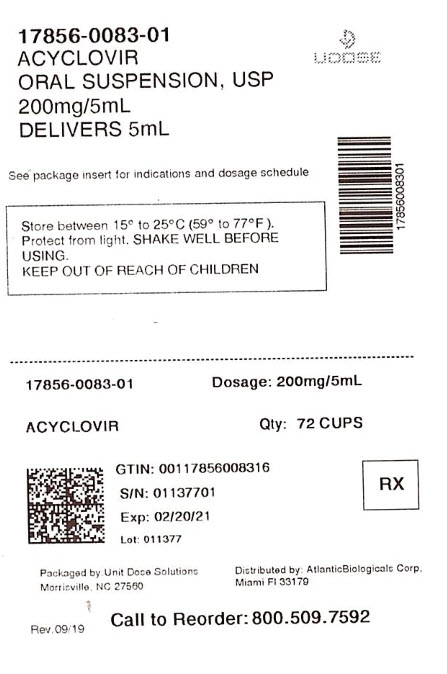
(acyclovir · DailyMed)
HERPORIG
Acyclovir 5 %,Benzyl alcohol 0.10 %,Poly Ethylene Glycol-400 72.90 %,Poly Ethylene Glycol-4000 22 %
What it does
Acyclovir is an antiviral medicine used to treat infections caused by certain types of viruses.
Commonly used for: cold sores (herpes labialis), genital herpes (herpes genitalis), shingles (herpes zoster), chickenpox (varicella)
Read more in plain English ↓Plain-language summary for general understanding - not medical advice. Always follow your pharmacist/doctor.
Ask about this medicine
Answers come only from this medicine's registration record, BNF monograph and interaction data - not medical advice.
Medicine sourcing is available in Kenya only. We don't sell or dispense medicines - licensed pharmacies do.
Sourcing - Kenya onlyRegistration & product details
Source: Tanzania Medicines and Medical Devices Authority · fetched 2026-03-11 23:48:13 · updated 2026-10-26 03:00:44
Drug Interactions
8Pharmacodynamic Warnings
Alcohol appears in TABLE 1: Drugs that cause hepatotoxicity
Alcohol appears in TABLE 8: Drugs that cause hypotension
Alcohol appears in TABLE 11: Drugs with CNS depressant effects
Unknown (8)
Acitretin - increases concentration
Alcohol potentially increases the concentration of retinoids (acitretin). Avoid and for 2 months after stopping acitretin.
Antiepileptics - increases risk of visual disturbances
Alcohol potentially increases the risk of visual disturbances when given with antiepileptics (retigabine).
Methylphenidate - increases concentration
Alcoholmightincreasetheconcentrationofmethylphenidate. Avoid.oStudy
Retigabine - increases risk of visual disturbances
Alcohol potentially increases the risk of visual disturbances when given with antiepileptics (retigabine).
Retinoids - increases concentration
Alcohol potentially increases the concentration of retinoids (acitretin). Avoid and for 2 months after stopping acitretin.
Topical Pimecrolimus - increases risk of facial flushing and skin irritation
Alcohol increases the risk of facial flushing and skin irritation when given with topical pimecrolimus.
Topical Tacrolimus - increases risk of facial flushing and skin irritation
Alcohol increases the risk of facial flushing and skin irritation when given with topical tacrolimus.
Vasopressin - decreases antidiuretic effect
Alcoholmightdecreasetheantidiureticeffectofvasopressin. oTheoretical Aldesleukin →seeTABLE15p.1520(myelosuppression) Alectinib →seeTABLE6p.1518(bradycardia),TABLE1p.1517 (hepatotoxicity) com/codemedic
Data from BNF 85 (British National Formulary). This is not a substitute for professional medical advice. Matched via: exact
About acyclovir
Acyclovir is an antiviral medicine used to treat infections caused by certain types of viruses.
What it treats
- cold sores (herpes labialis)
- genital herpes (herpes genitalis)
- shingles (herpes zoster)
- chickenpox (varicella)
How it works
Acyclovir works by stopping the growth of the virus, helping to reduce the severity and duration of the infection.
Who it's for
Acyclovir is for people who have viral infections like cold sores, genital herpes, shingles, or chickenpox.
AI-assisted summary grounded in BNF data - general information only, not medical advice. Always confirm with your pharmacist or doctor.
About alcohol
Alcohol is a substance that can affect your mood and behavior. It is important to use it carefully, especially if you are taking other medications.
What it treats
- social enjoyment
- anxiety relief
- temporary relaxation
How it works
Alcohol affects the brain and central nervous system, leading to changes in mood and behavior.
Who it's for
Adults who consume alcohol in moderation for social or relaxation purposes.
Cautions
- • Be cautious if taking medications that can harm the liver.
- • Use with care if you have low blood pressure.
- • Avoid combining with medications that can cause drowsiness.
AI-assisted summary grounded in BNF data - general information only, not medical advice. Always confirm with your pharmacist or doctor.
About benzyl
Benzyl is an ingredient used in various treatments, often in topical formulations.
What it treats
- skin infections
- eczema
- scabies
How it works
Benzyl helps to kill bacteria or parasites on the skin, promoting healing.
Who it's for
This treatment is for individuals with skin conditions requiring antibacterial or antiparasitic action.
AI-assisted summary grounded in BNF data - general information only, not medical advice. Always confirm with your pharmacist or doctor.
About ethylene
Ethylene is a chemical compound that is used in various industrial applications but is not typically used as a medicine for treating health conditions.
How it works
Ethylene is primarily used in the production of plastics and other industrial products; it does not have a specific medical use in treating diseases.
Who it's for
Ethylene is not intended for use in patients and does not apply to medical treatments.
AI-assisted summary grounded in BNF data - general information only, not medical advice. Always confirm with your pharmacist or doctor.
About poly
Poly is a medication that can help with various health conditions.
What it treats
- certain skin conditions
- infections
- allergic reactions
How it works
Poly works by addressing the underlying issues in the body, helping to relieve symptoms.
Who it's for
Poly is suitable for individuals dealing with specific health issues as determined by a healthcare provider.
AI-assisted summary grounded in BNF data - general information only, not medical advice. Always confirm with your pharmacist or doctor.
Clinical monograph: Alcohol
BNF-referencedAlcohol is a volatile, flammable liquid used primarily as an antiseptic for skin disinfection and preparation before injections. It is commonly employed in medical settings to cleanse the skin and reduce the risk of infection.
Indications
- Skin disinfection
- Preparation of skin before injections
- Cleansing minor wounds
Dosage
Children: Apply to the skin as required; consult product literature for specific guidance.
Adults: Apply to the skin as required for disinfection.
Mechanism of action
Alcohol exerts its antiseptic effect by denaturing proteins, disrupting cell membranes, and dehydrating microbial cells, leading to cell lysis and death.
Pharmacodynamics
Alcohol has broad-spectrum antimicrobial activity, effective against bacteria, fungi, and viruses. Its efficacy is influenced by concentration, with higher concentrations generally being more effective.
Pharmacokinetics
Alcohol is rapidly absorbed through the skin and mucous membranes. It is metabolized primarily in the liver, with a half-life that varies based on the individual's metabolic rate and the amount consumed.
Contra-indications
- Concomitant use with lithium
- Regular use in neonates
- Patients with severe burns when diathermy has been preceded by application of alcoholic skin disinfectants
Adverse effects
- Eye erythema
- Punctate keratitis
- Cytotoxicity
- Eye discolouration
Interactions
- Increases risk of visual disturbances with antiepileptics
- Increases concentration with methylphenidate
- Increases risk of facial flushing and skin irritation with topical pimecrolimus
- Increases concentration with retinoids
- Increases concentration with acitretin
- Increases risk of facial flushing and skin irritation with topical tacrolimus
- Decreases antidiuretic effect with vasopressin
Precautions
- Avoid regular application to inflamed or broken skin or mucosa
- Avoid broken skin
- Flammable
Pregnancy
Sufficient iodine may be absorbed to affect the fetal thyroid in the second and third trimester.
Breast-feeding
Avoid regular or excessive use.
Storage
Store in a cool, dry place away from heat and direct sunlight.
Formulations
- Betadine 2.5% dry powder spray
- Industrial methylated spirit
- Povidone-Iodine 25 mg per 1 gram
AI-synthesized from BNF references - general information only, not a substitute for professional medical advice or the current BNF. Verify doses with a pharmacist.
Clinical monograph: acyclovir
BNF-referencedAcyclovir is a synthetic purine nucleoside analogue with antiviral activity primarily against herpes simplex viruses (HSV-1 and HSV-2) and varicella-zoster virus (VZV). It works by inhibiting viral DNA synthesis, leading to the termination of viral replication. Acyclovir is commonly used in the treatment of various herpesvirus infections, including genital herpes, shingles, and chickenpox.
Indications
- Herpes simplex virus infections (HSV-1 and HSV-2)
- Varicella-zoster virus infections (shingles and chickenpox)
- Prevention of herpes virus infections in immunocompromised patients
Dosage
Children: Refer to BNF for Children for appropriate dosing information, as paediatric doses vary based on age, weight, and specific indication.
Adults: For the treatment of herpes simplex infections, the typical adult dose may be 200 mg taken five times daily for 5 days. In cases of severe infections, intravenous acyclovir may be administered at a dose of 5-10 mg/kg every 8 hours, adjusted based on renal function.
Mechanism of action
Acyclovir is phosphorylated by viral thymidine kinase to form acyclovir monophosphate, which is then converted to acyclovir diphosphate and subsequently to acyclovir triphosphate by various cellular enzymes. Acyclovir triphosphate exhibits a higher affinity for viral DNA polymerase than for cellular DNA polymerase, allowing it to incorporate into viral DNA and cause chain termination or competitive inhibition of the enzyme, thus halting viral replication.
Pharmacodynamics
As a deoxynucleoside analog, acyclovir inhibits viral DNA polymerase, preventing the replication of herpesviruses. Its selectivity for viral over cellular enzymes contributes to its therapeutic efficacy and safety profile, offering a wide therapeutic window with a lower risk of overdose in healthy individuals.
Pharmacokinetics
Acyclovir is absorbed orally with variable bioavailability. It is widely distributed in body tissues and fluids, including the central nervous system. The drug is primarily eliminated by renal excretion, with a half-life of approximately 2.5 to 3 hours in patients with normal renal function. Dosage adjustments may be necessary in patients with renal impairment.
Contra-indications
- Hypersensitivity to acyclovir or any component of the formulation
Adverse effects
- Nausea
- Diarrhea
- Headache
- Dizziness
- Fatigue
- Renal toxicity
- Neurotoxicity (e.g., tremors, confusion)
Interactions
- Probenecid may decrease renal clearance of acyclovir, increasing its plasma concentration
- Zidovudine may increase the risk of hematologic toxicity when used with acyclovir
Precautions
- Renal impairment may require dosage adjustment
- Caution in patients with dehydration or renal dysfunction to prevent nephrotoxicity
- Monitor for neurological side effects, particularly in cases of rapid infusion
Pregnancy
Acyclovir is classified as a category B drug. Animal studies have not shown any harm to the fetus, but there are no adequate and well-controlled studies in pregnant women. Use only if clearly needed.
Breast-feeding
Acyclovir is excreted in breast milk, but the amounts are generally considered to be low. Caution is advised when administering to nursing mothers.
Storage
Store at room temperature, away from moisture and heat. Protect from light.
Formulations
- Acyclovir 200 mg tablets
- Acyclovir 400 mg tablets
- Acyclovir 800 mg tablets
- Acyclovir 5 mg/ml powder for injection
- Acyclovir 5% cream for topical use
AI-synthesized from BNF references - general information only, not a substitute for professional medical advice or the current BNF. Verify doses with a pharmacist.
Clinical monograph: benzyl
BNF-referencedBenzylpenicillin, a member of the penicillin class of antibiotics, is primarily used to treat infections caused by susceptible microorganisms. It is effective against a range of Gram-positive bacteria and some Gram-negative bacteria, making it a valuable agent in the treatment of various infections, including pneumonia, meningitis, and syphilis.
Indications
- Bacterial infections
- Pneumonia
- Meningitis
- Syphilis
- Endocarditis
- Skin and soft tissue infections
Dosage
Children: Paediatric dosing for benzylpenicillin is determined by the child's weight and the severity of the infection. Refer to the BNF for Children for specific dosing guidelines.
Adults: The usual adult dose for benzylpenicillin varies based on the type and severity of the infection. It is generally administered via intramuscular or intravenous routes. For severe infections, doses may range from 1 to 4 million units every 4 to 6 hours.
Mechanism of action
Benzylpenicillin exerts its antibacterial effects by inhibiting the synthesis of bacterial cell walls. It binds to penicillin-binding proteins (PBPs) located inside the bacterial cell wall, disrupting the transpeptidation process, which is crucial for cross-linking peptidoglycan layers. This inhibition leads to cell lysis and death of the bacteria.
Pharmacodynamics
Benzylpenicillin demonstrates time-dependent bactericidal activity, meaning its effectiveness is related to the duration of time the drug concentration remains above the minimum inhibitory concentration (MIC) for the target bacteria. It has a narrow spectrum of activity, primarily targeting Gram-positive cocci and some Gram-negative rods.
Pharmacokinetics
Benzylpenicillin is typically administered parenterally due to poor oral absorption. It is rapidly distributed throughout the body and can penetrate various tissues, including the central nervous system during inflammation. The drug is primarily eliminated by renal excretion, with a half-life of approximately 30 minutes to 1 hour in healthy individuals. Dosage adjustments may be necessary in patients with renal impairment.
Interactions
- leflunomide+benzylpenicillin: Unknown (increases exposure)
- nitisinone+benzylpenicillin: Unknown (increases exposure)
- teriflunomide+benzylpenicillin: Unknown (increases exposure)
Pregnancy
Benzylpenicillin is generally considered safe to use during pregnancy, as it is a penicillin antibiotic and has a long history of use.
Breast-feeding
Benzylpenicillin is excreted in breast milk in small amounts, but it is not expected to have adverse effects on a nursing infant.
Storage
Store in a cool, dry place, protected from light. Reconstituted solutions should be used promptly or stored in a refrigerator and used within a limited time frame.
Formulations
- Benzylpenicillin injection
AI-synthesized from BNF references - general information only, not a substitute for professional medical advice or the current BNF. Verify doses with a pharmacist.
Clinical monograph: ethylene
BNF-referencedEthylene is a simple hydrocarbon with the molecular formula C2H4. It is primarily known as a plant hormone that plays a critical role in regulating various aspects of plant growth and development. Ethylene influences processes such as fruit ripening, flower wilting, and leaf fall. It is also involved in the response of plants to environmental stress, making it a crucial element in agricultural practices.
Mechanism of action
Ethylene interferes with the activities of plant hormones causing growth retardation. It modulates the expression of genes involved in growth regulation and interacts with other plant hormones to coordinate developmental processes.
Pharmacodynamics
Ethylene acts as a plant growth regulator. It affects cellular processes such as cell division, elongation, and differentiation. The balance between ethylene and other hormones such as auxins and gibberellins is crucial for normal plant development. Ethylene promotes senescence and abscission, thereby influencing the timing of flowering and fruiting.
Pharmacokinetics
The pharmacokinetics of ethylene in plants involves its biosynthesis, signaling, and degradation pathways. Ethylene is synthesized from methionine and is rapidly produced in response to various stimuli. Its signaling pathway is complex, involving receptors that mediate the response to ethylene, leading to changes in gene expression.
Pregnancy
Ethylene is classified as a non-toxic gas at low concentrations. However, exposure to high concentrations may pose risks. It is best to avoid exposure during pregnancy.
Breast-feeding
Ethylene is unlikely to pose a risk during breastfeeding due to its rapid metabolism and low toxicity at normal exposure levels.
Storage
Store in a well-ventilated area, away from sources of ignition and heat. Ethylene should be kept in a tightly closed container to prevent escape into the environment.
AI-synthesized from BNF references - general information only, not a substitute for professional medical advice or the current BNF. Verify doses with a pharmacist.
Clinical monograph: poly
Polyethylene glycol (PEG) is a polymer used primarily as an osmotic laxative in the treatment of constipation. It works by retaining water in the stool, which softens the stool and increases the number of bowel movements. PEG is often preferred due to its safety profile and lack of significant systemic absorption.
Indications
- Chronic constipation
- Occasional constipation
- Bowel preparation for diagnostic procedures
Dosage
Children: Refer to the BNF for Children for age-appropriate dosing information.
Adults: Refer to specific guidelines or the BNF for detailed dosing information.
Mechanism of action
Polyethylene glycol acts as an osmotic agent in the gastrointestinal tract. It retains water in the lumen of the intestines through osmosis, leading to an increase in stool moisture and volume. This effect promotes peristalsis and facilitates bowel movements.
Pharmacodynamics
PEG is not absorbed from the gastrointestinal tract, thereby acting locally within the intestines. Its osmotic effect draws water into the bowel, increasing the bulk of the stool and stimulating bowel motility. The drug is generally well tolerated, with minimal side effects compared to other laxatives.
Pharmacokinetics
Polyethylene glycol is characterized by its poor absorption. It remains in the gastrointestinal tract and is excreted unchanged in the feces. The onset of action can vary, typically occurring in 1 to 3 days after ingestion, depending on the dosage and individual patient factors.
Pregnancy
Poly is not recommended during pregnancy unless the potential benefits outweigh the risks. Consult a healthcare provider for individualized assessment.
Breast-feeding
Poly may be excreted in breast milk. Caution is advised when administering to nursing mothers, and a healthcare provider should be consulted.
Storage
Store in a cool, dry place away from light. Keep out of reach of children.
AI-synthesized from BNF references - general information only, not a substitute for professional medical advice or the current BNF. Verify doses with a pharmacist.
Molecular reference: Alcohol
PubChem CID 702Molecular formula: C2H6O
Mechanism of action
Ethanol affects the brain’s neurons in several ways. It alters their membranes as well as their ion channels, enzymes, and receptors. Alcohol also binds directly to the receptors for acetylcholine, serotonin, GABA, and the NMDA receptors for glutamate. The sedative effects of ethanol are mediated through binding to GABA receptors and glycine receptors (alpha 1 and alpha 2 subunits). It also inhibits NMDA receptor functioning. In its role as an anti-infective, ethanol acts as an osmolyte or dehydrating agent that disrupts the osmotic balance across cell membranes. ... Ethanol is known to affect a large number of membrane proteins that participate in signaling pathways such as neurotransmitter receptors, enzymes, and ion channels, and there is extensive evidence that ethanol interacts with a variety of neurotransmitters. The major actions of ethanol involve enhancing the inhibitory effects of gamma-aminobutyric acid (GABA) at GABAa receptors and blockade of the N-methyl-D-aspartate (NMDA) subtype of glutamate, an excitatory amine acid (EAA) receptor. Animal studies indicate that the acute effects of ethanol result from competitive inhibition of glycine binding to NMDA receptor and disruption of glutamatergic neurotransmission by inhibiting the response of the NMDA receptor. Persistent glycine antagonism and attenuation of glutamatergic neurotransmission by chronic ethanol exposure results in tolerance to ethanol by enhancing EAA neurotransmission and NMDA receptor upregulation. The latter appears to involve selective increases in NMDA R2B subunit concentrations and other molecular changes in specific brain loci. The abrupt withdrawal of ethanol thus produces a hyperexcitable state that leads to the ethanol withdrawal syndrome and excitotoxic neuronal death. GABA-mediated inhibition, which normally acts to limit excitation, is eliminated during ethanol withdrawal syndrome and further intensifies this excitation. In addition, NMDA receptors function to inhibit the release of dopamine in the nucleus accumbens and mesolimbic structures, which modulate the reinforcing action of addictive xenobiotics such as ethanol. By inhibiting NMDA receptor activity, ethanol could increase dopamine release from the nucleus accumbens and ventral tegmental area and could thus create dependence. Chronic ethanol administration also results in tolerance, dependence, and an ethanol withdrawal syndrome, mediated, in part, by desensitization and or downregulation of GABAa receptors. The development of alcoholic ketoacidosis (AKA) requires that a combination of physical and physiologic events occur. The normal response to starvation and depletion of hepatic glycogen stores is for amino acids to be converted to pyruvate. Pyruvate can serve as a substrate for gluconeogenesis, be converted to acetyl-CoA, which can enter the Krebs cycle or can be utilized in various biosynthetic pathways (eg, fatty acid, ketone bodies, cholesterol, and acetylcholine) ... Ethanol metabolism generates NADH, resulting in an excess of reducing potential. This high redox state favors the conversion of pyruvate to lactate, diverting pyruvate from being a substrate for gluconeogenesis. To compensate for the lack of normal metabolic substrates, the body mobilizes fat from adipose tissue and increased fatty acid metabolism as an alternative source of energy. This response is mediated by a decrease in insulin and an increased secretion of glucagon, catecholamines, growth hormone, and cortisol. Fatty acid metabolism results in the formation of acetyl-CoA and it combines with the excess acetate that is generated from ethanol metabolism to form acetoacetate. Most of the acetoacetate is reduced to beta-hydroxybutyrate due to the excess reducing potential or high redox state of the cell. Volume depletion interferes with the renal elimination of acetoacetate and beta-hydroxybutyrate, and contributes to the acidosis. An elevated lactate concentration may result from shunting from pyruvate or
Pharmacodynamics
Alcohol produces injury to cells by dehydration and precipitation of the cytoplasm or protoplasm. This accounts for its bacteriocidal and antifungal action. When alcohol is injected in close proximity to nerve tissues, it produces neuritis and nerve degeneration (neurolysis). Ninety to 98% of ethanol that enters the body is completely oxidized. Ethanol is also used as a cosolvent to dissolve many insoluble drugs and to serve as a mild sedative in some medicinal formulations. Ethanol also binds to GABA, glycine, NMDA receptors and modulates their effects. Ethanol is also metabolised by the hepatic enzyme alcohol dehydrogenase.
Biological pathways
Source: PubChem (NCBI) · pathways from PathBank, Reactome, WikiPathways & PharmGKB.
Molecular reference: acyclovir
PubChem CID 135398513Molecular formula: C8H11N5O3
Mechanism of action
Acyclovir is becomes acyclovir monophosphate due to the action of viral thymidine kinase. Acyclovir monophosphate is converted to the diphosphate form by guanylate kinase. Acyclovir diphosphate is converted to acyclovir triphosphate by nucleoside diphosphate kinase, pyruvate kinase, creatine kinase, phosphoglycerate kinase, succinyl-CoA synthetase, phosphoenolpyruvate carboxykinase and adenylosuccinate synthetase. Acyclovir triphosphate has higher affinity for viral DNA polymerase than cellular DNA polymerase and incorporates into the DNA where the missing 2' and 3' carbons causes DNA chain termination. In other cases acyclovir triphosphate competes so strongly for viral DNA polymerase that other bases cannot associate with the enzyme, inactivating it. Acyclovir is a synthetic purine nucleoside analogue with in vitro and in vivo inhibitory activity against herpes simplex virus types 1 (HSV-1), 2 (HSV-2), and varicella-zoster virus (VZV). The inhibitory activity of acyclovir is highly selective due to is affinity for the enzyme thymidine kinase (TK) encoded by HSV and VZV. This viral enzyme converts acyclovir into acyclovir monophosphate, a nucleotide analogue. The monophosphate is further converted into diphosphate by cellular guanylate kinase adn into triphosphate by a number of cellualr enzymes. In vitro, acyclovir triphosphate stops replication of herpes viral DNA. Acyclovir inhibits viral DNA synthesis ... . Its selectivity of action depends on interaction with two distinct viral proteins. Cellular uptake and initial phosphorylation are facilitated by HSV thymidine kinase. The affinity of acyclovir for HSV thymidine kinase is about 200-fold greater than for the mammalian enzyme. Cellular enzymes convert the monophosphate to acyclovir triphosphate, which is present in 40- to 100-fold higher concentrations in HSV-infected than in uninfected cells, and competes for endogenous deoxyguanosine triphosphate (dGTP). The immunosuppressive agent mycophenolate mofetil potentiates the antiherpes activity of acyclovir and related agents by depleting intracellular dGTP pools. Acyclovir triphosphate competitively inhibits viral DNA polymerases and, to a much smaller extent, cellular DNA polymerases. Acyclovir triphosphate also is incorporated into viral DNA, where it acts as a chain terminator because of the lack of 3'-hydroxyl group. By a mechanism termed suicide inactivation, the terminated DNA template containing acyclovir binds the enzyme and leads to irreversible inactivation of the DNA polymerase. The concentration of the endogenous neurotoxin quinolinic acid (QA) is increased in the central nervous system of mice with herpes simplex encephalitis. /The authors/ have previously shown that the antiherpetic agent acyclovir (AC) has the ability to reduce QA-induced neuronal damage in rat brain, by attenuating lipid peroxidation. The mechanism by which QA induces lipid peroxidation includes the enhancement of the iron (Fe)-mediated Fenton reaction and the generation of free radicals, such as the superoxide anion (O(2)(-)). Thus, the present study determined whether AC has the ability to reduce Fe(2+)-induced lipid peroxidation, O(2)(-) generation and QA-induced superoxide anion generation, and to bind free Fe. O(2)(-) and Fe(2+) are also cofactors of the enzymes, indoleamine-2,3-dioxygenase (IDO) and 3-hydroxyanthranilate-3,4-dioxygenase (3-HAO) respectively. These enzymes catalyse steps in the biosynthesis of QA; thus, the effect of AC on their activity was also investigated. AC significantly attenuates Fe(2+)-induced lipid peroxidation and O(2)(-) generation. AC reduces O(2)(-) generation in the presence of QA and strongly binds Fe(2+) and Fe(3+). It also reduces the activity of both IDO and 3-HAO, which could be attributed to the superoxide anion scavenging and iron binding properties, respectively, of this drug.
Pharmacodynamics
Acyclovir is a deoxynucleoside analog that inhibits the action of viral DNA polymerase and DNA replication of different herpesvirus. Acyclovir has a wide therapeutic window as overdose is rare in otherwise healthy patients.
Biological pathways
Source: PubChem (NCBI) · pathways from PathBank, Reactome, WikiPathways & PharmGKB.
Molecular reference: benzyl
PubChem CID 123147Molecular formula: C7H7
Source: PubChem (NCBI) · pathways from PathBank, Reactome, WikiPathways & PharmGKB.
Molecular reference: ethylene
PubChem CID 6325Molecular formula: C2H4
Mechanism of action
Ethylene interferes with the activities of plant hormones causing growth retardation.
Biological pathways
Source: PubChem (NCBI) · pathways from PathBank, Reactome, WikiPathways & PharmGKB.
This drug in other countries
The same active ingredient registered across other registries we cover - including different brands.
- ACIRAX CREAM · Biopharma
- ACIRAX CREAM · Biopharma
- ACLOVIR CREAM · Oss-chemie
- ACLOVIR SUSPENSION · Oss-chemie
- ACYCLOVIR · United Pharma
- ACYVIR STERILE EYE OINTMENT · Globe Pharmacy
- ACYCLOVIR DENK · Denk Pharma
- ASHIVER INJECTION (Each ml containns Ivermectin 10mg/ Benzyl Alchohol 1.5% v/v) · Ashish Life Science
- AVICINOR ORAL SOLUTION · Hebei Kexing Pharmaceutical
- AVICINOR ORAL SOLUTION (Each ml conatins Gluteraldehyde/Coco-dimethyl benzyl ammonium chloride 300mg/200mg) · Hebei Kexing Pharmaceutical
- AVICINOR ORAL SOLUTION (Each ml contains Gluteraldehyde 50% 300mg/ Coco-dimethyl benzyl ammonium chloride 50% 200mg) · Hebei Kexing Pharmaceutical
- BENZYL BENZOATE · Micron Pharmaceuticals
- CP-BENZYLPENICILLIN 1 MEGA INJECTION · Inject Care Parenterals Pvt. Ltd
- LOVIRE · Ranbaxy Laboratories
- LOVIRE 400 · Ranbaxy Laboratories
- MACLOVIR OINTMENT USP 5%W/W · Oxalis Labs, Macleods Pharmaceuticals Limited
- STREPSILS COOLMINT LOZENGES · Reckitt Benckiser
- STREPSILS COOLMINT LOZENGES · Reckitt Benckiser