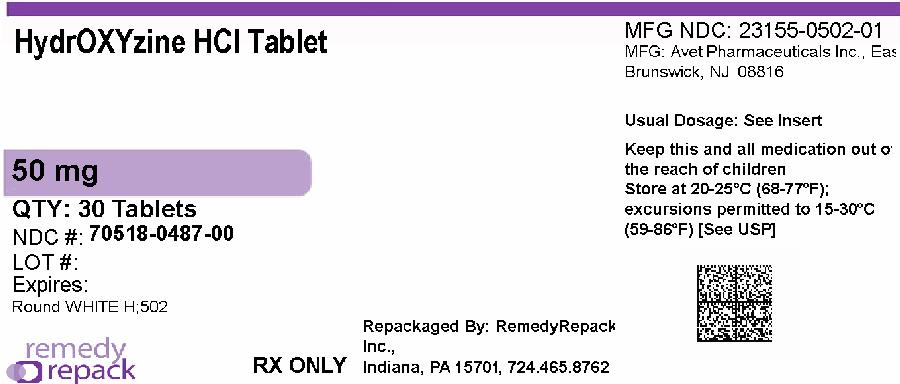
(hydroxy · DailyMed)
MUPIRON 2% W/W OINTMENT
Butylated Hydroxy Toluene 0.006 mg/6 mL,Mupirocin 2 % w/w,Polyethylene Glycol (PEG 400) 2.875 mg/6 mL,Polyethylene Glycol 6000 1.232 mg/6 mL,Propylene Glycol 0.782 mg/6 mL
What it does
Butylated is a chemical used to prevent food and products from spoiling by stopping fats and oils from going bad.
Commonly used for: preservative in food products, stabilizer in cosmetics
Read more in plain English ↓Plain-language summary for general understanding - not medical advice. Always follow your pharmacist/doctor.
Ask about this medicine
Answers come only from this medicine's registration record, BNF monograph and interaction data - not medical advice.
Medicine sourcing is available in Kenya only. We don't sell or dispense medicines - licensed pharmacies do.
Sourcing - Kenya onlyRegistration & product details
Source: Tanzania Medicines and Medical Devices Authority · fetched 2026-08-17 03:00:40 · updated 2026-10-19 03:00:45
About butylated
Butylated is a chemical used to prevent food and products from spoiling by stopping fats and oils from going bad.
What it treats
- preservative in food products
- stabilizer in cosmetics
How it works
It works by slowing down the process of oxidation, which can cause spoilage and rancidity in fats and oils.
Who it's for
It is generally used in food manufacturing and cosmetic industries.
AI-assisted summary grounded in BNF data - general information only, not medical advice. Always confirm with your pharmacist or doctor.
About glycol
Glycol is a substance used in various medical and industrial applications, primarily known for its properties as a solvent and humectant.
What it treats
- moisturizing skin (topical applications)
- acting as a solvent in medications
How it works
Glycol helps to retain moisture and can dissolve other substances, making it useful in creams and solutions.
Who it's for
Glycol is generally safe for use in topical products for adults and children when used as directed.
AI-assisted summary grounded in BNF data - general information only, not medical advice. Always confirm with your pharmacist or doctor.
About hydroxy
Hydroxy is a medication used to treat various health conditions. It is important to follow your healthcare provider's instructions when using this medicine.
What it treats
- autoimmune diseases (such as rheumatoid arthritis)
- malaria prevention and treatment
- certain skin conditions (like lupus)
How it works
Hydroxy helps to reduce inflammation and the activity of the immune system.
Who it's for
This medicine is for people with specific autoimmune disorders, those at risk of malaria, or those with certain skin issues.
AI-assisted summary grounded in BNF data - general information only, not medical advice. Always confirm with your pharmacist or doctor.
About mupirocin
Mupirocin is a topical antibiotic used to treat certain skin infections.
What it treats
- skin infections
- bacterial skin infections (such as impetigo)
How it works
Mupirocin works by stopping the growth of bacteria on the skin.
Who it's for
It is suitable for people with bacterial skin infections.
AI-assisted summary grounded in BNF data - general information only, not medical advice. Always confirm with your pharmacist or doctor.
About polyethylene
Polyethylene is a substance often used to relieve constipation by increasing the amount of water in the stool, making it easier to pass.
What it treats
- constipation
- bowel obstruction
How it works
It works by drawing water into the intestines, softening the stool and helping it move through the digestive system.
Who it's for
It is suitable for adults and children experiencing constipation or needing to clear their bowels.
AI-assisted summary grounded in BNF data - general information only, not medical advice. Always confirm with your pharmacist or doctor.
About propylene
Propylene is a compound used in various medical applications, often as a solvent or carrier for medications.
What it treats
- used in some topical treatments
- acts as a solvent in pharmaceuticals
How it works
Propylene helps dissolve other substances, making them easier to apply or absorb in the body.
Who it's for
It is typically for adults and children who need certain medications delivered in a specific form.
AI-assisted summary grounded in BNF data - general information only, not medical advice. Always confirm with your pharmacist or doctor.
About toluene
Toluene is a chemical commonly used as a solvent in various industrial applications. It is not typically used as a medication.
How it works
Toluene works by dissolving substances, making it useful in manufacturing and cleaning processes.
Who it's for
Toluene is primarily used by industries; it is not intended for personal use or treatment of medical conditions.
AI-assisted summary grounded in BNF data - general information only, not medical advice. Always confirm with your pharmacist or doctor.
Clinical monograph: Mupirocin
BNF-referencedMupirocin is a topical antibacterial agent used primarily for the treatment of skin infections caused by certain bacteria, including Staphylococcus aureus and Streptococcus pyogenes. It is particularly effective for eradicating nasal carriage of methicillin-resistant Staphylococcus aureus (MRSA). Mupirocin works by inhibiting bacterial protein synthesis, which is essential for the survival and growth of bacteria. This medication is available in various forms, including creams and nasal ointments, and is administered directly to the affected area.
Indications
- Eradication of nasal carriage of Staphylococcus aureus, including methicillin-resistant Staphylococcus aureus (MRSA)
- Treatment of skin infections caused by susceptible bacteria, including impetigo and folliculitis
Dosage
Adults: For nasal carriage eradication, apply 2-3 times a day for 5 days, with the dose applied to the inner surface of each nostril. For
Mechanism of action
Mupirocin specifically and reversibly binds to bacterial isoleucyl transfer-RNA (tRNA) synthetase, inhibiting the enzyme that converts isoleucine and tRNA to isoleucyl-tRNA. This inhibition leads to decreased bacterial protein and RNA synthesis, resulting in bacteriostatic effects at lower concentrations and bactericidal effects with prolonged exposure, killing 90-99% of susceptible bacteria over 24 hours.
Pharmacodynamics
Mupirocin is effective against susceptible aerobic gram-positive cocci, particularly Staphylococcus aureus, Staphylococcus epidermidis, and beta-hemolytic streptococci such as Streptococcus pyogenes. Its antibacterial activity is attributed to its ability to inhibit protein synthesis, which is crucial for bacterial survival. Clinical studies have shown a therapeutic response rate of 94 to 98% after one week of treatment for conditions like impetigo, with over 90% of patients demonstrating clinical improvement in primary and secondary skin infections.
Pharmacokinetics
Mupirocin is primarily used topically, resulting in minimal systemic absorption. When applied to the skin, it is rapidly absorbed and achieves high local concentrations. The drug is metabolized in the liver and excreted in urine. Its pharmacokinetic profile supports its use for localized infections with minimal risk of systemic side effects.
Adverse effects
- Skin reactions
- Nasal mucosal disorder
Interactions
- Caution in patients with sensitivity to sulfonamides
- Caution with significant hepatic impairment
- Caution with significant renal impairment
Precautions
- Monitor for leucopenia
- Use with caution in patients with G6PD deficiency due to risk of hemolysis
- Avoid use in pregnancy unless potential benefit outweighs risk due to risk of neonatal hemolysis and methaemoglobinaemia in the third trimester
Pregnancy
Manufacturer advises avoiding unless potential benefit outweighs risk-no information available.
Breast-feeding
Small risk of kernicterus in jaundiced infants and of haemolysis in G6PD-deficient infants.
Storage
Store at room temperature, away from moisture and heat.
Formulations
- Mupirocin 20 mg per 1 gram cream
- Mupirocin nasal spray
AI-synthesized from BNF references - general information only, not a substitute for professional medical advice or the current BNF. Verify doses with a pharmacist.
Clinical monograph: butylated
Butylated compounds, particularly butylated hydroxyanisole (BHA) and butylated hydroxytoluene (BHT), are synthetic antioxidants widely used in food preservation and cosmetics. They prevent the oxidative degradation of fats and oils, thereby extending the shelf life of products. While they are generally regarded as safe at low concentrations, concerns have been raised regarding their long-term effects and potential carcinogenicity.
Dosage
Children: Refer to specific formulations and usages, as dosing can vary widely depending on the application and regulatory guidelines.
Adults: Refer to specific formulations and usages, as dosing can vary widely depending on the application and regulatory guidelines.
Mechanism of action
Butylated hydroxyanisole (BHA) and butylated hydroxytoluene (BHT) act as antioxidants by inhibiting the oxidation of lipids. They scavenge free radicals and donate hydrogen atoms to reactive species, thus stabilizing and preventing oxidative damage to cellular components. This action helps to protect the integrity of cell membranes and prevent the formation of harmful peroxides.
Pharmacodynamics
The pharmacodynamic properties of butylated compounds are primarily related to their antioxidant activity. They exhibit a dose-dependent ability to inhibit lipid peroxidation, which is crucial in protecting cells from oxidative stress. Furthermore, they may modulate certain biochemical pathways involved in cell signaling and apoptosis, although these effects are less well-characterized.
Pharmacokinetics
Butylated compounds are absorbed from the gastrointestinal tract following oral ingestion. They undergo metabolic processing primarily in the liver, where they are conjugated and excreted in urine. The half-life of butylated compounds in humans is variable, influenced by factors such as dosage and individual metabolism. Accumulation in tissues is generally low, but prolonged exposure may lead to higher tissue concentrations.
Adverse effects
- Gastrointestinal disturbances
- Allergic reactions
- Potential carcinogenic effects with prolonged exposure
Precautions
- Use with caution in patients with a history of hypersensitivity to butylated compounds
- Avoid prolonged exposure due to potential toxicity
Pregnancy
Limited data available, use only if the benefits outweigh the risks.
Breast-feeding
Unknown, exercise caution and consult a healthcare provider.
Storage
Store in a cool, dry place away from light.
Formulations
- Butylated hydroxytoluene (BHT)
- Butylated hydroxyanisole (BHA)
AI-synthesized from BNF references - general information only, not a substitute for professional medical advice or the current BNF. Verify doses with a pharmacist.
Clinical monograph: glycol
BNF-referencedEthylene glycol, a colorless, odorless liquid with a sweet taste, is primarily used in antifreeze and industrial applications. It is toxic to humans and can lead to severe metabolic acidosis and organ damage upon ingestion. Due to its potential for misuse and toxicity, it is classified as a hazardous substance.
Dosage
Children: Refer to the BNF for Children for appropriate dosing information in paediatric cases, especially in instances of overdose.
Adults: Refer to the BNF for specific dosing information based on clinical circumstances, particularly in cases of overdose.
Mechanism of action
Ethylene glycol is metabolized by alcohol dehydrogenase to glycoaldehyde, which is subsequently converted to glycolic, glyoxylic, and oxalic acids. These metabolites contribute to anion gap metabolic acidosis and are responsible for tissue injury through the formation of insoluble calcium oxalate crystals.
Pharmacodynamics
The toxicity of ethylene glycol arises from its metabolites, particularly glycolic and oxalic acids. These compounds induce metabolic acidosis, lead to renal failure through calcium oxalate crystal deposition in the kidneys, and can cause neurological impairment. The anion gap increases due to the accumulation of these acids, leading to complications such as cardiovascular instability and potential multi-organ failure.
Pharmacokinetics
Ethylene glycol is rapidly absorbed after oral ingestion. It undergoes first-pass metabolism primarily in the liver, where it is converted into its toxic metabolites. The elimination half-life of ethylene glycol varies but is generally prolonged in cases of renal impairment. Renal excretion of metabolites contributes to the duration of toxicity, necessitating prompt medical intervention in cases of overdose.
Adverse effects
- Metabolic acidosis
- Renal failure
- CNS depression
- Hypocalcemia
- Cardiovascular collapse
- Pulmonary edema
Precautions
- Use with caution in patients with renal impairment
- Monitor for signs of metabolic acidosis
- Evaluate electrolyte levels, particularly calcium
Pregnancy
There is limited data on the safety of ethylene glycol in pregnancy. It should only be used if clearly needed.
Breast-feeding
It is unknown if ethylene glycol is excreted in human milk. Caution is advised.
Storage
Store in a tightly closed container at room temperature, away from heat and moisture.
Formulations
- Liquid
AI-synthesized from BNF references - general information only, not a substitute for professional medical advice or the current BNF. Verify doses with a pharmacist.
Clinical monograph: hydroxy
BNF-referencedHydroxyzine is an antihistamine of the first generation, primarily used for its sedative and anxiolytic properties. It is effective in treating anxiety, nausea, and allergic conditions. Hydroxyzine also possesses anticholinergic properties, which contribute to its sedative effects. It is commonly used in both adult and pediatric populations for various indications, including preoperative sedation and management of pruritus.
Indications
- Anxiety disorders
- Nausea and vomiting
- Allergic conditions
- Preoperative sedation
- Pruritus
Dosage
Children: Refer to the BNF for Children for appropriate dosing recommendations based on age and weight.
Adults: Refer to the BNF for specific dosing guidelines based on the indication and patient characteristics.
Mechanism of action
Hydroxyzine works by antagonizing the H1 histamine receptors, leading to a reduction in the effects of histamine in the body. This action helps alleviate symptoms of allergic reactions and promotes sedation. Additionally, it may exert effects on serotonin and adrenergic receptors, which could contribute to its anxiolytic properties. Hydroxyzine is also involved in various metabolic pathways, including selenium metabolism and the degradation of reactive oxygen species.
Pharmacodynamics
The pharmacodynamic effects of hydroxyzine include sedation, anxiolysis, and reduction of allergic symptoms. Its sedative effects can make it useful in managing anxiety and inducing sleep, while its antihistaminic properties help to relieve symptoms such as itching and rashes associated with allergic reactions. The onset of action is typically within 15 to 30 minutes when taken orally, with peak effects occurring within 1 to 2 hours.
Pharmacokinetics
Hydroxyzine is well absorbed from the gastrointestinal tract, with peak plasma concentrations occurring approximately 2 hours after oral administration. It is extensively metabolized in the liver, with metabolites, including cetirizine, possessing their own therapeutic effects. Hydroxyzine has a half-life of approximately 20 hours, allowing for once or twice daily dosing. It is primarily excreted in the urine, with less than 1% of the unchanged drug found in urine.
Interactions
- hydroxyzine+antiepileptics: Severe (increases risk of overheating and dehydration)
- hydroxyzine+zonisamide: Severe (increases risk of overheating and dehydration)
- hydroxychloroquine+penicillamine: Severe (increases risk of haematological toxicity)
- hydroxychloroquine+agalsidase alfa: Unknown (decreases effects)
- hydroxychloroquine+agalsidase beta: Unknown (decreases exposure)
- hydroxychloroquine+oral cholera vaccine: Unknown (decreases efficacy)
- live vaccines+hydroxy carbamide: Unknown (increases risk of generalised infection (possibly life-threatening))
- lanthanum+hydroxychloroquine: Unknown (decreases absorption)
- macrolides+hydroxychloroquine: Unknown (increases risk of serious cardiovascular adverse effects)
- hydroxychloroquine+remdesivir: Unknown (decreases effects)
Pregnancy
Safety in pregnancy has not been established. Use only if the potential benefit justifies the potential risk to the fetus.
Breast-feeding
Use with caution. Hydroxychloroquine is excreted in breast milk, and effects on the infant are unknown.
Storage
Store in a cool, dry place, protected from light. Keep out of reach of children.
Formulations
- Tablets
- Oral solution
AI-synthesized from BNF references - general information only, not a substitute for professional medical advice or the current BNF. Verify doses with a pharmacist.
Clinical monograph: polyethylene
Polyethylene is a polymer used primarily as a laxative for the treatment of constipation. It is often administered in the form of polyethylene glycol (PEG), which acts by holding water in the stool, resulting in softer stools and increased bowel movements. It is generally considered safe for use in both adults and children, with minimal side effects when used as directed.
Indications
- Constipation
- Bowel preparation prior to surgical procedures or diagnostic tests
Dosage
Children: Refer to specific guidelines or BNF for Children for dosing information.
Adults: Refer to specific guidelines or BNF for detailed dosing information.
Mechanism of action
Polyethylene glycol works by osmotically retaining water in the intestinal lumen, which increases the water content of the stool. This enhances the passage of stool through the intestines and promotes bowel movements. The high molecular weight of polyethylene glycol prevents its absorption in the gastrointestinal tract, ensuring that it remains in the lumen to exert its effects.
Pharmacodynamics
The pharmacodynamic profile of polyethylene glycol involves its ability to increase stool water content, thereby reducing stool consistency and facilitating easier passage. It does not stimulate intestinal motility directly but rather relies on the osmotic effect to promote bowel evacuation. The onset of action typically occurs within 24 to 96 hours after ingestion.
Pharmacokinetics
Polyethylene glycol is not absorbed systemically, and its pharmacokinetics are characterized by its presence solely in the gastrointestinal tract. It is excreted unchanged in the stool. The volume of polyethylene glycol administered can influence the effectiveness and timing of its action, but its absorption is negligible, making systemic side effects rare.
Adverse effects
- Abdominal cramping
- Diarrhea
- Nausea
- Vomiting
- Bloating
- Flatulence
Precautions
- Use with caution in patients with gastrointestinal disorders or bowel obstruction.
- Ensure adequate hydration during use to prevent dehydration.
Pregnancy
Polyethylene glycol is generally considered safe during pregnancy, but should be used under medical supervision.
Breast-feeding
Polyethylene glycol is excreted in breast milk in very small amounts and is generally regarded as safe during breastfeeding.
Storage
Store at room temperature, away from moisture and heat.
Formulations
- Powder for oral solution
- Liquid formulation
AI-synthesized from BNF references - general information only, not a substitute for professional medical advice or the current BNF. Verify doses with a pharmacist.
Clinical monograph: propylene
BNF-referencedPropylene, also known as propene, is a colorless gas with a faint petroleum-like odor. It is primarily used as a chemical feedstock in the production of polypropylene, a widely used plastic. Propylene also has applications in agriculture as a plant growth inhibitor, where it functions by affecting the oxidation processes in plants.
Indications
- Plant growth regulation
- Agricultural applications as a growth inhibitor
Dosage
Children: Not applicable.
Adults: Refer to the relevant agricultural guidelines for specific applications.
Mechanism of action
In an in vitro study, propylene acts as a plant growth inhibitor by inhibiting the oxidation of indole-3-acetic acid by peroxidase in the presence of superoxide anion radicals. This inhibition is linked to the activation of an iron complex (compound III) shuttle, which enhances the reaction rate between superoxide and peroxidase, ultimately affecting plant growth processes. Propylene is a less effective inhibitor compared to ethylene.
Pharmacodynamics
The pharmacodynamic effects of propylene are primarily observed in its role as a growth inhibitor in plants. By modulating the oxidation of phytohormones like indole-3-acetic acid, propylene can influence various growth responses in plants, potentially affecting processes such as cell elongation and division.
Pharmacokinetics
Information on the pharmacokinetics of propylene in humans is not well-documented, as its primary uses are industrial and agricultural. Its metabolism may be influenced by environmental factors, and its effects are primarily studied in the context of plant biology rather than human pharmacology.
AI-synthesized from BNF references - general information only, not a substitute for professional medical advice or the current BNF. Verify doses with a pharmacist.
Clinical monograph: toluene
BNF-referencedToluene is an aromatic hydrocarbon commonly used as an industrial solvent and in the production of various chemicals. It is known for its psychoactive properties when inhaled, leading to its misuse as an inhalant. Toluene exposure can result in both reversible and irreversible effects on the central nervous system, particularly affecting dopaminergic pathways. Its molecular formula is C7H8.
Dosage
Children: There are no established therapeutic doses for toluene in pediatric populations due to its potential for abuse and toxicity. Exposure should be avoided.
Adults: There are no established therapeutic doses for toluene due to its potential for abuse and toxicity. Exposure should be minimized as per occupational safety guidelines.
Mechanism of action
Toluene primarily affects the dopaminergic mechanisms of the basal ganglia, leading to alterations in sensory-motor integration. At low concentrations, it reduces dopamine turnover in the anterior nucleus caudate, while at higher concentrations, it increases dopamine turnover in the cholecystokinin-dopamine terminals of the limbic system, contributing to its euphoric effects. Toluene also influences various neurotransmitter systems, including glutamate and GABA, and alters the activities of neurotransmitter synthesizing enzymes, which can indicate permanent loss of neuronal activity.
Pharmacodynamics
Toluene exhibits central nervous system depressant effects, which can lead to symptoms such as euphoria, dizziness, and cognitive impairment. Chronic exposure may result in neurotoxic effects, including potential damage to catecholaminergic neurons and changes in neurotransmitter levels. The drug's psychoactive effects are associated with its ability to modulate dopamine pathways, ultimately affecting mood, perception, and motor coordination.
Pharmacokinetics
Toluene is rapidly absorbed through inhalation and can distribute throughout the body, with a high affinity for fatty tissues. It undergoes metabolic degradation primarily in the liver, where it is converted into various metabolites. The elimination half-life of toluene varies depending on the route of exposure and the concentration, with significant excretion occurring through urine as metabolites, including hippuric acid.
Adverse effects
- CNS depression
- Dizziness
- Headaches
- Nausea
- Vomiting
- Respiratory irritation
- Cognitive impairment
- Potential for addiction and euphoric effects
Precautions
- Use with caution in individuals with pre-existing neurological disorders
- Avoid exposure in pregnant women due to potential risks to fetal development
- Monitor for signs of abuse in individuals with a history of substance misuse
Pregnancy
Toluene exposure during pregnancy may pose risks to fetal development, including potential teratogenic effects. Caution is advised.
Breast-feeding
Due to the potential for adverse effects, breastfeeding is not recommended during exposure to toluene.
Storage
Store in a cool, well-ventilated area away from sources of ignition. Keep container tightly closed.
Formulations
- Inhalation vapors
- Solvent formulations
AI-synthesized from BNF references - general information only, not a substitute for professional medical advice or the current BNF. Verify doses with a pharmacist.
Molecular reference: Mupirocin
PubChem CID 446596Molecular formula: C26H44O9
Mechanism of action
Mupirocin specifically and reversibly binds to bacterial isoleucyl transfer-RNA (tRNA) synthetase, which is an enzyme that promotes the conversion of isoleucine and tRNA to isoleucyl-tRNA. Inhibition of this enzyme subsequently leads to the inhibition of the bacterial protein and RNA synthesis. Mupirocin is bacteriostatic at lower concentrations but it exerts bactericidal effects with prolonged exposure, killing 90-99% of susceptible bacteria over a 24 hour period.
Pharmacodynamics
Mupirocin is reported to be active against susceptible aerobic gram-positive cocci, such as _Staphylococcus aureus_, _Staphylococcus epidermidis_, and other beta-hemolytic streptococci_Streptococcus pyogenes_. It mediates its antibacterial activity by inhibiting the bacterial protein synthesis and formation of bacterial proteins essential for survival. The minimum bactericidal concentration (MBC) against relevant pathogens is generally eight-fold to thirty-fold higher than the minimum inhibitory concentration (MIC). In one clinical study investigating the therapeutic effectiveness of topical mupirocin in impetigo, the therapeutic response rate was about 94 to 98% after one week following the end of therapy. In clinical studies of patients with primary and secondary skin infections, both elimination of the bacterial pathogen and clinical cure or improvement hav been demonstrated in over 90% of patients receiving topical mupirocin. Mupirocin resistance as high as 81% has been reported previously. Resistance to mupirocin, which occurs more frequently in methicillin-resistant than methicillin-susceptible staphylococci, may occur with the production of a modified isoleucyl-tRNA synthetase, or the acquisition of, by genetic transfer, a plasmid mediating a new isoleucyl-tRNA synthetase.
Source: PubChem (NCBI) · pathways from PathBank, Reactome, WikiPathways & PharmGKB.
Molecular reference: glycol
PubChem CID 174Molecular formula: C2H6O2
Mechanism of action
Ethylene glycol is metabolized by alcohol dehydrogenase to glycoaldehyde, which is then metabolized to glycolic, glyoxylic, and oxalic acids. These acids, along with excess lactic acid are responsible for the anion gap metabolic acidosis. Oxalic acid readily precipitates with calcium to form insoluble calcium oxalate crystals. Tissue injury is caused by widespread deposition of oxalate crystals and the toxic effects of glycolic and glyoxylic acids.
Biological pathways
Source: PubChem (NCBI) · pathways from PathBank, Reactome, WikiPathways & PharmGKB.
Molecular reference: hydroxy
PubChem CID 961Molecular formula: HO-
Biological pathways
Source: PubChem (NCBI) · pathways from PathBank, Reactome, WikiPathways & PharmGKB.
Molecular reference: propylene
PubChem CID 8252Molecular formula: C3H6
Mechanism of action
In an in vitro study of the mechanism of action of ethylene as a plant growth inhibitor, the effects of ethylene and some of its analogs, including propylene, on the oxidation of indole-3-acetic acid were examined. Ethylene and its analogs inhibited the oxidation of indole-3-acetic acid by peroxidase under conditions where the iron complex (compound III, an oxy-ferrous complex of peroxidase) shuttle was activated. Inhibition occurred only in the presence of the superoxide anion radical 02(-). Spectral and kinetic data indicated that ethylene and its analogs enhanced the rate of reaction of 02(-) with peroxidase; ie, the iron complex (compound III) shuttle, resulting in the formation of compound III. Propylene was a less effective inhibitor than ethylene.
Biological pathways
Source: PubChem (NCBI) · pathways from PathBank, Reactome, WikiPathways & PharmGKB.
Molecular reference: toluene
PubChem CID 1140Molecular formula: C7H8
Mechanism of action
The present study demonstrates reductions of dopamine (DA) turnover in various areas of the anterior nucleus caudate of rat by toluene at concentrations lower than the current OSHA threshold limit value (100 ppm). Thus, toluene at low concentrations may produce disturbances in dopaminergic mechanisms of the basal ganglia probably leading to functional changes in sensory-motor integration. The increases in DA turnover in the cholecystokinin (CCK)-DA terminals of the subcortical limbic system induced by high concentrations of toluene may be part of the neurochemical basis for its abuse as a euphoric agent in man. Exposure to toluene causes both reversible and irreversible changes in the central nervous system. The effects of toluene inhalation on some specific enzymes and glutamate and GABA receptor binding in defined parts of the rat brain were studied following several exposure schemes. The activities of the transmitter synthesizing enzymes glutamic acid decarboxylase (GAD), choline acetyltransferase (ChAT) and aromatic amino-acid decarboxylase (AAD) were used as markers for permanent loss of neuronal activity. Catecholaminergic neurons showed a 50% reduction in the brain stem after 4 weeks exposure to 250 and 1000 ppm toluene. Following 500 ppm of toluene, 16 hr/day for 3 months, a general increase in the activities was seen. This is most probably due to a reduction in total protein content, to which the activities were related. The neurotransmitters glutamate and GABA had their specific receptor binding increased in most of the brain areas studied, but decreased in some areas. The glial enzyme, glutamine synthetase, has its activity increased in the cerebellar hemisphere following 4 weeks exposure to 1000 ppm. This suggests that glial cells in the area may have proliferated, a frequent phenomenon following CNS damage. The effect on energetic metabolism of rat liver mitochondria (RLM) of styrene and other aliphatic benzene derivatives, i.e. toluene, ethylbenzene, alpha-methylstyrene and butylbenzene, is studied. It is shown that these compounds uncouple oxidative phosphorylation and this effect is connected with the stimulation of passive entry of protons into mitochondria. The relationship between hydrophobicity of these compounds and their biological activity and mechanism of uncoupling effect are discussed.
Biological pathways
Source: PubChem (NCBI) · pathways from PathBank, Reactome, WikiPathways & PharmGKB.
This drug in other countries
The same active ingredient registered across other registries we cover - including different brands.
- BACTOPIC OINTMENT · Zawadi Healthcare
- BACTROBAN CREAM · GlaxoSmithKline
- BACTROBAN OINTMENT · GlaxoSmithKline
- BACTROBEL OINTMENT · Bel-ea Pharmacy
- BACTROCIN OINTMENT · Ace Pharmaceuticals
- COCCITOLTRAZOL · Eagle Chemicals
- BIOZIVIT SYRUP · Adsila Organics
- CURALAX ORAL SUSPENSION · Fredun Pharmaceuticals
- DEEP FREEZE COLD GEL · The Mentholutum Company Ltd
- DEEP FREEZE COLD SPRAY · The Mentholutum Company Ltd
- LAXMAG POWDER FOR ORAL SOLUTION · Strides Pharma Science
- MIRCERA 75 MCG · F. Hoffmann-La Roche
- Azicure 500 · Macleods Pharmaceuticals
- Browse Plus Oral Powder · Virbac
- Dermocin · Lincoln Pharmaceuticals
- Diproson Lotion · Shalina Laboratories
- INSTABACT · Curetech Skincare
- Innovane 7.5 · Centaur Pharmaceuticals
- Glycerin Lemon and Honey
- Hoskin PCL Cough Linctus
- MUPRICAN
- NASOGUARD
- NUBAN OINTMENT
- Pine Tar and Honey