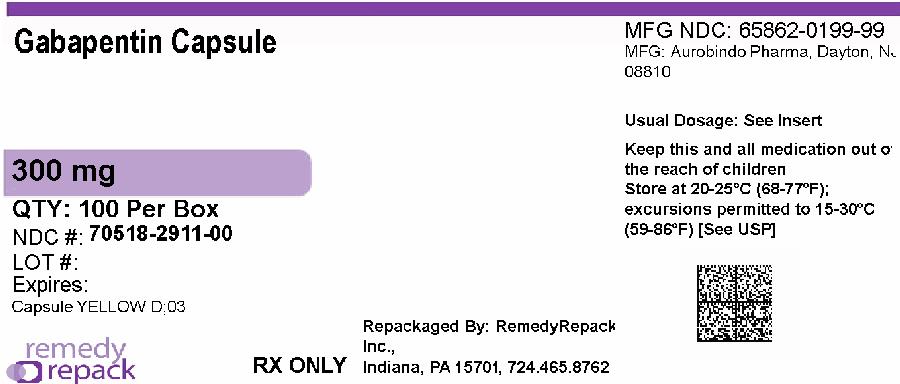
(gabapentin · DailyMed)
Neurogesic 300
Copovidone (Kollidon VA 64^) 35.000 %w/w,Crospovidone (Type B) 14.000 %w/w,Dichloromethane 38.000 ml,Gabapentin USP 300 mg,Isopropyl Alcohol* 114.000 ml,Isopropyl Alcohol* 58.000 %w/w,Magnesium Stearate (VG) (Part IV) 4.000 %w/w,Maize starch BP 23.000 %w/w,Microcrystalline Cellulose (Miccel 101) 25.000 %w/w,Microcrystalline Cellulose (PH 102) 16.050 %w/w,Tabcoat TC White(TC-580038) 8.000 %w/w
What it does
Cellulose is a type of fiber that helps with digestion and promotes bowel health.
Commonly used for: constipation, irregular bowel movements
Read more in plain English ↓Plain-language summary for general understanding - not medical advice. Always follow your pharmacist/doctor.
Ask about this medicine
Answers come only from this medicine's registration record, BNF monograph and interaction data - not medical advice.
Medicine sourcing is available in Kenya only. We don't sell or dispense medicines - licensed pharmacies do.
Sourcing - Kenya onlyRegistration & product details
Source: Tanzania Medicines and Medical Devices Authority · fetched 2026-05-18 02:04:11 · updated 2026-09-17 03:00:43
Drug Interactions
65Pharmacodynamic Warnings
Gabapentin appears in TABLE 11: Drugs with CNS depressant effects
Gabapentin appears in TABLE 18: Drugs that cause hyponatraemia
Severe (7)
Antiepileptics - decreases absorption
Iron chelators (dexrazoxane) might decrease the absorption of antiepileptics (fosphenytoin, phenytoin). Avoid.
Antiepileptics - decreases exposure
Lumacaftor is predicted to decrease the exposure to antiepileptics (carbamazepine, fosphenytoin, phenobarbital, phenytoin, primidone). Avoid.
Antiepileptics - decreases concentration
St John’s wort is predicted to decrease the concentration of antiepileptics (fosphenytoin, phenobarbital, phenytoin, primidone). Avoid.
Antiepileptics - increases risk of overheating and dehydration
Hydroxyzine potentially increases the risk of overheating and dehydration when given with antiepileptics (zonisamide). Avoid in children.
Antiepileptics - increases risk of overheating and dehydration
Haloperidol potentially increases the risk of overheating and dehydration when given with antiepileptics (zonisamide). Avoid in children.
Antiepileptics - decreases absorption
Dexrazoxane might decrease the absorption of antiepileptics (fosphenytoin, phenytoin). Avoid.
Antiepileptics - increases risk of overheating and dehydration
Oxybutynin potentially increases the risk of overheating and dehydration when given with antiepileptics (zonisamide). Avoid in children.
Moderate (25)
Antiepileptics - increases concentration
Intravenous chloramphenicol increases the concentration of antiepileptics (fosphenytoin, phenytoin) and antiepileptics (fosphenytoin, phenytoin) affect the concentration of intravenous chloramphenicol
Antiepileptics - decreases concentration
Diazoxide decreases the concentration of antiepileptics (fosphenytoin, phenytoin) and antiepileptics (fosphenytoin, phenytoin) are predicted to decrease the effects of diazoxide. Monitor concentration
Antiepileptics - increases concentration
Disulfiramincreasestheconcentrationofantiepileptics (fosphenytoin,phenytoin).Monitorconcentrationandadjust dose.rStudy →AlsoseeTABLE12p.1520
Antiepileptics - increases concentration
Fluorouracilincreasestheconcentrationofantiepileptics (fosphenytoin,phenytoin).Monitorconcentrationandadjust dose.rAnecdotal 1xidneppA|snoitcaretnI A1 https://www.facebook.c (Books-Courses-Medic
Antiepileptics - decreases concentration
Folates are predicted to decrease the concentration of antiepileptics (fosphenytoin, phenobarbital, phenytoin, primidone). Monitor concentration and adjust dose.
Unknown (33)
Antiepileptics - increases risk of overheating and dehydration
Acetazolamide potentially increases the risk of overheating and dehydration when given with antiepileptics (zonisamide). Avoid in children.
Antiepileptics - increases risk of visual disturbances
Alcohol potentially increases the risk of visual disturbances when given with antiepileptics (retigabine).
Antiepileptics - decreases exposure
Enzalutamide is predicted to slightly decrease the exposure to antiepileptics (brivaracetam).
Antiepileptics - decreases exposure
Apalutamidepotentiallydecreasestheexposureto antiepileptics(valproate).nTheoretical
Antiepileptics - increases concentration
Capecitabine increases the concentration of antiepileptics (fosphenytoin, phenytoin).
Data from BNF 85 (British National Formulary). This is not a substitute for professional medical advice. Matched via: class
About cellulose
Cellulose is a type of fiber that helps with digestion and promotes bowel health.
What it treats
- constipation
- irregular bowel movements
How it works
Cellulose adds bulk to the stool, making it easier to pass through the intestines.
Who it's for
Suitable for people looking to improve their digestive health.
AI-assisted summary grounded in BNF data - general information only, not medical advice. Always confirm with your pharmacist or doctor.
About copovidone
Copovidone is a substance often used as an ingredient in medications to help improve their effectiveness by aiding in the absorption of other active ingredients.
What it treats
- improving medication absorption
How it works
Copovidone helps other medicines work better by making it easier for the body to absorb them.
Who it's for
Copovidone is used in various medications, suitable for adults and children as directed.
AI-assisted summary grounded in BNF data - general information only, not medical advice. Always confirm with your pharmacist or doctor.
About crospovidone
Crospovidone is a substance used primarily as an excipient in medications, helping to improve their effectiveness.
What it treats
- used in various medications as a binder
- helps in the absorption of active ingredients
How it works
Crospovidone acts by increasing the solubility and stability of drugs, ensuring that they work effectively in the body.
Who it's for
Crospovidone is suitable for people taking medications that require improved absorption and effectiveness.
AI-assisted summary grounded in BNF data - general information only, not medical advice. Always confirm with your pharmacist or doctor.
About dichloromethane
Dichloromethane is a chemical commonly used as a solvent in various industrial and laboratory applications.
What it treats
- used in the production of plastics
- used in paint removers
- used in cleaning agents
How it works
Dichloromethane works by dissolving other substances, making it easier to remove or clean them.
Who it's for
Dichloromethane is mainly for industrial or laboratory use and not typically for personal or home use.
Cautions
- • Can be harmful if inhaled or absorbed through the skin.
- • May cause irritation to the eyes and skin.
- • Should only be used in well-ventilated areas.
AI-assisted summary grounded in BNF data - general information only, not medical advice. Always confirm with your pharmacist or doctor.
About gabapentin
Gabapentin is a medication mainly used to treat seizures and nerve pain. It belongs to a group of drugs called antiepileptics.
What it treats
- seizures (epilepsy)
- nerve pain (neuropathic pain)
How it works
Gabapentin works by affecting the way nerves send messages to your brain, helping to reduce seizures and relieve pain.
Who it's for
Gabapentin is prescribed for individuals with epilepsy and those suffering from nerve pain.
Drug class
Antiepileptics
Cautions
- • Be careful if you are taking other medications that can make you drowsy or dizzy.
- • Use caution if you are taking drugs that can lower sodium levels in the blood.
AI-assisted summary grounded in BNF data - general information only, not medical advice. Always confirm with your pharmacist or doctor.
About isopropyl
Isopropyl is commonly used in various topical applications for its antiseptic properties.
What it treats
- skin disinfectant
- cleaning agent
- antiseptic for minor cuts and scrapes
How it works
Isopropyl works by killing bacteria and preventing infection when applied to the skin.
Who it's for
It is suitable for anyone needing a disinfectant for minor skin issues.
AI-assisted summary grounded in BNF data - general information only, not medical advice. Always confirm with your pharmacist or doctor.
About maize
Maize is a common food ingredient that provides energy and nutrients.
What it treats
- nutrition
- energy source
How it works
Maize is a carbohydrate-rich food that the body uses for energy.
Who it's for
Suitable for most people, including adults and children.
AI-assisted summary grounded in BNF data - general information only, not medical advice. Always confirm with your pharmacist or doctor.
About microcrystalline
Microcrystalline is a type of substance often used in medicines to help with various health issues. It is commonly used as a filler or binder in tablets and capsules.
What it treats
- stomach issues
- constipation
- weight management
How it works
It helps to improve the texture of medicines and can assist in the absorption of other ingredients in the body.
Who it's for
Adults and children who need help with specific health conditions, as directed by a healthcare professional.
AI-assisted summary grounded in BNF data - general information only, not medical advice. Always confirm with your pharmacist or doctor.
About starch
Starch is a carbohydrate that serves as a source of energy and is often used in various food products.
What it treats
- energy source
- dietary supplement
How it works
Starch is broken down by the body into glucose, which provides energy for daily activities.
Who it's for
Starch can be used by anyone needing extra energy in their diet, particularly those with increased energy needs.
AI-assisted summary grounded in BNF data - general information only, not medical advice. Always confirm with your pharmacist or doctor.
About tabcoat
Tabcoat is a medication used for various health conditions related to the digestive system.
What it treats
- stomach ulcers
- gastroesophageal reflux disease (GERD)
- heartburn
- indigestion
How it works
Tabcoat helps to protect the stomach lining and reduce acidity, making it easier for the stomach to heal.
Who it's for
This medicine is suitable for adults and children who need relief from digestive issues.
AI-assisted summary grounded in BNF data - general information only, not medical advice. Always confirm with your pharmacist or doctor.
About white
White is a medicinal product used for various health conditions.
How it works
White works by affecting certain processes in the body to help manage health issues.
Who it's for
White is suitable for individuals with specific health conditions as determined by a healthcare provider.
AI-assisted summary grounded in BNF data - general information only, not medical advice. Always confirm with your pharmacist or doctor.
Clinical monograph: Gabapentin
BNF-referencedGabapentin is an anticonvulsant medication primarily used to treat epilepsy and neuropathic pain. It is particularly effective as an adjunctive therapy for focal seizures with or without secondary generalization. Gabapentin is also utilized off-label for conditions such as neuropathic pain and spasticity associated with multiple sclerosis. It is administrated orally and is known for its relatively low toxicity, providing a wide therapeutic index.
Indications
- Epilepsy
- Focal seizures with or without secondary generalization
- Neuropathic pain
- Spasticity in multiple sclerosis
- Muscle symptoms in motor neurone disease
Dosage
Adults: Initially 300 mg once daily for 1–2 weeks, then 300 mg twice daily for 1–2 weeks, followed by 300 mg 3 times a day for 1–2 weeks. Adjustments should be made according to response; maximum usual dose is 0.9–3.6 g daily in 3 divided doses (
Mechanism of action
Gabapentin primarily acts on the auxiliary α2δ-1 subunit of voltage-gated calcium channels, inhibiting their action and subsequently reducing the release of excitatory neurotransmitters. This mechanism is thought to contribute to its efficacy in treating neuropathic pain and seizures. Gabapentin may also influence adenosine receptors and voltage-gated potassium channels, although the clinical significance of these effects remains unclear.
Pharmacodynamics
Gabapentin is classified as an anticonvulsant that inhibits the release of excitatory neurotransmitters. Its wide therapeutic index makes it safer in overdoses, with high doses not leading to fatal outcomes in animal studies. While effective in treating neuropathic pain and seizure disorders, it is not effective for absence seizures and should be used cautiously in patients with mixed seizure disorders. Gabapentin has been associated with serious hypersensitivity reactions, including DRESS syndrome.
Pharmacokinetics
Gabapentin is absorbed from the gastrointestinal tract with peak plasma concentrations occurring about 2 to 3 hours post-administration. It does not bind significantly to plasma proteins and is eliminated primarily through renal excretion. The drug's half-life is approximately 5 to 7 hours, necessitating multiple daily doses for therapeutic effect. Dose adjustments may be required in patients with renal impairment.
Adverse effects
- Dizziness
- Somnolence
- Fatigue
- Ataxia
- Nausea
- Vomiting
- Peripheral edema
- Visual disturbances
- Mood changes
- Respiratory depression
Interactions
- Opioids (increased risk of respiratory depression)
- CNS depressants (increased sedation)
- Antacids (may decrease gabapentin absorption if taken concurrently)
Precautions
- Use with caution in patients with compromised respiratory function
- Use with caution in patients with renal impairment
- Monitor for signs of suicidal thoughts or behavior
- Monitor for signs of hypersensitivity reactions (DRESS)
Pregnancy
Gabapentin should only be used during pregnancy if the potential benefit justifies the potential risk to the fetus. Consult a healthcare professional for individual assessment.
Breast-feeding
Gabapentin is excreted in breast milk; caution is advised when administering to breastfeeding mothers.
Storage
Store in a cool, dry place, away from direct sunlight. Keep out of reach of children.
Formulations
- Capsules
- Tablets
- Oral solution
AI-synthesized from BNF references - general information only, not a substitute for professional medical advice or the current BNF. Verify doses with a pharmacist.
Clinical monograph: cellulose
Cellulose is a complex carbohydrate and a key structural component of the plant cell wall. It is an indigestible polysaccharide made up of linear chains of glucose molecules linked by β-1,4-glycosidic bonds. As a dietary fiber, cellulose contributes to digestive health by promoting bowel regularity and is commonly used as a laxative and bulking agent in various food products and pharmaceuticals.
Indications
- Constipation
- Dietary fiber supplementation
- Irritable bowel syndrome
- Diverticular disease
- Weight management
Dosage
Children: Refer to appropriate guidelines for specific dosage; generally taken with adequate fluid intake.
Adults: Refer to appropriate guidelines for specific dosage; generally taken with adequate fluid intake.
Mechanism of action
Cellulose acts primarily as a bulk-forming laxative. It absorbs water in the intestines, which increases stool bulk and stimulates peristalsis, thus facilitating bowel movements. Additionally, cellulose is not digestible by human enzymes, leading to fermentation by gut bacteria, which may enhance gut health and alter gut microbiota composition.
Pharmacodynamics
Cellulose increases stool weight and frequency of bowel movements. It works by retaining water in the intestines, leading to softer stools and improved passage through the gastrointestinal tract. The bulking effect of cellulose can help alleviate constipation and promote overall digestive health. It may also play a role in cholesterol reduction and glycemic control through its effects on digestion and absorption of nutrients.
Pharmacokinetics
Cellulose is not absorbed into the bloodstream due to its indigestible nature. Instead, it passes through the gastrointestinal tract, where it adds bulk to the stool. Its fermentation by colonic bacteria produces short-chain fatty acids, which may have beneficial effects on colon health. The onset of action for cellulose as a laxative can vary but is generally within 24 to 72 hours after ingestion.
Adverse effects
- Bloating
- Flatulence
- Diarrhea
- Abdominal discomfort
Precautions
- Use with caution in patients with a history of gastrointestinal disorders.
- Monitor for potential allergic reactions in sensitive individuals.
Pregnancy
Cellulose is generally considered safe during pregnancy as it is a non-toxic, indigestible fiber.
Breast-feeding
Cellulose is also considered safe during breastfeeding; it is excreted in breast milk in negligible amounts.
Storage
Store in a cool, dry place away from direct sunlight.
Formulations
- Powder
- Capsules
- Tablets
- Granules
AI-synthesized from BNF references - general information only, not a substitute for professional medical advice or the current BNF. Verify doses with a pharmacist.
Clinical monograph: copovidone
Copovidone is a synthetic polymer derived from polyvinylpyrrolidone (PVP) and is commonly used as a binder, stabilizer, and film-forming agent in pharmaceutical formulations. It is utilized in various dosage forms including tablets, capsules, and topical preparations due to its excellent solubility and compatibility with other excipients. Copovidone enhances the bioavailability of poorly soluble drugs by improving their dissolution characteristics.
Indications
- Used as a binder in tablet formulations
- Acts as a stabilizer in liquid formulations
- Serves as a film-forming agent in topical preparations
Dosage
Children: Refer to specific formulations for guidance; dosages will vary based on the formulation and therapeutic use.
Adults: Refer to specific formulations for guidance; dosages will vary based on the formulation and therapeutic use.
Mechanism of action
Copovidone acts primarily as a binder in solid dosage forms. It forms a cohesive gel in the presence of moisture, which helps in the agglomeration of powder particles, thus improving the mechanical strength and integrity of tablets. Additionally, copovidone can enhance drug solubility and dissolution rate, thereby facilitating better absorption of active pharmaceutical ingredients.
Pharmacodynamics
As a polymer, copovidone does not exert a pharmacological effect in the traditional sense but plays a crucial role in the pharmaceutical formulation process. It aids in the uniform distribution of active ingredients and can enhance the stability of formulations, thereby ensuring consistent therapeutic efficacy. Its properties allow for the sustained release of drugs when used in controlled-release formulations.
Pharmacokinetics
Copovidone is not absorbed in the gastrointestinal tract and therefore does not exhibit systemic pharmacokinetics. Instead, it remains in the gastrointestinal lumen, where it can affect the release and absorption of other co-administered drugs. Its degradation products are typically non-toxic and are excreted without causing harm to the body.
Adverse effects
- Hypersensitivity reactions
- Nausea
- Vomiting
- Diarrhea
- Abdominal pain
Precautions
- Use with caution in patients with known allergies to polyvinyl compounds
- Evaluate risk of allergic reactions in sensitive individuals
Pregnancy
Safety during pregnancy has not been established. Use only if clearly needed and potential benefits justify the risks.
Breast-feeding
It is not known whether copovidone is excreted in human milk. Caution is advised when administering to nursing mothers.
Storage
Store in a cool, dry place, protected from light. Keep out of reach of children.
Formulations
- Oral tablets
- Capsules
- Topical ointments
AI-synthesized from BNF references - general information only, not a substitute for professional medical advice or the current BNF. Verify doses with a pharmacist.
Clinical monograph: crospovidone
Crospovidone is a synthetic polymer of N-vinyl-2-pyrrolidone that is primarily used as an excipient in pharmaceutical formulations. It serves as a disintegrant, promoting the breakdown of tablets and capsules in the gastrointestinal tract to enhance the absorption of active pharmaceutical ingredients. Crospovidone is characterized by its ability to hydrate rapidly and swell, facilitating the disintegration process in solid dosage forms.
Indications
- Used as an excipient in solid dosage forms
- Facilitates drug disintegration and dissolution
Dosage
Children: Refer to specific product formulation guidelines as crospovidone is used as an excipient and does not have a direct dosage.
Adults: Refer to specific product formulation guidelines as crospovidone is used as an excipient and does not have a direct dosage.
Mechanism of action
Crospovidone acts by rapidly absorbing water and swelling upon contact with moisture. This action leads to the disintegration of solid dosage forms, thus increasing the surface area of the active ingredients and promoting their dissolution and subsequent absorption in the gastrointestinal tract. It does not affect the pH of the formulation, ensuring that the active ingredients remain stable.
Pharmacodynamics
Crospovidone exhibits properties that enhance the bioavailability of active ingredients in pharmaceutical formulations. Its ability to rapidly disintegrate tablets and capsules leads to quicker release and absorption of the drug into systemic circulation. As a disintegrant, it aids in the effective delivery of drugs that may otherwise be poorly soluble.
Pharmacokinetics
Crospovidone itself is not absorbed systemically when administered orally. It remains in the gastrointestinal tract, where it performs its function as a disintegrant. The pharmacokinetic profile of drugs formulated with crospovidone may be influenced by the enhanced dissolution and absorption rates provided by this excipient.
Pregnancy
Crospovidone is considered to have low toxicity and is generally regarded as safe for use during pregnancy, but specific studies are limited.
Breast-feeding
There is insufficient data on the excretion of crospovidone in human milk, but it is deemed safe for use during breastfeeding.
Storage
Store in a cool, dry place away from light and moisture, in tightly closed containers.
Formulations
- Powder
- Tablets
AI-synthesized from BNF references - general information only, not a substitute for professional medical advice or the current BNF. Verify doses with a pharmacist.
Clinical monograph: dichloromethane
BNF-referencedDichloromethane, also known as methylene chloride, is a colorless, volatile liquid with a sweet aroma. It is primarily used as a solvent in various industrial applications, including paint stripping, degreasing, and as a reagent in organic synthesis. Due to its potential toxicity and carcinogenic properties, its use is regulated in many regions.
Mechanism of action
Dichloromethane induces mammary adenomas in rats through an indirect mechanism involving hyperprolactinaemia, resulting in benign neoplasms. It does not bind to DNA in various tissues, suggesting that its carcinogenic effects are likely mediated through metabolic pathways in the liver. In mice, DCM acts as a hepatic and pulmonary carcinogen, mediated by interaction with DNA through a glutathione (GSH) conjugate produced by the enzyme glutathione S-transferase T1-1 (GST T1-1).
Pharmacodynamics
Dichloromethane exhibits carcinogenic properties, particularly evident in animal studies where exposure leads to liver and lung tumors. The incidence of tumors varies by species, with higher susceptibility observed in mice due to differences in glutathione transferase activity. Its effects on humans are still uncertain, necessitating caution in its handling and use due to potential health risks.
Pharmacokinetics
Dichloromethane is rapidly absorbed through inhalation and dermal exposure, with peak blood concentrations occurring shortly after exposure. It undergoes extensive hepatic metabolism primarily via cytochrome P450 enzymes, leading to the formation of reactive metabolites. The elimination half-life is relatively short, with excretion occurring mainly through the lungs and urine.
Pregnancy
Dichloromethane should be avoided during pregnancy due to its potential carcinogenic effects and lack of safety data in pregnant women.
Breast-feeding
It is not known whether dichloromethane is excreted in human milk, thus it should be used with caution in breastfeeding mothers.
Storage
Store in a cool, dry place away from heat and light. Keep container tightly closed.
AI-synthesized from BNF references - general information only, not a substitute for professional medical advice or the current BNF. Verify doses with a pharmacist.
Clinical monograph: isopropyl
BNF-referencedIsopropyl alcohol, also known as isopropanol or 2-propanol, is a colorless, flammable chemical compound with the molecular formula C3H8O. It is commonly used as a solvent, antiseptic, and disinfectant. Isopropyl alcohol has broad applications in medical, industrial, and household settings due to its effective antimicrobial properties and ability to dissolve a wide range of non-polar compounds.
Indications
- Antiseptic for skin disinfection
- Solvent in pharmaceutical formulations
- Cleaning agent in laboratories and healthcare settings
Dosage
Children: For pediatric use, consult specific guidelines in the BNF for Children, as dosing may vary based on age, weight, and clinical circumstances.
Adults: For skin antisepsis, apply isopropyl alcohol topically in a concentration of 70% to the affected area. Dosage may vary based on clinical indication and setting.
Mechanism of action
Isopropyl alcohol works primarily as an antiseptic by denaturing proteins and disrupting cell membranes of bacteria, viruses, and fungi, leading to cell lysis and death. Its efficacy is enhanced by the presence of water, which facilitates the penetration of the alcohol into microbial cells.
Pharmacodynamics
Isopropyl alcohol exhibits a rapid onset of action against a variety of pathogens, including gram-positive and gram-negative bacteria, fungi, and some viruses. Its antimicrobial activity is concentration-dependent, with higher concentrations generally providing a broader spectrum of activity. It is commonly used in concentrations ranging from 60% to 90%, with 70% being optimal for disinfection due to its ability to penetrate the cell wall effectively.
Pharmacokinetics
Isopropyl alcohol is readily absorbed through the skin and mucous membranes. After absorption, it is metabolized primarily in the liver to acetone, which is then further metabolized and excreted, mostly via urine. The elimination half-life of isopropyl alcohol varies but is typically around 2 to 3 hours. Its effects can be influenced by factors such as dosage, route of exposure, and individual metabolic differences.
Pregnancy
Isopropyl alcohol should be used with caution during pregnancy. It is a category C drug, indicating that risk cannot be ruled out.
Breast-feeding
Caution is advised when using isopropyl alcohol during breastfeeding, as it is not known if it is excreted in human milk.
Storage
Isopropyl alcohol should be stored at room temperature, away from heat and flame. Keep the container tightly closed and in a well-ventilated area.
Formulations
- Isopropyl alcohol 70% solution
- Isopropyl alcohol 99% solution
AI-synthesized from BNF references - general information only, not a substitute for professional medical advice or the current BNF. Verify doses with a pharmacist.
Clinical monograph: maize
Maize, also known as corn, is a cereal grain first domesticated by indigenous peoples in southern Mexico about 10,000 years ago. It is a staple food in many parts of the world and is used for human consumption, animal feed, and as a raw material in various industrial processes. Maize is rich in carbohydrates, particularly starch, and provides essential nutrients such as vitamins B and E, magnesium, and dietary fiber.
Indications
- Nutritional support
- Source of carbohydrates
- Dietary fiber source
- Animal feed
Dosage
Children: As with adults, there are no specific dosing recommendations for maize for children. It can be introduced into the diet in age-appropriate forms and quantities, keeping in mind the overall dietary balance.
Adults: There are no specific dosing recommendations for maize as it is typically consumed as part of a balanced diet. It can be included in daily meals in various forms such as whole kernels, flour, or as part of dishes.
Mechanism of action
Maize primarily acts as a source of energy due to its high carbohydrate content. The complex carbohydrates in maize are broken down into glucose, which is then utilized by the body for energy production. It also contributes to dietary fiber intake, which can aid in digestive health and regulation of blood sugar levels.
Pharmacodynamics
The consumption of maize influences blood glucose and insulin levels due to its carbohydrate content. It has a relatively low glycemic index when consumed in whole form, which can help in managing blood sugar levels. The dietary fiber present in maize can also promote satiety and aid in weight management.
Pharmacokinetics
The digestion of maize begins in the mouth with salivary amylase breaking down starches into simpler sugars. In the stomach and small intestine, enzymes further break down these carbohydrates. The resultant glucose is absorbed into the bloodstream, where it is transported to cells for energy production. The absorption rate can vary based on the form of maize consumed (e.g., whole kernels versus processed forms).
Pregnancy
Maize is generally considered safe for consumption during pregnancy as it is a staple food and provides essential nutrients.
Breast-feeding
Maize is safe to consume while breastfeeding and can provide important nutrients to both the mother and the infant.
Storage
Store in a cool, dry place, away from moisture and pests. Properly sealed containers can help prolong shelf life.
Formulations
- Whole maize grains
- Maize flour (cornmeal)
- Maize starch
- Maize oil
AI-synthesized from BNF references - general information only, not a substitute for professional medical advice or the current BNF. Verify doses with a pharmacist.
Clinical monograph: microcrystalline
Microcrystalline cellulose is a refined wood pulp, commonly used as an excipient in pharmaceutical formulations. It serves as a bulking agent and stabilizer in tablets and capsules, improving the physical properties of the drug formulation. It is characterized by its ability to absorb moisture and provide a suitable texture for various dosage forms.
Indications
- Used as an excipient in tablet formulations
- Used as a bulking agent in capsule formulations
- Used in food products as a thickener or stabilizer
Dosage
Children: Refer to specific product guidelines as dosage will depend on the formulation and the active ingredients.
Adults: Refer to specific product guidelines as dosage will depend on the formulation and the active ingredients.
Mechanism of action
Microcrystalline cellulose acts as a non-digestible filler that enhances the flow properties of powders during the manufacturing of tablets and capsules. It does not have a direct pharmacological action on the body but ensures that the active ingredients are effectively delivered to the patient.
Pharmacodynamics
As a non-active ingredient, microcrystalline cellulose does not exert pharmacodynamic effects typical of active pharmaceutical ingredients. Its primary role is to provide a stable and consistent matrix for the drug, facilitating the release of the active compound once ingested.
Pharmacokinetics
Microcrystalline cellulose is not absorbed in the gastrointestinal tract; it passes through the digestive system largely unchanged. It adds bulk to the stool, which may aid in promoting regular bowel movements. The substance is excreted in feces, where it contributes to dietary fiber intake.
Pregnancy
Data regarding the use of microcrystalline cellulose during pregnancy is limited. It is advisable to consult with healthcare professionals before use.
Breast-feeding
Microcrystalline cellulose is considered safe during breastfeeding, as it is not absorbed systemically.
Storage
Store in a cool, dry place away from direct sunlight and moisture.
AI-synthesized from BNF references - general information only, not a substitute for professional medical advice or the current BNF. Verify doses with a pharmacist.
Clinical monograph: starch
Starch is a polysaccharide carbohydrate consisting of a large number of glucose units joined by glycosidic bonds. It is a major energy source in the human diet and is found in numerous food sources such as grains, legumes, and tubers. In a clinical setting, starch can also be used as an excipient in various pharmaceuticals and is sometimes utilized in enteral nutrition formulations.
Indications
- Nutritional supplementation
- Energy source in enteral nutrition
- Excipient in pharmaceutical formulations
Dosage
Children: Refer to specific guidelines or product inserts for dosing information, as it can vary based on the context of use.
Adults: Refer to specific guidelines or product inserts for dosing information, as it can vary based on the context of use.
Mechanism of action
Starch is broken down into glucose units by enzymes such as amylase during digestion. The glucose is then absorbed in the intestines and utilized for energy production in the body's cells. This pathway involves hydrolysis of the glycosidic bonds, converting starch into simpler sugars.
Pharmacodynamics
Starch primarily serves as an energy source. Its digestion and absorption lead to an increase in blood glucose levels, which provides energy for metabolic processes. In this context, it plays a crucial role in maintaining energy homeostasis in the body.
Pharmacokinetics
Starch is not absorbed in its polymeric form; it must first be enzymatically hydrolyzed into simpler sugars such as maltose and glucose. The digestion and absorption of starch occur predominantly in the small intestine, with glucose being readily absorbed into the bloodstream. The rate of absorption can vary depending on the type of starch and its physical form.
Adverse effects
- Allergic reactions
- Gastrointestinal discomfort
- Diarrhea
- Constipation
Precautions
- Use with caution in individuals with known allergies to starch or starch derivatives
- Monitor for gastrointestinal symptoms in patients with a history of digestive disorders
Pregnancy
Starch is generally considered safe for use during pregnancy. However, it should be consumed in moderation as part of a balanced diet.
Breast-feeding
Starch is deemed safe for nursing mothers when used in moderation as part of a balanced diet.
Storage
Store in a cool, dry place away from moisture and direct sunlight.
Formulations
- Powder
- Granules
- Tablets
- Suspensions
AI-synthesized from BNF references - general information only, not a substitute for professional medical advice or the current BNF. Verify doses with a pharmacist.
Clinical monograph: tabcoat
Tabcoat is a pharmaceutical formulation designed to provide a protective coating to tablets, often used in the pharmaceutical industry to enhance the stability, palatability, and absorption of the active ingredients. The coating can also mask bitter tastes and provide a controlled release of the medication.
Dosage
Children: Refer to the specific product information for dosing guidance. Doses are determined by the active ingredients and clinical indications.
Adults: Refer to the specific product information for dosing guidance. Doses are determined by the active ingredients and clinical indications.
Mechanism of action
The mechanism of action of Tabcoat involves the formation of a polymeric layer around the tablet, which can dissolve at specific pH levels in the gastrointestinal tract. This allows for targeted drug release, enhancing bioavailability and improving the therapeutic effect of the encapsulated drug.
Pharmacodynamics
The pharmacodynamics of Tabcoat is largely dependent on the active pharmaceutical ingredient (API) it coats. The coating itself does not exert pharmacological effects but plays a critical role in the drug's release profile. The rate of dissolution can be influenced by factors such as gastrointestinal pH, presence of food, and the specific formulation of the coating material.
Pharmacokinetics
The pharmacokinetics of a drug coated with Tabcoat will vary based on the API. Generally, the coated tablets are designed to dissolve in the intestines, leading to absorption into the systemic circulation. Factors such as absorption rate, distribution, metabolism, and excretion are influenced by the characteristics of both the coating and the drug itself.
Pregnancy
Consult with a healthcare provider as safety in pregnancy has not been established.
Breast-feeding
Consult with a healthcare provider as safety during breastfeeding has not been established.
Storage
Store in a cool, dry place away from direct sunlight.
AI-synthesized from BNF references - general information only, not a substitute for professional medical advice or the current BNF. Verify doses with a pharmacist.
Clinical monograph: white
BNF-referencedWhite is a compound with the molecular formula C15H26O. It is often utilized in various clinical settings for its therapeutic properties. Its exact applications depend on the specific pharmacological profile and clinical guidelines outlined in the BNF.
Dosage
Children: Refer to the BNF for Children for appropriate paediatric dosing information.
Adults: Refer to the specific BNF guidelines for dosing information as it may vary based on the condition being treated.
Mechanism of action
The mechanism of action for White involves its interaction with specific biological pathways, leading to the desired pharmacological effects. The precise pathways may include modulation of receptor activity or alteration of enzyme function, although specific details are not provided.
Pharmacodynamics
Pharmacodynamics of White includes its effects on the body, including therapeutic effects and potential side effects. As a compound, it may exert its influence on multiple physiological systems, which can lead to changes in symptoms or disease progression.
Pharmacokinetics
Pharmacokinetics of White involves its absorption, distribution, metabolism, and excretion. Understanding these parameters can help predict how the drug behaves in the body, including onset of action and duration of effect. Detailed pharmacokinetic data is not specified.
AI-synthesized from BNF references - general information only, not a substitute for professional medical advice or the current BNF. Verify doses with a pharmacist.
Molecular reference: Gabapentin
PubChem CID 3446Molecular formula: C9H17NO2
Mechanism of action
The precise mechanism through which gabapentin exerts its therapeutic effects is unclear. The primary mode of action appears to be at the auxillary α2δ-1 subunit of voltage-gated calcium channels (though a low affinity for the α2δ-2 subunit has also been reported). The major function of these subunits is to facilitate the movement of pore-forming α1 subunits of calcium channels from the endoplasmic reticulum to the cell membrane of pre-synaptic neurons. There is evidence that chronic pain states can cause an increase in the expression of α2δ subunits and that these changes correlate with hyperalgesia. Gabapentin appears to inhibit the action of α2δ-1 subunits, thus decreasing the density of pre-synaptic voltage-gated calcium channels and subsequent release of excitatory neurotransmitters. It is likely that this inhibition is also responsible for the anti-epileptic action of gabapentin. There is some evidence that gabapentin also acts on adenosine receptors and voltage-gated potassium channels, though the clinical relevance of its action at these sites is unclear. Although the exact mechanism by which gabapentin exerts its analgesic effects is not known, the drug has been shown to prevent allodynia (pain-related behavior in response to normally innocuous stimuli) and hyperalgesia (exaggerated response to painful stimuli) in several models of neuropathic pain. Gabapentin also has been shown to decrease pain-related responses after peripheral inflammation in animals; however, the drug has not altered immediate pain-related behaviors. The clinical relevance of these findings is not known. In vitro studies demonstrate that gabapentin binds to the alpha2delta subunit of voltage-activated calcium channels; however, the clinical importance of this effect is not known. Gabapentin is an anticonvulsant agent structurally related to the inhibitory CNS neurotransmitter gamma-aminobutyric acid (GABA). Gabapentin enacarbil is a prodrug of gabapentin that is rapidly converted to gabapentin following oral administration; the therapeutic effects of gabapentin enacarbil are attributed to gabapentin. Although gabapentin was developed as a structural analog of GABA that would penetrate the blood-brain barrier (unlike GABA) and mimic the action of GABA at inhibitory neuronal synapses, the drug has no direct GABA-mimetic action and its precise mechanism of action has not been elucidated. Results of some studies in animals indicate that gabapentin protects against seizure and/or tonic extensions induced by the GABA antagonists picrotoxin and bicuculline or by GABA synthesis inhibitors (e.g., 3-mercaptopropionic acid, isonicotinic acid, semicarbazide). However, gabapentin does not appear to bind to GABA receptors nor affect GABA reuptake or metabolism and does not act as a precursor of GABA or of other substances active at GABA receptors. Gabapentin also has no affinity for binding sites on common neuroreceptors (e.g., benzodiazepine; glutamate; quisqualate; kainate; strychnine-insensitive or -sensitive glycine; alpha1-, alpha2-, or beta-adrenergic; adenosine A1 or A2; cholinergic [muscarinic or nicotinic]; dopamine D1 or D2; histamine H1; type 1 or 2 serotonergic [5-HT1 or 5-HT2]; opiate mc, delta, or k) or ion channels (e.g., voltage-sensitive calcium channel sites labeled with nitrendipine or diltiazem, voltage-sensitive sodium channel sites labeled with batrachotoxinin A 20alpha-benzoate). Conflicting results have been reported in studies of gabapentin affinity for and activity at N-methyl-d-aspartic acid (NMDA) receptors. Currently, the clinical management of visceral pain remains unsatisfactory for many patients suffering from this disease. While preliminary animal studies have suggested the effectiveness of gabapentin in successfully treating visceral pain, the mechanism underlying its analgesic effect remains unclear. Evidence from other studies has demonstrated the involvement of protein kinase C (PKC) and extracellular signal-regulated kina
Pharmacodynamics
Gabapentin is an anti-convulsant medication that inhibits the release of excitatory neurotransmitters, allowing for its use against pathologic neurotransmission such as that seen in neuropathic pain and seizure disorders. It has a wide therapeutic index, with doses in excess of 8000 mg/kg failing to cause a fatal reaction in rats. Gabapentin is ineffective in absence seizures and should be used in caution in patients with mixed seizure disorders involving absence seizures. Gabapentin has been associated with drug reaction with eosinophilia and systemic symptoms (DRESS), otherwise known as multi-organ hypersensitivity. This reaction can prove fatal and early symptoms such as fever, lymphadenopathy, and rash should be promptly investigated.
Source: PubChem (NCBI) · pathways from PathBank, Reactome, WikiPathways & PharmGKB.
Molecular reference: dichloromethane
PubChem CID 6344Molecular formula: CH2Cl2
Mechanism of action
The mechanism by which methylene chloride induces mammary adenomas in the rat is important for human hazard assessment. Female Sprague- Dawley rats receiving methylene chloride have a high blood level of prolactin. In common with the response to other agents which act via hyperprolactinaemia, the methylene chloride-induced response is of benign neoplasms only. There is no evidence for the binding of methylene chloride to the DNA of other tissues and hence it seems unlikely that it will bind to mammary tissue when the primary site of metabolism is the liver. It seems most likely, therefore, that the increased incidence of mammary adenomas is the result of an indirect mechanism operating via hyperprolactinaemia. Dichloromethane (DCM) is a hepatic and pulmonary carcinogen in mice exposed to high doses by inhalation. It has been shown previously that the incidence of liver and lung tumors does not increase in rats or hamsters exposed to the dihaloalkane under conditions similar to those that produced tumors in mice. The biological consequences of DCM exposure to humans is therefore uncertain. The carcinogenic effects of DCM in the mouse are caused by the interaction with DNA of a glutathione (GSH) conjugate that is produced by the class theta glutathione S-transferase T1-1 (GST T1-1). The species specificity is thought to be due to the greater amount of transferase activity in mouse target organs and specific nuclear localization of GST T1-1 in target cells. This paper directly compares the relative capacity and locality of DCM activation in mouse and human tissues. The results show that mouse GST T1-1 is more efficient in catalyzing the conjugation of DCM with GSH than the orthologous human enzyme. In addition, the mouse expresses higher levels of the transferase than humans in hepatic tissue. Histochemical analysis confirmed the presence of GST T1-1 in the nucleus of mouse liver cells. However, in human liver GST T1-1 was detected in bile duct epithelial cells and hepatocyte nuclei but was also present in the cytoplasm. Taking this information into account, it is unlikely that humans have a sufficiently high capacity to activate DCM for this compound to be considered to represent a carcinogenic risk. Dichloromethane (DCM) is considered a probable human carcinogen. Laboratory studies have shown an increased incidence of lung and liver cancer in mice but not in rats or hamsters. Despite the correlation between metabolism of DCM by the glutathione-S-transferase (GST) pathway and the occurrence of tumors in different species, the mechanism of tumor induction by DCM metabolites produced through the GST pathway remains unclear. In this study a V79 cell line stably transfected with the murine GST theta 1 gene (mGSTT1) was compared to the parent cell line (MZ) to determine how the construct affects DCM metabolism and the sensitivity of the cell line to DNA damage and cytotoxicity. V79 cells were treated with DCM (2.5-10mM) or formaldehyde (150-600muM) for 2hr. Also, formaldehyde produced by V79 cytosol metabolism of DCM was measured spectrophotometrically. DNA damage and DNA-protein crosslinks were measured by the standard and proteinase K-modified alkaline single cell gel electrophoresis (SCG) assays. Cytotoxicity was assessed by trypan blue stain exclusion, the Live/Dead((R)) cell viability/cytotoxicity kit for animal cells, and the neutral red assay. After DCM treatment a significant concentration-dependent increase in tail moment in the V79 MZ cells was observed compared to a significant concentration-dependent decrease in tail moment in the V79 mGSTT1 cells. Post-incubation with proteinase K significantly increased DNA migrations in DCM-treated V79 mGSTT1 cells. DCM formed significantly higher levels of formaldehyde in the cytosol of the V79 mGSTT1 cells than in the cytosol of the V79 MZ cells. Results using the cytotoxicity assays were comparable using the trypan blue and Live/Dead((R)) assays, neither showing a difference in resp
Source: PubChem (NCBI) · pathways from PathBank, Reactome, WikiPathways & PharmGKB.
Molecular reference: isopropyl
PubChem CID 3776Molecular formula: C3H8O
Biological pathways
Source: PubChem (NCBI) · pathways from PathBank, Reactome, WikiPathways & PharmGKB.
Molecular reference: white
PubChem CID 10955174Molecular formula: C15H26O
Source: PubChem (NCBI) · pathways from PathBank, Reactome, WikiPathways & PharmGKB.
This drug in other countries
The same active ingredient registered across other registries we cover - including different brands.
- ABLEPT -300 · Micro Labs
- BIONAC P TABLET · Medox Pharmaceuticals
- CETRIZET TABLETS · Sun Pharma
- CHELATED IRON · Agrilords
- CHELATED ZINC · Agrilords
- CLEDOMOX 228.5 DT · Pharmamed Solution
- ALC GLUCOSAMINE TABLETS · Unicom Chemist
- CLAVUAID 1000 TABLETS · Reyoung Pharmaceuticals
- CLAVUAID 625 TABLETS · Reyoung Pharmaceuticals
- ENERZYME POWDER · Alivira Animal Health
- FRESH EYES OPTHALMIC SOLUTION (Each mil contains Sodium Carboxymethyl Cellulose 0.5%w/v) · Axa Parenterals
- KLARO (FORMERLY EYE CLEAR EYE DROPS) · Exeter Health