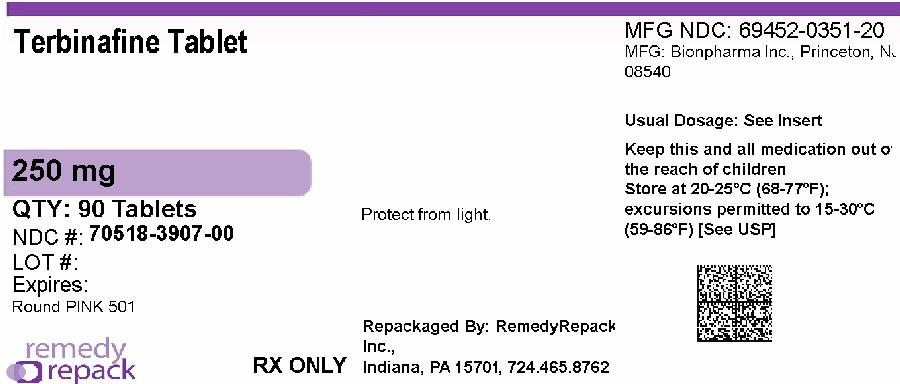
(terbinafine · DailyMed)
NIOFINE
Benzyl alcohol 1.000 %w/w,Butylated Hydroxytoluene 0.100 %w/w,Cetomacrogol 1000 3.600 %w/w,Cetostearyl Alcohol 10.000 %w/w,Disodium Edetate 0.200 %w/w,Light Liquid Paraffin 5.000 %w/w,Polysorbate 60 0.500 %w/w,Propylene Glycol 10.000 %w/w,Purified Water 54.450 %w/w,Terbinafine hydrochloride 1 %w/w,Triethanolamine 0.150 %w/w,White Soft Paraffin 14.000 %w/w
What it does
Alcohol is a substance that can affect your mood and behavior. It is important to use it carefully, especially if you are taking other medications.
Commonly used for: social enjoyment, anxiety relief, temporary relaxation
Read more in plain English ↓Plain-language summary for general understanding - not medical advice. Always follow your pharmacist/doctor.
Ask about this medicine
Answers come only from this medicine's registration record, BNF monograph and interaction data - not medical advice.
Medicine sourcing is available in Kenya only. We don't sell or dispense medicines - licensed pharmacies do.
Sourcing - Kenya onlyRegistration & product details
Source: Tanzania Medicines and Medical Devices Authority · fetched 2026-08-06 03:00:39 · updated 2026-09-24 03:00:47
Drug Interactions
32Pharmacodynamic Warnings
Alcohol appears in TABLE 1: Drugs that cause hepatotoxicity
Alcohol appears in TABLE 8: Drugs that cause hypotension
Alcohol appears in TABLE 11: Drugs with CNS depressant effects
Moderate (11)
Anticholinesterases, Centrally Acting - increases exposure
Terbinafine is predicted to increase the exposure to anticholinesterases, centrally acting (galantamine). Monitor and adjust dose.
Antipsychotics, Second Generation - increases exposure
Terbinafine is predicted to increase the exposure to antipsychotics, second generation (risperidone). Adjust dose.
Atomoxetine - increases exposure
Terbinafine is predicted to markedly increase the exposure to atomoxetine. Adjust dose. Study Atorvastatin → see statins Atovaquone → see antimalarials Atracurium → see neuromuscular blocking drugs, n
Eliglustat - increases exposure
Terbinafine is predicted to increase the exposure to eliglustat. Avoid or adjust dose-consult product literature.
Fesoterodine - increases exposure
Terbinafine is predicted to increase the exposure to fesoterodine. Use with caution and adjust dose. Theoretical Fexofenadine → see antihistamines, non-sedating Fibrates... bezafibrate ciprofibrate fe
Unknown (21)
Acitretin - increases concentration
Alcohol potentially increases the concentration of retinoids (acitretin). Avoid and for 2 months after stopping acitretin.
Antiepileptics - increases risk of visual disturbances
Alcohol potentially increases the risk of visual disturbances when given with antiepileptics (retigabine).
Betablockers,selective - increases exposure
Terbinafine is predicted to increase the exposure to beta blockers, selective (metoprolol, nebivolol).
Codeine - decreases efficacy
Terbinafineispredictedtodecreasetheefficacyofcodeine. oTheoretical
Darifenacin - increases exposure
Terbinafine is predicted to slightly increase the exposure to darifenacin.
Data from BNF 85 (British National Formulary). This is not a substitute for professional medical advice. Matched via: exact
About alcohol
Alcohol is a substance that can affect your mood and behavior. It is important to use it carefully, especially if you are taking other medications.
What it treats
- social enjoyment
- anxiety relief
- temporary relaxation
How it works
Alcohol affects the brain and central nervous system, leading to changes in mood and behavior.
Who it's for
Adults who consume alcohol in moderation for social or relaxation purposes.
Cautions
- • Be cautious if taking medications that can harm the liver.
- • Use with care if you have low blood pressure.
- • Avoid combining with medications that can cause drowsiness.
AI-assisted summary grounded in BNF data - general information only, not medical advice. Always confirm with your pharmacist or doctor.
About benzyl
Benzyl is an ingredient used in various treatments, often in topical formulations.
What it treats
- skin infections
- eczema
- scabies
How it works
Benzyl helps to kill bacteria or parasites on the skin, promoting healing.
Who it's for
This treatment is for individuals with skin conditions requiring antibacterial or antiparasitic action.
AI-assisted summary grounded in BNF data - general information only, not medical advice. Always confirm with your pharmacist or doctor.
About butylated
Butylated is a chemical used to prevent food and products from spoiling by stopping fats and oils from going bad.
What it treats
- preservative in food products
- stabilizer in cosmetics
How it works
It works by slowing down the process of oxidation, which can cause spoilage and rancidity in fats and oils.
Who it's for
It is generally used in food manufacturing and cosmetic industries.
AI-assisted summary grounded in BNF data - general information only, not medical advice. Always confirm with your pharmacist or doctor.
About cetomacrogol
Cetomacrogol is a substance used to help keep the skin moist and protect it from dryness.
What it treats
- dry skin
- eczema
- psoriasis
How it works
Cetomacrogol works by forming a barrier on the skin, which helps to lock in moisture and prevent water loss.
Who it's for
This product is suitable for anyone experiencing dry skin conditions.
AI-assisted summary grounded in BNF data - general information only, not medical advice. Always confirm with your pharmacist or doctor.
About cetostearyl
Cetostearyl is a type of emulsifying agent often used in skincare and topical treatments.
What it treats
- dry skin
- eczema
- dermatitis
How it works
Cetostearyl helps to blend oil and water in creams and lotions, making them smoother and more effective for moisturizing the skin.
Who it's for
Cetostearyl is suitable for anyone needing relief from dry or irritated skin conditions.
AI-assisted summary grounded in BNF data - general information only, not medical advice. Always confirm with your pharmacist or doctor.
About disodium
Disodium is a compound that may be used in various medical applications, particularly in maintaining electrolyte balance.
What it treats
- maintaining salt and water balance in the body
- supporting kidney function
How it works
Disodium helps to regulate the levels of sodium in the body, which is important for many bodily functions, including nerve and muscle activity.
Who it's for
It is usually prescribed for individuals who need help with electrolyte balance, such as those with certain kidney conditions or those undergoing specific treatments.
AI-assisted summary grounded in BNF data - general information only, not medical advice. Always confirm with your pharmacist or doctor.
About edetate
Edetate is used to treat conditions caused by metal poisoning, such as lead or mercury poisoning.
What it treats
- metal poisoning
- lead poisoning
- mercury poisoning
How it works
Edetate works by binding to heavy metals in the body, helping to remove them through urine.
Who it's for
It is for individuals who have been exposed to harmful levels of certain metals.
AI-assisted summary grounded in BNF data - general information only, not medical advice. Always confirm with your pharmacist or doctor.
About glycol
Glycol is a substance used in various medical and industrial applications, primarily known for its properties as a solvent and humectant.
What it treats
- moisturizing skin (topical applications)
- acting as a solvent in medications
How it works
Glycol helps to retain moisture and can dissolve other substances, making it useful in creams and solutions.
Who it's for
Glycol is generally safe for use in topical products for adults and children when used as directed.
AI-assisted summary grounded in BNF data - general information only, not medical advice. Always confirm with your pharmacist or doctor.
About hydroxytoluene
Hydroxytoluene is a chemical compound often used as a preservative and antioxidant in various products.
What it treats
- food preservation
- cosmetic products
- pharmaceutical formulations
How it works
It helps prevent the oxidation of other substances, keeping products fresh and stable.
Who it's for
Hydroxytoluene is generally used in industrial and commercial products rather than for individual patients.
AI-assisted summary grounded in BNF data - general information only, not medical advice. Always confirm with your pharmacist or doctor.
About light
Light therapy is used to treat various conditions by exposing the skin to specific wavelengths of light.
What it treats
- seasonal affective disorder (SAD)
- psoriasis
- eczema
- acne
How it works
Light therapy works by using specific types of light to help improve mood or skin conditions.
Who it's for
Light therapy is for people suffering from mood disorders or certain skin conditions.
AI-assisted summary grounded in BNF data - general information only, not medical advice. Always confirm with your pharmacist or doctor.
About liquid
Liquid medications can come in various forms, including solutions, syrups, and suspensions. They are often used for easier swallowing and faster absorption.
What it treats
- nausea and vomiting
- pain relief
- fever reduction
- cough relief
How it works
Liquid medications are absorbed quickly into the body, providing rapid relief for various symptoms.
Who it's for
Liquid medications can be suitable for people of all ages, especially those who have difficulty swallowing tablets or capsules.
AI-assisted summary grounded in BNF data - general information only, not medical advice. Always confirm with your pharmacist or doctor.
About paraffin
Paraffin is a substance used to help relieve constipation by softening stools.
What it treats
- constipation
- hard stools
How it works
Paraffin works by coating the stool and the intestines, making it easier to pass stools.
Who it's for
Paraffin is suitable for people experiencing constipation, particularly in cases where dietary changes are not sufficient.
Cautions
- • Avoid using if you have abdominal pain or intestinal blockage.
- • Consult a healthcare provider if symptoms persist.
AI-assisted summary grounded in BNF data - general information only, not medical advice. Always confirm with your pharmacist or doctor.
About polysorbate
Polysorbate is a substance often used as an emulsifier, helping to mix ingredients that usually don't blend well together in medications and food products.
What it treats
- used in various medications and food products to stabilize mixtures
How it works
It helps to keep ingredients mixed evenly, preventing separation and improving texture.
Who it's for
Suitable for individuals who need products containing polysorbate for various health or dietary reasons.
AI-assisted summary grounded in BNF data - general information only, not medical advice. Always confirm with your pharmacist or doctor.
About propylene
Propylene is a compound used in various medical applications, often as a solvent or carrier for medications.
What it treats
- used in some topical treatments
- acts as a solvent in pharmaceuticals
How it works
Propylene helps dissolve other substances, making them easier to apply or absorb in the body.
Who it's for
It is typically for adults and children who need certain medications delivered in a specific form.
AI-assisted summary grounded in BNF data - general information only, not medical advice. Always confirm with your pharmacist or doctor.
About purified
Purified ingredients are often used in various medicines to ensure safety and effectiveness by removing impurities.
What it treats
- various medical conditions
How it works
Purified ingredients help in delivering the intended effects of the medicine without the risk of contaminants.
Who it's for
People who need medications with safe and effective ingredients.
AI-assisted summary grounded in BNF data - general information only, not medical advice. Always confirm with your pharmacist or doctor.
About soft
Soft is a medication that can help with various health issues.
What it treats
- general discomfort
- pain relief
- inflammation
How it works
Soft works by reducing pain and swelling in the body.
Who it's for
It is suitable for adults and children who need relief from discomfort or pain.
Cautions
- • Consult a healthcare provider before use if you have allergies.
- • Use with care if you have liver or kidney problems.
AI-assisted summary grounded in BNF data - general information only, not medical advice. Always confirm with your pharmacist or doctor.
About terbinafine
Terbinafine is an antifungal medicine used to treat fungal infections.
What it treats
- fungal nail infections
- ringworm (tinea)
- athlete's foot (tinea pedis)
- jock itch (tinea cruris)
How it works
It works by stopping the growth of fungi that cause infections.
Who it's for
It is suitable for adults and some children with fungal infections.
AI-assisted summary grounded in BNF data - general information only, not medical advice. Always confirm with your pharmacist or doctor.
About triethanolamine
Triethanolamine is a compound often used in various topical products and formulations.
What it treats
- moisturizers
- skin creams
- cosmetic products
How it works
Triethanolamine helps to keep products smooth and stable, making it easier to apply on the skin.
Who it's for
It is suitable for adults and children who need skin care products.
AI-assisted summary grounded in BNF data - general information only, not medical advice. Always confirm with your pharmacist or doctor.
About white
White is a medicinal product used for various health conditions.
How it works
White works by affecting certain processes in the body to help manage health issues.
Who it's for
White is suitable for individuals with specific health conditions as determined by a healthcare provider.
AI-assisted summary grounded in BNF data - general information only, not medical advice. Always confirm with your pharmacist or doctor.
Clinical monograph: Alcohol
BNF-referencedAlcohol is a volatile, flammable liquid used primarily as an antiseptic for skin disinfection and preparation before injections. It is commonly employed in medical settings to cleanse the skin and reduce the risk of infection.
Indications
- Skin disinfection
- Preparation of skin before injections
- Cleansing minor wounds
Dosage
Children: Apply to the skin as required; consult product literature for specific guidance.
Adults: Apply to the skin as required for disinfection.
Mechanism of action
Alcohol exerts its antiseptic effect by denaturing proteins, disrupting cell membranes, and dehydrating microbial cells, leading to cell lysis and death.
Pharmacodynamics
Alcohol has broad-spectrum antimicrobial activity, effective against bacteria, fungi, and viruses. Its efficacy is influenced by concentration, with higher concentrations generally being more effective.
Pharmacokinetics
Alcohol is rapidly absorbed through the skin and mucous membranes. It is metabolized primarily in the liver, with a half-life that varies based on the individual's metabolic rate and the amount consumed.
Contra-indications
- Concomitant use with lithium
- Regular use in neonates
- Patients with severe burns when diathermy has been preceded by application of alcoholic skin disinfectants
Adverse effects
- Eye erythema
- Punctate keratitis
- Cytotoxicity
- Eye discolouration
Interactions
- Increases risk of visual disturbances with antiepileptics
- Increases concentration with methylphenidate
- Increases risk of facial flushing and skin irritation with topical pimecrolimus
- Increases concentration with retinoids
- Increases concentration with acitretin
- Increases risk of facial flushing and skin irritation with topical tacrolimus
- Decreases antidiuretic effect with vasopressin
Precautions
- Avoid regular application to inflamed or broken skin or mucosa
- Avoid broken skin
- Flammable
Pregnancy
Sufficient iodine may be absorbed to affect the fetal thyroid in the second and third trimester.
Breast-feeding
Avoid regular or excessive use.
Storage
Store in a cool, dry place away from heat and direct sunlight.
Formulations
- Betadine 2.5% dry powder spray
- Industrial methylated spirit
- Povidone-Iodine 25 mg per 1 gram
AI-synthesized from BNF references - general information only, not a substitute for professional medical advice or the current BNF. Verify doses with a pharmacist.
Clinical monograph: Terbinafine
BNF-referencedTerbinafine is an antifungal medication primarily used to treat dermatophyte infections, including tinea pedis (athlete's foot), tinea cruris (jock itch), tinea corporis (ringworm), and onychomycosis (fungal nail infections). It functions by inhibiting the enzyme squalene monooxygenase, which is crucial for ergosterol synthesis in fungal cell membranes. This results in compromised cell integrity and eventual fungal cell death. Terbinafine is available in various forms, including oral tablets and topical formulations such as creams and medicated nail lacquers.
Indications
- Tinea pedis (athlete's foot)
- Tinea cruris (jock itch)
- Tinea corporis (ringworm)
- Onychomycosis (fungal nail infections)
Dosage
Adults: For adults, the typical oral dosage for tinea infections is 250 mg once daily for 2 to
Mechanism of action
Terbinafine inhibits the enzyme squalene monooxygenase, preventing the conversion of squalene to 2,3-oxydosqualene, a vital step in ergosterol synthesis. This leads to reduced ergosterol levels, which are essential for fungal cell membrane integrity, and causes an accumulation of squalene, contributing to cell death.
Pharmacodynamics
As an allylamine antifungal, terbinafine disrupts fungal cell membrane synthesis by inhibiting squalene epoxidase. This action results in weakening of the cell wall and the formation of squalene-rich vesicles within the fungal cells. It has a long duration of action due to extensive tissue distribution and a long terminal elimination half-life. The therapeutic index is wide, making overdose uncommon, but liver function tests are recommended prior to treatment to mitigate the risk of hepatotoxicity.
Pharmacokinetics
Terbinafine is well absorbed after oral administration, with peak plasma concentrations occurring within 2 hours. It is extensively distributed in body tissues, particularly in skin and nails, where it accumulates. The elimination half-life ranges from 25 to 30 hours, allowing for once-daily dosing. Terbinafine is primarily metabolized by the liver and excreted in urine, with less than 5% of the dose excreted unchanged.
Adverse effects
- Nausea
- Diarrhea
- Abdominal pain
- Headache
- Rash
- Taste disturbance
- Liver function abnormalities
Interactions
- Moderate (increases exposure) with galantamine
- Moderate (increases exposure) with risperidone
- Moderate (increases exposure) with atomoxetine
- Moderate (increases exposure) with eliglustat
- Moderate (increases exposure) with fesoterodine
- Moderate (decreases exposure) with rifampicin
- Moderate (increases exposure) with fluoxetine
- Moderate (increases exposure) with centrally acting anticholinesterases
- Moderate (increases exposure) with second-generation antipsychotics
- Moderate (increases exposure) with tricyclic antidepressants
Precautions
- Use with caution in individuals with liver dysfunction
- Monitor liver function tests before and during therapy
- Avoid use in patients with a history of hypersensitivity to terbinafine or its components
- Caution in patients with renal impairment
Pregnancy
Manufacturer advises avoiding use unless potential benefit outweighs risk.
Breast-feeding
Manufacturer advises avoiding use unless potential benefit outweighs risk.
Storage
Store at room temperature, away from moisture and heat. Keep out of reach of children.
Formulations
- Tablets (250 mg)
- Cream (1%)
- Solution (1%)
AI-synthesized from BNF references - general information only, not a substitute for professional medical advice or the current BNF. Verify doses with a pharmacist.
Clinical monograph: benzyl
BNF-referencedBenzylpenicillin, a member of the penicillin class of antibiotics, is primarily used to treat infections caused by susceptible microorganisms. It is effective against a range of Gram-positive bacteria and some Gram-negative bacteria, making it a valuable agent in the treatment of various infections, including pneumonia, meningitis, and syphilis.
Indications
- Bacterial infections
- Pneumonia
- Meningitis
- Syphilis
- Endocarditis
- Skin and soft tissue infections
Dosage
Children: Paediatric dosing for benzylpenicillin is determined by the child's weight and the severity of the infection. Refer to the BNF for Children for specific dosing guidelines.
Adults: The usual adult dose for benzylpenicillin varies based on the type and severity of the infection. It is generally administered via intramuscular or intravenous routes. For severe infections, doses may range from 1 to 4 million units every 4 to 6 hours.
Mechanism of action
Benzylpenicillin exerts its antibacterial effects by inhibiting the synthesis of bacterial cell walls. It binds to penicillin-binding proteins (PBPs) located inside the bacterial cell wall, disrupting the transpeptidation process, which is crucial for cross-linking peptidoglycan layers. This inhibition leads to cell lysis and death of the bacteria.
Pharmacodynamics
Benzylpenicillin demonstrates time-dependent bactericidal activity, meaning its effectiveness is related to the duration of time the drug concentration remains above the minimum inhibitory concentration (MIC) for the target bacteria. It has a narrow spectrum of activity, primarily targeting Gram-positive cocci and some Gram-negative rods.
Pharmacokinetics
Benzylpenicillin is typically administered parenterally due to poor oral absorption. It is rapidly distributed throughout the body and can penetrate various tissues, including the central nervous system during inflammation. The drug is primarily eliminated by renal excretion, with a half-life of approximately 30 minutes to 1 hour in healthy individuals. Dosage adjustments may be necessary in patients with renal impairment.
Interactions
- leflunomide+benzylpenicillin: Unknown (increases exposure)
- nitisinone+benzylpenicillin: Unknown (increases exposure)
- teriflunomide+benzylpenicillin: Unknown (increases exposure)
Pregnancy
Benzylpenicillin is generally considered safe to use during pregnancy, as it is a penicillin antibiotic and has a long history of use.
Breast-feeding
Benzylpenicillin is excreted in breast milk in small amounts, but it is not expected to have adverse effects on a nursing infant.
Storage
Store in a cool, dry place, protected from light. Reconstituted solutions should be used promptly or stored in a refrigerator and used within a limited time frame.
Formulations
- Benzylpenicillin injection
AI-synthesized from BNF references - general information only, not a substitute for professional medical advice or the current BNF. Verify doses with a pharmacist.
Clinical monograph: butylated
Butylated compounds, particularly butylated hydroxyanisole (BHA) and butylated hydroxytoluene (BHT), are synthetic antioxidants widely used in food preservation and cosmetics. They prevent the oxidative degradation of fats and oils, thereby extending the shelf life of products. While they are generally regarded as safe at low concentrations, concerns have been raised regarding their long-term effects and potential carcinogenicity.
Dosage
Children: Refer to specific formulations and usages, as dosing can vary widely depending on the application and regulatory guidelines.
Adults: Refer to specific formulations and usages, as dosing can vary widely depending on the application and regulatory guidelines.
Mechanism of action
Butylated hydroxyanisole (BHA) and butylated hydroxytoluene (BHT) act as antioxidants by inhibiting the oxidation of lipids. They scavenge free radicals and donate hydrogen atoms to reactive species, thus stabilizing and preventing oxidative damage to cellular components. This action helps to protect the integrity of cell membranes and prevent the formation of harmful peroxides.
Pharmacodynamics
The pharmacodynamic properties of butylated compounds are primarily related to their antioxidant activity. They exhibit a dose-dependent ability to inhibit lipid peroxidation, which is crucial in protecting cells from oxidative stress. Furthermore, they may modulate certain biochemical pathways involved in cell signaling and apoptosis, although these effects are less well-characterized.
Pharmacokinetics
Butylated compounds are absorbed from the gastrointestinal tract following oral ingestion. They undergo metabolic processing primarily in the liver, where they are conjugated and excreted in urine. The half-life of butylated compounds in humans is variable, influenced by factors such as dosage and individual metabolism. Accumulation in tissues is generally low, but prolonged exposure may lead to higher tissue concentrations.
Adverse effects
- Gastrointestinal disturbances
- Allergic reactions
- Potential carcinogenic effects with prolonged exposure
Precautions
- Use with caution in patients with a history of hypersensitivity to butylated compounds
- Avoid prolonged exposure due to potential toxicity
Pregnancy
Limited data available, use only if the benefits outweigh the risks.
Breast-feeding
Unknown, exercise caution and consult a healthcare provider.
Storage
Store in a cool, dry place away from light.
Formulations
- Butylated hydroxytoluene (BHT)
- Butylated hydroxyanisole (BHA)
AI-synthesized from BNF references - general information only, not a substitute for professional medical advice or the current BNF. Verify doses with a pharmacist.
Clinical monograph: cetomacrogol
BNF-referencedCetomacrogol is a non-ionic surfactant and emulsifying agent commonly used in pharmaceutical formulations. It is primarily utilized in topical preparations to enhance the spreadability and absorption of active ingredients. Cetomacrogol is a compound that can also function as a skin conditioning agent, improving moisture retention in the skin, making it beneficial in formulations for dry skin conditions.
Indications
- Dry skin conditions
- Atopic dermatitis
- Psoriasis
- Eczema
- Skin hydration enhancement
Dosage
Children: Refer to the BNF for Children for specific dosing recommendations based on age and condition.
Adults: Refer to the specific product monograph, as dosing may vary based on formulation and condition being treated.
Mechanism of action
Cetomacrogol acts as a surfactant, reducing the surface tension between different substances. This property facilitates the formation of emulsions and enhances the solubility of hydrophobic substances in aqueous solutions. By providing a barrier on the skin, it helps to prevent transepidermal water loss, thereby maintaining skin hydration.
Pharmacodynamics
The pharmacodynamic properties of cetomacrogol are characterized by its ability to improve the consistency and stability of emulsions, allowing for better delivery of topical agents. Its moisturizing effects help to alleviate symptoms associated with dry skin conditions, such as scaling, itching, and cracking.
Pharmacokinetics
Cetomacrogol is not systemically absorbed when applied topically, as it primarily acts at the site of application. Its pharmacokinetic profile is characterized by local action with minimal risk of systemic effects. Due to its emulsifying properties, it enhances the penetration of active ingredients in topical formulations without significant metabolic transformation.
Pregnancy
There are no known adverse effects in pregnancy. However, it is advisable to use only when clearly needed.
Breast-feeding
Cetomacrogol is generally considered safe to use during breastfeeding, but consult a healthcare professional before use.
Storage
Store in a cool, dry place, away from direct light.
Formulations
- Cream
- Ointment
- Emulsion
AI-synthesized from BNF references - general information only, not a substitute for professional medical advice or the current BNF. Verify doses with a pharmacist.
Clinical monograph: cetostearyl
Cetostearyl alcohol is a fatty alcohol that is commonly used as an emollient, emulsifier, and thickening agent in pharmaceutical formulations and cosmetic products. It is a mixture of cetyl and stearyl alcohol, which are long-chain fatty alcohols derived from natural sources such as plant oils or animal fats. Cetostearyl alcohol enhances the texture and stability of creams and lotions, providing a smooth application and improving skin hydration.
Indications
- Dry skin conditions
- Eczema
- Psoriasis
- Irritated or inflamed skin
- As a base in topical formulations
Dosage
Children: Refer to specific product guidelines for paediatric use.
Adults: Apply as needed as a topical formulation. Refer to specific product guidelines for details.
Mechanism of action
Cetostearyl alcohol acts primarily as an emollient and emulsifying agent. It forms a barrier on the skin's surface, which helps to retain moisture and prevent transepidermal water loss. As an emulsifier, it stabilizes oil-in-water mixtures, allowing for the uniform distribution of active ingredients in topical formulations. Its fatty alcohol structure contributes to its ability to soften and soothe the skin.
Pharmacodynamics
The pharmacodynamic properties of cetostearyl alcohol are primarily related to its emollient and emulsifying actions. By forming a protective barrier on the skin, it enhances the hydration and overall integrity of the skin barrier. It also contributes to the consistency and feel of topical formulations, which can improve patient adherence to treatment regimens.
Pharmacokinetics
Cetostearyl alcohol is not systemically absorbed when applied topically; it remains primarily on the skin surface to exert its effects. Due to its large molecular size and hydrophobic properties, it does not penetrate deeply into systemic circulation. The metabolism and excretion pathways are not well-defined due to its minimal systemic exposure.
Pregnancy
Cetostearyl alcohol is generally considered safe for use during pregnancy, but it is recommended to consult a healthcare professional.
Breast-feeding
Cetostearyl alcohol is unlikely to pose a risk to breastfeeding infants when used in topical formulations.
Storage
Store in a cool, dry place, away from direct sunlight and moisture.
Formulations
- Creams
- Lotions
- Ointments
- Emulsions
AI-synthesized from BNF references - general information only, not a substitute for professional medical advice or the current BNF. Verify doses with a pharmacist.
Clinical monograph: disodium
BNF-referencedDisodium is a chemical compound composed of two sodium ions. It is not commonly referenced as a standalone drug but is often found in various formulations and compounds, particularly in the context of sodium salts. Disodium salts can have various applications in medicine, including as electrolytes in intravenous solutions and in the formulation of certain medications.
Indications
- Electrolyte replacement
- Volume expansion in hypovolemic patients
- Management of hyponatremia
- Support in intravenous fluid therapy
Dosage
Children: Refer to the BNF for Children for appropriate dosing in paediatric patients, as dosages may vary based on the formulation and clinical condition.
Adults: Refer to specific product information or clinical guidelines for dosage recommendations, as disodium is often part of combination products.
Mechanism of action
Disodium compounds often function by providing sodium ions that are essential for various physiological processes. Sodium ions play a critical role in maintaining osmotic balance, nerve impulse transmission, and muscle contraction. In the context of intravenous solutions, disodium helps to restore electrolyte balance in patients.
Pharmacodynamics
The pharmacodynamics of disodium is primarily related to its role in electrolyte balance and fluid homeostasis. Sodium ions are vital for the function of excitable tissues, including neurons and muscle cells. Changes in sodium levels can affect blood pressure, hydration status, and overall cellular function.
Pharmacokinetics
The pharmacokinetics of disodium compounds depend on their specific formulation and route of administration. When administered intravenously, disodium is rapidly distributed in the extracellular fluid, where it helps to maintain osmotic pressure. Sodium is primarily excreted by the kidneys, and its levels can be influenced by fluid intake, dietary sodium, and renal function.
Pregnancy
Use with caution. Consult a healthcare provider for specific guidance.
Breast-feeding
Use with caution. Consult a healthcare provider for specific guidance.
Storage
Store at room temperature, away from moisture and direct sunlight.
AI-synthesized from BNF references - general information only, not a substitute for professional medical advice or the current BNF. Verify doses with a pharmacist.
Clinical monograph: edetate
BNF-referencedEdetate, also known as edetic acid or disodium edetate, is a chelating agent used primarily to treat heavy metal poisoning, particularly lead and mercury. It works by binding to metal ions in the bloodstream, facilitating their excretion from the body. Edetate is also utilized in certain diagnostic procedures and as part of treatment regimens for conditions associated with calcium overload.
Indications
- Lead poisoning
- Mercury poisoning
- Calcium overload
- Certain diagnostic procedures involving heavy metals
Dosage
Children: Refer to the BNF for Children for appropriate dosing information tailored for paediatric patients.
Adults: Refer to the BNF for specific dosing guidelines based on the condition being treated, considering factors such as the severity of metal poisoning and renal function.
Mechanism of action
Edetate functions by forming stable complexes with divalent and trivalent metal ions, including lead and calcium, through its multiple carboxylate and amine groups. This chelation renders the metals more soluble and promotes their renal excretion, thereby reducing their toxic effects in the body.
Pharmacodynamics
The chelation of metals by edetate decreases the free metal concentration in the bloodstream, which mitigates the toxic effects associated with heavy metal accumulation. The efficacy of edetate in removing metals such as lead has been well documented, and its ability to bind calcium can influence calcium homeostasis in certain clinical scenarios.
Pharmacokinetics
Edetate is administered intravenously, with rapid distribution throughout the extracellular fluid. It is primarily excreted unchanged by the kidneys. The onset of action occurs quickly after administration, and the duration depends on the dose and the patient's renal function. The elimination half-life is approximately 1 hour but may vary based on renal clearance.
Contra-indications
- Hypersensitivity to edetate or any component of the formulation
- Severe renal impairment
- Active bleeding disorders
Adverse effects
- Hypocalcemia
- Nausea
- Vomiting
- Diarrhea
- Abdominal pain
- Headache
- Rash
- Fever
Interactions
- May enhance the effects of anticoagulants
- Concurrent use with calcium supplements may reduce effectiveness
- May interfere with the absorption of certain medications due to changes in gastrointestinal motility
Precautions
- Use with caution in patients with renal impairment
- Monitor electrolyte levels, particularly calcium, during treatment
- Assess the patient's hydration status before administration
Pregnancy
Limited data on the use of edetate in pregnancy. Use only if the potential benefit justifies the potential risk to the fetus.
Breast-feeding
Caution is advised as it is not known whether edetate is excreted in human milk. Weigh the risks and benefits before use.
Storage
Store in a cool, dry place, protected from light. Do not freeze.
Formulations
- Edetate disodium injection
- Edetate calcium disodium injection
AI-synthesized from BNF references - general information only, not a substitute for professional medical advice or the current BNF. Verify doses with a pharmacist.
Clinical monograph: glycol
BNF-referencedEthylene glycol, a colorless, odorless liquid with a sweet taste, is primarily used in antifreeze and industrial applications. It is toxic to humans and can lead to severe metabolic acidosis and organ damage upon ingestion. Due to its potential for misuse and toxicity, it is classified as a hazardous substance.
Dosage
Children: Refer to the BNF for Children for appropriate dosing information in paediatric cases, especially in instances of overdose.
Adults: Refer to the BNF for specific dosing information based on clinical circumstances, particularly in cases of overdose.
Mechanism of action
Ethylene glycol is metabolized by alcohol dehydrogenase to glycoaldehyde, which is subsequently converted to glycolic, glyoxylic, and oxalic acids. These metabolites contribute to anion gap metabolic acidosis and are responsible for tissue injury through the formation of insoluble calcium oxalate crystals.
Pharmacodynamics
The toxicity of ethylene glycol arises from its metabolites, particularly glycolic and oxalic acids. These compounds induce metabolic acidosis, lead to renal failure through calcium oxalate crystal deposition in the kidneys, and can cause neurological impairment. The anion gap increases due to the accumulation of these acids, leading to complications such as cardiovascular instability and potential multi-organ failure.
Pharmacokinetics
Ethylene glycol is rapidly absorbed after oral ingestion. It undergoes first-pass metabolism primarily in the liver, where it is converted into its toxic metabolites. The elimination half-life of ethylene glycol varies but is generally prolonged in cases of renal impairment. Renal excretion of metabolites contributes to the duration of toxicity, necessitating prompt medical intervention in cases of overdose.
Adverse effects
- Metabolic acidosis
- Renal failure
- CNS depression
- Hypocalcemia
- Cardiovascular collapse
- Pulmonary edema
Precautions
- Use with caution in patients with renal impairment
- Monitor for signs of metabolic acidosis
- Evaluate electrolyte levels, particularly calcium
Pregnancy
There is limited data on the safety of ethylene glycol in pregnancy. It should only be used if clearly needed.
Breast-feeding
It is unknown if ethylene glycol is excreted in human milk. Caution is advised.
Storage
Store in a tightly closed container at room temperature, away from heat and moisture.
Formulations
- Liquid
AI-synthesized from BNF references - general information only, not a substitute for professional medical advice or the current BNF. Verify doses with a pharmacist.
Clinical monograph: hydroxytoluene
BNF-referencedHydroxytoluene is a chemical compound primarily used as a solvent and intermediate in organic synthesis. It is also known for its application in the formulation of various pharmaceutical products. Hydroxytoluene is characterized by its molecular formula C7H8O and belongs to the class of aromatic alcohols. Its role in clinical settings is mainly related to its use in topical applications and in formulations designed to treat infestations, such as those caused by lice.
Indications
- Head lice infestation
- Body lice infestation
- Scabies
Dosage
Children: Refer to BNF for Children for specific dosing information.
Adults: Refer to BNF for specific dosing information.
Mechanism of action
Benzyl alcohol, a component of hydroxytoluene, inhibits lice from closing their respiratory spiracles. This action allows the vehicle to obstruct the spiracles, leading to asphyxiation of the lice.
Pharmacodynamics
The pharmacodynamics of hydroxytoluene involves its local anesthetic properties and its ability to disrupt the respiratory function of certain parasites. It exerts its effects primarily on ectoparasites like lice, leading to their death through suffocation. Its effectiveness is facilitated by its lipophilicity, which allows it to penetrate the cuticle of the lice and interfere with their respiratory system.
Pharmacokinetics
Hydroxytoluene is absorbed through the skin when applied topically. Its pharmacokinetic profile is influenced by its formulation, with variations in absorption rates based on the vehicle used. Once absorbed, it undergoes metabolic processes primarily in the liver, where it may be conjugated and excreted in urine. The elimination half-life and specific metabolic pathways are not well defined, requiring further research for comprehensive understanding.
Pregnancy
Hydroxytoluene should be used during pregnancy only if the potential benefit justifies the potential risk to the fetus.
Breast-feeding
Caution is advised when administering hydroxytoluene during breastfeeding due to limited data on its excretion in human milk.
Storage
Store in a cool, dry place away from direct sunlight. Keep out of reach of children.
AI-synthesized from BNF references - general information only, not a substitute for professional medical advice or the current BNF. Verify doses with a pharmacist.
Clinical monograph: light
Light is a form of electromagnetic radiation that is visible to the human eye. It plays a critical role in various biological processes, including vision, photosynthesis, and circadian rhythms. Light can be categorized into different wavelengths, with visible light ranging approximately from 400 to 700 nanometers. It influences numerous physiological functions and can have therapeutic applications, such as in phototherapy for skin conditions and mood disorders.
Indications
- Vision correction
- Phototherapy for skin conditions (e.g., psoriasis, eczema)
- Treatment of seasonal affective disorder (SAD)
- Circadian rhythm disorders
- Wound healing
Dosage
Children: Light therapy for paediatric patients should be approached with caution and always under professional guidance. Specific dosages will depend on the individual treatment protocol and condition being addressed.
Adults: Dosage of light therapy varies based on the condition being treated and should be tailored to individual needs, typically ranging from 15 minutes to 2 hours of exposure per day depending on the specific treatment protocol.
Mechanism of action
Light affects biological systems primarily through phototransduction, which involves the conversion of light into electrical signals within photoreceptor cells in the retina. This process initiates a cascade of biochemical reactions that ultimately lead to visual perception. In addition, specific wavelengths of light can interact with various biological molecules, triggering cellular responses such as the production of vitamin D through skin exposure to UVB radiation.
Pharmacodynamics
The pharmacodynamic effects of light are highly dependent on its wavelength and intensity. Short-wavelength blue light (around 480 nm) is known to influence circadian rhythms by affecting melatonin secretion. In therapeutic settings, light can modulate biological responses, such as promoting wound healing, reducing inflammation, and alleviating symptoms of seasonal affective disorder (SAD) through bright light therapy.
Pharmacokinetics
Light does not undergo traditional pharmacokinetic processes such as absorption, distribution, metabolism, or excretion. Instead, its effects are immediate and localized, depending on the intensity and duration of exposure. The penetration depth of light varies with wavelength; for example, UV light can penetrate the skin and affect deeper tissues, while visible light primarily affects the surface layers.
Pregnancy
There is limited data on the effects of light exposure during pregnancy. However, excessive exposure to bright light can be harmful to both the mother and the developing fetus.
Breast-feeding
Light exposure is generally considered safe while breastfeeding, but excessive exposure should be avoided to prevent potential harm to the infant.
Storage
Light should be properly controlled and managed in environments where it is used, ensuring that exposure levels are safe and effective.
AI-synthesized from BNF references - general information only, not a substitute for professional medical advice or the current BNF. Verify doses with a pharmacist.
Clinical monograph: liquid
BNF-referencedMethyl parathion is an organophosphate compound primarily used as an insecticide. It exerts its effects through inhibition of key enzymes involved in neurotransmission, leading to toxic effects associated with acute poisoning. It is important to note that toxic manifestations generally occur only after significant inhibition of plasma cholinesterase levels, specifically when more than 50% inhibition is observed. This compound has been studied for its acute toxicity and enzymatic interactions.
Indications
- Insecticide for agricultural use
- Research tool in toxicology
Dosage
Children: Refer to the BNF for Children for specific dosing and administration guidelines.
Adults: Refer to the BNF for specific dosing and administration guidelines.
Mechanism of action
Methyl parathion acts primarily by inhibiting the enzyme acetylcholinesterase, which is essential for the breakdown of the neurotransmitter acetylcholine. Its active metabolite, methyl paraoxon, is a potent inhibitor of both acetylcholinesterase and butyrylcholinesterase. The inhibition of these enzymes results in the accumulation of acetylcholine at synapses, leading to overstimulation of cholinergic receptors and resultant toxic effects.
Pharmacodynamics
The pharmacodynamics of methyl parathion involve its action as a noncompetitive inhibitor of acetylcholinesterase, causing prolonged effects of acetylcholine due to its inability to be hydrolyzed. The resultant cholinergic toxicity can lead to symptoms such as muscle twitching, respiratory distress, and potentially fatal outcomes if not treated promptly. The extent of inhibition is dose-dependent, with significant toxicity occurring after substantial enzyme inhibition.
Pharmacokinetics
Methyl parathion is absorbed through the gastrointestinal tract and can also be absorbed through the skin and respiratory tract. It is metabolized in the liver to form methyl paraoxon, which is responsible for the majority of its toxic effects. The distribution of methyl parathion in body tissues is influenced by its lipophilicity, and it is primarily excreted as metabolites in the urine. The elimination half-life and specific pharmacokinetic parameters can vary based on individual metabolism and exposure levels.
Pregnancy
There are no adequate and well-controlled studies in pregnant women. Use only if the potential benefit justifies the potential risk to the fetus.
Breast-feeding
It is not known whether this drug is excreted in human milk. Caution is advised when administering to nursing women.
Storage
Store in a cool, dry place away from direct sunlight. Keep out of reach of children.
Formulations
- Liquid formulation
AI-synthesized from BNF references - general information only, not a substitute for professional medical advice or the current BNF. Verify doses with a pharmacist.
Clinical monograph: paraffin
Paraffin, commonly referred to as mineral oil, is a colorless, odorless, and tasteless oil derived from petroleum. It is primarily used as a laxative and emollient. In medicinal formulations, it is often employed to relieve constipation by lubricating the intestinal tract, thus facilitating the passage of stool. Additionally, it can be used in topical applications to soften and moisturize the skin.
Indications
- Constipation
- Dry skin
- Skin irritation
Dosage
Children: Refer to specific guidelines and prescribing information for paediatric dosing.
Adults: Refer to specific guidelines and prescribing information for adult dosing.
Mechanism of action
Paraffin acts as a lubricating agent in the gastrointestinal tract. It coats the stool and the intestinal walls, which helps to ease the passage of feces by reducing friction. This action promotes bowel movements and alleviates constipation. When used topically, it forms a barrier on the skin, which helps to retain moisture and protect against irritants.
Pharmacodynamics
Paraffin has a low viscosity and surface tension, which allows it to spread easily over surfaces. Its lubricating properties facilitate the movement of stool through the intestines, while its emollient properties help in maintaining skin hydration and barrier function. The onset of action for oral administration typically occurs within 6 to 8 hours, making it effective in treating occasional constipation.
Pharmacokinetics
Paraffin is not absorbed systemically when ingested; it remains in the gastrointestinal tract and is excreted unchanged in the feces. After oral administration, it acts locally in the intestines without significant systemic effects. When used topically, it remains on the skin surface and does not penetrate deeply, providing a protective layer without altering systemic pharmacokinetics.
Adverse effects
- Abdominal cramps
- Diarrhea
- Nausea
- Vomiting
- Lipid pneumonia (when aspirated)
- Electrolyte imbalances
Precautions
- Use with caution in patients with gastrointestinal obstruction
- Avoid in patients with a history of aspiration
- Monitor for signs of dehydration with prolonged use
Pregnancy
Use only if clearly needed. Consult a healthcare provider for advice.
Breast-feeding
Paraffin can be excreted in breast milk, use with caution.
Storage
Store at room temperature away from moisture and heat.
Formulations
- Liquid paraffin
- Soft paraffin (for topical use)
AI-synthesized from BNF references - general information only, not a substitute for professional medical advice or the current BNF. Verify doses with a pharmacist.
Clinical monograph: polysorbate
Polysorbate is a non-ionic surfactant and emulsifier used in various pharmaceutical formulations. It is derived from sorbitol and fatty acids and is known for its capacity to enhance the solubility of hydrophobic compounds in aqueous solutions. Polysorbate is commonly utilized in the preparation of oral, parenteral, and topical pharmaceutical products, as well as in food and cosmetic industries.
Indications
- Emulsifying agent in drug formulations
- Stabilizer for parenteral preparations
- Solubilizer for hydrophobic drug compounds
- Ingredient in topical formulations
Dosage
Children: Refer to specific product guidelines, as dosing varies based on formulation and intended use.
Adults: Refer to specific product guidelines, as dosing varies based on formulation and intended use.
Mechanism of action
Polysorbate functions primarily as an emulsifying agent. It reduces the surface tension between immiscible liquids, allowing them to mix more easily. This property is particularly useful in stabilizing emulsions and suspensions, facilitating the delivery of active pharmaceutical ingredients in various formulations.
Pharmacodynamics
Polysorbate does not exert pharmacological effects in the traditional sense, as it does not bind to specific receptors to elicit a physiological response. Instead, it plays a crucial role in modifying the physical properties of drug formulations, thereby enhancing drug delivery and absorption. Its ability to solubilize drugs enhances their bioavailability, particularly for poorly soluble compounds.
Pharmacokinetics
Polysorbate is generally considered to be non-toxic and is not absorbed to a significant extent when administered orally. It is metabolized by the liver and excreted primarily through the gastrointestinal tract. The pharmacokinetic profile may vary depending on the route of administration and the specific formulation in which it is used.
Adverse effects
- Allergic reactions
- Skin irritation
- Gastrointestinal disturbances
Precautions
- Use cautiously in patients with known allergies to polysorbates or related compounds
- Monitor for allergic reactions in susceptible individuals
Pregnancy
Polysorbate is generally considered safe for use during pregnancy, but consult with a healthcare provider for specific cases.
Breast-feeding
Polysorbate is considered safe during breastfeeding, but consult with a healthcare provider for individual advice.
Storage
Store at room temperature, away from direct sunlight and moisture.
Formulations
- Polysorbate 20
- Polysorbate 80
AI-synthesized from BNF references - general information only, not a substitute for professional medical advice or the current BNF. Verify doses with a pharmacist.
Clinical monograph: propylene
BNF-referencedPropylene, also known as propene, is a colorless gas with a faint petroleum-like odor. It is primarily used as a chemical feedstock in the production of polypropylene, a widely used plastic. Propylene also has applications in agriculture as a plant growth inhibitor, where it functions by affecting the oxidation processes in plants.
Indications
- Plant growth regulation
- Agricultural applications as a growth inhibitor
Dosage
Children: Not applicable.
Adults: Refer to the relevant agricultural guidelines for specific applications.
Mechanism of action
In an in vitro study, propylene acts as a plant growth inhibitor by inhibiting the oxidation of indole-3-acetic acid by peroxidase in the presence of superoxide anion radicals. This inhibition is linked to the activation of an iron complex (compound III) shuttle, which enhances the reaction rate between superoxide and peroxidase, ultimately affecting plant growth processes. Propylene is a less effective inhibitor compared to ethylene.
Pharmacodynamics
The pharmacodynamic effects of propylene are primarily observed in its role as a growth inhibitor in plants. By modulating the oxidation of phytohormones like indole-3-acetic acid, propylene can influence various growth responses in plants, potentially affecting processes such as cell elongation and division.
Pharmacokinetics
Information on the pharmacokinetics of propylene in humans is not well-documented, as its primary uses are industrial and agricultural. Its metabolism may be influenced by environmental factors, and its effects are primarily studied in the context of plant biology rather than human pharmacology.
AI-synthesized from BNF references - general information only, not a substitute for professional medical advice or the current BNF. Verify doses with a pharmacist.
Clinical monograph: purified
Purified refers to a substance that has been processed to remove impurities, contaminants, or unwanted substances, resulting in a more concentrated and effective form of the original compound. In pharmacology, purified compounds are often used to enhance therapeutic efficacy and reduce adverse effects. The purification process can apply to a variety of substances, including drugs, biological products, and chemical compounds.
Dosage
Children: Refer to specific drug formulations and product labels as purified substances can vary widely in their use and dosing.
Adults: Refer to specific drug formulations and product labels as purified substances can vary widely in their use and dosing.
Mechanism of action
The mechanism of action for purified compounds varies widely depending on the specific substance. Generally, purified drugs exert their effects by interacting with specific biological targets, such as receptors, enzymes, or ion channels, leading to a desired therapeutic effect. This interaction can involve binding to receptors to activate or inhibit signaling pathways, modulating enzymatic activity, or altering physiological processes.
Pharmacodynamics
Pharmacodynamics describes the effects of a drug on the body and the relationship between drug concentration and effect. For purified drugs, this can involve dose-response relationships and the time course of their action. The purified form often enhances potency and reduces variability in response among patients, which can lead to more predictable therapeutic outcomes. The overall effect is determined by the drug's affinity for its target, the efficacy of the drug-receptor interaction, and the downstream signaling pathways activated as a result of this interaction.
Pharmacokinetics
Pharmacokinetics involves the absorption, distribution, metabolism, and excretion (ADME) of a drug. For purified substances, absorption can be more efficient due to the absence of impurities that may affect solubility or stability. Distribution may also be enhanced, leading to higher bioavailability. Metabolism can be influenced by the structure of the purified compound, as it may be metabolized more readily by liver enzymes. Excretion typically occurs through the kidneys or liver, depending on the molecular characteristics of the purified drug.
Pregnancy
Consult with a healthcare professional, as the safety of purified forms of medications during pregnancy may vary depending on the specific substance.
Breast-feeding
Consult with a healthcare professional, as the safety of purified forms of medications during breastfeeding may vary depending on the specific substance.
Storage
Store in a cool, dry place, away from light and moisture, and keep out of reach of children.
AI-synthesized from BNF references - general information only, not a substitute for professional medical advice or the current BNF. Verify doses with a pharmacist.
Clinical monograph: soft
Soft (generic name: soft) is a term often used to describe various formulations such as soft gels or soft tablets which may include different active pharmaceutical ingredients. The pharmacological characteristics, indications, and specific uses depend on the actual active ingredients contained within the formulation. Without a specific drug name or active ingredient, comprehensive details cannot be provided.
Dosage
Children: Refer to specific product information for dosing guidelines.
Adults: Refer to specific product information for dosing guidelines.
Pregnancy
Consult a healthcare professional before use. The effects of Soft during pregnancy are not well-documented.
Breast-feeding
Consult a healthcare professional before use. The safety of Soft during breastfeeding is not well-established.
Storage
Store in a cool, dry place away from direct sunlight.
AI-synthesized from BNF references - general information only, not a substitute for professional medical advice or the current BNF. Verify doses with a pharmacist.
Clinical monograph: triethanolamine
BNF-referencedTriethanolamine, also known as trolamine, is a tri-functional amine commonly used in pharmaceutical formulations and cosmetic products. Its chemical formula is C6H15NO3. It serves primarily as a surfactant and alkalizing agent, facilitating the emulsification and solubilization of various compounds in solutions. This compound is particularly valued for its ability to stabilize emulsions, enhance the texture of topical preparations, and adjust the pH in formulations.
Indications
- Topical formulations
- Emulsifying agent
- pH adjustment in solutions
- Cosmetic preparations
Dosage
Children: Refer to specific product guidelines for appropriate dosing, as the dosage may vary based on formulation and indication.
Adults: Refer to specific product guidelines for appropriate dosing, as the dosage may vary based on formulation and indication.
Mechanism of action
As an amine, triethanolamine is capable of accepting a hydrogen ion to form hydroxide and a conjugate acid, which effectively raises the pH of the solution. As a surfactant, it lowers the interfacial tension in mixtures or solutions, preventing the separation of emulsions or the precipitation of compounds out of solution.
Pharmacodynamics
Triethanolamine acts primarily as a surfactant or alkalizing agent, aiding in the emulsification and solubilization of compounds, as well as in raising the pH of solutions. Its surfactant properties make it useful in improving the stability and consistency of topical formulations.
Pharmacokinetics
The pharmacokinetics of triethanolamine have not been extensively studied, but it is generally considered to be minimally absorbed through the skin when used topically. Its effects are primarily local, occurring at the site of application rather than systemically.
Pregnancy
There is insufficient data on the use of triethanolamine during pregnancy. Caution is advised.
Breast-feeding
Limited information is available regarding the excretion of triethanolamine in human milk. Caution is recommended.
Storage
Store in a cool, dry place, away from direct sunlight and heat.
Formulations
- Topical cream
- Ointment
- Gel
AI-synthesized from BNF references - general information only, not a substitute for professional medical advice or the current BNF. Verify doses with a pharmacist.
Clinical monograph: white
BNF-referencedWhite is a compound with the molecular formula C15H26O. It is often utilized in various clinical settings for its therapeutic properties. Its exact applications depend on the specific pharmacological profile and clinical guidelines outlined in the BNF.
Dosage
Children: Refer to the BNF for Children for appropriate paediatric dosing information.
Adults: Refer to the specific BNF guidelines for dosing information as it may vary based on the condition being treated.
Mechanism of action
The mechanism of action for White involves its interaction with specific biological pathways, leading to the desired pharmacological effects. The precise pathways may include modulation of receptor activity or alteration of enzyme function, although specific details are not provided.
Pharmacodynamics
Pharmacodynamics of White includes its effects on the body, including therapeutic effects and potential side effects. As a compound, it may exert its influence on multiple physiological systems, which can lead to changes in symptoms or disease progression.
Pharmacokinetics
Pharmacokinetics of White involves its absorption, distribution, metabolism, and excretion. Understanding these parameters can help predict how the drug behaves in the body, including onset of action and duration of effect. Detailed pharmacokinetic data is not specified.
AI-synthesized from BNF references - general information only, not a substitute for professional medical advice or the current BNF. Verify doses with a pharmacist.
Molecular reference: Alcohol
PubChem CID 702Molecular formula: C2H6O
Mechanism of action
Ethanol affects the brain’s neurons in several ways. It alters their membranes as well as their ion channels, enzymes, and receptors. Alcohol also binds directly to the receptors for acetylcholine, serotonin, GABA, and the NMDA receptors for glutamate. The sedative effects of ethanol are mediated through binding to GABA receptors and glycine receptors (alpha 1 and alpha 2 subunits). It also inhibits NMDA receptor functioning. In its role as an anti-infective, ethanol acts as an osmolyte or dehydrating agent that disrupts the osmotic balance across cell membranes. ... Ethanol is known to affect a large number of membrane proteins that participate in signaling pathways such as neurotransmitter receptors, enzymes, and ion channels, and there is extensive evidence that ethanol interacts with a variety of neurotransmitters. The major actions of ethanol involve enhancing the inhibitory effects of gamma-aminobutyric acid (GABA) at GABAa receptors and blockade of the N-methyl-D-aspartate (NMDA) subtype of glutamate, an excitatory amine acid (EAA) receptor. Animal studies indicate that the acute effects of ethanol result from competitive inhibition of glycine binding to NMDA receptor and disruption of glutamatergic neurotransmission by inhibiting the response of the NMDA receptor. Persistent glycine antagonism and attenuation of glutamatergic neurotransmission by chronic ethanol exposure results in tolerance to ethanol by enhancing EAA neurotransmission and NMDA receptor upregulation. The latter appears to involve selective increases in NMDA R2B subunit concentrations and other molecular changes in specific brain loci. The abrupt withdrawal of ethanol thus produces a hyperexcitable state that leads to the ethanol withdrawal syndrome and excitotoxic neuronal death. GABA-mediated inhibition, which normally acts to limit excitation, is eliminated during ethanol withdrawal syndrome and further intensifies this excitation. In addition, NMDA receptors function to inhibit the release of dopamine in the nucleus accumbens and mesolimbic structures, which modulate the reinforcing action of addictive xenobiotics such as ethanol. By inhibiting NMDA receptor activity, ethanol could increase dopamine release from the nucleus accumbens and ventral tegmental area and could thus create dependence. Chronic ethanol administration also results in tolerance, dependence, and an ethanol withdrawal syndrome, mediated, in part, by desensitization and or downregulation of GABAa receptors. The development of alcoholic ketoacidosis (AKA) requires that a combination of physical and physiologic events occur. The normal response to starvation and depletion of hepatic glycogen stores is for amino acids to be converted to pyruvate. Pyruvate can serve as a substrate for gluconeogenesis, be converted to acetyl-CoA, which can enter the Krebs cycle or can be utilized in various biosynthetic pathways (eg, fatty acid, ketone bodies, cholesterol, and acetylcholine) ... Ethanol metabolism generates NADH, resulting in an excess of reducing potential. This high redox state favors the conversion of pyruvate to lactate, diverting pyruvate from being a substrate for gluconeogenesis. To compensate for the lack of normal metabolic substrates, the body mobilizes fat from adipose tissue and increased fatty acid metabolism as an alternative source of energy. This response is mediated by a decrease in insulin and an increased secretion of glucagon, catecholamines, growth hormone, and cortisol. Fatty acid metabolism results in the formation of acetyl-CoA and it combines with the excess acetate that is generated from ethanol metabolism to form acetoacetate. Most of the acetoacetate is reduced to beta-hydroxybutyrate due to the excess reducing potential or high redox state of the cell. Volume depletion interferes with the renal elimination of acetoacetate and beta-hydroxybutyrate, and contributes to the acidosis. An elevated lactate concentration may result from shunting from pyruvate or
Pharmacodynamics
Alcohol produces injury to cells by dehydration and precipitation of the cytoplasm or protoplasm. This accounts for its bacteriocidal and antifungal action. When alcohol is injected in close proximity to nerve tissues, it produces neuritis and nerve degeneration (neurolysis). Ninety to 98% of ethanol that enters the body is completely oxidized. Ethanol is also used as a cosolvent to dissolve many insoluble drugs and to serve as a mild sedative in some medicinal formulations. Ethanol also binds to GABA, glycine, NMDA receptors and modulates their effects. Ethanol is also metabolised by the hepatic enzyme alcohol dehydrogenase.
Biological pathways
Source: PubChem (NCBI) · pathways from PathBank, Reactome, WikiPathways & PharmGKB.
Molecular reference: Terbinafine
PubChem CID 1549008Molecular formula: C21H25N
Mechanism of action
Terbinafine inhibits the enzyme squalene monooxygenase (also called squalene epoxidase), preventing the conversion of squalene to 2,3-oxydosqualene, a step in the synthesis of ergosterol. This inhibition leads to decreased ergosterol, which would normally be incorporated into the cell wall, and accumulation of squalene. Generation of a large number of squalene containing vesicles in the cytoplasm may leach other lipids away from, and further weaken, the cell wall.
Pharmacodynamics
Terbinafine is an allylamine antifungal that inhibits squalene epoxidase (also known as squalene monooxygenase) to prevent the formation of ergosterol and cause an accumulation of squalene, weakening the cell wall of fungal cells. Terbinafine distributes into tissues and has a long terminal elimination half life, so the duration of action is long. Overdose with terbinafine is rare, even above the therapeutic dose, so the therapeutic index is wide. Patients taking oral terbinafine should have liver function tests performed prior to treatment to reduce the risk of liver injury.
Source: PubChem (NCBI) · pathways from PathBank, Reactome, WikiPathways & PharmGKB.
Molecular reference: benzyl
PubChem CID 123147Molecular formula: C7H7
Source: PubChem (NCBI) · pathways from PathBank, Reactome, WikiPathways & PharmGKB.
Molecular reference: cetomacrogol
PubChem CID 2724259Molecular formula: C56H114O21
Source: PubChem (NCBI) · pathways from PathBank, Reactome, WikiPathways & PharmGKB.
Molecular reference: disodium
PubChem CID 141233Molecular formula: Na2
Source: PubChem (NCBI) · pathways from PathBank, Reactome, WikiPathways & PharmGKB.
Molecular reference: edetate
PubChem CID 6144Molecular formula: C10H12N2O8Na4
Source: PubChem (NCBI) · pathways from PathBank, Reactome, WikiPathways & PharmGKB.
Molecular reference: glycol
PubChem CID 174Molecular formula: C2H6O2
Mechanism of action
Ethylene glycol is metabolized by alcohol dehydrogenase to glycoaldehyde, which is then metabolized to glycolic, glyoxylic, and oxalic acids. These acids, along with excess lactic acid are responsible for the anion gap metabolic acidosis. Oxalic acid readily precipitates with calcium to form insoluble calcium oxalate crystals. Tissue injury is caused by widespread deposition of oxalate crystals and the toxic effects of glycolic and glyoxylic acids.
Biological pathways
Source: PubChem (NCBI) · pathways from PathBank, Reactome, WikiPathways & PharmGKB.
Molecular reference: hydroxytoluene
PubChem CID 244Molecular formula: C7H8O
Mechanism of action
Benzyl alcohol inhibits lice from closing their respiratory spiracles, allowing the vehicle to obstruct the spiracles and causing the lice to asphyxiate.
Biological pathways
Source: PubChem (NCBI) · pathways from PathBank, Reactome, WikiPathways & PharmGKB.
Molecular reference: liquid
PubChem CID 4130Molecular formula: C8H10NO5PS
Mechanism of action
Acute poisoning ... is related to ... inhibiting action on enzyme acetylcholinesterase. Toxic manifestations generally occur only after more than 50% of plasma cholinesterase is inhibited. ... Methyl parathion ... depend on oxidative activation by replacement of thiono-sulfur with oxygen for ... toxicity. Methyl parathion has only a slight inhibitory action on acetylcholinesterase and butyrylcholinesterase, but its active metabolite, methyl paraoxon, is a potent inhibitor of both these enzymes. A study was conducted examining the inhibition of (Ca2+ and Mg2+)-ATPase by parathion (56382) and methyl parathion. Enzyme activity was assessed spectrophotometrically in pig erythrocyte membranes containing calcium2+ (Ca2+) and magnesium2+ and in solubilized membrane preparations incubated with the test agents. The enzyme response to ATP was biphasic. Equations expressing the kinetics of the substrate curves described two classes of the ATP binding active site, one with high affinity and low maximum rate and one with low affinity and high maximum rate. High affinity active sites were stimulated by low ATP concentrations (20 uM), whereas low affinity active sites were stimulated by high ATP levels (2 mM). Parathion and methylparathion dose dependently inhibited enzyme activity; parathion had a greater inhibitory effect than methylparathion. Lineweaver-Burke and Dixon plots indicated noncompetitive inhibition. Parathion and methylparathion induced enzyme inhibition occurred over a range of free calcium ion concentrations (0.5 to 5 mM); the inhibition was significantly greater at lower Ca2+ concentrations (1 to 100 uM) than at higher concentrations. The authors conclude that parathion and methylparathion inhibit ATPase activity by binding to a site on the enzyme rather than through an interaction with associated lipids. For more Mechanism of Action (Complete) data for METHYL PARATHION (6 total), please visit the HSDB record page.
Biological pathways
Source: PubChem (NCBI) · pathways from PathBank, Reactome, WikiPathways & PharmGKB.
Molecular reference: propylene
PubChem CID 8252Molecular formula: C3H6
Mechanism of action
In an in vitro study of the mechanism of action of ethylene as a plant growth inhibitor, the effects of ethylene and some of its analogs, including propylene, on the oxidation of indole-3-acetic acid were examined. Ethylene and its analogs inhibited the oxidation of indole-3-acetic acid by peroxidase under conditions where the iron complex (compound III, an oxy-ferrous complex of peroxidase) shuttle was activated. Inhibition occurred only in the presence of the superoxide anion radical 02(-). Spectral and kinetic data indicated that ethylene and its analogs enhanced the rate of reaction of 02(-) with peroxidase; ie, the iron complex (compound III) shuttle, resulting in the formation of compound III. Propylene was a less effective inhibitor than ethylene.
Biological pathways
Source: PubChem (NCBI) · pathways from PathBank, Reactome, WikiPathways & PharmGKB.
Molecular reference: triethanolamine
PubChem CID 7618Molecular formula: C6H15NO3
Mechanism of action
As an amine, trolamine is capable of accepting a hydrogen to form hydroxide and a conjugate acid. This raises the pH of the solution. As a surfactant, it can lower the interfacial tension in a mixture or solution to prevent separation of emulsions or precipitation of a compound out of solution.
Pharmacodynamics
Acts as a surfactant or alkalizing agent to aid in emulsification and solubilizing of compounds or in raising the pH of a solution
Biological pathways
Source: PubChem (NCBI) · pathways from PathBank, Reactome, WikiPathways & PharmGKB.
Molecular reference: white
PubChem CID 10955174Molecular formula: C15H26O
Source: PubChem (NCBI) · pathways from PathBank, Reactome, WikiPathways & PharmGKB.
This drug in other countries
The same active ingredient registered across other registries we cover - including different brands.
- AJ WELLNESS VITALWOMAN 45+ CAPSULES · Renown Pharmaceuticals
- ALC GLUCOSAMINE TABLETS · Unicom Chemist
- ASHIVER INJECTION (Each ml containns Ivermectin 10mg/ Benzyl Alchohol 1.5% v/v) · Ashish Life Science
- AVICINOR ORAL SOLUTION · Hebei Kexing Pharmaceutical
- AVICINOR ORAL SOLUTION (Each ml conatins Gluteraldehyde/Coco-dimethyl benzyl ammonium chloride 300mg/200mg) · Hebei Kexing Pharmaceutical
- AVICINOR ORAL SOLUTION (Each ml contains Gluteraldehyde 50% 300mg/ Coco-dimethyl benzyl ammonium chloride 50% 200mg) · Hebei Kexing Pharmaceutical