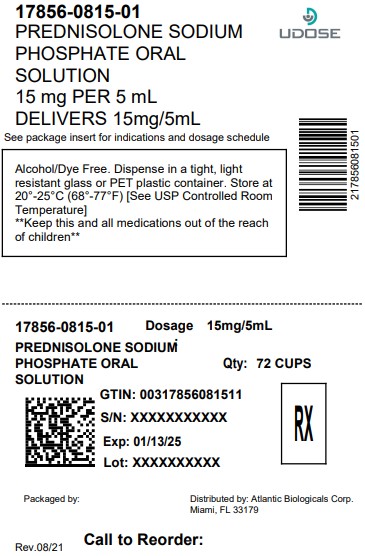
(prednisolone · DailyMed)
PENIKAN P
BENZYLPENICILLINPROCAINE/KANAMYCIN ACID SULPHATE/PREDNISOLONE
What it does
Benzylpenicillin procaine is an antibiotic used to treat bacterial infections.
Commonly used for: bacterial infections, pneumonia, strep throat (streptococcal infections), syphilis
Read more in plain English ↓Plain-language summary for general understanding - not medical advice. Always follow your pharmacist/doctor.
Ask about this medicine
Answers come only from this medicine's registration record, BNF monograph and interaction data - not medical advice.
Hard to find? We help patients in Kenya source rare medicines. We don't sell or dispense medicines - licensed pharmacies do.
Source this medicineRegistration & product details
Source: Pharmacy and Poisons Board · fetched 2026-01-28 22:10:57 · updated 2026-03-23 04:56:09
Drug Interactions
41Pharmacodynamic Warnings
Prednisolone appears in TABLE 17: Drugs that reduce serum potassium
Severe (1)
Mifamurtide - decreases efficacy
Corticosteroidsarepredictedtodecreasetheefficacyof mifamurtide.Avoid.rTheoretical
Moderate (20)
Corticosteroids - increases exposure
Dronedarone is predicted to increase the exposure to corticosteroids (methylprednisolone). Monitor and adjust dose.
Corticosteroids - increases concentration
Miconazole is predicted to increase the concentration of corticosteroids (methylprednisolone). Monitor and adjust dose.
Corticosteroids - increases exposure
Antifungals, azoles (fluconazole, isavuconazole, posaconazole) are predicted to increase the exposure to corticosteroids (methylprednisolone). Monitor and adjust dose.
Corticosteroids - decreases exposure
Cenobamate is predicted to decrease the exposure to corticosteroids (fluticasone). Adjust dose.
Corticosteroids - decreases efficacy
Mifepristone is predicted to decrease the efficacy of corticosteroids. Use with caution and adjust dose.
Unknown (20)
Aspirin - decreases concentration
Corticosteroids are predicted to decrease the concentration of aspirin (high-dose) and aspirin (high-dose) increases the risk of gastrointestinal bleeding when given with corticosteroids.
Choline Salicylate - decreases concentration
Corticosteroids are predicted to decrease the concentration of cholinesalicylate. Ciclesonide → see corticosteroids Ciclosporin → see TABLE 2 p. 1517 (nephrotoxicity), TABLE 16 p. 1521 (increased seru
Corticosteroids - increases exposure
Cobicistat is predicted to increase the exposure to corticosteroids (beclometasone) (risk with beclometasone is likely to be lower than with other corticosteroids).
Corticosteroids - increases risk of gastrointestinal perforation
Erlotinib is predicted to increase the risk of gastrointestinal perforation when given with corticosteroids.
Corticosteroids - increases exposure
Idelalisib is predicted to increase the exposure to corticosteroids (betamethasone, budesonide, ciclesonide, deflazacort, dexamethasone, fludrocortisone, fluticasone, hydrocortisone, methylprednisolon
Data from BNF 85 (British National Formulary). This is not a substitute for professional medical advice. Matched via: class
About benzylpenicillinprocaine
Benzylpenicillin procaine is an antibiotic used to treat bacterial infections.
What it treats
- bacterial infections
- pneumonia
- strep throat (streptococcal infections)
- syphilis
How it works
It works by killing bacteria or preventing their growth.
Who it's for
It is suitable for patients with bacterial infections as prescribed by a doctor.
AI-assisted summary grounded in BNF data - general information only, not medical advice. Always confirm with your pharmacist or doctor.
About kanamycin
Kanamycin is an antibiotic used to treat certain bacterial infections. It helps the body fight infections caused by bacteria.
What it treats
- bacterial infections
- tuberculosis (TB)
- severe infections caused by specific bacteria
How it works
Kanamycin works by stopping the growth of bacteria, helping to eliminate the infection.
Who it's for
Kanamycin is for people with serious bacterial infections, particularly those who do not respond to other antibiotics.
AI-assisted summary grounded in BNF data - general information only, not medical advice. Always confirm with your pharmacist or doctor.
About prednisolone
Prednisolone is a corticosteroid medication used to reduce inflammation and suppress the immune system.
What it treats
- inflammation
- allergic reactions
- asthma
- autoimmune diseases
- certain types of cancer
How it works
It works by mimicking the effects of hormones your body makes in the adrenal glands, helping to reduce swelling and control the immune response.
Who it's for
Prednisolone is prescribed for people with conditions that involve inflammation or an overactive immune system.
Drug class
Corticosteroids
Cautions
- • Be cautious if taking medications that lower potassium levels.
AI-assisted summary grounded in BNF data - general information only, not medical advice. Always confirm with your pharmacist or doctor.
Clinical monograph: Prednisolone
BNF-referencedPrednisolone is a synthetic corticosteroid that exhibits anti-inflammatory and immunosuppressive properties. It is commonly used to treat a variety of corticosteroid-responsive conditions, including inflammatory disorders, autoimmune diseases, and certain malignancies. Prednisolone works by modulating gene expression through binding to the glucocorticoid receptor, leading to decreased inflammation and altered immune responses.
Indications
- Corticosteroid-responsive conditions
- Autoimmune diseases
- Inflammatory eye conditions
- Certain malignancies
- Chronic inflammatory disorders
Dosage
Children: Refer to the BNF for Children for appropriate paediatric dosing recommendations based on age and weight.
Adults: Refer to the BNF for specific adult dosing guidelines based on the condition being treated. Doses may vary depending on the severity of the condition and the clinical response.
Mechanism of action
Prednisolone binds to the glucocorticoid receptor, resulting in altered gene expression that decreases vasodilation, capillary permeability, and leukocyte migration to sites of inflammation. It inhibits phospholipase A2, reducing the production of arachidonic acid derivatives, and suppresses pro-inflammatory transcription factors such as NF-Kappa B. This results in an anti-inflammatory effect at lower doses and immunosuppressive effects at higher doses.
Pharmacodynamics
Corticosteroids like prednisolone exert their effects by inhibiting pro-inflammatory signals and promoting anti-inflammatory signals through their action on the glucocorticoid receptor. Prednisolone has a relatively short half-life of 2.1 to 3.5 hours, and while it has a wide therapeutic window, long-term use can lead to hypothalamic-pituitary-adrenal axis suppression and increased infection risk.
Pharmacokinetics
Prednisolone is rapidly absorbed and has a short duration of action. Its pharmacokinetics involve extensive metabolism in the liver, primarily through hepatic enzymes, leading to various metabolites. The elimination half-life is approximately 2.1 to 3.5 hours, and it is primarily excreted in the urine. Chronic use can affect circadian rhythms and homeostasis.
Contra-indications
- Known allergy to prednisolone or any of its components
- Systemic fungal infections
- Active tuberculosis
- Untreated bacterial infections
Adverse effects
- Increased susceptibility to infections
- Gastrointestinal disturbances
- Fluid retention
- Hypertension
- Cushing's syndrome
- Osteoporosis
- Mood changes
- Hyperglycemia
Interactions
- Mitotane (Moderate - decreases exposure)
- Rifampicin (Moderate - decreases exposure)
- Cobicistat (Unknown - increases exposure)
- Idelalisib (Unknown - increases exposure)
- Clarithromycin (Unknown - increases exposure)
Precautions
- Monitor for signs of infection during therapy
- Use with caution in patients with a history of gastrointestinal ulcers
- Tapering of dosage may be necessary to avoid withdrawal symptoms
- Consider potential effects on growth in pediatric patients
Pregnancy
Prednisolone is classified as a Category C drug. It should only be used if the potential benefits justify the potential risk to the fetus.
Breast-feeding
Prednisolone is excreted in breast milk. Caution should be exercised when administered to nursing mothers.
Storage
Store in a cool, dry place away from light. Keep out of reach of children.
Formulations
- Tablets: 2 mg, 4 mg, 16 mg, 100 mg
- Suspension for injection
- Powder and solvent for solution for injection
AI-synthesized from BNF references - general information only, not a substitute for professional medical advice or the current BNF. Verify doses with a pharmacist.
Clinical monograph: benzylpenicillinprocaine
Benzylpenicillin procaine is a procaine salt of benzylpenicillin (penicillin G), a natural penicillin antibiotic that is effective against a variety of gram-positive bacteria, some gram-negative bacteria, and certain spirochetes. It is commonly used in the treatment of infections caused by susceptible organisms, including respiratory tract infections, skin infections, and syphilis. The procaine component prolongs the action of benzylpenicillin, allowing for less frequent dosing.
Indications
- Streptococcal infections
- Pneumococcal infections
- Syphilis
- Skin and soft tissue infections
- Respiratory tract infections
- Bone infections (osteomyelitis)
Dosage
Children: Refer to the BNF for Children for specific paediatric dosing guidelines.
Adults: Refer to the BNF for specific adult dosing guidelines.
Mechanism of action
Benzylpenicillin exerts its antibacterial effect by inhibiting bacterial cell wall synthesis. It binds to penicillin-binding proteins (PBPs) located inside the bacterial cell wall, leading to the disruption of peptidoglycan cross-linking. This ultimately results in cell lysis and death of the susceptible bacteria.
Pharmacodynamics
Benzylpenicillin demonstrates time-dependent antibacterial activity. Its efficacy is determined by the duration that the drug concentration remains above the minimum inhibitory concentration (MIC) for the target organism. It is primarily effective against gram-positive cocci, some gram-negative cocci, and non-beta-lactamase producing strains of organisms.
Pharmacokinetics
Benzylpenicillin procaine is administered intramuscularly, with procaine facilitating a slower release of benzylpenicillin into the bloodstream. Following injection, peak plasma concentrations occur within a few hours. It is widely distributed in body tissues and fluids, although it does not penetrate well into the central nervous system unless the meninges are inflamed. Benzylpenicillin is primarily excreted unchanged in the urine, with a half-life varying between 30 minutes to 1 hour, depending on renal function.
Contra-indications
- Hypersensitivity to penicillins or any components of the formulation
- Severe renal impairment
- History of allergic reactions to beta-lactam antibiotics
Adverse effects
- Allergic reactions (e.g., rash, anaphylaxis)
- Gastrointestinal disturbances (e.g., nausea, vomiting, diarrhea)
- Superinfection due to antibiotic resistance
- Neurotoxicity (with rapid intravenous administration)
- Hematologic reactions (e.g., eosinophilia, thrombocytopenia)
Interactions
- Probenecid may increase benzylpenicillin levels by inhibiting renal excretion
- Concurrent use with other nephrotoxic agents may increase the risk of renal impairment
- Antibiotic effects may be reduced when used with bacteriostatic agents such as tetracyclines or sulfonamides
Precautions
- Assess for history of penicillin allergy prior to administration
- Monitor renal function in patients with pre-existing kidney disease
- Caution in patients with a history of asthma or allergic conditions
Pregnancy
Benzylpenicillin is generally considered safe to use during pregnancy. However, it should be prescribed only if clearly needed and after assessing risks versus benefits.
Breast-feeding
Benzylpenicillin is excreted in breast milk in small amounts. It is usually considered safe during breastfeeding, but monitoring for any adverse effects in the infant is advisable.
Storage
Store in a cool, dry place, away from light. Reconstituted solutions should be used immediately or stored in the refrigerator and used within 24 hours.
Formulations
- Benzylpenicillin procaine injection
- Benzylpenicillin procaine powder for injection
AI-synthesized from BNF references - general information only, not a substitute for professional medical advice or the current BNF. Verify doses with a pharmacist.
Clinical monograph: kanamycin
BNF-referencedKanamycin is an aminoglycoside antibiotic that is primarily effective against aerobic Gram-negative bacteria, as well as certain Gram-positive bacteria. It functions by inhibiting bacterial protein synthesis, which is essential for bacterial growth and reproduction. Kanamycin is often used in the treatment of serious infections caused by susceptible strains, including those associated with Pseudomonas, Acinetobacter, and Enterobacter species. Its use is generally reserved for serious infections due to potential nephrotoxicity and ototoxicity.
Indications
- Serious infections caused by aerobic Gram-negative bacteria
- Infections due to mycobacteria, including tuberculosis
- Endocarditis in conjunction with penicillin-related antibiotics
Dosage
Children: Refer to BNF for Children for specific dosing information, as it is determined by weight and age.
Adults: Refer to BNF for specific dosing information, as it varies based on the type and severity of the infection.
Mechanism of action
Kanamycin irreversibly binds to specific proteins and 16S rRNA of the 30S ribosomal subunit. This binding interferes with the decoding site, leading to misreading of mRNA, incorrect amino acid insertion into peptides, and disruption of polysomes into nonfunctional monosomes. This bactericidal action results in the inhibition of protein synthesis in susceptible microorganisms.
Pharmacodynamics
Kanamycin is effective primarily against aerobic Gram-negative bacteria and some mycobacteria, including those causing tuberculosis. It disrupts the integrity of the bacterial cell membrane and inhibits protein synthesis, rendering bacteria unable to grow and replicate. While it can be used for Gram-positive infections, other antibiotics are usually preferred due to their higher potency and lower toxicity.
Pharmacokinetics
Kanamycin is administered parenterally, as it is poorly absorbed from the gastrointestinal tract. It demonstrates a volume of distribution that is primarily extracellular. The drug is primarily eliminated by the kidneys through glomerular filtration, necessitating dose adjustments in patients with renal impairment. Kanamycin's half-life is approximately 2 to 3 hours in individuals with normal renal function.
Contra-indications
- Hypersensitivity to kanamycin or any aminoglycoside antibiotic
- Severe renal impairment
- Myasthenia gravis
Adverse effects
- Nephrotoxicity
- Ototoxicity (hearing loss, vestibular toxicity)
- Neuromuscular blockade
- Allergic reactions (skin rash, itching)
- Gastrointestinal disturbances (nausea, vomiting)
Interactions
- Other nephrotoxic drugs (e.g., cisplatin, vancomycin) may increase the risk of renal toxicity
- Neurotoxins may potentiate neuromuscular blockade
- Concurrent use with diuretics (e.g., furosemide) may enhance ototoxicity
Precautions
- Monitor renal function regularly during treatment
- Use with caution in patients with pre-existing hearing loss
- Adjust dosage in cases of renal impairment
- Ensure adequate hydration to minimize risk of nephrotoxicity
Pregnancy
Kanamycin is classified as category D. It should only be used if the potential benefit justifies the potential risk to the fetus.
Breast-feeding
Kanamycin is excreted in breast milk. Caution is advised when administering to nursing mothers.
Storage
Store in a cool, dry place away from light. Refrigeration may be required for some formulations.
Formulations
- Kanamycin sulfate injection
- Kanamycin oral solution
AI-synthesized from BNF references - general information only, not a substitute for professional medical advice or the current BNF. Verify doses with a pharmacist.
Molecular reference: kanamycin
PubChem CID 6032Molecular formula: C18H36N4O11
Mechanism of action
Aminoglycosides like kanamycin "irreversibly" bind to specific 30S-subunit proteins and 16S rRNA. Specifically Kanamycin binds to four nucleotides of 16S rRNA and a single amino acid of protein S12. This interferes with decoding site in the vicinity of nucleotide 1400 in 16S rRNA of 30S subunit. This region interacts with the wobble base in the anticodon of tRNA. This leads to interference with the initiation complex, misreading of mRNA so incorrect amino acids are inserted into the polypeptide leading to nonfunctional or toxic peptides and the breakup of polysomes into nonfunctional monosomes. Kanamycin, an aminoglycoside, acts by inhibiting the synthesis of protein in susceptible microorganisms. It is bactericidal in vitro against Gram-negative bacteria and certain Gram-positive bacteria. Aminoglycosides are usually bactericidal in action. Although the exact mechanism of action has not been fully elucidated, the drugs appear to inhibit protein synthesis in susceptible bacteria by irreversibly binding to 30S ribosomal subunits. /Aminoglycosides/ ... Aminoglycosides are aminocyclitols that kill bacteria by inhibiting protein synthesis as they bind to the 16S rRNA and by disrupting the integrity of bacterial cell membrane. Aminoglycoside resistance mechanisms include: (a) the deactivation of aminoglycosides by N-acetylation, adenylylation or O-phosphorylation, (b) the reduction of the intracellular concentration of aminoglycosides by changes in outer membrane permeability, decreased inner membrane transport, active efflux, and drug trapping, (c) the alteration of the 30S ribosomal subunit target by mutation, and (d) methylation of the aminoglycoside binding site. ... /Aminoglycosides/
Pharmacodynamics
Kanamycin is an aminoglycoside antibiotic. Aminoglycosides work by binding to the bacterial 30S ribosomal subunit, causing misreading of t-RNA, leaving the bacterium unable to synthesize proteins vital to its growth. Aminoglycosides are useful primarily in infections involving aerobic, Gram-negative bacteria, such as Pseudomonas, Acinetobacter, and Enterobacter. In addition, some mycobacteria, including the bacteria that cause tuberculosis, are susceptible to aminoglycosides. Infections caused by Gram-positive bacteria can also be treated with aminoglycosides, but other types of antibiotics are more potent and less damaging to the host. In the past the aminoglycosides have been used in conjunction with penicillin-related antibiotics in streptococcal infections for their synergistic effects, particularly in endocarditis. Aminoglycosides are mostly ineffective against anaerobic bacteria, fungi and viruses.
Biological pathways
Source: PubChem (NCBI) · pathways from PathBank, Reactome, WikiPathways & PharmGKB.
Molecular reference: Prednisolone
PubChem CID 5755Molecular formula: C21H28O5
Mechanism of action
The short term effects of corticosteroids are decreased vasodilation and permeability of capillaries, as well as decreased leukocyte migration to sites of inflammation. Corticosteroids binding to the glucocorticoid receptor mediates changes in gene expression that lead to multiple downstream effects over hours to days. Glucocorticoids inhibit neutrophil apoptosis and demargination; they inhibit phospholipase A2, which decreases the formation of arachidonic acid derivatives; they inhibit NF-Kappa B and other inflammatory transcription factors; they promote anti-inflammatory genes like interleukin-10. Lower doses of corticosteroids provide an anti-inflammatory effect, while higher doses are immunosuppressive. High doses of glucocorticoids for an extended period bind to the mineralocorticoid receptor, raising sodium levels and decreasing potassium levels. Although altered homeostatic regulation, including disturbance of 24-h rhythms, is often observed in the patients undergoing glucocorticoid therapy, the mechanisms underlying the disturbance remains poorly understood. We report here that chronic treatment with a synthetic glucocorticoid, prednisolone, can cause alteration of circadian clock function at molecular level. Treatment of cultured hepatic cells (HepG2) with prednisolone induced expression of Period1 (Per1), and the prednisolone treatment also attenuated the serum-induced oscillations in the expression of Period2 (Per2), Rev-erbalpha, and Bmal1 mRNA in HepG2 cells. Because the attenuation of clock gene oscillations was blocked by pretreating the cells with a Per1 antisense phosphothioate oligodeoxynucleotide, the extensive expression of Per1 induced by prednisolone may have resulted in the reduced amplitude of other clock gene oscillations. Continuous administration of prednisolone into mice constitutively increased the Per1 mRNA levels in liver and skeletal muscle, which seems to attenuate the oscillation in the expressions of Per2, Rev-erbalpha, and Bmal1. However, a single daily administration of prednisolone at the time of day corresponding to acrophase of endogenous glucocorticoid levels had little effect on the rhythmic expression of clock genes. These results suggest a possible pharmacological action by prednisolone on the core circadian oscillation mechanism and indicate the possibility that the alteration of clock function induced by prednisolone can be avoided by optimizing the dosing schedule. Glucocorticoids are capable of suppressing the inflammatory process through numerous pathways. They interact with specific intracellular receptor proteins in target tissues to alter the expression of corticosteroid-responsive genes. Glucocorticoid-specific receptors in the cell cytoplasm bind with steroid ligands to form hormone-receptor complexes that eventually translocate to the cell nucleus. There these complexes bind to specific DNA sequences and alter their expression. The complexes may induce the transcription of mRNA leading to synthesis of new proteins. Such proteins include lipocortin, a protein known to inhibit PLA2a and thereby block the synthesis of prostaglandins, leukotrienes, and PAF. Glucocorticoids also inhibit the production of other mediators including AA metabolites such as COX, cytokines, the interleukins, adhesion molecules, and enzymes such as collagenase. /Glucocorticoids/
Pharmacodynamics
Corticosteroids bind to the glucocorticoid receptor, inhibiting pro-inflammatory signals, and promoting anti-inflammatory signals. Prednisolone has a short duration of action as the half life is 2.1-3.5 hours. Corticosteroids have a wide therapeutic window as patients make require doses that are multiples of what the body naturally produces. Patients taking corticosteroids should be counselled regarding the risk of hypothalamic-pituitary-adrenal axis suppression and increased susceptibility to infections.
Biological pathways
Source: PubChem (NCBI) · pathways from PathBank, Reactome, WikiPathways & PharmGKB.
This drug in other countries
The same active ingredient registered across other registries we cover - including different brands.
- ASTOLON 5MG TABLET
- CORTIMED_5 5MG TABLET
- DAWASOLONE 5ML/5ML SOLUTION
- GENSONE 10MG EYE DROPS
- IVYSOLONE_OPHTHALMIC 1%W/V SUSPENSION
- KANAMAC-1000 1G INJECTION
- Ivysolone ophthalmic suspension · B. Braun Pharmaceuticals
- LUMEPRED · Axa Parenterals
- MASTINOR LC · Baoding Sunlight Herb Medicament
- P-SOLONE-5 · Bafna Pharmaceuticals
- PLONE-5 · Brawn Laboratories
- PREDNI · Lincoln Pharmaceuticals
- AGOPRED TABLETS · Agog Pharma
- AGOPRED-10 TABLETS · Agog Pharma
- AUROFORT · Aurolab
- AUROPRED · Aurolab
- NEOPRED · Les Laboratoires Medis
- ORCHAPRED · Orchidia Pharmaceutical Industries
- Adnicor · Aurobindo Laboratories
- EDNISOL · Til Healthcare
- Kampred tablets · Aveo Pharmaceuticals
- Kanamycin injection · Flamingo Pharmaceuticals
- Kanamycin injection · Denk Pharma
- Mastijet® Forte · Intervet International
- GATILANT P EYE DROPS · Atlantic Lifesciences
- LUMEPRED EYE DROP · Axa Parenterals
- NEO-PRESOL LOTION (Each 25ml bottle contains Methyl Prednisolone/Sulphur/Neomycin Sulphate 2.5mg/50mg/2.5mg) · Drugfield Pharmaceuticals
- O-PRED · Oa & J Pharmaceuticals
- OPTIPRED · Jamjoom Pharmaceuticals
- PREDILANT EYE DROPS · Atlantic Lifesciences