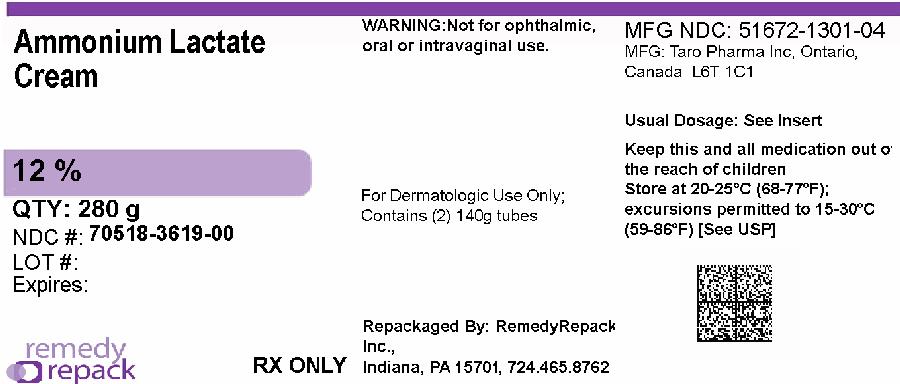
(ammonium · DailyMed)
SaniHigene
Alkyl Dimethyl Benzyl Ammonium Chloride 10 % w/v,Didecyl Dimethyl Ammonium Chloride 10 % w/v,Polymeric Biguanide Hydrochloride 10 % w/v
What it does
Alkyl is a type of medication used for various health issues, although specific uses are not detailed in the provided information.
Read more in plain English ↓Plain-language summary for general understanding - not medical advice. Always follow your pharmacist/doctor.
Ask about this medicine
Answers come only from this medicine's registration record, BNF monograph and interaction data - not medical advice.
Medicine sourcing is available in Kenya only. We don't sell or dispense medicines - licensed pharmacies do.
Sourcing - Kenya onlyRegistration & product details
Source: Tanzania Medicines and Medical Devices Authority · fetched 2026-03-11 23:38:56 · updated 2026-09-17 03:00:43
About alkyl
Alkyl is a type of medication used for various health issues, although specific uses are not detailed in the provided information.
How it works
The exact way alkyl works is not specified, but it is generally used to manage certain health conditions.
Who it's for
Alkyl may be suitable for individuals needing treatment for specific health conditions, but more information is required to determine exact patient eligibility.
AI-assisted summary grounded in BNF data - general information only, not medical advice. Always confirm with your pharmacist or doctor.
About ammonium
Ammonium is a compound that can be used in various treatments but is not classified under a specific drug class.
How it works
Ammonium works by balancing chemical levels in the body.
Who it's for
It may be used in specific medical conditions as determined by a healthcare provider.
AI-assisted summary grounded in BNF data - general information only, not medical advice. Always confirm with your pharmacist or doctor.
About benzyl
Benzyl is an ingredient used in various treatments, often in topical formulations.
What it treats
- skin infections
- eczema
- scabies
How it works
Benzyl helps to kill bacteria or parasites on the skin, promoting healing.
Who it's for
This treatment is for individuals with skin conditions requiring antibacterial or antiparasitic action.
AI-assisted summary grounded in BNF data - general information only, not medical advice. Always confirm with your pharmacist or doctor.
About biguanide
Biguanide is a type of medication mainly used to help manage blood sugar levels in people with diabetes.
What it treats
- type 2 diabetes (non-insulin dependent diabetes)
- high blood sugar (hyperglycemia)
How it works
It helps lower blood sugar levels by improving the way the body uses insulin.
Who it's for
This medication is for adults and children over 10 years old who have type 2 diabetes.
Cautions
- • Consult your doctor if you have kidney problems.
- • Inform your doctor if you have liver disease.
AI-assisted summary grounded in BNF data - general information only, not medical advice. Always confirm with your pharmacist or doctor.
About didecyl
Didecyl is a chemical used for various applications, often in cleaning and disinfecting products.
What it treats
- anti-fungal treatments
- cleaning products
How it works
Didecyl works by destroying or inhibiting the growth of fungi and bacteria.
Who it's for
Didecyl can be used by adults and children, depending on the specific product and its intended use.
AI-assisted summary grounded in BNF data - general information only, not medical advice. Always confirm with your pharmacist or doctor.
About dimethyl
Dimethyl is a chemical compound that may be used in various treatments. It is important to use it responsibly and under guidance.
How it works
Dimethyl works by affecting certain processes in the body, but specific details on its mechanism may vary based on the condition it is used to treat.
Who it's for
Dimethyl may be prescribed for individuals based on their specific health needs, but it is essential to consult a healthcare professional for appropriate use.
AI-assisted summary grounded in BNF data - general information only, not medical advice. Always confirm with your pharmacist or doctor.
About polymeric
Polymeric is a type of substance used in various medical applications, often as part of treatments or supplements.
What it treats
- nutritional support
- wound healing
How it works
Polymeric substances help provide essential nutrients and support the body's healing processes.
Who it's for
This may be used by people needing extra nutrition or support for recovery from injuries.
AI-assisted summary grounded in BNF data - general information only, not medical advice. Always confirm with your pharmacist or doctor.
Clinical monograph: Dimethylfumarate
BNF-referencedDimethylfumarate is a fumaric acid ester primarily used for the treatment of multiple sclerosis and psoriasis. Its use is characterized by an immunomodulatory effect, where it modulates the immune response in patients, potentially reducing the frequency of relapses in multiple sclerosis. The drug is usually administered orally and is known to convert to its active metabolite, monomethyl fumarate, which exerts its therapeutic effects.
Indications
- Multiple sclerosis
- Psoriasis (under expert supervision)
Dosage
Children: There is limited evidence regarding the use of dimethyl fumarate in pediatric populations. For pediatric dosing
Adults: The dosing regimen for adults is typically initiated at a lower dose, gradually increased based on tolerance and clinical response. For specific dosing information, please refer to the BNF.
Mechanism of action
The mechanism of action of dimethyl fumarate involves its conversion to monomethyl fumarate (MMF). MMF up-regulates the Nuclear factor (erythroid-derived 2)-like 2 (Nrf2) pathway, which is activated in response to oxidative stress, and suppresses pro-inflammatory gene expression through the inhibition of nuclear factor kappa B. Additionally, MMF acts as a nicotinic acid receptor agonist, influencing immune cell composition and function, leading to a reduction in central nervous system infiltration and a shift from a pro-inflammatory to an anti-inflammatory immune phenotype.
Pharmacodynamics
Dimethyl fumarate exhibits anti-inflammatory and cytoprotective effects, which are particularly relevant in the context of multiple sclerosis. Although its precise physiological effects are not fully understood, it has been associated with the modulation of immune responses, potentially lowering the risk of relapse in multiple sclerosis patients. However, treatment with dimethyl fumarate can lead to serious adverse effects, including progressive multifocal leukoencephalopathy (PML), opportunistic infections, and severe lymphopenia.
Pharmacokinetics
Dimethyl fumarate is rapidly absorbed after oral administration, with peak plasma concentrations reached within hours. The drug is extensively metabolized to its active form, monomethyl fumarate, which is primarily eliminated via renal excretion. The pharmacokinetics may be influenced by factors such as liver function and concurrent medications. Monitoring of lymphocyte counts is recommended during treatment due to the risk of lymphopenia.
Contra-indications
- Severe lymphopenia (lymphocyte count below 0.5 x 10^9/litre)
- Active infection
- Severe active gastro-intestinal disease
Adverse effects
- Progressive multifocal leukoencephalopathy (PML)
- Lymphopenia
- Serious opportunistic infections
- Liver injury
- Anaphylaxis
- Angioedema
- Decreased leukocyte count
- Constipation
- Diarrhea
- Feeling hot
- Gastrointestinal discomfort
- Fatigue
- Eosinophilia
Interactions
- Live vaccines (unknown interaction, increases risk of generalized infection, possibly life-threatening)
Precautions
- Monitor lymphocyte counts at least every 3 months during treatment
- Re-evaluate treatment in patients with sustained moderate reductions of absolute lymphocyte counts (between 0.5 and 0.8 x 10^9/litre) for longer than 6 months
- Patients should be vigilant for new or worsening neurological or psychiatric symptoms
Pregnancy
There are limited data on the use of dimethyl fumarate in pregnancy. Caution is advised.
Breast-feeding
It is not known whether dimethyl fumarate is excreted in human milk. Caution is advised.
Storage
Store at room temperature, away from moisture and heat.
Formulations
- Dimethyl fumarate 120 mg and 240 mg delayed-release capsules
AI-synthesized from BNF references - general information only, not a substitute for professional medical advice or the current BNF. Verify doses with a pharmacist.
Clinical monograph: alkyl
Alkylating agents are a class of chemotherapy drugs that work by adding an alkyl group to the DNA molecule, resulting in DNA damage and inhibition of cell division. This mechanism is effective against rapidly dividing cancer cells, making alkylating agents crucial in the treatment of various malignancies. They are used in combination with other therapies to enhance treatment efficacy.
Indications
- Hodgkin lymphoma
- Non-Hodgkin lymphoma
- Leukemias
- Multiple myeloma
- Breast cancer
- Ovarian cancer
- Lung cancer
- Testicular cancer
Dosage
Children: Refer to the BNF for Children for specific dosing information based on the alkylating agent and the condition being treated.
Adults: Refer to specific alkylating agent guidelines as dosing varies widely among agents and depends on the condition being treated. Adjustments may be necessary based on patient response and tolerability.
Mechanism of action
Alkylating agents exert their effects primarily by forming covalent bonds with DNA, leading to cross-linking of DNA strands. This prevents DNA replication and transcription, ultimately inducing apoptosis in cancer cells. They target the N7 position of guanine, which is a critical site for DNA integrity, thereby disrupting normal cell function and causing cell death.
Pharmacodynamics
The pharmacodynamic profile of alkylating agents includes their ability to cause cytotoxic effects by damaging DNA. This leads to cell cycle arrest and apoptosis, particularly in actively dividing cells. The effectiveness can vary based on the type of cancer, the specific alkylating agent used, and the presence of cellular repair mechanisms. Resistance can develop through enhanced DNA repair or drug efflux mechanisms in tumor cells.
Pharmacokinetics
Alkylating agents are generally well-absorbed after administration, with their distribution affected by factors such as the blood-brain barrier. They are metabolized primarily in the liver, and their metabolites can be excreted through the kidneys. The half-life varies significantly among different alkylating agents, influencing the frequency and duration of treatment. Dosing must be carefully monitored to minimize toxicity and maximize therapeutic efficacy.
Interactions
- miconazole+alkylatingagents: Moderate (increases concentration)
- livevaccines+alkylatingagents: Unknown (increases risk of generalised infection (possibly life-threatening))
- isavuconazole+alkylatingagents: Unknown (increases exposure)
- metronidazole+alkylatingagents: Unknown (increases risk of toxicity)
- netupitantvery+alkylatingagents: Unknown (increases exposure)
- netupitant+alkylatingagents: Unknown (increases exposure)
- pemigatinib+alkylatingagents: Unknown (decreases exposure)
AI-synthesized from BNF references - general information only, not a substitute for professional medical advice or the current BNF. Verify doses with a pharmacist.
Clinical monograph: ammonium
BNF-referencedAmmonium is a positively charged ion (NH4+) that plays a crucial role in various biochemical processes, including nitrogen metabolism in living organisms. It is involved in the synthesis of amino acids and nucleotides, acting as a precursor in the biosynthesis of important biological compounds. Ammonium is also a key component in the nitrogen cycle, contributing to the fertility of soil and aquatic environments.
Indications
- Nitrogen supplementation in clinical nutrition
- Management of metabolic alkalosis
- Treatment of certain types of kidney disorders
Dosage
Children: Specific pediatric dosing information is not detailed in the BNF. Refer to the BNF for Children for appropriate dosing based on age and condition.
Adults: Dosage varies based on clinical indication and should be guided by specific treatment protocols. Refer to clinical guidelines for detailed dosing information.
Mechanism of action
Ammonium ions participate in various metabolic pathways, including the biosynthesis of amino acids and nucleotides. It serves as a nitrogen source for organisms, facilitating the synthesis of essential biomolecules. The presence of ammonium can influence pH levels and osmotic balance within cells, thereby affecting cellular functions and enzyme activities.
Pharmacodynamics
Ammonium affects cellular metabolism by acting as a nitrogen donor in the synthesis of organic compounds. Its role in the nitrogen cycle and as a substrate in biochemical pathways allows for the maintenance of cellular functions, including energy production and cellular growth. Alterations in ammonium levels can influence various physiological processes, including neurotransmitter synthesis and energy metabolism.
Pharmacokinetics
Ammonium is readily absorbed and distributed in biological systems. It can be produced endogenously through amino acid metabolism or obtained from dietary sources. The excretion of ammonium primarily occurs through the kidneys, where it is converted to urea for elimination. Ammonium levels are regulated by various mechanisms, including the action of renal tubular cells that either secrete or reabsorb ammonium based on the body's needs.
AI-synthesized from BNF references - general information only, not a substitute for professional medical advice or the current BNF. Verify doses with a pharmacist.
Clinical monograph: ammoniumchloride
BNF-referencedAmmonium chloride is an inorganic compound with the chemical formula ClH4N. It is primarily used as an expectorant and systemic acidifier. Its mechanism involves increasing hydrogen ion concentrations, thereby enhancing acidity and promoting the production of respiratory tract fluid, which aids in effective coughing. Additionally, it alters the bicarbonate:carbonic acid ratio in the body, potentially leading to acidosis and promoting the excretion of electrolytes and water.
Indications
- Cough associated with respiratory tract infections
- Acid-base disorders
- Edema management
Dosage
Children: Refer to the BNF for Children for appropriate paediatric dosing guidelines based on age and condition.
Adults: Refer to the BNF for specific adult dosing guidelines as they depend on the indication and clinical context.
Mechanism of action
Ammonium chloride increases acidity by raising hydrogen ion concentrations. It dissociates into ammonium and chloride ions; the ammonium is converted to urea in the liver, releasing hydrogen ions that lower pH. The chloride ions displace bicarbonate in extracellular fluid, leading to acidosis and increased renal excretion of electrolytes and water, resulting in fluid mobilization.
Pharmacodynamics
Ammonium chloride acts as a systemic acidifier, facilitating the excretion of chloride and sodium, while also increasing the acidity of body fluids. The conversion of ammonium to urea in the liver with the release of hydrogen ions contributes to a decrease in blood pH, affecting acid-base balance in the body.
Pharmacokinetics
Ammonium chloride is absorbed from the gastrointestinal tract and metabolized in the liver, where it is converted to urea. The dissociated ions impact renal function, leading to increased excretion of sodium, potassium, and water. The elimination half-life and specific metabolism details are not explicitly defined.
Adverse effects
- Nausea
- Vomiting
- Abdominal pain
- Diarrhea
- Dizziness
- Headache
Interactions
- Antacids may reduce the effectiveness of ammonium chloride
- Potassium-sparing diuretics may increase the risk of hyperkalemia
Precautions
- Use with caution in patients with renal impairment
- Monitor electrolyte levels during prolonged therapy
- Consider potential for acidosis in patients with liver disease
Pregnancy
Ammonium chloride should only be used during pregnancy if the potential benefit justifies the potential risk to the fetus. Consult a healthcare provider for individualized advice.
Breast-feeding
Ammonium chloride is excreted in breast milk. Use caution and consult a healthcare provider if breastfeeding.
Storage
Store in a cool, dry place, away from direct sunlight and moisture. Keep out of reach of children.
Formulations
- Oral solution
- Powder for oral solution
AI-synthesized from BNF references - general information only, not a substitute for professional medical advice or the current BNF. Verify doses with a pharmacist.
Clinical monograph: benzyl
BNF-referencedBenzylpenicillin, a member of the penicillin class of antibiotics, is primarily used to treat infections caused by susceptible microorganisms. It is effective against a range of Gram-positive bacteria and some Gram-negative bacteria, making it a valuable agent in the treatment of various infections, including pneumonia, meningitis, and syphilis.
Indications
- Bacterial infections
- Pneumonia
- Meningitis
- Syphilis
- Endocarditis
- Skin and soft tissue infections
Dosage
Children: Paediatric dosing for benzylpenicillin is determined by the child's weight and the severity of the infection. Refer to the BNF for Children for specific dosing guidelines.
Adults: The usual adult dose for benzylpenicillin varies based on the type and severity of the infection. It is generally administered via intramuscular or intravenous routes. For severe infections, doses may range from 1 to 4 million units every 4 to 6 hours.
Mechanism of action
Benzylpenicillin exerts its antibacterial effects by inhibiting the synthesis of bacterial cell walls. It binds to penicillin-binding proteins (PBPs) located inside the bacterial cell wall, disrupting the transpeptidation process, which is crucial for cross-linking peptidoglycan layers. This inhibition leads to cell lysis and death of the bacteria.
Pharmacodynamics
Benzylpenicillin demonstrates time-dependent bactericidal activity, meaning its effectiveness is related to the duration of time the drug concentration remains above the minimum inhibitory concentration (MIC) for the target bacteria. It has a narrow spectrum of activity, primarily targeting Gram-positive cocci and some Gram-negative rods.
Pharmacokinetics
Benzylpenicillin is typically administered parenterally due to poor oral absorption. It is rapidly distributed throughout the body and can penetrate various tissues, including the central nervous system during inflammation. The drug is primarily eliminated by renal excretion, with a half-life of approximately 30 minutes to 1 hour in healthy individuals. Dosage adjustments may be necessary in patients with renal impairment.
Interactions
- leflunomide+benzylpenicillin: Unknown (increases exposure)
- nitisinone+benzylpenicillin: Unknown (increases exposure)
- teriflunomide+benzylpenicillin: Unknown (increases exposure)
Pregnancy
Benzylpenicillin is generally considered safe to use during pregnancy, as it is a penicillin antibiotic and has a long history of use.
Breast-feeding
Benzylpenicillin is excreted in breast milk in small amounts, but it is not expected to have adverse effects on a nursing infant.
Storage
Store in a cool, dry place, protected from light. Reconstituted solutions should be used promptly or stored in a refrigerator and used within a limited time frame.
Formulations
- Benzylpenicillin injection
AI-synthesized from BNF references - general information only, not a substitute for professional medical advice or the current BNF. Verify doses with a pharmacist.
Clinical monograph: biguanide
BNF-referencedBiguanide is an antidiabetic medication primarily used in the management of type 2 diabetes mellitus. It acts to improve glucose tolerance and lower blood sugar levels in patients. The most commonly known biguanide is metformin. Biguanides influence glucose metabolism and have a relatively low risk of causing hypoglycemia.
Indications
- Type 2 diabetes mellitus
- Polycystic ovary syndrome (off-label use)
Dosage
Children: For children aged 10 years and older, the starting dose is typically 500 mg orally once or twice daily, with gradual increases as needed and tolerated.
Adults: The usual initial dose of metformin is 500 mg orally twice daily or 850 mg once daily, which may be increased gradually based on glycemic control and tolerance.
Mechanism of action
Biguanides, particularly metformin, primarily work by decreasing hepatic glucose production and increasing insulin sensitivity in peripheral tissues. This leads to enhanced uptake and utilization of glucose by the tissues, thereby reducing blood glucose levels. The exact mechanism involves activation of AMP-activated protein kinase (AMPK), which plays a crucial role in energy homeostasis.
Pharmacodynamics
Biguanides lower blood glucose levels without increasing insulin secretion, which helps mitigate the risk of hypoglycemia. They also have beneficial effects on lipid profiles and may reduce the risk of macrovascular complications associated with diabetes. Metformin has been shown to have cardioprotective effects and may aid in weight management in patients with type 2 diabetes.
Pharmacokinetics
Biguanides are absorbed in the gastrointestinal tract, with peak plasma concentrations typically occurring 2 to 3 hours after administration. They are primarily excreted unchanged by the kidneys, and their half-life is approximately 6.2 hours. Renal function significantly affects the pharmacokinetics of biguanides, necessitating dosage adjustments in patients with renal impairment.
Contra-indications
- Severe renal impairment
- Acute or chronic metabolic acidosis
- Diabetic ketoacidosis
- Hypersensitivity to biguanides
Adverse effects
- Gastrointestinal disturbances (nausea, vomiting, diarrhea)
- Lactic acidosis
- Vitamin B12 deficiency
- Hypoglycemia (when used in combination with other antidiabetic medications)
Interactions
- Cationic drugs (e.g., certain antihypertensives) may affect renal clearance
- Alcohol can increase the risk of lactic acidosis
- Diuretics may alter blood glucose levels
Precautions
- Monitor renal function regularly
- Use caution in patients with liver dysfunction
- Discontinue before surgical procedures or radiological studies involving iodinated contrast
Pregnancy
Biguanides should only be used in pregnancy if the potential benefit justifies the potential risk to the fetus. Metformin is the preferred agent in gestational diabetes.
Breast-feeding
Metformin is excreted in breast milk in small amounts. It is generally considered safe during breastfeeding.
Storage
Store in a cool, dry place, away from direct sunlight. Keep out of reach of children.
Formulations
- Tablets
- Extended-release tablets
- Oral solution
AI-synthesized from BNF references - general information only, not a substitute for professional medical advice or the current BNF. Verify doses with a pharmacist.
Clinical monograph: didecyl
BNF-referencedDidecyl is a chemical compound with the molecular formula C20H42. It is primarily used as a surfactant and emulsifying agent in various industrial applications. Its hydrophobic characteristics make it suitable for use in formulations requiring the stabilization of mixtures of oil and water. Didecyl is not commonly used in clinical settings as a therapeutic agent.
Mechanism of action
Didecyl acts as a surfactant by reducing the surface tension between liquids. It allows for the mixing of hydrophobic and hydrophilic substances, promoting the formation of stable emulsions. The long hydrophobic alkyl chains of didecyl interact with oil, while the polar head groups interact with water, facilitating the dispersion of oil in water and vice versa.
Pharmacodynamics
While didecyl is not a drug used for therapeutic purposes, its surfactant properties enable it to modulate the behavior of other substances in formulations. The pharmacodynamics in a clinical sense are not applicable as it is not utilized for direct therapeutic effects in human medicine.
Pharmacokinetics
Didecyl is primarily used in formulations and is not absorbed systemically in a manner similar to pharmaceutical drugs. Its pharmacokinetic properties are not well studied due to its non-therapeutic application. As a surfactant, its elimination from formulations depends on the physical and chemical stability of the emulsions it forms.
Pregnancy
There is limited information available regarding the safety of didecyl in pregnancy. Use with caution and consider potential risks.
Breast-feeding
The effects of didecyl during breastfeeding are not well-studied. Caution is advised when administered to nursing mothers.
Storage
Store in a cool, dry place away from direct sunlight. Keep container tightly closed.
Formulations
- {'formulation': 'Liquid', 'strength': 'Not specified'}
AI-synthesized from BNF references - general information only, not a substitute for professional medical advice or the current BNF. Verify doses with a pharmacist.
Clinical monograph: dimethyl
BNF-referencedDimethyl fumarate is an ester of fumaric acid used primarily as an oral medication for the treatment of relapsing forms of multiple sclerosis. It is believed to exert its therapeutic effects through immunomodulatory and neuroprotective mechanisms. The drug has been shown to reduce the frequency of relapses and slow the progression of physical disability in patients with multiple sclerosis.
Indications
- Relapsing forms of multiple sclerosis
- Multiple sclerosis exacerbation
Dosage
Children: Refer to the BNF for Children for specific dosage recommendations for paediatric patients.
Adults: Refer to the BNF for specific dosage recommendations for adults.
Mechanism of action
Dimethyl fumarate is thought to activate the Nrf2 pathway, which leads to the induction of antioxidant proteins and a subsequent reduction in oxidative stress. This activation may also promote an anti-inflammatory response and modulate immune system activity, contributing to its beneficial effects in conditions such as multiple sclerosis.
Pharmacodynamics
Dimethyl fumarate exhibits immunomodulatory properties, influencing T-cell activation and promoting a shift from pro-inflammatory to anti-inflammatory immune responses. This modulation can help reduce the inflammatory processes associated with autoimmune diseases like multiple sclerosis. Additionally, the drug is associated with increased production of neuroprotective factors and a decrease in neuroinflammation.
Pharmacokinetics
Dimethyl fumarate is rapidly absorbed after oral administration, with peak plasma concentrations occurring within a few hours. It undergoes extensive first-pass metabolism, primarily converting to its active metabolite, monomethyl fumarate. The elimination half-life is approximately 30 minutes to 2 hours. Dimethyl fumarate and its metabolites are primarily excreted in the urine. Its pharmacokinetics may be influenced by food intake, with higher bioavailability observed when taken with meals.
Interactions
- live vaccines + dimethylfumarate: Unknown (increases risk of generalised infection (possibly life-threatening))
AI-synthesized from BNF references - general information only, not a substitute for professional medical advice or the current BNF. Verify doses with a pharmacist.
Clinical monograph: polymeric
Polymeric drugs are a class of compounds that consist of long chains of repeating molecular units, which can be natural or synthetic. They are used in various therapeutic applications due to their unique physical and chemical properties, which can be tailored for specific drug delivery systems. Polymeric formulations can improve the solubility, stability, and bioavailability of drugs, allowing for more effective treatments. They can be designed for controlled release, targeting specific tissues, or enhancing the pharmacological effects of the active ingredients.
Indications
- Drug delivery systems
- Controlled release medications
- Targeted therapy
- Improving solubility of poorly water-soluble drugs
- Biodegradable implants
Dosage
Children: Dosing for paediatric patients should be based on the specific polymeric formulation and the active drug. Consult the relevant pediatric dosing guidelines for accurate dosing information.
Adults: Dosing for polymeric drugs varies widely based on the specific formulation and the active ingredient. Refer to the product-specific guidelines for appropriate dosing.
Mechanism of action
Polymeric drugs work by modulating the release of the active pharmaceutical ingredient (API) through various mechanisms such as diffusion, degradation, or swelling. In controlled-release formulations, the polymer matrix slowly releases the drug over an extended period, maintaining therapeutic levels in the bloodstream. The specific mechanism of action can vary depending on the type of polymer used and the drug it carries.
Pharmacodynamics
The pharmacodynamics of polymeric drugs depend on their structure, composition, and the properties of the API they deliver. Generally, these drugs can improve the therapeutic index of a medication by providing sustained release, reducing side effects, and enhancing the local concentration of the drug at the target site. They may also facilitate cellular uptake and improve tissue distribution.
Pharmacokinetics
The pharmacokinetics of polymeric drugs can be complex, influenced by factors such as the molecular weight of the polymer, the degree of cross-linking, and the degradation rate of the polymer matrix. Absorption can be altered due to the polymer's influence on solubility and permeability. Distribution is affected by the polymer's ability to target specific tissues, while metabolism and excretion can vary based on the polymer's degradation products and the API's characteristics.
Adverse effects
- Gastrointestinal discomfort
- Nausea
- Diarrhea
- Allergic reactions (in rare cases)
Precautions
- Use with caution in patients with a history of food allergies
- Monitor for gastrointestinal tolerance
- Ensure adequate hydration while using polymeric formulas
Pregnancy
Polymeric nutrition can be used during pregnancy, but medical advice should be sought to ensure it meets specific nutritional needs.
Breast-feeding
Generally considered safe during breastfeeding, but it is advisable to consult a healthcare professional.
Storage
Store in a cool, dry place, protected from light. Once opened, follow manufacturer guidelines for use and storage.
Formulations
- Polymeric enteral nutrition formulas
- Polymeric nutritional powders
- Polymeric liquid nutritional supplements
AI-synthesized from BNF references - general information only, not a substitute for professional medical advice or the current BNF. Verify doses with a pharmacist.
Molecular reference: Dimethylfumarate
PubChem CID 637568Molecular formula: C6H8O4
Mechanism of action
The mechanism of action of dimethyl fumarate in multiple sclerosis is not well understood. It is thought to involve dimethyl fumarate degradation to its active metabolite, monomethyl fumarate (MMF). Both dimethyl fumarate and MMF up-regulate the Nuclear factor (erythroid-derived 2)-like 2 (Nrf2) pathway that is activated in response to oxidative stress. Dimethyl fumarate also suppresses pro-inflammatory genes through nuclear factor kappa B inhibition. Additionally, MMF acts as an agonist at the nicotinic acid receptor, but the relevance of this is unknown. It has been suggested that dimethyl fumarate exerts its immunomodulatory effects through changes in the composition and phenotype of immune cells. It reduces CNS infiltration and alters the composition of all lymphocyte subpopulations, especially for cytotoxic and effector T cells. This causes a shift from a mainly pro-inflammatory phenotype to an anti-inflammatory one. Dimethyl fumarate (DMF) is a fumaric acid ester that is used to treat psoriasis and multiple sclerosis. Recently, DMF was found to exhibit anti-tumor effects. However, the molecular mechanisms underlying these effects have not been elucidated. In this study, we investigated the mechanism of DMF-induced apoptosis in different human hematopoietic tumor cell lines. We found that DMF induced apoptosis in different human hematopoietic tumor cell lines but it did not affect the normal human B lymphocyte cell line RPMI 1788. We also observed a concurrent increase in caspase-3 activity and in the number of Annexin-V-positive cells. Furthermore, an examination of the survival signals, which are activated by apoptotic stimuli, revealed that DMF significantly inhibited nuclear factor-kB (NF-kB) p65 nuclear translocation. In addition, DMF suppressed B-cell lymphoma extra-large (Bcl-xL) and X-linked inhibitor of apoptosis (XIAP) expression whereas Bcl-2, survivin, Bcl-2-associated X protein (Bax), and Bim levels did not change. These results indicated that DMF induced apoptosis by suppressing NF-kB activation, and Bcl-xL and XIAP expression. These findings suggested that DMF might have potential as an anticancer agent that could be used in combination therapy with other anticancer drugs for the treatment of human hematopoietic tumors. Oxidative stress plays a crucial role in many neurodegenerative conditions such as Alzheimer's disease, amyotrophic lateral sclerosis and Parkinson's as well as Huntington's disease. Inflammation and oxidative stress are also thought to promote tissue damage in multiple sclerosis (MS). Recent data point at an important role of anti-oxidative pathways for tissue protection in chronic-progressive MS, particularly involving the transcription factor nuclear factor (erythroid-derived 2)-related factor 2 (Nrf2). ... In vitro, application of dimethylfumarate (DMF) leads to stabilization of Nrf2, activation of Nrf2-dependent transcriptional activity and abundant synthesis of detoxifying proteins. Furthermore, application of FAE involves direct modification of the inhibitor of Nrf2, Kelch-like ECH-associated protein 1. On cellular levels, the application of FAE enhances neuronal survival and protects astrocytes against oxidative stress. Increased levels of Nrf2 are detected in the central nervous system of DMF treated mice suffering from experimental autoimmune encephalomyelitis (EAE), an animal model of MS. In EAE, DMF ameliorates the disease course and improves preservation of myelin, axons and neurons. Finally, Nrf2 is also up-regulated in the spinal cord of autopsy specimens from untreated patients with MS, probably as part of a naturally occurring anti-oxidative response. In summary, oxidative stress and anti-oxidative pathways are important players in MS pathophysiology and constitute a promising target for future MS therapies like FAE. Multiple sclerosis (MS) is the most common multifocal inflammatory demyelinating disease of the central nervous system (CNS). Due to the progressive neurodegen
Pharmacodynamics
The physiological effects of dimethyl fumarate on the body are not well understood. It has anti-inflammatory and cytoprotective effects, likely involved in its actions in multiple sclerosis (MS) patients. Dimethyl fumarate does not cause clinically significant QT interval prolongation. However, cases of progressive multifocal leukoencephalopathy, serious opportunistic infections, lymphopenia and liver injury have been reported in MS patients treated with this drug. Dimethyl fumarate may also cause anaphylaxis and angioedema.
Biological pathways
Source: PubChem (NCBI) · pathways from PathBank, Reactome, WikiPathways & PharmGKB.
Molecular reference: ammonium
PubChem CID 223Molecular formula: H4N+
Biological pathways
Source: PubChem (NCBI) · pathways from PathBank, Reactome, WikiPathways & PharmGKB.
Molecular reference: ammoniumchloride
PubChem CID 25517Molecular formula: ClH4N
Mechanism of action
Ammonium chloride increases acidity by increasing the amount of hydrogen ion concentrations. Ammonium chloride can be used as an expectorant due to its irritative action on the bronchial mucosa. This effect causes the production of respiratory tract fluid which in order facilitates the effective cough. The acid-forming properties of ammonium chloride result from dissociation of the salt to an ammonium cation and a chloride anion. In patients with normal hepatic function, the ammonium cation is converted to urea by the liver and a hydrogen cation is released which reacts with a bicarbonate ion to form water and carbon dioxide. The chloride anion combines with fixed bases in the extracellular fluid, thereby reducing the alkaline reserve of the body. The net result is the displacement of bicarbonate ions by chloride anions. The displacement of bicarbonate by chloride alters the bicarbonate:carbonic acid ratio if the body and acidosis results. The increased chloride concentration in the extracellular fluid produces an increased load to the renal tubules and appreciable amounts of chloride anions escape reabsorption. These anions are excreted along with cations and water. Sodium is the principal cation excreted; however, potassium excretion may also be increased to some degree. By increasing the excretion of both extracellular electrolytes and water, ammonium chloride causes a net loss of extracellular fluid and promotes the mobilization of edema fluid.
Pharmacodynamics
Systemic acidifier. In liver ammonium chloride is converted into urea with the liberation of hydrogen ions ( which lowers the pH) and chloride.
Biological pathways
Source: PubChem (NCBI) · pathways from PathBank, Reactome, WikiPathways & PharmGKB.
Molecular reference: benzyl
PubChem CID 123147Molecular formula: C7H7
Source: PubChem (NCBI) · pathways from PathBank, Reactome, WikiPathways & PharmGKB.
Molecular reference: biguanide
PubChem CID 5939Molecular formula: C2H7N5
Source: PubChem (NCBI) · pathways from PathBank, Reactome, WikiPathways & PharmGKB.
Molecular reference: didecyl
PubChem CID 8222Molecular formula: C20H42
Source: PubChem (NCBI) · pathways from PathBank, Reactome, WikiPathways & PharmGKB.
Molecular reference: dimethyl
PubChem CID 6324Molecular formula: C2H6
Source: PubChem (NCBI) · pathways from PathBank, Reactome, WikiPathways & PharmGKB.
This drug in other countries
The same active ingredient registered across other registries we cover - including different brands.
- ABICOF SYRUP · Socomed Pharmaceutical
- AMCOF ADULT COUGH SYRUP · Salom Pharmacy
- ASHIVER INJECTION (Each ml containns Ivermectin 10mg/ Benzyl Alchohol 1.5% v/v) · Ashish Life Science
- AVICINOR ORAL SOLUTION · Hebei Kexing Pharmaceutical
- AVICINOR ORAL SOLUTION (Each ml conatins Gluteraldehyde/Coco-dimethyl benzyl ammonium chloride 300mg/200mg) · Hebei Kexing Pharmaceutical
- AVICINOR ORAL SOLUTION (Each ml contains Gluteraldehyde 50% 300mg/ Coco-dimethyl benzyl ammonium chloride 50% 200mg) · Hebei Kexing Pharmaceutical
- ACTOPHLEM COUGH SYRUP · Imperial Managed Solutions
- ACTOPHLEM COUGH SYRUP · Imperial Managed Solutions
- ALCOF COUGH EXPECTORANT · Dawa
- AMIFER · Energia Pharma
- ASCRAB LOTION · Sphinx Pharmaceuticals
- AXCEL FLEMIN EXPECTORANT · Pyramid Pharma