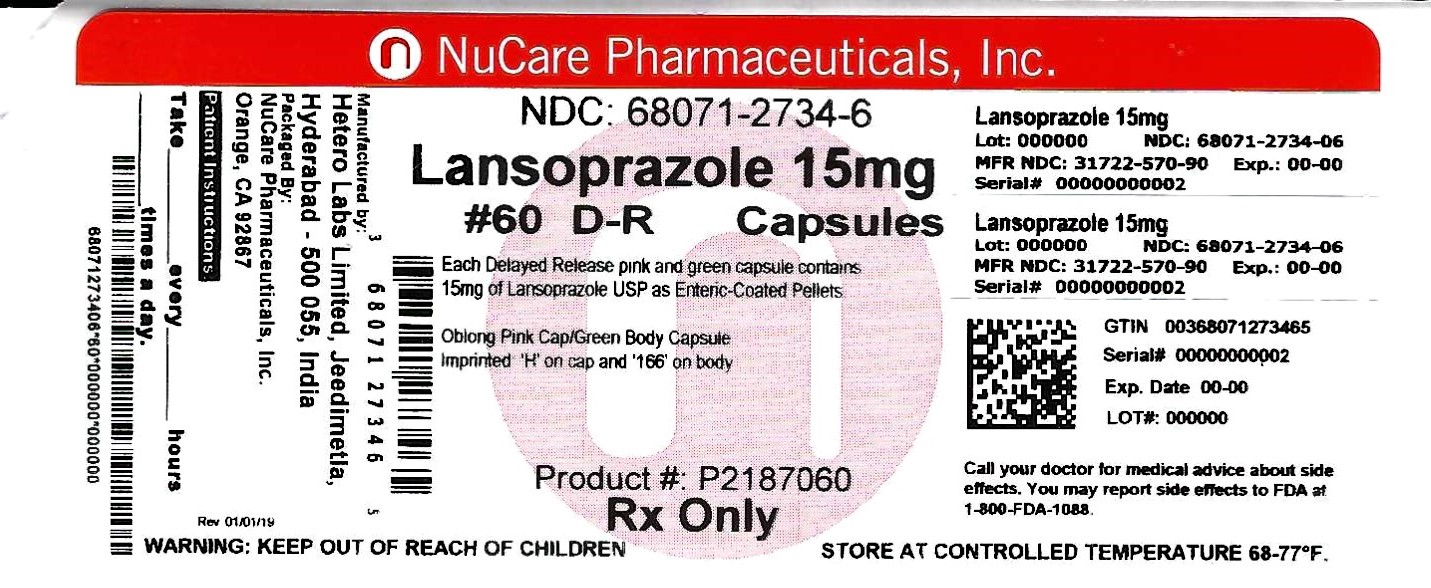
(lansoprazole · DailyMed)
LANPRO
Empty Hard Gelatin Capsule Shell,size #1 1 Nos,Lansoprazole 30 mg
What it does
This medication is not classified or specified with any known interactions or cautions.
Read more in plain English ↓Plain-language summary for general understanding - not medical advice. Always follow your pharmacist/doctor.
Ask about this medicine
Answers come only from this medicine's registration record, BNF monograph and interaction data - not medical advice.
Medicine sourcing is available in Kenya only. We don't sell or dispense medicines - licensed pharmacies do.
Sourcing - Kenya onlyRegistration & product details
Source: Tanzania Medicines and Medical Devices Authority · fetched 2026-03-11 23:51:45 · updated 2026-09-24 03:00:47
Drug Interactions
1Unknown (1)
Lansoprazole - decreases exposure
Apalutamide is predicted to decrease the exposure to proton pump inhibitors (lansoprazole, rabeprazole). Avoid or monitor.
Data from BNF 85 (British National Formulary). This is not a substitute for professional medical advice. Matched via: exact
About empty
This medication is not classified or specified with any known interactions or cautions.
How it works
No specific mechanism of action is provided.
Who it's for
This medication is not indicated for any specific condition.
AI-assisted summary grounded in BNF data - general information only, not medical advice. Always confirm with your pharmacist or doctor.
About gelatin
Gelatin is a substance often used in various food products and supplements. It is derived from animal collagen and is commonly used to help improve joint health and support digestion.
What it treats
- joint pain
- digestive health
- skin elasticity
How it works
Gelatin helps to provide structure to the body, supporting joints, skin, and digestive tract by providing essential proteins.
Who it's for
Gelatin is suitable for people looking to support their joint health, improve skin appearance, or enhance digestion.
AI-assisted summary grounded in BNF data - general information only, not medical advice. Always confirm with your pharmacist or doctor.
About hard
Hard is a medicinal ingredient used to help with various health conditions.
How it works
Hard works by interacting with specific body systems to provide relief or treatment for certain conditions.
Who it's for
Hard is suitable for individuals experiencing the conditions it is meant to treat.
AI-assisted summary grounded in BNF data - general information only, not medical advice. Always confirm with your pharmacist or doctor.
About lansoprazole
Lansoprazole is a medication that reduces stomach acid, helping to treat certain digestive issues.
What it treats
- acid reflux (gastroesophageal reflux disease)
- stomach ulcers (peptic ulcers)
- Zollinger-Ellison syndrome
How it works
It works by blocking the production of stomach acid, which helps heal and prevent damage to the stomach and esophagus.
Who it's for
It is for adults and children over the age of 1 who need relief from acid-related conditions.
AI-assisted summary grounded in BNF data - general information only, not medical advice. Always confirm with your pharmacist or doctor.
About nos
Nos is a medication used to treat various conditions. It is important to follow the guidance of a healthcare provider when using this medicine.
What it treats
- general discomfort
- pain relief
How it works
Nos works by affecting the body's pain signals to help reduce discomfort.
Who it's for
Nos is suitable for adults and children who need relief from pain or discomfort.
AI-assisted summary grounded in BNF data - general information only, not medical advice. Always confirm with your pharmacist or doctor.
About shell
Shell is used in various traditional remedies but lacks specific clinical guidelines.
How it works
The exact way shell works in the body is not well defined and may vary depending on its use in traditional practices.
Who it's for
Shell may be used by individuals seeking alternative remedies, but it is important to consult with a healthcare provider.
AI-assisted summary grounded in BNF data - general information only, not medical advice. Always confirm with your pharmacist or doctor.
About size
Size is a medication used to treat various health conditions, although specific details about its class and interactions are not provided.
How it works
The exact mechanism of how Size works is not detailed.
Who it's for
Size is prescribed for individuals needing treatment for certain health issues, but specific conditions are not mentioned.
AI-assisted summary grounded in BNF data - general information only, not medical advice. Always confirm with your pharmacist or doctor.
Clinical monograph: Lansoprazole
BNF-referencedLansoprazole is a proton pump inhibitor (PPI) used primarily to treat gastric acid-related disorders such as gastro-oesophageal reflux disease, duodenal ulcers, and gastric ulcers. It functions by irreversibly inhibiting the H+,K+-ATPase enzyme in the gastric parietal cells, which is responsible for the final step in gastric acid secretion, thereby reducing gastric acidity and promoting healing of the gastrointestinal mucosa.
Indications
- Gastro-oesophageal reflux disease
- Duodenal ulcer
- Benign gastric ulcer
- NSAID-associated gastric or duodenal ulcer
- Zollinger-Ellison syndrome
Dosage
Adults: 30 mg once daily for 4 weeks for duodenal ulcers, 30 mg once daily for 8 weeks for gastric ulcers, and 15 mg once daily for maintenance treatment. For gastro-oesophageal reflux disease, the usual dose is 15 mg
Mechanism of action
Lansoprazole is a prodrug that becomes activated in an acidic environment. Once protonated, it forms stable disulfide bonds with cysteine residues on the H+,K+-ATPase enzyme in parietal cells. This covalent binding leads to prolonged inhibition of gastric acid secretion, affecting both basal and stimulated acid production regardless of the stimulus.
Pharmacodynamics
Lansoprazole decreases gastric acid secretion by specifically targeting the H+,K+-ATPase enzyme, which catalyzes the final step in gastric acid secretion. It effectively heals duodenal ulcers and alleviates symptoms associated with acid secretion, such as heartburn, while also reducing pepsin secretion. Its action is effective in both daytime and nocturnal acid secretion, making it useful in treating various acid-related disorders.
Pharmacokinetics
Lansoprazole is absorbed after oral administration, with peak plasma concentrations usually occurring within 1-2 hours. It is extensively metabolized in the liver primarily via cytochrome P450 enzymes, leading to various metabolites that are excreted in urine. The half-life of lansoprazole is approximately 1.5 hours, but its acid-suppressive effects last longer due to its mechanism of action. The presence of food can affect the absorption rate, so it is typically recommended to take lansoprazole before meals.
Contra-indications
- Hypersensitivity to lansoprazole or any of its excipients
- Concurrent use with rilpivirine-containing products
Adverse effects
- Headache
- Diarrhoea
- Nausea
- Abdominal pain
- Constipation
- Flatulence
- Dizziness
- Fatigue
- Skin rash
- Elevated liver enzymes
- Acute interstitial nephritis
- Clostridium difficile-associated diarrhoea
- Bone fractures
- Hypomagnesemia
Interactions
- Increased risk of gastrointestinal infections due to reduced gastric acidity
- Apalutamide may decrease exposure when used with lansoprazole
- May alter the absorption of drugs that require an acidic environment for optimal absorption
Precautions
- Use with caution in patients with hepatic impairment
- Monitor for signs of Clostridium difficile infection in patients with prolonged therapy
- Consider risk of hypomagnesemia and associated complications
Pregnancy
Manufacturer advises to avoid use during pregnancy due to lack of adequate human data.
Breast-feeding
Specialist sources indicate use with caution, as lansoprazole is likely to be present in human milk, but in small amounts probably too low to be harmful.
Storage
Store below 25°C in a dry place, protect from light.
Formulations
- Gastro-resistant capsules
- Oral suspension
- Gastro-resistant tablets
- Gastro-resistant granules
AI-synthesized from BNF references - general information only, not a substitute for professional medical advice or the current BNF. Verify doses with a pharmacist.
Clinical monograph: Gelatin
BNF-referencedGelatin is a plasma substitute derived from protein obtained from plasma, serum, or normal placentas, with at least 95% of the protein being albumin. It is used to restore blood volume in patients with low blood volume conditions such as hypovolemic shock, burns, and during cardiopulmonary bypass procedures. Gelatin solutions can be isotonic, containing 3.5-5% protein, or concentrated, containing 15-25% protein.
Indications
- Low blood volume
- Hypovolemic shock
- Burns
- Cardiopulmonary bypass
Dosage
Children: Initially 10-20 mL per kilogram. Adjust according to the patient's condition and response, using 3.5-4% solution. Use under specialist supervision to mitigate the risk of fluid overload.
Adults: Dose according to requirements, typically administered intravenously. Consult product literature for specific dosing guidance.
Mechanism of action
Gelatin acts as a plasma expander by increasing the oncotic pressure in the vascular compartment, which helps to retain fluid within the bloodstream and restore circulating blood volume. This mechanism aids in maintaining blood pressure and improving tissue perfusion.
Pharmacodynamics
Gelatin solutions increase blood volume and improve hemodynamic stability in patients experiencing hypovolemic conditions. By drawing water into the vascular space, they help to counteract the effects of low blood volume, such as hypotension and compromised organ perfusion.
Pharmacokinetics
Gelatin is administered intravenously, and its effects can be observed relatively quickly. The half-life and the metabolic clearance depend on the formulation and concentration of the solution. Gelatin is gradually metabolized by macrophages and eliminated by the renal system. Close monitoring of fluid balance is essential, particularly in patients with cardiac or renal impairment.
Contra-indications
- Severe liver disease
- History of circulatory disease
- Severe cardiac disease
Adverse effects
- Fever
- Flushing
- Nausea
- Urticaria
- Rare or very rare shock
Interactions
- Calcium salts
Precautions
- Monitor cardiovascular and respiratory function
- Correct dehydration when administering
- Administer slowly to avoid rapid rise in blood pressure and cardiac failure
- Increased capillary permeability
Pregnancy
Consult product literature for specific guidance regarding use in pregnancy.
Breast-feeding
Consult product literature for specific guidance regarding use in breastfeeding.
Storage
Store at controlled room temperature, protect from light. Refer to product-specific storage instructions.
Formulations
- 5% solution for infusion
- 20% solution for infusion
- Concentrated solution (15-25% protein)
- Isotonic solution (3.5-5% protein)
AI-synthesized from BNF references - general information only, not a substitute for professional medical advice or the current BNF. Verify doses with a pharmacist.
Clinical monograph: empty
BNF-referencedParitaprevir is an antiviral medication primarily used in the treatment of chronic hepatitis C virus (HCV) infection. It functions as a potent inhibitor of the NS3/4A serine protease, which is crucial for the viral life cycle. By blocking this enzyme, paritaprevir effectively disrupts the replication and assembly of the virus, thereby aiding in the management of HCV infection.
Indications
- Chronic hepatitis C virus infection
- Genotype 1 HCV infection
Dosage
Children: Refer to BNF for Children for specific dosing information tailored to paediatric patients.
Adults: Refer to BNF for specific dosing information based on the clinical scenario.
Mechanism of action
Paritaprevir inhibits the NS3/4A serine protease of the Hepatitis C Virus (HCV). This enzyme is responsible for cleaving the viral polypeptide into essential structural and nonstructural proteins necessary for the assembly of mature virus. By inhibiting NS3/4A, paritaprevir prevents viral replication and function.
Pharmacodynamics
At concentrations significantly above therapeutic levels, paritaprevir and its combination with ombitasvir do not prolong the QTc interval to a clinically relevant extent. This suggests a favorable safety profile concerning cardiac effects at therapeutic doses.
Pharmacokinetics
Paritaprevir is absorbed effectively after oral administration, with its pharmacokinetic profile characterized by a peak plasma concentration occurring within a few hours post-dose. It is extensively metabolized in the liver, primarily via CYP3A4, and is eliminated mainly through fecal excretion. The half-life of paritaprevir allows for once-daily dosing when used in combination therapies.
Pregnancy
The safety of paritaprevir in pregnancy has not been established. Use only if the potential benefit justifies the potential risk to the fetus.
Breast-feeding
It is unknown if paritaprevir is excreted in human milk. Caution is advised when administered to breastfeeding women.
Storage
Store at room temperature, away from moisture and heat. Keep out of reach of children.
AI-synthesized from BNF references - general information only, not a substitute for professional medical advice or the current BNF. Verify doses with a pharmacist.
Clinical monograph: hard
Hard, commonly referred to in various contexts, can refer to a range of substances or drugs depending on the specific context. In pharmacology, it is crucial to specify the drug in question for accurate information. Generally, the term may allude to substances that exhibit a strong, potent effect on the body, leading to significant pharmacological actions. The effects can vary widely based on the specific compound in question, its classification, and its intended medical use.
Dosage
Children: Refer to specific pediatric dosing guidelines based on the identified drug, as 'hard' does not provide sufficient information.
Adults: Refer to specific drug information for dosing guidelines, as 'hard' does not specify a particular medication.
Mechanism of action
The mechanism of action for drugs termed 'hard' must be specified for accurate information, as this phrase does not designate a specific compound. Mechanisms may involve receptor interaction, enzyme inhibition, or modulation of biochemical pathways, depending on the drug in question. For example, opioid analgesics work primarily by binding to mu-opioid receptors in the central nervous system, leading to analgesic effects.
Pharmacodynamics
Pharmacodynamics refers to the effects of a drug on the body and its mechanisms of action. The pharmacodynamics of any drug classified as 'hard' would depend on its specific pharmacological profile, including its efficacy, potency, and the nature of its therapeutic effects. For instance, in the case of opioids, pharmacodynamic effects include pain relief, sedation, and potential respiratory depression.
Pharmacokinetics
Pharmacokinetics involves the absorption, distribution, metabolism, and excretion (ADME) of a drug. The pharmacokinetics of a substance termed 'hard' would vary significantly based on the specific drug. For many medications, absorption may occur via oral or parenteral routes, distribution may involve binding to plasma proteins, metabolism may occur in the liver, and excretion is typically renal. Each of these parameters is critical for understanding the drug's action and potential side effects.
Pregnancy
Consult a healthcare professional before use, as safety has not been established.
Breast-feeding
Consult a healthcare professional before use, as safety has not been established.
Storage
Store in a cool, dry place, away from direct sunlight.
AI-synthesized from BNF references - general information only, not a substitute for professional medical advice or the current BNF. Verify doses with a pharmacist.
Clinical monograph: shell
Shell refers to a variety of substances derived from the exoskeleton of certain animals, such as mollusks (e.g., snails and oysters) or crustaceans (e.g., crabs and lobsters). These shells are primarily composed of calcium carbonate and chitin, providing structural support and protection for the organisms. In medicine, components derived from shells may be utilized in dietary supplements, bone health products, or as a calcium source.
Indications
- Calcium deficiency
- Osteoporosis prevention
- Osteomalacia
- Rickets
- Paget's disease
- Hypoparathyroidism
Dosage
Children: Refer to specific product guidelines or consult a healthcare professional for appropriate dosing.
Adults: Refer to specific product guidelines or consult a healthcare professional for appropriate dosing.
Mechanism of action
The calcium carbonate found in shells acts as a calcium supplement, which is essential for many physiological functions, including bone formation and maintenance. It provides the necessary calcium ions that play a critical role in various cellular processes, including muscle contraction, neurotransmitter release, and blood coagulation.
Pharmacodynamics
Calcium carbonate is a source of calcium, a vital mineral that maintains bone density and overall bone health. When ingested, it dissociates in the stomach, releasing calcium ions that are absorbed in the intestines. It contributes to the prevention of osteoporosis and can aid in the treatment of calcium deficiencies. The effectiveness of calcium carbonate is influenced by factors such as the presence of food in the stomach, which may enhance its absorption.
Pharmacokinetics
After oral administration, calcium carbonate is dissolved in gastric acid and then absorbed primarily in the small intestine. The rate of absorption can be affected by the presence of food. The peak plasma concentration of calcium typically occurs within 1 to 3 hours post-ingestion. The elimination half-life of calcium varies, as it is stored in the bones and slowly released back into circulation. The body regulates calcium levels through hormonal control involving parathyroid hormone and calcitonin.
Pregnancy
Consult a healthcare provider for guidance, as safety during pregnancy may vary based on specific shellfish.
Breast-feeding
Consult a healthcare provider for guidance, as safety during breastfeeding may vary based on specific shellfish.
Storage
Store in a cool, dry place, away from direct sunlight.
AI-synthesized from BNF references - general information only, not a substitute for professional medical advice or the current BNF. Verify doses with a pharmacist.
Clinical monograph: size
Size is a term that typically refers to the physical dimensions or magnitude of an object or entity, but in pharmacological contexts, it may relate to dosage forms, concentrations, or the scale of drug effects. The specific context of 'size' in pharmacology is not well-defined, and as such, it is essential to consider the specific drug or compound in question for accurate information.
Dosage
Children: Refer to the specific drug's prescribing information for paediatric dosing guidelines.
Adults: Refer to the specific drug's prescribing information for adult dosing guidelines.
Mechanism of action
The mechanism of action would depend on the specific drug referred to by 'size'. Generally, drugs exert their effects through interaction with biological targets such as receptors, enzymes, or ion channels, leading to a physiological response.
Pharmacodynamics
Pharmacodynamics refers to the effects of the drug on the body, including the relationship between drug concentration and effect. This can involve receptor binding, signal transduction, and the resulting biological effects. Specific dynamics would vary based on the drug in question.
Pharmacokinetics
Pharmacokinetics describes the absorption, distribution, metabolism, and excretion (ADME) of a drug. Factors such as bioavailability, volume of distribution, half-life, and clearance would vary significantly based on the specific drug being considered.
Pregnancy
Safety in pregnancy has not been established. Use only if the potential benefit justifies the potential risk to the fetus.
Breast-feeding
Use with caution, as it is not known whether it is excreted in human milk.
Storage
Store in a cool, dry place away from direct sunlight.
AI-synthesized from BNF references - general information only, not a substitute for professional medical advice or the current BNF. Verify doses with a pharmacist.
Molecular reference: empty
PubChem CID 45110509Molecular formula: C40H43N7O7S
Mechanism of action
Paritaprevir is a potent inhibitor of the NS3/4A serine protease of Hepatitis C Virus (HCV). Following viral replication of HCV genetic material and translation into a single polypeptide, Nonstructural Protein 3 (NS3) and its activating cofactor Nonstructural Protein 4A (NS4A) are responsible for cleaving it into the following structural and nonstructural proteins required for assembly into mature virus: NS3, NS4A, NS4B, NS5A, and NS5B. By inhibiting viral protease NS3/4A, paritaprevir therefore prevents viral replication and function.
Pharmacodynamics
At concentrations approximately 6 and 1.8 times the therapeutic concentrations of paritaprevir and ombitasvir, the combination did not prolong QTc to any clinically relevant extent.
Source: PubChem (NCBI) · pathways from PathBank, Reactome, WikiPathways & PharmGKB.
Molecular reference: Lansoprazole
PubChem CID 3883Molecular formula: C16H14F3N3O2S
Mechanism of action
As a PPI, lansoprazole is a prodrug and requires protonation via an acidic environment to become activated. Once protonated, lansoprazole is able to react with cysteine residues, specifically Cys813 and Cys321, on parietal H+,K+-ATPase resulting in stable disulfides. PPI's in general are able to provide prolonged inhibition of acid secretion due to their ability to bind covalently to their targets. Lansoprazole is a selective and irreversible proton pump inhibitor. In the acidic environment of the gastric parietal cell, lansoprazole is converted to active sulphenamide derivatives that bind to the sulfhydryl group of (H+, K+)-adenosine triphosphatase ((H+,K+)-ATPase), also known as the proton pump (H+,K+)-ATPase catalyzes the final step in the gastric acid secretion pathway. Lansoprazole's inhibition of (H+,K+)-ATPase results in inhibition of both centrally and peripherally mediated gastric acid secretion. The inhibitory effect is dose-related. Lansoprazole inhibits both basal and stimulated gastric acid secretion regardless of the stimulus.
Pharmacodynamics
Lansoprazole decreases gastric acid secretion by targeting H+,K+-ATPase, which is the enzyme that catalyzes the final step in the acid secretion pathway in parietal cells. Conveniently, lansoprazole administered any time of day is able to inhibit both daytime and nocturnal acid secretion. The result is that lansoprazole is effective at healing duodenal ulcers, reduces ulcer-related pain, and offers relief from symptoms of heartburn Lansoprazole also reduces pepsin secretion, making it a useful treatment option for hypersecretory conditions such as Zollinger-Ellison syndrome.
Biological pathways
Source: PubChem (NCBI) · pathways from PathBank, Reactome, WikiPathways & PharmGKB.
This drug in other countries
The same active ingredient registered across other registries we cover - including different brands.
- ACL KIT · Universal Corporation
- ASPYORI KIT · Opera Pharma
- CELONAL 100 · National Pharmacy
- DEGASTROL 30MG · Pharmaco Healthcare
- DUTAMARK · Sai Pharmaceuticals
- ESTOVON · Abacus Pharma
- AJ WELLNESS VITALWOMAN 45+ CAPSULES · Renown Pharmaceuticals
- GELOFUSINE SOLUTION FOR INFUSION (Each 1000 ml of the solution for infusion contain Gelatin Polysuccinate / Sodium Chloride - 40g / 7.01g Gelatin Polysuccinate / Sodium Chloride 40g / 7.01g) · B. Braun Medical
- LIVOPAT CAPSULES (Each soft gelatin capsule contains Lecithin/ D-alpha Tocophenol/ Vit B1/ Vit B2/ Vit B6/ Folic Acid/ Vit K/ · The Mentholutum Company Ltd
- OVAZOA-F SOFT GELATIN CAPSULES · Applied Communication & Controls